








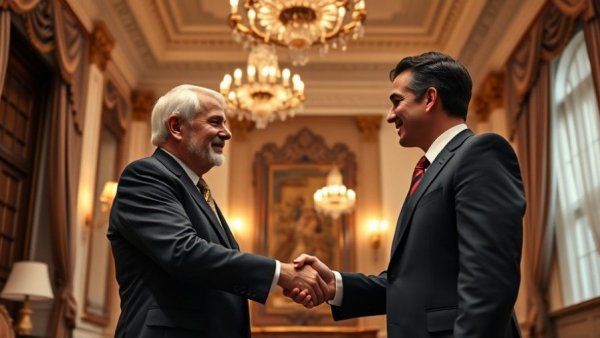
Trump's Shift: A New Era for Trade with Russia?
In a surprising decision, former President Donald Trump has paused plans for business deals with Russia, revealing a significant turn in his approach to international trade relations. This move impacts not only geopolitical dynamics but also provides a notable insight into the evolving nature of business operations for import-export companies aware of global market trends.
The Impact of Business Decisions on International Trade
Understanding the implications of Trump’s decision requires a closer look at how international trade operates in today’s global market. With sanctions and regulations frequently shaping the landscape for import-export companies, navigating these changes is crucial. By shelving plans for potential deals, Trump indicates a stalling of opportunities that could have opened new pathways for American manufacturers to penetrate the Russian market. As companies strategize their international dealings, understanding these dynamics will be essential for compliance and operational success.
Challenges for Entrepreneurs in Current Trade Environments
Trump's retreat from such business pursuits raises important questions for entrepreneurs and companies involved in trade. Businesses must remain adaptive to the shifting political climate and the potential for impacts on tariffs, compliance, and regulatory factors. For many businesses, understanding the complexities of international regulations can feel daunting, yet it is essential for seizing new opportunities. Entrepreneurs are encouraged to stay informed about geopolitical news, as these developments can have immediate effects on their supply chains and market access.
Manufacturing Sector and Trade Opportunities
The manufacturing sector often depends on robust trade agreements to thrive. With Trump signaling a buffer in potential collaboration with Russia, companies must seek alternative markets and rethink strategies for export. Emphasizing innovative manufacturing practices, perhaps by adopting new technologies or sustainability measures, could help overcome obstacles presented by geopolitical decisions. As leaders in the manufacturing industry often state, adaptability and foresight can yield competitive advantages even in turbulent times, allowing companies to pivot quickly when new opportunities arise or challenges present themselves.
The Future of Trade with Russia: Predictions and Perspectives
Looking ahead, some industry experts predict that Trump’s halt could lead to new approaches in U.S.-Russia relations. Although it may seem like a setback at first glance, businesses can utilize this time to analyze the landscape and establish groundwork for future deal-making. The current pause might allow for a comprehensive reevaluation of existing strategies to optimize future collaborations, effectively expanding the global trading network. Companies should consider enhancing their market research to identify potential sectors that could thrive despite the current geopolitical tensions.
Decisions Import-Export Companies Can Make Today
In light of recent developments, import-export companies should consider refining their business models and diversifying markets actively. By exploring trade relationships in emerging markets or strengthening links with trusted partners, companies can maintain their trajectory for growth and stability. Additionally, continuous education about compliance and regulatory changes, as well as establishing networks for sharing insights and strategies, will equip businesses to tackle future uncertainties effectively. Such measures can also improve resilience against sudden shifts in policy or international relations.
Final Thoughts: Embracing the Challenge of Trade
While Trump's decision may signify a pause in potential trade activities with Russia, it challenges import-export companies to innovate and adapt. The importance of proactive planning and market awareness cannot be understated. As opportunities arise and markets shift, being prepared to pivot and respond can mean the difference between thriving and merely surviving in the global arena. A proactive stance can turn challenges into opportunities, enabling businesses to capitalize on new trends and demands as they develop.
Call to Action: As the landscape for trade continues to evolve, consider engaging with industry professionals, attending trade conferences, or joining networks that keep you informed about market shifts and best practices. Your business's success may depend on how well you adapt to these changes. Stay connected and informed to navigate this complex but rewarding field effectively.








Write A Comment