







Global Trade News
Global Trade News
  • Manufacturing Insights 
  • Categories
    • Policy Pulse
    • Compliance Corner
    • Market Movers
    • Supply Chain
    • Export Essentials
    • Manufacturing Technology
    • Regulatory Roundup
    • Market Intelligence
    • Industry Voices
    • More Videos
November 23.2026
1 Minute Read

The 25% Heavy Truck Tariff: Ripple Effects for Fleets, Distributors and Parts Suppliers.

Imagine a bustling logistics hub: gleaming heavy trucks lined up, workers weaving between rows of containers, and the hum of commerce in the air. Now, add a 25% layer of cost to every import of these workhorses—this is the reality facing today's fleets, distributors, and parts suppliers in America. The 25% heavy truck tariff was set with the intention of protecting domestic manufacturing, but its true influence ripples through every link in the supply chain, shaping how fleets operate and how distributors and suppliers stay competitive. In this article, we'll dig deep into the origins, reach, and practical realities of the tariff—and offer clear insights for industry stakeholders navigating these turbulent trade waters.

Understanding the 25% Heavy Truck Tariff and Its Origins

  • Defining the 25% heavy truck tariff: The 25% heavy truck tariff refers to an import duty imposed by the US government on certain heavy-duty trucks and truck parts entering the country. The main keyword emerges not only in regulations but resonates in real-world impacts as fleets and carrier services strive to absorb rising costs and adjust procurement strategies.

  • A brief history of heavy truck import duties in the US: Historically, truck import duties began as protections for American automakers and carrier connection providers, with policies evolving through trade tensions and negotiations. The so-called "Chicken Tax" laid the foundation decades ago, paving the way for what would eventually become the 25% heavy truck tariff. Filed under carrier connection and international policy, the origin of these duties shows how the US sought to control the influx of foreign vehicles and maintain domestic manufacturing strength.

  • How the US heavy truck tariffs were designed to shape international truck trade barriers: US heavy truck tariffs didn't just emerge in a vacuum. These were responses to changing global commerce states, economic frameworks, and the desire to manage import and export flows. Over time, tariffs matured into strategic trade barriers, influencing negotiations with countries like Mexico and Canada and shaping a region and creating a distinctive trade landscape.

  • Major policies and heavy truck tariff policy evolution: From the early days of basic import duties to today's comprehensive restrictions targeting million pounds of heavy truck imports, tariff policy has grown complex. Trade lawyers and consultants—often providing comprehensive services to clients—track annual shifts and lobby for reforms, noting that recent changes, particularly around the USMCA, have modified but not eliminated the 25% rule. The policy evolution remains a key point for those posted September through October, especially in filings under carrier connection and the ongoing trade policy landscape.

Modern heavy-duty truck fleet in a shipping yard with cranes and containers, demonstrating the 25% heavy truck tariff scenario

What You'll Learn about the 25% Heavy Truck Tariff

  • Economic impact of truck tariffs on trucking industry stakeholders

  • How trade tariffs on trucks affect fleets, parts suppliers, and distributors

  • Challenges posed by heavy vehicle import tax for international players

  • Practical insights into USMCA qualification and tariff exemptions

Ripple Effects of the 25% Heavy Truck Tariff on US Fleets, Distributors, and Parts Suppliers

"While the 25% heavy truck tariff was intended to protect domestic manufacturers, it has created ripple effects that extend deep into supply chains and alter cost structures for fleets, distributors, and parts suppliers."

  • Freight cost increases as a result of heavy truck import duties: The immediate effect for US fleets and carrier services is higher up-front costs when purchasing foreign-made trucks or parts. Distributors must pass these increases down the line, raising the cost of doing business for everyone from regional trucking companies to small local carriers. When factoring in routine expenses like fuel (including dyed diesel) and maintenance, these compounding costs impact everyone—from dispatcher to truck driver—ultimately squeezing profit margins.

  • Parts and supply chain disruption linked to US heavy truck tariffs: Supply chain interruptions intensify as import duties disrupt established sourcing channels. Distributors and parts suppliers, already vigilant against risks like cargo theft and freight crime, are finding that delayed or more expensive shipments challenge their ability to maintain inventory. This volatility is especially difficult for small operators who rely on just-in-time stocking rather than stockpiling, and for carrier connection networks who must keep their fleets rolling.

  • Impact of truck tariffs on small versus large fleets: The economic burden of the 25% heavy truck tariff is not distributed equally. Smaller fleets often lack the purchasing power to negotiate better deals or absorb sudden cost hikes, making them more vulnerable compared to large, multi-regional carriers that can diversify their supplier base. Filed under carrier connection and economic framework assessments, these disparities also filter through the labor pipeline: truck driver availability, fleet expansion, and maintenance schedules are all impacted.

  • Strategies distributors use to mitigate trade tariffs on trucks: To counteract the heavy vehicle import tax, distributors are expanding domestic sourcing, forming long-term partnerships, and leveraging technology to enhance supply chain visibility. Some take proactive steps—such as collaborating with trade lawyers and consultants for tariff exemptions and compliance guidance—while others explore alternative markets in search of lower duties or better carrier services.

  • The role of the heavy vehicle import tax in driving long-term industry trends: Beyond daily disruptions, the tariff shapes industry trends. Companies invested in innovation—from aeb mandate adoption to sustainable tech—must factor the 25% cost into ROI calculations. Analysts note that such trade barriers push more carriers to seek local manufacturing options, fueling supply chain localization and accelerating a shift toward regional custom solutions.

For a deeper dive into how evolving trade regulations are impacting logistics and supply chain strategies, you may find the latest updates and tactical guidance on Global Trade News especially useful. Their coverage often highlights practical steps for adapting to shifting tariff landscapes and maintaining operational resilience.

Logistics manager and technician reviewing documents near truck parts, illustrating the challenges from 25% heavy truck tariff

Exploring Trade Barriers: USMCA Protections and Policy Gaps

  • How the USMCA influences heavy truck tariff policy: The United States-Mexico-Canada Agreement (USMCA) offers selective relief from the 25% heavy truck tariff for qualified vehicles and components. By meeting specific origin criteria, importers can benefit from reduced duties, giving fleets and distributors a crucial lifeline. However, the complexities of compliance require close attention and ongoing cooperation with trade lawyers and consultants adept at interpreting evolving policies.

  • Limitations and protections under USMCA qualification: Not all trucks or parts automatically qualify under USMCA. Policy gaps persist, particularly around imported heavy vehicles that fail to meet detailed requirements. Even with the agreement, industry players must invest in proper documentation and origin tracking—tasks often filed under carrier connection compliance. This means that while some shelter exists, many in the import and export ecosystem still face the full force of the tariff.

  • Examples of trade compliance and navigating international truck trade barriers: Real-world examples abound: parts suppliers who redesign sourcing processes to maximize USMCA eligibility, and fleets choosing US-made trucks even at higher initial costs to avoid procedural delays. Still, navigating these trade barriers demands ongoing awareness, as compliance missteps can trigger unexpected liabilities and disrupt service to clients.

Trade compliance team collaborating over digital maps and charts on heavy truck tariffs and USMCA policies

People Also Ask: Insights on the 25% Heavy Truck Tariff

What are the truck weight limits in the USA?

Truck weight limits in the USA are regulated at both the federal and state levels, directly impacting which vehicles qualify for the 25% heavy truck tariff and how fleets approach compliance. Federal law sets the maximum gross vehicle weight at 80,000 pounds, but some states allow higher limits with special permits. These restrictions shape how truck driver operations are structured and how carrier services plan routes to avoid overweight penalties or tariff issues—an essential detail for anyone managing import and export logistics.

Heavy-duty truck at weigh station being inspected, representing regulation challenges for 25% heavy truck tariff

Is US customs still charging tariffs?

Yes, US customs continues to enforce tariffs, including the 25% heavy truck tariff, affecting imported heavy vehicles and their parts. Every shipment entering the commerce state is scrutinized for compliance—meaning carrier connection networks and distributors must stay vigilant. Ongoing import and export flows maintain this extra cost pressure, often requiring additional details and trade lawyers and consultants' input to minimize risk.

What did Trump do for the trucking industry?

The Trump administration focused on expanding trade tariffs, including strengthening the 25% heavy truck tariff as part of a broader effort to support US manufacturing and address trade imbalances. Policy adjustments posted October under carrier connection aimed to create a more favorable environment for domestic fleets, forging new negotiating rounds and reshaping the region and creating long-term effects for trucking innovation and carrier services.

What are the current tariff rates in the US?

Current tariff rates in the US vary by product category, but the 25% heavy truck tariff specifically targets certain imported heavy vehicles, shaping the economic impact of truck tariffs nationwide. While some rates fluctuate based on trade agreements and ongoing negotiating rounds, the truck industry consistently faces this notable import duty—a driving force behind many supply chain changes seen across fleets, parts suppliers, and distributors.

Comparative Table: Impact of 25% Heavy Truck Tariff on Industry Segments

Industry Segment

Direct Impacts

Common Mitigations

Example Stakeholders

Fleet Operators

Increased costs, supply volatility

Diversifying suppliers, long-term contracts

Regional trucking companies

Distributors

Lowered competitiveness, inventory challenges

Expanding domestic sourcing

Import/export parts distributors

Parts Suppliers

Price instability, access delays

Stockpiling, just-in-time orders

Aftermarket parts manufacturers

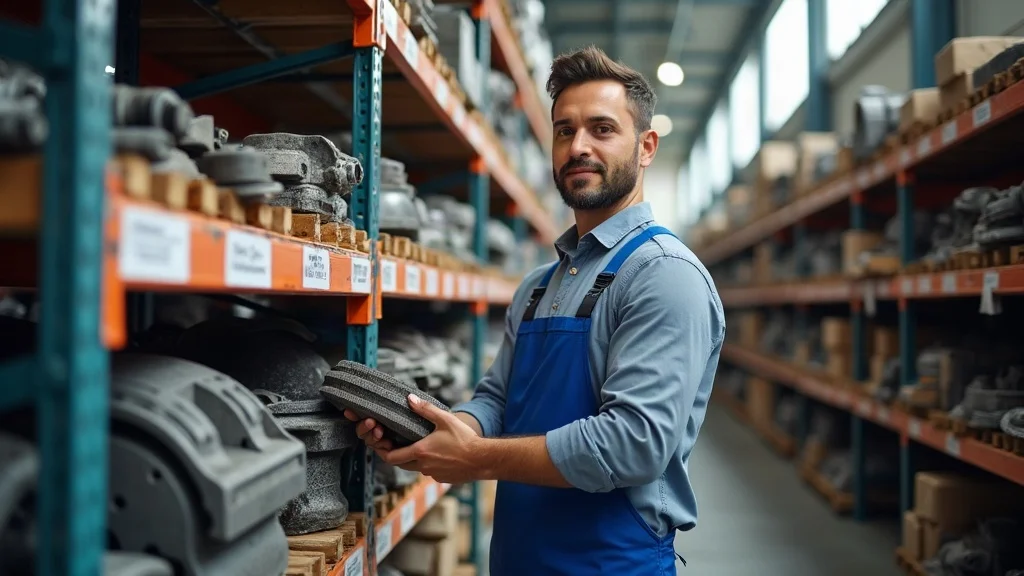
Aftermarket parts supplier sorting truck parts, reflecting the industry response to the 25% heavy truck tariff

Expert Opinions: The 25% Heavy Truck Tariff and Its Future on Trade

"The persistence of the 25% heavy truck tariff means that adaptation isn’t optional — it’s essential for survival in today’s complex international market."

  • Industry leaders on the long-term effects of the heavy vehicle import tax: Many executives agree that the industry’s future depends on its ability to innovate around trade barriers. The 25% heavy truck tariff, once seen as a temporary measure, is transforming business plans—forcing companies to reevaluate supply chains, invest in regional manufacturing, and reconsider global strategies in order to stay resilient.

  • Analysts dissecting the impact of truck tariffs on trucking industry innovation: Analysts highlight that persistent tariffs are pressuring fleets and distributors to balance cost-saving measures with investments in technology like the aeb mandate, all while mitigating risks such as cargo theft and freight crime. These realities shape the daily choices posted October by stakeholders working to secure a future-proof supply chain.

  • Future outlook on US heavy truck tariffs and possible reform: While tariffs endure, ongoing negotiating rounds and global economic shifts could pave the way for adjustments. Seasoned trade lawyers and consultants urge stakeholders to remain agile, emphasizing the importance of compliance, adaptability, and proactive engagement with evolving regulations.

FAQs: Addressing Your Questions on the 25% Heavy Truck Tariff

  • Which vehicles are impacted by the 25% heavy truck tariff? Imported heavy-duty trucks and qualifying parts sourced from non-exempt regions are subject to the 25% tariff. Carriers purchasing these vehicles or components should carefully verify origin and compliance to understand total landed cost.

  • How do USMCA qualifications affect my compliance with heavy truck import duties? If your imported trucks or parts meet USMCA origin requirements, you may be eligible for tariff exemptions or reduced rates. Proper documentation and regular consultation with trade experts is essential to ensure compliance and avoid costly errors.

  • Can distributors bypass trade tariffs on trucks via alternate sourcing strategies? Some distributors work to minimize exposure to tariffs by seeking parts from domestic suppliers or importing from USMCA-partner countries. Strategic sourcing and risk management are key for those striving to stay competitive while avoiding the highest import duties—especially against a backdrop of shifting regulations and market demand.

Key Takeaways from the 25% Heavy Truck Tariff's Ripple Effects

  • The 25% heavy truck tariff reshapes cost structures and sourcing strategies across the US trucking industry.

  • USMCA offers some shelter but gaps remain, particularly for international truck trade barriers.

  • Stakeholders must remain agile and adaptable to shifting heavy truck tariff policy.

Explore Industry Insights and Stay Informed

Have industry insights or news tips? Reach out and join our network of global trade professionals today! Schedule your interview with Global Trade News.

If you’re interested in expanding your understanding of global trade dynamics and how regulatory shifts can impact your business strategy, the comprehensive resources at Global Trade News offer valuable perspectives. Explore their in-depth analyses to stay ahead of market changes, discover advanced compliance techniques, and gain actionable insights for navigating the evolving landscape of international trade.

Supply Chain

4 Views

Write A Comment

*
*
Please complete the captcha to submit your comment.
Related Posts All Posts
11.23.2026

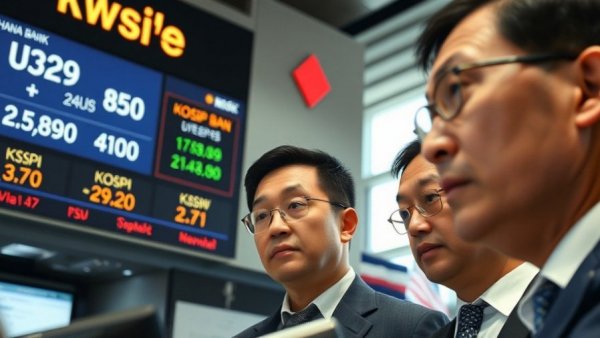
Wall Street's AI Stock Sell-Off: What It Means for Import Export Companies

Update AI Stock Sell-Off: A Temporary SetbackThe recent sell-off in AI stocks has captured the attention of investors and industry experts alike. Wall Street's volatility often influences broader market sentiments, particularly regarding sectors that have seen significant growth in recent years. After a wave of uncertainty, many are asking: is now the time to invest, or are we facing a prolonged downturn in tech stocks?Understanding Market FluctuationsInvestors frequently experience highs and lows, especially in emerging sectors like AI. Following the sell-off, analysts speculate that the rebound could lead to lucrative opportunities, emphasizing the need to understand market dynamics and adapt accordingly. For import and export companies, this means being attuned to these fluctuations, which can affect supply chains and international trade agreements. By anticipating shifts, businesses can position themselves strategically to respond to changes in demand.Why This Matters to Import and Export CompaniesThe recent shifts in the market have unique implications for import and export companies. As AI technology continues to reshape industries, firms that adapt swiftly are likely to thrive. Innovations in manufacturing and logistics powered by AI can streamline operations, ultimately reducing costs. Companies that leverage these advancements could gain a competitive edge in the global market. Having the ability to manage these technologies not only enhances productivity but also allows companies to offer better services and more reliable delivery times.Insights from Recent Market TrendsDiving deeper into the core of the recent sell-off reveals that fears around inflation and interest rates had a significant impact. Inflation can reduce consumer purchasing power, subsequently affecting manufacturing outputs and trade volumes alike. Understanding these broader economic trends will equip import-export firms with the foresight necessary to adjust their strategies accordingly. For instance, companies might consider securing contracts or raising prices in anticipation of tighter economic conditions, or they may choose to focus on markets that are less sensitive to such fluctuations.Potential for Future GrowthThe current climate also presents opportunities, especially for those willing to stay ahead of the curve. Analysts predict a robust recovery in sectors heavily reliant on AI within the next few quarters. For import and export businesses, this could translate into an increase in demand for AI-enhanced products and services, ranging from smart logistics software to automated production lines. By positioning themselves in the right markets and understanding global dynamics, companies can achieve sustainable growth.Moreover, while the short-term volatility may seem alarming, history has shown that markets often rebound, and innovations typically emerge stronger and more refined after tough periods. For businesses in the import and export sector, recognizing these patterns and adjusting their strategies to invest in trending technologies can lead to significant advantages.Actionable Steps for BusinessesTo navigate this fluctuating environment, import and export companies should consider these strategic actions:Diversification: Expanding into new markets can mitigate risks associated with sector-specific downturns. This could involve exploring emerging markets or diversifying product offerings.Investment in Technology: Embracing AI and other innovative technologies can streamline operations and enhance productivity. Investing in tools that offer real-time analytics can help companies respond faster to market changes.Market Research: Staying informed about market trends and consumer behavior can guide strategic decisions in uncertain times. Regularly engaging with industry reports and trend analyses can provide invaluable insights.Building Resilience: Developing a robust contingency plan can help safeguard against sudden market changes. This includes having flexible supply chains that can adapt to disruptions.Conclusion: Seize the OpportunityRebounding markets after sell-offs can signify not just recovery, but also potential for innovation and growth. Import and export companies that learn to pivot and adapt to the evolving market landscape will likely not only survive but flourish in this dynamic environment. By approaching these challenges with a mindset geared towards opportunity, businesses can position themselves effectively for a bright future in the expanding global marketplace.

11.22.2026

Exploring Alice Huang’s Chip Trade Connections and Their Impact

Update Understanding the Complex Web of Chip Trading At the heart of global trade, technology companies are often entangled in complex relationships that's not just about commerce but also personal connections. Recently, the relationship between Chinese executive Alice Huang and Jensen Huang, the former CEO of Nvidia, has brought attention to the intricacies of the semiconductor industry's supply chain, particularly in connection with China's chip imports. The interplay between personal connections and corporate strategy can greatly affect trade dynamics, making it a fascinating area of exploration for those in the field. The Financial Implications of Chip Trade The semiconductor trade is incredibly lucrative, with billions of dollars at stake. As Alice Huang is revealed to have connections within this trade, import and export companies should take a closer look at the potential financial avenues available. Understanding how to navigate this space can lead to significant profitability, creating opportunities in markets that are continuously evolving. Import-export professionals should especially focus on analyzing trends, such as fluctuating demand for microchips in consumer electronics, automotive industries, and emerging tech sectors. However, it is essential to maintain awareness of regulatory and compliance concerns that are increasingly prominent in today's world, ensuring that businesses can operate effectively within legal boundaries. Why Personal Connections Matter in Business Personal relationships can dramatically influence business outcomes, especially in industries like semiconductor manufacturing. The connection between Alice and Jensen Huang exemplifies how interpersonal dynamics can shape business strategies and affect trade routes. For import-export executives, recognizing the power of networking can open doors that facilitate smoother transactions and create partnerships ripe for innovation. For anyone in the field, cultivating relationships is not just about securing deals; it’s about establishing trust and understanding market nuances that can lead to successful collaborations. The Role of Regulatory Frameworks With the increasing scrutiny on chip trades and exports, companies engaged in this sector must ensure compliance with both local and international laws. In the wake of the U.S.-China trade tensions, the semiconductor trade has been subject to heightened regulatory oversight, making it crucial for businesses to stay informed about compliance measures to avoid potential fines or trade barriers. Additionally, companies should prioritize compliance training for employees to foster a culture of adherence to regulations. This not only limits risk but can also enhance a company’s reputation, making it more attractive to potential partners and clients. Future Predictions: Opportunities in Manufacturing Looking ahead, the semiconductor sector is poised for explosive growth. Demand for electronics is skyrocketing, especially in areas like AI, IoT (Internet of Things), and 5G technology. Import-export companies can benefit from leaning into manufacturing partnerships that utilize advanced technologies to meet market demands more efficiently. By identifying and aligning with manufacturers who are pioneering innovations, businesses can set themselves apart in an increasingly competitive landscape. Making calculated decisions now about which sectors to focus on—not just in terms of technology but also geographical markets—can define future success. Global Considerations and Local Impacts It’s worth noting that the trends in the semiconductor industry aren’t just reflective of global developments; they also have local impacts. For example, changes in chip availability can affect local manufacturers, job markets, and the associated economy. Therefore, import-export companies should not only evaluate international trends but also consider local market conditions and their potential implications. Engaging with local businesses and communities can foster goodwill and create a supportive ecosystem that benefits all involved. Final Thoughts: Empower Your Trade Strategies Being cognizant of the evolving landscape within the semiconductor trade can empower import and export companies to position themselves advantageously. Through fostering connections, ensuring compliance with regulations, and understanding market predictions, companies can craft strategies that not only respond to current challenges but also preemptively address future shifts in the market. The semiconductor industry's complexity may seem daunting, but with the right approach and insights, it can also be a field ripe with opportunities. If you're interested in pursuing opportunities within this complex yet lucrative market, now's the time to educate yourself on these key insights. Professionals in the import-export space should stay proactive, fostering relationships and adapting quickly to market changes. The connections formed today could be the groundwork for successful ventures in tomorrow's economy.

11.21.2026

Why CPA Questions China’s Push to Invest in Indian Drug Manufacturing

Update Understanding the CPA's Concerns About Indian Drug Manufacturing Recently, the Coalition for a Prosperous America (CPA) raised serious questions regarding a U.S.-China Economic and Security Review Commission (USCC) recommendation for Congress to support investments in Indian pharmaceutical manufacturing. This scrutiny comes in light of vital FDA and WHO findings highlighting issues with Indian-made medicines and India's heavy reliance on chemical inputs from China. The CPA emphasizes the need for Congress to closely examine the pharmacies' supply chains and production backgrounds to ensure the quality and safety of medicines produced in India. Why This Matters: A Look at Antibiotics In the world of medicines, particularly antibiotics, the situation reveals deeper ties. An April 2026 study pointed out that an overwhelming amount of antibiotic active pharmaceutical ingredients (APIs) in India—over 91%—came from China during a critical two-year period. Such dependence raises alarms, primarily because it hints at a significant risk to the supply chain if any geopolitical tensions arise. The same study also noted that China accounted for about 87% of all U.S. antibiotic API imports. In contrast, the U.S. has no significant production capabilities for key ingredients like 6-aminopenicillanic acid (6-APA), a fundamental input for creating many antibiotics. This poses a massive challenge not only to drug safety but also to national security. The Future of Pharmaceutical Manufacturing As the U.S. considers investing in Indian drug manufacturing, it should also recognize the critical nature of developing its pharmaceutical production capacity. With countries like India and China dominating the production landscape, the U.S. risks becoming overly reliant on external sources for life-saving medications. The CPA's Jon Toomey emphasizes that the fundamental goal should be to reduce dependency on China for antibiotics by developing local capabilities. Identifying Unseen Risks Recommendations from any commission should not be taken lightly. The CPA's call for transparency over which pharmaceutical representatives were consulted during the USCC's trip to India reflects a growing concern regarding who influences policy decisions. The integrations of various players in the pharmaceutical and manufacturing industry are often obscured, making it vital for Congress to demand clarity. Without this, potential problems could slip unnoticed through the gaps in the system, resulting in greater risks for both consumers and manufacturers. The Need for Strict Guidelines In light of these concerns, it is crucial for Congress and regulatory bodies to implement strict guidelines governing the manufacturing processes and quality checks in foreign markets. U.S. policies should ensure that there are sufficient checks in place to guarantee that Indian products meet strict safety standards, so the risk of defective medications being introduced into the market is minimized. Conclusion: What’s Next? As the conversation around foreign investment and supply chain security continues, it is clear that understanding the full landscape of pharmaceutical manufacturing is essential. The CPA urges Congress to ensure that thorough research and transparency inform any recommendations made regarding Indian drug manufacturing. For those interested in understanding the intricate world of pharmaceutical manufacturing, staying informed and advocating for local capabilities can help foster a safe and reliable drug supply for all. Take action by demanding full transparency in the healthcare supply chain!

Global Trade News


An educational, content-centric platform that delivers unbiased, comprehensive, and real-time regulatory news and analysis, empowering stakeholders to make informed decisions in a complex global trade environment.


Global Trade News is a subsidiary of RP Design Web Services.

COMPANY

  • Privacy Policy
  • Terms of Use
  • Advertise
  • Contact Us
  • Menu 5
  • Menu 6

AVAILABLE FROM 8AM - 5PM

City, State

Cheshire, CT

ABOUT US

A media channel that delivers the latest insights on trade regulations, import/export compliance, policy shifts, and global market trends.  Present both US and international perspectives to provide companies with a holistic view of the evolving trade landscape.

© 2026 Global Trade News All Rights Reserved. PO Box 1189 , Cheshire, CT 06410 . Contact Us . Terms of Service . Privacy Policy

eyJjb21wYW55IjoiR2xvYmFsIFRyYWRlIE5ld3MiLCJhZGRyZXNzIjoiUE8gQm94IDExODkgIiwiY2l0eSI6IkNoZXNoaXJlIiwic3RhdGUiOiJDVCIsInppcCI6IjA2NDEwIiwiZW1haWwiOiJzYWxlc0BycGRlc2lnbi5jb20iLCJ0b3MiOiJQSEErUEhOMGNtOXVaejQ4WlcwK1YyaGxiaUI1YjNVZ2MybG5iaTFwYmlCM2FYUm9JSFZ6TENCNWIzVWdZWEpsSUdkcGRtbHVaeVp1WW5Od095QjViM1Z5SUhCbGNtMXBjM05wYjI0Z1lXNWtJR052Ym5ObGJuUWdkRzhnYzJWdVpDQjViM1VnWlcxaGFXd2dZVzVrTDI5eUlGTk5VeUIwWlhoMElHMWxjM05oWjJWekxpQkNlU0JqYUdWamEybHVaeUIwYUdVZ1ZHVnliWE1nWVc1a0lFTnZibVJwZEdsdmJuTWdZbTk0SUdGdVpDQmllU0J6YVdkdWFXNW5JR2x1SUhsdmRTQmhkWFJ2YldGMGFXTmhiR3g1SUdOdmJtWnBjbTBnZEdoaGRDQjViM1VnWVdOalpYQjBJR0ZzYkNCMFpYSnRjeUJwYmlCMGFHbHpJR0ZuY21WbGJXVnVkQzQ4TDJWdFBqd3ZjM1J5YjI1blBqd3ZjRDRLQ2p4d1BqeGhJR2h5WldZOUltaDBkSEE2THk5M2QzY3VaMjl2WjJ4bExtTnZiU0krYUhSMGNEb3ZMM2QzZHk1bmIyOW5iR1V1WTI5dFBDOWhQand2Y0Q0S0NqeHdQaVp1WW5Od096d3ZjRDRLQ2p4d1BqeHpkSEp2Ym1jK1UwVlNWa2xEUlR3dmMzUnliMjVuUGp3dmNENEtDanh3UGxkbElIQnliM1pwWkdVZ1lTQnpaWEoyYVdObElIUm9ZWFFnWTNWeWNtVnVkR3g1SUdGc2JHOTNjeUI1YjNVZ2RHOGdjbVZqWldsMlpTQnlaWEYxWlhOMGN5Qm1iM0lnWm1WbFpHSmhZMnNzSUdOdmJYQmhibmtnYVc1bWIzSnRZWFJwYjI0c0lIQnliMjF2ZEdsdmJtRnNJR2x1Wm05eWJXRjBhVzl1TENCamIyMXdZVzU1SUdGc1pYSjBjeXdnWTI5MWNHOXVjeXdnWkdselkyOTFiblJ6SUdGdVpDQnZkR2hsY2lCdWIzUnBabWxqWVhScGIyNXpJSFJ2SUhsdmRYSWdaVzFoYVd3Z1lXUmtjbVZ6Y3lCaGJtUXZiM0lnWTJWc2JIVnNZWElnY0dodmJtVWdiM0lnWkdWMmFXTmxMaUJaYjNVZ2RXNWtaWEp6ZEdGdVpDQmhibVFnWVdkeVpXVWdkR2hoZENCMGFHVWdVMlZ5ZG1salpTQnBjeUJ3Y205MmFXUmxaQ0FtY1hWdmREdEJVeTFKVXlaeGRXOTBPeUJoYm1RZ2RHaGhkQ0IzWlNCaGMzTjFiV1VnYm04Z2NtVnpjRzl1YzJsaWFXeHBkSGtnWm05eUlIUm9aU0IwYVcxbGJHbHVaWE56TENCa1pXeGxkR2x2Yml3Z2JXbHpMV1JsYkdsMlpYSjVJRzl5SUdaaGFXeDFjbVVnZEc4Z2MzUnZjbVVnWVc1NUlIVnpaWElnWTI5dGJYVnVhV05oZEdsdmJuTWdiM0lnY0dWeWMyOXVZV3hwZW1GMGFXOXVJSE5sZEhScGJtZHpMand2Y0Q0S0NqeHdQbGx2ZFNCaGNtVWdjbVZ6Y0c5dWMybGliR1VnWm05eUlHOWlkR0ZwYm1sdVp5QmhZMk5sYzNNZ2RHOGdkR2hsSUZObGNuWnBZMlVnWVc1a0lIUm9ZWFFnWVdOalpYTnpJRzFoZVNCcGJuWnZiSFpsSUhSb2FYSmtJSEJoY25SNUlHWmxaWE1nS0hOMVkyZ2dZWE1nVTAxVElIUmxlSFFnYldWemMyRm5aWE1zSUVsdWRHVnlibVYwSUhObGNuWnBZMlVnY0hKdmRtbGtaWElnYjNJZ1kyVnNiSFZzWVhJZ1lXbHlkR2x0WlNCamFHRnlaMlZ6S1M0Z1dXOTFJR0Z5WlNCeVpYTndiMjV6YVdKc1pTQm1iM0lnZEdodmMyVWdabVZsY3l3Z2FXNWpiSFZrYVc1bklIUm9iM05sSUdabFpYTWdZWE56YjJOcFlYUmxaQ0IzYVhSb0lIUm9aU0JrYVhOd2JHRjVJRzl5SUdSbGJHbDJaWEo1SUc5bUlHVmhZMmdnVTAxVElIUmxlSFFnYldWemMyRm5aU0J6Wlc1MElIUnZJSGx2ZFNCaWVTQjFjeTRnU1c0Z1lXUmthWFJwYjI0c0lIbHZkU0J0ZFhOMElIQnliM1pwWkdVZ1lXNWtJR0Z5WlNCeVpYTndiMjV6YVdKc1pTQm1iM0lnWVd4c0lHVnhkV2x3YldWdWRDQnVaV05sYzNOaGNua2dkRzhnWVdOalpYTnpJSFJvWlNCVFpYSjJhV05sSUdGdVpDQnlaV05sYVhabElIUm9aU0JUVFZNZ2RHVjRkQ0J0WlhOellXZGxjeTRnVjJVZ1pHOGdibTkwSUdOb1lYSm5aU0JoYm5rZ1ptVmxjeUJtYjNJZ1pHVnNhWFpsY25rZ2IyWWdaVzFoYVd3Z2IzSWdVMDFUTGlCVWFHbHpJR2x6SUdFZ1puSmxaU0J6WlhKMmFXTmxJSEJ5YjNacFpHVmtJR0o1SUhWekxpQkliM2RsZG1WeUxDQndiR1ZoYzJVZ1kyaGxZMnNnZDJsMGFDQjViM1Z5SUdsdWRHVnlibVYwSUhObGNuWnBZMlVnY0hKdmRtbGtaWElnWVc1a0lHTmxiR3gxYkdGeUlHTmhjbkpwWlhJZ1ptOXlJR0Z1ZVNCamFHRnlaMlZ6SUhSb1lYUWdiV0Y1SUdsdVkzVnlJR0Z6SUdFZ2NtVnpkV3gwSUdaeWIyMGdjbVZqWldsMmFXNW5JR1Z0WVdsc0lHRnVaQ0JUVFZNZ2RHVjRkQ0J0WlhOellXZGxjeUIwYUdGMElIZGxJR1JsYkdsMlpYSWdkWEJ2YmlCNWIzVnlJRzl3ZEMxcGJpQmhibVFnY21WbmFYTjBjbUYwYVc5dUlIZHBkR2dnYjNWeUlHVnRZV2xzSUdGdVpDQlRUVk1nYzJWeWRtbGpaWE11SUZsdmRTQmpZVzRnWTJGdVkyVnNJR0YwSUdGdWVTQjBhVzFsTGlCS2RYTjBJSFJsZUhRZ0puRjFiM1E3VTFSUFVDWnhkVzkwT3lCMGJ5QThhR2xuYUd4cFoyaDBJR05zWVhOelBTSmpiMjF3WVc1NVVHaHZibVZWY0dSaGRHVWlQaXN4TWpBek1qY3hOems1TVR3dmFHbG5hR3hwWjJoMFBpNGdRV1owWlhJZ2VXOTFJSE5sYm1RZ2RHaGxJRk5OVXlCdFpYTnpZV2RsSUNaeGRXOTBPMU5VVDFBbWNYVnZkRHNnZEc4Z2RYTXNJSGRsSUhkcGJHd2djMlZ1WkNCNWIzVWdZVzRnVTAxVElHMWxjM05oWjJVZ2RHOGdZMjl1Wm1seWJTQjBhR0YwSUhsdmRTQm9ZWFpsSUdKbFpXNGdkVzV6ZFdKelkzSnBZbVZrTGlCQlpuUmxjaUIwYUdsekxDQjViM1VnZDJsc2JDQnVieUJzYjI1blpYSWdjbVZqWldsMlpTQlRUVk1nYldWemMyRm5aWE1nWm5KdmJTQjFjeTQ4TDNBK0NnbzhjRDQ4YzNSeWIyNW5QbGxQVlZJZ1VrVkhTVk5VVWtGVVNVOU9JRTlDVEVsSFFWUkpUMDVUUEM5emRISnZibWMrUEM5d1Bnb0tQSEErU1c0Z1kyOXVjMmxrWlhKaGRHbHZiaUJ2WmlCNWIzVnlJSFZ6WlNCdlppQjBhR1VnVTJWeWRtbGpaU3dnZVc5MUlHRm5jbVZsSUhSdk9qd3ZjRDRLQ2p4dmJENEtDVHhzYVQ1d2NtOTJhV1JsSUhSeWRXVXNJR0ZqWTNWeVlYUmxMQ0JqZFhKeVpXNTBJR0Z1WkNCamIyMXdiR1YwWlNCcGJtWnZjbTFoZEdsdmJpQmhZbTkxZENCNWIzVnljMlZzWmlCaGN5QndjbTl0Y0hSbFpDQmllU0IwYUdVZ1UyVnlkbWxqWlNZak16azdjeUJ5WldkcGMzUnlZWFJwYjI0Z1ptOXliU0FvYzNWamFDQnBibVp2Y20xaGRHbHZiaUJpWldsdVp5QjBhR1VnSm5GMWIzUTdVbVZuYVhOMGNtRjBhVzl1SUVSaGRHRW1jWFZ2ZERzcElHRnVaRHd2YkdrK0NnazhiR2srYldGcGJuUmhhVzRnWVc1a0lIQnliMjF3ZEd4NUlIVndaR0YwWlNCMGFHVWdVbVZuYVhOMGNtRjBhVzl1SUVSaGRHRWdkRzhnYTJWbGNDQnBkQ0IwY25WbExDQmhZMk4xY21GMFpTd2dZM1Z5Y21WdWRDQmhibVFnWTI5dGNHeGxkR1V1SUVsbUlIbHZkU0J3Y205MmFXUmxJR0Z1ZVNCcGJtWnZjbTFoZEdsdmJpQjBhR0YwSUdseklIVnVkSEoxWlN3Z2FXNWhZMk4xY21GMFpTd2dibTkwSUdOMWNuSmxiblFnYjNJZ2FXNWpiMjF3YkdWMFpTd2diM0lnZDJVZ2FHRjJaU0J5WldGemIyNWhZbXhsSUdkeWIzVnVaSE1nZEc4Z2MzVnpjR1ZqZENCMGFHRjBJSE4xWTJnZ2FXNW1iM0p0WVhScGIyNGdhWE1nZFc1MGNuVmxMQ0JwYm1GalkzVnlZWFJsTENCdWIzUWdZM1Z5Y21WdWRDQnZjaUJwYm1OdmJYQnNaWFJsTENCM1pTQm9ZWFpsSUhSb1pTQnlhV2RvZENCMGJ5QnpkWE53Wlc1a0lHOXlJRHh6ZEhKdmJtYytQSE53WVc0Z2MzUjViR1U5SW1OdmJHOXlPaU5HUmpBd01EQTdJajUwWlhKdGFXNWhkR1VnZVc5MWNpQmhZMk52ZFc1MEwzQnliMlpwYkdVZ1lXNWtJSEpsWm5WelpTQmhibmtnWVc1a0lHRnNiQ0JqZFhKeVpXNTBJRzl5SUdaMWRIVnlaU0IxYzJVZ2IyWWdkR2hsSUZObGNuWnBZMlVnS0c5eUlHRnVlU0J3YjNKMGFXOXVJSFJvWlhKbGIyWXBMand2YzNCaGJqNDhMM04wY205dVp6NDhMMnhwUGdvOEwyOXNQZ29LUEhBK0ptNWljM0E3UEM5d1BnbzhhR2xuYUd4cFoyaDBJR05zWVhOelBTSmpiMjF3WVc1NVRtRnRaVlZ3WkdGMFpTSStSMnh2WW1Gc0lGUnlZV1JsSUU1bGQzTThMMmhwWjJoc2FXZG9kRDQ4WW5JZ0x6NEtQR2hwWjJoc2FXZG9kQ0JqYkdGemN6MGlZMjl0Y0dGdWVVRmtaSEpsYzNOVmNHUmhkR1VpUGxCUElFSnZlQ0F4TVRnNUlDd2dRMmhsYzJocGNtVXNJRU5VSURBMk5ERXdQQzlvYVdkb2JHbG5hSFErUEdKeUlDOCtDanhvYVdkb2JHbG5hSFFnWTJ4aGMzTTlJbU52YlhCaGJubFFhRzl1WlZWd1pHRjBaU0krS3pFeU1ETXlOekUzT1RreFBDOW9hV2RvYkdsbmFIUStQR0p5SUM4K0NqeG9hV2RvYkdsbmFIUWdZMnhoYzNNOUltTnZiWEJoYm5sRmJXRnBiRlZ3WkdGMFpTSStjMkZzWlhOQWNuQmtaWE5wWjI0dVkyOXRQQzlvYVdkb2JHbG5hSFErIiwicHJpdmFjeSI6IlBIQStQSE4wY205dVp6NVFVa2xXUVVOWlBDOXpkSEp2Ym1jK1BDOXdQZ29LUEhBK1BITjBjbTl1Wno1VWFHVWdhVzVtYjNKdFlYUnBiMjRnY0hKdmRtbGtaV1FnWkhWeWFXNW5JSFJvYVhNZ2NtVm5hWE4wY21GMGFXOXVJR2x6SUd0bGNIUWdjSEpwZG1GMFpTQmhibVFnWTI5dVptbGtaVzUwYVdGc0xDQmhibVFnZDJsc2JDQnVaWFpsY2lCaVpTQmthWE4wY21saWRYUmxaQ3dnWTI5d2FXVmtMQ0J6YjJ4a0xDQjBjbUZrWldRZ2IzSWdjRzl6ZEdWa0lHbHVJR0Z1ZVNCM1lYa3NJSE5vWVhCbElHOXlJR1p2Y20wdUlGUm9hWE1nYVhNZ2IzVnlJR2QxWVhKaGJuUmxaUzQ4TDNOMGNtOXVaejQ4TDNBK0NnbzhjRDQ4YzNSeWIyNW5Qa2xPUkVWTlRrbFVXVHd2YzNSeWIyNW5Qand2Y0Q0S0NqeHdQanhsYlQ1WmIzVWdZV2R5WldVZ2RHOGdhVzVrWlcxdWFXWjVJR0Z1WkNCb2IyeGtJSFZ6TEM0Z1lXNWtJR2wwY3lCemRXSnphV1JwWVhKcFpYTXNJR0ZtWm1sc2FXRjBaWE1zSUc5bVptbGpaWEp6TENCaFoyVnVkSE1zSUdOdkxXSnlZVzVrWlhKeklHOXlJRzkwYUdWeUlIQmhjblJ1WlhKekxDQmhibVFnWlcxd2JHOTVaV1Z6TENCb1lYSnRiR1Z6Y3lCbWNtOXRJR0Z1ZVNCamJHRnBiU0J2Y2lCa1pXMWhibVFzSUdsdVkyeDFaR2x1WnlCeVpXRnpiMjVoWW14bElHRjBkRzl5Ym1WNWN5WWpNems3SUdabFpYTXNJRzFoWkdVZ1lua2dZVzU1SUhSb2FYSmtJSEJoY25SNUlHUjFaU0IwYnlCdmNpQmhjbWx6YVc1bklHOTFkQ0J2WmlCRGIyNTBaVzUwSUhsdmRTQnlaV05sYVhabExDQnpkV0p0YVhRc0lISmxjR3g1TENCd2IzTjBMQ0IwY21GdWMyMXBkQ0J2Y2lCdFlXdGxJR0YyWVdsc1lXSnNaU0IwYUhKdmRXZG9JSFJvWlNCVFpYSjJhV05sTENCNWIzVnlJSFZ6WlNCdlppQjBhR1VnVTJWeWRtbGpaU3dnZVc5MWNpQmpiMjV1WldOMGFXOXVJSFJ2SUhSb1pTQlRaWEoyYVdObExDQjViM1Z5SUhacGIyeGhkR2x2YmlCdlppQjBhR1VnVkU5VExDQnZjaUI1YjNWeUlIWnBiMnhoZEdsdmJpQnZaaUJoYm5rZ2NtbG5hSFJ6SUc5bUlHRnViM1JvWlhJdVBDOWxiVDQ4TDNBK0NnbzhjRDQ4YzNSeWIyNW5Qa1JKVTBOTVFVbE5SVklnVDBZZ1YwRlNVa0ZPVkVsRlV6d3ZjM1J5YjI1blBqd3ZjRDRLQ2p4d1BqeHpkSEp2Ym1jK1dVOVZJRVZZVUZKRlUxTk1XU0JWVGtSRlVsTlVRVTVFSUVGT1JDQkJSMUpGUlNCVVNFRlVPand2YzNSeWIyNW5Qand2Y0Q0S0NqeHZiRDRLQ1R4c2FUNVpUMVZTSUZWVFJTQlBSaUJVU0VVZ1UwVlNWa2xEUlNCSlV5QkJWQ0JaVDFWU0lGTlBURVVnVWtsVFN5NGdWRWhGSUZORlVsWkpRMFVnU1ZNZ1VGSlBWa2xFUlVRZ1QwNGdRVTRnSm5GMWIzUTdRVk1nU1ZNbWNYVnZkRHNnUVU1RUlDWnhkVzkwTzBGVElFRldRVWxNUVVKTVJTWnhkVzkwT3lCQ1FWTkpVeTRnTEM0Z1FVNUVJRlZUTENCSlZDWWpNems3VXlCRFZWTlVUMDFGVWxNc0lFVllVRkpGVTFOTVdTQkVTVk5EVEVGSlRWTWdRVXhNSUZkQlVsSkJUbFJKUlZNZ1QwWWdRVTVaSUV0SlRrUXNJRmRJUlZSSVJWSWdSVmhRVWtWVFV5QlBVaUJKVFZCTVNVVkVMQ0JKVGtOTVZVUkpUa2NzSUVKVlZDQk9UMVFnVEVsTlNWUkZSQ0JVVHlCVVNFVWdTVTFRVEVsRlJDQlhRVkpTUVU1VVNVVlRJRTlHSUUxRlVrTklRVTVVUVVKSlRFbFVXU3dnUmtsVVRrVlRVeUJHVDFJZ1FTQlFRVkpVU1VOVlRFRlNJRkJWVWxCUFUwVWdRVTVFSUU1UFRpMUpUa1pTU1U1SFJVMUZUbFF1UEM5c2FUNEtDVHhzYVQ1TlFVdEZVeUJPVHlCWFFWSlNRVTVVV1NCVVNFRlVJQ2hwS1NCVVNFVWdVMFZTVmtsRFJTQlhTVXhNSUUxRlJWUWdXVTlWVWlCU1JWRlZTVkpGVFVWT1ZGTXNJQ2hwYVNrZ1ZFaEZJRk5GVWxaSlEwVWdWMGxNVENCQ1JTQlZUa2xPVkVWU1VsVlFWRVZFTENCVVNVMUZURmtzSUZORlExVlNSU3dnVDFJZ1JWSlNUMUl0UmxKRlJTd2dLR2xwYVNrZ1ZFaEZJRkpGVTFWTVZGTWdWRWhCVkNCTlFWa2dRa1VnVDBKVVFVbE9SVVFnUmxKUFRTQlVTRVVnVlZORklFOUdJRlJJUlNCVFJWSldTVU5GSUZkSlRFd2dRa1VnUVVORFZWSkJWRVVnVDFJZ1VrVk1TVUZDVEVVc0lFRk9SQ0FvYVhZcElFRk9XU0JGVWxKUFVsTWdTVTRnVkVoRklGTlBSbFJYUVZKRklGZEpURXdnUWtVZ1EwOVNVa1ZEVkVWRUxqd3ZiR2srQ2drOGJHaytRVTVaSUUxQlZFVlNTVUZNSUVSUFYwNU1UMEZFUlVRZ1QxSWdUMVJJUlZKWFNWTkZJRTlDVkVGSlRrVkVJRlJJVWs5VlIwZ2dWRWhGSUZWVFJTQlBSaUJVU0VVZ1UwVlNWa2xEUlNCSlV5QkVUMDVGSUVGVUlGbFBWVklnVDFkT0lFUkpVME5TUlZSSlQwNGdRVTVFSUZKSlUwc2dRVTVFSUZSSVFWUWdXVTlWSUZkSlRFd2dRa1VnVTA5TVJVeFpJRkpGVTFCUFRsTkpRa3hGSUVaUFVpQkJUbGtnUkVGTlFVZEZJRlJQSUZsUFZWSWdRMDlOVUZWVVJWSWdVMWxUVkVWTklFOVNJRXhQVTFNZ1QwWWdSRUZVUVNCVVNFRlVJRkpGVTFWTVZGTWdSbEpQVFNCVVNFVWdSRTlYVGt4UFFVUWdUMFlnUVU1WklGTlZRMGdnVFVGVVJWSkpRVXd1UEM5c2FUNEtDVHhzYVQ1T1R5QkJSRlpKUTBVZ1QxSWdTVTVHVDFKTlFWUkpUMDRzSUZkSVJWUklSVklnVDFKQlRDQlBVaUJYVWtsVVZFVk9MQ0JQUWxSQlNVNUZSQ0JDV1NCWlQxVWdSbEpQVFNCUFVpQlVTRkpQVlVkSUlFOVNJRVpTVDAwZ1ZFaEZJRk5GVWxaSlEwVWdVMGhCVEV3Z1ExSkZRVlJGSUVGT1dTQlhRVkpTUVU1VVdTQk9UMVFnUlZoUVVrVlRVMHhaSUZOVVFWUkZSQ0JKVGlCVVNFVWdWRTlUTGp3dmJHaytDand2YjJ3K0NnbzhjRDQ4YzNSeWIyNW5Qa3hKVFVsVVFWUkpUMDRnVDBZZ1RFbEJRa2xNU1ZSWlBDOXpkSEp2Ym1jK1BDOXdQZ29LUEhBK1dVOVZJRVZZVUZKRlUxTk1XU0JWVGtSRlVsTlVRVTVFSUVGT1JDQkJSMUpGUlNCVVNFRlVJRUZPUkNCVFNFRk1UQ0JPVDFRZ1FrVWdURWxCUWt4RklFWlBVaUJCVGxrZ1JFbFNSVU5VTENCSlRrUkpVa1ZEVkN3Z1NVNURTVVJGVGxSQlRDd2dVMUJGUTBsQlRDd2dRMDlPVTBWUlZVVk9WRWxCVENCUFVpQkZXRVZOVUV4QlVsa2dSRUZOUVVkRlV5d2dTVTVEVEZWRVNVNUhJRUpWVkNCT1QxUWdURWxOU1ZSRlJDQlVUeXdnUkVGTlFVZEZVeUJHVDFJZ1RFOVRVeUJQUmlCUVVrOUdTVlJUTENCSFQwOUVWMGxNVEN3Z1ZWTkZMQ0JFUVZSQklFOVNJRTlVU0VWU0lFbE9WRUZPUjBsQ1RFVWdURTlUVTBWVElDaEZWa1ZPSUVsR0lFaEJVeUJDUlVWT0lFRkVWa2xUUlVRZ1QwWWdWRWhGSUZCUFUxTkpRa2xNU1ZSWklFOUdJRk5WUTBnZ1JFRk5RVWRGVXlrc0lGSkZVMVZNVkVsT1J5QkdVazlOT2p3dmNENEtDanh2YkQ0S0NUeHNhVDVVU0VVZ1ZWTkZJRTlTSUZSSVJTQkpUa0ZDU1V4SlZGa2dWRThnVlZORklGUklSU0JUUlZKV1NVTkZPend2YkdrK0NnazhiR2srVkVoRklFTlBVMVFnVDBZZ1VGSlBRMVZTUlUxRlRsUWdUMFlnVTFWQ1UxUkpWRlZVUlNCSFQwOUVVeUJCVGtRZ1UwVlNWa2xEUlZNZ1VrVlRWVXhVU1U1SElFWlNUMDBnUVU1WklFZFBUMFJUTENCRVFWUkJMQ0JKVGtaUFVrMUJWRWxQVGlCUFVpQlRSVkpXU1VORlV5QlFWVkpEU0VGVFJVUWdUMUlnVDBKVVFVbE9SVVFnVDFJZ1RVVlRVMEZIUlZNZ1VrVkRSVWxXUlVRZ1QxSWdWRkpCVGxOQlExUkpUMDVUSUVWT1ZFVlNSVVFnU1U1VVR5QlVTRkpQVlVkSUlFOVNJRVpTVDAwZ1ZFaEZJRk5GVWxaSlEwVTdQQzlzYVQ0S0NUeHNhVDVWVGtGVlZFaFBVa2xhUlVRZ1FVTkRSVk5USUZSUElFOVNJRUZNVkVWU1FWUkpUMDRnVDBZZ1dVOVZVaUJVVWtGT1UwMUpVMU5KVDA1VElFOVNJRVJCVkVFN1BDOXNhVDRLQ1R4c2FUNVRWRUZVUlUxRlRsUlRJRTlTSUVOUFRrUlZRMVFnVDBZZ1FVNVpJRlJJU1ZKRUlGQkJVbFJaSUU5T0lGUklSU0JUUlZKV1NVTkZPeUJQVWp3dmJHaytDZ2s4YkdrK1FVNVpJRTlVU0VWU0lFMUJWRlJGVWlCU1JVeEJWRWxPUnlCVVR5QlVTRVVnVTBWU1ZrbERSUzQ4TDJ4cFBnbzhMMjlzUGdvS1BIQStQSFUrUW5rZ2NtVm5hWE4wWlhKcGJtY2dZVzVrSUhOMVluTmpjbWxpYVc1bklIUnZJRzkxY2lCbGJXRnBiQ0JoYm1RZ1UwMVRJSE5sY25acFkyVXNJR0o1SUc5d2RDMXBiaXdnYjI1c2FXNWxJSEpsWjJsemRISmhkR2x2YmlCdmNpQmllU0JtYVd4c2FXNW5JRzkxZENCaElHTmhjbVFzSUNaeGRXOTBPM2x2ZFNCaFozSmxaU0IwYnlCMGFHVnpaU0JVUlZKTlV5QlBSaUJUUlZKV1NVTkZKbkYxYjNRN0lHRnVaQ0I1YjNVZ1lXTnJibTkzYkdWa1oyVWdZVzVrSUhWdVpHVnljM1JoYm1RZ2RHaGxJR0ZpYjNabElIUmxjbTF6SUc5bUlITmxjblpwWTJVZ2IzVjBiR2x1WldRZ1lXNWtJR1JsZEdGcGJHVmtJR1p2Y2lCNWIzVWdkRzlrWVhrdVBDOTFQand2Y0Q0S0NqeHdQaVp1WW5Od096d3ZjRDRLUEdocFoyaHNhV2RvZENCamJHRnpjejBpWTI5dGNHRnVlVTVoYldWVmNHUmhkR1VpUGtkc2IySmhiQ0JVY21Ga1pTQk9aWGR6UEM5b2FXZG9iR2xuYUhRK1BHSnlJQzgrQ2p4b2FXZG9iR2xuYUhRZ1kyeGhjM005SW1OdmJYQmhibmxCWkdSeVpYTnpWWEJrWVhSbElqNVFUeUJDYjNnZ01URTRPU0FzSUVOb1pYTm9hWEpsTENCRFZDQXdOalF4TUR3dmFHbG5hR3hwWjJoMFBqeGljaUF2UGdvOGFHbG5hR3hwWjJoMElHTnNZWE56UFNKamIyMXdZVzU1VUdodmJtVlZjR1JoZEdVaVBpc3hNakF6TWpjeE56azVNVHd2YUdsbmFHeHBaMmgwUGp4aWNpQXZQZ284YUdsbmFHeHBaMmgwSUdOc1lYTnpQU0pqYjIxd1lXNTVSVzFoYVd4VmNHUmhkR1VpUG5OaGJHVnpRSEp3WkdWemFXZHVMbU52YlR3dmFHbG5hR3hwWjJoMFBnPT0ifQ==

Terms of Service

Privacy Policy

Core Modal Title

Sorry, no results found

You Might Find These Articles Interesting

T
Please Check Your Email
We Will Be Following Up Shortly
*
*
*