Global Trade News
Global Trade News
  • Manufacturing Insights 
  • Categories
    • Policy Pulse
    • Compliance Corner
    • Market Movers
    • Supply Chain
    • Export Essentials
    • Manufacturing Technology
    • Regulatory Roundup
    • Market Intelligence
    • Industry Voices
    • More Videos
November 21.2026
3 Minutes Read

Why CPA Questions China’s Push to Invest in Indian Drug Manufacturing

CPA Questions China Commission’s Push to Invest in Indian Drug Manufacturing

Understanding the CPA's Concerns About Indian Drug Manufacturing

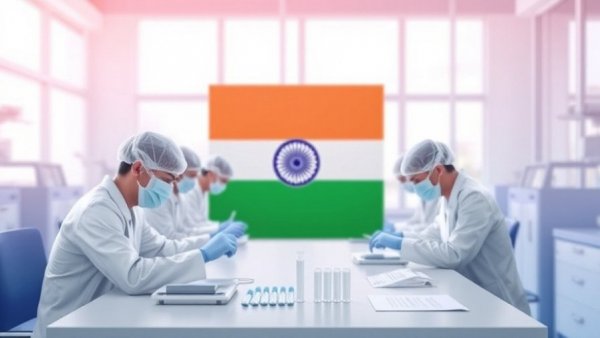
Recently, the Coalition for a Prosperous America (CPA) raised serious questions regarding a U.S.-China Economic and Security Review Commission (USCC) recommendation for Congress to support investments in Indian pharmaceutical manufacturing. This scrutiny comes in light of vital FDA and WHO findings highlighting issues with Indian-made medicines and India's heavy reliance on chemical inputs from China. The CPA emphasizes the need for Congress to closely examine the pharmacies' supply chains and production backgrounds to ensure the quality and safety of medicines produced in India.

Why This Matters: A Look at Antibiotics

In the world of medicines, particularly antibiotics, the situation reveals deeper ties. An April 2026 study pointed out that an overwhelming amount of antibiotic active pharmaceutical ingredients (APIs) in India—over 91%—came from China during a critical two-year period. Such dependence raises alarms, primarily because it hints at a significant risk to the supply chain if any geopolitical tensions arise.

The same study also noted that China accounted for about 87% of all U.S. antibiotic API imports. In contrast, the U.S. has no significant production capabilities for key ingredients like 6-aminopenicillanic acid (6-APA), a fundamental input for creating many antibiotics. This poses a massive challenge not only to drug safety but also to national security.

The Future of Pharmaceutical Manufacturing

As the U.S. considers investing in Indian drug manufacturing, it should also recognize the critical nature of developing its pharmaceutical production capacity. With countries like India and China dominating the production landscape, the U.S. risks becoming overly reliant on external sources for life-saving medications. The CPA's Jon Toomey emphasizes that the fundamental goal should be to reduce dependency on China for antibiotics by developing local capabilities.

Identifying Unseen Risks

Recommendations from any commission should not be taken lightly. The CPA's call for transparency over which pharmaceutical representatives were consulted during the USCC's trip to India reflects a growing concern regarding who influences policy decisions. The integrations of various players in the pharmaceutical and manufacturing industry are often obscured, making it vital for Congress to demand clarity. Without this, potential problems could slip unnoticed through the gaps in the system, resulting in greater risks for both consumers and manufacturers.

The Need for Strict Guidelines

In light of these concerns, it is crucial for Congress and regulatory bodies to implement strict guidelines governing the manufacturing processes and quality checks in foreign markets. U.S. policies should ensure that there are sufficient checks in place to guarantee that Indian products meet strict safety standards, so the risk of defective medications being introduced into the market is minimized.

Conclusion: What’s Next?

As the conversation around foreign investment and supply chain security continues, it is clear that understanding the full landscape of pharmaceutical manufacturing is essential. The CPA urges Congress to ensure that thorough research and transparency inform any recommendations made regarding Indian drug manufacturing.

For those interested in understanding the intricate world of pharmaceutical manufacturing, staying informed and advocating for local capabilities can help foster a safe and reliable drug supply for all. Take action by demanding full transparency in the healthcare supply chain!

Supply Chain

1 Views

Write A Comment

*
*
Please complete the captcha to submit your comment.
Related Posts All Posts
11.20.2026

Anthropic's Stock Surge: What Import-Export Companies Should Know

Update Unpacking Anthropic's Successful Wall Street Debut In a noteworthy twist for the tech and finance landscape, Anthropic, an artificial intelligence start-up, saw its stock price surge by 17% following its initial public offering (IPO). With shares trading at $30 each, this impressive start reflects growing investor confidence in AI technologies and their transformative potential. For import-export companies, this development presents both a financial opportunity and a new lens through which to view the future of trade. The Role of AI in International Trade As we witness Anthropic's rise, it's essential to recognize the broader implications of AI technologies in the realm of international commerce. In recent years, companies leveraging AI to streamline supply chain operations, improve inventory management, and enhance customer engagement have seen significant success. For example, firms utilizing AI-driven tools for data analytics can forecast market trends more accurately, potentially leading to increased sales and customer satisfaction. Import-export businesses can benefit substantially from adopting AI tools to optimize their logistics, forecast demand more accurately, and minimize costs. A Future Home for Innovations The IPO also underscores how traditional industries, such as manufacturing and trade, are being disrupted by technological advancements. AI-driven platforms can help businesses make better decisions, from sourcing materials to designing products that align with market trends. For import-export firms, this means adaptability and the ability to meet evolving consumer demands—crucial for staying competitive. Additionally, companies that embrace AI can create smoother processes, reducing human error and enhancing the speed at which they operate, giving them a leg up in a fast-paced market. The Benefits of Understanding Stock Movements As Anthropic makes headlines, it's crucial for import-export companies to stay aware of stock market trends, not just for competitors but also for potential partnerships. Understanding stock movements can lead to new collaboration opportunities with tech firms and startups that provide innovative solutions. A thorough understanding of which technologies are gaining traction can inspire business owners to innovate within their own operations, aligning themselves with the industry's digital transformation. Being proactive about financial and technological trends can place businesses in a stronger position and amplify their market reach. Market Intelligence and Future Predictions Looking ahead, we can predict that as AI continues to influence various sectors, import-export companies that do not evolve may risk falling behind. The landscape of international trade is rapidly changing, and those who are not quick to adapt may find themselves facing significant challenges. By integrating machine learning systems into their operations, businesses can enhance their operational efficiencies. For example, predictive analytics can help companies anticipate shifts in trade regulations or fluctuations in commodity prices, allowing them to strategize effectively. This capability becomes increasingly valuable as global supply chains face disruptions, enabling firms to pivot and adjust their operational strategies proactively. Closing Thoughts and Next Steps In an ever-shifting landscape, understanding the implications of artificial intelligence is more important than ever for import-export companies. Anthropic’s stellar IPO is not just a trend; it signals the growing importance of innovative technologies in trade and industry. Companies that embrace these changes will not only improve their current operations but also position themselves advantageously for the future. Recognizing the potential of AI is a pivotal step toward enhancing organizational effectiveness and fostering sustainability. Now is the time for businesses in the import-export sector to reflect on their own technologies and assess how they can incorporate AI-driven solutions. A strategic assessment process might involve evaluating existing tools, identifying gaps in technology, and exploring partnerships with tech startups. By staying informed and strategically adapting to market changes, your company can thrive amidst the currents of change. Don’t miss out on the potential to innovate and improve your trade processes—take actionable steps now!

11.19.2026

Tech Outages and Their Financial Impact: What Import-Export Companies Should Know

Update Understanding the Impact of Tech Outages on Businesses The recent instability in major tech companies like Microsoft, JPMorgan, and the FAA, attributed to a rush in software bug fixes, raises significant concerns for import-export businesses. As technological dependencies deepen in logistics and trade operations, outages can severely disrupt the flow of goods and services. The incident highlights a growing pain point: the balance between swift action on software vulnerabilities and the operational reliability that businesses need. In particular, import-export companies, which are often reliant on seamless communication and real-time data, can be significantly affected by these disruptions. Why Speed Matters: The Race to Patch Software Flaws In an age where cyber threats evolve rapidly, companies feel the pressure to resolve software bugs as quickly as possible. Experts across the board agree that this urgency can lead to unintended instability in systems. Delays can cost businesses, especially those in the import-export sector, valuable time. Any disruption in software can lead to miscommunication with supply chains, affect delivery schedules, and ultimately impact financial performance. Moreover, the fast pace at which companies are expected to operate in the highly competitive import-export market can exacerbate these issues. The need for speed often seems at odds with the necessity for caution. Connecting the Dots: Tech Reliance in Trade As companies become more reliant on technology to manage their supply chains and logistics, the consequences of system outages deepen. According to data analyzed in various sectors, businesses leveraging tech heavily can see up to a 20% drop in productivity during significant outages. This is where the import-export sector must pay close attention; understanding how software updates affect operational reliability can guide future investments on both the IT side and in trade practices. A thorough risk assessment should be part of the planning process, as even minor glitches can ripple through supply chains and cause larger issues down the line. Learning from the Experts: Financial Insights Financial advisors note that understanding the costs involved in tech outages is crucial. Import-export businesses should consider allocating a portion of their budget to robust IT systems designed to minimize risk while implementing rapid upgrades. This balance is not just about preventing downtime; it’s also about ensuring more significant financial growth through improved efficiency. This suggests a continuous loop of investment in technology and risk management strategies. In particular, companies might want to explore comprehensive insurance policies that cover potential losses due to software failures, providing an additional layer of security. Future Trends: Navigating the Landscape of Tech Reliance The future of import-export industries is undeniably tied to evolving technologies. As artificial intelligence plays a larger role in identifying and resolving issues in software, companies must stay informed about these emerging developments. Organizations should invest in training employees to understand the implications of software changes. Creating a culture of adaptability can lead to improved operational resilience and continued financial viability. Furthermore, as technology advances, tools that facilitate better communication and integration with partners and suppliers can significantly enhance overall operational efficiency. Practical Strategies: Mitigating Risks and Improving Efficiency To navigate these challenges, import-export firms can adopt several practical strategies. First, regular audits of IT systems can help identify vulnerabilities before they lead to significant outages. Furthermore, implementing a phased approach to software updates—testing in isolated environments before full implementation—can reduce the risk of widespread disruptions. Establishing a contingency plan that details protocols for swiftly managing outages when they occur can also be essential. This could include backup systems or alternative communication methods that allow businesses to maintain operations while resolving technical issues. Conclusion: Take Action to Safeguard Your Business Given the current circumstances, it's clear that import-export firms need to re-evaluate their reliance on technology amidst these disruptions. By prioritizing investments in stable IT systems, staff training, and understanding the financial implications of software outages, businesses can enhance their operational reliability. Today's actions will lay the groundwork for tomorrow's success. Stay informed, remain proactive, and safeguard your company's future against technology-induced disruptions. Embracing these changes not only prepares companies for challenges but also positions them to seize new opportunities effectively in an increasingly digital landscape.

11.17.2026

Jensen Huang's Return to Nvidia: A Game Changer for Import-Export Companies

Update Jensen Huang’s Commitment to Nvidia: Insights for Import-Export Companies The tech world is abuzz with news that Jensen Huang, the charismatic CEO of Nvidia, is prepared to return to a more hands-on role. His leadership style, marked by innovation and hands-on strategies, has given rise to Nvidia's ascent as a juggernaut in the semiconductor industry. Huang's vision has been instrumental in transforming Nvidia into a leader not just in graphics processing units (GPUs) but also in artificial intelligence (AI) and machine learning (ML) technologies, which are increasingly becoming integral to various sectors. What Does This Mean for the Tech Industry? Huang’s re-engagement presents both challenges and opportunities for businesses, particularly in the realm of import-export trade. As Nvidia continues to lead with cutting-edge graphics processing units, companies that engage in tech-related imports or exports stand to see impactful shifts in market dynamics. Adaptation to Nvidia’s upcoming innovations will be crucial for businesses that rely on these technologies. With Nvidia’s ongoing advancements in AI and data processing, import-export companies must keep a sharp eye on how these developments could affect product demand and supply chains. Parallel Examples of Leadership Impact in Tech Huang isn't alone in his pivotal role in a tech giant. Take, for example, Tim Cook at Apple and Sundar Pichai at Google. Each has influenced how their companies navigate the complexities of global trade. Apple’s recent focus on supply chain sustainability and Google's expansive reach into AI technologies illustrates how critical strong leadership is in directing a company’s response to market demands. These leaders’ ability to pivot in response to market pressures serves as a model for other businesses in the import-export sector, emphasizing the importance of adaptive leadership in challenging environments. Future Predictions: Innovations on the Horizon Under Huang's leadership, Nvidia is poised to make significant waves in artificial intelligence (AI) and machine learning technologies. Import-export companies should brace themselves for potential changes in the availability of key components as Nvidia drives innovations that may influence supply chains worldwide. The increased integration of AI into manufacturing and delivery processes could enhance efficiency and reduce costs, but it will also require businesses to strategically plan their imports to align with the escalating demand for cutting-edge tech products. Understanding the technological trajectory is crucial for anticipating these shifts and adjusting operations accordingly. Catering to Global Trade Trends The implications of Huang's potential return reverberate beyond Nvidia. Import-export companies that adapt to the evolving landscape created by companies like Nvidia can harness new opportunities. For instance, businesses that anticipate shifts in trade regulations toward more sustainable practices may see advantages in compliance and marketability. Participating in emerging markets, such as green technologies or sustainable consumer electronics, can provide new revenue streams. Being proactive in these areas is key to staying competitive as global trade continues to evolve. Practical Tips for Navigating Trade in an Evolving Tech Landscape Here are some actionable insights for import-export companies: Invest in Technology: Consider upgrading your logistics and inventory management systems. Implementing advanced tracking solutions or AI tools can help your company remain agile in response to innovations and improve overall efficiency. Understand Compliance: Stay informed on regulations surrounding tech imports, especially as companies like Nvidia push for more sustainable practices. Regularly reviewing compliance processes can prevent costly delays and foster smoother operations. Build Partnerships: Collaborating with tech leaders can provide insights into upcoming innovations that could affect your supply chain. Establishing strong relationships with suppliers and tech firms can facilitate smoother transitions as the market changes. Stay Informed: Regularly engage with industry news and reports—whether through online platforms, webinars, or conferences—to keep up-to-date on emerging trends in technology that will impact your operations. Embracing Change with Optimism In an industry where change is the only constant, Huang’s commitment to Nvidia signals a new phase of innovation that could redefine global trade dynamics. Import-export companies that recognize and adapt will be best positioned to thrive. Every challenge presents a chance for growth, and staying informed is key to seizing opportunities. Being proactive rather than reactive will allow businesses to navigate these changes more effectively. For all import-export companies, remaining agile and aware of technological advancements in your industry opens doors for growth. Look to those companies leading the charge in innovation — like Nvidia — to predict where the market is heading. By positioning your business at the forefront of these transitions, you can establish a competitive edge and ensure long-term sustainability in your operations.

Global Trade News


An educational, content-centric platform that delivers unbiased, comprehensive, and real-time regulatory news and analysis, empowering stakeholders to make informed decisions in a complex global trade environment.


Global Trade News is a subsidiary of RP Design Web Services.

COMPANY

  • Privacy Policy
  • Terms of Use
  • Advertise
  • Contact Us
  • Menu 5
  • Menu 6

AVAILABLE FROM 8AM - 5PM

City, State

Cheshire, CT

ABOUT US

A media channel that delivers the latest insights on trade regulations, import/export compliance, policy shifts, and global market trends.  Present both US and international perspectives to provide companies with a holistic view of the evolving trade landscape.

© 2026 Global Trade News All Rights Reserved. PO Box 1189 , Cheshire, CT 06410 . Contact Us . Terms of Service . Privacy Policy

eyJjb21wYW55IjoiR2xvYmFsIFRyYWRlIE5ld3MiLCJhZGRyZXNzIjoiUE8gQm94IDExODkgIiwiY2l0eSI6IkNoZXNoaXJlIiwic3RhdGUiOiJDVCIsInppcCI6IjA2NDEwIiwiZW1haWwiOiJzYWxlc0BycGRlc2lnbi5jb20iLCJ0b3MiOiJQSEErUEhOMGNtOXVaejQ4WlcwK1YyaGxiaUI1YjNVZ2MybG5iaTFwYmlCM2FYUm9JSFZ6TENCNWIzVWdZWEpsSUdkcGRtbHVaeVp1WW5Od095QjViM1Z5SUhCbGNtMXBjM05wYjI0Z1lXNWtJR052Ym5ObGJuUWdkRzhnYzJWdVpDQjViM1VnWlcxaGFXd2dZVzVrTDI5eUlGTk5VeUIwWlhoMElHMWxjM05oWjJWekxpQkNlU0JqYUdWamEybHVaeUIwYUdVZ1ZHVnliWE1nWVc1a0lFTnZibVJwZEdsdmJuTWdZbTk0SUdGdVpDQmllU0J6YVdkdWFXNW5JR2x1SUhsdmRTQmhkWFJ2YldGMGFXTmhiR3g1SUdOdmJtWnBjbTBnZEdoaGRDQjViM1VnWVdOalpYQjBJR0ZzYkNCMFpYSnRjeUJwYmlCMGFHbHpJR0ZuY21WbGJXVnVkQzQ4TDJWdFBqd3ZjM1J5YjI1blBqd3ZjRDRLQ2p4d1BqeGhJR2h5WldZOUltaDBkSEE2THk5M2QzY3VaMjl2WjJ4bExtTnZiU0krYUhSMGNEb3ZMM2QzZHk1bmIyOW5iR1V1WTI5dFBDOWhQand2Y0Q0S0NqeHdQaVp1WW5Od096d3ZjRDRLQ2p4d1BqeHpkSEp2Ym1jK1UwVlNWa2xEUlR3dmMzUnliMjVuUGp3dmNENEtDanh3UGxkbElIQnliM1pwWkdVZ1lTQnpaWEoyYVdObElIUm9ZWFFnWTNWeWNtVnVkR3g1SUdGc2JHOTNjeUI1YjNVZ2RHOGdjbVZqWldsMlpTQnlaWEYxWlhOMGN5Qm1iM0lnWm1WbFpHSmhZMnNzSUdOdmJYQmhibmtnYVc1bWIzSnRZWFJwYjI0c0lIQnliMjF2ZEdsdmJtRnNJR2x1Wm05eWJXRjBhVzl1TENCamIyMXdZVzU1SUdGc1pYSjBjeXdnWTI5MWNHOXVjeXdnWkdselkyOTFiblJ6SUdGdVpDQnZkR2hsY2lCdWIzUnBabWxqWVhScGIyNXpJSFJ2SUhsdmRYSWdaVzFoYVd3Z1lXUmtjbVZ6Y3lCaGJtUXZiM0lnWTJWc2JIVnNZWElnY0dodmJtVWdiM0lnWkdWMmFXTmxMaUJaYjNVZ2RXNWtaWEp6ZEdGdVpDQmhibVFnWVdkeVpXVWdkR2hoZENCMGFHVWdVMlZ5ZG1salpTQnBjeUJ3Y205MmFXUmxaQ0FtY1hWdmREdEJVeTFKVXlaeGRXOTBPeUJoYm1RZ2RHaGhkQ0IzWlNCaGMzTjFiV1VnYm04Z2NtVnpjRzl1YzJsaWFXeHBkSGtnWm05eUlIUm9aU0IwYVcxbGJHbHVaWE56TENCa1pXeGxkR2x2Yml3Z2JXbHpMV1JsYkdsMlpYSjVJRzl5SUdaaGFXeDFjbVVnZEc4Z2MzUnZjbVVnWVc1NUlIVnpaWElnWTI5dGJYVnVhV05oZEdsdmJuTWdiM0lnY0dWeWMyOXVZV3hwZW1GMGFXOXVJSE5sZEhScGJtZHpMand2Y0Q0S0NqeHdQbGx2ZFNCaGNtVWdjbVZ6Y0c5dWMybGliR1VnWm05eUlHOWlkR0ZwYm1sdVp5QmhZMk5sYzNNZ2RHOGdkR2hsSUZObGNuWnBZMlVnWVc1a0lIUm9ZWFFnWVdOalpYTnpJRzFoZVNCcGJuWnZiSFpsSUhSb2FYSmtJSEJoY25SNUlHWmxaWE1nS0hOMVkyZ2dZWE1nVTAxVElIUmxlSFFnYldWemMyRm5aWE1zSUVsdWRHVnlibVYwSUhObGNuWnBZMlVnY0hKdmRtbGtaWElnYjNJZ1kyVnNiSFZzWVhJZ1lXbHlkR2x0WlNCamFHRnlaMlZ6S1M0Z1dXOTFJR0Z5WlNCeVpYTndiMjV6YVdKc1pTQm1iM0lnZEdodmMyVWdabVZsY3l3Z2FXNWpiSFZrYVc1bklIUm9iM05sSUdabFpYTWdZWE56YjJOcFlYUmxaQ0IzYVhSb0lIUm9aU0JrYVhOd2JHRjVJRzl5SUdSbGJHbDJaWEo1SUc5bUlHVmhZMmdnVTAxVElIUmxlSFFnYldWemMyRm5aU0J6Wlc1MElIUnZJSGx2ZFNCaWVTQjFjeTRnU1c0Z1lXUmthWFJwYjI0c0lIbHZkU0J0ZFhOMElIQnliM1pwWkdVZ1lXNWtJR0Z5WlNCeVpYTndiMjV6YVdKc1pTQm1iM0lnWVd4c0lHVnhkV2x3YldWdWRDQnVaV05sYzNOaGNua2dkRzhnWVdOalpYTnpJSFJvWlNCVFpYSjJhV05sSUdGdVpDQnlaV05sYVhabElIUm9aU0JUVFZNZ2RHVjRkQ0J0WlhOellXZGxjeTRnVjJVZ1pHOGdibTkwSUdOb1lYSm5aU0JoYm5rZ1ptVmxjeUJtYjNJZ1pHVnNhWFpsY25rZ2IyWWdaVzFoYVd3Z2IzSWdVMDFUTGlCVWFHbHpJR2x6SUdFZ1puSmxaU0J6WlhKMmFXTmxJSEJ5YjNacFpHVmtJR0o1SUhWekxpQkliM2RsZG1WeUxDQndiR1ZoYzJVZ1kyaGxZMnNnZDJsMGFDQjViM1Z5SUdsdWRHVnlibVYwSUhObGNuWnBZMlVnY0hKdmRtbGtaWElnWVc1a0lHTmxiR3gxYkdGeUlHTmhjbkpwWlhJZ1ptOXlJR0Z1ZVNCamFHRnlaMlZ6SUhSb1lYUWdiV0Y1SUdsdVkzVnlJR0Z6SUdFZ2NtVnpkV3gwSUdaeWIyMGdjbVZqWldsMmFXNW5JR1Z0WVdsc0lHRnVaQ0JUVFZNZ2RHVjRkQ0J0WlhOellXZGxjeUIwYUdGMElIZGxJR1JsYkdsMlpYSWdkWEJ2YmlCNWIzVnlJRzl3ZEMxcGJpQmhibVFnY21WbmFYTjBjbUYwYVc5dUlIZHBkR2dnYjNWeUlHVnRZV2xzSUdGdVpDQlRUVk1nYzJWeWRtbGpaWE11SUZsdmRTQmpZVzRnWTJGdVkyVnNJR0YwSUdGdWVTQjBhVzFsTGlCS2RYTjBJSFJsZUhRZ0puRjFiM1E3VTFSUFVDWnhkVzkwT3lCMGJ5QThhR2xuYUd4cFoyaDBJR05zWVhOelBTSmpiMjF3WVc1NVVHaHZibVZWY0dSaGRHVWlQaXN4TWpBek1qY3hOems1TVR3dmFHbG5hR3hwWjJoMFBpNGdRV1owWlhJZ2VXOTFJSE5sYm1RZ2RHaGxJRk5OVXlCdFpYTnpZV2RsSUNaeGRXOTBPMU5VVDFBbWNYVnZkRHNnZEc4Z2RYTXNJSGRsSUhkcGJHd2djMlZ1WkNCNWIzVWdZVzRnVTAxVElHMWxjM05oWjJVZ2RHOGdZMjl1Wm1seWJTQjBhR0YwSUhsdmRTQm9ZWFpsSUdKbFpXNGdkVzV6ZFdKelkzSnBZbVZrTGlCQlpuUmxjaUIwYUdsekxDQjViM1VnZDJsc2JDQnVieUJzYjI1blpYSWdjbVZqWldsMlpTQlRUVk1nYldWemMyRm5aWE1nWm5KdmJTQjFjeTQ4TDNBK0NnbzhjRDQ4YzNSeWIyNW5QbGxQVlZJZ1VrVkhTVk5VVWtGVVNVOU9JRTlDVEVsSFFWUkpUMDVUUEM5emRISnZibWMrUEM5d1Bnb0tQSEErU1c0Z1kyOXVjMmxrWlhKaGRHbHZiaUJ2WmlCNWIzVnlJSFZ6WlNCdlppQjBhR1VnVTJWeWRtbGpaU3dnZVc5MUlHRm5jbVZsSUhSdk9qd3ZjRDRLQ2p4dmJENEtDVHhzYVQ1d2NtOTJhV1JsSUhSeWRXVXNJR0ZqWTNWeVlYUmxMQ0JqZFhKeVpXNTBJR0Z1WkNCamIyMXdiR1YwWlNCcGJtWnZjbTFoZEdsdmJpQmhZbTkxZENCNWIzVnljMlZzWmlCaGN5QndjbTl0Y0hSbFpDQmllU0IwYUdVZ1UyVnlkbWxqWlNZak16azdjeUJ5WldkcGMzUnlZWFJwYjI0Z1ptOXliU0FvYzNWamFDQnBibVp2Y20xaGRHbHZiaUJpWldsdVp5QjBhR1VnSm5GMWIzUTdVbVZuYVhOMGNtRjBhVzl1SUVSaGRHRW1jWFZ2ZERzcElHRnVaRHd2YkdrK0NnazhiR2srYldGcGJuUmhhVzRnWVc1a0lIQnliMjF3ZEd4NUlIVndaR0YwWlNCMGFHVWdVbVZuYVhOMGNtRjBhVzl1SUVSaGRHRWdkRzhnYTJWbGNDQnBkQ0IwY25WbExDQmhZMk4xY21GMFpTd2dZM1Z5Y21WdWRDQmhibVFnWTI5dGNHeGxkR1V1SUVsbUlIbHZkU0J3Y205MmFXUmxJR0Z1ZVNCcGJtWnZjbTFoZEdsdmJpQjBhR0YwSUdseklIVnVkSEoxWlN3Z2FXNWhZMk4xY21GMFpTd2dibTkwSUdOMWNuSmxiblFnYjNJZ2FXNWpiMjF3YkdWMFpTd2diM0lnZDJVZ2FHRjJaU0J5WldGemIyNWhZbXhsSUdkeWIzVnVaSE1nZEc4Z2MzVnpjR1ZqZENCMGFHRjBJSE4xWTJnZ2FXNW1iM0p0WVhScGIyNGdhWE1nZFc1MGNuVmxMQ0JwYm1GalkzVnlZWFJsTENCdWIzUWdZM1Z5Y21WdWRDQnZjaUJwYm1OdmJYQnNaWFJsTENCM1pTQm9ZWFpsSUhSb1pTQnlhV2RvZENCMGJ5QnpkWE53Wlc1a0lHOXlJRHh6ZEhKdmJtYytQSE53WVc0Z2MzUjViR1U5SW1OdmJHOXlPaU5HUmpBd01EQTdJajUwWlhKdGFXNWhkR1VnZVc5MWNpQmhZMk52ZFc1MEwzQnliMlpwYkdVZ1lXNWtJSEpsWm5WelpTQmhibmtnWVc1a0lHRnNiQ0JqZFhKeVpXNTBJRzl5SUdaMWRIVnlaU0IxYzJVZ2IyWWdkR2hsSUZObGNuWnBZMlVnS0c5eUlHRnVlU0J3YjNKMGFXOXVJSFJvWlhKbGIyWXBMand2YzNCaGJqNDhMM04wY205dVp6NDhMMnhwUGdvOEwyOXNQZ29LUEhBK0ptNWljM0E3UEM5d1BnbzhhR2xuYUd4cFoyaDBJR05zWVhOelBTSmpiMjF3WVc1NVRtRnRaVlZ3WkdGMFpTSStSMnh2WW1Gc0lGUnlZV1JsSUU1bGQzTThMMmhwWjJoc2FXZG9kRDQ4WW5JZ0x6NEtQR2hwWjJoc2FXZG9kQ0JqYkdGemN6MGlZMjl0Y0dGdWVVRmtaSEpsYzNOVmNHUmhkR1VpUGxCUElFSnZlQ0F4TVRnNUlDd2dRMmhsYzJocGNtVXNJRU5VSURBMk5ERXdQQzlvYVdkb2JHbG5hSFErUEdKeUlDOCtDanhvYVdkb2JHbG5hSFFnWTJ4aGMzTTlJbU52YlhCaGJubFFhRzl1WlZWd1pHRjBaU0krS3pFeU1ETXlOekUzT1RreFBDOW9hV2RvYkdsbmFIUStQR0p5SUM4K0NqeG9hV2RvYkdsbmFIUWdZMnhoYzNNOUltTnZiWEJoYm5sRmJXRnBiRlZ3WkdGMFpTSStjMkZzWlhOQWNuQmtaWE5wWjI0dVkyOXRQQzlvYVdkb2JHbG5hSFErIiwicHJpdmFjeSI6IlBIQStQSE4wY205dVp6NVFVa2xXUVVOWlBDOXpkSEp2Ym1jK1BDOXdQZ29LUEhBK1BITjBjbTl1Wno1VWFHVWdhVzVtYjNKdFlYUnBiMjRnY0hKdmRtbGtaV1FnWkhWeWFXNW5JSFJvYVhNZ2NtVm5hWE4wY21GMGFXOXVJR2x6SUd0bGNIUWdjSEpwZG1GMFpTQmhibVFnWTI5dVptbGtaVzUwYVdGc0xDQmhibVFnZDJsc2JDQnVaWFpsY2lCaVpTQmthWE4wY21saWRYUmxaQ3dnWTI5d2FXVmtMQ0J6YjJ4a0xDQjBjbUZrWldRZ2IzSWdjRzl6ZEdWa0lHbHVJR0Z1ZVNCM1lYa3NJSE5vWVhCbElHOXlJR1p2Y20wdUlGUm9hWE1nYVhNZ2IzVnlJR2QxWVhKaGJuUmxaUzQ4TDNOMGNtOXVaejQ4TDNBK0NnbzhjRDQ4YzNSeWIyNW5Qa2xPUkVWTlRrbFVXVHd2YzNSeWIyNW5Qand2Y0Q0S0NqeHdQanhsYlQ1WmIzVWdZV2R5WldVZ2RHOGdhVzVrWlcxdWFXWjVJR0Z1WkNCb2IyeGtJSFZ6TEM0Z1lXNWtJR2wwY3lCemRXSnphV1JwWVhKcFpYTXNJR0ZtWm1sc2FXRjBaWE1zSUc5bVptbGpaWEp6TENCaFoyVnVkSE1zSUdOdkxXSnlZVzVrWlhKeklHOXlJRzkwYUdWeUlIQmhjblJ1WlhKekxDQmhibVFnWlcxd2JHOTVaV1Z6TENCb1lYSnRiR1Z6Y3lCbWNtOXRJR0Z1ZVNCamJHRnBiU0J2Y2lCa1pXMWhibVFzSUdsdVkyeDFaR2x1WnlCeVpXRnpiMjVoWW14bElHRjBkRzl5Ym1WNWN5WWpNems3SUdabFpYTXNJRzFoWkdVZ1lua2dZVzU1SUhSb2FYSmtJSEJoY25SNUlHUjFaU0IwYnlCdmNpQmhjbWx6YVc1bklHOTFkQ0J2WmlCRGIyNTBaVzUwSUhsdmRTQnlaV05sYVhabExDQnpkV0p0YVhRc0lISmxjR3g1TENCd2IzTjBMQ0IwY21GdWMyMXBkQ0J2Y2lCdFlXdGxJR0YyWVdsc1lXSnNaU0IwYUhKdmRXZG9JSFJvWlNCVFpYSjJhV05sTENCNWIzVnlJSFZ6WlNCdlppQjBhR1VnVTJWeWRtbGpaU3dnZVc5MWNpQmpiMjV1WldOMGFXOXVJSFJ2SUhSb1pTQlRaWEoyYVdObExDQjViM1Z5SUhacGIyeGhkR2x2YmlCdlppQjBhR1VnVkU5VExDQnZjaUI1YjNWeUlIWnBiMnhoZEdsdmJpQnZaaUJoYm5rZ2NtbG5hSFJ6SUc5bUlHRnViM1JvWlhJdVBDOWxiVDQ4TDNBK0NnbzhjRDQ4YzNSeWIyNW5Qa1JKVTBOTVFVbE5SVklnVDBZZ1YwRlNVa0ZPVkVsRlV6d3ZjM1J5YjI1blBqd3ZjRDRLQ2p4d1BqeHpkSEp2Ym1jK1dVOVZJRVZZVUZKRlUxTk1XU0JWVGtSRlVsTlVRVTVFSUVGT1JDQkJSMUpGUlNCVVNFRlVPand2YzNSeWIyNW5Qand2Y0Q0S0NqeHZiRDRLQ1R4c2FUNVpUMVZTSUZWVFJTQlBSaUJVU0VVZ1UwVlNWa2xEUlNCSlV5QkJWQ0JaVDFWU0lGTlBURVVnVWtsVFN5NGdWRWhGSUZORlVsWkpRMFVnU1ZNZ1VGSlBWa2xFUlVRZ1QwNGdRVTRnSm5GMWIzUTdRVk1nU1ZNbWNYVnZkRHNnUVU1RUlDWnhkVzkwTzBGVElFRldRVWxNUVVKTVJTWnhkVzkwT3lCQ1FWTkpVeTRnTEM0Z1FVNUVJRlZUTENCSlZDWWpNems3VXlCRFZWTlVUMDFGVWxNc0lFVllVRkpGVTFOTVdTQkVTVk5EVEVGSlRWTWdRVXhNSUZkQlVsSkJUbFJKUlZNZ1QwWWdRVTVaSUV0SlRrUXNJRmRJUlZSSVJWSWdSVmhRVWtWVFV5QlBVaUJKVFZCTVNVVkVMQ0JKVGtOTVZVUkpUa2NzSUVKVlZDQk9UMVFnVEVsTlNWUkZSQ0JVVHlCVVNFVWdTVTFRVEVsRlJDQlhRVkpTUVU1VVNVVlRJRTlHSUUxRlVrTklRVTVVUVVKSlRFbFVXU3dnUmtsVVRrVlRVeUJHVDFJZ1FTQlFRVkpVU1VOVlRFRlNJRkJWVWxCUFUwVWdRVTVFSUU1UFRpMUpUa1pTU1U1SFJVMUZUbFF1UEM5c2FUNEtDVHhzYVQ1TlFVdEZVeUJPVHlCWFFWSlNRVTVVV1NCVVNFRlVJQ2hwS1NCVVNFVWdVMFZTVmtsRFJTQlhTVXhNSUUxRlJWUWdXVTlWVWlCU1JWRlZTVkpGVFVWT1ZGTXNJQ2hwYVNrZ1ZFaEZJRk5GVWxaSlEwVWdWMGxNVENCQ1JTQlZUa2xPVkVWU1VsVlFWRVZFTENCVVNVMUZURmtzSUZORlExVlNSU3dnVDFJZ1JWSlNUMUl0UmxKRlJTd2dLR2xwYVNrZ1ZFaEZJRkpGVTFWTVZGTWdWRWhCVkNCTlFWa2dRa1VnVDBKVVFVbE9SVVFnUmxKUFRTQlVTRVVnVlZORklFOUdJRlJJUlNCVFJWSldTVU5GSUZkSlRFd2dRa1VnUVVORFZWSkJWRVVnVDFJZ1VrVk1TVUZDVEVVc0lFRk9SQ0FvYVhZcElFRk9XU0JGVWxKUFVsTWdTVTRnVkVoRklGTlBSbFJYUVZKRklGZEpURXdnUWtVZ1EwOVNVa1ZEVkVWRUxqd3ZiR2srQ2drOGJHaytRVTVaSUUxQlZFVlNTVUZNSUVSUFYwNU1UMEZFUlVRZ1QxSWdUMVJJUlZKWFNWTkZJRTlDVkVGSlRrVkVJRlJJVWs5VlIwZ2dWRWhGSUZWVFJTQlBSaUJVU0VVZ1UwVlNWa2xEUlNCSlV5QkVUMDVGSUVGVUlGbFBWVklnVDFkT0lFUkpVME5TUlZSSlQwNGdRVTVFSUZKSlUwc2dRVTVFSUZSSVFWUWdXVTlWSUZkSlRFd2dRa1VnVTA5TVJVeFpJRkpGVTFCUFRsTkpRa3hGSUVaUFVpQkJUbGtnUkVGTlFVZEZJRlJQSUZsUFZWSWdRMDlOVUZWVVJWSWdVMWxUVkVWTklFOVNJRXhQVTFNZ1QwWWdSRUZVUVNCVVNFRlVJRkpGVTFWTVZGTWdSbEpQVFNCVVNFVWdSRTlYVGt4UFFVUWdUMFlnUVU1WklGTlZRMGdnVFVGVVJWSkpRVXd1UEM5c2FUNEtDVHhzYVQ1T1R5QkJSRlpKUTBVZ1QxSWdTVTVHVDFKTlFWUkpUMDRzSUZkSVJWUklSVklnVDFKQlRDQlBVaUJYVWtsVVZFVk9MQ0JQUWxSQlNVNUZSQ0JDV1NCWlQxVWdSbEpQVFNCUFVpQlVTRkpQVlVkSUlFOVNJRVpTVDAwZ1ZFaEZJRk5GVWxaSlEwVWdVMGhCVEV3Z1ExSkZRVlJGSUVGT1dTQlhRVkpTUVU1VVdTQk9UMVFnUlZoUVVrVlRVMHhaSUZOVVFWUkZSQ0JKVGlCVVNFVWdWRTlUTGp3dmJHaytDand2YjJ3K0NnbzhjRDQ4YzNSeWIyNW5Qa3hKVFVsVVFWUkpUMDRnVDBZZ1RFbEJRa2xNU1ZSWlBDOXpkSEp2Ym1jK1BDOXdQZ29LUEhBK1dVOVZJRVZZVUZKRlUxTk1XU0JWVGtSRlVsTlVRVTVFSUVGT1JDQkJSMUpGUlNCVVNFRlVJRUZPUkNCVFNFRk1UQ0JPVDFRZ1FrVWdURWxCUWt4RklFWlBVaUJCVGxrZ1JFbFNSVU5VTENCSlRrUkpVa1ZEVkN3Z1NVNURTVVJGVGxSQlRDd2dVMUJGUTBsQlRDd2dRMDlPVTBWUlZVVk9WRWxCVENCUFVpQkZXRVZOVUV4QlVsa2dSRUZOUVVkRlV5d2dTVTVEVEZWRVNVNUhJRUpWVkNCT1QxUWdURWxOU1ZSRlJDQlVUeXdnUkVGTlFVZEZVeUJHVDFJZ1RFOVRVeUJQUmlCUVVrOUdTVlJUTENCSFQwOUVWMGxNVEN3Z1ZWTkZMQ0JFUVZSQklFOVNJRTlVU0VWU0lFbE9WRUZPUjBsQ1RFVWdURTlUVTBWVElDaEZWa1ZPSUVsR0lFaEJVeUJDUlVWT0lFRkVWa2xUUlVRZ1QwWWdWRWhGSUZCUFUxTkpRa2xNU1ZSWklFOUdJRk5WUTBnZ1JFRk5RVWRGVXlrc0lGSkZVMVZNVkVsT1J5QkdVazlOT2p3dmNENEtDanh2YkQ0S0NUeHNhVDVVU0VVZ1ZWTkZJRTlTSUZSSVJTQkpUa0ZDU1V4SlZGa2dWRThnVlZORklGUklSU0JUUlZKV1NVTkZPend2YkdrK0NnazhiR2srVkVoRklFTlBVMVFnVDBZZ1VGSlBRMVZTUlUxRlRsUWdUMFlnVTFWQ1UxUkpWRlZVUlNCSFQwOUVVeUJCVGtRZ1UwVlNWa2xEUlZNZ1VrVlRWVXhVU1U1SElFWlNUMDBnUVU1WklFZFBUMFJUTENCRVFWUkJMQ0JKVGtaUFVrMUJWRWxQVGlCUFVpQlRSVkpXU1VORlV5QlFWVkpEU0VGVFJVUWdUMUlnVDBKVVFVbE9SVVFnVDFJZ1RVVlRVMEZIUlZNZ1VrVkRSVWxXUlVRZ1QxSWdWRkpCVGxOQlExUkpUMDVUSUVWT1ZFVlNSVVFnU1U1VVR5QlVTRkpQVlVkSUlFOVNJRVpTVDAwZ1ZFaEZJRk5GVWxaSlEwVTdQQzlzYVQ0S0NUeHNhVDVWVGtGVlZFaFBVa2xhUlVRZ1FVTkRSVk5USUZSUElFOVNJRUZNVkVWU1FWUkpUMDRnVDBZZ1dVOVZVaUJVVWtGT1UwMUpVMU5KVDA1VElFOVNJRVJCVkVFN1BDOXNhVDRLQ1R4c2FUNVRWRUZVUlUxRlRsUlRJRTlTSUVOUFRrUlZRMVFnVDBZZ1FVNVpJRlJJU1ZKRUlGQkJVbFJaSUU5T0lGUklSU0JUUlZKV1NVTkZPeUJQVWp3dmJHaytDZ2s4YkdrK1FVNVpJRTlVU0VWU0lFMUJWRlJGVWlCU1JVeEJWRWxPUnlCVVR5QlVTRVVnVTBWU1ZrbERSUzQ4TDJ4cFBnbzhMMjlzUGdvS1BIQStQSFUrUW5rZ2NtVm5hWE4wWlhKcGJtY2dZVzVrSUhOMVluTmpjbWxpYVc1bklIUnZJRzkxY2lCbGJXRnBiQ0JoYm1RZ1UwMVRJSE5sY25acFkyVXNJR0o1SUc5d2RDMXBiaXdnYjI1c2FXNWxJSEpsWjJsemRISmhkR2x2YmlCdmNpQmllU0JtYVd4c2FXNW5JRzkxZENCaElHTmhjbVFzSUNaeGRXOTBPM2x2ZFNCaFozSmxaU0IwYnlCMGFHVnpaU0JVUlZKTlV5QlBSaUJUUlZKV1NVTkZKbkYxYjNRN0lHRnVaQ0I1YjNVZ1lXTnJibTkzYkdWa1oyVWdZVzVrSUhWdVpHVnljM1JoYm1RZ2RHaGxJR0ZpYjNabElIUmxjbTF6SUc5bUlITmxjblpwWTJVZ2IzVjBiR2x1WldRZ1lXNWtJR1JsZEdGcGJHVmtJR1p2Y2lCNWIzVWdkRzlrWVhrdVBDOTFQand2Y0Q0S0NqeHdQaVp1WW5Od096d3ZjRDRLUEdocFoyaHNhV2RvZENCamJHRnpjejBpWTI5dGNHRnVlVTVoYldWVmNHUmhkR1VpUGtkc2IySmhiQ0JVY21Ga1pTQk9aWGR6UEM5b2FXZG9iR2xuYUhRK1BHSnlJQzgrQ2p4b2FXZG9iR2xuYUhRZ1kyeGhjM005SW1OdmJYQmhibmxCWkdSeVpYTnpWWEJrWVhSbElqNVFUeUJDYjNnZ01URTRPU0FzSUVOb1pYTm9hWEpsTENCRFZDQXdOalF4TUR3dmFHbG5hR3hwWjJoMFBqeGljaUF2UGdvOGFHbG5hR3hwWjJoMElHTnNZWE56UFNKamIyMXdZVzU1VUdodmJtVlZjR1JoZEdVaVBpc3hNakF6TWpjeE56azVNVHd2YUdsbmFHeHBaMmgwUGp4aWNpQXZQZ284YUdsbmFHeHBaMmgwSUdOc1lYTnpQU0pqYjIxd1lXNTVSVzFoYVd4VmNHUmhkR1VpUG5OaGJHVnpRSEp3WkdWemFXZHVMbU52YlR3dmFHbG5hR3hwWjJoMFBnPT0ifQ==

Terms of Service

Privacy Policy

Core Modal Title

Sorry, no results found

You Might Find These Articles Interesting

T
Please Check Your Email
We Will Be Following Up Shortly
*
*
*