








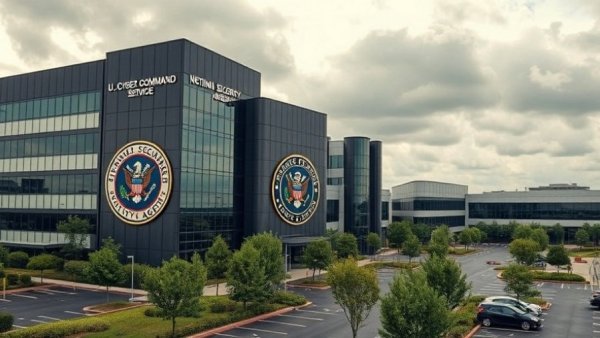
Understanding the Impact of Tech Outages on Businesses
The recent instability in major tech companies like Microsoft, JPMorgan, and the FAA, attributed to a rush in software bug fixes, raises significant concerns for import-export businesses. As technological dependencies deepen in logistics and trade operations, outages can severely disrupt the flow of goods and services. The incident highlights a growing pain point: the balance between swift action on software vulnerabilities and the operational reliability that businesses need. In particular, import-export companies, which are often reliant on seamless communication and real-time data, can be significantly affected by these disruptions.
Why Speed Matters: The Race to Patch Software Flaws
In an age where cyber threats evolve rapidly, companies feel the pressure to resolve software bugs as quickly as possible. Experts across the board agree that this urgency can lead to unintended instability in systems. Delays can cost businesses, especially those in the import-export sector, valuable time. Any disruption in software can lead to miscommunication with supply chains, affect delivery schedules, and ultimately impact financial performance. Moreover, the fast pace at which companies are expected to operate in the highly competitive import-export market can exacerbate these issues. The need for speed often seems at odds with the necessity for caution.
Connecting the Dots: Tech Reliance in Trade
As companies become more reliant on technology to manage their supply chains and logistics, the consequences of system outages deepen. According to data analyzed in various sectors, businesses leveraging tech heavily can see up to a 20% drop in productivity during significant outages. This is where the import-export sector must pay close attention; understanding how software updates affect operational reliability can guide future investments on both the IT side and in trade practices. A thorough risk assessment should be part of the planning process, as even minor glitches can ripple through supply chains and cause larger issues down the line.
Learning from the Experts: Financial Insights
Financial advisors note that understanding the costs involved in tech outages is crucial. Import-export businesses should consider allocating a portion of their budget to robust IT systems designed to minimize risk while implementing rapid upgrades. This balance is not just about preventing downtime; it’s also about ensuring more significant financial growth through improved efficiency. This suggests a continuous loop of investment in technology and risk management strategies. In particular, companies might want to explore comprehensive insurance policies that cover potential losses due to software failures, providing an additional layer of security.
Future Trends: Navigating the Landscape of Tech Reliance
The future of import-export industries is undeniably tied to evolving technologies. As artificial intelligence plays a larger role in identifying and resolving issues in software, companies must stay informed about these emerging developments. Organizations should invest in training employees to understand the implications of software changes. Creating a culture of adaptability can lead to improved operational resilience and continued financial viability. Furthermore, as technology advances, tools that facilitate better communication and integration with partners and suppliers can significantly enhance overall operational efficiency.
Practical Strategies: Mitigating Risks and Improving Efficiency
To navigate these challenges, import-export firms can adopt several practical strategies. First, regular audits of IT systems can help identify vulnerabilities before they lead to significant outages. Furthermore, implementing a phased approach to software updates—testing in isolated environments before full implementation—can reduce the risk of widespread disruptions. Establishing a contingency plan that details protocols for swiftly managing outages when they occur can also be essential. This could include backup systems or alternative communication methods that allow businesses to maintain operations while resolving technical issues.
Conclusion: Take Action to Safeguard Your Business
Given the current circumstances, it's clear that import-export firms need to re-evaluate their reliance on technology amidst these disruptions. By prioritizing investments in stable IT systems, staff training, and understanding the financial implications of software outages, businesses can enhance their operational reliability. Today's actions will lay the groundwork for tomorrow's success. Stay informed, remain proactive, and safeguard your company's future against technology-induced disruptions. Embracing these changes not only prepares companies for challenges but also positions them to seize new opportunities effectively in an increasingly digital landscape.









Write A Comment