








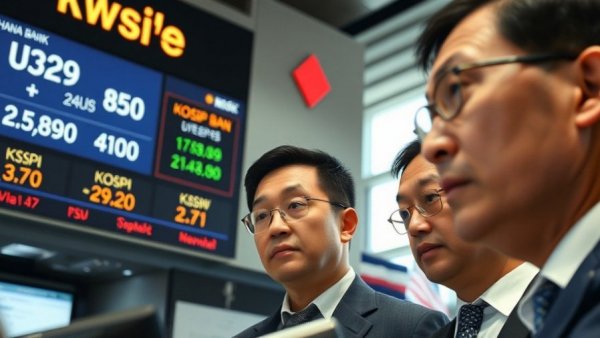
AI Stock Sell-Off: A Temporary Setback
The recent sell-off in AI stocks has captured the attention of investors and industry experts alike. Wall Street's volatility often influences broader market sentiments, particularly regarding sectors that have seen significant growth in recent years. After a wave of uncertainty, many are asking: is now the time to invest, or are we facing a prolonged downturn in tech stocks?
Understanding Market Fluctuations
Investors frequently experience highs and lows, especially in emerging sectors like AI. Following the sell-off, analysts speculate that the rebound could lead to lucrative opportunities, emphasizing the need to understand market dynamics and adapt accordingly. For import and export companies, this means being attuned to these fluctuations, which can affect supply chains and international trade agreements. By anticipating shifts, businesses can position themselves strategically to respond to changes in demand.
Why This Matters to Import and Export Companies
The recent shifts in the market have unique implications for import and export companies. As AI technology continues to reshape industries, firms that adapt swiftly are likely to thrive. Innovations in manufacturing and logistics powered by AI can streamline operations, ultimately reducing costs. Companies that leverage these advancements could gain a competitive edge in the global market. Having the ability to manage these technologies not only enhances productivity but also allows companies to offer better services and more reliable delivery times.
Insights from Recent Market Trends
Diving deeper into the core of the recent sell-off reveals that fears around inflation and interest rates had a significant impact. Inflation can reduce consumer purchasing power, subsequently affecting manufacturing outputs and trade volumes alike. Understanding these broader economic trends will equip import-export firms with the foresight necessary to adjust their strategies accordingly. For instance, companies might consider securing contracts or raising prices in anticipation of tighter economic conditions, or they may choose to focus on markets that are less sensitive to such fluctuations.
Potential for Future Growth
The current climate also presents opportunities, especially for those willing to stay ahead of the curve. Analysts predict a robust recovery in sectors heavily reliant on AI within the next few quarters. For import and export businesses, this could translate into an increase in demand for AI-enhanced products and services, ranging from smart logistics software to automated production lines. By positioning themselves in the right markets and understanding global dynamics, companies can achieve sustainable growth.
Moreover, while the short-term volatility may seem alarming, history has shown that markets often rebound, and innovations typically emerge stronger and more refined after tough periods. For businesses in the import and export sector, recognizing these patterns and adjusting their strategies to invest in trending technologies can lead to significant advantages.
Actionable Steps for Businesses
To navigate this fluctuating environment, import and export companies should consider these strategic actions:
- Diversification: Expanding into new markets can mitigate risks associated with sector-specific downturns. This could involve exploring emerging markets or diversifying product offerings.
- Investment in Technology: Embracing AI and other innovative technologies can streamline operations and enhance productivity. Investing in tools that offer real-time analytics can help companies respond faster to market changes.
- Market Research: Staying informed about market trends and consumer behavior can guide strategic decisions in uncertain times. Regularly engaging with industry reports and trend analyses can provide invaluable insights.
- Building Resilience: Developing a robust contingency plan can help safeguard against sudden market changes. This includes having flexible supply chains that can adapt to disruptions.
Conclusion: Seize the Opportunity
Rebounding markets after sell-offs can signify not just recovery, but also potential for innovation and growth. Import and export companies that learn to pivot and adapt to the evolving market landscape will likely not only survive but flourish in this dynamic environment. By approaching these challenges with a mindset geared towards opportunity, businesses can position themselves effectively for a bright future in the expanding global marketplace.





Write A Comment