









The New Wave of AI Lobbying: Why It Matters for Trade
In an unexpected twist, Silicon Valley's key players mobilized to influence President Trump into intervening for Jensen Huang, the CEO of Nvidia, whose role is seen as pivotal in shaping the future of the AI industry. This dramatic lobbying effort underscores the intense intersection of technology, politics, and commerce—a dynamic that import-export companies need to understand as we navigate the complexities of global trade.
Who is Jensen Huang and Why is He Important?
Jensen Huang, with his remarkable vision, has propelled Nvidia to the forefront of AI technology. The company’s graphics processing units (GPUs) are considered essential for training AI models effectively. As firms increasingly rely on advanced AI solutions, Huang's leadership is critical; his success not only influences technology sectors but also impacts manufacturing and trade systems globally, linking directly to the import-export landscape.
The Role of Government in Technology and Trade
Huang's lobbying effort signals how intertwined technology leadership and government policy have become. During times of geopolitical tension and trade disputes, having influential industry leaders potentially sway governmental decisions could mean the difference between thriving businesses and faltering markets. For import-export companies, understanding these relationships can provide insights into aligning trade strategies with emerging opportunities.
Predicting Trends in Trade and AI
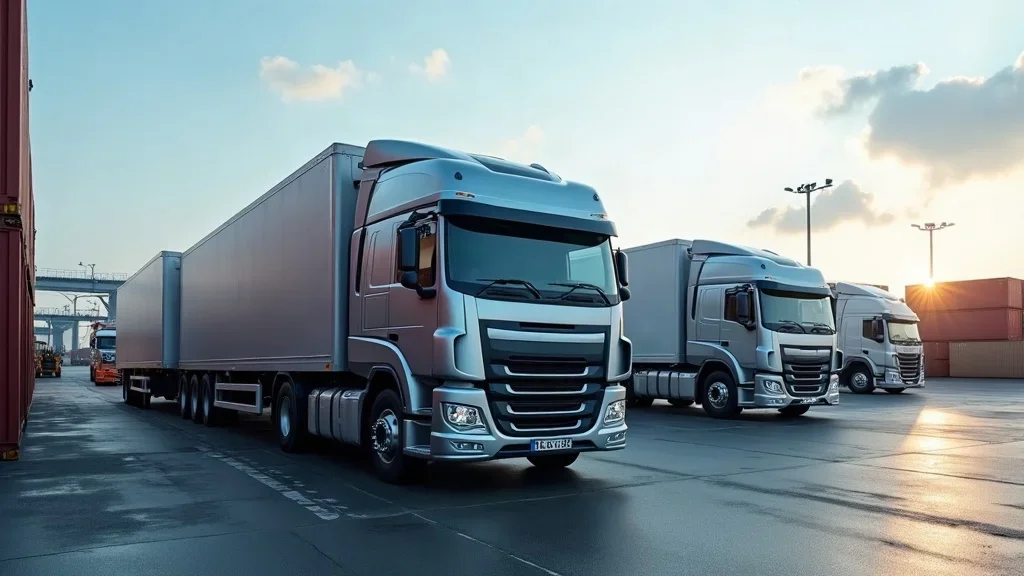
As AI technology continues to evolve, many predict that we will see an increase in the automation of trade processes. By incorporating AI, companies could improve efficiency, reduce costs, and enhance supply chain logistics. For import-export firms, adopting these technologies could open up new markets and streamline operations, making it essential to stay on the cutting edge of innovations.
The Emotional Cost: Impacts on Labor
While the advancements in AI present numerous opportunities, they also raise concerns about job displacement in the manufacturing sector. As companies shift towards AI-driven operations, there’s an emotional weight associated with potential job losses. Import-export companies must navigate this landscape carefully, ensuring that they balance innovation with the compassion needed for their workforce. Engaging employees in this transition can foster loyalty and resilience, ultimately leading to a more robust business culture.
Decisions Import-Export Companies Need to Make
Understanding the dynamics at play in these industry shifts can empower import-export companies to make informed, strategic decisions. Investing in training programs that upskill workers in AI literacy could create a competitive advantage. Moreover, aligning their strategies with government policies surrounding technology can enhance their positioning within the global market.
Taking Action: Emphasizing AI's Benefits
For enterprises focused on import and export, seizing the current momentum around AI is key. By learning about technological developments and becoming early adopters, these businesses can establish themselves in new markets, ensuring they remain relevant in an unpredictable economy. As players like Jensen Huang influence the landscape, the opportunities will abound for those prepared to act.
In conclusion, import-export companies are urged to stay informed about technological advances and policy changes in AI, transforming potential risks into avenues for growth. By viewing challenges through the lens of opportunity, businesses can empower their teams and strategize effectively for a competitive future.


Write A Comment