








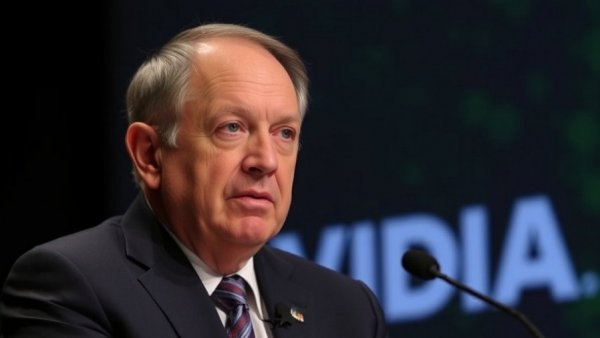
Nvidia's Deepening Ties with Financial Giants Under Scrutiny
In an unprecedented series of events, Cantor Fitzgerald, a Wall Street heavyweight, captured headlines when it hosted Nvidia CEO Jensen Huang and other top brass for crucial investor meetings. This gathering in late September was not merely routine; it came with conflicting reports about Cantor's stake in Nvidia, leading to a quandary for manufacturers and investors alike looking to navigate the intricacies of modern finance. These meetings highlighted the growing importance of strong relationships between tech giants and financial firms, especially as the demand for innovative products continues to surge in today’s market.
Exploring the Decline and its Ripple Effects
Despite Cantor Fitzgerald's optimistic stance, analysts had noted a nearly 50% decline in Nvidia shares held by the firm from September 2025 to March 2026. This decline coincided with mounting pressure from U.S. intelligence and governmental figures urging Lutnick to address the concerning activities of Megaspeed, a company suspected of funneling Nvidia's cutting-edge AI chips to China. The timing of these events raises pressing questions about the dynamics of corporate loyalty in a highly monitored sector, especially as international relations increasingly impact the tech industry.
Political Maneuvering and Trade Tariffs: A Complex Landscape
During the same period, Howard Lutnick faced scrutiny from intelligence officials regarding Huang's connections to alleged espionage. Despite this, Cantor Fitzgerald continued to engage extensively with Nvidia. What does this imply for manufacturers caught in the crosshairs of corporate ethics and political intrigue? The heightened scrutiny around Nvidia's leadership and corporate governance poses significant risks and potential benefits for the manufacturing sector, particularly as trade tariffs create a more complicated global financial landscape. Manufacturers must navigate this intricate web of relationships, ensuring their own operations remain above board while also capitalizing on any competitive advantages offered by technological partnerships.
Lessons for Manufacturers Navigating Corporate Relationships
The interplay between corporate decisions and ethical obligations offers valuable lessons for manufacturers. As they engage with financial firms, navigating the nuances of relationships similar to Cantor's is essential. Should manufacturing leaders remain vigilant against potential conflicts of interest? Striking a careful balance between beneficial collaborations and ethical transparency should be a priority. By fostering open lines of communication with financial partners, manufacturers can avoid pitfalls that arise from hidden agendas or misaligned interests, thereby ensuring not only their own stability but also maintaining the trust of their clients and stakeholders.
Possible Future Implications on Market Dynamics
As these events unfold, the implications stretch beyond individual companies. The fallout from Lutnick's connections with Nvidia may shift industry standards, influencing how tech and financial sectors interact moving forward. Recent shifts in trade policies and export regulations are a reminder that manufacturers may need to adjust their strategies in an ever-changing environment. As technology evolves, and the demand for AI applications increases, staying aligned with ethical practices and corporate governance will be vital for any organization looking to succeed.
The Future of AI in Global Finance
Looking ahead, manufacturers must consider how the fallout from Lutnick's connections with Nvidia may shift industry standards. As trade tariffs loom and scrutiny intensifies, adapting to these changes may require innovative strategies. By staying informed about the evolving landscape, manufacturers can position themselves advantageously as the dialogue around corporate ethics and international trade continues to develop. The rise of AI not only points to the urgency of responsible management within high-stakes industries but also presents an opportunity for collaboration that can lead to groundbreaking advancements.
Final Thoughts: Adapting to Evolving Challenges
With the ramifications of Lutnick’s decisions echoed in boardrooms across industries, it’s clear that transparency and vigilance are non-negotiable. Manufacturers can leverage this moment as an opportunity to rethink their corporate engagements, ensuring they are prepared for the intricate landscape ahead. The course of corporate governance is pivotal not just for financial firms but for all sectors aimed at sustainable growth through ethical practices. In this rapidly evolving world, companies that prioritize integrity and adaptability will not only survive but thrive, contributing to a more ethical business environment for all stakeholders.




Write A Comment