








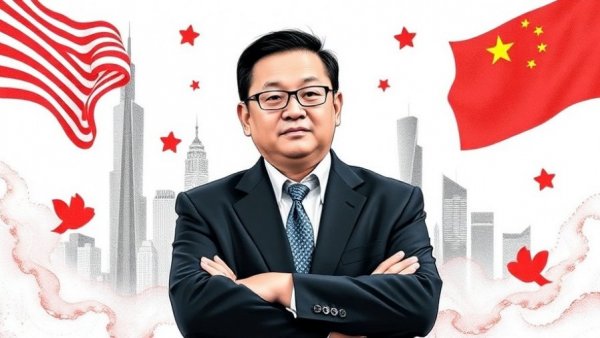
Understanding the Political Shift Before the Trump-Xi Summit
The anticipation heading into the upcoming Trump-Xi summit is palpable, particularly given the notable changes in the political landscape since their last meeting in September. The recent Jensen Huang affair has added an unexpected layer to U.S.-China relations. This shift has prompted a reevaluation among manufacturers and industries that rely heavily on a stable trade environment, highlighting the need for agility and adaptability in today's unpredictable economic climate.
The Impact of Jensen Huang’s Influence
Jensen Huang, the co-founder of NVIDIA, has often represented the bridge between U.S. technological innovations and China's manufacturing prowess. His recent public statements have underscored a shifting dynamic. Unlike before, when tech advancements were viewed with less scrutiny, his insights are being framed in a light that promotes collaboration over competition. This marks a significant psychological shift for manufacturers, who are now reconsidering how U.S.-China relations could reshape their operational strategies amidst fluctuating trade tariffs and international regulations.
Moreover, Huang’s influence extends beyond just the tech realm. His advocacy for open communication between the two nations may encourage manufacturers to explore partnerships that could yield innovative solutions while navigating the complexities of tariffs and trade policies. For manufacturers engaged in sectors such as electronics or automotive production, this represents an opportunity to rethink their supply chains and establish stronger ties with partners on either side of the Pacific.
The Role of Trade Tariffs in the Manufacturing Sector
As the backdrop of these discussions unfolds, understanding trade tariffs has become crucial for manufacturers. Increased tariffs have a ripple effect, impacting production costs and consumer prices, directly affecting business decisions. Many manufacturers are currently navigating this challenging terrain, attempting to forecast how new policies may influence their supply chains. The implications of tariffs can be significant, as they might compel businesses to either absorb the cost increases or pass them along to consumers, which could change purchasing behavior.
The forthcoming summit is therefore not just another diplomatic meeting; it could provide vital insights into easing trade tensions. For manufacturers, the talks can potentially lead to clearer regulations that foster greater stability and confidence in international markets. As tariffs remain a central point of contention, manufacturers must stay aware of alterations in policy that could impact their bottom lines and strategic planning.
Future Predictions: What Lies Ahead for U.S.-China Relations?
Experts predict that the outcomes of the Trump-Xi summit will be pivotal. A friendly dialogue could lead to a reduction in tariffs, which would directly benefit manufacturers who rely on affordable imports. The decrease in tariffs could, hypothetically, offer reduced costs for raw materials and component parts, allowing manufacturers to maintain competitive pricing while improving profit margins.
Conversely, prolonged tensions might drive companies to seek alternatives outside of both countries, reshuffling the landscape of global finance and trade. This possibility raises questions about how manufacturers will respond. Companies may be forced to invest in supply chain diversification or seek new sourcing opportunities in regions that might offer similar capabilities without the geopolitical risk associated with U.S.-China trade relations.
Key Takeaways for Manufacturers
Given the evolving landscape shaped by Huang's influence and the impending summit, manufacturers must stay informed and agile. This means not only tracking developments in U.S.-China relations but also understanding the broader implications for global markets. Manufacturers that can anticipate changes and adapt their operations accordingly will position themselves for growth amidst volatility.
It's important to note that engaging with industry networks can yield insights into best practices and innovative approaches to ongoing challenges. By staying connected and learning from peers, manufacturers can enhance their resilience and foster strategies that align with the changing global trade environment.
Getting Involved: Steps to Prepare
As this significant moment approaches, the call for manufacturers is clear: stay proactive. Engaging in dialogue, attending industry forums, and seeking counsel from experts in global finance could provide an edge in navigating uncertainties. Understanding these shifts now can lead to better opportunities in the future.
In preparation, businesses should analyze their current supply chains and assess dependencies on U.S.-China trade relations. Companies might also consider diversifying suppliers or investing in technology that can help mitigate risks associated with tariffs, such as automation or inventory management systems. By taking these steps, manufacturers can better equip themselves to respond to outcomes from the summit and maintain a competitive edge in a rapidly changing market.





Write A Comment