








Relief at the Pump: What Lower Gas Prices Mean for Manufacturers
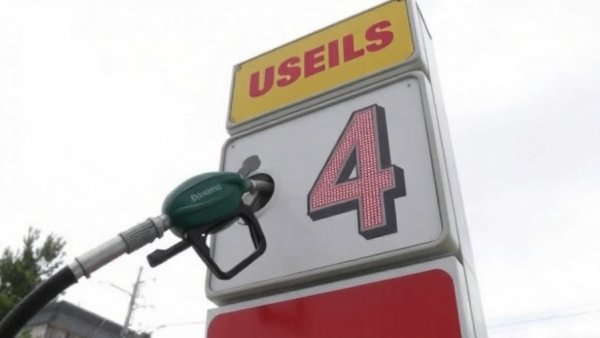
For many Americans, a sigh of relief is resonating across the nation as gas prices dipped below $4 a gallon, marking the first such drop since July. With the national average at $3.9788 according to AAA, this change reflects a 17-cent decrease from just one week ago and a notable 39-cent decline from a month prior. This substantial reduction in fuel prices is poised to impact various sectors, especially manufacturing, as transportation costs become more manageable.
Understanding the Causes of Gas Price Decline
The decline in gas prices can be attributed to two significant factors: the seasonal trend of falling prices this time of year and a notable reduction in crude oil prices. International markers indicate that the price of Brent crude has plummeted below $90 per barrel due to developments in U.S.-Iran relations that have sparked hopes for reduced geopolitical tensions in the Middle East. The resumption of crude exports from the Persian Gulf, nearing prewar levels, has also alleviated worries about supply shortages. In short, manufacturers may now see relief in their freight costs, influencing their overall operational budgets.
How Seasonal Trends Affect Gas Prices
Gasoline prices typically decrease in the fall, and this year's decline is consistent with historical trends. According to Bespoke Investment Group, autumn is associated with lower gas prices, contributing to some of the relief we've witnessed lately. Understanding these seasonal fluctuations can empower manufacturers to better anticipate and budget for changes in fuel expenses, enabling proactive financial planning in their operations.
The Broader Economic Picture: Inflationary Pressures Remain
Despite the positive news of declining gas prices, Federal Reserve Governor Christopher Waller warns that these reductions may not signal a long-term decline in energy costs. He expressed concern that energy shocks could have longer-lasting effects on inflation, something that must be monitored closely by manufacturers as they navigate their supply chains and pricing strategies. As energy prices decreased recently, they still remain elevated compared to earlier in the year, which could exert inflationary pressure on goods.
Future Predictions: A Balancing Act for Manufacturers
Looking ahead, the challenge for manufacturers is to manage their operations amidst a fluctuating economic landscape. As oil prices remain temperamental due to geopolitical uncertainties, the question arises: how can manufacturers leverage these fluctuations? Continuing to adapt supply chains, perhaps by diversifying suppliers or adopting more energy-efficient logistics practices, could insulate businesses against future shocks and optimize costs.
Insights Into Trade Tariffs and Their Impact on Fuel Costs
Another factor that manufacturers need to be aware of is the role of trade tariffs. Tariffs can indirectly impact the cost of energy and fuel, which can ripple through the entire supply chain. Understanding and managing these tariffs effectively can contribute to greater control over operational expenses and ultimately result in better pricing strategies as we move forward.
Conclusion: Navigating Challenges and Embracing Opportunities
For manufacturers, the recent drop in gas prices signals potential savings in freight and operational costs. However, the underlying complexities of energy pricing and inflationary risks require nuanced approaches to financial planning and supply chain management. Keeping an eye on global market trends and adapting strategies accordingly can help manufacturers not only navigate these challenges but also seize opportunities for growth in a competitive landscape.





Write A Comment