








Understanding the Risks of Prediction Markets in Healthcare
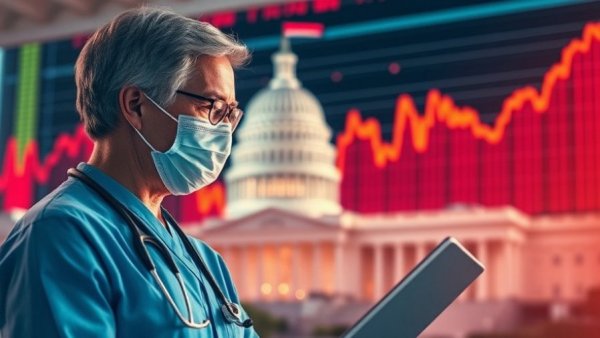
In a rapidly evolving health landscape, the emergence of prediction markets tied to clinical trials and drug approvals has presented significant opportunities—but it also raises some critical concerns. Recently, Senators Angela Alsobrooks and Ron Wyden voiced their apprehensions, questioning the steps the Department of Health and Human Services (HHS) has taken to mitigate potential risks associated with these markets. As manufacturers in the pharmaceutical and healthcare sectors, understanding these dynamics is vital for future planning and compliance.
What Are Prediction Markets?
Prediction markets are platforms that allow participants to buy and sell shares based on the outcomes of future events—like the approval of a new drug. This kind of market taps into decentralized information, allowing for crowdsourced predictions that can sometimes outperform expert forecasts. However, they possess inherent risks, especially where public health and safety are concerned.
Why Are Lawmakers Concerned?
Lawmakers are worried that these markets could encourage unethical behavior, such as insider trading or manipulation. If individuals are able to bet against the approval of drugs, it raises questions about the integrity of clinical trials and the safety of patients involved. This sentiment has led to increased scrutiny from government officials, who stress the need for a regulatory framework that safeguards not just the markets, but the people they serve.
A Global Perspective: Trade Tariffs and Market Impact
As the consequences of trade tariffs reverberate globally, the situation becomes even more complex. Manufacturers face challenges not only from changing trade policies but also from the evolving regulations surrounding prediction markets. Understanding how these international dynamics can affect drug approvals is crucial for manufacturers aiming to remain competitive.
Key Steps for Manufacturers
For those in the manufacturing sector, clear strategic planning will be invaluable to navigate these uncertain waters. Establishing relationships with regulatory bodies can provide insights that will help manufacturers adapt to changing regulations surrounding prediction markets. Industry leaders are encouraged to stay informed and proactive in addressing the implications that these markets may pose on drug development and approval processes.
Looking Forward: An Opportunity for Innovation
Despite the challenges, there lies an opportunity for innovation in how drug approvals are approached. Prediction markets could potentially streamline processes and provide quicker insights into research outcomes if properly regulated. Engaging with these platforms ethically may provide valuable data that can drive future innovations.
A Call to Action for the Industry
As discussions ramp up around legislation and regulatory responses, manufacturers need to actively participate in this dialogue. By voicing their insights and concerns, they can help shape policies that benefit both the industry and public health. Building a collaborative approach will be crucial in ensuring that the benefits of prediction markets can be harnessed while minimizing any associated risks.
In conclusion, as manufacturers, staying informed about the evolving regulatory landscape around prediction markets is essential. Embrace the opportunities for dialogue and innovation while addressing the concerns raised by lawmakers. Your involvement now can shape a safer and more efficient future for drug approvals.




Write A Comment