








Zipline's Ambitious Expansion Plans with Major Partnerships
In a move signaling the future of drone delivery, Zipline has raised an impressive $1.5 billion to bolster its operations. The startup is not only expanding its drone delivery network across the U.S. but is also partnering with major retailers like Walmart and Uber to enhance its service capabilities.
Zipline's notable partnership with Walmart aims to add 300 drone delivery sites to its existing services, which have already facilitated over 2 million deliveries since Walmart began collaborating with the startup in 2021. Greg Cathey, a senior vice president at Walmart, highlighted the benefit of being close to communities, saying, “With Zipline, we can build on that proximity and bring this fast delivery option to even more customers across the country.” This statement underscores the importance of local logistics in today’s market.
Understanding the Technology Behind Drone Deliveries
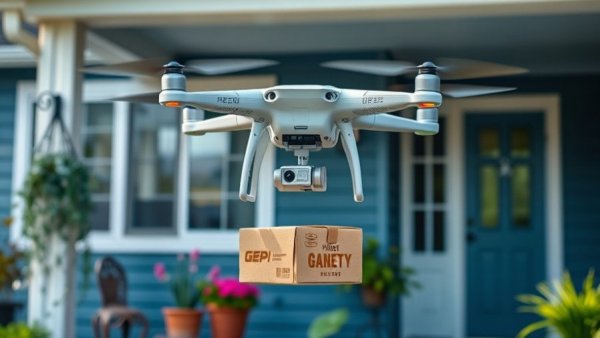
One fascinating aspect of Zipline's technology is its home delivery drone, which operates quietly at altitudes around 330 feet. This height allows for discreet operations while maintaining efficiency. The drone is equipped with a unique delivery pod that descends on a tether, ensuring safe and precise delivery of items. Such innovations demonstrate how technological advancements can change the logistics landscape significantly.
The Partnership with Uber: Aiming for the Future
Alongside its collaboration with Walmart, Zipline has also partnered with Uber, aiming for an ambitious target of 1 million drone deliveries per day by the end of 2029. This monumental goal speaks volumes about the company’s aspirations and how partnerships can facilitate rapid growth in the logistics sector. The involvement of Uber in Zipline’s recent funding round adds another layer of credibility and support, as Uber seeks to diversify its delivery services.
The Economic Impact of Zipline’s Expansion
The recent funding round led by Paradigm, WCM Investment Management, and Layer Global has raised Zipline's valuation to a staggering $21.5 billion. With investors like Fidelity and Salesforce Ventures jumping on board, it's clear that the market views drone logistics as a crucial growth area. As Zipline expands its manufacturing capabilities in the U.S., this could potentially create numerous job opportunities and stimulate local economies.
Challenges and Considerations Ahead
However, with great potential comes great challenges. The expansion of drone manufacturing in the U.S. requires strict adherence to regulations. Manufacturers in Canada and Mexico who wish to benefit from reduced tariffs must commit to verifiable capacity expansion within the U.S. and maintain detailed records. Such requirements could pose hurdles for Zipline as it strategically scales its operations.
Looking Forward: The Future of Delivery Services
As Zipline continues its pursuit of innovation in drone delivery, its partnerships with major companies will be vital to success. Future predictions suggest that as drone technology becomes more reliable and widespread, we might see a significant shift in how goods are transported and delivered within urban and rural communities alike.
In conclusion, the growing trend of utilizing drones for delivery, particularly through visionary companies like Zipline, indicates a significant shift in the logistics and retail sectors. As we monitor these developments, it’s essential to stay informed about how new technologies can integrate into our daily lives, making services more accessible and efficient.




Write A Comment