








Rising Fertilizer Prices: The Impact of Global Conflicts
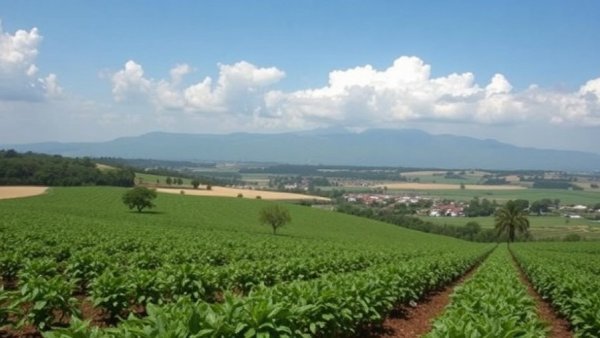
In 2026, the disruption in the Strait of Hormuz put a spotlight on Brazil's heavy reliance on fertilizer imports, showcasing how geopolitical tensions can ripple through global agricultural supply chains. The waterway, connecting the Persian Gulf to the Gulf of Oman, facilitates approximately one-third of the global fertilizer trade. As a result, Brazil, which imported an overwhelming 45.5 million of its 49.1 million tonnes of fertilizer consumption in 2025, found itself particularly vulnerable to conflicts in this region. This dependency highlights a critical vulnerability, as fluctuations in supply can directly impact food production and prices within the country.
Financing Challenges in the Supply Chain
The increase in fertilizer prices was not merely a function of supply shortages but also stemmed from additional financial strains across Brazil's agricultural landscape. Following the commencement of the disruptions, farmers faced increasing costs as urea prices surged by 35% within just two weeks. Such price fluctuations placed immense pressure on the existing supply chain finance (SCF)—a system which allows for upfront financing of agricultural inputs. Delays in shipments and heightened prices only increased the tension within this intricate network, locking up vital working capital for many stakeholders, including producers, suppliers, and farmers.
Impact on Farmers and Distributors
Reports indicated that amidst the crisis, Brazilian farmers began to delay their purchases of fertilizer while awaiting actionable decisions from the National Congress regarding rural debt restructuring. This delay in decision-making created a cycle of uncertainty that affected agricultural distributors as they reported worsening conditions from April through June 2026. As Eduardo Monteiro, the country manager for Mosaic Fertilizantes, pointed out, the combination of high prices and uncertain credit conditions put a strain on the credit available to both farmers and distributors alike. Marcelo Altieri, President of the fertilizer company Yara Brasil, noted that delayed purchases inhibited adequate timing for importing cargoes, leading to further supply chain challenges.
Recommendations from the UN for Agricultural Resilience
In light of these developments, the United Nations’ Food and Agriculture Organization (FAO) recommended a restructuring of financial support mechanisms for farmers amid the crisis. The proposed affordable emergency credit would cater to smaller businesses and farmers, aligning repayments with harvest seasons rather than immediate cash needs. This approach is essential for preserving liquidity for agricultural workers. Moreover, the FAO's foresight into designing rapid disbursement support for fertilizer imports echoes strategies previously enacted during similar crises, particularly the ongoing impacts stemming from the Ukraine conflict. Such policies could help bolster Brazil's agricultural defenses against future shocks from global supply chain disruptions.
The Future Outlook for Brazil’s Fertilizer Supply Chain
Looking ahead, Brazil's fertilizer deliveries are projected to decline to around 43 million tonnes in 2026, compared to 49 million tonnes in 2025. Such predictions emphasize that the agricultural sector must strategize around resource allocation and import dependency, especially in light of tightening global credit conditions and fluctuating tariffs. These diverse pressures underscore the need for Brazilian stakeholders to adopt flexible operational models that are resilient to unpredictable economic landscapes. Additionally, agricultural businesses might explore more local sourcing of fertilizers or investments in sustainable practices that reduce reliance on imported inputs.
Conclusion: Navigating the Complex Landscape
Brazil’s experience serves as a critical case study about the delicate balance that import-export manufacturers must strike between global events and local imperatives. The ripple effects of the disruption in the Strait of Hormuz highlight the interconnected nature of modern agriculture and trade. As the agricultural sector navigates rising costs and supply chain disruptions, stakeholders need to be proactive in securing financing while adapting to changing regulations and market conditions, ensuring a robust system that can withstand future shocks. By fostering collaborative approaches and leveraging technological advancements, Brazilian agriculture can not only survive but potentially thrive in a complex global environment.







Write A Comment