








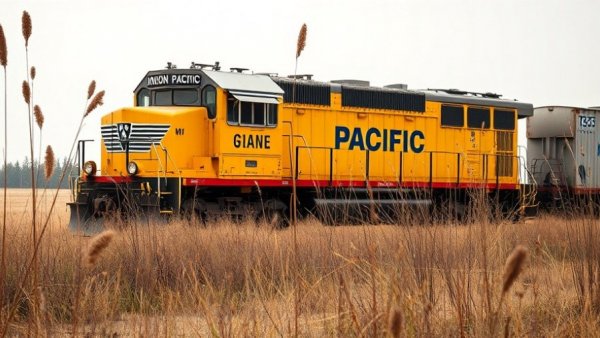
Understanding the Merger: What It Means for Railroads
The backdrop of the recent merger discussions between Norfolk Southern and Union Pacific Railroads (UP) is fraught with tension and misunderstanding. Union Pacific CEO Jim Vena recently stated that he may raise rates for shippers who oppose the merger, a comment that has sparked controversy and concern among stakeholders. This seemingly offhand remark highlights the complex dynamics at play in the logistics and transportation industry.
Why Rate Increases Matter to Shippers
Shippers rely heavily on reasonable freight rates to maintain profitability. Any suggestion that rates might go up can create anxiety within their operations. A rate increase could impact their ability to compete, particularly in a tightening market where every dollar matters. Additionally, shippers may seek alternative transport options, seeking a balance between service reliability and cost. Vena's comment, whether intended humorously or not, raises real fears of retaliation against those who voice their concerns.
The Current State of the Rail Industry
The potential merger of these two major rail companies represents a significant shift in the industry. Consolidation among railroads can lead to increased efficiency and reduced competition. However, it also runs the risk of limiting options for shippers and impacting service levels. As the industry evolves, understanding both the short-term implications of rate changes and long-term effects of the merger becomes critical.
What Shippers Are Saying
Shippers have voiced their concerns and opinions regarding the proposed merger and the statements made by UP's leadership. Many are wary of how their interests will be prioritized in the negotiation room. The relationships between shippers and railroads are paramount to ensuring smooth experiences in shipping goods across various regions. Open communication and transparent practices are essential to building trust within this collaboration.
Future Insights: Navigating Uncertain Waters
As talks progress regarding the merger, one can only speculate how it will reshape the landscape. This is a pivotal moment for both rail companies and their shipping partners. Should other companies enter the discussion, there could be disruptive changes in service rates and quality. Thus, shippers need to keep their eyes on the evolving talks and be prepared to adapt. Understanding how the consolidation landscape affects pricing and service narratives is fundamental for effectively navigating logistics.
Your Role in the Conversation
Awareness is key. By educating yourself about these developments and their potential impacts, shippers can better engage in discussions with their partners. It also empowers them to advocate for their interests more vigorously. The voices of shippers should reverberate through the corridors of power as negotiations around the merger move forward.
Concluding Thoughts
In any major business merger, the implications for various stakeholders are significant. Jim Vena's casual comments about raising rates underscore the need for transparency and dialogue in the rail industry. As conversations evolve, staying informed and engaged will help shippers navigate changes that influence their businesses. What will be the outcome of this merger? Only time will tell, but staying informed will help shippers make the most of the changing landscape.








Write A Comment