








The UK and EU's Groundbreaking SPS Agreement
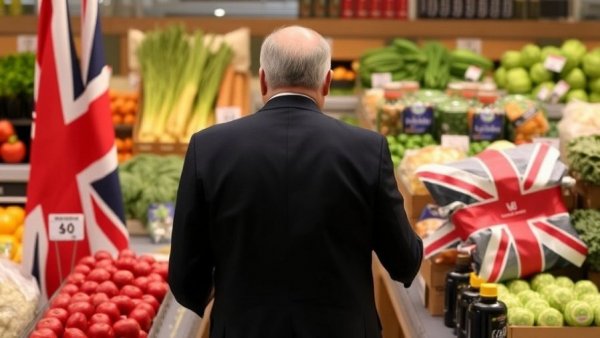
The recent agreement between the UK and EU marks a significant step in easing post-Brexit trade friction. The new sanitary and phytosanitary (SPS) framework will eliminate most border checks and certification requirements for food and plant products, set to take effect in March 2028. This move aligns UK agricultural standards with EU regulations, allowing for smoother trade flows and the removal of unnecessary 'not for EU' labels that have burdened UK exporters since Brexit. This could lead to an economic boost estimated at £5.1 billion annually, promoting easier business interactions while also lowering consumer prices.
Impacts on Import Export Companies
The implications for import/export manufacturers are both profound and wide-ranging. Historically, UK exporters faced a labyrinth of health certificates and physical checks that stifled their access to the lucrative EU market. By aligning with EU agri-food standards, the SPS deal lifts a cloud of confusion and inefficiency. Import/export companies can now anticipate a more straightforward path for their goods. Furthermore, the adjustment is poised to alleviate pressures on consumers by lowering costs and increasing product variety. However, there remains a caveat; certain products will require more detailed country-of-origin labels, underscoring the need for vigilance as companies navigate the new regulatory landscape.
Carbon Market Integration: A Win for Sustainability?
In addition to the SPS agreement, the UK and EU have agreed to connect their emissions trading systems (ETS), which presents potential economic and environmental benefits. By linking carbon markets, both regions aim to avoid duplicate carbon border levies, safeguarding key industries like steel and aluminum from financial penalties associated with the EU’s Carbon Border Adjustment Mechanism. The UK government estimates that this integration could contribute an additional £3.8 billion to the economy, a boon for import/export manufacturers looking to maintain competitive pricing against EU counterparts.
Future Prospects for Electricity Market Integration
Looking ahead, the ongoing discussions surrounding the UK’s potential entry into the EU’s internal electricity market could further reshape the trading landscape. With electricity prices among the highest in Europe, participating in this market could provide the UK access to cleaner, homegrown energy sources, reducing reliance on costly imports. However, as this remains a contentious topic, particularly concerning financial contributions to the EU budget for poorer regions, the road ahead will require careful negotiation.
The Context of the Current Agreements
The backdrop of these agreements highlights a mutual desire for cooperation amidst economic uncertainty. The leadership in these negotiations—from UK Prime Minister Andy Burnham to European Commission President Ursula von der Leyen—emphasizes shared values and the importance of achieving a balanced outcome for consumers and businesses alike. This sentiment became particularly evident during the summit discussions, framing the agreement not just as beneficial for trade, but as a path toward mutual economic resilience in a post-Brexit environment.
Call to Action: Embracing the Changes Ahead
For import/export companies, staying informed on these developments will be crucial. As the SPS agreement rolls out and carbon market integration unfolds, businesses should prepare for changes that will enhance their operational efficiencies. Engaging with industry advisors and staying abreast of regulatory updates will ensure that manufacturers can adapt swiftly to these significant shifts in the trade landscape.





Write A Comment