Global Trade News
Global Trade News
  • Manufacturing Insights 
  • Categories
    • Policy Pulse
    • Compliance Corner
    • Market Movers
    • Supply Chain
    • Export Essentials
    • Manufacturing Technology
    • Regulatory Roundup
    • Market Intelligence
    • Industry Voices
    • More Videos
November 19.2026
3 Minutes Read

Côte d’Ivoire's Cocoa Crisis: How BGFIBank's €100 Million Facility May Revive Exports

Targeting Côte d’Ivoire cocoa exporters hit by price fall, BGFIBank secures €100m syndicated facility 

Understanding the Cocoa Crisis: Price Volatility and its Impacts

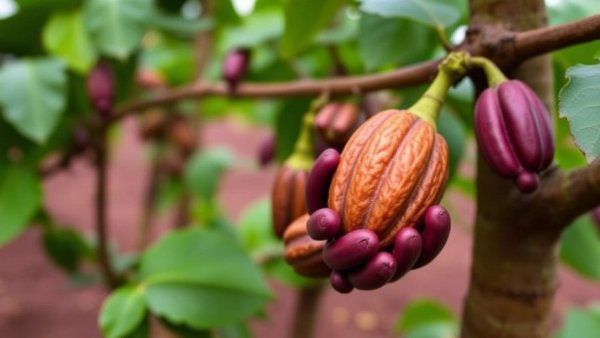
Côte d’Ivoire, the world’s largest cocoa producer, is facing a serious crisis as cocoa prices have plummeted by 57% recently. This decline is affecting not only exporters but the entire value chain that supports a significant portion of the population. With cocoa accounting for around 40% of the country’s export earnings, the implications of such a price drop resonate deeply within the economic fabric of Côte d’Ivoire. The current guaranteed farm-gate price of 1,200 West African CFA francs per kilogram stands starkly in contrast to the previous season’s rate of 2,800 CFA francs, placing exporters in a precarious position that has compelled many to grapple with rising working capital needs.

How BGFIBank's €100 Million Facility Addresses Financial Challenges

In a strategic move to alleviate these challenges, BGFIBank has successfully secured a €100 million syndicated trade finance facility. This initiative aims to support trade primarily in cocoa while addressing the working capital constraints that have otherwise hampered exporters’ abilities to trade efficiently. As Dr. Tedd George of Kleos Advisory states, this financing could serve as a vital lifeline for small and medium-sized exporters, who are essential players in the cocoa supply chain, yet often overlooked by traditional financing models.

Emerging Market Challenges: EU Deforestation Regulations

As if the market dynamics weren't challenging enough, exporters must also navigate the complex landscape of EU Deforestation Regulations (EUDR). These regulations require that cocoa entering the EU be fully traceable, with a strict prohibition against cocoa produced on land deforested after December 31, 2020. This compliance challenge poses additional burdens on Côte d’Ivoire’s exporters as they strive to meet both financial and regulatory expectations amidst rapidly changing market conditions.

Impact of Cocoa Price Drops on the Wider Economy

The cocoa price decline has caused significant strain on Côte d’Ivoire's economy. Many exporters had previously committed to purchasing beans at last season's higher fixed prices. However, with the global market reacting to price drops, many international buyers have withdrawn, leading to unsold cocoa piling up and farmers going unpaid. The government has attempted to step in by purchasing stranded beans to mitigate this buildup, but this is only a temporary fix in the face of deeper systemic issues.

Future Predictions: Can Financing Solutions Aid Recovery?

The future of Côte d’Ivoire’s cocoa industry hinges on the successful implementation of financing solutions like the one provided by BGFIBank. Whether these funds will effectively reach the small and medium-sized enterprises—those truly in need—remains a paramount concern. Innovative approaches will be vital for ensuring that aid trickles down to the grassroots level, allowing these exporters not only to survive but potentially to thrive in a challenging global market.

The Role of Transparency in Regaining Market Trust

As transparency grows increasingly crucial in global trade, particularly within the cocoa sector, Côte d'Ivoire’s exporters must enhance traceability to regain confidence in international markets. With only 48% of cocoa exports traced back to their origin in 2024, the urgency of adapting to transparency demands becomes undeniable. Strengthening systems that ensure traceability will not only meet regulatory requirements but will also position Ivorian cocoa more favorably in competitive markets.

Conclusion: A Call to Action for Exporters

As trade finance solutions emerge against this backdrop of economic uncertainty, exporters in Côte d'Ivoire must proactively engage with these opportunities to navigate the complexities of the cocoa market. With a concerted effort to improve transparency and compliance, along with the support of initiatives such as BGFIBank’s financing, there is potential for a resurgence that could reinvigorate the Ivorian cocoa industry. The time to adapt and innovate is now, as the path forward remains contingent on collaboration and resilience.

Export Essentials

1 Views

Write A Comment

*
*
Please complete the captcha to submit your comment.
Related Posts All Posts
11.19.2026

Amazon’s New Delivery Station in Puerto Rico Reduces Shipping Time Dramatically

Update Amazon’s New Delivery Station in Puerto Rico: A Game Changer for Local Shipping Amazon has officially opened its first delivery station in Puerto Rico, and it’s expected to greatly enhance shipping times for customers in the San Juan metro area. Imagine getting your packages in just two days instead of waiting weeks—this is now a reality for residents, thanks to the new 100,000-square-foot facility in Dorado. This significant development not only signifies a boost for Amazon but also represents a vital improvement for local consumers who rely on online shopping for various necessities. How the New Station Works: A Peek Behind the Scenes The Dorado station acts as the final stop before your parcels arrive at your doorstep. Once packages land at the station, they’re sorted by delivery route, ensuring they’re quickly loaded onto vans for local transport. This process not only speeds up the delivery time but also supports the local economy by employing over 100 staff members and working with six delivery service partners, leading to about 300 drivers on the road. With these enhanced capabilities, the station can efficiently manage a larger volume of parcels, demonstrating Amazon's commitment to improving its logistical infrastructure in less accessible areas. Why Speedy Delivery Matters: A Local Perspective For many residents in Puerto Rico, waiting up to two weeks for online orders was a frustrating reality. With Amazon's new delivery station, customers can expect much faster service. This change will allow families to receive urgent items such as school supplies, groceries, or necessary household products almost instantly, which is especially vital in today’s fast-paced world. Imagine a busy parent being able to restock on dinner essentials or get last-minute items for a child's project without the anxiety of delayed shipping. This upgrade can dramatically improve day-to-day life and the overall shopping experience. Broader Implications for Distribution Amazon has been investing significantly in improving its last-mile delivery capabilities, not only in Puerto Rico but in other regions around the United States as well. For instance, plans for a 30,000-square-foot delivery station in Oklahoma reflect a broader trend of making logistics more efficient in areas further from major commercial hubs. This strategic expansion highlights the importance of balancing demand and supply across various locations, allowing Amazon to cater to a broader customer base while breaking down the barriers of delayed delivery. What Does the Future Hold for Local Shipping? As Amazon expands its network of delivery stations, we can anticipate improvements in shipping times across various geographical locations. This development means that small businesses in Puerto Rico can also take advantage of faster delivery options through Amazon, opening up new avenues for growth and customer service enhancement. Quick delivery times can motivate local merchants to utilize Amazon’s platform, thereby reaching wider audiences without straining their resources. In a thriving economic environment, this could lead to increases in local employment opportunities and entrepreneurship. Community Connection: Amazon in Puerto Rico Importantly, Amazon’s investment is more than just about speed; it’s about connecting communities. With better shipping capabilities, residents can access a more diverse array of products. It allows families and businesses to thrive, bringing essentials right to their doorsteps without delay. Enhanced shipping capabilities mean that products that may be scarce locally can be ordered and received promptly. This is particularly beneficial in a place like Puerto Rico, where residents may face unique logistical challenges due to geography. A Call to Embrace Change The advancement in delivery times facilitated by Amazon reflects a larger shift in consumer expectations and logistics capabilities. The faster delivery services not only enhance customer satisfaction but also contribute to economic growth in the local area. As consumers become accustomed to quicker service, this could inspire other companies to improve their logistics as well. The lesson here is clear: in today’s world, swift and efficient delivery isn't just an advantage but a necessity. Companies that keep up with these trends and demands may very well secure a more competitive position in the marketplace. To keep receiving updates on the latest in logistics and delivery advancements, consider subscribing to our newsletters where industry experts share insights every day. This way, you won’t miss out on crucial changes that affect your shopping experience! With the growing emphasis on speed and efficiency, staying informed will prove beneficial for both consumers and businesses alike.

11.19.2026

How African Economies Can Harness Trade Amid Global Geopolitical Shifts

Update The African Trade Landscape: Navigating Geopolitical TurbulenceIn an era characterized by rising geopolitical tensions and the reconfiguration of global supply chains, African economies stand on the brink of transformation. The shift away from expansive globalisation offers the continent a unique opportunity to redefine its role in international trade—moving from a status primarily reliant on raw material exports to one that emphasizes domestic processing and value capture. As nations worldwide re-evaluate supply chain dependencies, Africa is ideally positioned to leverage its wealth of natural resources.Challenges to Realizing PotentialDespite possessing rich reserves of critical minerals necessary for futuristic technologies, including those pivotal to AI and energy transition, Africa's share of the global GDP remains a modest 2.82%. Countries such as Nigeria and the Democratic Republic of the Congo, essential players in the cobalt and lithium markets, are beginning to implement policies aimed at retaining more value through domestic processing. Measures like export restrictions and value-added production are seen as crucial steps toward fostering a self-sustaining economy. However, realizing this potential necessitates coordinated investments across various sectors, including infrastructure and financing.The Role of the AfCFTA in Strengthening Regional TiesThe African Continental Free Trade Area (AfCFTA) presents a significant opportunity for enhancing regional value chains. By reducing tariffs and encouraging intra-African trade, the AfCFTA can help stabilize trade relations and promote economic cooperation among member nations. This cooperative framework is essential for building robust banking networks and strengthening development-finance partnerships, ultimately facilitating access to trade financing that African manufacturers desperately need. The challenge remains substantial, but the integration facilitated by AfCFTA can serve as a catalyst for economic resilience and self-sufficiency.How Trade Finance is Evolving in AfricaAccess to trade finance has historically faced challenges due to uneven institutional capacity and economic instability across African nations. Nevertheless, innovative financial solutions like receivables financing are emerging, allowing businesses to fund their production processes more effectively. A recent conversation with Niron Rampersad, Divisional Executive of Trade at Nedbank CIB, has shed light on how these financial tools can enable African firms to engage in value-added processing—essential in the current global market devoid of predictability.The Importance of Reliable InfrastructuresAfrica's trade potential heavily relies on its infrastructure; reliable transport systems and energy sources are critical for executing the proposed shifts from raw material exports to processed goods. The case of Nigeria's Dangote refinery exemplifies this transformative approach. By not just exporting crude oil but investing in local refinery capabilities, Nigeria shows how investment in infrastructure can yield substantial trade benefits.Looking Ahead: Future Opportunities in African TradeWith the backdrop of continual disruptions to global supply chains—an emerging norm in our current economic climate—focusing on regional trade adds significant value. There is a strong incentive for Africa to cultivate its markets, not simply as raw material suppliers but as competitive producers. The world’s increasing reliance on African minerals signifies a pressing need for nations on the continent to address how they can maintain sustainable production and processing that benefit local economies. While the road to reconfiguration will be complex, the opportunities are palpable.Why This Matters Now more Than EverFor import-export companies, understanding these shifts is crucial. The current climate represents a pivotal moment for African stakeholders who can harness domestic capabilities to affect global supply demands. Companies keen on enhancing their operational frameworks must embrace these changes and actively seek partnerships that align with Africa's emerging trade landscape. With concrete action, there exists profound potential for mutual growth and sustainable economic development. By understanding the implications of geopolitical fragmentation, stakeholders in Africa can work towards creating a resilient and singular trade vision that prioritizes domestic needs while engaging in international markets. For businesses, these developments signal an imperative to re-evaluate supply chains, engage with new markets, and maximize benefits within Africa.

11.18.2026

Prepare Your Business for This Year's Strongest El Niño: Essential Tips

Update How Severe Weather Affects Industries This year's El Niño is expected to be the strongest one on record, which could bring a lot of unpredictable weather patterns. This is especially important for manufacturers, as extreme weather can disrupt operations, leading to delays in production and shipment. When heavy rains and strong winds hit, companies might face challenges like damaged equipment or interrupted supply chains. It’s like being unprepared for a big storm when you know it's coming. So, what can manufacturers do to get ready? Conducting a System Audit First and foremost, a system audit is a key step for manufacturers. Imagine a big checklist where you have to check if everything is up to par. This includes examining machinery and equipment for vulnerabilities. If something isn’t working right now, it definitely won’t work well during a storm. Identifying these risks in advance can save a lot of headaches later. A thorough audit might include looking at maintenance records, checking safety features, and even testing backup power supplies. Manufacturers should also consider how weather can add stress to already aging machinery. Protective Measures to Consider Next, experts suggest implementing protective measures to limit the impact of severe weather. This can include reinforcing structures to withstand high winds or waterproofing important areas to prevent flooding. Just like you might bring in the outdoor furniture before a big storm, businesses need to safeguard their valuable assets, such as inventory and equipment. Investing in storm shutters or better drainage systems can make a big difference. Additionally, keeping emergency supplies stocked, including flashlights, first-aid kits, and extra food and water, can help the company bounce back quickly if things go wrong. Communication is Key Another vital part of preparing for severe El Niño is strong communication. Manufacturers should not only talk to their teams but also stay in close contact with suppliers and partners. This means sending out regular updates and creating a plan on what to do if the weather worsens. Holding meetings to discuss emergency procedures and sharing that information through emails or message boards will ensure everyone knows their role. Being on the same page helps everyone react faster, reducing the chaos that can accompany a severe weather event. The Importance of Technology in Disaster Preparedness Moreover, technology can play a huge role in this preparation. From weather forecasting tools that provide real-time updates on storm severity to software that helps manage supply chains efficiently during crises, there's a lot available to help businesses prepare and respond effectively. Technologies such as drones can be used for damage assessment post-storm, while data analytics can help predict supply chain disruptions. Utilizing these technological advances not only minimizes disruption but can also improve overall operational efficiency, allowing companies to resume business as usual faster. Looking Ahead: Future Challenges Lastly, looking ahead is crucial. The stronger the El Niño this year, the more frequent extreme weather events may become in the future. Manufacturers need to plan not just for today but also for the seasons to come. This means investing in infrastructure that can withstand severe conditions and considering the long-term impacts of climate change. By developing long-term strategies, such as diversifying supply sources or investing in eco-friendly technologies, they can adapt and maintain their operations even when faced with unexpected weather challenges. In conclusion, severe weather events like this year’s El Niño can have significant impacts on manufacturers. But by conducting thorough system audits, implementing protective measures, ensuring strong communication, leveraging technology, and thinking ahead, companies can weather the storm effectively. Knowing the risks and preparing well will help ensure that your business stands strong even through the toughest of conditions. As we brace for this severe El Niño, remember that preparation is not just about surviving the storm—it's about thriving in its aftermath.

Global Trade News


An educational, content-centric platform that delivers unbiased, comprehensive, and real-time regulatory news and analysis, empowering stakeholders to make informed decisions in a complex global trade environment.


Global Trade News is a subsidiary of RP Design Web Services.

COMPANY

  • Privacy Policy
  • Terms of Use
  • Advertise
  • Contact Us
  • Menu 5
  • Menu 6

AVAILABLE FROM 8AM - 5PM

City, State

Cheshire, CT

ABOUT US

A media channel that delivers the latest insights on trade regulations, import/export compliance, policy shifts, and global market trends.  Present both US and international perspectives to provide companies with a holistic view of the evolving trade landscape.

© 2026 Global Trade News All Rights Reserved. PO Box 1189 , Cheshire, CT 06410 . Contact Us . Terms of Service . Privacy Policy

eyJjb21wYW55IjoiR2xvYmFsIFRyYWRlIE5ld3MiLCJhZGRyZXNzIjoiUE8gQm94IDExODkgIiwiY2l0eSI6IkNoZXNoaXJlIiwic3RhdGUiOiJDVCIsInppcCI6IjA2NDEwIiwiZW1haWwiOiJzYWxlc0BycGRlc2lnbi5jb20iLCJ0b3MiOiJQSEErUEhOMGNtOXVaejQ4WlcwK1YyaGxiaUI1YjNVZ2MybG5iaTFwYmlCM2FYUm9JSFZ6TENCNWIzVWdZWEpsSUdkcGRtbHVaeVp1WW5Od095QjViM1Z5SUhCbGNtMXBjM05wYjI0Z1lXNWtJR052Ym5ObGJuUWdkRzhnYzJWdVpDQjViM1VnWlcxaGFXd2dZVzVrTDI5eUlGTk5VeUIwWlhoMElHMWxjM05oWjJWekxpQkNlU0JqYUdWamEybHVaeUIwYUdVZ1ZHVnliWE1nWVc1a0lFTnZibVJwZEdsdmJuTWdZbTk0SUdGdVpDQmllU0J6YVdkdWFXNW5JR2x1SUhsdmRTQmhkWFJ2YldGMGFXTmhiR3g1SUdOdmJtWnBjbTBnZEdoaGRDQjViM1VnWVdOalpYQjBJR0ZzYkNCMFpYSnRjeUJwYmlCMGFHbHpJR0ZuY21WbGJXVnVkQzQ4TDJWdFBqd3ZjM1J5YjI1blBqd3ZjRDRLQ2p4d1BqeGhJR2h5WldZOUltaDBkSEE2THk5M2QzY3VaMjl2WjJ4bExtTnZiU0krYUhSMGNEb3ZMM2QzZHk1bmIyOW5iR1V1WTI5dFBDOWhQand2Y0Q0S0NqeHdQaVp1WW5Od096d3ZjRDRLQ2p4d1BqeHpkSEp2Ym1jK1UwVlNWa2xEUlR3dmMzUnliMjVuUGp3dmNENEtDanh3UGxkbElIQnliM1pwWkdVZ1lTQnpaWEoyYVdObElIUm9ZWFFnWTNWeWNtVnVkR3g1SUdGc2JHOTNjeUI1YjNVZ2RHOGdjbVZqWldsMlpTQnlaWEYxWlhOMGN5Qm1iM0lnWm1WbFpHSmhZMnNzSUdOdmJYQmhibmtnYVc1bWIzSnRZWFJwYjI0c0lIQnliMjF2ZEdsdmJtRnNJR2x1Wm05eWJXRjBhVzl1TENCamIyMXdZVzU1SUdGc1pYSjBjeXdnWTI5MWNHOXVjeXdnWkdselkyOTFiblJ6SUdGdVpDQnZkR2hsY2lCdWIzUnBabWxqWVhScGIyNXpJSFJ2SUhsdmRYSWdaVzFoYVd3Z1lXUmtjbVZ6Y3lCaGJtUXZiM0lnWTJWc2JIVnNZWElnY0dodmJtVWdiM0lnWkdWMmFXTmxMaUJaYjNVZ2RXNWtaWEp6ZEdGdVpDQmhibVFnWVdkeVpXVWdkR2hoZENCMGFHVWdVMlZ5ZG1salpTQnBjeUJ3Y205MmFXUmxaQ0FtY1hWdmREdEJVeTFKVXlaeGRXOTBPeUJoYm1RZ2RHaGhkQ0IzWlNCaGMzTjFiV1VnYm04Z2NtVnpjRzl1YzJsaWFXeHBkSGtnWm05eUlIUm9aU0IwYVcxbGJHbHVaWE56TENCa1pXeGxkR2x2Yml3Z2JXbHpMV1JsYkdsMlpYSjVJRzl5SUdaaGFXeDFjbVVnZEc4Z2MzUnZjbVVnWVc1NUlIVnpaWElnWTI5dGJYVnVhV05oZEdsdmJuTWdiM0lnY0dWeWMyOXVZV3hwZW1GMGFXOXVJSE5sZEhScGJtZHpMand2Y0Q0S0NqeHdQbGx2ZFNCaGNtVWdjbVZ6Y0c5dWMybGliR1VnWm05eUlHOWlkR0ZwYm1sdVp5QmhZMk5sYzNNZ2RHOGdkR2hsSUZObGNuWnBZMlVnWVc1a0lIUm9ZWFFnWVdOalpYTnpJRzFoZVNCcGJuWnZiSFpsSUhSb2FYSmtJSEJoY25SNUlHWmxaWE1nS0hOMVkyZ2dZWE1nVTAxVElIUmxlSFFnYldWemMyRm5aWE1zSUVsdWRHVnlibVYwSUhObGNuWnBZMlVnY0hKdmRtbGtaWElnYjNJZ1kyVnNiSFZzWVhJZ1lXbHlkR2x0WlNCamFHRnlaMlZ6S1M0Z1dXOTFJR0Z5WlNCeVpYTndiMjV6YVdKc1pTQm1iM0lnZEdodmMyVWdabVZsY3l3Z2FXNWpiSFZrYVc1bklIUm9iM05sSUdabFpYTWdZWE56YjJOcFlYUmxaQ0IzYVhSb0lIUm9aU0JrYVhOd2JHRjVJRzl5SUdSbGJHbDJaWEo1SUc5bUlHVmhZMmdnVTAxVElIUmxlSFFnYldWemMyRm5aU0J6Wlc1MElIUnZJSGx2ZFNCaWVTQjFjeTRnU1c0Z1lXUmthWFJwYjI0c0lIbHZkU0J0ZFhOMElIQnliM1pwWkdVZ1lXNWtJR0Z5WlNCeVpYTndiMjV6YVdKc1pTQm1iM0lnWVd4c0lHVnhkV2x3YldWdWRDQnVaV05sYzNOaGNua2dkRzhnWVdOalpYTnpJSFJvWlNCVFpYSjJhV05sSUdGdVpDQnlaV05sYVhabElIUm9aU0JUVFZNZ2RHVjRkQ0J0WlhOellXZGxjeTRnVjJVZ1pHOGdibTkwSUdOb1lYSm5aU0JoYm5rZ1ptVmxjeUJtYjNJZ1pHVnNhWFpsY25rZ2IyWWdaVzFoYVd3Z2IzSWdVMDFUTGlCVWFHbHpJR2x6SUdFZ1puSmxaU0J6WlhKMmFXTmxJSEJ5YjNacFpHVmtJR0o1SUhWekxpQkliM2RsZG1WeUxDQndiR1ZoYzJVZ1kyaGxZMnNnZDJsMGFDQjViM1Z5SUdsdWRHVnlibVYwSUhObGNuWnBZMlVnY0hKdmRtbGtaWElnWVc1a0lHTmxiR3gxYkdGeUlHTmhjbkpwWlhJZ1ptOXlJR0Z1ZVNCamFHRnlaMlZ6SUhSb1lYUWdiV0Y1SUdsdVkzVnlJR0Z6SUdFZ2NtVnpkV3gwSUdaeWIyMGdjbVZqWldsMmFXNW5JR1Z0WVdsc0lHRnVaQ0JUVFZNZ2RHVjRkQ0J0WlhOellXZGxjeUIwYUdGMElIZGxJR1JsYkdsMlpYSWdkWEJ2YmlCNWIzVnlJRzl3ZEMxcGJpQmhibVFnY21WbmFYTjBjbUYwYVc5dUlIZHBkR2dnYjNWeUlHVnRZV2xzSUdGdVpDQlRUVk1nYzJWeWRtbGpaWE11SUZsdmRTQmpZVzRnWTJGdVkyVnNJR0YwSUdGdWVTQjBhVzFsTGlCS2RYTjBJSFJsZUhRZ0puRjFiM1E3VTFSUFVDWnhkVzkwT3lCMGJ5QThhR2xuYUd4cFoyaDBJR05zWVhOelBTSmpiMjF3WVc1NVVHaHZibVZWY0dSaGRHVWlQaXN4TWpBek1qY3hOems1TVR3dmFHbG5hR3hwWjJoMFBpNGdRV1owWlhJZ2VXOTFJSE5sYm1RZ2RHaGxJRk5OVXlCdFpYTnpZV2RsSUNaeGRXOTBPMU5VVDFBbWNYVnZkRHNnZEc4Z2RYTXNJSGRsSUhkcGJHd2djMlZ1WkNCNWIzVWdZVzRnVTAxVElHMWxjM05oWjJVZ2RHOGdZMjl1Wm1seWJTQjBhR0YwSUhsdmRTQm9ZWFpsSUdKbFpXNGdkVzV6ZFdKelkzSnBZbVZrTGlCQlpuUmxjaUIwYUdsekxDQjViM1VnZDJsc2JDQnVieUJzYjI1blpYSWdjbVZqWldsMlpTQlRUVk1nYldWemMyRm5aWE1nWm5KdmJTQjFjeTQ4TDNBK0NnbzhjRDQ4YzNSeWIyNW5QbGxQVlZJZ1VrVkhTVk5VVWtGVVNVOU9JRTlDVEVsSFFWUkpUMDVUUEM5emRISnZibWMrUEM5d1Bnb0tQSEErU1c0Z1kyOXVjMmxrWlhKaGRHbHZiaUJ2WmlCNWIzVnlJSFZ6WlNCdlppQjBhR1VnVTJWeWRtbGpaU3dnZVc5MUlHRm5jbVZsSUhSdk9qd3ZjRDRLQ2p4dmJENEtDVHhzYVQ1d2NtOTJhV1JsSUhSeWRXVXNJR0ZqWTNWeVlYUmxMQ0JqZFhKeVpXNTBJR0Z1WkNCamIyMXdiR1YwWlNCcGJtWnZjbTFoZEdsdmJpQmhZbTkxZENCNWIzVnljMlZzWmlCaGN5QndjbTl0Y0hSbFpDQmllU0IwYUdVZ1UyVnlkbWxqWlNZak16azdjeUJ5WldkcGMzUnlZWFJwYjI0Z1ptOXliU0FvYzNWamFDQnBibVp2Y20xaGRHbHZiaUJpWldsdVp5QjBhR1VnSm5GMWIzUTdVbVZuYVhOMGNtRjBhVzl1SUVSaGRHRW1jWFZ2ZERzcElHRnVaRHd2YkdrK0NnazhiR2srYldGcGJuUmhhVzRnWVc1a0lIQnliMjF3ZEd4NUlIVndaR0YwWlNCMGFHVWdVbVZuYVhOMGNtRjBhVzl1SUVSaGRHRWdkRzhnYTJWbGNDQnBkQ0IwY25WbExDQmhZMk4xY21GMFpTd2dZM1Z5Y21WdWRDQmhibVFnWTI5dGNHeGxkR1V1SUVsbUlIbHZkU0J3Y205MmFXUmxJR0Z1ZVNCcGJtWnZjbTFoZEdsdmJpQjBhR0YwSUdseklIVnVkSEoxWlN3Z2FXNWhZMk4xY21GMFpTd2dibTkwSUdOMWNuSmxiblFnYjNJZ2FXNWpiMjF3YkdWMFpTd2diM0lnZDJVZ2FHRjJaU0J5WldGemIyNWhZbXhsSUdkeWIzVnVaSE1nZEc4Z2MzVnpjR1ZqZENCMGFHRjBJSE4xWTJnZ2FXNW1iM0p0WVhScGIyNGdhWE1nZFc1MGNuVmxMQ0JwYm1GalkzVnlZWFJsTENCdWIzUWdZM1Z5Y21WdWRDQnZjaUJwYm1OdmJYQnNaWFJsTENCM1pTQm9ZWFpsSUhSb1pTQnlhV2RvZENCMGJ5QnpkWE53Wlc1a0lHOXlJRHh6ZEhKdmJtYytQSE53WVc0Z2MzUjViR1U5SW1OdmJHOXlPaU5HUmpBd01EQTdJajUwWlhKdGFXNWhkR1VnZVc5MWNpQmhZMk52ZFc1MEwzQnliMlpwYkdVZ1lXNWtJSEpsWm5WelpTQmhibmtnWVc1a0lHRnNiQ0JqZFhKeVpXNTBJRzl5SUdaMWRIVnlaU0IxYzJVZ2IyWWdkR2hsSUZObGNuWnBZMlVnS0c5eUlHRnVlU0J3YjNKMGFXOXVJSFJvWlhKbGIyWXBMand2YzNCaGJqNDhMM04wY205dVp6NDhMMnhwUGdvOEwyOXNQZ29LUEhBK0ptNWljM0E3UEM5d1BnbzhhR2xuYUd4cFoyaDBJR05zWVhOelBTSmpiMjF3WVc1NVRtRnRaVlZ3WkdGMFpTSStSMnh2WW1Gc0lGUnlZV1JsSUU1bGQzTThMMmhwWjJoc2FXZG9kRDQ4WW5JZ0x6NEtQR2hwWjJoc2FXZG9kQ0JqYkdGemN6MGlZMjl0Y0dGdWVVRmtaSEpsYzNOVmNHUmhkR1VpUGxCUElFSnZlQ0F4TVRnNUlDd2dRMmhsYzJocGNtVXNJRU5VSURBMk5ERXdQQzlvYVdkb2JHbG5hSFErUEdKeUlDOCtDanhvYVdkb2JHbG5hSFFnWTJ4aGMzTTlJbU52YlhCaGJubFFhRzl1WlZWd1pHRjBaU0krS3pFeU1ETXlOekUzT1RreFBDOW9hV2RvYkdsbmFIUStQR0p5SUM4K0NqeG9hV2RvYkdsbmFIUWdZMnhoYzNNOUltTnZiWEJoYm5sRmJXRnBiRlZ3WkdGMFpTSStjMkZzWlhOQWNuQmtaWE5wWjI0dVkyOXRQQzlvYVdkb2JHbG5hSFErIiwicHJpdmFjeSI6IlBIQStQSE4wY205dVp6NVFVa2xXUVVOWlBDOXpkSEp2Ym1jK1BDOXdQZ29LUEhBK1BITjBjbTl1Wno1VWFHVWdhVzVtYjNKdFlYUnBiMjRnY0hKdmRtbGtaV1FnWkhWeWFXNW5JSFJvYVhNZ2NtVm5hWE4wY21GMGFXOXVJR2x6SUd0bGNIUWdjSEpwZG1GMFpTQmhibVFnWTI5dVptbGtaVzUwYVdGc0xDQmhibVFnZDJsc2JDQnVaWFpsY2lCaVpTQmthWE4wY21saWRYUmxaQ3dnWTI5d2FXVmtMQ0J6YjJ4a0xDQjBjbUZrWldRZ2IzSWdjRzl6ZEdWa0lHbHVJR0Z1ZVNCM1lYa3NJSE5vWVhCbElHOXlJR1p2Y20wdUlGUm9hWE1nYVhNZ2IzVnlJR2QxWVhKaGJuUmxaUzQ4TDNOMGNtOXVaejQ4TDNBK0NnbzhjRDQ4YzNSeWIyNW5Qa2xPUkVWTlRrbFVXVHd2YzNSeWIyNW5Qand2Y0Q0S0NqeHdQanhsYlQ1WmIzVWdZV2R5WldVZ2RHOGdhVzVrWlcxdWFXWjVJR0Z1WkNCb2IyeGtJSFZ6TEM0Z1lXNWtJR2wwY3lCemRXSnphV1JwWVhKcFpYTXNJR0ZtWm1sc2FXRjBaWE1zSUc5bVptbGpaWEp6TENCaFoyVnVkSE1zSUdOdkxXSnlZVzVrWlhKeklHOXlJRzkwYUdWeUlIQmhjblJ1WlhKekxDQmhibVFnWlcxd2JHOTVaV1Z6TENCb1lYSnRiR1Z6Y3lCbWNtOXRJR0Z1ZVNCamJHRnBiU0J2Y2lCa1pXMWhibVFzSUdsdVkyeDFaR2x1WnlCeVpXRnpiMjVoWW14bElHRjBkRzl5Ym1WNWN5WWpNems3SUdabFpYTXNJRzFoWkdVZ1lua2dZVzU1SUhSb2FYSmtJSEJoY25SNUlHUjFaU0IwYnlCdmNpQmhjbWx6YVc1bklHOTFkQ0J2WmlCRGIyNTBaVzUwSUhsdmRTQnlaV05sYVhabExDQnpkV0p0YVhRc0lISmxjR3g1TENCd2IzTjBMQ0IwY21GdWMyMXBkQ0J2Y2lCdFlXdGxJR0YyWVdsc1lXSnNaU0IwYUhKdmRXZG9JSFJvWlNCVFpYSjJhV05sTENCNWIzVnlJSFZ6WlNCdlppQjBhR1VnVTJWeWRtbGpaU3dnZVc5MWNpQmpiMjV1WldOMGFXOXVJSFJ2SUhSb1pTQlRaWEoyYVdObExDQjViM1Z5SUhacGIyeGhkR2x2YmlCdlppQjBhR1VnVkU5VExDQnZjaUI1YjNWeUlIWnBiMnhoZEdsdmJpQnZaaUJoYm5rZ2NtbG5hSFJ6SUc5bUlHRnViM1JvWlhJdVBDOWxiVDQ4TDNBK0NnbzhjRDQ4YzNSeWIyNW5Qa1JKVTBOTVFVbE5SVklnVDBZZ1YwRlNVa0ZPVkVsRlV6d3ZjM1J5YjI1blBqd3ZjRDRLQ2p4d1BqeHpkSEp2Ym1jK1dVOVZJRVZZVUZKRlUxTk1XU0JWVGtSRlVsTlVRVTVFSUVGT1JDQkJSMUpGUlNCVVNFRlVPand2YzNSeWIyNW5Qand2Y0Q0S0NqeHZiRDRLQ1R4c2FUNVpUMVZTSUZWVFJTQlBSaUJVU0VVZ1UwVlNWa2xEUlNCSlV5QkJWQ0JaVDFWU0lGTlBURVVnVWtsVFN5NGdWRWhGSUZORlVsWkpRMFVnU1ZNZ1VGSlBWa2xFUlVRZ1QwNGdRVTRnSm5GMWIzUTdRVk1nU1ZNbWNYVnZkRHNnUVU1RUlDWnhkVzkwTzBGVElFRldRVWxNUVVKTVJTWnhkVzkwT3lCQ1FWTkpVeTRnTEM0Z1FVNUVJRlZUTENCSlZDWWpNems3VXlCRFZWTlVUMDFGVWxNc0lFVllVRkpGVTFOTVdTQkVTVk5EVEVGSlRWTWdRVXhNSUZkQlVsSkJUbFJKUlZNZ1QwWWdRVTVaSUV0SlRrUXNJRmRJUlZSSVJWSWdSVmhRVWtWVFV5QlBVaUJKVFZCTVNVVkVMQ0JKVGtOTVZVUkpUa2NzSUVKVlZDQk9UMVFnVEVsTlNWUkZSQ0JVVHlCVVNFVWdTVTFRVEVsRlJDQlhRVkpTUVU1VVNVVlRJRTlHSUUxRlVrTklRVTVVUVVKSlRFbFVXU3dnUmtsVVRrVlRVeUJHVDFJZ1FTQlFRVkpVU1VOVlRFRlNJRkJWVWxCUFUwVWdRVTVFSUU1UFRpMUpUa1pTU1U1SFJVMUZUbFF1UEM5c2FUNEtDVHhzYVQ1TlFVdEZVeUJPVHlCWFFWSlNRVTVVV1NCVVNFRlVJQ2hwS1NCVVNFVWdVMFZTVmtsRFJTQlhTVXhNSUUxRlJWUWdXVTlWVWlCU1JWRlZTVkpGVFVWT1ZGTXNJQ2hwYVNrZ1ZFaEZJRk5GVWxaSlEwVWdWMGxNVENCQ1JTQlZUa2xPVkVWU1VsVlFWRVZFTENCVVNVMUZURmtzSUZORlExVlNSU3dnVDFJZ1JWSlNUMUl0UmxKRlJTd2dLR2xwYVNrZ1ZFaEZJRkpGVTFWTVZGTWdWRWhCVkNCTlFWa2dRa1VnVDBKVVFVbE9SVVFnUmxKUFRTQlVTRVVnVlZORklFOUdJRlJJUlNCVFJWSldTVU5GSUZkSlRFd2dRa1VnUVVORFZWSkJWRVVnVDFJZ1VrVk1TVUZDVEVVc0lFRk9SQ0FvYVhZcElFRk9XU0JGVWxKUFVsTWdTVTRnVkVoRklGTlBSbFJYUVZKRklGZEpURXdnUWtVZ1EwOVNVa1ZEVkVWRUxqd3ZiR2srQ2drOGJHaytRVTVaSUUxQlZFVlNTVUZNSUVSUFYwNU1UMEZFUlVRZ1QxSWdUMVJJUlZKWFNWTkZJRTlDVkVGSlRrVkVJRlJJVWs5VlIwZ2dWRWhGSUZWVFJTQlBSaUJVU0VVZ1UwVlNWa2xEUlNCSlV5QkVUMDVGSUVGVUlGbFBWVklnVDFkT0lFUkpVME5TUlZSSlQwNGdRVTVFSUZKSlUwc2dRVTVFSUZSSVFWUWdXVTlWSUZkSlRFd2dRa1VnVTA5TVJVeFpJRkpGVTFCUFRsTkpRa3hGSUVaUFVpQkJUbGtnUkVGTlFVZEZJRlJQSUZsUFZWSWdRMDlOVUZWVVJWSWdVMWxUVkVWTklFOVNJRXhQVTFNZ1QwWWdSRUZVUVNCVVNFRlVJRkpGVTFWTVZGTWdSbEpQVFNCVVNFVWdSRTlYVGt4UFFVUWdUMFlnUVU1WklGTlZRMGdnVFVGVVJWSkpRVXd1UEM5c2FUNEtDVHhzYVQ1T1R5QkJSRlpKUTBVZ1QxSWdTVTVHVDFKTlFWUkpUMDRzSUZkSVJWUklSVklnVDFKQlRDQlBVaUJYVWtsVVZFVk9MQ0JQUWxSQlNVNUZSQ0JDV1NCWlQxVWdSbEpQVFNCUFVpQlVTRkpQVlVkSUlFOVNJRVpTVDAwZ1ZFaEZJRk5GVWxaSlEwVWdVMGhCVEV3Z1ExSkZRVlJGSUVGT1dTQlhRVkpTUVU1VVdTQk9UMVFnUlZoUVVrVlRVMHhaSUZOVVFWUkZSQ0JKVGlCVVNFVWdWRTlUTGp3dmJHaytDand2YjJ3K0NnbzhjRDQ4YzNSeWIyNW5Qa3hKVFVsVVFWUkpUMDRnVDBZZ1RFbEJRa2xNU1ZSWlBDOXpkSEp2Ym1jK1BDOXdQZ29LUEhBK1dVOVZJRVZZVUZKRlUxTk1XU0JWVGtSRlVsTlVRVTVFSUVGT1JDQkJSMUpGUlNCVVNFRlVJRUZPUkNCVFNFRk1UQ0JPVDFRZ1FrVWdURWxCUWt4RklFWlBVaUJCVGxrZ1JFbFNSVU5VTENCSlRrUkpVa1ZEVkN3Z1NVNURTVVJGVGxSQlRDd2dVMUJGUTBsQlRDd2dRMDlPVTBWUlZVVk9WRWxCVENCUFVpQkZXRVZOVUV4QlVsa2dSRUZOUVVkRlV5d2dTVTVEVEZWRVNVNUhJRUpWVkNCT1QxUWdURWxOU1ZSRlJDQlVUeXdnUkVGTlFVZEZVeUJHVDFJZ1RFOVRVeUJQUmlCUVVrOUdTVlJUTENCSFQwOUVWMGxNVEN3Z1ZWTkZMQ0JFUVZSQklFOVNJRTlVU0VWU0lFbE9WRUZPUjBsQ1RFVWdURTlUVTBWVElDaEZWa1ZPSUVsR0lFaEJVeUJDUlVWT0lFRkVWa2xUUlVRZ1QwWWdWRWhGSUZCUFUxTkpRa2xNU1ZSWklFOUdJRk5WUTBnZ1JFRk5RVWRGVXlrc0lGSkZVMVZNVkVsT1J5QkdVazlOT2p3dmNENEtDanh2YkQ0S0NUeHNhVDVVU0VVZ1ZWTkZJRTlTSUZSSVJTQkpUa0ZDU1V4SlZGa2dWRThnVlZORklGUklSU0JUUlZKV1NVTkZPend2YkdrK0NnazhiR2srVkVoRklFTlBVMVFnVDBZZ1VGSlBRMVZTUlUxRlRsUWdUMFlnVTFWQ1UxUkpWRlZVUlNCSFQwOUVVeUJCVGtRZ1UwVlNWa2xEUlZNZ1VrVlRWVXhVU1U1SElFWlNUMDBnUVU1WklFZFBUMFJUTENCRVFWUkJMQ0JKVGtaUFVrMUJWRWxQVGlCUFVpQlRSVkpXU1VORlV5QlFWVkpEU0VGVFJVUWdUMUlnVDBKVVFVbE9SVVFnVDFJZ1RVVlRVMEZIUlZNZ1VrVkRSVWxXUlVRZ1QxSWdWRkpCVGxOQlExUkpUMDVUSUVWT1ZFVlNSVVFnU1U1VVR5QlVTRkpQVlVkSUlFOVNJRVpTVDAwZ1ZFaEZJRk5GVWxaSlEwVTdQQzlzYVQ0S0NUeHNhVDVWVGtGVlZFaFBVa2xhUlVRZ1FVTkRSVk5USUZSUElFOVNJRUZNVkVWU1FWUkpUMDRnVDBZZ1dVOVZVaUJVVWtGT1UwMUpVMU5KVDA1VElFOVNJRVJCVkVFN1BDOXNhVDRLQ1R4c2FUNVRWRUZVUlUxRlRsUlRJRTlTSUVOUFRrUlZRMVFnVDBZZ1FVNVpJRlJJU1ZKRUlGQkJVbFJaSUU5T0lGUklSU0JUUlZKV1NVTkZPeUJQVWp3dmJHaytDZ2s4YkdrK1FVNVpJRTlVU0VWU0lFMUJWRlJGVWlCU1JVeEJWRWxPUnlCVVR5QlVTRVVnVTBWU1ZrbERSUzQ4TDJ4cFBnbzhMMjlzUGdvS1BIQStQSFUrUW5rZ2NtVm5hWE4wWlhKcGJtY2dZVzVrSUhOMVluTmpjbWxpYVc1bklIUnZJRzkxY2lCbGJXRnBiQ0JoYm1RZ1UwMVRJSE5sY25acFkyVXNJR0o1SUc5d2RDMXBiaXdnYjI1c2FXNWxJSEpsWjJsemRISmhkR2x2YmlCdmNpQmllU0JtYVd4c2FXNW5JRzkxZENCaElHTmhjbVFzSUNaeGRXOTBPM2x2ZFNCaFozSmxaU0IwYnlCMGFHVnpaU0JVUlZKTlV5QlBSaUJUUlZKV1NVTkZKbkYxYjNRN0lHRnVaQ0I1YjNVZ1lXTnJibTkzYkdWa1oyVWdZVzVrSUhWdVpHVnljM1JoYm1RZ2RHaGxJR0ZpYjNabElIUmxjbTF6SUc5bUlITmxjblpwWTJVZ2IzVjBiR2x1WldRZ1lXNWtJR1JsZEdGcGJHVmtJR1p2Y2lCNWIzVWdkRzlrWVhrdVBDOTFQand2Y0Q0S0NqeHdQaVp1WW5Od096d3ZjRDRLUEdocFoyaHNhV2RvZENCamJHRnpjejBpWTI5dGNHRnVlVTVoYldWVmNHUmhkR1VpUGtkc2IySmhiQ0JVY21Ga1pTQk9aWGR6UEM5b2FXZG9iR2xuYUhRK1BHSnlJQzgrQ2p4b2FXZG9iR2xuYUhRZ1kyeGhjM005SW1OdmJYQmhibmxCWkdSeVpYTnpWWEJrWVhSbElqNVFUeUJDYjNnZ01URTRPU0FzSUVOb1pYTm9hWEpsTENCRFZDQXdOalF4TUR3dmFHbG5hR3hwWjJoMFBqeGljaUF2UGdvOGFHbG5hR3hwWjJoMElHTnNZWE56UFNKamIyMXdZVzU1VUdodmJtVlZjR1JoZEdVaVBpc3hNakF6TWpjeE56azVNVHd2YUdsbmFHeHBaMmgwUGp4aWNpQXZQZ284YUdsbmFHeHBaMmgwSUdOc1lYTnpQU0pqYjIxd1lXNTVSVzFoYVd4VmNHUmhkR1VpUG5OaGJHVnpRSEp3WkdWemFXZHVMbU52YlR3dmFHbG5hR3hwWjJoMFBnPT0ifQ==

Terms of Service

Privacy Policy

Core Modal Title

Sorry, no results found

You Might Find These Articles Interesting

T
Please Check Your Email
We Will Be Following Up Shortly
*
*
*