








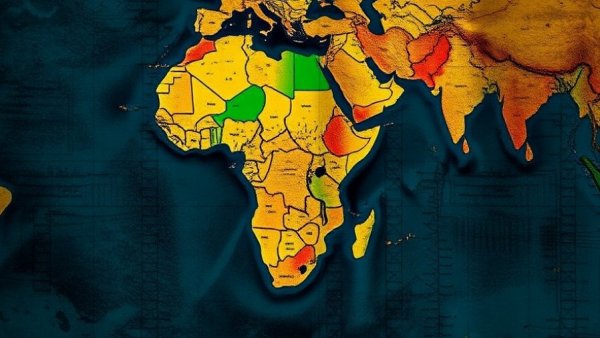
The African Trade Landscape: Navigating Geopolitical Turbulence
In an era characterized by rising geopolitical tensions and the reconfiguration of global supply chains, African economies stand on the brink of transformation. The shift away from expansive globalisation offers the continent a unique opportunity to redefine its role in international trade—moving from a status primarily reliant on raw material exports to one that emphasizes domestic processing and value capture. As nations worldwide re-evaluate supply chain dependencies, Africa is ideally positioned to leverage its wealth of natural resources.
Challenges to Realizing Potential
Despite possessing rich reserves of critical minerals necessary for futuristic technologies, including those pivotal to AI and energy transition, Africa's share of the global GDP remains a modest 2.82%. Countries such as Nigeria and the Democratic Republic of the Congo, essential players in the cobalt and lithium markets, are beginning to implement policies aimed at retaining more value through domestic processing. Measures like export restrictions and value-added production are seen as crucial steps toward fostering a self-sustaining economy. However, realizing this potential necessitates coordinated investments across various sectors, including infrastructure and financing.
The Role of the AfCFTA in Strengthening Regional Ties
The African Continental Free Trade Area (AfCFTA) presents a significant opportunity for enhancing regional value chains. By reducing tariffs and encouraging intra-African trade, the AfCFTA can help stabilize trade relations and promote economic cooperation among member nations. This cooperative framework is essential for building robust banking networks and strengthening development-finance partnerships, ultimately facilitating access to trade financing that African manufacturers desperately need. The challenge remains substantial, but the integration facilitated by AfCFTA can serve as a catalyst for economic resilience and self-sufficiency.
How Trade Finance is Evolving in Africa
Access to trade finance has historically faced challenges due to uneven institutional capacity and economic instability across African nations. Nevertheless, innovative financial solutions like receivables financing are emerging, allowing businesses to fund their production processes more effectively. A recent conversation with Niron Rampersad, Divisional Executive of Trade at Nedbank CIB, has shed light on how these financial tools can enable African firms to engage in value-added processing—essential in the current global market devoid of predictability.
The Importance of Reliable Infrastructures
Africa's trade potential heavily relies on its infrastructure; reliable transport systems and energy sources are critical for executing the proposed shifts from raw material exports to processed goods. The case of Nigeria's Dangote refinery exemplifies this transformative approach. By not just exporting crude oil but investing in local refinery capabilities, Nigeria shows how investment in infrastructure can yield substantial trade benefits.
Looking Ahead: Future Opportunities in African Trade
With the backdrop of continual disruptions to global supply chains—an emerging norm in our current economic climate—focusing on regional trade adds significant value. There is a strong incentive for Africa to cultivate its markets, not simply as raw material suppliers but as competitive producers. The world’s increasing reliance on African minerals signifies a pressing need for nations on the continent to address how they can maintain sustainable production and processing that benefit local economies. While the road to reconfiguration will be complex, the opportunities are palpable.
Why This Matters Now more Than Ever
For import-export companies, understanding these shifts is crucial. The current climate represents a pivotal moment for African stakeholders who can harness domestic capabilities to affect global supply demands. Companies keen on enhancing their operational frameworks must embrace these changes and actively seek partnerships that align with Africa's emerging trade landscape. With concrete action, there exists profound potential for mutual growth and sustainable economic development.
By understanding the implications of geopolitical fragmentation, stakeholders in Africa can work towards creating a resilient and singular trade vision that prioritizes domestic needs while engaging in international markets. For businesses, these developments signal an imperative to re-evaluate supply chains, engage with new markets, and maximize benefits within Africa.








Write A Comment