







Global Trade News
Global Trade News
  • Manufacturing Insights 
  • Categories
    • Policy Pulse
    • Compliance Corner
    • Market Movers
    • Supply Chain
    • Export Essentials
    • Manufacturing Technology
    • Regulatory Roundup
    • Market Intelligence
    • Industry Voices
    • More Videos
November 21.2026
3 Minutes Read

Walmart's Online Sales Thrive with Sub-30-Minute Delivery Surge

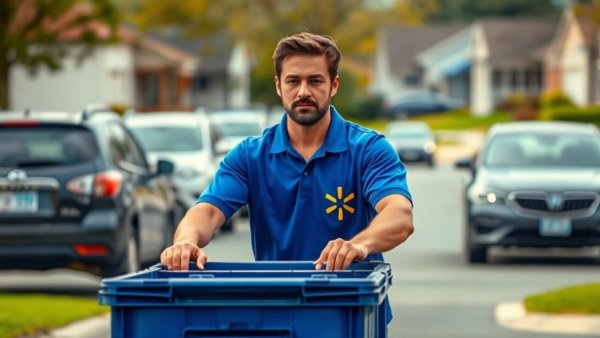
Efficient Walmart delivery service in action, demonstrating sub-30-minute success.

Walmart’s Speedy Deliveries See Quantum Leap

Walmart is on fire when it comes to online sales, boasting a remarkable 23% increase year-over-year in Q3. This surge can be largely attributed to their swift delivery options, specifically the sub-30-minute delivery service that is proving vital in the ever-competitive market against giants like Amazon. According to Walmart's President and CEO, David Guggina, faster delivery not only draws in customers but significantly enhances conversion rates. This rising demand highlights how consumers have adapted to the convenience of quick services, further solidifying Walmart's position in the retail landscape.

How Faster Fulfillment Makes a Difference

The secret to Walmart’s quick delivery success isn’t lying in just one method. Over 80% of Walmart's U.S. e-commerce orders are currently fulfilled straight from their stores. This means that when you place an order, it probably comes from a store nearby, allowing Walmart to get things to you in record time. In fact, store-fulfilled deliveries rose more than 40% while expedited deliveries skyrocketed over 50% in the last quarter. This efficiency not only benefits customers by providing fast service, but it also optimizes store operations by minimizing inventory costs associated with holding products in separate warehouses.

Utilizing Local Stores to Offer More Choices

Walmart’s strategy includes using their stores as mini-warehouses for online orders. By placing selected marketplace inventory in local stores, Walmart can offer customers even greater choices while ensuring speedy delivery. As John Furner, Walmart's Inc. President and CEO, explains, this approach not only brings the product closer to customers but also supports a broader marketplace. This means when you order online, you may have access to an even larger variety of items! The ability to combine online and offline inventory also helps Walmart reach customers who value both digital shopping and in-store experiences.

The Role of Walmart Depots in Delivery Efficiency

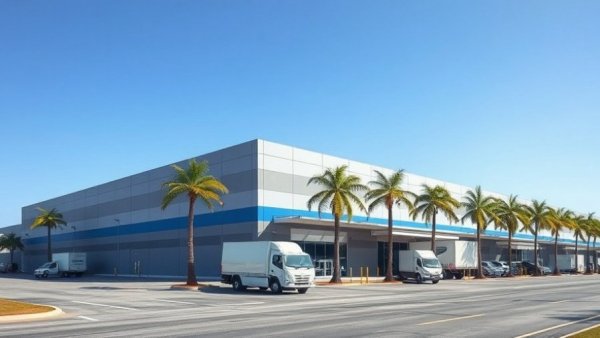
But there's more to the story! To enhance their delivery capabilities further, Walmart has opened “Walmart Depot” locations, which were introduced last year. These depots work like delivery stations that maintain fast-moving inventory. With these hubs, Walmart can achieve a denser delivery network, which is crucial for keeping last-mile delivery costs down. This concept is essential because when delivery routes contain more packages, it reduces the cost per package, making the entire process more economical. These depots help streamline operations and keep the flow of goods efficient, making sure that customers receive their purchases without unnecessary delays.

Challenges and Future Predictions

Even with an impressive delivery network, Walmart—and indeed all retailers—face challenges. Keep in mind that changes in workforce dynamics, such as potential strikes, can cause disruptions. Experts advise that diversifying carrier relationships is vital for navigating these uncertainties. For a company like Walmart, staying adaptable is key. Their ability to use data and technology will play a big part in overcoming obstacles. For example, smart inventory management systems can ensure that stock levels are optimized across all fulfillment centers, reducing the risk of outages and improving overall service to customers.

The Impact on Local Economies

Interestingly, Walmart's enhanced delivery options don't just benefit the company; they also have a positive impact on local economies. By fulfilling online orders from local stores, Walmart contributes to job creation within the community. More fulfillment centers mean more employed workers, helping to bolster local job markets. Furthermore, quick delivery services can enhance customer satisfaction, which encourages community members to keep shopping locally. This creates a cycle of investment and service that supports not only Walmart but the broader economy in regions where they operate.

Conclusion: The Future Is Bright for Walmart's Customers

Walmart’s forward-thinking approach to online sales and deliveries makes it a contender in the retail race. By leveraging local stores for faster fulfillment and continuing to invest in new delivery methods, the retailer is set to redefine shopping experiences for today’s busy customers. As they refine their operations, it will be interesting to see how they adapt to changing consumer needs and emerging technologies. Stay tuned to witness how these strategies evolve as customers continue to demand quick and efficient service!

Export Essentials

1 Views

Write A Comment

*
*
Please complete the captcha to submit your comment.
Related Posts All Posts
11.20.2026

How Meta’s New Deals for Low-Carbon Materials Can Help the Planet

Update Meta's Green Leap: Reducing Emissions with Smart Partnerships Meta, the company behind Facebook, is making significant strides to help the planet. They just announced exciting new agreements to create low-carbon materials such as concrete, plastics, and steel. This isn't just about saving the environment; it's also about enhancing their operations' efficiency, particularly in the production of data centers, which play a critical role in our digital lives. Why Low-Carbon Materials Matter Low-carbon materials are essential because they produce far fewer emissions during their production. Traditional materials like cement release a considerable amount of greenhouse gases, contributing to the climate crisis we are facing today. By choosing low-carbon options, Meta aims to lower the overall impact of their data centers on the environment. This is vital because many industries are now being scrutinized for their carbon footprints, and adopting greener practices can lead to greater social acceptance and corporate responsibility. Making a Difference in Data Centers Data centers are akin to the engines of the internet, housing powerful servers that store and manage extensive amounts of data. These centers require a significant amount of energy, which often comes from burning fossil fuels, thus contributing to climate change. Meta’s initiative to integrate low-carbon materials into their data center construction and maintenance is a crucial step toward offsetting these emissions and making their operations greener. With these new materials, Meta hopes to pioneer a new standard in the industry, showing that environmentally-friendly choices can still be efficient and effective. Learning from Others: Best Practices in Eco-Friendly Moves Other leading companies are also exploring sustainable practices. For instance, Walmart is heavily investing in energy-efficient technologies for their supply chains, hoping to reduce waste and emissions directly linked to their operations. Similarly, Google has pledged to operate on 24/7 carbon-free energy by 2030, setting ambitious targets that challenge the industry to innovate faster toward sustainability. These efforts can inspire Meta and others to innovate in their methods of production and supply chain management. Future Insights: What This Means for the Industry As more companies shift toward sustainable practices, the demand for low-carbon materials is likely to grow. This shift could lead to advancements in the technology used to produce these materials, making them more accessible and affordable—not just for big corporations, but for all industries. This is great news for our planet, as it creates a ripple effect encouraging smaller businesses to adopt sustainable materials and practices as well. The more these materials are used, the more cost-effective they will become, making it easier for various sectors to participate in the green movement. Join the Green Revolution In this era of digital transformation, every little step counts toward protecting our environment. With influential companies like Meta leading the charge, it’s essential for all of us to follow suit. This movement offers an opportunity for industries everywhere to engage in eco-friendly practices and be part of the solution to climate issues. As businesses become more responsible, they not only enhance their public image but also promote a healthier planet. As consumers, we can also play a vital role by supporting companies that prioritize sustainability. Choose products made with low-carbon materials whenever possible, advocate for green practices within your communities, and stay informed about how your choices impact the environment. By raising awareness and making conscious decisions, we can collectively help combat climate change and foster a greener future. Conclusion: A Collective Effort for a Sustainable Future What Meta is doing is significant, but it is only one piece of a much larger puzzle. The shift to low-carbon materials is not just beneficial for companies like Meta; it positively impacts communities, ecosystems, and future generations. The more we come together as a society to embrace this change, the more effective our efforts will be. As we look ahead, let’s remain committed to sustainability, support innovative solutions, and participate in the green revolution. Together, we can create a world where technology and environmental stewardship go hand in hand.

11.20.2026

Côte d’Ivoire's Cocoa Crisis: How BGFIBank's €100 Million Facility May Revive Exports

Update Understanding the Cocoa Crisis: Price Volatility and its Impacts Côte d’Ivoire, the world’s largest cocoa producer, is facing a serious crisis as cocoa prices have plummeted by 57% recently. This decline is affecting not only exporters but the entire value chain that supports a significant portion of the population. With cocoa accounting for around 40% of the country’s export earnings, the implications of such a price drop resonate deeply within the economic fabric of Côte d’Ivoire. The current guaranteed farm-gate price of 1,200 West African CFA francs per kilogram stands starkly in contrast to the previous season’s rate of 2,800 CFA francs, placing exporters in a precarious position that has compelled many to grapple with rising working capital needs. How BGFIBank's €100 Million Facility Addresses Financial Challenges In a strategic move to alleviate these challenges, BGFIBank has successfully secured a €100 million syndicated trade finance facility. This initiative aims to support trade primarily in cocoa while addressing the working capital constraints that have otherwise hampered exporters’ abilities to trade efficiently. As Dr. Tedd George of Kleos Advisory states, this financing could serve as a vital lifeline for small and medium-sized exporters, who are essential players in the cocoa supply chain, yet often overlooked by traditional financing models. Emerging Market Challenges: EU Deforestation Regulations As if the market dynamics weren't challenging enough, exporters must also navigate the complex landscape of EU Deforestation Regulations (EUDR). These regulations require that cocoa entering the EU be fully traceable, with a strict prohibition against cocoa produced on land deforested after December 31, 2020. This compliance challenge poses additional burdens on Côte d’Ivoire’s exporters as they strive to meet both financial and regulatory expectations amidst rapidly changing market conditions. Impact of Cocoa Price Drops on the Wider Economy The cocoa price decline has caused significant strain on Côte d’Ivoire's economy. Many exporters had previously committed to purchasing beans at last season's higher fixed prices. However, with the global market reacting to price drops, many international buyers have withdrawn, leading to unsold cocoa piling up and farmers going unpaid. The government has attempted to step in by purchasing stranded beans to mitigate this buildup, but this is only a temporary fix in the face of deeper systemic issues. Future Predictions: Can Financing Solutions Aid Recovery? The future of Côte d’Ivoire’s cocoa industry hinges on the successful implementation of financing solutions like the one provided by BGFIBank. Whether these funds will effectively reach the small and medium-sized enterprises—those truly in need—remains a paramount concern. Innovative approaches will be vital for ensuring that aid trickles down to the grassroots level, allowing these exporters not only to survive but potentially to thrive in a challenging global market. The Role of Transparency in Regaining Market Trust As transparency grows increasingly crucial in global trade, particularly within the cocoa sector, Côte d'Ivoire’s exporters must enhance traceability to regain confidence in international markets. With only 48% of cocoa exports traced back to their origin in 2024, the urgency of adapting to transparency demands becomes undeniable. Strengthening systems that ensure traceability will not only meet regulatory requirements but will also position Ivorian cocoa more favorably in competitive markets. Conclusion: A Call to Action for Exporters As trade finance solutions emerge against this backdrop of economic uncertainty, exporters in Côte d'Ivoire must proactively engage with these opportunities to navigate the complexities of the cocoa market. With a concerted effort to improve transparency and compliance, along with the support of initiatives such as BGFIBank’s financing, there is potential for a resurgence that could reinvigorate the Ivorian cocoa industry. The time to adapt and innovate is now, as the path forward remains contingent on collaboration and resilience.

11.19.2026

Amazon’s New Delivery Station in Puerto Rico Reduces Shipping Time Dramatically

Update Amazon’s New Delivery Station in Puerto Rico: A Game Changer for Local Shipping Amazon has officially opened its first delivery station in Puerto Rico, and it’s expected to greatly enhance shipping times for customers in the San Juan metro area. Imagine getting your packages in just two days instead of waiting weeks—this is now a reality for residents, thanks to the new 100,000-square-foot facility in Dorado. This significant development not only signifies a boost for Amazon but also represents a vital improvement for local consumers who rely on online shopping for various necessities. How the New Station Works: A Peek Behind the Scenes The Dorado station acts as the final stop before your parcels arrive at your doorstep. Once packages land at the station, they’re sorted by delivery route, ensuring they’re quickly loaded onto vans for local transport. This process not only speeds up the delivery time but also supports the local economy by employing over 100 staff members and working with six delivery service partners, leading to about 300 drivers on the road. With these enhanced capabilities, the station can efficiently manage a larger volume of parcels, demonstrating Amazon's commitment to improving its logistical infrastructure in less accessible areas. Why Speedy Delivery Matters: A Local Perspective For many residents in Puerto Rico, waiting up to two weeks for online orders was a frustrating reality. With Amazon's new delivery station, customers can expect much faster service. This change will allow families to receive urgent items such as school supplies, groceries, or necessary household products almost instantly, which is especially vital in today’s fast-paced world. Imagine a busy parent being able to restock on dinner essentials or get last-minute items for a child's project without the anxiety of delayed shipping. This upgrade can dramatically improve day-to-day life and the overall shopping experience. Broader Implications for Distribution Amazon has been investing significantly in improving its last-mile delivery capabilities, not only in Puerto Rico but in other regions around the United States as well. For instance, plans for a 30,000-square-foot delivery station in Oklahoma reflect a broader trend of making logistics more efficient in areas further from major commercial hubs. This strategic expansion highlights the importance of balancing demand and supply across various locations, allowing Amazon to cater to a broader customer base while breaking down the barriers of delayed delivery. What Does the Future Hold for Local Shipping? As Amazon expands its network of delivery stations, we can anticipate improvements in shipping times across various geographical locations. This development means that small businesses in Puerto Rico can also take advantage of faster delivery options through Amazon, opening up new avenues for growth and customer service enhancement. Quick delivery times can motivate local merchants to utilize Amazon’s platform, thereby reaching wider audiences without straining their resources. In a thriving economic environment, this could lead to increases in local employment opportunities and entrepreneurship. Community Connection: Amazon in Puerto Rico Importantly, Amazon’s investment is more than just about speed; it’s about connecting communities. With better shipping capabilities, residents can access a more diverse array of products. It allows families and businesses to thrive, bringing essentials right to their doorsteps without delay. Enhanced shipping capabilities mean that products that may be scarce locally can be ordered and received promptly. This is particularly beneficial in a place like Puerto Rico, where residents may face unique logistical challenges due to geography. A Call to Embrace Change The advancement in delivery times facilitated by Amazon reflects a larger shift in consumer expectations and logistics capabilities. The faster delivery services not only enhance customer satisfaction but also contribute to economic growth in the local area. As consumers become accustomed to quicker service, this could inspire other companies to improve their logistics as well. The lesson here is clear: in today’s world, swift and efficient delivery isn't just an advantage but a necessity. Companies that keep up with these trends and demands may very well secure a more competitive position in the marketplace. To keep receiving updates on the latest in logistics and delivery advancements, consider subscribing to our newsletters where industry experts share insights every day. This way, you won’t miss out on crucial changes that affect your shopping experience! With the growing emphasis on speed and efficiency, staying informed will prove beneficial for both consumers and businesses alike.

Global Trade News


An educational, content-centric platform that delivers unbiased, comprehensive, and real-time regulatory news and analysis, empowering stakeholders to make informed decisions in a complex global trade environment.


Global Trade News is a subsidiary of RP Design Web Services.

COMPANY

  • Privacy Policy
  • Terms of Use
  • Advertise
  • Contact Us
  • Menu 5
  • Menu 6

AVAILABLE FROM 8AM - 5PM

City, State

Cheshire, CT

ABOUT US

A media channel that delivers the latest insights on trade regulations, import/export compliance, policy shifts, and global market trends.  Present both US and international perspectives to provide companies with a holistic view of the evolving trade landscape.

© 2026 Global Trade News All Rights Reserved. PO Box 1189 , Cheshire, CT 06410 . Contact Us . Terms of Service . Privacy Policy

eyJjb21wYW55IjoiR2xvYmFsIFRyYWRlIE5ld3MiLCJhZGRyZXNzIjoiUE8gQm94IDExODkgIiwiY2l0eSI6IkNoZXNoaXJlIiwic3RhdGUiOiJDVCIsInppcCI6IjA2NDEwIiwiZW1haWwiOiJzYWxlc0BycGRlc2lnbi5jb20iLCJ0b3MiOiJQSEErUEhOMGNtOXVaejQ4WlcwK1YyaGxiaUI1YjNVZ2MybG5iaTFwYmlCM2FYUm9JSFZ6TENCNWIzVWdZWEpsSUdkcGRtbHVaeVp1WW5Od095QjViM1Z5SUhCbGNtMXBjM05wYjI0Z1lXNWtJR052Ym5ObGJuUWdkRzhnYzJWdVpDQjViM1VnWlcxaGFXd2dZVzVrTDI5eUlGTk5VeUIwWlhoMElHMWxjM05oWjJWekxpQkNlU0JqYUdWamEybHVaeUIwYUdVZ1ZHVnliWE1nWVc1a0lFTnZibVJwZEdsdmJuTWdZbTk0SUdGdVpDQmllU0J6YVdkdWFXNW5JR2x1SUhsdmRTQmhkWFJ2YldGMGFXTmhiR3g1SUdOdmJtWnBjbTBnZEdoaGRDQjViM1VnWVdOalpYQjBJR0ZzYkNCMFpYSnRjeUJwYmlCMGFHbHpJR0ZuY21WbGJXVnVkQzQ4TDJWdFBqd3ZjM1J5YjI1blBqd3ZjRDRLQ2p4d1BqeGhJR2h5WldZOUltaDBkSEE2THk5M2QzY3VaMjl2WjJ4bExtTnZiU0krYUhSMGNEb3ZMM2QzZHk1bmIyOW5iR1V1WTI5dFBDOWhQand2Y0Q0S0NqeHdQaVp1WW5Od096d3ZjRDRLQ2p4d1BqeHpkSEp2Ym1jK1UwVlNWa2xEUlR3dmMzUnliMjVuUGp3dmNENEtDanh3UGxkbElIQnliM1pwWkdVZ1lTQnpaWEoyYVdObElIUm9ZWFFnWTNWeWNtVnVkR3g1SUdGc2JHOTNjeUI1YjNVZ2RHOGdjbVZqWldsMlpTQnlaWEYxWlhOMGN5Qm1iM0lnWm1WbFpHSmhZMnNzSUdOdmJYQmhibmtnYVc1bWIzSnRZWFJwYjI0c0lIQnliMjF2ZEdsdmJtRnNJR2x1Wm05eWJXRjBhVzl1TENCamIyMXdZVzU1SUdGc1pYSjBjeXdnWTI5MWNHOXVjeXdnWkdselkyOTFiblJ6SUdGdVpDQnZkR2hsY2lCdWIzUnBabWxqWVhScGIyNXpJSFJ2SUhsdmRYSWdaVzFoYVd3Z1lXUmtjbVZ6Y3lCaGJtUXZiM0lnWTJWc2JIVnNZWElnY0dodmJtVWdiM0lnWkdWMmFXTmxMaUJaYjNVZ2RXNWtaWEp6ZEdGdVpDQmhibVFnWVdkeVpXVWdkR2hoZENCMGFHVWdVMlZ5ZG1salpTQnBjeUJ3Y205MmFXUmxaQ0FtY1hWdmREdEJVeTFKVXlaeGRXOTBPeUJoYm1RZ2RHaGhkQ0IzWlNCaGMzTjFiV1VnYm04Z2NtVnpjRzl1YzJsaWFXeHBkSGtnWm05eUlIUm9aU0IwYVcxbGJHbHVaWE56TENCa1pXeGxkR2x2Yml3Z2JXbHpMV1JsYkdsMlpYSjVJRzl5SUdaaGFXeDFjbVVnZEc4Z2MzUnZjbVVnWVc1NUlIVnpaWElnWTI5dGJYVnVhV05oZEdsdmJuTWdiM0lnY0dWeWMyOXVZV3hwZW1GMGFXOXVJSE5sZEhScGJtZHpMand2Y0Q0S0NqeHdQbGx2ZFNCaGNtVWdjbVZ6Y0c5dWMybGliR1VnWm05eUlHOWlkR0ZwYm1sdVp5QmhZMk5sYzNNZ2RHOGdkR2hsSUZObGNuWnBZMlVnWVc1a0lIUm9ZWFFnWVdOalpYTnpJRzFoZVNCcGJuWnZiSFpsSUhSb2FYSmtJSEJoY25SNUlHWmxaWE1nS0hOMVkyZ2dZWE1nVTAxVElIUmxlSFFnYldWemMyRm5aWE1zSUVsdWRHVnlibVYwSUhObGNuWnBZMlVnY0hKdmRtbGtaWElnYjNJZ1kyVnNiSFZzWVhJZ1lXbHlkR2x0WlNCamFHRnlaMlZ6S1M0Z1dXOTFJR0Z5WlNCeVpYTndiMjV6YVdKc1pTQm1iM0lnZEdodmMyVWdabVZsY3l3Z2FXNWpiSFZrYVc1bklIUm9iM05sSUdabFpYTWdZWE56YjJOcFlYUmxaQ0IzYVhSb0lIUm9aU0JrYVhOd2JHRjVJRzl5SUdSbGJHbDJaWEo1SUc5bUlHVmhZMmdnVTAxVElIUmxlSFFnYldWemMyRm5aU0J6Wlc1MElIUnZJSGx2ZFNCaWVTQjFjeTRnU1c0Z1lXUmthWFJwYjI0c0lIbHZkU0J0ZFhOMElIQnliM1pwWkdVZ1lXNWtJR0Z5WlNCeVpYTndiMjV6YVdKc1pTQm1iM0lnWVd4c0lHVnhkV2x3YldWdWRDQnVaV05sYzNOaGNua2dkRzhnWVdOalpYTnpJSFJvWlNCVFpYSjJhV05sSUdGdVpDQnlaV05sYVhabElIUm9aU0JUVFZNZ2RHVjRkQ0J0WlhOellXZGxjeTRnVjJVZ1pHOGdibTkwSUdOb1lYSm5aU0JoYm5rZ1ptVmxjeUJtYjNJZ1pHVnNhWFpsY25rZ2IyWWdaVzFoYVd3Z2IzSWdVMDFUTGlCVWFHbHpJR2x6SUdFZ1puSmxaU0J6WlhKMmFXTmxJSEJ5YjNacFpHVmtJR0o1SUhWekxpQkliM2RsZG1WeUxDQndiR1ZoYzJVZ1kyaGxZMnNnZDJsMGFDQjViM1Z5SUdsdWRHVnlibVYwSUhObGNuWnBZMlVnY0hKdmRtbGtaWElnWVc1a0lHTmxiR3gxYkdGeUlHTmhjbkpwWlhJZ1ptOXlJR0Z1ZVNCamFHRnlaMlZ6SUhSb1lYUWdiV0Y1SUdsdVkzVnlJR0Z6SUdFZ2NtVnpkV3gwSUdaeWIyMGdjbVZqWldsMmFXNW5JR1Z0WVdsc0lHRnVaQ0JUVFZNZ2RHVjRkQ0J0WlhOellXZGxjeUIwYUdGMElIZGxJR1JsYkdsMlpYSWdkWEJ2YmlCNWIzVnlJRzl3ZEMxcGJpQmhibVFnY21WbmFYTjBjbUYwYVc5dUlIZHBkR2dnYjNWeUlHVnRZV2xzSUdGdVpDQlRUVk1nYzJWeWRtbGpaWE11SUZsdmRTQmpZVzRnWTJGdVkyVnNJR0YwSUdGdWVTQjBhVzFsTGlCS2RYTjBJSFJsZUhRZ0puRjFiM1E3VTFSUFVDWnhkVzkwT3lCMGJ5QThhR2xuYUd4cFoyaDBJR05zWVhOelBTSmpiMjF3WVc1NVVHaHZibVZWY0dSaGRHVWlQaXN4TWpBek1qY3hOems1TVR3dmFHbG5hR3hwWjJoMFBpNGdRV1owWlhJZ2VXOTFJSE5sYm1RZ2RHaGxJRk5OVXlCdFpYTnpZV2RsSUNaeGRXOTBPMU5VVDFBbWNYVnZkRHNnZEc4Z2RYTXNJSGRsSUhkcGJHd2djMlZ1WkNCNWIzVWdZVzRnVTAxVElHMWxjM05oWjJVZ2RHOGdZMjl1Wm1seWJTQjBhR0YwSUhsdmRTQm9ZWFpsSUdKbFpXNGdkVzV6ZFdKelkzSnBZbVZrTGlCQlpuUmxjaUIwYUdsekxDQjViM1VnZDJsc2JDQnVieUJzYjI1blpYSWdjbVZqWldsMlpTQlRUVk1nYldWemMyRm5aWE1nWm5KdmJTQjFjeTQ4TDNBK0NnbzhjRDQ4YzNSeWIyNW5QbGxQVlZJZ1VrVkhTVk5VVWtGVVNVOU9JRTlDVEVsSFFWUkpUMDVUUEM5emRISnZibWMrUEM5d1Bnb0tQSEErU1c0Z1kyOXVjMmxrWlhKaGRHbHZiaUJ2WmlCNWIzVnlJSFZ6WlNCdlppQjBhR1VnVTJWeWRtbGpaU3dnZVc5MUlHRm5jbVZsSUhSdk9qd3ZjRDRLQ2p4dmJENEtDVHhzYVQ1d2NtOTJhV1JsSUhSeWRXVXNJR0ZqWTNWeVlYUmxMQ0JqZFhKeVpXNTBJR0Z1WkNCamIyMXdiR1YwWlNCcGJtWnZjbTFoZEdsdmJpQmhZbTkxZENCNWIzVnljMlZzWmlCaGN5QndjbTl0Y0hSbFpDQmllU0IwYUdVZ1UyVnlkbWxqWlNZak16azdjeUJ5WldkcGMzUnlZWFJwYjI0Z1ptOXliU0FvYzNWamFDQnBibVp2Y20xaGRHbHZiaUJpWldsdVp5QjBhR1VnSm5GMWIzUTdVbVZuYVhOMGNtRjBhVzl1SUVSaGRHRW1jWFZ2ZERzcElHRnVaRHd2YkdrK0NnazhiR2srYldGcGJuUmhhVzRnWVc1a0lIQnliMjF3ZEd4NUlIVndaR0YwWlNCMGFHVWdVbVZuYVhOMGNtRjBhVzl1SUVSaGRHRWdkRzhnYTJWbGNDQnBkQ0IwY25WbExDQmhZMk4xY21GMFpTd2dZM1Z5Y21WdWRDQmhibVFnWTI5dGNHeGxkR1V1SUVsbUlIbHZkU0J3Y205MmFXUmxJR0Z1ZVNCcGJtWnZjbTFoZEdsdmJpQjBhR0YwSUdseklIVnVkSEoxWlN3Z2FXNWhZMk4xY21GMFpTd2dibTkwSUdOMWNuSmxiblFnYjNJZ2FXNWpiMjF3YkdWMFpTd2diM0lnZDJVZ2FHRjJaU0J5WldGemIyNWhZbXhsSUdkeWIzVnVaSE1nZEc4Z2MzVnpjR1ZqZENCMGFHRjBJSE4xWTJnZ2FXNW1iM0p0WVhScGIyNGdhWE1nZFc1MGNuVmxMQ0JwYm1GalkzVnlZWFJsTENCdWIzUWdZM1Z5Y21WdWRDQnZjaUJwYm1OdmJYQnNaWFJsTENCM1pTQm9ZWFpsSUhSb1pTQnlhV2RvZENCMGJ5QnpkWE53Wlc1a0lHOXlJRHh6ZEhKdmJtYytQSE53WVc0Z2MzUjViR1U5SW1OdmJHOXlPaU5HUmpBd01EQTdJajUwWlhKdGFXNWhkR1VnZVc5MWNpQmhZMk52ZFc1MEwzQnliMlpwYkdVZ1lXNWtJSEpsWm5WelpTQmhibmtnWVc1a0lHRnNiQ0JqZFhKeVpXNTBJRzl5SUdaMWRIVnlaU0IxYzJVZ2IyWWdkR2hsSUZObGNuWnBZMlVnS0c5eUlHRnVlU0J3YjNKMGFXOXVJSFJvWlhKbGIyWXBMand2YzNCaGJqNDhMM04wY205dVp6NDhMMnhwUGdvOEwyOXNQZ29LUEhBK0ptNWljM0E3UEM5d1BnbzhhR2xuYUd4cFoyaDBJR05zWVhOelBTSmpiMjF3WVc1NVRtRnRaVlZ3WkdGMFpTSStSMnh2WW1Gc0lGUnlZV1JsSUU1bGQzTThMMmhwWjJoc2FXZG9kRDQ4WW5JZ0x6NEtQR2hwWjJoc2FXZG9kQ0JqYkdGemN6MGlZMjl0Y0dGdWVVRmtaSEpsYzNOVmNHUmhkR1VpUGxCUElFSnZlQ0F4TVRnNUlDd2dRMmhsYzJocGNtVXNJRU5VSURBMk5ERXdQQzlvYVdkb2JHbG5hSFErUEdKeUlDOCtDanhvYVdkb2JHbG5hSFFnWTJ4aGMzTTlJbU52YlhCaGJubFFhRzl1WlZWd1pHRjBaU0krS3pFeU1ETXlOekUzT1RreFBDOW9hV2RvYkdsbmFIUStQR0p5SUM4K0NqeG9hV2RvYkdsbmFIUWdZMnhoYzNNOUltTnZiWEJoYm5sRmJXRnBiRlZ3WkdGMFpTSStjMkZzWlhOQWNuQmtaWE5wWjI0dVkyOXRQQzlvYVdkb2JHbG5hSFErIiwicHJpdmFjeSI6IlBIQStQSE4wY205dVp6NVFVa2xXUVVOWlBDOXpkSEp2Ym1jK1BDOXdQZ29LUEhBK1BITjBjbTl1Wno1VWFHVWdhVzVtYjNKdFlYUnBiMjRnY0hKdmRtbGtaV1FnWkhWeWFXNW5JSFJvYVhNZ2NtVm5hWE4wY21GMGFXOXVJR2x6SUd0bGNIUWdjSEpwZG1GMFpTQmhibVFnWTI5dVptbGtaVzUwYVdGc0xDQmhibVFnZDJsc2JDQnVaWFpsY2lCaVpTQmthWE4wY21saWRYUmxaQ3dnWTI5d2FXVmtMQ0J6YjJ4a0xDQjBjbUZrWldRZ2IzSWdjRzl6ZEdWa0lHbHVJR0Z1ZVNCM1lYa3NJSE5vWVhCbElHOXlJR1p2Y20wdUlGUm9hWE1nYVhNZ2IzVnlJR2QxWVhKaGJuUmxaUzQ4TDNOMGNtOXVaejQ4TDNBK0NnbzhjRDQ4YzNSeWIyNW5Qa2xPUkVWTlRrbFVXVHd2YzNSeWIyNW5Qand2Y0Q0S0NqeHdQanhsYlQ1WmIzVWdZV2R5WldVZ2RHOGdhVzVrWlcxdWFXWjVJR0Z1WkNCb2IyeGtJSFZ6TEM0Z1lXNWtJR2wwY3lCemRXSnphV1JwWVhKcFpYTXNJR0ZtWm1sc2FXRjBaWE1zSUc5bVptbGpaWEp6TENCaFoyVnVkSE1zSUdOdkxXSnlZVzVrWlhKeklHOXlJRzkwYUdWeUlIQmhjblJ1WlhKekxDQmhibVFnWlcxd2JHOTVaV1Z6TENCb1lYSnRiR1Z6Y3lCbWNtOXRJR0Z1ZVNCamJHRnBiU0J2Y2lCa1pXMWhibVFzSUdsdVkyeDFaR2x1WnlCeVpXRnpiMjVoWW14bElHRjBkRzl5Ym1WNWN5WWpNems3SUdabFpYTXNJRzFoWkdVZ1lua2dZVzU1SUhSb2FYSmtJSEJoY25SNUlHUjFaU0IwYnlCdmNpQmhjbWx6YVc1bklHOTFkQ0J2WmlCRGIyNTBaVzUwSUhsdmRTQnlaV05sYVhabExDQnpkV0p0YVhRc0lISmxjR3g1TENCd2IzTjBMQ0IwY21GdWMyMXBkQ0J2Y2lCdFlXdGxJR0YyWVdsc1lXSnNaU0IwYUhKdmRXZG9JSFJvWlNCVFpYSjJhV05sTENCNWIzVnlJSFZ6WlNCdlppQjBhR1VnVTJWeWRtbGpaU3dnZVc5MWNpQmpiMjV1WldOMGFXOXVJSFJ2SUhSb1pTQlRaWEoyYVdObExDQjViM1Z5SUhacGIyeGhkR2x2YmlCdlppQjBhR1VnVkU5VExDQnZjaUI1YjNWeUlIWnBiMnhoZEdsdmJpQnZaaUJoYm5rZ2NtbG5hSFJ6SUc5bUlHRnViM1JvWlhJdVBDOWxiVDQ4TDNBK0NnbzhjRDQ4YzNSeWIyNW5Qa1JKVTBOTVFVbE5SVklnVDBZZ1YwRlNVa0ZPVkVsRlV6d3ZjM1J5YjI1blBqd3ZjRDRLQ2p4d1BqeHpkSEp2Ym1jK1dVOVZJRVZZVUZKRlUxTk1XU0JWVGtSRlVsTlVRVTVFSUVGT1JDQkJSMUpGUlNCVVNFRlVPand2YzNSeWIyNW5Qand2Y0Q0S0NqeHZiRDRLQ1R4c2FUNVpUMVZTSUZWVFJTQlBSaUJVU0VVZ1UwVlNWa2xEUlNCSlV5QkJWQ0JaVDFWU0lGTlBURVVnVWtsVFN5NGdWRWhGSUZORlVsWkpRMFVnU1ZNZ1VGSlBWa2xFUlVRZ1QwNGdRVTRnSm5GMWIzUTdRVk1nU1ZNbWNYVnZkRHNnUVU1RUlDWnhkVzkwTzBGVElFRldRVWxNUVVKTVJTWnhkVzkwT3lCQ1FWTkpVeTRnTEM0Z1FVNUVJRlZUTENCSlZDWWpNems3VXlCRFZWTlVUMDFGVWxNc0lFVllVRkpGVTFOTVdTQkVTVk5EVEVGSlRWTWdRVXhNSUZkQlVsSkJUbFJKUlZNZ1QwWWdRVTVaSUV0SlRrUXNJRmRJUlZSSVJWSWdSVmhRVWtWVFV5QlBVaUJKVFZCTVNVVkVMQ0JKVGtOTVZVUkpUa2NzSUVKVlZDQk9UMVFnVEVsTlNWUkZSQ0JVVHlCVVNFVWdTVTFRVEVsRlJDQlhRVkpTUVU1VVNVVlRJRTlHSUUxRlVrTklRVTVVUVVKSlRFbFVXU3dnUmtsVVRrVlRVeUJHVDFJZ1FTQlFRVkpVU1VOVlRFRlNJRkJWVWxCUFUwVWdRVTVFSUU1UFRpMUpUa1pTU1U1SFJVMUZUbFF1UEM5c2FUNEtDVHhzYVQ1TlFVdEZVeUJPVHlCWFFWSlNRVTVVV1NCVVNFRlVJQ2hwS1NCVVNFVWdVMFZTVmtsRFJTQlhTVXhNSUUxRlJWUWdXVTlWVWlCU1JWRlZTVkpGVFVWT1ZGTXNJQ2hwYVNrZ1ZFaEZJRk5GVWxaSlEwVWdWMGxNVENCQ1JTQlZUa2xPVkVWU1VsVlFWRVZFTENCVVNVMUZURmtzSUZORlExVlNSU3dnVDFJZ1JWSlNUMUl0UmxKRlJTd2dLR2xwYVNrZ1ZFaEZJRkpGVTFWTVZGTWdWRWhCVkNCTlFWa2dRa1VnVDBKVVFVbE9SVVFnUmxKUFRTQlVTRVVnVlZORklFOUdJRlJJUlNCVFJWSldTVU5GSUZkSlRFd2dRa1VnUVVORFZWSkJWRVVnVDFJZ1VrVk1TVUZDVEVVc0lFRk9SQ0FvYVhZcElFRk9XU0JGVWxKUFVsTWdTVTRnVkVoRklGTlBSbFJYUVZKRklGZEpURXdnUWtVZ1EwOVNVa1ZEVkVWRUxqd3ZiR2srQ2drOGJHaytRVTVaSUUxQlZFVlNTVUZNSUVSUFYwNU1UMEZFUlVRZ1QxSWdUMVJJUlZKWFNWTkZJRTlDVkVGSlRrVkVJRlJJVWs5VlIwZ2dWRWhGSUZWVFJTQlBSaUJVU0VVZ1UwVlNWa2xEUlNCSlV5QkVUMDVGSUVGVUlGbFBWVklnVDFkT0lFUkpVME5TUlZSSlQwNGdRVTVFSUZKSlUwc2dRVTVFSUZSSVFWUWdXVTlWSUZkSlRFd2dRa1VnVTA5TVJVeFpJRkpGVTFCUFRsTkpRa3hGSUVaUFVpQkJUbGtnUkVGTlFVZEZJRlJQSUZsUFZWSWdRMDlOVUZWVVJWSWdVMWxUVkVWTklFOVNJRXhQVTFNZ1QwWWdSRUZVUVNCVVNFRlVJRkpGVTFWTVZGTWdSbEpQVFNCVVNFVWdSRTlYVGt4UFFVUWdUMFlnUVU1WklGTlZRMGdnVFVGVVJWSkpRVXd1UEM5c2FUNEtDVHhzYVQ1T1R5QkJSRlpKUTBVZ1QxSWdTVTVHVDFKTlFWUkpUMDRzSUZkSVJWUklSVklnVDFKQlRDQlBVaUJYVWtsVVZFVk9MQ0JQUWxSQlNVNUZSQ0JDV1NCWlQxVWdSbEpQVFNCUFVpQlVTRkpQVlVkSUlFOVNJRVpTVDAwZ1ZFaEZJRk5GVWxaSlEwVWdVMGhCVEV3Z1ExSkZRVlJGSUVGT1dTQlhRVkpTUVU1VVdTQk9UMVFnUlZoUVVrVlRVMHhaSUZOVVFWUkZSQ0JKVGlCVVNFVWdWRTlUTGp3dmJHaytDand2YjJ3K0NnbzhjRDQ4YzNSeWIyNW5Qa3hKVFVsVVFWUkpUMDRnVDBZZ1RFbEJRa2xNU1ZSWlBDOXpkSEp2Ym1jK1BDOXdQZ29LUEhBK1dVOVZJRVZZVUZKRlUxTk1XU0JWVGtSRlVsTlVRVTVFSUVGT1JDQkJSMUpGUlNCVVNFRlVJRUZPUkNCVFNFRk1UQ0JPVDFRZ1FrVWdURWxCUWt4RklFWlBVaUJCVGxrZ1JFbFNSVU5VTENCSlRrUkpVa1ZEVkN3Z1NVNURTVVJGVGxSQlRDd2dVMUJGUTBsQlRDd2dRMDlPVTBWUlZVVk9WRWxCVENCUFVpQkZXRVZOVUV4QlVsa2dSRUZOUVVkRlV5d2dTVTVEVEZWRVNVNUhJRUpWVkNCT1QxUWdURWxOU1ZSRlJDQlVUeXdnUkVGTlFVZEZVeUJHVDFJZ1RFOVRVeUJQUmlCUVVrOUdTVlJUTENCSFQwOUVWMGxNVEN3Z1ZWTkZMQ0JFUVZSQklFOVNJRTlVU0VWU0lFbE9WRUZPUjBsQ1RFVWdURTlUVTBWVElDaEZWa1ZPSUVsR0lFaEJVeUJDUlVWT0lFRkVWa2xUUlVRZ1QwWWdWRWhGSUZCUFUxTkpRa2xNU1ZSWklFOUdJRk5WUTBnZ1JFRk5RVWRGVXlrc0lGSkZVMVZNVkVsT1J5QkdVazlOT2p3dmNENEtDanh2YkQ0S0NUeHNhVDVVU0VVZ1ZWTkZJRTlTSUZSSVJTQkpUa0ZDU1V4SlZGa2dWRThnVlZORklGUklSU0JUUlZKV1NVTkZPend2YkdrK0NnazhiR2srVkVoRklFTlBVMVFnVDBZZ1VGSlBRMVZTUlUxRlRsUWdUMFlnVTFWQ1UxUkpWRlZVUlNCSFQwOUVVeUJCVGtRZ1UwVlNWa2xEUlZNZ1VrVlRWVXhVU1U1SElFWlNUMDBnUVU1WklFZFBUMFJUTENCRVFWUkJMQ0JKVGtaUFVrMUJWRWxQVGlCUFVpQlRSVkpXU1VORlV5QlFWVkpEU0VGVFJVUWdUMUlnVDBKVVFVbE9SVVFnVDFJZ1RVVlRVMEZIUlZNZ1VrVkRSVWxXUlVRZ1QxSWdWRkpCVGxOQlExUkpUMDVUSUVWT1ZFVlNSVVFnU1U1VVR5QlVTRkpQVlVkSUlFOVNJRVpTVDAwZ1ZFaEZJRk5GVWxaSlEwVTdQQzlzYVQ0S0NUeHNhVDVWVGtGVlZFaFBVa2xhUlVRZ1FVTkRSVk5USUZSUElFOVNJRUZNVkVWU1FWUkpUMDRnVDBZZ1dVOVZVaUJVVWtGT1UwMUpVMU5KVDA1VElFOVNJRVJCVkVFN1BDOXNhVDRLQ1R4c2FUNVRWRUZVUlUxRlRsUlRJRTlTSUVOUFRrUlZRMVFnVDBZZ1FVNVpJRlJJU1ZKRUlGQkJVbFJaSUU5T0lGUklSU0JUUlZKV1NVTkZPeUJQVWp3dmJHaytDZ2s4YkdrK1FVNVpJRTlVU0VWU0lFMUJWRlJGVWlCU1JVeEJWRWxPUnlCVVR5QlVTRVVnVTBWU1ZrbERSUzQ4TDJ4cFBnbzhMMjlzUGdvS1BIQStQSFUrUW5rZ2NtVm5hWE4wWlhKcGJtY2dZVzVrSUhOMVluTmpjbWxpYVc1bklIUnZJRzkxY2lCbGJXRnBiQ0JoYm1RZ1UwMVRJSE5sY25acFkyVXNJR0o1SUc5d2RDMXBiaXdnYjI1c2FXNWxJSEpsWjJsemRISmhkR2x2YmlCdmNpQmllU0JtYVd4c2FXNW5JRzkxZENCaElHTmhjbVFzSUNaeGRXOTBPM2x2ZFNCaFozSmxaU0IwYnlCMGFHVnpaU0JVUlZKTlV5QlBSaUJUUlZKV1NVTkZKbkYxYjNRN0lHRnVaQ0I1YjNVZ1lXTnJibTkzYkdWa1oyVWdZVzVrSUhWdVpHVnljM1JoYm1RZ2RHaGxJR0ZpYjNabElIUmxjbTF6SUc5bUlITmxjblpwWTJVZ2IzVjBiR2x1WldRZ1lXNWtJR1JsZEdGcGJHVmtJR1p2Y2lCNWIzVWdkRzlrWVhrdVBDOTFQand2Y0Q0S0NqeHdQaVp1WW5Od096d3ZjRDRLUEdocFoyaHNhV2RvZENCamJHRnpjejBpWTI5dGNHRnVlVTVoYldWVmNHUmhkR1VpUGtkc2IySmhiQ0JVY21Ga1pTQk9aWGR6UEM5b2FXZG9iR2xuYUhRK1BHSnlJQzgrQ2p4b2FXZG9iR2xuYUhRZ1kyeGhjM005SW1OdmJYQmhibmxCWkdSeVpYTnpWWEJrWVhSbElqNVFUeUJDYjNnZ01URTRPU0FzSUVOb1pYTm9hWEpsTENCRFZDQXdOalF4TUR3dmFHbG5hR3hwWjJoMFBqeGljaUF2UGdvOGFHbG5hR3hwWjJoMElHTnNZWE56UFNKamIyMXdZVzU1VUdodmJtVlZjR1JoZEdVaVBpc3hNakF6TWpjeE56azVNVHd2YUdsbmFHeHBaMmgwUGp4aWNpQXZQZ284YUdsbmFHeHBaMmgwSUdOc1lYTnpQU0pqYjIxd1lXNTVSVzFoYVd4VmNHUmhkR1VpUG5OaGJHVnpRSEp3WkdWemFXZHVMbU52YlR3dmFHbG5hR3hwWjJoMFBnPT0ifQ==

Terms of Service

Privacy Policy

Core Modal Title

Sorry, no results found

You Might Find These Articles Interesting

T
Please Check Your Email
We Will Be Following Up Shortly
*
*
*