



Global Trade News
update
Global Trade News
update
SCHEDULE YOUR INTERVIEW 
  • Home
  • Categories
    • Policy Pulse
    • Compliance Corner
    • Market Movers
    • Trade Trends
    • Export Essentials
    • Import Insights
    • Regulatory Roundup
    • Global Trade News Blog
    • More Spotlights
    • More Videos
  • update
  • update
  • update
  • update
  • update
  • update
  • update
March 03.2025
2 Minutes Read

100 Years of Ulbrich: What’s Next for Importer and Exporter Relationships?

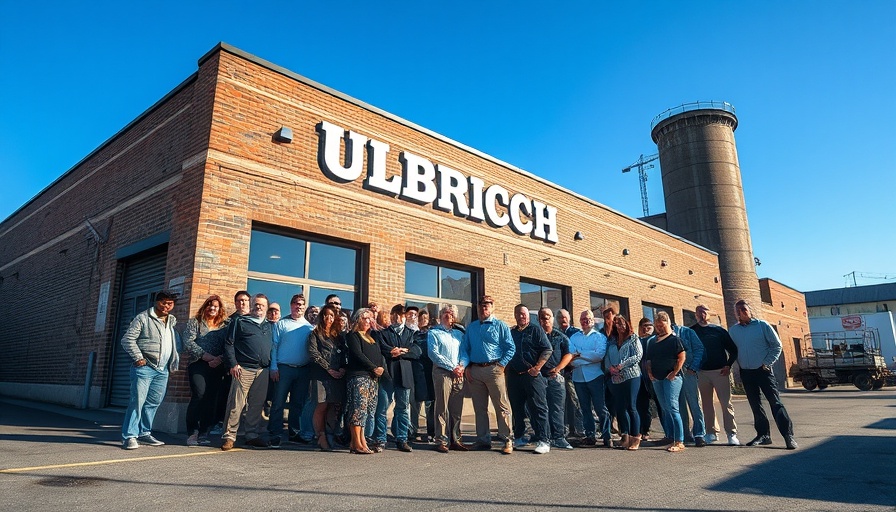
Future of Ulbrich: Group of employees outside brick building.

Celebrating a Century of Innovation: The Legacy of Ulbrich

This year marks a significant milestone for Ulbrich Stainless Steels & Special Metals, as the company celebrates 100 years of innovation and resilience in the metallurgy industry. Founded by Fred Ulbrich Sr. in 1924, the company has navigated through various challenges, including wars and economic downturns, to become a renowned expert in metal forming and distribution.

A Legacy Built on Excellence

Ulbrich began its journey by manufacturing cutlery and steadily evolved to focus on high-quality stainless steel and specialty metals. Its commitment to excellence is evident in every product they offer, from precision rolling to state-of-the-art annealing processes. Today, the company supplies vital components for various industries, including aerospace, automotive, and medical. This evolution showcases Ulbrich's adaptability and forward-thinking approach, which is crucial for surviving in today’s fast-paced global market.

Planning for the Next 100 Years

The second century for Ulbrich promises to be equally groundbreaking. With a strategic plan aimed at sustaining long-term growth, the company emphasizes the importance of innovation and customer relationships. The appointment of Gregg Boucher as Chairman-Elect of the Precision Metalforming Association demonstrates Ulbrich's commitment to industry leadership and collaboration, which are essential for future success.

The Importance of Strong Partnerships

Ulbrich’s strength lies not only in its products but also in its partnerships across different sectors. With a diversified portfolio servicing medical implants, aerospace components, and automotive systems, the company is well-positioned to continue expanding its market influence. Value in the supply chain is crucial, and companies looking to collaborate with Ulbrich will benefit from their dedication to quality, innovation, and service.

What’s Next for Importers and Exporters?

For importers and exporters in the metallurgy field, understanding Ulbrich's trajectory is vital. The company's evolution marks a trend towards increasing globalization within the metal forming industry. As industries worldwide demand high-quality materials, aligning with trusted producers like Ulbrich can enhance competitive advantage. Awareness of emerging markets, strategic sourcing, and technology-driven processes will be essential for those looking to navigate the complexities of international trade successfully.

Embracing the Future

The next 100 years for Ulbrich is not just about maintaining its legacy but also about harnessing new technologies and methods to lead in the industry. By embracing innovation, focusing on customer needs, and strengthening supply chains, Ulbrich is poised to remain a leader in the global market. As they step into their next century, the company’s commitment to excellence and partnership will continue to create value for their clients.

This journey of resilience and forward-thinking exemplifies how businesses can thrive through change. Whether you’re an importer, exporter, or simply an aficionado of industry innovation, the story of Ulbrich inspires confidence in the face of uncertainty.
Trade Trends

52 Views

Write A Comment

*
*
Please complete the captcha to submit your comment.
Related Posts All Posts
05.26.2026

BP’s Leadership Crisis: What It Means for Import and Export Companies

Update Leadership Turmoil at BP: A Look at Albert Manifold's Sudden OusterThe oil and gas sector is reeling from BP’s unexpected decision to remove its chair, Albert Manifold, just eight months after his appointment. This significant upheaval underscores the importance of governance and oversight within corporate leadership, especially in a company like BP that has been under scrutiny due to its strategic pivot back to traditional fossil fuels.What Sparked the Dismissal?The board acted swiftly in response to serious concerns regarding Manifold's conduct, which were reported to include bullying and an aggressive management style. According to sources close to BP, the board's decision was unanimous, indicating widespread dissatisfaction with Manifold's oversight. This situation raises critical questions about leadership standards in high-stakes industries, where employee wellbeing and corporate conduct can significantly impact performance and reputation.The Impact on BP’s Future StrategyManifold's removal comes at a crucial moment for BP as the company shifts its focus back to oil and gas from renewable energy projects. This transition echoes broader trends in the global energy market, where many companies are reconsidering their strategies amidst fluctuating oil prices and pressure from investors for sustainable practices. Yet, even amid this transition, investors are concerned about BP’s leadership stability, as evident from a significant number of shareholders voting against Manifold's election at the last AGM. Notably, a fifth of shareholders expressed dissatisfaction, highlighting the potential disconnect between corporate strategies and shareholder expectations.Interim Leadership and Future DirectionsIn the wake of this turmoil, Ian Tyler has stepped in as the interim chair. His immediate directives will likely involve reassessing BP’s governance framework and ensuring that the company embodies greater transparency and accountability, particularly as investors continue to watch closely. BP’s new CEO, Meg O'Neill, who has already initiated substantial organizational changes, may find this juncture to be a pivotal moment in her mandate as she fortifies company strategy.Lessons for Import and Export CompaniesFor businesses involved in import and export, the unfolding events at BP serve as a cautionary tale. Companies must prioritize strong governance and ethical conduct, especially when navigating the complex regulatory landscapes surrounding global trade. Poor governance can lead to swift ramifications, including drops in stock prices and a loss of investor confidence. Emphasizing ethical leadership and maintaining open lines of communication can bolster corporate resilience in today’s volatile markets.Embracing Change: The Path ForwardAs companies like BP grapple with internal upheavals, the importance of adaptability becomes clear. Effective responses to leadership challenges often require not just swift action but a commitment to fostering a culture of openness and accountability. For import and export companies, reflecting on BP's plight might inspire proactive efforts to build robust governance frameworks prior to facing their own challenges. By doing so, these businesses can enhance their standing and operational stability in the competitive landscape of global trade.Conclusion: Time to Reflect and ActAs BP navigates this leadership crisis, it highlights the essential lessons for businesses within the import-export sector. Governance issues can critically impact reputation and stability, making it imperative for companies to ensure that their leadership is aligned with ethical standards and adaptable strategies. Monitoring these developments and learning from them can prepare businesses for future challenges. Keep an eye on BP's next steps, as they could signal important shifts in industry practices that may impact global trade.

05.25.2026

Understanding U.S.-Iran Relations: Trade Impacts and Opportunities Ahead

Update Understanding the Current Climate of U.S.-Iran Relations The recent dialogues between Iran and the United States have revealed significant progress in negotiations aimed at reaching a peace deal, albeit with wide-ranging ramifications for global trade, particularly affecting import-export businesses. Amidst reports of 'many issues' being resolved, Iranian officials continue to temper expectations, warning that a finalized agreement may still not be imminent. Esmaeil Baqaei, spokesperson for Iran's foreign ministry, noted that while negotiations have yielded a broad consensus on numerous key points, claiming that an agreement is just around the corner may be misleading. This cautious approach highlights the complex interplay of diplomacy at work. The Geopolitical Landscape and Trade Dynamics The Strait of Hormuz, a vital passage for approximately 20% of the world’s oil shipments, stands at the heart of these negotiations. The reopening of this crucial waterway, which has been largely controlled by Iran during the ongoing conflict, holds substantial implications for global oil supply and pricing. For import-export companies dependent on the smooth flow of goods, ensuring uninterrupted maritime routes is crucial. A clear understanding of these geopolitical maneuvers is essential to navigate the uncertainties in trade and supply chains. Economic Impacts of Potential Agreements If the proposed memorandum resulting from these negotiations becomes a reality, we could expect a significant uplift in the global economy, especially within sectors reliant on oil and gas imports. Industry leaders have expressed optimism that resolving this standoff could stabilize oil prices and consequently reduce inflationary pressures that have recently surged across multiple markets. Understanding these precise shifts could provide valuable insights for businesses aiming to adapt their strategies in an ever-evolving landscape. Regulatory Considerations for Trade As negotiations continue, import-export companies should remain vigilant about regulatory changes that could arise from a new agreement. If sanctions are lifted or modified, the terms of trade could shift dramatically. Engaging with legal and trade compliance experts will be essential to navigate these waters efficiently and minimize the risk of non-compliance with evolving regulations. This proactive approach could safeguard a company’s operations and profitability as trade dynamics change. Opportunities for Resilient Business Strategies Following any shifts in the negotiation landscape, businesses that are adaptable and can pivot to seize emerging opportunities are likely to thrive. This might include diversifying suppliers, optimizing logistics networks, or utilizing technology solutions to enhance supply chain agility. For import-export companies, staying informed and flexible can provide a competitive advantage in a challenging environment shaped by political developments. Looking Ahead: The Future of U.S.-Iran Relations While the prospect of a final, comprehensive deal looms, the intricate details surrounding Iran’s nuclear program and its implications for regional stability remain concerning to many involved in international trade. As we navigate through these developments, the emphasis on transparency and diplomatic engagement will be crucial. Both U.S. and Iranian officials have indicated a willingness to continue negotiating beyond simply ending hostilities. A comprehensive agreement may set the stage for a new chapter in international relations characterized by increased economic cooperation, warranting close attention from industry leaders.

05.24.2026

Trump's Hormuz Deal: What It Means for Import-Export Companies

Update Trump's Hormuz Negotiation: A Game Changer for Global Trade? Former President Donald Trump's assertion that a deal with Iran to reopen the Strait of Hormuz has been 'largely negotiated' may signal a pivotal shift in international trade dynamics. For companies involved in import-export activities, understanding the implications of these developments is crucial, especially given the vital role Hormuz plays in global energy and goods transportation. The Importance of the Strait of Hormuz The Strait of Hormuz is one of the world's most important waterways, handling about 20% of global oil trade. It acts as a primary route for oil tankers transporting crude from the Middle East to various global markets. Thus, any agreement involving Iran, the U.S., and regional partners could have far-reaching effects on international energy prices and trade flows. Potential Outcomes of the Negotiated Deal If the deal comes to fruition, it might facilitate smoother trade operations, reducing shipping times and costs for import-export companies. Additionally, re-establishing trade relations could reduce tensions in the region, potentially stabilizing oil prices. This would benefit sectors dependent on oil, and by extension, global trade overall. Trade Risks and Considerations However, there are complexities to consider. Experts caution that political instability remains high in the region. Any miscalculations could reignite tensions, affecting trade routes and posing risks for companies reliant on the Strait of Hormuz. Understanding these risks is essential when making strategic decisions about manufacturing and distribution. Future Predictions: A Look at Emerging Markets As trade negotiations evolve, import-export companies should also watch for potential emerging markets influenced by changes in relationships among major players. For example, a more open Iran could lead to increased manufacturing partnerships, offering opportunities to companies positioned to adapt quickly to changing trade policies. Identifying Opportunities for Growth This situation, while fraught with uncertainty, opens doors for innovative business practices. Companies that remain informed and adaptive can capitalize on potential new avenues for trade and partnerships. By understanding the implications of the Hormuz negotiations, these businesses can strategize effectively to enhance their market positions. Taking Action in a Complex Landscape For companies engaged in international trade, now is the time to develop action plans. This includes assessing supply chains, evaluating shipping routes, and exploring alternative markets. Additionally, having contingency plans will be vital as negotiations progress and political landscapes shift. As new developments unfold, it’s essential to stay informed and proactive. Engaging with trade associations, joining discussions on emerging trade regulations, and monitoring oil price fluctuations will empower companies to navigate this complex terrain.

Terms of Service

Privacy Policy

Core Modal Title

Sorry, no results found

You Might Find These Articles Interesting

T
Please Check Your Email
We Will Be Following Up Shortly
*
*
*



