







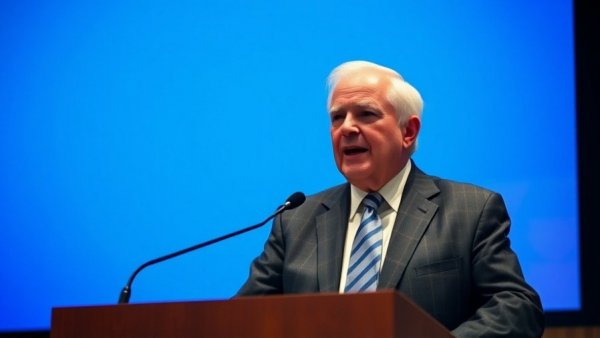
Pablo Hernández de Cos Set to Lead the ECB: What This Means for Businesses
The appointment of Pablo Hernández de Cos as the new president of the European Central Bank (ECB) is a watershed moment not just for the institution, but for businesses engaged in import and export activities across Europe. With his extensive experience in banking and finance, Hernández de Cos is poised to shape monetary policies that could directly influence trade and economic stability.
Historical Context: Understanding the ECB's Role
Established in 1998, the ECB is critical in managing the euro and setting monetary policy for the Eurozone—a region comprising 19 of the 27 European Union countries. This role is vital for businesses involved in international trade as decisions made at the ECB affect fluctuations in currency, interest rates, and overall economic health. The ECB not only oversees inflation rates but also works to ensure that the banking system remains strong and reliable, which is crucial for maintaining investor confidence and fostering market stability.
The Trade Climate: Affected by Central Bank Policies
With Hernández de Cos at the helm, import-export companies might feel motivated to re-evaluate their strategies. The ECB’s monetary policies can greatly influence exchange rates, which are crucial for businesses that trade goods across borders. A stronger euro could make European products more expensive in foreign markets, while a weaker euro could lower prices, boosting exports. For instance, companies that rely heavily on exporting goods may benefit from a weaker euro as it can make their products more competitive in global markets.
Current Economic Challenges: Perspectives for the Future
As we navigate through persistent economic challenges such as inflation, supply chain disruptions, and the ongoing effects of the COVID-19 pandemic, Hernández de Cos’s leadership will likely focus on stabilizing the monetary environment. His approach could introduce new opportunities for businesses wanting to expand their reach. For example, if inflation is effectively managed, consumers will have more spending power, potentially leading to increased demand for imports and exports. Hence, it is crucial for businesses to monitor how the ECB responds to these ongoing challenges.
Unique Benefits for Import-Export Companies
Understanding Hernández de Cos’s strategies will be key for entrepreneurs engaged in manufacturing and trade. Insight into monetary policy changes can help businesses prepare for shifts in the market, whether it’s adhering to new compliance requirements or adjusting pricing strategies based on currency fluctuations. Moreover, companies that can anticipate these changes will have a distinct advantage; for example, businesses that align their operations with expected monetary trends are likely to find themselves better positioned during times of uncertainty.
What You Can Do: Stay Informed and Adapt
Companies involved in import-export can gain considerable advantage by keeping a pulse on the ECB’s announcements and Hernández de Cos’s policy changes. Strategic planning in response to these shifts is essential. Consider consulting with financial experts who specialize in trade to help navigate new monetary landscapes effectively. Additionally, subscribing to financial news sources can enhance your understanding of how global economic shifts may impact your specific industry, allowing you to make informed decisions.
Looking Ahead: Preparing for Opportunities
The future under Hernández de Cos's presidency heralds both challenges and opportunities. As Europe reevaluates its economic strategy, businesses can position themselves for success by embracing adaptability and innovation. Joining industry organizations or networks can provide valuable insights and foster connections with other business leaders facing similar challenges. By working together and sharing best practices, companies can better navigate the changes ahead.
Ultimately, Hernández de Cos’s leadership presents a unique moment for businesses engaged in import and export activities to reassess their operations. By staying informed and agile, they can turn potential obstacles into opportunities for growth in an ever-evolving economic landscape.







Write A Comment