







Global Trade News
Global Trade News
  • Manufacturing Insights 
  • Categories
    • Policy Pulse
    • Compliance Corner
    • Market Movers
    • Supply Chain
    • Export Essentials
    • Manufacturing Technology
    • Regulatory Roundup
    • Market Intelligence
    • Industry Voices
    • More Videos
November 16.2026
3 Minutes Read

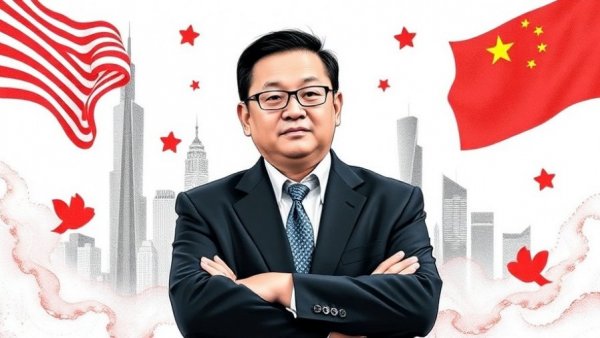
Manufacturers Must Adapt Strategies Amid China’s Economic Slowdown

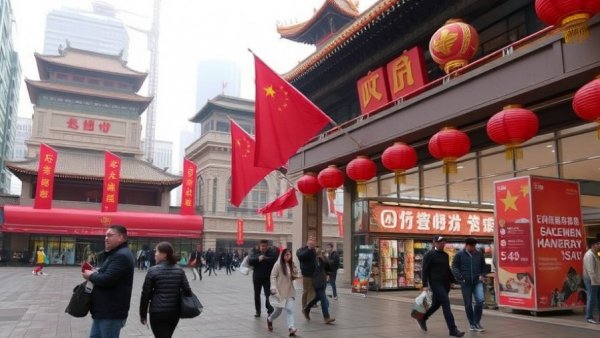
China’s slowdown deepens in October as industrial output, retail sales, investment miss estimates

Understanding China's Economic Slowdown: A Closer Look

China's economic sectors are facing a significant slowdown, particularly apparent in October's reports regarding industrial output, retail sales, and investments. As factories churn out less and consumers shop less, the country’s reliance on external demand only exacerbates its vulnerability to global uncertainties. This shift can be alarming for manufacturers operating in or with China, presenting both risks and unique opportunities that require careful consideration and strategic planning.

The Impact of External Demand

The waning domestic momentum in China highlights a significant shift in economic strategy. Analysts note that a continuing dependence on exports puts the country at the mercy of global economic shifts, including trade tariffs imposed by various nations. These tariffs can disrupt supply chains, impact pricing, and reshape manufacturing landscapes in sudden, sometimes unpredictable ways. For manufacturers, this means it's vital to pivot strategies to mitigate risk by diversifying markets. By exploring opportunities beyond China, companies can minimize their exposure to potential downturns associated with Chinese exports. This could mean seeking partnerships in emerging markets or investing in production capabilities locally or in regions less affected by current geopolitical tensions.

Domestic Conditions: A Mixed Picture

On the home front, challenging consumer sentiment has contributed to falling retail sales across the board. As household spending tightens due to either economic fears or increased costs, manufacturers should consider the push for more innovative products that can cater to evolving consumer preferences. This trend also encourages businesses to explore new distribution methods, such as direct-to-consumer channels, which can boost engagement and potentially foster greater customer loyalty. Utilizing feedback mechanisms through these channels can provide invaluable insights into what consumers are really wanting during these times, allowing manufacturers to pivot their offerings accordingly.

Navigating the Trade Tariff Landscape

The trade environment over the past few years has been particularly volatile. Tariffs have drastically influenced production costs, pushing manufacturers to rethink their supplier relationships and locations. By assessing the risks posed by these tariffs and conducting scenario planning, manufacturers can make strategic decisions that enhance resilience. Engaging in thorough market analysis and building robust regulatory compliance plans will be crucial for manufacturers to not just survive, but to thrive in this unsteady landscape. Moreover, being proactive about staying updated on policy changes—both domestically and internationally—can afford manufacturers a competitive edge in the long run.

Shifting Strategies in Response to Economic Changes

Given China's slowing economy and the ensuing pressures from global marketplaces, what can manufacturers do to prepare? Focusing on lean manufacturing processes, optimizing supply chains, and investing in technology can bolster productivity while navigating these stormy waters. Embracing smart manufacturing practices—leveraging artificial intelligence and data analytics to enhance operations—could create a competitive advantage in several industries. For example, predictive analytics can help manufacturers foresee trends and adjust production accordingly, aligning supply with actual consumer demand.

Exploring Opportunities Amidst Challenges

While the immediate picture may seem worrying, economic downturns can also pave the way for innovation and reform within your own business. Manufacturers should take this opportunity to refine their core competencies and explore new business models. By understanding the broader economic signals and being alert to shifts in consumer behavior, manufacturers can position themselves to capture emerging trends, such as sustainability and smart technology integration. Sustainability initiatives not only align with consumer interests but also enhance long-term business viability and can significantly reduce operational costs through energy efficiency and waste minimization.

As China’s economy adapts to changing conditions, remaining informed and agile will be essential for manufacturers looking to maintain and grow their market positions. Leveraging insights and strategies as discussed can empower businesses to navigate these complexities with confidence. Furthermore, engaging with industry groups and forums can provide valuable networking opportunities and resources.

Don’t let the uncertainties dissuade your manufacturing ambitions. As the landscape evolves, remember that informed decisions and strategic innovations could set the stage for future success. Engage with experts, share insights with peers, and keep sharpening your operational practices. There are opportunities even in a challenging environment—seize them!
Policy Pulse

2 Views

Write A Comment

*
*
Please complete the captcha to submit your comment.
Related Posts All Posts
11.15.2026

Nvidia Leadership Changes and Democratic Congress: Shifting AI Trade Dynamics

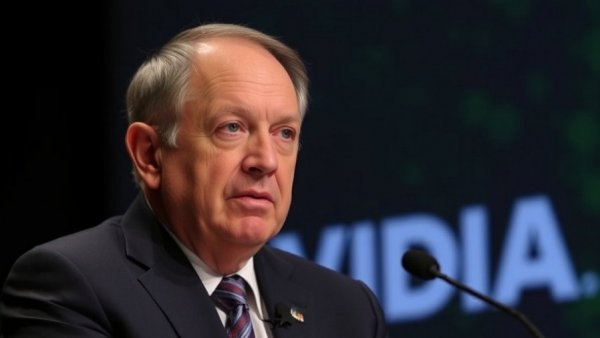
Update Main Insights from Nvidia’s Recent Turmoil Nvidia has been a key player in the AI and tech landscape, driving innovation and performance in the industry. However, recent leadership issues at the company have created uncertainty. According to ETF experts, this turmoil could lead to a shift in AI demand favoring other Big Tech companies and competing chip manufacturers. As Nvidia experiences changes, there’s potential for a reallocation of investments and interests towards more stable or growing alternatives. Impact of a Democratic Congress on the Tech Landscape With the Democratic Party holding sway in Congress, there are expectations for policies that could reshape the landscape for technology investments. Past legislations aimed at supporting renewable energy and green manufacturing could influence the priorities of major tech firms. This supportive environment might encourage tech companies to diversify their offerings, advancing initiatives in AI that are more sustainable and socially responsible. Investors should keep an eye on these developments, as they can significantly affect stock performance in this sector. How Semiconductor Rivals Might Benefit The turmoil within Nvidia opens doors for alternative semiconductor players. Companies like AMD and Intel could see a surge in demand for their chips as manufacturers seek stable partnerships. In an industry heavily reliant on semiconductor technology, diversifying supplier chains might become vital for manufacturers. Positive developments for these companies could spark competition, leading to innovation and potentially lowering costs for manufacturers down the line. Trade Tariffs and Their Role in the AI Transition Trade tariffs continue to shape the global finance landscape, especially for tech companies. Recent fluctuations in tariff policies could reshape supply chains for AI technologies. If tariffs on imported chips remain high, manufacturers may be incentivized to source components domestically or from countries with lower barriers. This situation encourages a rethink of partnerships and could foster a rise in local manufacturing capabilities as companies adapt to new economic realities. Opportunities for Manufacturers Amidst Uncertainty For manufacturers, the current situation presents both challenges and opportunities. With the AI trade evolving, there will be a growing need for strategic adaptation. Companies that can pivot quickly, fostering relationships with a diverse range of suppliers, might gain an edge. Embracing innovative practices alongside an understanding of regulatory affairs will empower manufacturers to navigate this landscape efficiently. Looking Ahead: Predictions for the Future of AI Trade The AI landscape is expected to evolve significantly in the coming years, influenced by both company-specific issues and broader regulatory changes. Manufacturers must stay agile, investing in technologies and practices that not only cater to AI but also synergize with emergent tech trends, like renewable resources. As companies adapt to the changing environment, the ability to innovate will become even more crucial. In conclusion, the current shifts within Nvidia, coupled with a new Democratic Congress, promise to transform the AI and tech sectors. It’s essential for manufacturers to stay informed and proactive, seizing opportunities to ensure steady growth in an ever-evolving market. For more actionable insights, stay connected to industry trends, and explore the deeper implications of political decisions on your business landscape.

11.14.2026

The Nvidia Spy Scandal: What it Means for Manufacturers and Global Finance

Update Nvidia's Deepening Ties with Financial Giants Under ScrutinyIn an unprecedented series of events, Cantor Fitzgerald, a Wall Street heavyweight, captured headlines when it hosted Nvidia CEO Jensen Huang and other top brass for crucial investor meetings. This gathering in late September was not merely routine; it came with conflicting reports about Cantor's stake in Nvidia, leading to a quandary for manufacturers and investors alike looking to navigate the intricacies of modern finance. These meetings highlighted the growing importance of strong relationships between tech giants and financial firms, especially as the demand for innovative products continues to surge in today’s market.Exploring the Decline and its Ripple EffectsDespite Cantor Fitzgerald's optimistic stance, analysts had noted a nearly 50% decline in Nvidia shares held by the firm from September 2025 to March 2026. This decline coincided with mounting pressure from U.S. intelligence and governmental figures urging Lutnick to address the concerning activities of Megaspeed, a company suspected of funneling Nvidia's cutting-edge AI chips to China. The timing of these events raises pressing questions about the dynamics of corporate loyalty in a highly monitored sector, especially as international relations increasingly impact the tech industry.Political Maneuvering and Trade Tariffs: A Complex LandscapeDuring the same period, Howard Lutnick faced scrutiny from intelligence officials regarding Huang's connections to alleged espionage. Despite this, Cantor Fitzgerald continued to engage extensively with Nvidia. What does this imply for manufacturers caught in the crosshairs of corporate ethics and political intrigue? The heightened scrutiny around Nvidia's leadership and corporate governance poses significant risks and potential benefits for the manufacturing sector, particularly as trade tariffs create a more complicated global financial landscape. Manufacturers must navigate this intricate web of relationships, ensuring their own operations remain above board while also capitalizing on any competitive advantages offered by technological partnerships.Lessons for Manufacturers Navigating Corporate RelationshipsThe interplay between corporate decisions and ethical obligations offers valuable lessons for manufacturers. As they engage with financial firms, navigating the nuances of relationships similar to Cantor's is essential. Should manufacturing leaders remain vigilant against potential conflicts of interest? Striking a careful balance between beneficial collaborations and ethical transparency should be a priority. By fostering open lines of communication with financial partners, manufacturers can avoid pitfalls that arise from hidden agendas or misaligned interests, thereby ensuring not only their own stability but also maintaining the trust of their clients and stakeholders.Possible Future Implications on Market DynamicsAs these events unfold, the implications stretch beyond individual companies. The fallout from Lutnick's connections with Nvidia may shift industry standards, influencing how tech and financial sectors interact moving forward. Recent shifts in trade policies and export regulations are a reminder that manufacturers may need to adjust their strategies in an ever-changing environment. As technology evolves, and the demand for AI applications increases, staying aligned with ethical practices and corporate governance will be vital for any organization looking to succeed.The Future of AI in Global FinanceLooking ahead, manufacturers must consider how the fallout from Lutnick's connections with Nvidia may shift industry standards. As trade tariffs loom and scrutiny intensifies, adapting to these changes may require innovative strategies. By staying informed about the evolving landscape, manufacturers can position themselves advantageously as the dialogue around corporate ethics and international trade continues to develop. The rise of AI not only points to the urgency of responsible management within high-stakes industries but also presents an opportunity for collaboration that can lead to groundbreaking advancements.Final Thoughts: Adapting to Evolving ChallengesWith the ramifications of Lutnick’s decisions echoed in boardrooms across industries, it’s clear that transparency and vigilance are non-negotiable. Manufacturers can leverage this moment as an opportunity to rethink their corporate engagements, ensuring they are prepared for the intricate landscape ahead. The course of corporate governance is pivotal not just for financial firms but for all sectors aimed at sustainable growth through ethical practices. In this rapidly evolving world, companies that prioritize integrity and adaptability will not only survive but thrive, contributing to a more ethical business environment for all stakeholders.

11.13.2026

How the Jensen Huang Affair Impacts U.S.-China Trade Tariffs for Manufacturers

Update Understanding the Political Shift Before the Trump-Xi Summit The anticipation heading into the upcoming Trump-Xi summit is palpable, particularly given the notable changes in the political landscape since their last meeting in September. The recent Jensen Huang affair has added an unexpected layer to U.S.-China relations. This shift has prompted a reevaluation among manufacturers and industries that rely heavily on a stable trade environment, highlighting the need for agility and adaptability in today's unpredictable economic climate. The Impact of Jensen Huang’s Influence Jensen Huang, the co-founder of NVIDIA, has often represented the bridge between U.S. technological innovations and China's manufacturing prowess. His recent public statements have underscored a shifting dynamic. Unlike before, when tech advancements were viewed with less scrutiny, his insights are being framed in a light that promotes collaboration over competition. This marks a significant psychological shift for manufacturers, who are now reconsidering how U.S.-China relations could reshape their operational strategies amidst fluctuating trade tariffs and international regulations. Moreover, Huang’s influence extends beyond just the tech realm. His advocacy for open communication between the two nations may encourage manufacturers to explore partnerships that could yield innovative solutions while navigating the complexities of tariffs and trade policies. For manufacturers engaged in sectors such as electronics or automotive production, this represents an opportunity to rethink their supply chains and establish stronger ties with partners on either side of the Pacific. The Role of Trade Tariffs in the Manufacturing Sector As the backdrop of these discussions unfolds, understanding trade tariffs has become crucial for manufacturers. Increased tariffs have a ripple effect, impacting production costs and consumer prices, directly affecting business decisions. Many manufacturers are currently navigating this challenging terrain, attempting to forecast how new policies may influence their supply chains. The implications of tariffs can be significant, as they might compel businesses to either absorb the cost increases or pass them along to consumers, which could change purchasing behavior. The forthcoming summit is therefore not just another diplomatic meeting; it could provide vital insights into easing trade tensions. For manufacturers, the talks can potentially lead to clearer regulations that foster greater stability and confidence in international markets. As tariffs remain a central point of contention, manufacturers must stay aware of alterations in policy that could impact their bottom lines and strategic planning. Future Predictions: What Lies Ahead for U.S.-China Relations? Experts predict that the outcomes of the Trump-Xi summit will be pivotal. A friendly dialogue could lead to a reduction in tariffs, which would directly benefit manufacturers who rely on affordable imports. The decrease in tariffs could, hypothetically, offer reduced costs for raw materials and component parts, allowing manufacturers to maintain competitive pricing while improving profit margins. Conversely, prolonged tensions might drive companies to seek alternatives outside of both countries, reshuffling the landscape of global finance and trade. This possibility raises questions about how manufacturers will respond. Companies may be forced to invest in supply chain diversification or seek new sourcing opportunities in regions that might offer similar capabilities without the geopolitical risk associated with U.S.-China trade relations. Key Takeaways for Manufacturers Given the evolving landscape shaped by Huang's influence and the impending summit, manufacturers must stay informed and agile. This means not only tracking developments in U.S.-China relations but also understanding the broader implications for global markets. Manufacturers that can anticipate changes and adapt their operations accordingly will position themselves for growth amidst volatility. It's important to note that engaging with industry networks can yield insights into best practices and innovative approaches to ongoing challenges. By staying connected and learning from peers, manufacturers can enhance their resilience and foster strategies that align with the changing global trade environment. Getting Involved: Steps to Prepare As this significant moment approaches, the call for manufacturers is clear: stay proactive. Engaging in dialogue, attending industry forums, and seeking counsel from experts in global finance could provide an edge in navigating uncertainties. Understanding these shifts now can lead to better opportunities in the future. In preparation, businesses should analyze their current supply chains and assess dependencies on U.S.-China trade relations. Companies might also consider diversifying suppliers or investing in technology that can help mitigate risks associated with tariffs, such as automation or inventory management systems. By taking these steps, manufacturers can better equip themselves to respond to outcomes from the summit and maintain a competitive edge in a rapidly changing market.

Global Trade News


An educational, content-centric platform that delivers unbiased, comprehensive, and real-time regulatory news and analysis, empowering stakeholders to make informed decisions in a complex global trade environment.


Global Trade News is a subsidiary of RP Design Web Services.

COMPANY

  • Privacy Policy
  • Terms of Use
  • Advertise
  • Contact Us
  • Menu 5
  • Menu 6

AVAILABLE FROM 8AM - 5PM

City, State

Cheshire, CT

ABOUT US

A media channel that delivers the latest insights on trade regulations, import/export compliance, policy shifts, and global market trends.  Present both US and international perspectives to provide companies with a holistic view of the evolving trade landscape.

© 2026 Global Trade News All Rights Reserved. PO Box 1189 , Cheshire, CT 06410 . Contact Us . Terms of Service . Privacy Policy

eyJjb21wYW55IjoiR2xvYmFsIFRyYWRlIE5ld3MiLCJhZGRyZXNzIjoiUE8gQm94IDExODkgIiwiY2l0eSI6IkNoZXNoaXJlIiwic3RhdGUiOiJDVCIsInppcCI6IjA2NDEwIiwiZW1haWwiOiJzYWxlc0BycGRlc2lnbi5jb20iLCJ0b3MiOiJQSEErUEhOMGNtOXVaejQ4WlcwK1YyaGxiaUI1YjNVZ2MybG5iaTFwYmlCM2FYUm9JSFZ6TENCNWIzVWdZWEpsSUdkcGRtbHVaeVp1WW5Od095QjViM1Z5SUhCbGNtMXBjM05wYjI0Z1lXNWtJR052Ym5ObGJuUWdkRzhnYzJWdVpDQjViM1VnWlcxaGFXd2dZVzVrTDI5eUlGTk5VeUIwWlhoMElHMWxjM05oWjJWekxpQkNlU0JqYUdWamEybHVaeUIwYUdVZ1ZHVnliWE1nWVc1a0lFTnZibVJwZEdsdmJuTWdZbTk0SUdGdVpDQmllU0J6YVdkdWFXNW5JR2x1SUhsdmRTQmhkWFJ2YldGMGFXTmhiR3g1SUdOdmJtWnBjbTBnZEdoaGRDQjViM1VnWVdOalpYQjBJR0ZzYkNCMFpYSnRjeUJwYmlCMGFHbHpJR0ZuY21WbGJXVnVkQzQ4TDJWdFBqd3ZjM1J5YjI1blBqd3ZjRDRLQ2p4d1BqeGhJR2h5WldZOUltaDBkSEE2THk5M2QzY3VaMjl2WjJ4bExtTnZiU0krYUhSMGNEb3ZMM2QzZHk1bmIyOW5iR1V1WTI5dFBDOWhQand2Y0Q0S0NqeHdQaVp1WW5Od096d3ZjRDRLQ2p4d1BqeHpkSEp2Ym1jK1UwVlNWa2xEUlR3dmMzUnliMjVuUGp3dmNENEtDanh3UGxkbElIQnliM1pwWkdVZ1lTQnpaWEoyYVdObElIUm9ZWFFnWTNWeWNtVnVkR3g1SUdGc2JHOTNjeUI1YjNVZ2RHOGdjbVZqWldsMlpTQnlaWEYxWlhOMGN5Qm1iM0lnWm1WbFpHSmhZMnNzSUdOdmJYQmhibmtnYVc1bWIzSnRZWFJwYjI0c0lIQnliMjF2ZEdsdmJtRnNJR2x1Wm05eWJXRjBhVzl1TENCamIyMXdZVzU1SUdGc1pYSjBjeXdnWTI5MWNHOXVjeXdnWkdselkyOTFiblJ6SUdGdVpDQnZkR2hsY2lCdWIzUnBabWxqWVhScGIyNXpJSFJ2SUhsdmRYSWdaVzFoYVd3Z1lXUmtjbVZ6Y3lCaGJtUXZiM0lnWTJWc2JIVnNZWElnY0dodmJtVWdiM0lnWkdWMmFXTmxMaUJaYjNVZ2RXNWtaWEp6ZEdGdVpDQmhibVFnWVdkeVpXVWdkR2hoZENCMGFHVWdVMlZ5ZG1salpTQnBjeUJ3Y205MmFXUmxaQ0FtY1hWdmREdEJVeTFKVXlaeGRXOTBPeUJoYm1RZ2RHaGhkQ0IzWlNCaGMzTjFiV1VnYm04Z2NtVnpjRzl1YzJsaWFXeHBkSGtnWm05eUlIUm9aU0IwYVcxbGJHbHVaWE56TENCa1pXeGxkR2x2Yml3Z2JXbHpMV1JsYkdsMlpYSjVJRzl5SUdaaGFXeDFjbVVnZEc4Z2MzUnZjbVVnWVc1NUlIVnpaWElnWTI5dGJYVnVhV05oZEdsdmJuTWdiM0lnY0dWeWMyOXVZV3hwZW1GMGFXOXVJSE5sZEhScGJtZHpMand2Y0Q0S0NqeHdQbGx2ZFNCaGNtVWdjbVZ6Y0c5dWMybGliR1VnWm05eUlHOWlkR0ZwYm1sdVp5QmhZMk5sYzNNZ2RHOGdkR2hsSUZObGNuWnBZMlVnWVc1a0lIUm9ZWFFnWVdOalpYTnpJRzFoZVNCcGJuWnZiSFpsSUhSb2FYSmtJSEJoY25SNUlHWmxaWE1nS0hOMVkyZ2dZWE1nVTAxVElIUmxlSFFnYldWemMyRm5aWE1zSUVsdWRHVnlibVYwSUhObGNuWnBZMlVnY0hKdmRtbGtaWElnYjNJZ1kyVnNiSFZzWVhJZ1lXbHlkR2x0WlNCamFHRnlaMlZ6S1M0Z1dXOTFJR0Z5WlNCeVpYTndiMjV6YVdKc1pTQm1iM0lnZEdodmMyVWdabVZsY3l3Z2FXNWpiSFZrYVc1bklIUm9iM05sSUdabFpYTWdZWE56YjJOcFlYUmxaQ0IzYVhSb0lIUm9aU0JrYVhOd2JHRjVJRzl5SUdSbGJHbDJaWEo1SUc5bUlHVmhZMmdnVTAxVElIUmxlSFFnYldWemMyRm5aU0J6Wlc1MElIUnZJSGx2ZFNCaWVTQjFjeTRnU1c0Z1lXUmthWFJwYjI0c0lIbHZkU0J0ZFhOMElIQnliM1pwWkdVZ1lXNWtJR0Z5WlNCeVpYTndiMjV6YVdKc1pTQm1iM0lnWVd4c0lHVnhkV2x3YldWdWRDQnVaV05sYzNOaGNua2dkRzhnWVdOalpYTnpJSFJvWlNCVFpYSjJhV05sSUdGdVpDQnlaV05sYVhabElIUm9aU0JUVFZNZ2RHVjRkQ0J0WlhOellXZGxjeTRnVjJVZ1pHOGdibTkwSUdOb1lYSm5aU0JoYm5rZ1ptVmxjeUJtYjNJZ1pHVnNhWFpsY25rZ2IyWWdaVzFoYVd3Z2IzSWdVMDFUTGlCVWFHbHpJR2x6SUdFZ1puSmxaU0J6WlhKMmFXTmxJSEJ5YjNacFpHVmtJR0o1SUhWekxpQkliM2RsZG1WeUxDQndiR1ZoYzJVZ1kyaGxZMnNnZDJsMGFDQjViM1Z5SUdsdWRHVnlibVYwSUhObGNuWnBZMlVnY0hKdmRtbGtaWElnWVc1a0lHTmxiR3gxYkdGeUlHTmhjbkpwWlhJZ1ptOXlJR0Z1ZVNCamFHRnlaMlZ6SUhSb1lYUWdiV0Y1SUdsdVkzVnlJR0Z6SUdFZ2NtVnpkV3gwSUdaeWIyMGdjbVZqWldsMmFXNW5JR1Z0WVdsc0lHRnVaQ0JUVFZNZ2RHVjRkQ0J0WlhOellXZGxjeUIwYUdGMElIZGxJR1JsYkdsMlpYSWdkWEJ2YmlCNWIzVnlJRzl3ZEMxcGJpQmhibVFnY21WbmFYTjBjbUYwYVc5dUlIZHBkR2dnYjNWeUlHVnRZV2xzSUdGdVpDQlRUVk1nYzJWeWRtbGpaWE11SUZsdmRTQmpZVzRnWTJGdVkyVnNJR0YwSUdGdWVTQjBhVzFsTGlCS2RYTjBJSFJsZUhRZ0puRjFiM1E3VTFSUFVDWnhkVzkwT3lCMGJ5QThhR2xuYUd4cFoyaDBJR05zWVhOelBTSmpiMjF3WVc1NVVHaHZibVZWY0dSaGRHVWlQaXN4TWpBek1qY3hOems1TVR3dmFHbG5hR3hwWjJoMFBpNGdRV1owWlhJZ2VXOTFJSE5sYm1RZ2RHaGxJRk5OVXlCdFpYTnpZV2RsSUNaeGRXOTBPMU5VVDFBbWNYVnZkRHNnZEc4Z2RYTXNJSGRsSUhkcGJHd2djMlZ1WkNCNWIzVWdZVzRnVTAxVElHMWxjM05oWjJVZ2RHOGdZMjl1Wm1seWJTQjBhR0YwSUhsdmRTQm9ZWFpsSUdKbFpXNGdkVzV6ZFdKelkzSnBZbVZrTGlCQlpuUmxjaUIwYUdsekxDQjViM1VnZDJsc2JDQnVieUJzYjI1blpYSWdjbVZqWldsMlpTQlRUVk1nYldWemMyRm5aWE1nWm5KdmJTQjFjeTQ4TDNBK0NnbzhjRDQ4YzNSeWIyNW5QbGxQVlZJZ1VrVkhTVk5VVWtGVVNVOU9JRTlDVEVsSFFWUkpUMDVUUEM5emRISnZibWMrUEM5d1Bnb0tQSEErU1c0Z1kyOXVjMmxrWlhKaGRHbHZiaUJ2WmlCNWIzVnlJSFZ6WlNCdlppQjBhR1VnVTJWeWRtbGpaU3dnZVc5MUlHRm5jbVZsSUhSdk9qd3ZjRDRLQ2p4dmJENEtDVHhzYVQ1d2NtOTJhV1JsSUhSeWRXVXNJR0ZqWTNWeVlYUmxMQ0JqZFhKeVpXNTBJR0Z1WkNCamIyMXdiR1YwWlNCcGJtWnZjbTFoZEdsdmJpQmhZbTkxZENCNWIzVnljMlZzWmlCaGN5QndjbTl0Y0hSbFpDQmllU0IwYUdVZ1UyVnlkbWxqWlNZak16azdjeUJ5WldkcGMzUnlZWFJwYjI0Z1ptOXliU0FvYzNWamFDQnBibVp2Y20xaGRHbHZiaUJpWldsdVp5QjBhR1VnSm5GMWIzUTdVbVZuYVhOMGNtRjBhVzl1SUVSaGRHRW1jWFZ2ZERzcElHRnVaRHd2YkdrK0NnazhiR2srYldGcGJuUmhhVzRnWVc1a0lIQnliMjF3ZEd4NUlIVndaR0YwWlNCMGFHVWdVbVZuYVhOMGNtRjBhVzl1SUVSaGRHRWdkRzhnYTJWbGNDQnBkQ0IwY25WbExDQmhZMk4xY21GMFpTd2dZM1Z5Y21WdWRDQmhibVFnWTI5dGNHeGxkR1V1SUVsbUlIbHZkU0J3Y205MmFXUmxJR0Z1ZVNCcGJtWnZjbTFoZEdsdmJpQjBhR0YwSUdseklIVnVkSEoxWlN3Z2FXNWhZMk4xY21GMFpTd2dibTkwSUdOMWNuSmxiblFnYjNJZ2FXNWpiMjF3YkdWMFpTd2diM0lnZDJVZ2FHRjJaU0J5WldGemIyNWhZbXhsSUdkeWIzVnVaSE1nZEc4Z2MzVnpjR1ZqZENCMGFHRjBJSE4xWTJnZ2FXNW1iM0p0WVhScGIyNGdhWE1nZFc1MGNuVmxMQ0JwYm1GalkzVnlZWFJsTENCdWIzUWdZM1Z5Y21WdWRDQnZjaUJwYm1OdmJYQnNaWFJsTENCM1pTQm9ZWFpsSUhSb1pTQnlhV2RvZENCMGJ5QnpkWE53Wlc1a0lHOXlJRHh6ZEhKdmJtYytQSE53WVc0Z2MzUjViR1U5SW1OdmJHOXlPaU5HUmpBd01EQTdJajUwWlhKdGFXNWhkR1VnZVc5MWNpQmhZMk52ZFc1MEwzQnliMlpwYkdVZ1lXNWtJSEpsWm5WelpTQmhibmtnWVc1a0lHRnNiQ0JqZFhKeVpXNTBJRzl5SUdaMWRIVnlaU0IxYzJVZ2IyWWdkR2hsSUZObGNuWnBZMlVnS0c5eUlHRnVlU0J3YjNKMGFXOXVJSFJvWlhKbGIyWXBMand2YzNCaGJqNDhMM04wY205dVp6NDhMMnhwUGdvOEwyOXNQZ29LUEhBK0ptNWljM0E3UEM5d1BnbzhhR2xuYUd4cFoyaDBJR05zWVhOelBTSmpiMjF3WVc1NVRtRnRaVlZ3WkdGMFpTSStSMnh2WW1Gc0lGUnlZV1JsSUU1bGQzTThMMmhwWjJoc2FXZG9kRDQ4WW5JZ0x6NEtQR2hwWjJoc2FXZG9kQ0JqYkdGemN6MGlZMjl0Y0dGdWVVRmtaSEpsYzNOVmNHUmhkR1VpUGxCUElFSnZlQ0F4TVRnNUlDd2dRMmhsYzJocGNtVXNJRU5VSURBMk5ERXdQQzlvYVdkb2JHbG5hSFErUEdKeUlDOCtDanhvYVdkb2JHbG5hSFFnWTJ4aGMzTTlJbU52YlhCaGJubFFhRzl1WlZWd1pHRjBaU0krS3pFeU1ETXlOekUzT1RreFBDOW9hV2RvYkdsbmFIUStQR0p5SUM4K0NqeG9hV2RvYkdsbmFIUWdZMnhoYzNNOUltTnZiWEJoYm5sRmJXRnBiRlZ3WkdGMFpTSStjMkZzWlhOQWNuQmtaWE5wWjI0dVkyOXRQQzlvYVdkb2JHbG5hSFErIiwicHJpdmFjeSI6IlBIQStQSE4wY205dVp6NVFVa2xXUVVOWlBDOXpkSEp2Ym1jK1BDOXdQZ29LUEhBK1BITjBjbTl1Wno1VWFHVWdhVzVtYjNKdFlYUnBiMjRnY0hKdmRtbGtaV1FnWkhWeWFXNW5JSFJvYVhNZ2NtVm5hWE4wY21GMGFXOXVJR2x6SUd0bGNIUWdjSEpwZG1GMFpTQmhibVFnWTI5dVptbGtaVzUwYVdGc0xDQmhibVFnZDJsc2JDQnVaWFpsY2lCaVpTQmthWE4wY21saWRYUmxaQ3dnWTI5d2FXVmtMQ0J6YjJ4a0xDQjBjbUZrWldRZ2IzSWdjRzl6ZEdWa0lHbHVJR0Z1ZVNCM1lYa3NJSE5vWVhCbElHOXlJR1p2Y20wdUlGUm9hWE1nYVhNZ2IzVnlJR2QxWVhKaGJuUmxaUzQ4TDNOMGNtOXVaejQ4TDNBK0NnbzhjRDQ4YzNSeWIyNW5Qa2xPUkVWTlRrbFVXVHd2YzNSeWIyNW5Qand2Y0Q0S0NqeHdQanhsYlQ1WmIzVWdZV2R5WldVZ2RHOGdhVzVrWlcxdWFXWjVJR0Z1WkNCb2IyeGtJSFZ6TEM0Z1lXNWtJR2wwY3lCemRXSnphV1JwWVhKcFpYTXNJR0ZtWm1sc2FXRjBaWE1zSUc5bVptbGpaWEp6TENCaFoyVnVkSE1zSUdOdkxXSnlZVzVrWlhKeklHOXlJRzkwYUdWeUlIQmhjblJ1WlhKekxDQmhibVFnWlcxd2JHOTVaV1Z6TENCb1lYSnRiR1Z6Y3lCbWNtOXRJR0Z1ZVNCamJHRnBiU0J2Y2lCa1pXMWhibVFzSUdsdVkyeDFaR2x1WnlCeVpXRnpiMjVoWW14bElHRjBkRzl5Ym1WNWN5WWpNems3SUdabFpYTXNJRzFoWkdVZ1lua2dZVzU1SUhSb2FYSmtJSEJoY25SNUlHUjFaU0IwYnlCdmNpQmhjbWx6YVc1bklHOTFkQ0J2WmlCRGIyNTBaVzUwSUhsdmRTQnlaV05sYVhabExDQnpkV0p0YVhRc0lISmxjR3g1TENCd2IzTjBMQ0IwY21GdWMyMXBkQ0J2Y2lCdFlXdGxJR0YyWVdsc1lXSnNaU0IwYUhKdmRXZG9JSFJvWlNCVFpYSjJhV05sTENCNWIzVnlJSFZ6WlNCdlppQjBhR1VnVTJWeWRtbGpaU3dnZVc5MWNpQmpiMjV1WldOMGFXOXVJSFJ2SUhSb1pTQlRaWEoyYVdObExDQjViM1Z5SUhacGIyeGhkR2x2YmlCdlppQjBhR1VnVkU5VExDQnZjaUI1YjNWeUlIWnBiMnhoZEdsdmJpQnZaaUJoYm5rZ2NtbG5hSFJ6SUc5bUlHRnViM1JvWlhJdVBDOWxiVDQ4TDNBK0NnbzhjRDQ4YzNSeWIyNW5Qa1JKVTBOTVFVbE5SVklnVDBZZ1YwRlNVa0ZPVkVsRlV6d3ZjM1J5YjI1blBqd3ZjRDRLQ2p4d1BqeHpkSEp2Ym1jK1dVOVZJRVZZVUZKRlUxTk1XU0JWVGtSRlVsTlVRVTVFSUVGT1JDQkJSMUpGUlNCVVNFRlVPand2YzNSeWIyNW5Qand2Y0Q0S0NqeHZiRDRLQ1R4c2FUNVpUMVZTSUZWVFJTQlBSaUJVU0VVZ1UwVlNWa2xEUlNCSlV5QkJWQ0JaVDFWU0lGTlBURVVnVWtsVFN5NGdWRWhGSUZORlVsWkpRMFVnU1ZNZ1VGSlBWa2xFUlVRZ1QwNGdRVTRnSm5GMWIzUTdRVk1nU1ZNbWNYVnZkRHNnUVU1RUlDWnhkVzkwTzBGVElFRldRVWxNUVVKTVJTWnhkVzkwT3lCQ1FWTkpVeTRnTEM0Z1FVNUVJRlZUTENCSlZDWWpNems3VXlCRFZWTlVUMDFGVWxNc0lFVllVRkpGVTFOTVdTQkVTVk5EVEVGSlRWTWdRVXhNSUZkQlVsSkJUbFJKUlZNZ1QwWWdRVTVaSUV0SlRrUXNJRmRJUlZSSVJWSWdSVmhRVWtWVFV5QlBVaUJKVFZCTVNVVkVMQ0JKVGtOTVZVUkpUa2NzSUVKVlZDQk9UMVFnVEVsTlNWUkZSQ0JVVHlCVVNFVWdTVTFRVEVsRlJDQlhRVkpTUVU1VVNVVlRJRTlHSUUxRlVrTklRVTVVUVVKSlRFbFVXU3dnUmtsVVRrVlRVeUJHVDFJZ1FTQlFRVkpVU1VOVlRFRlNJRkJWVWxCUFUwVWdRVTVFSUU1UFRpMUpUa1pTU1U1SFJVMUZUbFF1UEM5c2FUNEtDVHhzYVQ1TlFVdEZVeUJPVHlCWFFWSlNRVTVVV1NCVVNFRlVJQ2hwS1NCVVNFVWdVMFZTVmtsRFJTQlhTVXhNSUUxRlJWUWdXVTlWVWlCU1JWRlZTVkpGVFVWT1ZGTXNJQ2hwYVNrZ1ZFaEZJRk5GVWxaSlEwVWdWMGxNVENCQ1JTQlZUa2xPVkVWU1VsVlFWRVZFTENCVVNVMUZURmtzSUZORlExVlNSU3dnVDFJZ1JWSlNUMUl0UmxKRlJTd2dLR2xwYVNrZ1ZFaEZJRkpGVTFWTVZGTWdWRWhCVkNCTlFWa2dRa1VnVDBKVVFVbE9SVVFnUmxKUFRTQlVTRVVnVlZORklFOUdJRlJJUlNCVFJWSldTVU5GSUZkSlRFd2dRa1VnUVVORFZWSkJWRVVnVDFJZ1VrVk1TVUZDVEVVc0lFRk9SQ0FvYVhZcElFRk9XU0JGVWxKUFVsTWdTVTRnVkVoRklGTlBSbFJYUVZKRklGZEpURXdnUWtVZ1EwOVNVa1ZEVkVWRUxqd3ZiR2srQ2drOGJHaytRVTVaSUUxQlZFVlNTVUZNSUVSUFYwNU1UMEZFUlVRZ1QxSWdUMVJJUlZKWFNWTkZJRTlDVkVGSlRrVkVJRlJJVWs5VlIwZ2dWRWhGSUZWVFJTQlBSaUJVU0VVZ1UwVlNWa2xEUlNCSlV5QkVUMDVGSUVGVUlGbFBWVklnVDFkT0lFUkpVME5TUlZSSlQwNGdRVTVFSUZKSlUwc2dRVTVFSUZSSVFWUWdXVTlWSUZkSlRFd2dRa1VnVTA5TVJVeFpJRkpGVTFCUFRsTkpRa3hGSUVaUFVpQkJUbGtnUkVGTlFVZEZJRlJQSUZsUFZWSWdRMDlOVUZWVVJWSWdVMWxUVkVWTklFOVNJRXhQVTFNZ1QwWWdSRUZVUVNCVVNFRlVJRkpGVTFWTVZGTWdSbEpQVFNCVVNFVWdSRTlYVGt4UFFVUWdUMFlnUVU1WklGTlZRMGdnVFVGVVJWSkpRVXd1UEM5c2FUNEtDVHhzYVQ1T1R5QkJSRlpKUTBVZ1QxSWdTVTVHVDFKTlFWUkpUMDRzSUZkSVJWUklSVklnVDFKQlRDQlBVaUJYVWtsVVZFVk9MQ0JQUWxSQlNVNUZSQ0JDV1NCWlQxVWdSbEpQVFNCUFVpQlVTRkpQVlVkSUlFOVNJRVpTVDAwZ1ZFaEZJRk5GVWxaSlEwVWdVMGhCVEV3Z1ExSkZRVlJGSUVGT1dTQlhRVkpTUVU1VVdTQk9UMVFnUlZoUVVrVlRVMHhaSUZOVVFWUkZSQ0JKVGlCVVNFVWdWRTlUTGp3dmJHaytDand2YjJ3K0NnbzhjRDQ4YzNSeWIyNW5Qa3hKVFVsVVFWUkpUMDRnVDBZZ1RFbEJRa2xNU1ZSWlBDOXpkSEp2Ym1jK1BDOXdQZ29LUEhBK1dVOVZJRVZZVUZKRlUxTk1XU0JWVGtSRlVsTlVRVTVFSUVGT1JDQkJSMUpGUlNCVVNFRlVJRUZPUkNCVFNFRk1UQ0JPVDFRZ1FrVWdURWxCUWt4RklFWlBVaUJCVGxrZ1JFbFNSVU5VTENCSlRrUkpVa1ZEVkN3Z1NVNURTVVJGVGxSQlRDd2dVMUJGUTBsQlRDd2dRMDlPVTBWUlZVVk9WRWxCVENCUFVpQkZXRVZOVUV4QlVsa2dSRUZOUVVkRlV5d2dTVTVEVEZWRVNVNUhJRUpWVkNCT1QxUWdURWxOU1ZSRlJDQlVUeXdnUkVGTlFVZEZVeUJHVDFJZ1RFOVRVeUJQUmlCUVVrOUdTVlJUTENCSFQwOUVWMGxNVEN3Z1ZWTkZMQ0JFUVZSQklFOVNJRTlVU0VWU0lFbE9WRUZPUjBsQ1RFVWdURTlUVTBWVElDaEZWa1ZPSUVsR0lFaEJVeUJDUlVWT0lFRkVWa2xUUlVRZ1QwWWdWRWhGSUZCUFUxTkpRa2xNU1ZSWklFOUdJRk5WUTBnZ1JFRk5RVWRGVXlrc0lGSkZVMVZNVkVsT1J5QkdVazlOT2p3dmNENEtDanh2YkQ0S0NUeHNhVDVVU0VVZ1ZWTkZJRTlTSUZSSVJTQkpUa0ZDU1V4SlZGa2dWRThnVlZORklGUklSU0JUUlZKV1NVTkZPend2YkdrK0NnazhiR2srVkVoRklFTlBVMVFnVDBZZ1VGSlBRMVZTUlUxRlRsUWdUMFlnVTFWQ1UxUkpWRlZVUlNCSFQwOUVVeUJCVGtRZ1UwVlNWa2xEUlZNZ1VrVlRWVXhVU1U1SElFWlNUMDBnUVU1WklFZFBUMFJUTENCRVFWUkJMQ0JKVGtaUFVrMUJWRWxQVGlCUFVpQlRSVkpXU1VORlV5QlFWVkpEU0VGVFJVUWdUMUlnVDBKVVFVbE9SVVFnVDFJZ1RVVlRVMEZIUlZNZ1VrVkRSVWxXUlVRZ1QxSWdWRkpCVGxOQlExUkpUMDVUSUVWT1ZFVlNSVVFnU1U1VVR5QlVTRkpQVlVkSUlFOVNJRVpTVDAwZ1ZFaEZJRk5GVWxaSlEwVTdQQzlzYVQ0S0NUeHNhVDVWVGtGVlZFaFBVa2xhUlVRZ1FVTkRSVk5USUZSUElFOVNJRUZNVkVWU1FWUkpUMDRnVDBZZ1dVOVZVaUJVVWtGT1UwMUpVMU5KVDA1VElFOVNJRVJCVkVFN1BDOXNhVDRLQ1R4c2FUNVRWRUZVUlUxRlRsUlRJRTlTSUVOUFRrUlZRMVFnVDBZZ1FVNVpJRlJJU1ZKRUlGQkJVbFJaSUU5T0lGUklSU0JUUlZKV1NVTkZPeUJQVWp3dmJHaytDZ2s4YkdrK1FVNVpJRTlVU0VWU0lFMUJWRlJGVWlCU1JVeEJWRWxPUnlCVVR5QlVTRVVnVTBWU1ZrbERSUzQ4TDJ4cFBnbzhMMjlzUGdvS1BIQStQSFUrUW5rZ2NtVm5hWE4wWlhKcGJtY2dZVzVrSUhOMVluTmpjbWxpYVc1bklIUnZJRzkxY2lCbGJXRnBiQ0JoYm1RZ1UwMVRJSE5sY25acFkyVXNJR0o1SUc5d2RDMXBiaXdnYjI1c2FXNWxJSEpsWjJsemRISmhkR2x2YmlCdmNpQmllU0JtYVd4c2FXNW5JRzkxZENCaElHTmhjbVFzSUNaeGRXOTBPM2x2ZFNCaFozSmxaU0IwYnlCMGFHVnpaU0JVUlZKTlV5QlBSaUJUUlZKV1NVTkZKbkYxYjNRN0lHRnVaQ0I1YjNVZ1lXTnJibTkzYkdWa1oyVWdZVzVrSUhWdVpHVnljM1JoYm1RZ2RHaGxJR0ZpYjNabElIUmxjbTF6SUc5bUlITmxjblpwWTJVZ2IzVjBiR2x1WldRZ1lXNWtJR1JsZEdGcGJHVmtJR1p2Y2lCNWIzVWdkRzlrWVhrdVBDOTFQand2Y0Q0S0NqeHdQaVp1WW5Od096d3ZjRDRLUEdocFoyaHNhV2RvZENCamJHRnpjejBpWTI5dGNHRnVlVTVoYldWVmNHUmhkR1VpUGtkc2IySmhiQ0JVY21Ga1pTQk9aWGR6UEM5b2FXZG9iR2xuYUhRK1BHSnlJQzgrQ2p4b2FXZG9iR2xuYUhRZ1kyeGhjM005SW1OdmJYQmhibmxCWkdSeVpYTnpWWEJrWVhSbElqNVFUeUJDYjNnZ01URTRPU0FzSUVOb1pYTm9hWEpsTENCRFZDQXdOalF4TUR3dmFHbG5hR3hwWjJoMFBqeGljaUF2UGdvOGFHbG5hR3hwWjJoMElHTnNZWE56UFNKamIyMXdZVzU1VUdodmJtVlZjR1JoZEdVaVBpc3hNakF6TWpjeE56azVNVHd2YUdsbmFHeHBaMmgwUGp4aWNpQXZQZ284YUdsbmFHeHBaMmgwSUdOc1lYTnpQU0pqYjIxd1lXNTVSVzFoYVd4VmNHUmhkR1VpUG5OaGJHVnpRSEp3WkdWemFXZHVMbU52YlR3dmFHbG5hR3hwWjJoMFBnPT0ifQ==

Terms of Service

Privacy Policy

Core Modal Title

Sorry, no results found

You Might Find These Articles Interesting

T
Please Check Your Email
We Will Be Following Up Shortly
*
*
*