



Global Trade News
Global Trade News
SCHEDULE YOUR INTERVIEW 
  • Home
  • Categories
    • Policy Pulse
    • Compliance Corner
    • Market Movers
    • Trade Trends
    • Export Essentials
    • Import Insights
    • Regulatory Roundup
    • Global Trade News Blog
    • More Spotlights
    • More Videos
October 01.2026
7 Minutes Read

Expert Insights: How Zero-Point Clamping is Revolutionizing Machine Setup

Have you ever wondered how leading manufacturers drastically reduce machining setup times while enhancing precision? Zero-point clamping might just be the game-changer your shop needs. This technology promises a new era of manufacturing efficiency and reliability.

Rethinking Machine Setup: What Makes Zero-Point Clamping a Game Changer?

Zero-point clamping expert insights reveal this system is transforming how manufacturers handle machine setup and changeovers. Unlike conventional fixturing, which often results in variability and longer setup times, zero-point clamping creates a fixed, repeatable reference point. This means each time raw stock is loaded, the exact position relative to the machine’s plate, vise, and risers is known with certainty. Such precision eliminates guesswork, allowing more machining operations to occur without removing the material, simplifying inspection and secondary machining processes.

Jon Dobosenski, General Manager of LANG Technik USA, highlights this advantage: “With the Zero-Point system, we always know the location of the machine material in reference to the plate and also in the vise and risers.” This predictability streamlines tool programming and minimizes setup errors, resulting in increased throughput and less downtime between jobs.

Understanding Zero-Point Clamping Expert Insights

At its core, the zero-point clamping system anchors parts securely and precisely, ensuring repeatability that boosts overall machining accuracy. This reliability is especially crucial when tackling complex parts or multiple setups across machines. The system’s form-fit clamping style, like the Makro•Grip system, combines speed with precise positioning, essential for five-axis machining or intricate milling operations requiring tight tolerances.

Manufacturers benefit from a faster, more efficient workflow, as the clamping system inherently supports software-based simulation programming. This means any complex part designed can be simulated to validate collision avoidance and tool reach before production, confident that the actual part location will match the simulation.

For manufacturers seeking to further streamline their setup processes, exploring the latest insights on trade regulations and market trends can provide a broader context for adopting advanced technologies like zero-point clamping. Staying informed with resources such as Global Trade News can help align your shop’s innovation strategy with evolving industry standards.
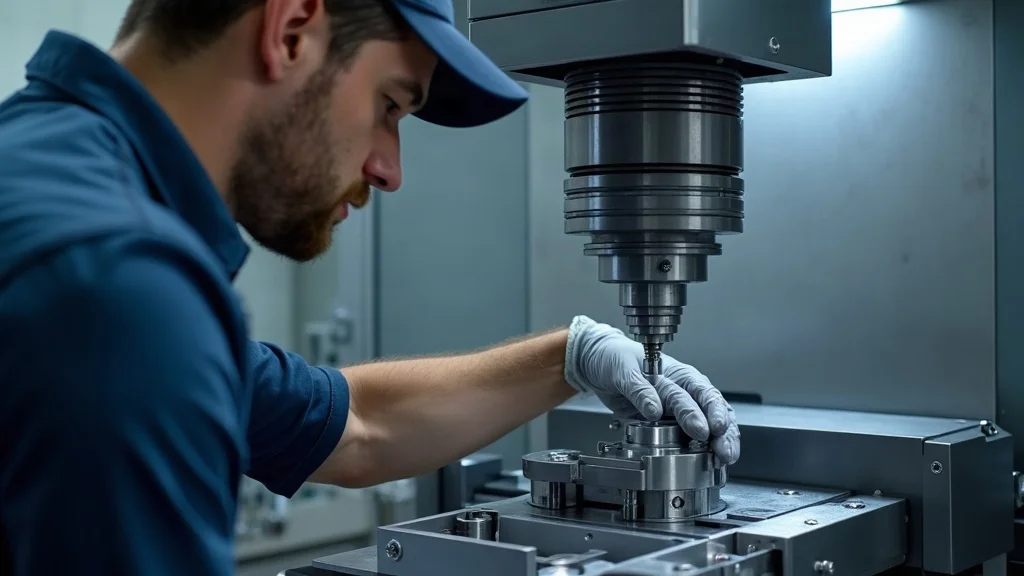
Zero-point clamping expert insights: precise clamping demonstration in advanced CNC machining

How Zero-Point Clamping Transforms Setup and Changeover Processes

With conventional fixtures, setup and changeover can be time-consuming and prone to errors due to uncertain part positioning. In contrast, zero-point clamping revolutionizes these stages by providing a known, fixed location for parts. This consistency means less manual adjustment and more predictable operations.

Dobosenski explains, “Once that raw stock is loaded into the vise, we now know where it will sit in relationship to all the axis in the machine, simplifying programming and collision prevention.” This efficiency translates into shorter machine downtime and the ability to run parts across different machines with confidence.

Maximizing Efficiency in 5-Axis Machining with Zero-Point Clamping

In the demanding environment of 5-axis machining, zero-point clamping expert insights emphasize speed and precision advantages. These intricate machines require exact workpiece placement to prevent costly collisions and optimize tool paths — something zero-point clamping delivers consistently.

Form-fit clamping technology like Makro•Grip ensures that even raw parts are held firmly and accurately. The tight integration between the raw stock’s location in the vise and its orientation within the machine envelope significantly enhances operational fluidity, enabling manufacturers to tackle complex geometries with fewer interruptions and higher precision.

Zero-point clamping expert insights: advanced 5-axis machining with form-fit clamping system

The Role of Form-Fit Clamping in Complex Milling Applications

Form-fit clamping is especially beneficial in high-precision milling or advanced 5-axis machining. The form-fit mechanism secures the workpiece based on geometric features, ensuring zero movement during machining operations. This precision reduces scrap rates and supports high-speed machining without sacrificing quality.

According to Jon Dobosenski, “Speed and, again, known locations of where that raw stock is located in the envelope of the machine and the table” create a significant competitive advantage by simplifying programming complexity and avoiding costly mistakes.
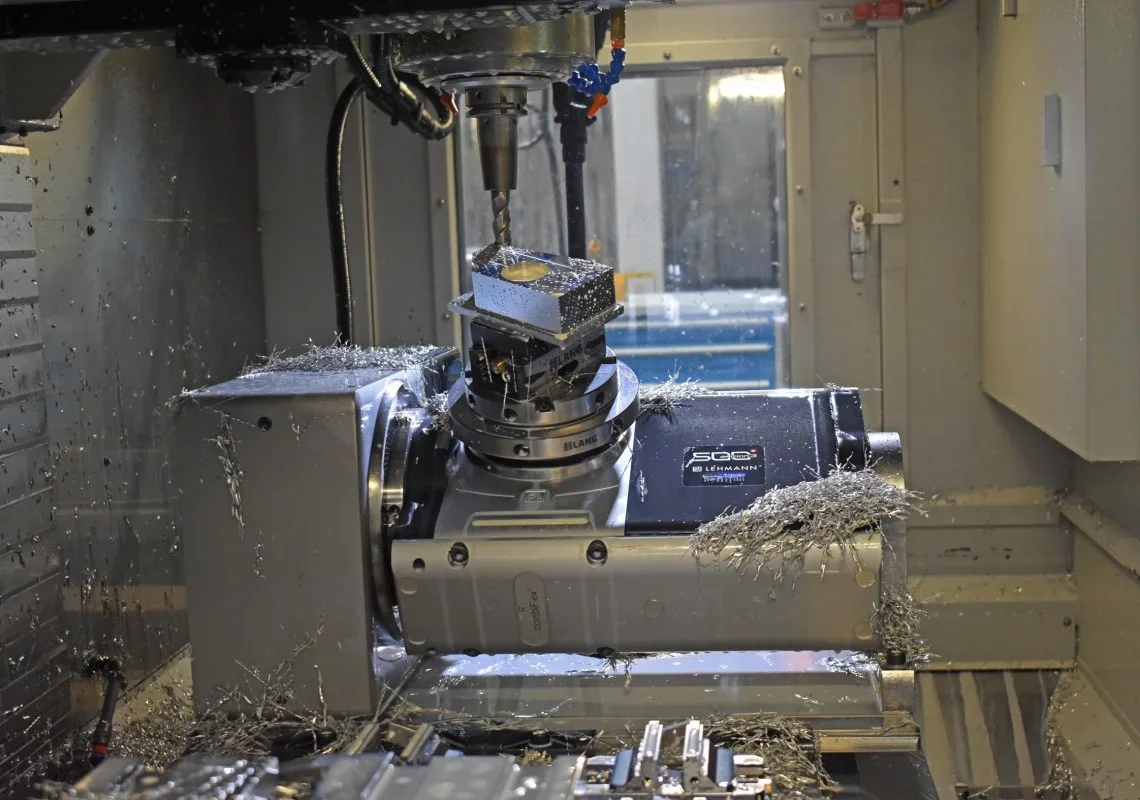
Zero-point clamping expert insights: high-speed precision machining with secure part clamping

Transitioning from Manual to Automated Workholding Systems

Machine shops contemplating a move from manual workholding to automated systems must carefully consider several factors. Previously, automation was justified mainly for large batch runs. However, modern solutions now provide flexibility to handle diverse part families and sizes within a single setup, making automation viable even for smaller production runs.

Jon Dobosenski advises, “Look at the family and size of the parts. . . if the sizes of these parts are close, you can set up long runs with the machine calling up the correct program on each vise.” This approach enhances productivity, but shops must also evaluate tool capacity, redundancy for wear, and chip management systems to ensure seamless automated workflows.

Zero-point clamping expert insights: automated workholding system in modern manufacturing facility

Key Considerations for Machine Shops Evaluating Automation

When assessing automation investment, shops should analyze part batch sizes, tooling capabilities, and the adaptability of their machining centers. Integration of zero-point clamping systems can augment automation benefits by guaranteeing precise part positioning, which is critical in unattended machining. Planning around tool wear and chip evacuation ensures continuous operation without unexpected interruptions.

Adopting automation is as much about culture as technology; it requires buy-in from all stakeholders to realize its full potential.

Tool Management and Chip Handling in Automated Setups

Optimized tool management is vital for leveraging automation benefits. Redundant tooling can mitigate wear-related downtime, while efficient chip handling prevents buildup that could disrupt operations. Zero-point clamping systems support this by maintaining part stability, which complements smooth toolpath execution and minimizes machine stoppages.

Overcoming Challenges in Unattended Machining with Zero-Point Clamping

Despite its advantages, unattended machining faces challenges predominantly from workholding and process limitations rather than automation hardware itself. Process planning, maintenance, and managing unforeseen errors remain critical factors. More importantly, successful unattended machining hinges on team preparedness and trust in the system.

Jon Dobosenski emphasizes, “You need the team to believe in the benefits and that the goal is not to eliminate jobs but to remove redundancies and foster growth.” Embracing zero-point clamping opens opportunities for employees to focus on high-value tasks, thus driving overall process improvement and innovation.

Zero-point clamping expert insights: motivated manufacturing team collaborating on process improvements

Common Workholding and Process Limitations

Some limitations that hamper unattended machining include inconsistent clamping reliability, insufficient team training, and inadequate handling of tooling or chip disposal. Addressing these factors upfront maximizes zero-point clamping system efficiency and improves long-term ROI.

The Importance of Team Buy-In and Process Innovation

Manufacturing leaders must foster a culture of continuous improvement and open communication. Educating and involving machine operators and engineers in the benefits and operation of zero-point clamping encourages adoption and helps overcome skepticism or resistance to new technologies.

What You'll Learn: Key Benefits and Best Practices of Zero-Point Clamping

  • How zero-point clamping ensures precise and repeatable part positioning

  • The impact on reducing setup times and increasing machine uptime

  • Advantages in programming and collision avoidance for complex parts

  • Strategies for integrating automation with zero-point clamping

  • Overcoming common challenges in unattended machining environments

Frequently Asked Questions About Zero-Point Clamping Expert Insights

How does zero-point clamping improve machining accuracy?

  • Zero-point clamping provides a fixed reference point, ensuring consistent part location and reducing errors during setup.

Can zero-point clamping be used with automated machining systems?

  • Yes, it is often the first step into automation, allowing for efficient program management and tool changes.

What are the main challenges when adopting zero-point clamping?

  • Challenges include team adaptation, process planning, and ensuring compatibility with existing equipment.

Common Misconceptions and Mistakes in Zero-Point Clamping Implementation
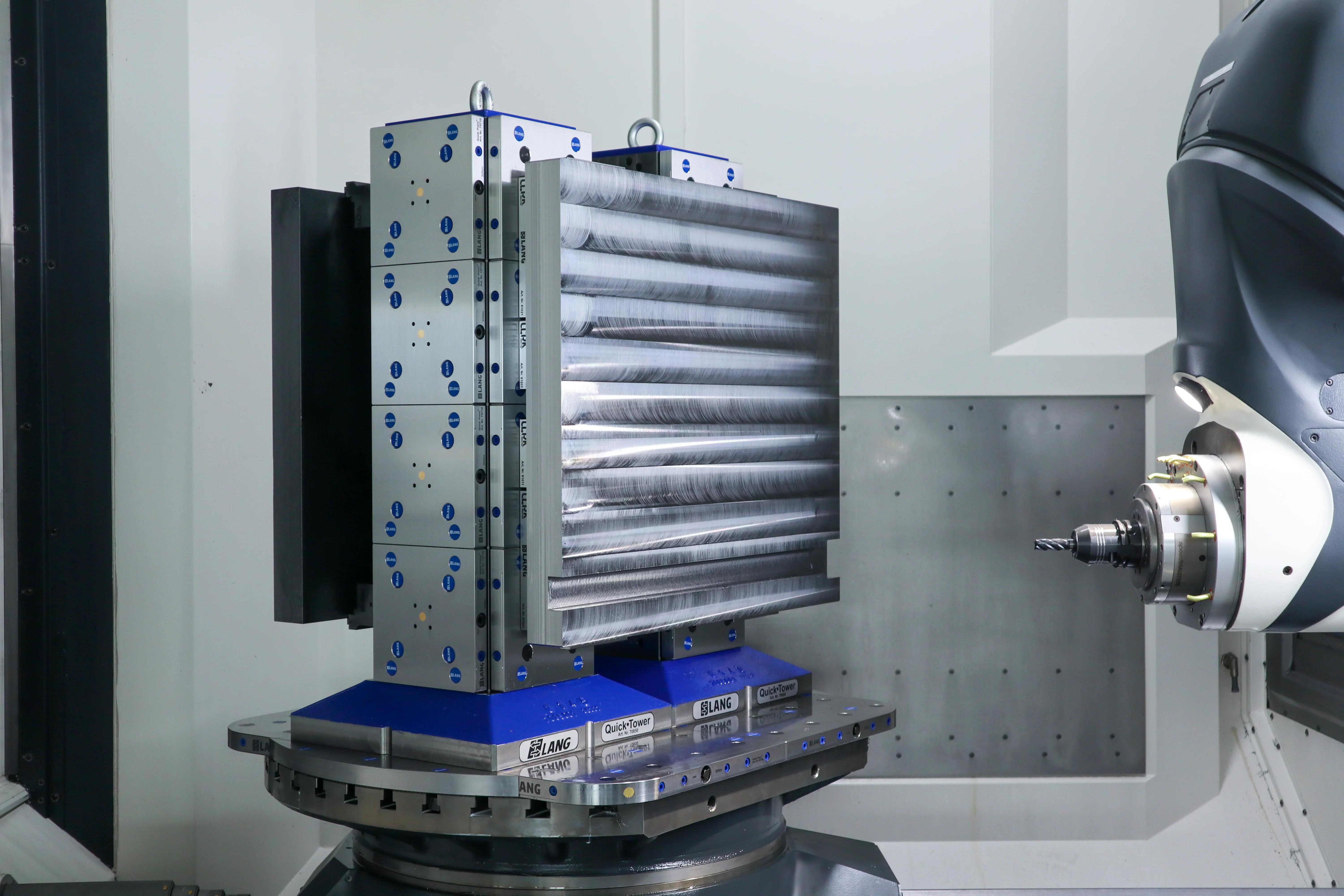
Zero-point clamping expert insights: supervisor training staff on clamping setups
  • Believing automation eliminates jobs rather than enhances productivity

  • Underestimating the importance of team buy-in and training

  • Ignoring tool management and chip handling considerations

Actionable Tips for Machine Shops Considering Zero-Point Clamping

  • Evaluate part families and sizes to determine automation suitability

  • Invest in team training to ensure smooth adoption

  • Plan tool and chip management strategies alongside clamping systems

  • Use software simulation to validate setups before production

Aspect

Conventional Fixturing

Zero-Point Clamping

Setup Time

Longer due to manual adjustments

Significantly reduced with fixed reference points

Repeatability

Variable, depends on operator skill

High, consistent positioning every time

Programming Complexity

Higher due to uncertain part location

Simplified with known part location

Automation Compatibility

Limited

Highly compatible and efficient

Inspection and Secondary Machining

Requires part removal

Possible without removing part from vise

Conclusion: Embracing Zero-Point Clamping for Future-Ready Manufacturing

Jon Dobosenski concludes, “Zero-point clamping is not just a tool, but a strategic advantage that empowers manufacturers to innovate and compete effectively in today’s market. ” Manufacturers ready to optimize productivity and precision should consider integrating zero-point clamping in their workflows today.

As you continue to refine your manufacturing processes, staying ahead of industry shifts is essential for long-term success. For a deeper understanding of how global trade regulations and market dynamics can influence your technology investments and operational strategies, explore Global Trade News's comprehensive coverage. Their expert insights can help you anticipate changes, identify new opportunities, and make informed decisions that keep your shop competitive. Embracing both technical innovation and market intelligence ensures your business remains agile and future-ready in a rapidly evolving manufacturing landscape.

People Also Ask

What is zero-point clamping and how does it work?

  • Zero-point clamping is a system that provides a fixed, repeatable reference point for securing parts during machining, improving accuracy and reducing setup time.

How does zero-point clamping impact machining speed?

  • By eliminating the need to reposition parts and simplifying programming, zero-point clamping significantly increases machining speed and throughput.

Is zero-point clamping suitable for all types of machining?

  • While highly beneficial for complex and 5-axis machining, suitability depends on part size, shape, and production volume.  In most cases, adding zero-point to even 3- and 4-axis machines improves setup speed and helps eliminate setup errors, while allowing more advanced applications with twin-base setups that enhance standard capabilities through repeatable, accurate positioning of the centering vises.

Have industry insights or news tips? Reach out and join our network of global trade professionals today! Schedule your interview with Global Trade News.




3 Views

Write A Comment

*
*
Please complete the captcha to submit your comment.
Related Posts All Posts
09.30.2026

Struggling with shipping rerouting? Here's the Fix Now

Imagine this: A critical shipment—vital to your production line—is suddenly rerouted due to geopolitical unrest, unexpected weather, or port congestion. Your team scrambles, costs spike, and delivery windows shrink. In today’s volatile world, shipping rerouting isn’t just an inconvenience; it’s the difference between meeting deadlines and facing costly standstills. But what if there was a way to gain control, minimize risk, and turn rerouting into a strategic advantage?Confronting Shipping Rerouting Challenges: Observations from the Global Supply ChainShipping rerouting—the sudden, often unpredictable reallocation of cargo pathways—is now a daily reality for procurement and supply chain professionals. With the increased frequency of global disruptions, manufacturers, plant managers, and operations leaders face mounting pressure to ensure continuous flow and swift problem resolution. In these turbulent times, knowing how to respond effectively can distinguish leading enterprises from those left scrambling when delays strike.The challenge is magnified by the growing complexity of global routes and the pressures placed on procurement and supply chain teams. Traditional logistics models, built for predictable flows, are buckling under new demands for resilience and flexibility. Those who drive growth now prioritize strategies focused on agility—turning to managed services and emerging technologies like agentic AI. These investments empower leading teams, enabling rapid responses to unforeseen crises, optimizing supply chains, and safeguarding competitiveness. Read on to discover the strategies, tools, and real-world insights that can help your company redefine supply chain success.What You'll LearnHow shipping rerouting is impacting supply chains todayKey considerations for manufacturers and operations leadersStrategic advantages and risks in adopting managed servicesActionable steps for leveraging agentic AI in logistics decisionsExpert insights and recent case studies in shipping reroutingUnderstanding Shipping Rerouting: Definitions and Current Business ImpactTo compete in today’s climate, it’s essential to understand what shipping rerouting means and how it immediately affects business operations. At its core, shipping rerouting refers to changing the pre-planned path of a shipment, whether due to disruption, security risk, or tactical advantage. This might sound simple, but in practice, such shifts can reverberate across the procurement and supply chain, impacting everything from cost controls to on-time production.For manufacturers, the need to adapt has never been more pressing. Real-time decision-making, often aided by agentic AI orchestration, now underpins the ability to minimize risk and automate execution. Companies deploying these strategies see measurable results—reduced turnaround times, optimized costs, and more resilient flows that help drive growth. As businesses reevaluate traditional models, integrating managed services for logistics offers a new level of control, freeing procurement teams to focus on value-driving strategies rather than the heavy lifting of day-to-day crisis management.As you consider the operational impact of rerouting, it's also important to stay informed about the latest shifts in trade regulations and market dynamics that can influence your logistics decisions. For timely updates and in-depth analysis on global trade developments, explore the resources available at Global Trade News.What Does "To Be Routed" Mean in Shipping? (People Also Ask)In shipping logistics, to be routed means assigning a precise route or path to a shipment, defining which ports, carriers, and channels it will transit before reaching its final destination. When disruptions strike—natural disasters, political unrest, or sudden demand spikes—these routes can be modified dynamically to maintain flow. For plant or operations leaders, understanding routing not only helps optimize logistics, but also builds critical resilience into procurement and supply chain processes.This simple phrase hides a complex web of real-time decisions: factoring in available capacity, port delays, and risk assessments. Agentic AI excels here, providing actionable recommendations that enhance supplier performance and facilitate rapid course corrections. For forward-thinking companies, mastering routing and rerouting is the competitive edge that sustains growth and makes supply chains future-proof.Shipping Rerouting and Supply Chain Disruption: Insights for ManufacturersModern supply chains are global, highly interconnected, and frequently subject to change. Shipping rerouting has moved from an exceptional fix to a routine necessity. For manufacturing and operations leaders, this shift means developing new strategies that connect your entire supply chain—leveraging both consulting and digital solutions to remain agile.Success in this environment comes from adopting comprehensive managed services or agentic AI-driven solutions that can automate execution, prioritize shipments, and orchestrate workflows. These tools become the engine behind every workflow, enabling procurement and supply chain teams to rapidly assess options and implement reroutes with measurable business impact. Navigating today’s disruptions isn’t just about reacting faster—it’s about building lasting impact with smarter, more connected supply chain decisions.Table: Common Shipping Rerouting Scenarios and Business ImplicationsScenarioTriggerBusiness ImplicationRecommended SolutionMaritime route closureGeopolitical conflict (e.g., Iran war, Red Sea attacks)Delays, increased costs, supply chain bottlenecksAgentic AI for real-time rerouting; managed services to coordinate multi-modal alternativesPort congestionWeather events, labor strikesMissed production deadlines, strained supplier relationshipsDynamic AI-driven route assessment, consulting and digital managed service supportSudden demand surgeMarket volatility, consumer trendsStockouts, costly rush shipmentsAutomate execution of procurement and supply chain adjustments via AICarrier failure or rerouteBankruptcies, equipment breakdownsSourcing redundancy, exposure to uninsured lossesFlexible outsourcing solutions, diversified supplier strategiesShipping Rerouting and the Iran War: Navigating Geopolitical Volatility (People Also Ask)The conflict in Iran and ongoing Red Sea disruptions have thrust shipping rerouting into the global spotlight. Manufacturers and procurement and supply chain leaders must now address not just efficiency and cost but also security and resilience. The most trafficked shipping routes—such as those passing through the Suez Canal—are under unprecedented scrutiny, with many ships rerouting to avoid conflict or piracy. This forces chain leaders to rethink how they balance risk, cost, and speed, often turning to agentic AI for rapid simulation and response.Companies with robust, flexible outsourcing or end-to-end managed services approaches are better positioned to cope. Rapid scenario assessment and real-time reallocation of resources empower organizations to respond as soon as an important announcement or threat emerges. For procurement teams, the challenge is knowing when to reroute, how to evaluate alternatives, and how to keep driving effective strategies in a world where physical and digital threats collide.Real-World Responses: How Managed Services and Agentic AI Adapt"Our supply chain resilience relied on rapid rerouting decisions—AI-powered insights made operational pivots seamless." – Operations Director, Global ManufacturerIn practice, firms investing in agentic AI orchestration and comprehensive managed services see measurable results. AI does the heavy lifting: monitoring geopolitical threats, flagging emerging bottlenecks, and surfacing recommended actions for procurement and supply chain personnel. These systems automate execution, allowing teams to focus on value-driving decisions rather than getting mired in disruption triage.Furthermore, managed services approach seamlessly integrates strategy, consulting, and digital tools—an agile toolkit for modern crises. This not only delivers a competitive edge but empowers multifaceted problem-solving, ensuring that when one route is threatened, another is ready. In today’s volatile environment, such adaptability is critical to sustaining supply chain performance and business continuity.Logistics Evolution: Agentic AI and Managed Services in Shipping ReroutingAs global disruptions grow, the evolution of logistics is being defined by the intersection of agentic AI and managed services. Agentic AI automates tedious and complex workflows, from route optimization to risk forecasting, and quickly presents actionable alternatives. For procurement and supply chain leaders, this means not only reacting faster but strategically preparing for what’s next.Managed services further enhance this advantage by offering full-spectrum support—from strategic recommendations to hands-on crisis execution. Enterprises to rapidly adapt when disruptions occur, ensure greater procurement and supply chain resilience, and gain a lasting competitive edge. The combination accelerates innovation and enables procurement teams can focus on driving effective strategies rather than routine firefighting.The Role of Agentic AI in Dynamic Shipping ReroutingAgentic AI is the driving engine behind every workflow in the most agile global supply chains today. Its orchestration capabilities allow procurement and supply chain teams to monitor real-time market signals, simulate disruptions, and implement immediate routing changes. The AI does the heavy lifting—automating tedious planning tasks, optimizing transit times, and highlighting the lowest-risk, highest-impact pathways for shipments.Smart companies leverage these AI-driven insights to not only enhance supplier performance but to anticipate risks that might otherwise derail operations. The technology’s measurable results include more predictable ETAs, reduced demurrage, and the ability to drive growth even in uncertain times. By connecting your entire supply chain through AI-powered digital tools, companies are redefining what it means to be resilient and responsive in procurement and supply chain management.Managed Services: Redefining Control in the Modern Supply ChainIn an era of shock events, managed services provide a critical safety net. Rather than rely solely on in-house resources, organizations are opting for comprehensive managed services to ensure uninterrupted procurement and supply chain performance. This approach frees key personnel to focus on long-term strategy and business growth, as managed service providers handle the rigorous coordination and troubleshooting during disruptions.These services help balance cost and efficiency with business continuity. Consulting and digital expertise combine to offer not just technical muscle, but also valuable industry insights and benchmarking. With flexible outsourcing, leading companies see measurable results—accelerated response times, mitigated risk, and the ability to gain a competitive edge even when the market landscape is always shifting. Companies are increasingly recognizing that managed services are no longer a luxury; they’re the new standard in resilient, high-performance supply chains.List: Mistakes to Avoid When Implementing Shipping Rerouting SolutionsNeglecting data integration: Siloed or outdated systems make real-time rerouting nearly impossible for procurement and supply chain teams.Overlooking end-to-end visibility: Failing to connect your entire network means delays are often compounded before they’re detected.Relying solely on manual processes: Without agentic AI orchestration, critical patterns may be missed, reducing agility and making supply chain managers reactive instead of proactive.Inadequate training and change management: Even the best technology demands adaptation—ensure cross-team buy-in and continuous learning to drive effective supply chain strategies.Ignoring vendor risk and compliance: Managed services should include supplier vetting, compliance checks, and disaster recovery to protect procurement and supply chain integrity.Crucial Questions: Understanding Global Routes and Security (People Also Ask)With shifting global politics, security has become central to shipping rerouting decisions. Supply chain leaders must not only know their options but also understand the risks and opportunities in each route. Global trade now hinges on access to reliable maritime corridors, trustworthy vendors, and real-time data-driven decision-making.As disruptions continue, the ability to reroute quickly and minimize loss is tied to how well procurement and supply chain leaders understand the risks—whether they come from hostile waters, congested ports, or shifting regulatory requirements. This is where agentic AI and comprehensive managed services make a measurable difference, providing the insights needed to maintain a competitive edge.What Is the Most Trafficked Shipping Route in the World?The world’s most trafficked shipping route remains the Asia-to-Europe corridor via the Suez Canal—a vital artery for global procurement and supply chain operations. This corridor sees tens of thousands of vessels every year, acting as a lifeline for goods moving between manufacturing hubs and markets in both hemispheres. Security issues and political instability in this region have pushed shipping rerouting to the forefront for many procurement and supply chain leaders. When these routes are blocked or threatened, agentic AI and managed services allow companies to reroute quickly, minimizing costly downtime and lost business opportunities.Are Ships Still Avoiding the Red Sea?Yes, many vessels continue to avoid the Red Sea due to ongoing risks from conflict, piracy, and insurance concerns. Maritime rerouting has become routine as ship operators and procurement and supply chain strategists weigh the pros and cons of alternative passages. Rerouting around Africa adds significant transit time and operational cost, compelling chain leaders to rely on digital solutions and managed services for up-to-date intelligence and alternative routing plans. For operations and plant managers, staying informed and adaptable is critical for safeguarding both product flow and profitability.Practical Implementation: Solutions and Considerations for Shipping ReroutingPutting theory into practice, manufacturers and supply chain leaders grapple daily with how best to implement rerouting solutions. The choice between investing in in-house technology (such as agentic AI orchestration tools) or outsourcing to comprehensive managed services providers depends on a company’s scale, digital maturity, and risk profile. The most successful strategies blend consulting and digital resources, equipping procurement and supply chain teams to act both rapidly and confidently.Before diving in, it’s crucial to accurately assess network vulnerabilities, current supplier reliability, and the scalability of digital infrastructure. Flexible outsourcing models—especially those that pair managed services with AI-driven insight—grant manufacturers a competitive edge and lasting impact. The measurable results: faster crisis response, lower logistics costs, and sustained growth even in the face of market volatility.Evaluating Shipping Rerouting: Benefits, Limitations, and Typical ChallengesBenefits: Real-time rerouting increases supply chain resilience, reduces exposure to disruptions, and keeps procurement teams focused on value creation. Agentic AI orchestration helps automate execution, uncovering optimal shipping alternatives and saving valuable hours—and dollars—when it matters most.Limitations and Challenges: Technology requires strong foundational data and integration with supplier networks. Without the right consulting and digital expertise, companies risk compounding errors or missing emerging risks. Additionally, new processes demand buy-in across procurement and supply chain leaders; change management remains the linchpin for success. Cost, data compatibility, and maintaining compliance are also critical factors to consider when deploying managed services or advanced AI solutions.FAQs on Shipping Rerouting for Plant and Operations LeadersQ: How do agentic AI solutions support real-time shipping rerouting?A: Agentic AI solutions analyze live data from global ports, carriers, and market events, then automate the selection and execution of optimal reroutes. This reduces manual workload, increases accuracy, and empowers procurement and supply chain leaders to respond confidently—even during time-sensitive crises.Q: What role do managed services play when disruptions occur?A: Managed services combine consulting, digital tools, and crisis management to keep supply chains flowing smoothly. Providers handle daily logistics headaches, allowing plant and operations managers to focus on long-term planning, driving effective strategies, and measurable results.Q: What key risks should manufacturers consider in rerouting strategies?A: Beyond simple delays, companies face increasing exposure to compliance breaches, cost escalation, and lost shipments. Flexible outsourcing, robust data analytics, and cross-functional team alignment are essential to reduce risk and secure a competitive edge in international supply chain operations.A behind-the-scenes look at a logistics team strategically rerouting a cargo vessel using digital tools and real-time data feeds, showing the various steps, teamwork, vessel tracking maps, and fast-paced decision-making in a modern operations environment.Key Takeaways for Shipping Rerouting in the Evolving Supply ChainModern shipping rerouting is a strategic necessity—embrace it to gain a competitive edge.Agentic AI and managed services are redefining supply chain resilience and visibility.Invest in integration, real-time data, and strong team training to avoid costly mistakes.Partner with proven consulting and digital providers for measurable results and lasting impact.Ready to Stay Ahead? Join the Conversation with Global Trade ExpertsAre you ready to connect your entire supply chain and empower your team to make smarter, faster decisions? Have industry insights or news tips? Reach out and join our network of global trade professionals today! Schedule your interview with Global Trade News—and help shape the future of supply chain innovation.If you’re looking to deepen your understanding of how global trade trends and regulatory shifts are shaping the future of logistics, there’s a wealth of expert commentary and actionable intelligence waiting for you. By staying engaged with comprehensive industry coverage, you can anticipate disruptions, adapt your strategies, and unlock new opportunities for growth. Discover the latest insights and advanced perspectives on international markets by visiting Global Trade News—your next breakthrough in supply chain strategy could be just a click away.

09.29.2026

Avoid Delays: Choose the Right Custom Metal Fabrication Supplier

Imagine standing in a newly renovated plant, watching an assembly line grind to a halt—not because of your team, but due to late or incorrect delivery from your metal fabrication supplier. For manufacturers, plant managers, and operations leaders, the difference between a high-performing partner and a mismatched supplier can be measured not just in lost hours, but in missed revenue, eroded client trust, and spiraling costs.Introduction: Why the Right Custom Metal Fabrication Supplier Matters“In today’s fast-paced manufacturing environment, an effective custom metal fabrication supplier can be the difference between exceeding your operational deadlines or facing costly delays.”Selecting a custom metal fabrication supplier isn’t just a procurement decision—it’s a strategic partnership that drives your entire production schedule. Businesses that carefully evaluate supplier capabilities benefit from improved lead times, greater quality assurance, and operational reliability. On the other hand, misalignment with your supplier can cause extensive delays, missed deadlines, and hefty rework costs. Whether it’s custom sheet metal, laser cutting, or advanced fabrication services, aligning with the right partner is essential to meeting your exact specifications and sustaining a competitive advantage.With more manufacturers relying on quick turnarounds and integrated supply chains, choosing the right supplier becomes more than just checking a box—it’s about ensuring your metal products are delivered on time, every time. In this guide, you’ll discover what defines a reliable partner, the critical mistakes to avoid, and how technology and market trends are reshaping the way fabrication shops and clients work together.Observational Scenario: The Real Impact of Supplier Choice in Metal FabricationLet’s consider a scenario: An automotive factory gears up for a new product launch. Precision-cut custom metal components are needed for the production run, but a misaligned supplier misinterprets the specifications. This oversight leads to delays, added costs, and, ultimately, missing a critical customer deadline. Conversely, when working with a supplier experienced in sheet metal fabrication and advanced laser cutting, the company meets its lead time requirements and delivers quality products that exceed client expectations. The choice of supplier directly shapes not just immediate project outcomes, but long-term business reputation and profitability. What You’ll Learn About Custom Metal Fabrication SuppliersHow to evaluate custom metal fabrication supplier capabilitiesKey factors influencing supplier selection in sheet metal fabrication and custom metal fabricationCommon mistakes and risk factors in supplier decisionsMarket trends and technology insights for fabrication service buyersWhat Defines a Reliable Custom Metal Fabrication Supplier?A dependable custom metal fabrication supplier embodies a blend of technical experience, specialized fabrication solutions, and a record of timely project delivery. The best suppliers serve as extensions of your own team, capable of adapting to evolving project requirements—from high-volume production runs to intricate, one-off designs. Their facilities showcase not just robust sheet metal and stainless steel capabilities, but also demonstrate advanced laser cutting and digital fabrication techniques. These suppliers excel in maintaining strict quality control processes, traceability, and reliable communication, ensuring projects are completed within specified timelines and with minimal friction.Evaluating a supplier goes beyond just their catalog: It means analyzing their ability to work with a wide range of metal products, their completion of similar projects, and customer references. Only by doing so can buyers uncover a partner capable of meeting not just today’s standards, but tomorrow’s demands in metal fabrication services.Understanding Fabrication Services and CapabilitiesSheet metal expertise, stainless steel proficiency, laser cutting and advanced manufacturing techniquesModern fabrication services today encompass a spectrum of technical disciplines. From sheet metal fabrication for lightweight housing enclosures to stainless steel frames for industrial equipment, the range of services a supplier provides speaks volumes about their adaptability. Look for capabilities that include not just basic metal cutting, but also precision laser cut techniques, welding, forming, finishing, and digital integration. Experienced suppliers often invest in machinery and procedures that ensure parts meet exact specifications—critical when tolerances are tight or when unusual alloys are required for demanding applications.Additionally, an ideal supplier is proactive, continuously updating skills and technologies to offer clients custom fabrication solutions for both present and future needs. Evaluate whether their manufacturing teams can produce prototypes as well as handle large-scale production runs flexibly and efficiently.When assessing a supplier’s technical capabilities, it’s also helpful to understand how evolving trade regulations and global market shifts can impact material sourcing and lead times. For a deeper look at how these external factors influence supplier reliability, explore the latest insights on trade regulations and market trends in the manufacturing sector.Evaluating Experience and Track Record in Metal FabricationExperience is often the clearest predictor of success in custom metal fabrication. A supplier’s track record, measured by references, completed projects, and repeat business, is critical. Review their portfolio for projects similar to your own in terms of complexity and material requirements. Ask about their production run sizes and frequency—do they frequently handle orders with rapid lead times, or do they specialize in long-gestation, custom metal assemblies? The answer helps you determine operational fit and long-term reliability.A modern fabrication shop shouldn’t just tout years in business; it should share practical examples of overcoming challenges, implementing new fabrication solutions, and continuously improving quality outcomes. Transparent case studies, certifications, and testimonials are valuable indicators of a supplier’s commitment to excellence and continuous improvement. Key Selection Criteria for Your Custom Metal Fabrication SupplierMaterial handling—including custom sheet metal and stainless steelProduction capacity and lead timesQuality control in fabrication processesCertifications and standards complianceCase study: Success stories with well-chosen suppliersChoosing a supplier goes beyond price. Material handling expertise, proven production capacity, and systematic quality control are equally important. Ensure your supplier can effectively process specific metals—such as stainless steel or custom sheet metals—without losing speed or consistency in the fabrication process. Evaluate their production lead times, scalability for larger orders, and check compliance with industry certifications such as ISO, AWS, or customer-specific audit standards.A strong supplier-client partnership is built on transparency—sharing inspection procedures, offering traceability reports, and inviting site visits. When possible, review case studies of past success: These stories make it clear how a reliable supplier helped overcome tight deadlines, strict tolerances, or rapid prototyping needs. Such outcomes prove the value of investing time in supplier evaluation and reinforce the business case for rigorous due diligence.Comparing Sheet Metal Fabrication and Custom Metal Fabrication ServicesNot all fabrication services are created equal. Sheet metal fabrication services usually focus on efficient, standardized production for enclosures, panels, or brackets. In contrast, custom metal fabrication addresses complex or unique builds, often integrating multiple processes like welding, machining, and laser cutting for highly specific metal products. Understanding the distinct advantages of each approach helps manufacturers match their project requirements to the fabricator best equipped to deliver.For instance, if your project demands high precision or unusual geometries, custom fabrication offers greater design freedom but requires close coordination and experienced oversight. On the other hand, repetitive parts with less complexity may benefit from the streamlined workflow of specialized sheet metal shops.Sheet Metal vs. Custom Metal Fabrication ServicesAspectSheet Metal Fabrication ServiceCustom Metal Fabrication ServiceCore CapabilityStandardized parts, enclosures, and panelsComplex, unique, or hybrid metal productsMaterial FocusAluminum, basic steelsWide range, including specialty alloys and stainless steelProduction VolumeHigh-volume, repetitive runsLow–mid volume, project-specific runsProcess FlexibilityStreamlined for efficiencyHighly configurable for custom requirementsBest-Use ScenarioCost-effective for parts with minimal variationIdeal for prototypes, assemblies, or advanced performance needs Critical Mistakes to Avoid When Choosing a Custom Metal Fabrication SupplierIgnoring technical fit or fabrication shop competenciesUnderestimating the importance of project-specific metal fabrication processesFailing to review real-world fabrication solutionsOne of the costliest errors is underestimating the importance of technical fit. Choosing a supplier based solely on price or past relationships, rather than proven fabrication shop competencies, often leads to disappointment. Overlooking the shop’s experience with required fabrication processes—for example, assuming all shops can handle advanced laser cutting or accommodate highly specialized alloys—can result in parts that don’t meet your exact specifications or suffer from unfinished details.Additionally, failing to thoroughly review a supplier’s real-world fabrication solutions through customer testimonials, reference projects, and site visits limits your ability to gauge reliability. Take time to verify case studies and engage with companies that use the supplier’s services to understand operational strengths and any recurring pitfalls.“Many delays and budget overruns can be traced directly to supplier misalignment—not just quality or price.” — Operations Leader, Automotive IndustryThe Role of Technology: Laser Cutting, Custom Sheet Metal, and Digital Fabrication SolutionsHow Modern Fabrication Services Use Laser Cutting for PrecisionAdvanced laser cutting technologies have redefined what’s possible in metal fabrication. Capable of producing ultra-precise cuts and intricate patterns, these systems reduce waste, enhance repeatability, and open doors for innovative product design. The latest machines can swiftly process stainless steel, carbon steel, and specialty alloys, minimizing manual finishing and allowing for short lead times even on complex projects. When evaluating suppliers, inspect their laser cut capabilities—state-of-the-art equipment and expertise can directly impact your project’s cost, speed, and final fit.The adoption of digital controls paired with laser cutting in the fabrication shop means edits to specifications are implemented almost instantly, greatly improving flexibility and response time to changing client demands. The Rise of Custom Sheet Metal and Digital Fabrication ProcessIncreasingly, buyers are demanding custom solutions, driving a shift from mass production to adaptable, short-run jobs. Custom sheet metal services now leverage rapid prototyping, 3D digital modeling, and automation to shorten cycles from design to finished part. Suppliers using digital fabrication processes can more easily handle modifications, intricate geometries, and on-demand manufacturing of low-volume, project-specific metal products.The transition to digital means data can be tracked throughout each fabrication process—from order entry through production and final quality control—offering traceability and transparency that traditional methods cannot match. For buyers, this translates to fewer errors, more consistent results, and the agility needed to respond quickly to evolving market needs.Vendor Audit: What to Ask Your Prospective Custom Metal Fabrication SupplierWhich fabrication solutions and metal products does the company offer?What are their quality assurance, inspection, and traceability practices?Can they provide measurable customer outcomes or client references?Initiating a thorough vendor audit is crucial. Ask specifically about the types of fabrication solutions and metal products the company offers. A reliable supplier should be able to describe their capabilities clearly, reference past projects that match your project requirements, and demonstrate their ability to deliver on schedule. Scrutinize their approaches to quality assurance, including inspection frequencies, reporting standards, and how they ensure traceability of materials and processes throughout each production run. Insist on direct client references or measurable case studies to confirm their track record and customer satisfaction. These steps offer peace of mind and set the stage for long-term, mutually beneficial partnerships.Real-World Insights: Manufacturer Testimonials on Fabrication Service Partnerships“Switching to a supplier with robust metal fabrication services not only reduced our lead times, but also improved the consistency of our custom metal parts.” – Plant Manager, Industrial EquipmentIndustry leaders consistently highlight the value of working with suppliers who offer comprehensive metal fabrication services. They cite tangible benefits, such as improved part consistency, streamlined production schedules, and better control over the entire supply chain. Client stories emphasize that the right supplier becomes a long-term collaborator, proactively resolving issues, adapting to rapidly changing requirements, and bringing fresh insights and custom fabrication solutions to the table. These testimonials underline the need for ongoing communication, regular performance reviews, and the willingness to pivot as new technologies and market needs arise. Market Trends: The Evolution of Custom Metal Fabrication and Supplier CapabilitiesThe shift toward smarter, more agile fabrication shopsThe impact of digitalization on metal fabrication service quality and speedEmerging standards and global supply chain considerationsThe landscape of metal fabrication services is evolving rapidly. Today’s leading shops are adopting smarter, agile practices—combining robotics, predictive maintenance, and integration with digital supply chains. These advances help reduce lead time variability, support customized production, and ensure consistent quality amidst global sourcing pressures. As digitalization becomes the norm, providers deliver traceable, on-demand solutions that let buyers track orders in real time and respond quickly to demand shifts.Emerging standards—ranging from eco-friendly material sourcing to data-driven compliance—are defining new expectations for suppliers. For buyers navigating global partnerships, it’s essential to assess each supplier’s resilience, ability to adapt to supply chain disruptions, and ongoing investment in new technology platforms.Step inside a state-of-the-art fabrication facility to see advanced laser cutters, robotic welders, and digital monitoring systems working in harmony. Watch key team members operate machinery and inspect finished metal products, while onscreen overlays highlight the performance, speed, and precision offered by today’s leading fabrication services.People Also AskWhat should I look for in a custom metal fabrication supplier?Answer: Evaluate the supplier’s fabrication services—such as capabilities in sheet metal fabrication, stainless steel and laser cutting—along with their quality control processes, production capacity, and ability to meet your timeline requirements.How can I compare different fabrication services?Answer: Compare fabrication service providers based on their technical expertise, range of custom metal solutions, equipment, certifications, customer testimonials, and ability to deliver on complex fabrication solutions.FAQsWhat materials can custom metal fabrication suppliers work with?Custom metal fabrication suppliers can typically work with a wide range of materials, including aluminum, stainless steel, carbon steel, copper, and specialty alloys. Their capabilities vary, so it’s important to ensure the supplier can handle the specific materials your project requires, whether for lightweight sheet metal parts or heavy-duty assemblies. Always confirm their experience in handling your chosen metals and review sample projects for quality and longevity.How do fabrication shops ensure quality in metal fabrication?Fabrication shops maintain quality through stringent quality control processes that include regular inspections, in-process checks, and final testing. They may use certifications such as ISO or AWS as well as digital documentation to trace each part’s journey from raw material to finished product. An effective metal fabrication company will be transparent about their inspection protocols and provide full traceability for every production run.What are signs a fabrication service is not a good fit for my project?Warning signs include lack of experience with similar project requirements, poor communication, missed deadlines, and minimal transparency in quality control or material sourcing. If a supplier cannot provide references, clear examples of past work, or documentation for their certifications and process controls, it may signal they’re not the ideal match for your custom fabrication needs.Is digital fabrication changing the sheet metal and custom metal industry?Absolutely. Digital fabrication—from 3D modeling to automated laser cutting—has revolutionized how suppliers respond to custom requirements, manage lead times, and maintain production consistency. It brings efficiency to prototype development, allows for seamless modifications, and delivers higher precision across project sizes, fundamentally improving cost-effectiveness and client satisfaction.Key Takeaways for Selecting Your Next Custom Metal Fabrication SupplierPrioritize proven experience and capabilities in both traditional and advanced fabrication servicesAsk clear, technical questions—don’t settle for generic answersMatch your project scope with the supplier’s fabrication process strengths for best operational outcomesStay updated on trends such as laser cutting and digital fabrication innovations Explore how digital workflows are shortening lead times, improving quality assurance, and enabling new levels of customization across the metal fabrication industry.Next Steps: Connect with Industry Leaders in Custom Metal FabricationHave industry insights or news tips? Reach out and join our network of global trade professionals today! Schedule your interview with Global Trade News.Selecting the right custom metal fabrication supplier is a strategic decision. Leverage this guide to find a partner capable of meeting your unique needs and driving project success.As you refine your supplier selection process, remember that staying informed about the broader landscape of trade regulations and global market dynamics can give your business a decisive edge. For ongoing updates and expert perspectives on how international trends are shaping manufacturing and supply chain strategies, visit Global Trade News. By expanding your knowledge beyond fabrication techniques to include regulatory shifts and market opportunities, you’ll be better equipped to anticipate challenges and seize new growth avenues in the evolving world of custom metal fabrication.

09.28.2026

Avoid Costly Delays with the Right Plastic Injection Molding Supplier

Are your manufacturing projects at risk of falling behind schedule due to unreliable suppliers? Choosing the right plastic injection molding supplier can mean the difference between smooth production runs and costly delays that derail launches and sink profits. In this article, we break down exactly what to look for in a supplier, how to spot red flags before they halt your line, and why an informed choice leads to lasting manufacturing success. Read on for expert insights and practical steps you can use today to safeguard your operations.What You'll Learn About Choosing a Plastic Injection Molding SupplierHow selecting the right plastic injection molding supplier impacts lead times and qualityKey questions to ask potential suppliersCommon pitfalls and how to avoid project delaysExpert insights from industry leaders in plastic injection molding Understanding the Role of a Plastic Injection Molding Supplier in Manufacturing SuccessThe Importance of Supplier Choice in Preventing Project DelaysWhen it comes to manufacturing, choosing a reliable plastic injection molding supplier is not just a preference—it is a necessity. A dependable supplier brings consistent quality, on-time delivery, and smooth project management, ensuring that your product launch proceeds without last-minute hiccups or missed deadlines. Many plant managers have learned the hard way that problems with a supplier can mean slowdowns, compromised parts, or even complete line stoppages—issues that ripple through your supply chain and revenue forecasts. By selecting a supplier with proven project management protocols and stringent process controls, you effectively reduce the chances of unexpected delays and costly errors that damage your reputation and bottom line.Beyond the technical capabilities, the right supplier will prioritize proactive communication, offering you real-time updates and answers to prevent confusion before it escalates into missed milestones. Partnerships built on responsiveness and transparency are often the backbone of manufacturing projects that stay on track. Investing in this due diligence and supplier evaluation not only helps you meet immediate project timeline goals but also establishes a stable foundation for future development cycles, scaling, or new product introductions down the line.For a deeper dive into how supplier selection directly impacts your production efficiency, you may find it helpful to explore additional resources on best practices in global supply chain management. These insights can further inform your approach to building resilient partnerships and minimizing operational risks."Consistent communication and rigorous process controls from your plastic injection molding supplier are non-negotiable if you want to stay on schedule." — Operations Manager, Automotive IndustryWhere Plastic Injection Molding Suppliers Fit in Modern ManufacturingPlastic injection molding suppliers serve as a critical link in today’s high-demand, just-in-time manufacturing environments. From automotive components and consumer goods to medical devices and packaging, these specialized partners transform design concepts and material specifications into tangible, precisely engineered parts at scale. Their position in your supply chain directly affects production cycles, inventory management, and your ability to respond rapidly to changing market conditions or customer requirements.With global competition pushing delivery expectations ever tighter, manufacturers now seek suppliers who offer more than just presses and molds—they need expertise in material selection, supply chain risk management, and end-to-end production reliability. Modern injection molding partners increasingly operate as strategic advisors, collaborating from early design through final quality validation to ensure manufacturability, cost-effectiveness, and regulatory compliance before full-scale production even begins. This comprehensive role helps organizations minimize risk and empower teams to deliver top-quality products, on time, every time.Key Criteria for Evaluating a Plastic Injection Molding SupplierTechnical capability and equipment qualityMaterial knowledge and supply chain reliabilityCertifications and compliance (ISO, industry-specific)Lead time guarantees and responsivenessQuality assurance processesPrevious experience with similar projects Comparing Top Considerations When Selecting a Plastic Injection Molding SupplierCriteriaWhat to Look ForQuestions to AskTechnical CapabilityModern, well-maintained machinery and skilled techniciansWhat equipment and processes do you specialize in?Material & Supply ChainAccess to high-quality raw materials; mitigation strategies for disruptionsHow do you source materials and manage supply chain risks?CertificationsRelevant ISO or sector-specific certificationsCan you provide evidence of certifications and compliance?Lead Time & ResponsivenessReliable timelines and clear communication channelsWhat are your average lead times? How quickly do you respond?Quality AssuranceRobust inspection, testing, and documentation processesWhat is your approach to in-process and final product QA?Relevant ExperienceHistory of successful, similar projects with referencesCan you share case studies or customer testimonials?Common Mistakes to Avoid When Selecting a Plastic Injection Molding SupplierOverlooking capacity limitations and scalabilityNeglecting to assess supplier transparencyIgnoring sample validation and prototype runsUnderestimating location and logistical factors Choosing a plastic injection molding supplier requires more than a cursory glance at their machine list or website. One costly error is failing to check whether the supplier has the production capacity to handle both current orders and your future growth. If a supplier cannot scale up as your business expands, you risk supply bottlenecks that stall launches or force you to scramble for backup providers—often on less favorable terms. Equally concerning is a lack of transparency; without clear, open communication and regular status updates, small issues can quickly become full-blown delivery crises.Another pitfall is skipping sample validation and pilot runs. It’s tempting to jump straight to large-scale production to save time, but inadequate testing can result in defects, costly rework, or failed quality audits that send your timeline back to square one. Additionally, overlooking the location of your injection molding partner—especially when working across borders—may introduce unforeseen challenges with shipping times, customs delays, or escalating freight costs. Mitigating these risks starts with thorough research, site visits, and frank discussions about expectations and capabilities before committing."Choosing a supplier without scrutinizing their lead times can be the difference between a successful launch and costly downtime." — Plant Manager, Consumer GoodsFrequently Asked Questions About Plastic Injection Molding SuppliersHow do I verify the technical expertise of a plastic injection molding supplier? Start by requesting detailed documentation of the supplier’s processes, employee qualifications, and recent project examples. A reputable plastic injection molding supplier should offer plant tours, demonstrate their use of advanced molding equipment, and provide data on pass/fail rates for manufactured parts. Reviewing their portfolio and speaking with existing clients can yield critical insights into how they approach design for manufacturability, troubleshoot issues, and adapt to challenging specifications. Don’t hesitate to send sample projects or ask for prototype runs; hands-on experience and visible results are the best evidence of technical prowess.What turnaround time should I realistically expect from a plastic injection molding supplier?Turnaround times will vary based on part complexity, order volume, and current workload at the plastic injection molding supplier. For standard projects and established tooling, expect lead times ranging from a few weeks to two months. Complex custom work, intricate molds, or large-scale production often require extended planning, so be sure to clarify expected delivery dates and ask for milestone check-ins. Importantly, seek suppliers who provide written lead time guarantees and demonstrate flexibility to accommodate rush orders or shifting project priorities, ensuring your production schedule remains uninterrupted.Are certifications necessary when choosing a plastic injection molding supplier?While not strictly mandatory for every industry, ISO and sector-specific certifications are a strong signal of a supplier’s commitment to quality, safety, and traceability. A certified plastic injection molding supplier adheres to rigorous standards for material sourcing, process control, and inspection. This reduces the risk of non-conformities, recalls, and regulatory setbacks. Always ask for up-to-date certification documentation, and consider it a differentiator when comparing otherwise similar suppliers.How do logistics and supplier location affect delivery times? Supplier location can make a significant impact on your delivery timeline, especially in today’s fast-paced manufacturing environment. A plastic injection molding supplier located closer to your assembly or distribution centers can generally offer shorter and more reliable lead times, reduced freight costs, and more direct support for urgent needs. Conversely, overseas partners might introduce customs delays, language barriers, or more complex logistics. Weigh the trade-offs carefully, and be sure to factor in time zone differences, holiday schedules, and potential disruptions when planning production cycles.What red flags should I watch out for before selecting a supplier?Beware of suppliers lacking written quality policies, transparent communication, or documented production metrics. Long response times, vague lead time estimates, and an inability to validate past projects are warning signs that a plastic injection molding supplier may not deliver reliably. Also, excessive reluctance to allow site visits, or a lack of prototype sampling, could mean they are not equipped for your needs. The best partners are open, responsive, and proactive in addressing your questions and concerns.Key Takeaways for Choosing a Plastic Injection Molding SupplierA thorough vetting process prevents delays and supports long-term manufacturing successAsk for case studies and references to validate supplier claimsPrioritize suppliers with transparent communication and proven quality assurance Final Thoughts: Partnering with the Best Plastic Injection Molding Supplier"Ultimately, the plastic injection molding supplier you select becomes a strategic partner in your production process. Make the decision carefully—it impacts your whole supply chain." — Senior Procurement AnalystThe supplier you choose shapes not only your immediate project outcomes but also the long-term competitiveness of your manufacturing operation. Invest the time upfront to ensure your next partnership powers success, not setbacks.If you’re looking to expand your understanding of how supplier decisions fit into the broader landscape of global trade and manufacturing, consider exploring the latest industry trends and regulatory updates at Global Trade News. Staying informed about evolving market dynamics and compliance requirements can give your business a strategic edge, helping you anticipate challenges and seize new opportunities in the ever-changing world of international manufacturing. Take your next step toward operational excellence by tapping into expert perspectives and actionable intelligence from across the global supply chain.Ready for More Insights? Connect With Industry ExpertsHave industry insights or news tips? Reach out and join our network of global trade professionals today! Schedule your interview with Global Trade News.

Global Trade News


An educational, content-centric platform that delivers unbiased, comprehensive, and real-time regulatory news and analysis, empowering stakeholders to make informed decisions in a complex global trade environment.


Global Trade News is a subsidiary of RP Design Web Services.

COMPANY

  • Privacy Policy
  • Terms of Use
  • Advertise
  • Contact Us
  • Menu 5
  • Menu 6

AVAILABLE FROM 8AM - 5PM

City, State

Cheshire, CT

ABOUT US

A media channel that delivers the latest insights on trade regulations, import/export compliance, policy shifts, and global market trends.  Present both US and international perspectives to provide companies with a holistic view of the evolving trade landscape.

© 2026 Global Trade News All Rights Reserved. PO Box 1189 , Cheshire, CT 06410 . Contact Us . Terms of Service . Privacy Policy

eyJjb21wYW55IjoiR2xvYmFsIFRyYWRlIE5ld3MiLCJhZGRyZXNzIjoiUE8gQm94IDExODkgIiwiY2l0eSI6IkNoZXNoaXJlIiwic3RhdGUiOiJDVCIsInppcCI6IjA2NDEwIiwiZW1haWwiOiJzYWxlc0BycGRlc2lnbi5jb20iLCJ0b3MiOiJQSEErUEhOMGNtOXVaejQ4WlcwK1YyaGxiaUI1YjNVZ2MybG5iaTFwYmlCM2FYUm9JSFZ6TENCNWIzVWdZWEpsSUdkcGRtbHVaeVp1WW5Od095QjViM1Z5SUhCbGNtMXBjM05wYjI0Z1lXNWtJR052Ym5ObGJuUWdkRzhnYzJWdVpDQjViM1VnWlcxaGFXd2dZVzVrTDI5eUlGTk5VeUIwWlhoMElHMWxjM05oWjJWekxpQkNlU0JqYUdWamEybHVaeUIwYUdVZ1ZHVnliWE1nWVc1a0lFTnZibVJwZEdsdmJuTWdZbTk0SUdGdVpDQmllU0J6YVdkdWFXNW5JR2x1SUhsdmRTQmhkWFJ2YldGMGFXTmhiR3g1SUdOdmJtWnBjbTBnZEdoaGRDQjViM1VnWVdOalpYQjBJR0ZzYkNCMFpYSnRjeUJwYmlCMGFHbHpJR0ZuY21WbGJXVnVkQzQ4TDJWdFBqd3ZjM1J5YjI1blBqd3ZjRDRLQ2p4d1BqeGhJR2h5WldZOUltaDBkSEE2THk5M2QzY3VaMjl2WjJ4bExtTnZiU0krYUhSMGNEb3ZMM2QzZHk1bmIyOW5iR1V1WTI5dFBDOWhQand2Y0Q0S0NqeHdQaVp1WW5Od096d3ZjRDRLQ2p4d1BqeHpkSEp2Ym1jK1UwVlNWa2xEUlR3dmMzUnliMjVuUGp3dmNENEtDanh3UGxkbElIQnliM1pwWkdVZ1lTQnpaWEoyYVdObElIUm9ZWFFnWTNWeWNtVnVkR3g1SUdGc2JHOTNjeUI1YjNVZ2RHOGdjbVZqWldsMlpTQnlaWEYxWlhOMGN5Qm1iM0lnWm1WbFpHSmhZMnNzSUdOdmJYQmhibmtnYVc1bWIzSnRZWFJwYjI0c0lIQnliMjF2ZEdsdmJtRnNJR2x1Wm05eWJXRjBhVzl1TENCamIyMXdZVzU1SUdGc1pYSjBjeXdnWTI5MWNHOXVjeXdnWkdselkyOTFiblJ6SUdGdVpDQnZkR2hsY2lCdWIzUnBabWxqWVhScGIyNXpJSFJ2SUhsdmRYSWdaVzFoYVd3Z1lXUmtjbVZ6Y3lCaGJtUXZiM0lnWTJWc2JIVnNZWElnY0dodmJtVWdiM0lnWkdWMmFXTmxMaUJaYjNVZ2RXNWtaWEp6ZEdGdVpDQmhibVFnWVdkeVpXVWdkR2hoZENCMGFHVWdVMlZ5ZG1salpTQnBjeUJ3Y205MmFXUmxaQ0FtY1hWdmREdEJVeTFKVXlaeGRXOTBPeUJoYm1RZ2RHaGhkQ0IzWlNCaGMzTjFiV1VnYm04Z2NtVnpjRzl1YzJsaWFXeHBkSGtnWm05eUlIUm9aU0IwYVcxbGJHbHVaWE56TENCa1pXeGxkR2x2Yml3Z2JXbHpMV1JsYkdsMlpYSjVJRzl5SUdaaGFXeDFjbVVnZEc4Z2MzUnZjbVVnWVc1NUlIVnpaWElnWTI5dGJYVnVhV05oZEdsdmJuTWdiM0lnY0dWeWMyOXVZV3hwZW1GMGFXOXVJSE5sZEhScGJtZHpMand2Y0Q0S0NqeHdQbGx2ZFNCaGNtVWdjbVZ6Y0c5dWMybGliR1VnWm05eUlHOWlkR0ZwYm1sdVp5QmhZMk5sYzNNZ2RHOGdkR2hsSUZObGNuWnBZMlVnWVc1a0lIUm9ZWFFnWVdOalpYTnpJRzFoZVNCcGJuWnZiSFpsSUhSb2FYSmtJSEJoY25SNUlHWmxaWE1nS0hOMVkyZ2dZWE1nVTAxVElIUmxlSFFnYldWemMyRm5aWE1zSUVsdWRHVnlibVYwSUhObGNuWnBZMlVnY0hKdmRtbGtaWElnYjNJZ1kyVnNiSFZzWVhJZ1lXbHlkR2x0WlNCamFHRnlaMlZ6S1M0Z1dXOTFJR0Z5WlNCeVpYTndiMjV6YVdKc1pTQm1iM0lnZEdodmMyVWdabVZsY3l3Z2FXNWpiSFZrYVc1bklIUm9iM05sSUdabFpYTWdZWE56YjJOcFlYUmxaQ0IzYVhSb0lIUm9aU0JrYVhOd2JHRjVJRzl5SUdSbGJHbDJaWEo1SUc5bUlHVmhZMmdnVTAxVElIUmxlSFFnYldWemMyRm5aU0J6Wlc1MElIUnZJSGx2ZFNCaWVTQjFjeTRnU1c0Z1lXUmthWFJwYjI0c0lIbHZkU0J0ZFhOMElIQnliM1pwWkdVZ1lXNWtJR0Z5WlNCeVpYTndiMjV6YVdKc1pTQm1iM0lnWVd4c0lHVnhkV2x3YldWdWRDQnVaV05sYzNOaGNua2dkRzhnWVdOalpYTnpJSFJvWlNCVFpYSjJhV05sSUdGdVpDQnlaV05sYVhabElIUm9aU0JUVFZNZ2RHVjRkQ0J0WlhOellXZGxjeTRnVjJVZ1pHOGdibTkwSUdOb1lYSm5aU0JoYm5rZ1ptVmxjeUJtYjNJZ1pHVnNhWFpsY25rZ2IyWWdaVzFoYVd3Z2IzSWdVMDFUTGlCVWFHbHpJR2x6SUdFZ1puSmxaU0J6WlhKMmFXTmxJSEJ5YjNacFpHVmtJR0o1SUhWekxpQkliM2RsZG1WeUxDQndiR1ZoYzJVZ1kyaGxZMnNnZDJsMGFDQjViM1Z5SUdsdWRHVnlibVYwSUhObGNuWnBZMlVnY0hKdmRtbGtaWElnWVc1a0lHTmxiR3gxYkdGeUlHTmhjbkpwWlhJZ1ptOXlJR0Z1ZVNCamFHRnlaMlZ6SUhSb1lYUWdiV0Y1SUdsdVkzVnlJR0Z6SUdFZ2NtVnpkV3gwSUdaeWIyMGdjbVZqWldsMmFXNW5JR1Z0WVdsc0lHRnVaQ0JUVFZNZ2RHVjRkQ0J0WlhOellXZGxjeUIwYUdGMElIZGxJR1JsYkdsMlpYSWdkWEJ2YmlCNWIzVnlJRzl3ZEMxcGJpQmhibVFnY21WbmFYTjBjbUYwYVc5dUlIZHBkR2dnYjNWeUlHVnRZV2xzSUdGdVpDQlRUVk1nYzJWeWRtbGpaWE11SUZsdmRTQmpZVzRnWTJGdVkyVnNJR0YwSUdGdWVTQjBhVzFsTGlCS2RYTjBJSFJsZUhRZ0puRjFiM1E3VTFSUFVDWnhkVzkwT3lCMGJ5QThhR2xuYUd4cFoyaDBJR05zWVhOelBTSmpiMjF3WVc1NVVHaHZibVZWY0dSaGRHVWlQaXN4TWpBek1qY3hOems1TVR3dmFHbG5hR3hwWjJoMFBpNGdRV1owWlhJZ2VXOTFJSE5sYm1RZ2RHaGxJRk5OVXlCdFpYTnpZV2RsSUNaeGRXOTBPMU5VVDFBbWNYVnZkRHNnZEc4Z2RYTXNJSGRsSUhkcGJHd2djMlZ1WkNCNWIzVWdZVzRnVTAxVElHMWxjM05oWjJVZ2RHOGdZMjl1Wm1seWJTQjBhR0YwSUhsdmRTQm9ZWFpsSUdKbFpXNGdkVzV6ZFdKelkzSnBZbVZrTGlCQlpuUmxjaUIwYUdsekxDQjViM1VnZDJsc2JDQnVieUJzYjI1blpYSWdjbVZqWldsMlpTQlRUVk1nYldWemMyRm5aWE1nWm5KdmJTQjFjeTQ4TDNBK0NnbzhjRDQ4YzNSeWIyNW5QbGxQVlZJZ1VrVkhTVk5VVWtGVVNVOU9JRTlDVEVsSFFWUkpUMDVUUEM5emRISnZibWMrUEM5d1Bnb0tQSEErU1c0Z1kyOXVjMmxrWlhKaGRHbHZiaUJ2WmlCNWIzVnlJSFZ6WlNCdlppQjBhR1VnVTJWeWRtbGpaU3dnZVc5MUlHRm5jbVZsSUhSdk9qd3ZjRDRLQ2p4dmJENEtDVHhzYVQ1d2NtOTJhV1JsSUhSeWRXVXNJR0ZqWTNWeVlYUmxMQ0JqZFhKeVpXNTBJR0Z1WkNCamIyMXdiR1YwWlNCcGJtWnZjbTFoZEdsdmJpQmhZbTkxZENCNWIzVnljMlZzWmlCaGN5QndjbTl0Y0hSbFpDQmllU0IwYUdVZ1UyVnlkbWxqWlNZak16azdjeUJ5WldkcGMzUnlZWFJwYjI0Z1ptOXliU0FvYzNWamFDQnBibVp2Y20xaGRHbHZiaUJpWldsdVp5QjBhR1VnSm5GMWIzUTdVbVZuYVhOMGNtRjBhVzl1SUVSaGRHRW1jWFZ2ZERzcElHRnVaRHd2YkdrK0NnazhiR2srYldGcGJuUmhhVzRnWVc1a0lIQnliMjF3ZEd4NUlIVndaR0YwWlNCMGFHVWdVbVZuYVhOMGNtRjBhVzl1SUVSaGRHRWdkRzhnYTJWbGNDQnBkQ0IwY25WbExDQmhZMk4xY21GMFpTd2dZM1Z5Y21WdWRDQmhibVFnWTI5dGNHeGxkR1V1SUVsbUlIbHZkU0J3Y205MmFXUmxJR0Z1ZVNCcGJtWnZjbTFoZEdsdmJpQjBhR0YwSUdseklIVnVkSEoxWlN3Z2FXNWhZMk4xY21GMFpTd2dibTkwSUdOMWNuSmxiblFnYjNJZ2FXNWpiMjF3YkdWMFpTd2diM0lnZDJVZ2FHRjJaU0J5WldGemIyNWhZbXhsSUdkeWIzVnVaSE1nZEc4Z2MzVnpjR1ZqZENCMGFHRjBJSE4xWTJnZ2FXNW1iM0p0WVhScGIyNGdhWE1nZFc1MGNuVmxMQ0JwYm1GalkzVnlZWFJsTENCdWIzUWdZM1Z5Y21WdWRDQnZjaUJwYm1OdmJYQnNaWFJsTENCM1pTQm9ZWFpsSUhSb1pTQnlhV2RvZENCMGJ5QnpkWE53Wlc1a0lHOXlJRHh6ZEhKdmJtYytQSE53WVc0Z2MzUjViR1U5SW1OdmJHOXlPaU5HUmpBd01EQTdJajUwWlhKdGFXNWhkR1VnZVc5MWNpQmhZMk52ZFc1MEwzQnliMlpwYkdVZ1lXNWtJSEpsWm5WelpTQmhibmtnWVc1a0lHRnNiQ0JqZFhKeVpXNTBJRzl5SUdaMWRIVnlaU0IxYzJVZ2IyWWdkR2hsSUZObGNuWnBZMlVnS0c5eUlHRnVlU0J3YjNKMGFXOXVJSFJvWlhKbGIyWXBMand2YzNCaGJqNDhMM04wY205dVp6NDhMMnhwUGdvOEwyOXNQZ29LUEhBK0ptNWljM0E3UEM5d1BnbzhhR2xuYUd4cFoyaDBJR05zWVhOelBTSmpiMjF3WVc1NVRtRnRaVlZ3WkdGMFpTSStSMnh2WW1Gc0lGUnlZV1JsSUU1bGQzTThMMmhwWjJoc2FXZG9kRDQ4WW5JZ0x6NEtQR2hwWjJoc2FXZG9kQ0JqYkdGemN6MGlZMjl0Y0dGdWVVRmtaSEpsYzNOVmNHUmhkR1VpUGxCUElFSnZlQ0F4TVRnNUlDd2dRMmhsYzJocGNtVXNJRU5VSURBMk5ERXdQQzlvYVdkb2JHbG5hSFErUEdKeUlDOCtDanhvYVdkb2JHbG5hSFFnWTJ4aGMzTTlJbU52YlhCaGJubFFhRzl1WlZWd1pHRjBaU0krS3pFeU1ETXlOekUzT1RreFBDOW9hV2RvYkdsbmFIUStQR0p5SUM4K0NqeG9hV2RvYkdsbmFIUWdZMnhoYzNNOUltTnZiWEJoYm5sRmJXRnBiRlZ3WkdGMFpTSStjMkZzWlhOQWNuQmtaWE5wWjI0dVkyOXRQQzlvYVdkb2JHbG5hSFErIiwicHJpdmFjeSI6IlBIQStQSE4wY205dVp6NVFVa2xXUVVOWlBDOXpkSEp2Ym1jK1BDOXdQZ29LUEhBK1BITjBjbTl1Wno1VWFHVWdhVzVtYjNKdFlYUnBiMjRnY0hKdmRtbGtaV1FnWkhWeWFXNW5JSFJvYVhNZ2NtVm5hWE4wY21GMGFXOXVJR2x6SUd0bGNIUWdjSEpwZG1GMFpTQmhibVFnWTI5dVptbGtaVzUwYVdGc0xDQmhibVFnZDJsc2JDQnVaWFpsY2lCaVpTQmthWE4wY21saWRYUmxaQ3dnWTI5d2FXVmtMQ0J6YjJ4a0xDQjBjbUZrWldRZ2IzSWdjRzl6ZEdWa0lHbHVJR0Z1ZVNCM1lYa3NJSE5vWVhCbElHOXlJR1p2Y20wdUlGUm9hWE1nYVhNZ2IzVnlJR2QxWVhKaGJuUmxaUzQ4TDNOMGNtOXVaejQ4TDNBK0NnbzhjRDQ4YzNSeWIyNW5Qa2xPUkVWTlRrbFVXVHd2YzNSeWIyNW5Qand2Y0Q0S0NqeHdQanhsYlQ1WmIzVWdZV2R5WldVZ2RHOGdhVzVrWlcxdWFXWjVJR0Z1WkNCb2IyeGtJSFZ6TEM0Z1lXNWtJR2wwY3lCemRXSnphV1JwWVhKcFpYTXNJR0ZtWm1sc2FXRjBaWE1zSUc5bVptbGpaWEp6TENCaFoyVnVkSE1zSUdOdkxXSnlZVzVrWlhKeklHOXlJRzkwYUdWeUlIQmhjblJ1WlhKekxDQmhibVFnWlcxd2JHOTVaV1Z6TENCb1lYSnRiR1Z6Y3lCbWNtOXRJR0Z1ZVNCamJHRnBiU0J2Y2lCa1pXMWhibVFzSUdsdVkyeDFaR2x1WnlCeVpXRnpiMjVoWW14bElHRjBkRzl5Ym1WNWN5WWpNems3SUdabFpYTXNJRzFoWkdVZ1lua2dZVzU1SUhSb2FYSmtJSEJoY25SNUlHUjFaU0IwYnlCdmNpQmhjbWx6YVc1bklHOTFkQ0J2WmlCRGIyNTBaVzUwSUhsdmRTQnlaV05sYVhabExDQnpkV0p0YVhRc0lISmxjR3g1TENCd2IzTjBMQ0IwY21GdWMyMXBkQ0J2Y2lCdFlXdGxJR0YyWVdsc1lXSnNaU0IwYUhKdmRXZG9JSFJvWlNCVFpYSjJhV05sTENCNWIzVnlJSFZ6WlNCdlppQjBhR1VnVTJWeWRtbGpaU3dnZVc5MWNpQmpiMjV1WldOMGFXOXVJSFJ2SUhSb1pTQlRaWEoyYVdObExDQjViM1Z5SUhacGIyeGhkR2x2YmlCdlppQjBhR1VnVkU5VExDQnZjaUI1YjNWeUlIWnBiMnhoZEdsdmJpQnZaaUJoYm5rZ2NtbG5hSFJ6SUc5bUlHRnViM1JvWlhJdVBDOWxiVDQ4TDNBK0NnbzhjRDQ4YzNSeWIyNW5Qa1JKVTBOTVFVbE5SVklnVDBZZ1YwRlNVa0ZPVkVsRlV6d3ZjM1J5YjI1blBqd3ZjRDRLQ2p4d1BqeHpkSEp2Ym1jK1dVOVZJRVZZVUZKRlUxTk1XU0JWVGtSRlVsTlVRVTVFSUVGT1JDQkJSMUpGUlNCVVNFRlVPand2YzNSeWIyNW5Qand2Y0Q0S0NqeHZiRDRLQ1R4c2FUNVpUMVZTSUZWVFJTQlBSaUJVU0VVZ1UwVlNWa2xEUlNCSlV5QkJWQ0JaVDFWU0lGTlBURVVnVWtsVFN5NGdWRWhGSUZORlVsWkpRMFVnU1ZNZ1VGSlBWa2xFUlVRZ1QwNGdRVTRnSm5GMWIzUTdRVk1nU1ZNbWNYVnZkRHNnUVU1RUlDWnhkVzkwTzBGVElFRldRVWxNUVVKTVJTWnhkVzkwT3lCQ1FWTkpVeTRnTEM0Z1FVNUVJRlZUTENCSlZDWWpNems3VXlCRFZWTlVUMDFGVWxNc0lFVllVRkpGVTFOTVdTQkVTVk5EVEVGSlRWTWdRVXhNSUZkQlVsSkJUbFJKUlZNZ1QwWWdRVTVaSUV0SlRrUXNJRmRJUlZSSVJWSWdSVmhRVWtWVFV5QlBVaUJKVFZCTVNVVkVMQ0JKVGtOTVZVUkpUa2NzSUVKVlZDQk9UMVFnVEVsTlNWUkZSQ0JVVHlCVVNFVWdTVTFRVEVsRlJDQlhRVkpTUVU1VVNVVlRJRTlHSUUxRlVrTklRVTVVUVVKSlRFbFVXU3dnUmtsVVRrVlRVeUJHVDFJZ1FTQlFRVkpVU1VOVlRFRlNJRkJWVWxCUFUwVWdRVTVFSUU1UFRpMUpUa1pTU1U1SFJVMUZUbFF1UEM5c2FUNEtDVHhzYVQ1TlFVdEZVeUJPVHlCWFFWSlNRVTVVV1NCVVNFRlVJQ2hwS1NCVVNFVWdVMFZTVmtsRFJTQlhTVXhNSUUxRlJWUWdXVTlWVWlCU1JWRlZTVkpGVFVWT1ZGTXNJQ2hwYVNrZ1ZFaEZJRk5GVWxaSlEwVWdWMGxNVENCQ1JTQlZUa2xPVkVWU1VsVlFWRVZFTENCVVNVMUZURmtzSUZORlExVlNSU3dnVDFJZ1JWSlNUMUl0UmxKRlJTd2dLR2xwYVNrZ1ZFaEZJRkpGVTFWTVZGTWdWRWhCVkNCTlFWa2dRa1VnVDBKVVFVbE9SVVFnUmxKUFRTQlVTRVVnVlZORklFOUdJRlJJUlNCVFJWSldTVU5GSUZkSlRFd2dRa1VnUVVORFZWSkJWRVVnVDFJZ1VrVk1TVUZDVEVVc0lFRk9SQ0FvYVhZcElFRk9XU0JGVWxKUFVsTWdTVTRnVkVoRklGTlBSbFJYUVZKRklGZEpURXdnUWtVZ1EwOVNVa1ZEVkVWRUxqd3ZiR2srQ2drOGJHaytRVTVaSUUxQlZFVlNTVUZNSUVSUFYwNU1UMEZFUlVRZ1QxSWdUMVJJUlZKWFNWTkZJRTlDVkVGSlRrVkVJRlJJVWs5VlIwZ2dWRWhGSUZWVFJTQlBSaUJVU0VVZ1UwVlNWa2xEUlNCSlV5QkVUMDVGSUVGVUlGbFBWVklnVDFkT0lFUkpVME5TUlZSSlQwNGdRVTVFSUZKSlUwc2dRVTVFSUZSSVFWUWdXVTlWSUZkSlRFd2dRa1VnVTA5TVJVeFpJRkpGVTFCUFRsTkpRa3hGSUVaUFVpQkJUbGtnUkVGTlFVZEZJRlJQSUZsUFZWSWdRMDlOVUZWVVJWSWdVMWxUVkVWTklFOVNJRXhQVTFNZ1QwWWdSRUZVUVNCVVNFRlVJRkpGVTFWTVZGTWdSbEpQVFNCVVNFVWdSRTlYVGt4UFFVUWdUMFlnUVU1WklGTlZRMGdnVFVGVVJWSkpRVXd1UEM5c2FUNEtDVHhzYVQ1T1R5QkJSRlpKUTBVZ1QxSWdTVTVHVDFKTlFWUkpUMDRzSUZkSVJWUklSVklnVDFKQlRDQlBVaUJYVWtsVVZFVk9MQ0JQUWxSQlNVNUZSQ0JDV1NCWlQxVWdSbEpQVFNCUFVpQlVTRkpQVlVkSUlFOVNJRVpTVDAwZ1ZFaEZJRk5GVWxaSlEwVWdVMGhCVEV3Z1ExSkZRVlJGSUVGT1dTQlhRVkpTUVU1VVdTQk9UMVFnUlZoUVVrVlRVMHhaSUZOVVFWUkZSQ0JKVGlCVVNFVWdWRTlUTGp3dmJHaytDand2YjJ3K0NnbzhjRDQ4YzNSeWIyNW5Qa3hKVFVsVVFWUkpUMDRnVDBZZ1RFbEJRa2xNU1ZSWlBDOXpkSEp2Ym1jK1BDOXdQZ29LUEhBK1dVOVZJRVZZVUZKRlUxTk1XU0JWVGtSRlVsTlVRVTVFSUVGT1JDQkJSMUpGUlNCVVNFRlVJRUZPUkNCVFNFRk1UQ0JPVDFRZ1FrVWdURWxCUWt4RklFWlBVaUJCVGxrZ1JFbFNSVU5VTENCSlRrUkpVa1ZEVkN3Z1NVNURTVVJGVGxSQlRDd2dVMUJGUTBsQlRDd2dRMDlPVTBWUlZVVk9WRWxCVENCUFVpQkZXRVZOVUV4QlVsa2dSRUZOUVVkRlV5d2dTVTVEVEZWRVNVNUhJRUpWVkNCT1QxUWdURWxOU1ZSRlJDQlVUeXdnUkVGTlFVZEZVeUJHVDFJZ1RFOVRVeUJQUmlCUVVrOUdTVlJUTENCSFQwOUVWMGxNVEN3Z1ZWTkZMQ0JFUVZSQklFOVNJRTlVU0VWU0lFbE9WRUZPUjBsQ1RFVWdURTlUVTBWVElDaEZWa1ZPSUVsR0lFaEJVeUJDUlVWT0lFRkVWa2xUUlVRZ1QwWWdWRWhGSUZCUFUxTkpRa2xNU1ZSWklFOUdJRk5WUTBnZ1JFRk5RVWRGVXlrc0lGSkZVMVZNVkVsT1J5QkdVazlOT2p3dmNENEtDanh2YkQ0S0NUeHNhVDVVU0VVZ1ZWTkZJRTlTSUZSSVJTQkpUa0ZDU1V4SlZGa2dWRThnVlZORklGUklSU0JUUlZKV1NVTkZPend2YkdrK0NnazhiR2srVkVoRklFTlBVMVFnVDBZZ1VGSlBRMVZTUlUxRlRsUWdUMFlnVTFWQ1UxUkpWRlZVUlNCSFQwOUVVeUJCVGtRZ1UwVlNWa2xEUlZNZ1VrVlRWVXhVU1U1SElFWlNUMDBnUVU1WklFZFBUMFJUTENCRVFWUkJMQ0JKVGtaUFVrMUJWRWxQVGlCUFVpQlRSVkpXU1VORlV5QlFWVkpEU0VGVFJVUWdUMUlnVDBKVVFVbE9SVVFnVDFJZ1RVVlRVMEZIUlZNZ1VrVkRSVWxXUlVRZ1QxSWdWRkpCVGxOQlExUkpUMDVUSUVWT1ZFVlNSVVFnU1U1VVR5QlVTRkpQVlVkSUlFOVNJRVpTVDAwZ1ZFaEZJRk5GVWxaSlEwVTdQQzlzYVQ0S0NUeHNhVDVWVGtGVlZFaFBVa2xhUlVRZ1FVTkRSVk5USUZSUElFOVNJRUZNVkVWU1FWUkpUMDRnVDBZZ1dVOVZVaUJVVWtGT1UwMUpVMU5KVDA1VElFOVNJRVJCVkVFN1BDOXNhVDRLQ1R4c2FUNVRWRUZVUlUxRlRsUlRJRTlTSUVOUFRrUlZRMVFnVDBZZ1FVNVpJRlJJU1ZKRUlGQkJVbFJaSUU5T0lGUklSU0JUUlZKV1NVTkZPeUJQVWp3dmJHaytDZ2s4YkdrK1FVNVpJRTlVU0VWU0lFMUJWRlJGVWlCU1JVeEJWRWxPUnlCVVR5QlVTRVVnVTBWU1ZrbERSUzQ4TDJ4cFBnbzhMMjlzUGdvS1BIQStQSFUrUW5rZ2NtVm5hWE4wWlhKcGJtY2dZVzVrSUhOMVluTmpjbWxpYVc1bklIUnZJRzkxY2lCbGJXRnBiQ0JoYm1RZ1UwMVRJSE5sY25acFkyVXNJR0o1SUc5d2RDMXBiaXdnYjI1c2FXNWxJSEpsWjJsemRISmhkR2x2YmlCdmNpQmllU0JtYVd4c2FXNW5JRzkxZENCaElHTmhjbVFzSUNaeGRXOTBPM2x2ZFNCaFozSmxaU0IwYnlCMGFHVnpaU0JVUlZKTlV5QlBSaUJUUlZKV1NVTkZKbkYxYjNRN0lHRnVaQ0I1YjNVZ1lXTnJibTkzYkdWa1oyVWdZVzVrSUhWdVpHVnljM1JoYm1RZ2RHaGxJR0ZpYjNabElIUmxjbTF6SUc5bUlITmxjblpwWTJVZ2IzVjBiR2x1WldRZ1lXNWtJR1JsZEdGcGJHVmtJR1p2Y2lCNWIzVWdkRzlrWVhrdVBDOTFQand2Y0Q0S0NqeHdQaVp1WW5Od096d3ZjRDRLUEdocFoyaHNhV2RvZENCamJHRnpjejBpWTI5dGNHRnVlVTVoYldWVmNHUmhkR1VpUGtkc2IySmhiQ0JVY21Ga1pTQk9aWGR6UEM5b2FXZG9iR2xuYUhRK1BHSnlJQzgrQ2p4b2FXZG9iR2xuYUhRZ1kyeGhjM005SW1OdmJYQmhibmxCWkdSeVpYTnpWWEJrWVhSbElqNVFUeUJDYjNnZ01URTRPU0FzSUVOb1pYTm9hWEpsTENCRFZDQXdOalF4TUR3dmFHbG5hR3hwWjJoMFBqeGljaUF2UGdvOGFHbG5hR3hwWjJoMElHTnNZWE56UFNKamIyMXdZVzU1VUdodmJtVlZjR1JoZEdVaVBpc3hNakF6TWpjeE56azVNVHd2YUdsbmFHeHBaMmgwUGp4aWNpQXZQZ284YUdsbmFHeHBaMmgwSUdOc1lYTnpQU0pqYjIxd1lXNTVSVzFoYVd4VmNHUmhkR1VpUG5OaGJHVnpRSEp3WkdWemFXZHVMbU52YlR3dmFHbG5hR3hwWjJoMFBnPT0ifQ==

Terms of Service

Privacy Policy

Core Modal Title

Sorry, no results found

You Might Find These Articles Interesting

T
Please Check Your Email
We Will Be Following Up Shortly
*
*
*

