







Global Trade News
update
Global Trade News
update
SCHEDULE YOUR INTERVIEW 
  • Home
  • Categories
    • Policy Pulse
    • Compliance Corner
    • Market Movers
    • Supply Chain
    • Export Essentials
    • Manufacture Technology
    • Regulatory Roundup
    • Market Intelligence
    • More Spotlights
    • More Videos
  • update
  • update
  • update
  • update
  • update
  • update
  • update
August 20.2026
8 Minutes Read

Expert Insights: Selecting the Ideal Brush and Process Parameters for Gear Deburring

Gear deburring is a critical manufacturing step that ensures smooth operation, longevity, and reliability of gears. However, removing burrs without altering the precise geometry of gear teeth remains a complex challenge for many manufacturers. Today, we dive into expert advice from Larry Johnson, Senior Sales Development at Abtex, who shares professional perspectives on choosing the right abrasive brushes and fine-tuning process parameters to achieve optimal deburring results.



Understanding how to balance efficiency with precision is paramount in today's production environments. As Larry Johnson emphasizes, the selection of brushes and appropriate process control can be the difference between a flawless final product and costly rework. This comprehensive guide explores the nuances of gear deburring, covering practical tools and methods to help manufacturers enhance their processes effectively.

For manufacturers seeking to further optimize their gear finishing processes, exploring the latest developments in trade regulations and market trends can provide valuable context for equipment investments and process improvements. Discover more industry insights at Global Trade News to stay informed on factors influencing manufacturing strategies worldwide.

Understanding Gear Deburring: Importance and Challenges

What is Gear Deburring and Why is it Critical for Gear Teeth Quality?

Gear deburring refers to the process of removing unwanted burrs—small raised edges or rough spots—that form on gear teeth and surfaces during machining or manufacturing. Burrs can cause noise, premature wear, poor gear meshing, and even mechanical failure if not properly addressed.

Ensuring burr-free, precisely finished gear teeth is essential for maintaining gear teeth quality and mechanical integrity. Burrs affect not only the surface finish but can also alter the critical geometry or edge radii, which impacts function and durability. Therefore, deburring is not merely cosmetic—it is a vital step to uphold stringent quality standards in gear manufacturing.


Crisp macro view of metal gears with subtle burrs on the teeth edges showing gear deburring expert advice

Common Issues in Gear Deburring: Burrs on Flat Surfaces and Tooth Profiles

Burrs often appear in multiple locations on gears, including both the flat surfaces and the intricate tooth profiles. Because gears have complex shapes, deburring these surfaces without damaging delicate edges can be challenging. Incorrect processing may distort the tooth shape or reduce edge radii, potentially compromising gear strength and performance.

As Larry Johnson of Abtex explains, "Selecting the right brush and presenting it correctly are the most important factors for removing burrs without altering critical geometry or edge radii. " This insight highlights the delicate balance between aggressive burr removal and maintaining the gear’s original design specs.

Key Process Variables in Gear Deburring

Selecting the Right Deburring Tool and Abrasive Filament

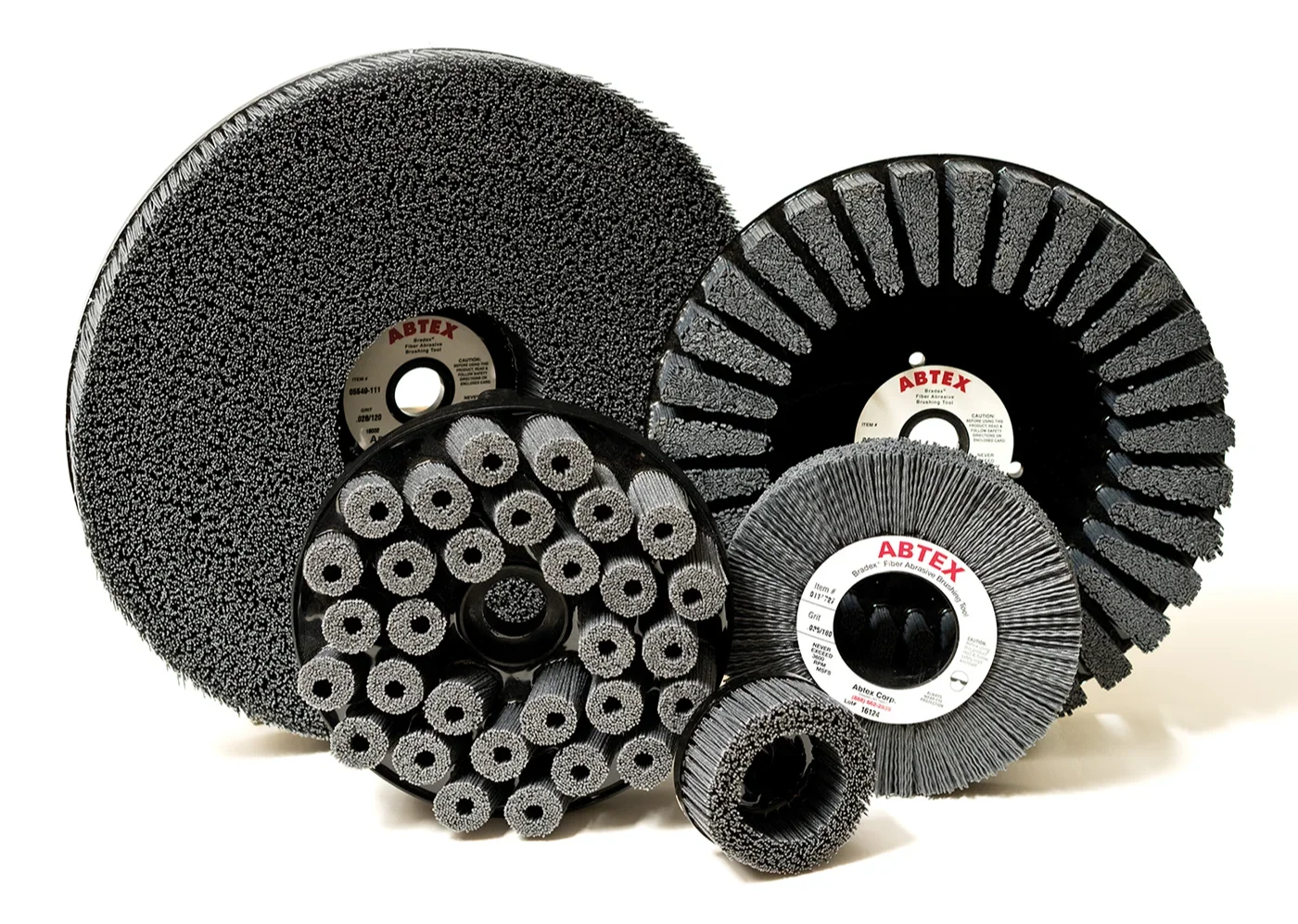
The choice of deburring tools and abrasive filaments is pivotal in achieving effective and precise burr removal. Brushes come in various filament materials and grit sizes, each suited to different gear materials and burr types. Using an abrasive filament that is too coarse may damage the gear surface, while one too fine might result in inefficient burr removal.

Larry Johnson advocates for careful selection, stating that the "abrasive filament must match the gear metallurgical properties and burr characteristics." Partnering with experienced manufacturers like Abtex, which produce both brushes and deburring systems, ensures the correct tool is chosen and tailored to specific production needs.

Optimizing Brush Speed and Cycle Time for Precision

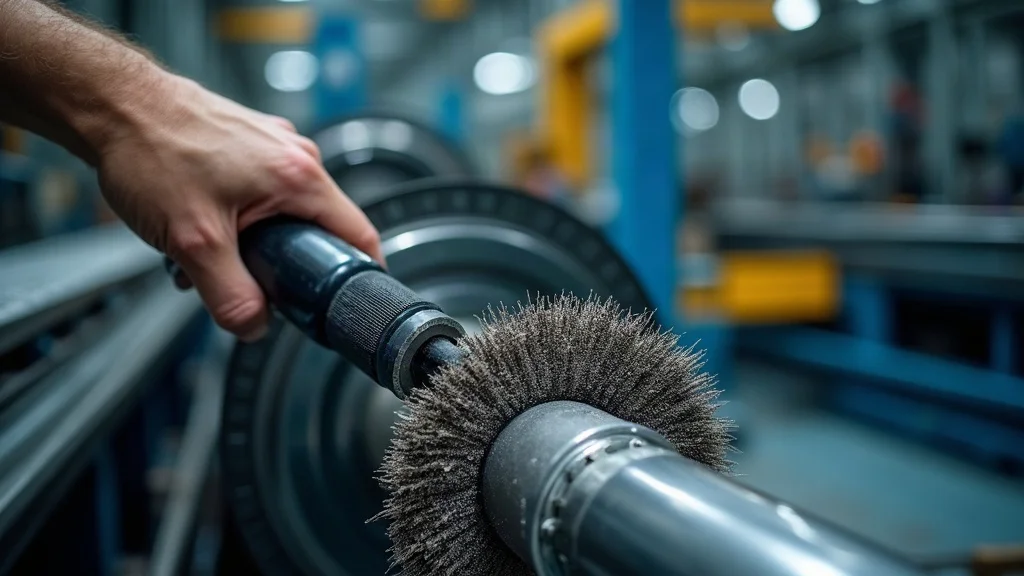
Another critical variable is the brush speed and cycle time during the deburring process. Running brushes too fast can generate excessive heat or unwanted abrasion, which risks changing gear dimensions. Conversely, insufficient speed or cycle duration leaves burrs partially removed, affecting gear performance.

Optimizing these parameters involves testing different speeds and cycle lengths while monitoring gear quality outcomes. According to Larry Johnson, "Balancing brush speed and cycle time is essential for precision, ensuring burr removal without compromising surface finish or edges. "


Dynamic close-up of an industrial deburring brush in action on a rotating gear illustrating gear deburring expert advice

Maintaining Critical Geometry and Edge Radii During Deburring

Preserving the original gear geometry is a significant challenge in deburring. Precision is required to avoid unwanted changes that affect gear meshing and load distribution. Achieving this requires the right combination of brush type, abrasive intensity, and controlled process parameters.

Larry Johnson stresses the importance of "removing burrs while maintaining the integrity of the edge radii," which ensures gears meet design tolerances. This technical sophistication ultimately supports greater gear durability and operational efficiency.

Advantages of Automated Deburring Machines and Planetary Brushing

How Planetary Brushing Ensures Consistent Results on Complex Gear Shapes

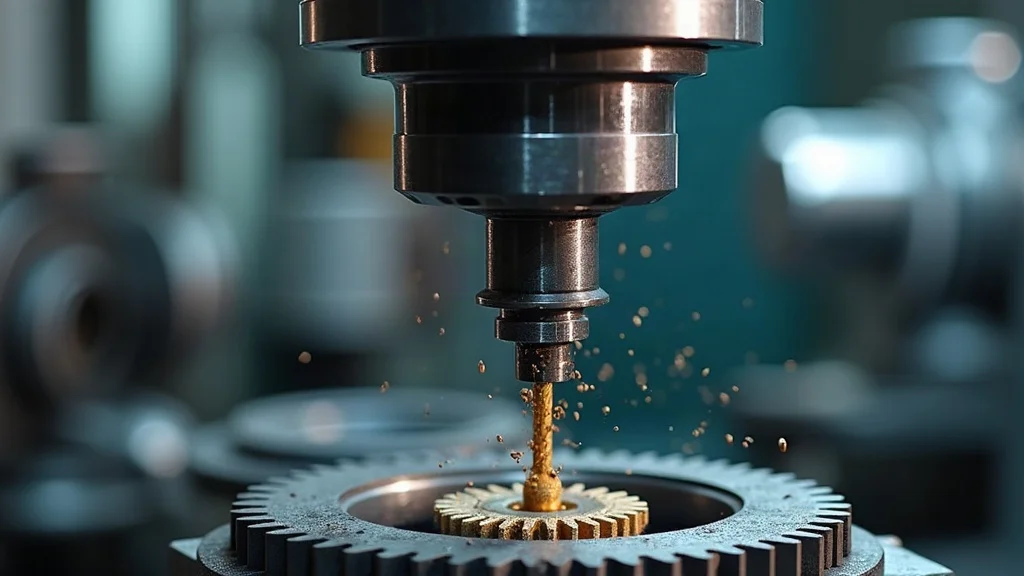
Automated deburring technologies, especially planetary brushing, have revolutionized the ability to achieve uniform burr removal on complex gear profiles. Planetary brushing involves multiple rotating brushes that move in synchronized paths, effectively reaching all gear surfaces with consistent pressure and motion.

According to Larry Johnson of Abtex, "Planetary brushing often produces the most uniform deburr results and is an in-line process." This method streamlines production by combining precision with high throughput, ideal for manufacturers requiring consistent quality across large batches.

Integrating Automated Deburring into High Production Rates

Modern manufacturers face the challenge of maintaining high production rates without sacrificing quality. Automated deburring machines, including planetary brush systems, integrate seamlessly into production lines, offering repeatability and speed that manual processes lack.

By automating burr removal, manufacturers reduce labor dependency and human error, while achieving optimal finishing standards. This scalability makes automated deburring machines invaluable in both small and large-scale operations.


Highly detailed automated deburring machine performing precise gear brushing demonstrating gear deburring expert advice

Developing a New Automated Deburring Process: Expert Recommendations

Determining the Right Abrasive Filament and Grit for Specific Gear Types

When developing a new deburring process, selecting the abrasive filament and grit requires an understanding of the gear material, burr type, and geometry. Testing a variety of filaments—ranging in coarseness and stiffness—helps pinpoint the optimal abrasion level that balances effectiveness and preservation of gear features.

Larry Johnson advises manufacturers to "consult with experts to determine if abrasive brush deburring is a viable solution and which parameters suit the part best," ensuring tailored and effective results.



Organized workstation displaying various abrasive filaments and brushes for gear deburring expert advice

Balancing Brush Speed and Cycle Time for Optimal Deburring

Fine-tuning brush speed and cycle time is integral to new process development. Manufacturers should proceed incrementally, adjusting speeds and durations while inspecting gear surfaces for burr removal quality and shape retention.

Proper calibration reduces the risk of over-processing and tool wear, improving overall efficiency and part quality.

Consulting with Gear Deburring Experts for Tailored Solutions

Collaborating with experts like Larry Johnson and Abtex provides invaluable guidance on brush selection, process variables, and custom system integration. Expert advice ensures solutions that align with production goals and part specifications.

Larry Johnson, Senior Sales Development at Abtex, explains, "Selecting the right brush and presenting it correctly are the most important factors for removing burrs without altering critical geometry or edge radii."

Comparing Hand Deburring and Automated Gear Deburring Machines

Pros and Cons of Hand Deburring for Gear Teeth

Hand deburring, involving manual tools, offers flexibility and is sometimes preferred for low-volume or intricate parts. It allows skilled operators to target specific burrs carefully. However, it is labor-intensive, inconsistent, and prone to human error, especially for high volumes or complex geometries.

Benefits of Using Gear Deburring Machines and CNC Machines

Automated gear deburring machines, including CNC-based solutions, provide precision, consistency, and scalability. They reduce cycle times and operator fatigue while improving part quality. The upfront investment is higher but often justified by increased throughput and repeatability.



Detailed hand deburring process on gear teeth illustrating gear deburring expert advice

Common Mistakes and Misconceptions in Gear Deburring Processes

Avoiding Damage to Gear Teeth and Maintaining Edge Radii

One common mistake is over-aggressive deburring that damages gear edges or alters radii. This mistake compromises gear performance and can lead to premature failure. Manufacturers must carefully control abrasive intensity and exposure.

Misunderstandings About Deburring Tools and Techniques

Some manufacturers incorrectly assume one brush or grit suits all gears, failing to consider material differences and burr types. Another misconception is relying solely on hand deburring when automated techniques may be better suited. Proper education and expert consultation help avoid these pitfalls.



Professional quality assurance specialist examining deburred gear highlighting gear deburring expert advice

Actionable Tips for Implementing Effective Gear Deburring

Best Practices for Selecting Deburring Tools and Parameters

  • Identify the gear material and burr characteristics before selecting a tool.

  • Test brushes with different abrasive filaments and grits.

  • Optimize brush speed and cycle time incrementally.

  • Ensure proper brush presentation and contact angle.

  • Regularly inspect gear geometry and edge radii during process validation.

Integrating Automated Deburring into Production Lines

Manufacturers should evaluate existing workflows and incorporate automated deburring where it maximizes efficiency and quality. Planetary brushing systems excel as in-line solutions that maintain steady throughput.

Larry Johnson of Abtex advises, "Planetary brushing often produces the most uniform deburr results and is an in-line process, ideal for manufacturers seeking both precision and high production rates."

People Also Ask

What is the best method for removing burrs on gear teeth without damaging them?

How does automated deburring compare to hand deburring in terms of efficiency?

Can planetary brushing be used for all types of gear shapes?

How do I choose the right abrasive filament for my gear deburring process?

What are the key factors to consider when developing a new deburring process?

Answers to People Also Ask

Best Method for Burr Removal Without Damage

The most effective method is using abrasive brush deburring carefully calibrated to the gear's material and geometry. Planetary brushing delivers uniform burr removal while preserving edge integrity, as noted by Larry Johnson.

Efficiency Comparison Between Automated and Hand Deburring

Automated deburring is generally more efficient, offering speed, consistency, and reduced labor costs compared to manual hand deburring, which is slower, less consistent, and operator-dependent.

Applicability of Planetary Brushing for Various Gear Shapes

Planetary brushing suits most complex gear shapes due to its multi-axis brush movement delivering uniform coverage. However, process parameters must be optimized per gear design.

Choosing the Right Abrasive Filament

Select filaments based on gear material hardness, burr size, and desired surface finish. Consultation with abrasive specialists ensures optimal filament selection.

Key Factors in Developing a New Deburring Process

Consider abrasive filament type, grit size, brush speed, cycle time, gear geometry, and burr characteristics. Collaboration with deburring experts like Abtex accelerates development of effective solutions.

Aspect

Hand Deburring

Automated Deburring Machines

Precision

Depends on operator skill, inconsistent

High precision, consistent results

Speed

Slow, labor-intensive

Fast, suitable for high volume

Cost

Lower initial, higher labor costs

Higher initial, lower operating costs

Scalability

Limited

Highly scalable

Damage Risk

Higher if unskilled

Lower with optimized parameters

Summary and Key Takeaways from Gear Deburring Expert Advice

Recap of Critical Process Variables and Techniques

Effective gear deburring hinges on the right abrasive brush selection, precise brush speed, cycle timing, and maintenance of gear geometry. Planetary brushing is a standout process for consistent, high-quality burr removal in complex shapes.

Expert Recommendations for Optimal Gear Deburring

Larry Johnson recommends partnering with deburring solution providers like Abtex to customize brushing parameters. Expert consultation ensures that abrasive brush deburring meets the unique demands of each gear application.

Final Thoughts and Next Steps for Gear Manufacturers

How to Leverage Expert Advice for Improved Gear Deburring

Manufacturers can improve workflow efficiency and gear quality by adopting automated deburring with expert guidance. Testing and fine-tuning process variables lay the foundation for superior results.

Contacting Abtex for Customized Deburring Solutions

Larry Johnson emphasizes, "As a manufacturer of both brushes and deburring systems, we offer solutions tailored to match customer desires and ensure the viability of abrasive brush deburring."

For tailored advice and equipment, gear manufacturers are encouraged to reach out to Abtex for consultations that align their production goals with proven deburring technologies.

As the manufacturing landscape continues to evolve, staying ahead means not only mastering technical processes like gear deburring but also understanding the broader forces shaping global trade and industry standards. For a deeper dive into the latest trends, regulatory updates, and strategic insights impacting manufacturers worldwide, visit Global Trade News. Expanding your knowledge of market dynamics and compliance can empower your business to make smarter investments and adapt proactively to change. Explore these resources to unlock new opportunities and refine your approach to operational excellence.


Engage with Industry Experts

Have industry insights or news tips? Reach out and join our network of global trade professionals today! Schedule your interview with Global Trade News.

More Spotlights

136 Views

Write A Comment

*
*
Please complete the captcha to submit your comment.
Related Posts All Posts
10.22.2026

How EU Packaging Compliance Creates Inventory Challenges for Brands

Update The EU's Packaging Rules: A Compliance FrameworkThe European Union is introducing significant regulations to streamline packaging practices across its member states. The Packaging and Packaging Waste Regulation (PPWR) will take effect starting August 12, 2026, aiming to create a more sustainable packaging ecosystem. Brands must align their packaging strategies with various mandates, including recyclability, waste reduction, and producer responsibility. However, it is essential to recognize that what really matters on the warehouse floor is the ability to manage inventory effectively to meet these compliance challenges.Navigating the Inventory ChallengeWhile designing a compliant package is a crucial first step, the real test comes in managing those packages within a warehouse setting. Companies need to have comprehensive knowledge about every stock-keeping unit (SKU)—the unique identifier that specifies the exact product. Given that compliance mandates can vary by geographical market, it's essential that warehouses can effectively distinguish products based on their compliance status to avoid costly distribution mistakes and potential fines from non-compliance.Data as the Foundation of ComplianceData integrity is vital for ensuring that the right products are dispatched to the right locations. For instance, if two versions of the same product share the same universal product code (UPC) but have different compliance statuses, having a robust inventory management system is critical. Brands must employ lot controls or create sub-SKUs to help their fulfillment teams clearly identify which product versions can ship to the EU and which cannot. Without these measures, warehouses risk confusion that can disrupt the entire supply chain.Building Robust Inventory SystemsA foundational aspect of Warehousing 101 is ensuring that each SKU retains its uniqueness throughout the supply process. Emergent packaging changes can complicate matters significantly. Brands create new lots or modify existing packaging without changing the UPC, potentially leading to issues regarding compliance within the warehouse. Consequently, companies need structured systems that empower warehouse staff to easily locate essential packaging information like composition, weight, and compliance status. Implementing advanced technology, such as enterprise resource planning (ERP) and warehouse management systems (WMS), will streamline these processes, helping brands stay compliant as they innovate continuously.Beauty Brands: A Unique Compliance DilemmaBeauty brands represent a unique segment of the industry facing significant challenges due to the myriad of product variations they handle. New shades, sizes, colors, and packaging often mean that different compliance requirements come into play. Just imagine a brand introducing a new lip gloss shade or a limited-edition gift set; compliance might not be top of mind during the exciting creative process. However, diligent record-keeping and compliance-ready packaging must be prioritized to navigate this regulatory landscape effectively.This complexity is compounded by the fact that beauty brands often rely heavily on third-party manufacturers for production and packaging. Such reliance can lead to fragmented data and inconsistent communication, making compliance an afterthought—however unintentionally. With so many variables, each introduction of a new product may introduce a host of compliance-related questions that require immediate answers.Collaboration and Communication: Essential for ComplianceEffective collaboration and communication among all stakeholders, including suppliers, manufacturers, and distribution centers, are paramount in overcoming the challenges presented by the PPWR. Each party must have access to accurate product data to mitigate headwinds that can arise from misalignment in compliance status. Regular meetings and checkpoints can serve as a forum to discuss updates or revisions related to other packaging, ensuring that everyone involved in the supply chain has a clear understanding of compliance requirements and expectations.Conclusion: Banish Compliance Chaos with DataTo truly align creative vision with compliance requirements, brands must prioritize data accuracy. Relying solely on verbal instructions or handwritten notes can lead to chaos in the warehouse, putting businesses at risk of incurring substantial penalties or damaging their reputation. With effective data management strategies that incorporate every aspect of product characteristics, brands can ensure compliance without hindering the innovation process. In summary, as the deadline for the PPWR approaches, proactive and informed companies will be better prepared to meet these new challenges, striking the right balance between creativity and compliance.

10.01.2026

Expert Insights: How Zero-Point Clamping is Revolutionizing Machine Setup

Have you ever wondered how leading manufacturers drastically reduce machining setup times while enhancing precision? Zero-point clamping might just be the game-changer your shop needs. This technology promises a new era of manufacturing efficiency and reliability.Rethinking Machine Setup: What Makes Zero-Point Clamping a Game Changer?Zero-point clamping expert insights reveal this system is transforming how manufacturers handle machine setup and changeovers. Unlike conventional fixturing, which often results in variability and longer setup times, zero-point clamping creates a fixed, repeatable reference point. This means each time raw stock is loaded, the exact position relative to the machine’s plate, vise, and risers is known with certainty. Such precision eliminates guesswork, allowing more machining operations to occur without removing the material, simplifying inspection and secondary machining processes.Jon Dobosenski, General Manager of LANG Technik USA, highlights this advantage: “With the Zero-Point system, we always know the location of the machine material in reference to the plate and also in the vise and risers.” This predictability streamlines tool programming and minimizes setup errors, resulting in increased throughput and less downtime between jobs. Understanding Zero-Point Clamping Expert InsightsAt its core, the zero-point clamping system anchors parts securely and precisely, ensuring repeatability that boosts overall machining accuracy. This reliability is especially crucial when tackling complex parts or multiple setups across machines. The system’s form-fit clamping style, like the Makro•Grip system, combines speed with precise positioning, essential for five-axis machining or intricate milling operations requiring tight tolerances.Manufacturers benefit from a faster, more efficient workflow, as the clamping system inherently supports software-based simulation programming. This means any complex part designed can be simulated to validate collision avoidance and tool reach before production, confident that the actual part location will match the simulation.For manufacturers seeking to further streamline their setup processes, exploring the latest insights on trade regulations and market trends can provide a broader context for adopting advanced technologies like zero-point clamping. Staying informed with resources such as Global Trade News can help align your shop’s innovation strategy with evolving industry standards. How Zero-Point Clamping Transforms Setup and Changeover ProcessesWith conventional fixtures, setup and changeover can be time-consuming and prone to errors due to uncertain part positioning. In contrast, zero-point clamping revolutionizes these stages by providing a known, fixed location for parts. This consistency means less manual adjustment and more predictable operations.Dobosenski explains, “Once that raw stock is loaded into the vise, we now know where it will sit in relationship to all the axis in the machine, simplifying programming and collision prevention.” This efficiency translates into shorter machine downtime and the ability to run parts across different machines with confidence.Maximizing Efficiency in 5-Axis Machining with Zero-Point ClampingIn the demanding environment of 5-axis machining, zero-point clamping expert insights emphasize speed and precision advantages. These intricate machines require exact workpiece placement to prevent costly collisions and optimize tool paths — something zero-point clamping delivers consistently.Form-fit clamping technology like Makro•Grip ensures that even raw parts are held firmly and accurately. The tight integration between the raw stock’s location in the vise and its orientation within the machine envelope significantly enhances operational fluidity, enabling manufacturers to tackle complex geometries with fewer interruptions and higher precision. The Role of Form-Fit Clamping in Complex Milling ApplicationsForm-fit clamping is especially beneficial in high-precision milling or advanced 5-axis machining. The form-fit mechanism secures the workpiece based on geometric features, ensuring zero movement during machining operations. This precision reduces scrap rates and supports high-speed machining without sacrificing quality.According to Jon Dobosenski, “Speed and, again, known locations of where that raw stock is located in the envelope of the machine and the table” create a significant competitive advantage by simplifying programming complexity and avoiding costly mistakes. Transitioning from Manual to Automated Workholding SystemsMachine shops contemplating a move from manual workholding to automated systems must carefully consider several factors. Previously, automation was justified mainly for large batch runs. However, modern solutions now provide flexibility to handle diverse part families and sizes within a single setup, making automation viable even for smaller production runs.Jon Dobosenski advises, “Look at the family and size of the parts. . . if the sizes of these parts are close, you can set up long runs with the machine calling up the correct program on each vise.” This approach enhances productivity, but shops must also evaluate tool capacity, redundancy for wear, and chip management systems to ensure seamless automated workflows. Key Considerations for Machine Shops Evaluating AutomationWhen assessing automation investment, shops should analyze part batch sizes, tooling capabilities, and the adaptability of their machining centers. Integration of zero-point clamping systems can augment automation benefits by guaranteeing precise part positioning, which is critical in unattended machining. Planning around tool wear and chip evacuation ensures continuous operation without unexpected interruptions.Adopting automation is as much about culture as technology; it requires buy-in from all stakeholders to realize its full potential.Tool Management and Chip Handling in Automated SetupsOptimized tool management is vital for leveraging automation benefits. Redundant tooling can mitigate wear-related downtime, while efficient chip handling prevents buildup that could disrupt operations. Zero-point clamping systems support this by maintaining part stability, which complements smooth toolpath execution and minimizes machine stoppages.Overcoming Challenges in Unattended Machining with Zero-Point ClampingDespite its advantages, unattended machining faces challenges predominantly from workholding and process limitations rather than automation hardware itself. Process planning, maintenance, and managing unforeseen errors remain critical factors. More importantly, successful unattended machining hinges on team preparedness and trust in the system.Jon Dobosenski emphasizes, “You need the team to believe in the benefits and that the goal is not to eliminate jobs but to remove redundancies and foster growth.” Embracing zero-point clamping opens opportunities for employees to focus on high-value tasks, thus driving overall process improvement and innovation. Common Workholding and Process LimitationsSome limitations that hamper unattended machining include inconsistent clamping reliability, insufficient team training, and inadequate handling of tooling or chip disposal. Addressing these factors upfront maximizes zero-point clamping system efficiency and improves long-term ROI.The Importance of Team Buy-In and Process InnovationManufacturing leaders must foster a culture of continuous improvement and open communication. Educating and involving machine operators and engineers in the benefits and operation of zero-point clamping encourages adoption and helps overcome skepticism or resistance to new technologies.What You'll Learn: Key Benefits and Best Practices of Zero-Point ClampingHow zero-point clamping ensures precise and repeatable part positioningThe impact on reducing setup times and increasing machine uptimeAdvantages in programming and collision avoidance for complex partsStrategies for integrating automation with zero-point clampingOvercoming common challenges in unattended machining environmentsFrequently Asked Questions About Zero-Point Clamping Expert InsightsHow does zero-point clamping improve machining accuracy?Zero-point clamping provides a fixed reference point, ensuring consistent part location and reducing errors during setup.Can zero-point clamping be used with automated machining systems?Yes, it is often the first step into automation, allowing for efficient program management and tool changes.What are the main challenges when adopting zero-point clamping?Challenges include team adaptation, process planning, and ensuring compatibility with existing equipment.Common Misconceptions and Mistakes in Zero-Point Clamping Implementation Believing automation eliminates jobs rather than enhances productivityUnderestimating the importance of team buy-in and trainingIgnoring tool management and chip handling considerationsActionable Tips for Machine Shops Considering Zero-Point ClampingEvaluate part families and sizes to determine automation suitabilityInvest in team training to ensure smooth adoptionPlan tool and chip management strategies alongside clamping systemsUse software simulation to validate setups before productionAspectConventional FixturingZero-Point ClampingSetup TimeLonger due to manual adjustmentsSignificantly reduced with fixed reference pointsRepeatabilityVariable, depends on operator skillHigh, consistent positioning every timeProgramming ComplexityHigher due to uncertain part locationSimplified with known part locationAutomation CompatibilityLimitedHighly compatible and efficientInspection and Secondary MachiningRequires part removalPossible without removing part from viseConclusion: Embracing Zero-Point Clamping for Future-Ready ManufacturingJon Dobosenski concludes, “Zero-point clamping is not just a tool, but a strategic advantage that empowers manufacturers to innovate and compete effectively in today’s market. ” Manufacturers ready to optimize productivity and precision should consider integrating zero-point clamping in their workflows today.As you continue to refine your manufacturing processes, staying ahead of industry shifts is essential for long-term success. For a deeper understanding of how global trade regulations and market dynamics can influence your technology investments and operational strategies, explore Global Trade News's comprehensive coverage. Their expert insights can help you anticipate changes, identify new opportunities, and make informed decisions that keep your shop competitive. Embracing both technical innovation and market intelligence ensures your business remains agile and future-ready in a rapidly evolving manufacturing landscape.People Also AskWhat is zero-point clamping and how does it work?Zero-point clamping is a system that provides a fixed, repeatable reference point for securing parts during machining, improving accuracy and reducing setup time.How does zero-point clamping impact machining speed?By eliminating the need to reposition parts and simplifying programming, zero-point clamping significantly increases machining speed and throughput.Is zero-point clamping suitable for all types of machining?While highly beneficial for complex and 5-axis machining, suitability depends on part size, shape, and production volume.  In most cases, adding zero-point to even 3- and 4-axis machines improves setup speed and helps eliminate setup errors, while allowing more advanced applications with twin-base setups that enhance standard capabilities through repeatable, accurate positioning of the centering vises.Have industry insights or news tips? Reach out and join our network of global trade professionals today! Schedule your interview with Global Trade News.

07.13.2026

Rethink These Demand Forecasting Mistakes to Boost Performance

Update Introduction to Demand Forecasting Challenges Imagine trying to guess how many cookies you’ll need for a bake sale. It sounds simple, right? Yet supply chain leaders face similar challenges when predicting demand for products in a constantly changing world. Many find themselves grappling with mistakes they've made in demand forecasting, leading to missed opportunities and wasted resources. Understanding these common pitfalls will help supply chain leaders plan more effectively and ensure that they meet their customers' needs with greater precision. Over-Reliance on Historical Data One significant mistake is using only past sales data to forecast future demand. Relying solely on historical data without considering current events or market trends can lead to falling short of actual customer needs. For instance, if a favorite toy was popular last year, assuming it will be the same this year could result in a surplus of unsold inventory or, conversely, a shortage just as demand peaks. Leaders should incorporate seasonal trends, market changes, and even social media buzz to create a more complete picture. Expanding beyond just the numbers can make a world of difference in preparing for unexpected shifts. Ignoring the Voice of the Customer Another mistake is neglecting feedback from customers. Ignoring customer insights can be akin to asking kids to help make a cookie recipe but then tuning them out. It is essential to listen to what customers are saying, as their feedback can provide significant insight into purchasing behavior. Companies should create channels where customers can share their thoughts, ensuring that demand forecasts align closely with customer desires, such as surveys or interactive platforms. Recognizing the voice of the customer can turn their needs into actionable strategies. Failure to Collaborate Across Teams For many organizations, departments often operate in silos, leading to poor communication. If the marketing team knows of a big campaign coming up but doesn’t inform the supply chain team, it can lead to misalignment—resulting in either too few products on the shelves or too much inventory left over! Encouraging teamwork between departments can help address challenges and make forecasting more accurate. Regular meetings and joint planning sessions can bridge the gap, ensuring everyone is on the same page and that resource allocation is optimal. Inflexibility in Strategy Some supply chains stick rigidly to their forecasting methods, even when faced with uncertainty. Adapting to changes, such as global supply chain disruptions, is essential for modern businesses. A flexible approach means adjusting forecasts on the fly—if there's a sudden surge in demand for baking ingredients, for example, companies should be able to pivot their strategies rapidly. Just like in cooking, where one might swap chocolate chips for nuts if running low midway through a recipe, businesses need to find ways to modify their forecasts as new data comes in. Ignoring Advanced Technologies Finally, overlooking the benefits of advanced technologies can be detrimental. Innovations in artificial intelligence and big data analytics can enhance forecasting accuracy tremendously. Embracing these tools empowers supply chain leaders by providing clear insights into market trends, helping predict customer behavior more accurately. For example, AI can analyze patterns in purchasing that humans might overlook, making it easier to anticipate demand spikes. Investing in these technologies not only improves efficiency but also drives strategic decision-making that can keep businesses ahead of the competition. Conclusion: Creating a Better Forecasting Approach In summary, moving past these common mistakes in demand forecasting is crucial for success in supply chain management. By utilizing both historical data and current trends, actively listening to customers, fostering collaboration among departments, remaining flexible in their strategies, and embracing technology, leaders can refine their approach. This not only leads to better decision-making but also enhances overall customer satisfaction. The road ahead is filled with possibilities, and adapting to the new forecasting landscape will be the key to thriving in this ever-evolving marketplace. With these strategies in place, businesses can turn potential pitfalls into opportunities for growth and innovation.

cropper
update
Global Trade News
cropper
update


An educational, content-centric platform that delivers unbiased, comprehensive, and real-time regulatory news and analysis, empowering stakeholders to make informed decisions in a complex global trade environment.


Global Trade News is a subsidiary of RP Design Web Services.

  • update
  • update
  • update
  • update
  • update
  • update
  • update
  • update
  • update
  • update
  • update
  • update
  • update
  • update

COMPANY

  • Privacy Policy
  • Terms of Use
  • Advertise
  • Contact Us
  • Menu 5
  • Menu 6

AVAILABLE FROM 8AM - 5PM

City, State

Cheshire, CT

ABOUT US

A media channel that delivers the latest insights on trade regulations, import/export compliance, policy shifts, and global market trends.  Present both US and international perspectives to provide companies with a holistic view of the evolving trade landscape.

© 2026 Global Trade News All Rights Reserved. PO Box 1189 , Cheshire, CT 06410 . Contact Us . Terms of Service . Privacy Policy

eyJjb21wYW55IjoiR2xvYmFsIFRyYWRlIE5ld3MiLCJhZGRyZXNzIjoiUE8gQm94IDExODkgIiwiY2l0eSI6IkNoZXNoaXJlIiwic3RhdGUiOiJDVCIsInppcCI6IjA2NDEwIiwiZW1haWwiOiJzYWxlc0BycGRlc2lnbi5jb20iLCJ0b3MiOiJQSEErUEhOMGNtOXVaejQ4WlcwK1YyaGxiaUI1YjNVZ2MybG5iaTFwYmlCM2FYUm9JSFZ6TENCNWIzVWdZWEpsSUdkcGRtbHVaeVp1WW5Od095QjViM1Z5SUhCbGNtMXBjM05wYjI0Z1lXNWtJR052Ym5ObGJuUWdkRzhnYzJWdVpDQjViM1VnWlcxaGFXd2dZVzVrTDI5eUlGTk5VeUIwWlhoMElHMWxjM05oWjJWekxpQkNlU0JqYUdWamEybHVaeUIwYUdVZ1ZHVnliWE1nWVc1a0lFTnZibVJwZEdsdmJuTWdZbTk0SUdGdVpDQmllU0J6YVdkdWFXNW5JR2x1SUhsdmRTQmhkWFJ2YldGMGFXTmhiR3g1SUdOdmJtWnBjbTBnZEdoaGRDQjViM1VnWVdOalpYQjBJR0ZzYkNCMFpYSnRjeUJwYmlCMGFHbHpJR0ZuY21WbGJXVnVkQzQ4TDJWdFBqd3ZjM1J5YjI1blBqd3ZjRDRLQ2p4d1BqeGhJR2h5WldZOUltaDBkSEE2THk5M2QzY3VaMjl2WjJ4bExtTnZiU0krYUhSMGNEb3ZMM2QzZHk1bmIyOW5iR1V1WTI5dFBDOWhQand2Y0Q0S0NqeHdQaVp1WW5Od096d3ZjRDRLQ2p4d1BqeHpkSEp2Ym1jK1UwVlNWa2xEUlR3dmMzUnliMjVuUGp3dmNENEtDanh3UGxkbElIQnliM1pwWkdVZ1lTQnpaWEoyYVdObElIUm9ZWFFnWTNWeWNtVnVkR3g1SUdGc2JHOTNjeUI1YjNVZ2RHOGdjbVZqWldsMlpTQnlaWEYxWlhOMGN5Qm1iM0lnWm1WbFpHSmhZMnNzSUdOdmJYQmhibmtnYVc1bWIzSnRZWFJwYjI0c0lIQnliMjF2ZEdsdmJtRnNJR2x1Wm05eWJXRjBhVzl1TENCamIyMXdZVzU1SUdGc1pYSjBjeXdnWTI5MWNHOXVjeXdnWkdselkyOTFiblJ6SUdGdVpDQnZkR2hsY2lCdWIzUnBabWxqWVhScGIyNXpJSFJ2SUhsdmRYSWdaVzFoYVd3Z1lXUmtjbVZ6Y3lCaGJtUXZiM0lnWTJWc2JIVnNZWElnY0dodmJtVWdiM0lnWkdWMmFXTmxMaUJaYjNVZ2RXNWtaWEp6ZEdGdVpDQmhibVFnWVdkeVpXVWdkR2hoZENCMGFHVWdVMlZ5ZG1salpTQnBjeUJ3Y205MmFXUmxaQ0FtY1hWdmREdEJVeTFKVXlaeGRXOTBPeUJoYm1RZ2RHaGhkQ0IzWlNCaGMzTjFiV1VnYm04Z2NtVnpjRzl1YzJsaWFXeHBkSGtnWm05eUlIUm9aU0IwYVcxbGJHbHVaWE56TENCa1pXeGxkR2x2Yml3Z2JXbHpMV1JsYkdsMlpYSjVJRzl5SUdaaGFXeDFjbVVnZEc4Z2MzUnZjbVVnWVc1NUlIVnpaWElnWTI5dGJYVnVhV05oZEdsdmJuTWdiM0lnY0dWeWMyOXVZV3hwZW1GMGFXOXVJSE5sZEhScGJtZHpMand2Y0Q0S0NqeHdQbGx2ZFNCaGNtVWdjbVZ6Y0c5dWMybGliR1VnWm05eUlHOWlkR0ZwYm1sdVp5QmhZMk5sYzNNZ2RHOGdkR2hsSUZObGNuWnBZMlVnWVc1a0lIUm9ZWFFnWVdOalpYTnpJRzFoZVNCcGJuWnZiSFpsSUhSb2FYSmtJSEJoY25SNUlHWmxaWE1nS0hOMVkyZ2dZWE1nVTAxVElIUmxlSFFnYldWemMyRm5aWE1zSUVsdWRHVnlibVYwSUhObGNuWnBZMlVnY0hKdmRtbGtaWElnYjNJZ1kyVnNiSFZzWVhJZ1lXbHlkR2x0WlNCamFHRnlaMlZ6S1M0Z1dXOTFJR0Z5WlNCeVpYTndiMjV6YVdKc1pTQm1iM0lnZEdodmMyVWdabVZsY3l3Z2FXNWpiSFZrYVc1bklIUm9iM05sSUdabFpYTWdZWE56YjJOcFlYUmxaQ0IzYVhSb0lIUm9aU0JrYVhOd2JHRjVJRzl5SUdSbGJHbDJaWEo1SUc5bUlHVmhZMmdnVTAxVElIUmxlSFFnYldWemMyRm5aU0J6Wlc1MElIUnZJSGx2ZFNCaWVTQjFjeTRnU1c0Z1lXUmthWFJwYjI0c0lIbHZkU0J0ZFhOMElIQnliM1pwWkdVZ1lXNWtJR0Z5WlNCeVpYTndiMjV6YVdKc1pTQm1iM0lnWVd4c0lHVnhkV2x3YldWdWRDQnVaV05sYzNOaGNua2dkRzhnWVdOalpYTnpJSFJvWlNCVFpYSjJhV05sSUdGdVpDQnlaV05sYVhabElIUm9aU0JUVFZNZ2RHVjRkQ0J0WlhOellXZGxjeTRnVjJVZ1pHOGdibTkwSUdOb1lYSm5aU0JoYm5rZ1ptVmxjeUJtYjNJZ1pHVnNhWFpsY25rZ2IyWWdaVzFoYVd3Z2IzSWdVMDFUTGlCVWFHbHpJR2x6SUdFZ1puSmxaU0J6WlhKMmFXTmxJSEJ5YjNacFpHVmtJR0o1SUhWekxpQkliM2RsZG1WeUxDQndiR1ZoYzJVZ1kyaGxZMnNnZDJsMGFDQjViM1Z5SUdsdWRHVnlibVYwSUhObGNuWnBZMlVnY0hKdmRtbGtaWElnWVc1a0lHTmxiR3gxYkdGeUlHTmhjbkpwWlhJZ1ptOXlJR0Z1ZVNCamFHRnlaMlZ6SUhSb1lYUWdiV0Y1SUdsdVkzVnlJR0Z6SUdFZ2NtVnpkV3gwSUdaeWIyMGdjbVZqWldsMmFXNW5JR1Z0WVdsc0lHRnVaQ0JUVFZNZ2RHVjRkQ0J0WlhOellXZGxjeUIwYUdGMElIZGxJR1JsYkdsMlpYSWdkWEJ2YmlCNWIzVnlJRzl3ZEMxcGJpQmhibVFnY21WbmFYTjBjbUYwYVc5dUlIZHBkR2dnYjNWeUlHVnRZV2xzSUdGdVpDQlRUVk1nYzJWeWRtbGpaWE11SUZsdmRTQmpZVzRnWTJGdVkyVnNJR0YwSUdGdWVTQjBhVzFsTGlCS2RYTjBJSFJsZUhRZ0puRjFiM1E3VTFSUFVDWnhkVzkwT3lCMGJ5QThhR2xuYUd4cFoyaDBJR05zWVhOelBTSmpiMjF3WVc1NVVHaHZibVZWY0dSaGRHVWlQaXN4TWpBek1qY3hOems1TVR3dmFHbG5hR3hwWjJoMFBpNGdRV1owWlhJZ2VXOTFJSE5sYm1RZ2RHaGxJRk5OVXlCdFpYTnpZV2RsSUNaeGRXOTBPMU5VVDFBbWNYVnZkRHNnZEc4Z2RYTXNJSGRsSUhkcGJHd2djMlZ1WkNCNWIzVWdZVzRnVTAxVElHMWxjM05oWjJVZ2RHOGdZMjl1Wm1seWJTQjBhR0YwSUhsdmRTQm9ZWFpsSUdKbFpXNGdkVzV6ZFdKelkzSnBZbVZrTGlCQlpuUmxjaUIwYUdsekxDQjViM1VnZDJsc2JDQnVieUJzYjI1blpYSWdjbVZqWldsMlpTQlRUVk1nYldWemMyRm5aWE1nWm5KdmJTQjFjeTQ4TDNBK0NnbzhjRDQ4YzNSeWIyNW5QbGxQVlZJZ1VrVkhTVk5VVWtGVVNVOU9JRTlDVEVsSFFWUkpUMDVUUEM5emRISnZibWMrUEM5d1Bnb0tQSEErU1c0Z1kyOXVjMmxrWlhKaGRHbHZiaUJ2WmlCNWIzVnlJSFZ6WlNCdlppQjBhR1VnVTJWeWRtbGpaU3dnZVc5MUlHRm5jbVZsSUhSdk9qd3ZjRDRLQ2p4dmJENEtDVHhzYVQ1d2NtOTJhV1JsSUhSeWRXVXNJR0ZqWTNWeVlYUmxMQ0JqZFhKeVpXNTBJR0Z1WkNCamIyMXdiR1YwWlNCcGJtWnZjbTFoZEdsdmJpQmhZbTkxZENCNWIzVnljMlZzWmlCaGN5QndjbTl0Y0hSbFpDQmllU0IwYUdVZ1UyVnlkbWxqWlNZak16azdjeUJ5WldkcGMzUnlZWFJwYjI0Z1ptOXliU0FvYzNWamFDQnBibVp2Y20xaGRHbHZiaUJpWldsdVp5QjBhR1VnSm5GMWIzUTdVbVZuYVhOMGNtRjBhVzl1SUVSaGRHRW1jWFZ2ZERzcElHRnVaRHd2YkdrK0NnazhiR2srYldGcGJuUmhhVzRnWVc1a0lIQnliMjF3ZEd4NUlIVndaR0YwWlNCMGFHVWdVbVZuYVhOMGNtRjBhVzl1SUVSaGRHRWdkRzhnYTJWbGNDQnBkQ0IwY25WbExDQmhZMk4xY21GMFpTd2dZM1Z5Y21WdWRDQmhibVFnWTI5dGNHeGxkR1V1SUVsbUlIbHZkU0J3Y205MmFXUmxJR0Z1ZVNCcGJtWnZjbTFoZEdsdmJpQjBhR0YwSUdseklIVnVkSEoxWlN3Z2FXNWhZMk4xY21GMFpTd2dibTkwSUdOMWNuSmxiblFnYjNJZ2FXNWpiMjF3YkdWMFpTd2diM0lnZDJVZ2FHRjJaU0J5WldGemIyNWhZbXhsSUdkeWIzVnVaSE1nZEc4Z2MzVnpjR1ZqZENCMGFHRjBJSE4xWTJnZ2FXNW1iM0p0WVhScGIyNGdhWE1nZFc1MGNuVmxMQ0JwYm1GalkzVnlZWFJsTENCdWIzUWdZM1Z5Y21WdWRDQnZjaUJwYm1OdmJYQnNaWFJsTENCM1pTQm9ZWFpsSUhSb1pTQnlhV2RvZENCMGJ5QnpkWE53Wlc1a0lHOXlJRHh6ZEhKdmJtYytQSE53WVc0Z2MzUjViR1U5SW1OdmJHOXlPaU5HUmpBd01EQTdJajUwWlhKdGFXNWhkR1VnZVc5MWNpQmhZMk52ZFc1MEwzQnliMlpwYkdVZ1lXNWtJSEpsWm5WelpTQmhibmtnWVc1a0lHRnNiQ0JqZFhKeVpXNTBJRzl5SUdaMWRIVnlaU0IxYzJVZ2IyWWdkR2hsSUZObGNuWnBZMlVnS0c5eUlHRnVlU0J3YjNKMGFXOXVJSFJvWlhKbGIyWXBMand2YzNCaGJqNDhMM04wY205dVp6NDhMMnhwUGdvOEwyOXNQZ29LUEhBK0ptNWljM0E3UEM5d1BnbzhhR2xuYUd4cFoyaDBJR05zWVhOelBTSmpiMjF3WVc1NVRtRnRaVlZ3WkdGMFpTSStSMnh2WW1Gc0lGUnlZV1JsSUU1bGQzTThMMmhwWjJoc2FXZG9kRDQ4WW5JZ0x6NEtQR2hwWjJoc2FXZG9kQ0JqYkdGemN6MGlZMjl0Y0dGdWVVRmtaSEpsYzNOVmNHUmhkR1VpUGxCUElFSnZlQ0F4TVRnNUlDd2dRMmhsYzJocGNtVXNJRU5VSURBMk5ERXdQQzlvYVdkb2JHbG5hSFErUEdKeUlDOCtDanhvYVdkb2JHbG5hSFFnWTJ4aGMzTTlJbU52YlhCaGJubFFhRzl1WlZWd1pHRjBaU0krS3pFeU1ETXlOekUzT1RreFBDOW9hV2RvYkdsbmFIUStQR0p5SUM4K0NqeG9hV2RvYkdsbmFIUWdZMnhoYzNNOUltTnZiWEJoYm5sRmJXRnBiRlZ3WkdGMFpTSStjMkZzWlhOQWNuQmtaWE5wWjI0dVkyOXRQQzlvYVdkb2JHbG5hSFErIiwicHJpdmFjeSI6IlBIQStQSE4wY205dVp6NVFVa2xXUVVOWlBDOXpkSEp2Ym1jK1BDOXdQZ29LUEhBK1BITjBjbTl1Wno1VWFHVWdhVzVtYjNKdFlYUnBiMjRnY0hKdmRtbGtaV1FnWkhWeWFXNW5JSFJvYVhNZ2NtVm5hWE4wY21GMGFXOXVJR2x6SUd0bGNIUWdjSEpwZG1GMFpTQmhibVFnWTI5dVptbGtaVzUwYVdGc0xDQmhibVFnZDJsc2JDQnVaWFpsY2lCaVpTQmthWE4wY21saWRYUmxaQ3dnWTI5d2FXVmtMQ0J6YjJ4a0xDQjBjbUZrWldRZ2IzSWdjRzl6ZEdWa0lHbHVJR0Z1ZVNCM1lYa3NJSE5vWVhCbElHOXlJR1p2Y20wdUlGUm9hWE1nYVhNZ2IzVnlJR2QxWVhKaGJuUmxaUzQ4TDNOMGNtOXVaejQ4TDNBK0NnbzhjRDQ4YzNSeWIyNW5Qa2xPUkVWTlRrbFVXVHd2YzNSeWIyNW5Qand2Y0Q0S0NqeHdQanhsYlQ1WmIzVWdZV2R5WldVZ2RHOGdhVzVrWlcxdWFXWjVJR0Z1WkNCb2IyeGtJSFZ6TEM0Z1lXNWtJR2wwY3lCemRXSnphV1JwWVhKcFpYTXNJR0ZtWm1sc2FXRjBaWE1zSUc5bVptbGpaWEp6TENCaFoyVnVkSE1zSUdOdkxXSnlZVzVrWlhKeklHOXlJRzkwYUdWeUlIQmhjblJ1WlhKekxDQmhibVFnWlcxd2JHOTVaV1Z6TENCb1lYSnRiR1Z6Y3lCbWNtOXRJR0Z1ZVNCamJHRnBiU0J2Y2lCa1pXMWhibVFzSUdsdVkyeDFaR2x1WnlCeVpXRnpiMjVoWW14bElHRjBkRzl5Ym1WNWN5WWpNems3SUdabFpYTXNJRzFoWkdVZ1lua2dZVzU1SUhSb2FYSmtJSEJoY25SNUlHUjFaU0IwYnlCdmNpQmhjbWx6YVc1bklHOTFkQ0J2WmlCRGIyNTBaVzUwSUhsdmRTQnlaV05sYVhabExDQnpkV0p0YVhRc0lISmxjR3g1TENCd2IzTjBMQ0IwY21GdWMyMXBkQ0J2Y2lCdFlXdGxJR0YyWVdsc1lXSnNaU0IwYUhKdmRXZG9JSFJvWlNCVFpYSjJhV05sTENCNWIzVnlJSFZ6WlNCdlppQjBhR1VnVTJWeWRtbGpaU3dnZVc5MWNpQmpiMjV1WldOMGFXOXVJSFJ2SUhSb1pTQlRaWEoyYVdObExDQjViM1Z5SUhacGIyeGhkR2x2YmlCdlppQjBhR1VnVkU5VExDQnZjaUI1YjNWeUlIWnBiMnhoZEdsdmJpQnZaaUJoYm5rZ2NtbG5hSFJ6SUc5bUlHRnViM1JvWlhJdVBDOWxiVDQ4TDNBK0NnbzhjRDQ4YzNSeWIyNW5Qa1JKVTBOTVFVbE5SVklnVDBZZ1YwRlNVa0ZPVkVsRlV6d3ZjM1J5YjI1blBqd3ZjRDRLQ2p4d1BqeHpkSEp2Ym1jK1dVOVZJRVZZVUZKRlUxTk1XU0JWVGtSRlVsTlVRVTVFSUVGT1JDQkJSMUpGUlNCVVNFRlVPand2YzNSeWIyNW5Qand2Y0Q0S0NqeHZiRDRLQ1R4c2FUNVpUMVZTSUZWVFJTQlBSaUJVU0VVZ1UwVlNWa2xEUlNCSlV5QkJWQ0JaVDFWU0lGTlBURVVnVWtsVFN5NGdWRWhGSUZORlVsWkpRMFVnU1ZNZ1VGSlBWa2xFUlVRZ1QwNGdRVTRnSm5GMWIzUTdRVk1nU1ZNbWNYVnZkRHNnUVU1RUlDWnhkVzkwTzBGVElFRldRVWxNUVVKTVJTWnhkVzkwT3lCQ1FWTkpVeTRnTEM0Z1FVNUVJRlZUTENCSlZDWWpNems3VXlCRFZWTlVUMDFGVWxNc0lFVllVRkpGVTFOTVdTQkVTVk5EVEVGSlRWTWdRVXhNSUZkQlVsSkJUbFJKUlZNZ1QwWWdRVTVaSUV0SlRrUXNJRmRJUlZSSVJWSWdSVmhRVWtWVFV5QlBVaUJKVFZCTVNVVkVMQ0JKVGtOTVZVUkpUa2NzSUVKVlZDQk9UMVFnVEVsTlNWUkZSQ0JVVHlCVVNFVWdTVTFRVEVsRlJDQlhRVkpTUVU1VVNVVlRJRTlHSUUxRlVrTklRVTVVUVVKSlRFbFVXU3dnUmtsVVRrVlRVeUJHVDFJZ1FTQlFRVkpVU1VOVlRFRlNJRkJWVWxCUFUwVWdRVTVFSUU1UFRpMUpUa1pTU1U1SFJVMUZUbFF1UEM5c2FUNEtDVHhzYVQ1TlFVdEZVeUJPVHlCWFFWSlNRVTVVV1NCVVNFRlVJQ2hwS1NCVVNFVWdVMFZTVmtsRFJTQlhTVXhNSUUxRlJWUWdXVTlWVWlCU1JWRlZTVkpGVFVWT1ZGTXNJQ2hwYVNrZ1ZFaEZJRk5GVWxaSlEwVWdWMGxNVENCQ1JTQlZUa2xPVkVWU1VsVlFWRVZFTENCVVNVMUZURmtzSUZORlExVlNSU3dnVDFJZ1JWSlNUMUl0UmxKRlJTd2dLR2xwYVNrZ1ZFaEZJRkpGVTFWTVZGTWdWRWhCVkNCTlFWa2dRa1VnVDBKVVFVbE9SVVFnUmxKUFRTQlVTRVVnVlZORklFOUdJRlJJUlNCVFJWSldTVU5GSUZkSlRFd2dRa1VnUVVORFZWSkJWRVVnVDFJZ1VrVk1TVUZDVEVVc0lFRk9SQ0FvYVhZcElFRk9XU0JGVWxKUFVsTWdTVTRnVkVoRklGTlBSbFJYUVZKRklGZEpURXdnUWtVZ1EwOVNVa1ZEVkVWRUxqd3ZiR2srQ2drOGJHaytRVTVaSUUxQlZFVlNTVUZNSUVSUFYwNU1UMEZFUlVRZ1QxSWdUMVJJUlZKWFNWTkZJRTlDVkVGSlRrVkVJRlJJVWs5VlIwZ2dWRWhGSUZWVFJTQlBSaUJVU0VVZ1UwVlNWa2xEUlNCSlV5QkVUMDVGSUVGVUlGbFBWVklnVDFkT0lFUkpVME5TUlZSSlQwNGdRVTVFSUZKSlUwc2dRVTVFSUZSSVFWUWdXVTlWSUZkSlRFd2dRa1VnVTA5TVJVeFpJRkpGVTFCUFRsTkpRa3hGSUVaUFVpQkJUbGtnUkVGTlFVZEZJRlJQSUZsUFZWSWdRMDlOVUZWVVJWSWdVMWxUVkVWTklFOVNJRXhQVTFNZ1QwWWdSRUZVUVNCVVNFRlVJRkpGVTFWTVZGTWdSbEpQVFNCVVNFVWdSRTlYVGt4UFFVUWdUMFlnUVU1WklGTlZRMGdnVFVGVVJWSkpRVXd1UEM5c2FUNEtDVHhzYVQ1T1R5QkJSRlpKUTBVZ1QxSWdTVTVHVDFKTlFWUkpUMDRzSUZkSVJWUklSVklnVDFKQlRDQlBVaUJYVWtsVVZFVk9MQ0JQUWxSQlNVNUZSQ0JDV1NCWlQxVWdSbEpQVFNCUFVpQlVTRkpQVlVkSUlFOVNJRVpTVDAwZ1ZFaEZJRk5GVWxaSlEwVWdVMGhCVEV3Z1ExSkZRVlJGSUVGT1dTQlhRVkpTUVU1VVdTQk9UMVFnUlZoUVVrVlRVMHhaSUZOVVFWUkZSQ0JKVGlCVVNFVWdWRTlUTGp3dmJHaytDand2YjJ3K0NnbzhjRDQ4YzNSeWIyNW5Qa3hKVFVsVVFWUkpUMDRnVDBZZ1RFbEJRa2xNU1ZSWlBDOXpkSEp2Ym1jK1BDOXdQZ29LUEhBK1dVOVZJRVZZVUZKRlUxTk1XU0JWVGtSRlVsTlVRVTVFSUVGT1JDQkJSMUpGUlNCVVNFRlVJRUZPUkNCVFNFRk1UQ0JPVDFRZ1FrVWdURWxCUWt4RklFWlBVaUJCVGxrZ1JFbFNSVU5VTENCSlRrUkpVa1ZEVkN3Z1NVNURTVVJGVGxSQlRDd2dVMUJGUTBsQlRDd2dRMDlPVTBWUlZVVk9WRWxCVENCUFVpQkZXRVZOVUV4QlVsa2dSRUZOUVVkRlV5d2dTVTVEVEZWRVNVNUhJRUpWVkNCT1QxUWdURWxOU1ZSRlJDQlVUeXdnUkVGTlFVZEZVeUJHVDFJZ1RFOVRVeUJQUmlCUVVrOUdTVlJUTENCSFQwOUVWMGxNVEN3Z1ZWTkZMQ0JFUVZSQklFOVNJRTlVU0VWU0lFbE9WRUZPUjBsQ1RFVWdURTlUVTBWVElDaEZWa1ZPSUVsR0lFaEJVeUJDUlVWT0lFRkVWa2xUUlVRZ1QwWWdWRWhGSUZCUFUxTkpRa2xNU1ZSWklFOUdJRk5WUTBnZ1JFRk5RVWRGVXlrc0lGSkZVMVZNVkVsT1J5QkdVazlOT2p3dmNENEtDanh2YkQ0S0NUeHNhVDVVU0VVZ1ZWTkZJRTlTSUZSSVJTQkpUa0ZDU1V4SlZGa2dWRThnVlZORklGUklSU0JUUlZKV1NVTkZPend2YkdrK0NnazhiR2srVkVoRklFTlBVMVFnVDBZZ1VGSlBRMVZTUlUxRlRsUWdUMFlnVTFWQ1UxUkpWRlZVUlNCSFQwOUVVeUJCVGtRZ1UwVlNWa2xEUlZNZ1VrVlRWVXhVU1U1SElFWlNUMDBnUVU1WklFZFBUMFJUTENCRVFWUkJMQ0JKVGtaUFVrMUJWRWxQVGlCUFVpQlRSVkpXU1VORlV5QlFWVkpEU0VGVFJVUWdUMUlnVDBKVVFVbE9SVVFnVDFJZ1RVVlRVMEZIUlZNZ1VrVkRSVWxXUlVRZ1QxSWdWRkpCVGxOQlExUkpUMDVUSUVWT1ZFVlNSVVFnU1U1VVR5QlVTRkpQVlVkSUlFOVNJRVpTVDAwZ1ZFaEZJRk5GVWxaSlEwVTdQQzlzYVQ0S0NUeHNhVDVWVGtGVlZFaFBVa2xhUlVRZ1FVTkRSVk5USUZSUElFOVNJRUZNVkVWU1FWUkpUMDRnVDBZZ1dVOVZVaUJVVWtGT1UwMUpVMU5KVDA1VElFOVNJRVJCVkVFN1BDOXNhVDRLQ1R4c2FUNVRWRUZVUlUxRlRsUlRJRTlTSUVOUFRrUlZRMVFnVDBZZ1FVNVpJRlJJU1ZKRUlGQkJVbFJaSUU5T0lGUklSU0JUUlZKV1NVTkZPeUJQVWp3dmJHaytDZ2s4YkdrK1FVNVpJRTlVU0VWU0lFMUJWRlJGVWlCU1JVeEJWRWxPUnlCVVR5QlVTRVVnVTBWU1ZrbERSUzQ4TDJ4cFBnbzhMMjlzUGdvS1BIQStQSFUrUW5rZ2NtVm5hWE4wWlhKcGJtY2dZVzVrSUhOMVluTmpjbWxpYVc1bklIUnZJRzkxY2lCbGJXRnBiQ0JoYm1RZ1UwMVRJSE5sY25acFkyVXNJR0o1SUc5d2RDMXBiaXdnYjI1c2FXNWxJSEpsWjJsemRISmhkR2x2YmlCdmNpQmllU0JtYVd4c2FXNW5JRzkxZENCaElHTmhjbVFzSUNaeGRXOTBPM2x2ZFNCaFozSmxaU0IwYnlCMGFHVnpaU0JVUlZKTlV5QlBSaUJUUlZKV1NVTkZKbkYxYjNRN0lHRnVaQ0I1YjNVZ1lXTnJibTkzYkdWa1oyVWdZVzVrSUhWdVpHVnljM1JoYm1RZ2RHaGxJR0ZpYjNabElIUmxjbTF6SUc5bUlITmxjblpwWTJVZ2IzVjBiR2x1WldRZ1lXNWtJR1JsZEdGcGJHVmtJR1p2Y2lCNWIzVWdkRzlrWVhrdVBDOTFQand2Y0Q0S0NqeHdQaVp1WW5Od096d3ZjRDRLUEdocFoyaHNhV2RvZENCamJHRnpjejBpWTI5dGNHRnVlVTVoYldWVmNHUmhkR1VpUGtkc2IySmhiQ0JVY21Ga1pTQk9aWGR6UEM5b2FXZG9iR2xuYUhRK1BHSnlJQzgrQ2p4b2FXZG9iR2xuYUhRZ1kyeGhjM005SW1OdmJYQmhibmxCWkdSeVpYTnpWWEJrWVhSbElqNVFUeUJDYjNnZ01URTRPU0FzSUVOb1pYTm9hWEpsTENCRFZDQXdOalF4TUR3dmFHbG5hR3hwWjJoMFBqeGljaUF2UGdvOGFHbG5hR3hwWjJoMElHTnNZWE56UFNKamIyMXdZVzU1VUdodmJtVlZjR1JoZEdVaVBpc3hNakF6TWpjeE56azVNVHd2YUdsbmFHeHBaMmgwUGp4aWNpQXZQZ284YUdsbmFHeHBaMmgwSUdOc1lYTnpQU0pqYjIxd1lXNTVSVzFoYVd4VmNHUmhkR1VpUG5OaGJHVnpRSEp3WkdWemFXZHVMbU52YlR3dmFHbG5hR3hwWjJoMFBnPT0ifQ==

Terms of Service

Privacy Policy

Core Modal Title

Sorry, no results found

You Might Find These Articles Interesting

T
Please Check Your Email
We Will Be Following Up Shortly
*
*
*