








Global Trade News
Global Trade News
SCHEDULE YOUR INTERVIEW 
  • Home
  • Categories
    • Policy Pulse
    • Compliance Corner
    • Market Movers
    • Trade Trends
    • Export Essentials
    • Import Insights
    • Regulatory Roundup
    • Global Trade News Blog
    • More Spotlights
    • More Videos
July 07.2025
1 Minute Read

Discover How 5-Axis Precision Laser Clean Cutting Transforms Manufacturing

5-axis precision laser clean cutting, drilling and welding on metal in modern factory

Electronic Service Products

📍 Address: 126 S Turnpike Rd #2, Wallingford, CT 06492, USA

📞 Phone: +1 203-265-4167

🌐 Website: http://www.espcnc.com/

★★★★★
Rating: 0.0

Why Precision Laser Technology is Reshaping the Manufacturing Landscape

Imagine trying to shape a complex part out of hardened material, facing sharp angles and demanding tight tolerances. Conventional machining can hit a wall—literally and figuratively—when asked to cut or drill such components with speed and accuracy. In today’s era of fast-paced industrial development, manufacturers contend not only with the complexity of designs but also with the relentless demand for precision and durability. Many traditional methods fall short, resulting in compromised quality, wasted materials, and lost time. This is where 5-axis precision laser clean cutting, drilling, and welding steps in, providing solutions to challenges that once appeared insurmountable.

As industries push boundaries with advanced aerospace components, medical devices, and intricate electronics, the need for a technology that can maneuver through the toughest requirements becomes urgent. Not fully understanding or utilizing 5-axis laser solutions means exposing projects to inefficiencies, higher costs, and the real risk of falling behind competitors. For forward-thinking manufacturers, clarity on these methods is not just valuable—it’s essential for survival and advancement. Exploring how 5-axis precision laser clean cutting, drilling, and welding unlocks new possibilities will help you understand why this technology is quickly becoming a cornerstone of modern fabrication.
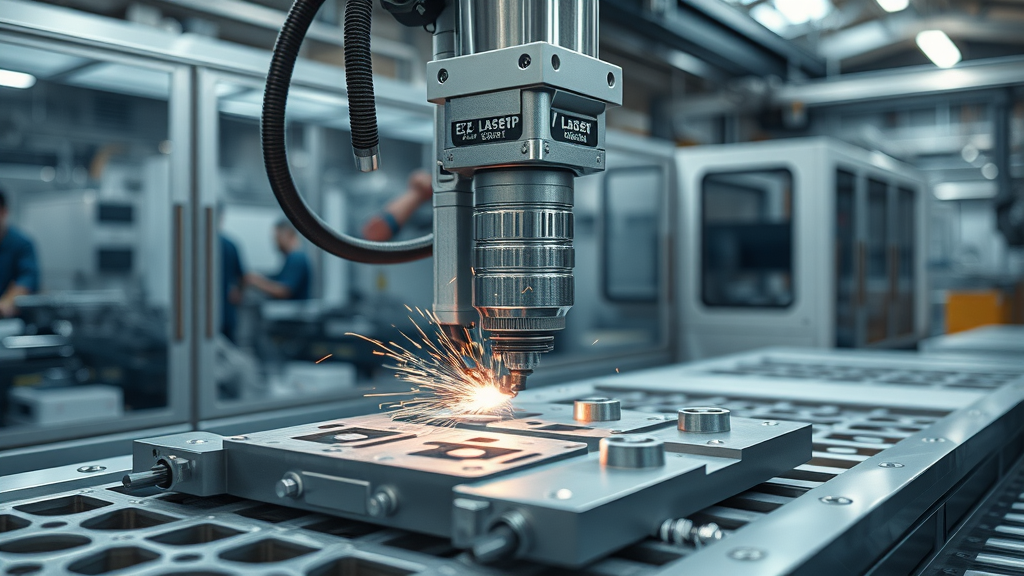
5-axis precision laser clean cutting machine performing high-tech manufacturing.

Unpacking 5-Axis Laser Clean Cutting, Drilling, and Welding: A Modern Engineering Marvel

At its core, 5-axis precision laser clean cutting involves harnessing computer-controlled lasers to make intricate cuts, drill minuscule holes, or weld with pinpoint accuracy—across five axes of movement. This multidimensional freedom enables the laser to approach the workpiece from virtually any angle, making it possible to manufacture parts that feature complex geometries, curved surfaces, or hard-to-reach spots. The result? Consistent, high-quality finishes achieved faster and with significantly less material stress compared to methods constrained by rigid, linear movement.

By integrating clean laser cutting, drilling, and welding, manufacturers can address varied application demands using a single, unified technology. Tasks like cutting intricate shapes in challenging materials, drilling precise holes at odd angles, or joining dissimilar metals become not only feasible, but repeatable at scale. These advances reduce tooling pressures—a major limitation in traditional methods—while delivering tighter tolerances and refined finishes. Ignoring the potential of 5-axis laser technology means risking outdated production processes and missing out on dramatic gains in product quality and operational flexibility.

The Transformative Benefits of Advanced Laser Techniques in Real-World Manufacturing

Drawing on significant expertise in the field, Electronic Service Products demonstrates how the application of 5-axis precision laser clean cutting, drilling, and welding directly addresses critical manufacturing headaches. For example, clean cutting with lasers allows for the creation of complex parts at any angle, across diverse materials and thicknesses that would defy or damage traditional machining. This opens new avenues for designers and engineers to realize their visions—no longer limited by the physical restrictions of conventional tools.
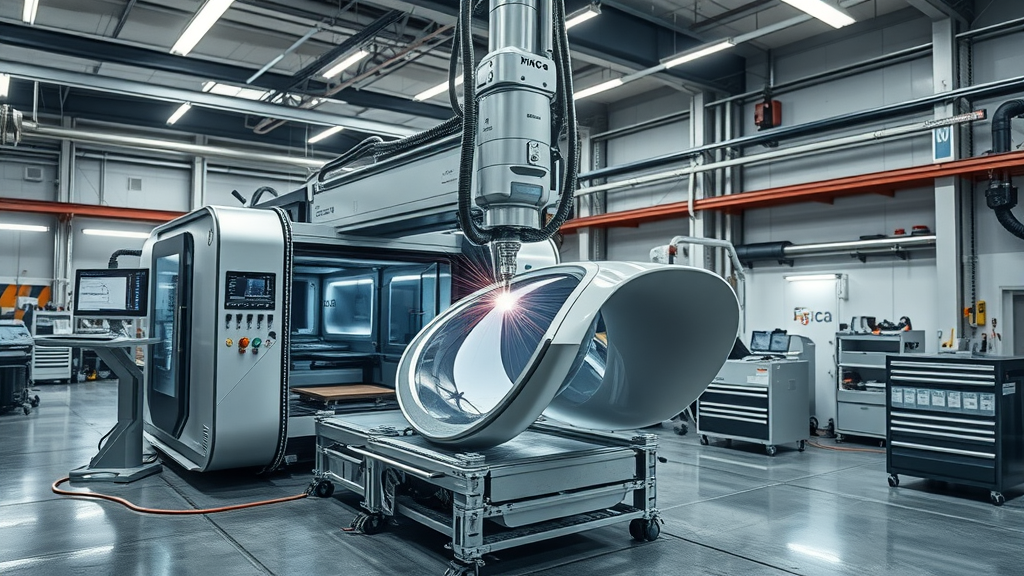
Laser drilling and welding with 5-axis precision system in advanced facility.

Laser drilling, another facet of the technology, becomes a crucial asset for parts that require complex entrance angles or where minimal tool pressure is vital. This precision enables the production of intricate, microscopic holes without the warping, stress, or distortion caused by mechanical methods. Laser welding, meanwhile, provides a means of joining metals and alloys with extraordinary precision, minimal heat input, and exceptional surface finishes. Such advantages not only improve the efficiency and speed of production but also enhance the lifespan and reliability of the final components, directly addressing priorities in industries that demand perfection.

From Prototyping to Production: How Flexibility Sets 5-Axis Laser Solutions Apart

The flexibility afforded by 5-axis laser systems is a decisive factor in their adoption. Unlike one-size-fits-all machinery, these laser solutions scale seamlessly between producing single-piece prototypes and high-volume production runs. With capacities to handle parts up to 46 inches in diameter, the technology supports manufacturers at every stage—from pilot projects requiring iterative refinement to full-scale output meeting the most stringent specifications. Versatility in material compatibility further broadens its application, covering metals, alloys, and other challenging substrates that might otherwise be problematic for conventional machining.

When edge quality, consistency, and turnaround are on the line, 5-axis systems offer something rare: the agility to switch seamlessly between jobs, ensuring deadlines and quality standards are met without compromise. This capacity to scale and adapt under pressure not only mitigates risk but also future-proofs operations against shifting customer demands or rapid changes in design requirements.
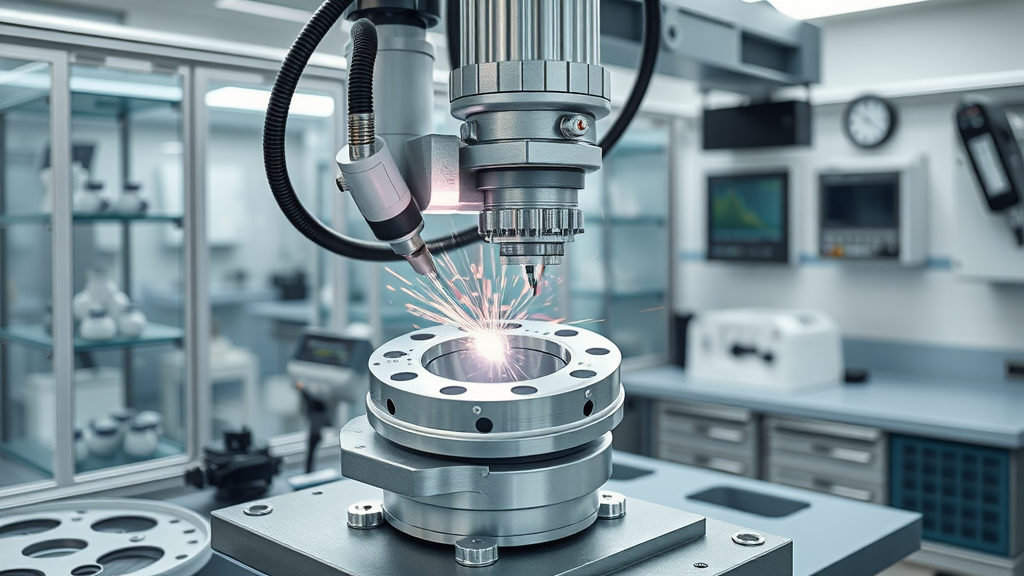
5-axis precision laser cutting and welding creating complex medical device parts.

Precision, Reliability, and Finishes: Why Laser Methods Outperform Traditional Approaches

A defining characteristic of laser clean cutting, drilling, and welding is the precision delivered to every project. Components emerge with less distortion, superior edge quality, and near-perfect replication from the digital design to the physical workpiece. Compared to mechanical operations that can deform or stress sensitive materials, laser methods apply low heat and minimal contact, leading to little to no distortion and exceptional finishes straight off the machine. This reduces or eliminates the need for secondary processing, lowering costs and accelerating delivery timelines.

Reliability is further reinforced through rigorous maintenance and in-house expertise, a cornerstone visible in the day-to-day operations at experienced shops. Continuous uptime and a commitment to quality mean customers consistently receive products that meet or exceed their expectations, every single time.

Maintenance, Expertise, and the Pursuit of Continuous Improvement

The technical sophistication of 5-axis precision laser equipment demands regular care and expertise to maintain peak performance. Not all service providers approach this need with the same commitment. By integrating a dedicated repair and retrofit department, industry leaders are able to offer 24-7 maintenance and technical support—an edge that translates into minimized downtime and reliable delivery schedules. Unlike shops that rely on third-party vendors for repairs, this focus on in-house proficiency is a strategic advantage, keeping the technology running smoothly and projects on track.
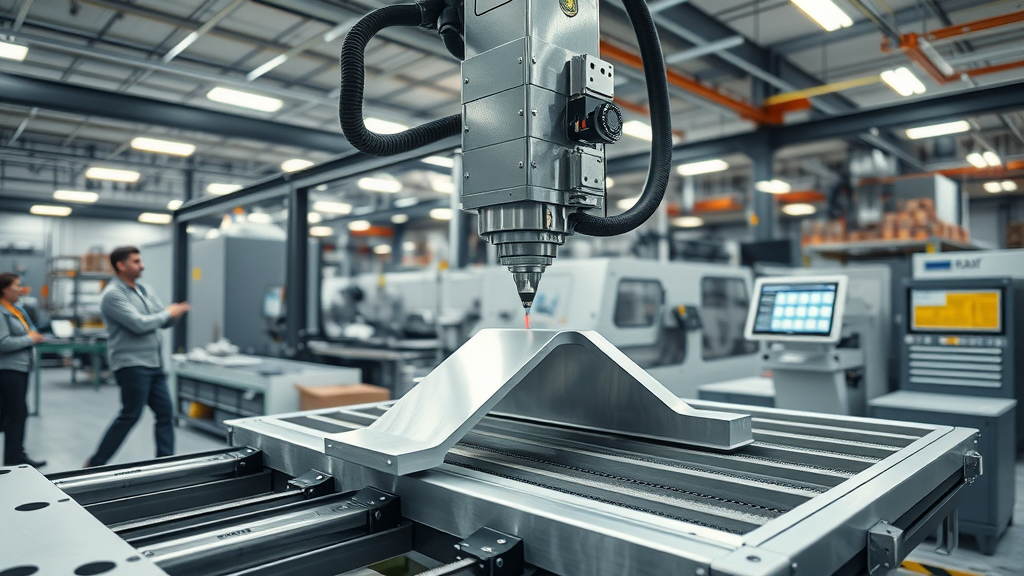
Engineers overseeing 5-axis laser clean cutting and welding in modern plant.

Long-term success in laser manufacturing hinges on an organization’s willingness to embrace continuous improvement. Each job, whether a one-off prototype or a large production run, is subject to rigorous quality programs and the expectation that processes will evolve for ever-greater efficiency and precision. Such a philosophy ensures that customers benefit not only from advanced hardware, but also from a culture of ongoing progress.

Electronic Service Products’ Commitment: A Perspective on Quality and Expertise in Laser Manufacturing

Electronic Service Products showcases a distinct approach rooted in a quality-first philosophy that permeates every step of the process. Their stated policy—to consistently provide products and services meeting or exceeding customer requirements—places the focus on diligent workmanship and robust programmatic improvement. Employees are empowered to pursue excellence at each stage, delivering “right the first time and every time.” This mindset supports a culture where accountability and pride of craft are not aspirations, but everyday expectations.

With over sixteen years of dedicated experience and a comprehensive machine repair division, the organization embodies the high standards it sets. The ability to support both precision jobs and high-volume demands, combined with ongoing maintenance for laser platforms, underscores a deep commitment to reliability and the highest levels of customer satisfaction. This professional resolve is visible in their reputation for delivering on-time, in-spec parts—hallmarks of an industry authority rather than a mere vendor.

What Customers Experience When They Adopt Advanced Laser Solutions

When companies transition to 5-axis precision laser technologies, the difference is apparent—from reduced turnaround times to the flawless execution of intricate designs. While reviews are not currently listed for Electronic Service Products, the projected experiences highlight industry benchmarks: on-time delivery, specification adherence, and unwavering quality as products of commitment and expertise at every turn.

[Customer stories and feedback will reflect exceptional delivery, reliability, and the value of consistent precision achieved through advanced laser solutions.]

As more organizations step into the future of manufacturing, those who prioritize the integration of advanced laser techniques consistently enjoy improved efficiency and higher quality outcomes. By making forward-thinking choices today, manufacturers position themselves to capitalize on tomorrow’s opportunities.

How 5-Axis Precision Laser Clean Cutting Propels Industrial Progress

The rise of 5-axis precision laser clean cutting, drilling, and welding is a pivotal moment for manufacturers determined to stay at the forefront of their industry. This technology brings marked improvements in flexibility, accuracy, and production speed—qualities demanded by modern applications and customers alike. When practiced by organizations committed to ongoing advancement and impeccable quality, these capabilities shift from technical advantages to game-changing standards. As demonstrated by established leaders, the marriage of expertise and innovation sets a high bar in precision manufacturing—a standard that is increasingly becoming an expectation for customers and a necessity for future-ready operations.

Embracing 5-axis precision laser clean cutting not only transforms the quality of parts produced, but also ensures resilience and adaptability in the face of evolving challenges, placing companies ahead in the competitive landscape.

Contact the Experts at Electronic Service Products

If you’d like to learn more about how 5-axis precision laser clean cutting, drilling and welding could benefit your manufacturing process, contact the team at Electronic Service Products. 📍 Address: 126 S Turnpike Rd #2, Wallingford, CT 06492, USA 📞 Phone: +1 203-265-4167 🌐 Website: http://www.espcnc.com/

Electronic Service Products Location and Availability

🕒 Hours of Operation:📅 Monday: 7:00 AM – 3:30 PM📅 Tuesday: 7:00 AM – 3:30 PM📅 Wednesday: 7:00 AM – 3:30 PM📅 Thursday: 7:00 AM – 3:30 PM📅 Friday: 7:00 AM – 3:30 PM📅 Saturday: ❌ Closed📅 Sunday: ❌ Closed

Location Map
More Spotlights

115 Views

Write A Comment

*
*
Please complete the captcha to submit your comment.
Related Posts All Posts
08.20.2026

Expert Insights: Selecting the Ideal Brush and Process Parameters for Gear Deburring

Gear deburring is a critical manufacturing step that ensures smooth operation, longevity, and reliability of gears. However, removing burrs without altering the precise geometry of gear teeth remains a complex challenge for many manufacturers. Today, we dive into expert advice from Larry Johnson, Senior Sales Development at Abtex, who shares professional perspectives on choosing the right abrasive brushes and fine-tuning process parameters to achieve optimal deburring results. Understanding how to balance efficiency with precision is paramount in today's production environments. As Larry Johnson emphasizes, the selection of brushes and appropriate process control can be the difference between a flawless final product and costly rework. This comprehensive guide explores the nuances of gear deburring, covering practical tools and methods to help manufacturers enhance their processes effectively.For manufacturers seeking to further optimize their gear finishing processes, exploring the latest developments in trade regulations and market trends can provide valuable context for equipment investments and process improvements. Discover more industry insights at Global Trade News to stay informed on factors influencing manufacturing strategies worldwide.Understanding Gear Deburring: Importance and ChallengesWhat is Gear Deburring and Why is it Critical for Gear Teeth Quality?Gear deburring refers to the process of removing unwanted burrs—small raised edges or rough spots—that form on gear teeth and surfaces during machining or manufacturing. Burrs can cause noise, premature wear, poor gear meshing, and even mechanical failure if not properly addressed.Ensuring burr-free, precisely finished gear teeth is essential for maintaining gear teeth quality and mechanical integrity. Burrs affect not only the surface finish but can also alter the critical geometry or edge radii, which impacts function and durability. Therefore, deburring is not merely cosmetic—it is a vital step to uphold stringent quality standards in gear manufacturing. Common Issues in Gear Deburring: Burrs on Flat Surfaces and Tooth ProfilesBurrs often appear in multiple locations on gears, including both the flat surfaces and the intricate tooth profiles. Because gears have complex shapes, deburring these surfaces without damaging delicate edges can be challenging. Incorrect processing may distort the tooth shape or reduce edge radii, potentially compromising gear strength and performance.As Larry Johnson of Abtex explains, "Selecting the right brush and presenting it correctly are the most important factors for removing burrs without altering critical geometry or edge radii. " This insight highlights the delicate balance between aggressive burr removal and maintaining the gear’s original design specs.Key Process Variables in Gear DeburringSelecting the Right Deburring Tool and Abrasive FilamentThe choice of deburring tools and abrasive filaments is pivotal in achieving effective and precise burr removal. Brushes come in various filament materials and grit sizes, each suited to different gear materials and burr types. Using an abrasive filament that is too coarse may damage the gear surface, while one too fine might result in inefficient burr removal.Larry Johnson advocates for careful selection, stating that the "abrasive filament must match the gear metallurgical properties and burr characteristics." Partnering with experienced manufacturers like Abtex, which produce both brushes and deburring systems, ensures the correct tool is chosen and tailored to specific production needs.Optimizing Brush Speed and Cycle Time for PrecisionAnother critical variable is the brush speed and cycle time during the deburring process. Running brushes too fast can generate excessive heat or unwanted abrasion, which risks changing gear dimensions. Conversely, insufficient speed or cycle duration leaves burrs partially removed, affecting gear performance.Optimizing these parameters involves testing different speeds and cycle lengths while monitoring gear quality outcomes. According to Larry Johnson, "Balancing brush speed and cycle time is essential for precision, ensuring burr removal without compromising surface finish or edges. " Maintaining Critical Geometry and Edge Radii During DeburringPreserving the original gear geometry is a significant challenge in deburring. Precision is required to avoid unwanted changes that affect gear meshing and load distribution. Achieving this requires the right combination of brush type, abrasive intensity, and controlled process parameters.Larry Johnson stresses the importance of "removing burrs while maintaining the integrity of the edge radii," which ensures gears meet design tolerances. This technical sophistication ultimately supports greater gear durability and operational efficiency.Advantages of Automated Deburring Machines and Planetary BrushingHow Planetary Brushing Ensures Consistent Results on Complex Gear ShapesAutomated deburring technologies, especially planetary brushing, have revolutionized the ability to achieve uniform burr removal on complex gear profiles. Planetary brushing involves multiple rotating brushes that move in synchronized paths, effectively reaching all gear surfaces with consistent pressure and motion.According to Larry Johnson of Abtex, "Planetary brushing often produces the most uniform deburr results and is an in-line process." This method streamlines production by combining precision with high throughput, ideal for manufacturers requiring consistent quality across large batches.Integrating Automated Deburring into High Production RatesModern manufacturers face the challenge of maintaining high production rates without sacrificing quality. Automated deburring machines, including planetary brush systems, integrate seamlessly into production lines, offering repeatability and speed that manual processes lack.By automating burr removal, manufacturers reduce labor dependency and human error, while achieving optimal finishing standards. This scalability makes automated deburring machines invaluable in both small and large-scale operations. Developing a New Automated Deburring Process: Expert RecommendationsDetermining the Right Abrasive Filament and Grit for Specific Gear TypesWhen developing a new deburring process, selecting the abrasive filament and grit requires an understanding of the gear material, burr type, and geometry. Testing a variety of filaments—ranging in coarseness and stiffness—helps pinpoint the optimal abrasion level that balances effectiveness and preservation of gear features.Larry Johnson advises manufacturers to "consult with experts to determine if abrasive brush deburring is a viable solution and which parameters suit the part best," ensuring tailored and effective results. Balancing Brush Speed and Cycle Time for Optimal DeburringFine-tuning brush speed and cycle time is integral to new process development. Manufacturers should proceed incrementally, adjusting speeds and durations while inspecting gear surfaces for burr removal quality and shape retention.Proper calibration reduces the risk of over-processing and tool wear, improving overall efficiency and part quality.Consulting with Gear Deburring Experts for Tailored SolutionsCollaborating with experts like Larry Johnson and Abtex provides invaluable guidance on brush selection, process variables, and custom system integration. Expert advice ensures solutions that align with production goals and part specifications.Larry Johnson, Senior Sales Development at Abtex, explains, "Selecting the right brush and presenting it correctly are the most important factors for removing burrs without altering critical geometry or edge radii."Comparing Hand Deburring and Automated Gear Deburring MachinesPros and Cons of Hand Deburring for Gear TeethHand deburring, involving manual tools, offers flexibility and is sometimes preferred for low-volume or intricate parts. It allows skilled operators to target specific burrs carefully. However, it is labor-intensive, inconsistent, and prone to human error, especially for high volumes or complex geometries.Benefits of Using Gear Deburring Machines and CNC MachinesAutomated gear deburring machines, including CNC-based solutions, provide precision, consistency, and scalability. They reduce cycle times and operator fatigue while improving part quality. The upfront investment is higher but often justified by increased throughput and repeatability. Common Mistakes and Misconceptions in Gear Deburring ProcessesAvoiding Damage to Gear Teeth and Maintaining Edge RadiiOne common mistake is over-aggressive deburring that damages gear edges or alters radii. This mistake compromises gear performance and can lead to premature failure. Manufacturers must carefully control abrasive intensity and exposure.Misunderstandings About Deburring Tools and TechniquesSome manufacturers incorrectly assume one brush or grit suits all gears, failing to consider material differences and burr types. Another misconception is relying solely on hand deburring when automated techniques may be better suited. Proper education and expert consultation help avoid these pitfalls. Actionable Tips for Implementing Effective Gear DeburringBest Practices for Selecting Deburring Tools and ParametersIdentify the gear material and burr characteristics before selecting a tool.Test brushes with different abrasive filaments and grits.Optimize brush speed and cycle time incrementally.Ensure proper brush presentation and contact angle.Regularly inspect gear geometry and edge radii during process validation.Integrating Automated Deburring into Production LinesManufacturers should evaluate existing workflows and incorporate automated deburring where it maximizes efficiency and quality. Planetary brushing systems excel as in-line solutions that maintain steady throughput.Larry Johnson of Abtex advises, "Planetary brushing often produces the most uniform deburr results and is an in-line process, ideal for manufacturers seeking both precision and high production rates."People Also AskWhat is the best method for removing burrs on gear teeth without damaging them?How does automated deburring compare to hand deburring in terms of efficiency?Can planetary brushing be used for all types of gear shapes?How do I choose the right abrasive filament for my gear deburring process?What are the key factors to consider when developing a new deburring process?Answers to People Also AskBest Method for Burr Removal Without DamageThe most effective method is using abrasive brush deburring carefully calibrated to the gear's material and geometry. Planetary brushing delivers uniform burr removal while preserving edge integrity, as noted by Larry Johnson.Efficiency Comparison Between Automated and Hand DeburringAutomated deburring is generally more efficient, offering speed, consistency, and reduced labor costs compared to manual hand deburring, which is slower, less consistent, and operator-dependent.Applicability of Planetary Brushing for Various Gear ShapesPlanetary brushing suits most complex gear shapes due to its multi-axis brush movement delivering uniform coverage. However, process parameters must be optimized per gear design.Choosing the Right Abrasive FilamentSelect filaments based on gear material hardness, burr size, and desired surface finish. Consultation with abrasive specialists ensures optimal filament selection.Key Factors in Developing a New Deburring ProcessConsider abrasive filament type, grit size, brush speed, cycle time, gear geometry, and burr characteristics. Collaboration with deburring experts like Abtex accelerates development of effective solutions.AspectHand DeburringAutomated Deburring MachinesPrecisionDepends on operator skill, inconsistentHigh precision, consistent resultsSpeedSlow, labor-intensiveFast, suitable for high volumeCostLower initial, higher labor costsHigher initial, lower operating costsScalabilityLimitedHighly scalableDamage RiskHigher if unskilledLower with optimized parametersSummary and Key Takeaways from Gear Deburring Expert AdviceRecap of Critical Process Variables and TechniquesEffective gear deburring hinges on the right abrasive brush selection, precise brush speed, cycle timing, and maintenance of gear geometry. Planetary brushing is a standout process for consistent, high-quality burr removal in complex shapes.Expert Recommendations for Optimal Gear DeburringLarry Johnson recommends partnering with deburring solution providers like Abtex to customize brushing parameters. Expert consultation ensures that abrasive brush deburring meets the unique demands of each gear application.Final Thoughts and Next Steps for Gear ManufacturersHow to Leverage Expert Advice for Improved Gear DeburringManufacturers can improve workflow efficiency and gear quality by adopting automated deburring with expert guidance. Testing and fine-tuning process variables lay the foundation for superior results.Contacting Abtex for Customized Deburring SolutionsLarry Johnson emphasizes, "As a manufacturer of both brushes and deburring systems, we offer solutions tailored to match customer desires and ensure the viability of abrasive brush deburring."For tailored advice and equipment, gear manufacturers are encouraged to reach out to Abtex for consultations that align their production goals with proven deburring technologies.As the manufacturing landscape continues to evolve, staying ahead means not only mastering technical processes like gear deburring but also understanding the broader forces shaping global trade and industry standards. For a deeper dive into the latest trends, regulatory updates, and strategic insights impacting manufacturers worldwide, visit Global Trade News. Expanding your knowledge of market dynamics and compliance can empower your business to make smarter investments and adapt proactively to change. Explore these resources to unlock new opportunities and refine your approach to operational excellence.Engage with Industry ExpertsHave industry insights or news tips? Reach out and join our network of global trade professionals today! Schedule your interview with Global Trade News.

07.13.2026

Rethink These Demand Forecasting Mistakes to Boost Performance

Update Introduction to Demand Forecasting Challenges Imagine trying to guess how many cookies you’ll need for a bake sale. It sounds simple, right? Yet supply chain leaders face similar challenges when predicting demand for products in a constantly changing world. Many find themselves grappling with mistakes they've made in demand forecasting, leading to missed opportunities and wasted resources. Understanding these common pitfalls will help supply chain leaders plan more effectively and ensure that they meet their customers' needs with greater precision. Over-Reliance on Historical Data One significant mistake is using only past sales data to forecast future demand. Relying solely on historical data without considering current events or market trends can lead to falling short of actual customer needs. For instance, if a favorite toy was popular last year, assuming it will be the same this year could result in a surplus of unsold inventory or, conversely, a shortage just as demand peaks. Leaders should incorporate seasonal trends, market changes, and even social media buzz to create a more complete picture. Expanding beyond just the numbers can make a world of difference in preparing for unexpected shifts. Ignoring the Voice of the Customer Another mistake is neglecting feedback from customers. Ignoring customer insights can be akin to asking kids to help make a cookie recipe but then tuning them out. It is essential to listen to what customers are saying, as their feedback can provide significant insight into purchasing behavior. Companies should create channels where customers can share their thoughts, ensuring that demand forecasts align closely with customer desires, such as surveys or interactive platforms. Recognizing the voice of the customer can turn their needs into actionable strategies. Failure to Collaborate Across Teams For many organizations, departments often operate in silos, leading to poor communication. If the marketing team knows of a big campaign coming up but doesn’t inform the supply chain team, it can lead to misalignment—resulting in either too few products on the shelves or too much inventory left over! Encouraging teamwork between departments can help address challenges and make forecasting more accurate. Regular meetings and joint planning sessions can bridge the gap, ensuring everyone is on the same page and that resource allocation is optimal. Inflexibility in Strategy Some supply chains stick rigidly to their forecasting methods, even when faced with uncertainty. Adapting to changes, such as global supply chain disruptions, is essential for modern businesses. A flexible approach means adjusting forecasts on the fly—if there's a sudden surge in demand for baking ingredients, for example, companies should be able to pivot their strategies rapidly. Just like in cooking, where one might swap chocolate chips for nuts if running low midway through a recipe, businesses need to find ways to modify their forecasts as new data comes in. Ignoring Advanced Technologies Finally, overlooking the benefits of advanced technologies can be detrimental. Innovations in artificial intelligence and big data analytics can enhance forecasting accuracy tremendously. Embracing these tools empowers supply chain leaders by providing clear insights into market trends, helping predict customer behavior more accurately. For example, AI can analyze patterns in purchasing that humans might overlook, making it easier to anticipate demand spikes. Investing in these technologies not only improves efficiency but also drives strategic decision-making that can keep businesses ahead of the competition. Conclusion: Creating a Better Forecasting Approach In summary, moving past these common mistakes in demand forecasting is crucial for success in supply chain management. By utilizing both historical data and current trends, actively listening to customers, fostering collaboration among departments, remaining flexible in their strategies, and embracing technology, leaders can refine their approach. This not only leads to better decision-making but also enhances overall customer satisfaction. The road ahead is filled with possibilities, and adapting to the new forecasting landscape will be the key to thriving in this ever-evolving marketplace. With these strategies in place, businesses can turn potential pitfalls into opportunities for growth and innovation.

07.13.2026

What Does the End of EU De Minimis Mean for Global Trade?

Update A New Dawn for Global Commerce In the ever-evolving landscape of international trade, the recent end of the EU's de minimis rules marks a significant shift. What do these changes mean for businesses and consumers alike? Let’s break it down. Understanding De Minimis and Its Impact The term 'de minimis' refers to the minimum value of goods that can be imported without incurring tariffs or taxes. In the past, the EU allowed for low-value items to be imported without heavy restrictions, making it easier for people to send gifts or for small businesses to thrive. Small businesses, especially, relied on these rules to maintain competitive prices. But now, the recent decisions to eliminate these rules have stirred discussions about how this will affect the economy both locally and globally. Without the de minimis threshold, businesses face hurdles such as increased shipping costs and longer processing times. These changes could lead to lower morale for small entrepreneurs who felt empowered under the previous system. Why It Matters to You and Your Community This change might sound technical, but it directly impacts your wallet. Increased tariffs on small shipments can lead to higher prices for everyday goods, from toys to electronic gadgets. If you’ve ever received a package from abroad and felt a little thrill knowing it didn’t come with extra costs, those days might be numbered. Moreover, local retailers may see changes as customers weigh the costs of ordering online versus shopping in person. Higher shipping and import costs could slow the kind of rapid growth seen in e-commerce over the past decade. Local businesses might need to reassess their pricing strategies, which can reshape community shopping habits. The Role of Technology in This Transition As the world adjusts to new rules, technology will play a crucial role. Systems designed for tracking and reporting trade transactions will become essential. Companies may need to invest in digital tools that streamline compliance to avoid penalties. These systems will not only ensure adherence to new regulations but may also enhance data accuracy and transparency. Additionally, technology can help educate consumers about their rights and options when it comes to shopping internationally. For instance, apps that compare prices on imported goods could help you make informed choices about where to purchase items with potentially lower costs. Looking Ahead: Predictions and Opportunities With the ending of the de minimis threshold, there is the potential for both challenges and opportunities. Larger companies might thrive as they adapt to regulatory changes, gaining an upper hand over small businesses struggling with new compliance requirements. In contrast, consumers may seek alternative ways to source products — like supporting local businesses that offer competitive pricing without dealing with international shipping fees. Some consumers may begin to prefer shopping local to avoid the confusion and potential costs involved with international purchases. This can foster stronger local economies, as communities rally around their merchants. What Can You Do? Staying informed is your best strategy. Regularly check for updates regarding international trade rules and prices of goods. Engage in community discussions about supporting local businesses who may offer more transparency regarding pricing. The more aware you are of these changes, the better prepared you’ll be to navigate them. Consider participating in local forums or workshops about e-commerce and trade if offered in your community. These resources can provide valuable insights and help connect residents to their local businesses. Concluding Thoughts The end of the EU de minimis rules is more than just an economic adjustment; it's a pivotal moment that can redefine international commerce. By staying observant and adapting to the changes, you can not only protect your wallet but also contribute to a more transparent trading environment. The landscape of global commerce is changing, and by being proactive, we can ensure that our local communities remain vibrant and relevant in this new era.

Global Trade News


An educational, content-centric platform that delivers unbiased, comprehensive, and real-time regulatory news and analysis, empowering stakeholders to make informed decisions in a complex global trade environment.


Global Trade News is a subsidiary of RP Design Web Services.

COMPANY

  • Privacy Policy
  • Terms of Use
  • Advertise
  • Contact Us
  • Menu 5
  • Menu 6

AVAILABLE FROM 8AM - 5PM

City, State

Cheshire, CT

ABOUT US

A media channel that delivers the latest insights on trade regulations, import/export compliance, policy shifts, and global market trends.  Present both US and international perspectives to provide companies with a holistic view of the evolving trade landscape.

© 2026 Global Trade News All Rights Reserved. PO Box 1189 , Cheshire, CT 06410 . Contact Us . Terms of Service . Privacy Policy

eyJjb21wYW55IjoiR2xvYmFsIFRyYWRlIE5ld3MiLCJhZGRyZXNzIjoiUE8gQm94IDExODkgIiwiY2l0eSI6IkNoZXNoaXJlIiwic3RhdGUiOiJDVCIsInppcCI6IjA2NDEwIiwiZW1haWwiOiJzYWxlc0BycGRlc2lnbi5jb20iLCJ0b3MiOiJQSEErUEhOMGNtOXVaejQ4WlcwK1YyaGxiaUI1YjNVZ2MybG5iaTFwYmlCM2FYUm9JSFZ6TENCNWIzVWdZWEpsSUdkcGRtbHVaeVp1WW5Od095QjViM1Z5SUhCbGNtMXBjM05wYjI0Z1lXNWtJR052Ym5ObGJuUWdkRzhnYzJWdVpDQjViM1VnWlcxaGFXd2dZVzVrTDI5eUlGTk5VeUIwWlhoMElHMWxjM05oWjJWekxpQkNlU0JqYUdWamEybHVaeUIwYUdVZ1ZHVnliWE1nWVc1a0lFTnZibVJwZEdsdmJuTWdZbTk0SUdGdVpDQmllU0J6YVdkdWFXNW5JR2x1SUhsdmRTQmhkWFJ2YldGMGFXTmhiR3g1SUdOdmJtWnBjbTBnZEdoaGRDQjViM1VnWVdOalpYQjBJR0ZzYkNCMFpYSnRjeUJwYmlCMGFHbHpJR0ZuY21WbGJXVnVkQzQ4TDJWdFBqd3ZjM1J5YjI1blBqd3ZjRDRLQ2p4d1BqeGhJR2h5WldZOUltaDBkSEE2THk5M2QzY3VaMjl2WjJ4bExtTnZiU0krYUhSMGNEb3ZMM2QzZHk1bmIyOW5iR1V1WTI5dFBDOWhQand2Y0Q0S0NqeHdQaVp1WW5Od096d3ZjRDRLQ2p4d1BqeHpkSEp2Ym1jK1UwVlNWa2xEUlR3dmMzUnliMjVuUGp3dmNENEtDanh3UGxkbElIQnliM1pwWkdVZ1lTQnpaWEoyYVdObElIUm9ZWFFnWTNWeWNtVnVkR3g1SUdGc2JHOTNjeUI1YjNVZ2RHOGdjbVZqWldsMlpTQnlaWEYxWlhOMGN5Qm1iM0lnWm1WbFpHSmhZMnNzSUdOdmJYQmhibmtnYVc1bWIzSnRZWFJwYjI0c0lIQnliMjF2ZEdsdmJtRnNJR2x1Wm05eWJXRjBhVzl1TENCamIyMXdZVzU1SUdGc1pYSjBjeXdnWTI5MWNHOXVjeXdnWkdselkyOTFiblJ6SUdGdVpDQnZkR2hsY2lCdWIzUnBabWxqWVhScGIyNXpJSFJ2SUhsdmRYSWdaVzFoYVd3Z1lXUmtjbVZ6Y3lCaGJtUXZiM0lnWTJWc2JIVnNZWElnY0dodmJtVWdiM0lnWkdWMmFXTmxMaUJaYjNVZ2RXNWtaWEp6ZEdGdVpDQmhibVFnWVdkeVpXVWdkR2hoZENCMGFHVWdVMlZ5ZG1salpTQnBjeUJ3Y205MmFXUmxaQ0FtY1hWdmREdEJVeTFKVXlaeGRXOTBPeUJoYm1RZ2RHaGhkQ0IzWlNCaGMzTjFiV1VnYm04Z2NtVnpjRzl1YzJsaWFXeHBkSGtnWm05eUlIUm9aU0IwYVcxbGJHbHVaWE56TENCa1pXeGxkR2x2Yml3Z2JXbHpMV1JsYkdsMlpYSjVJRzl5SUdaaGFXeDFjbVVnZEc4Z2MzUnZjbVVnWVc1NUlIVnpaWElnWTI5dGJYVnVhV05oZEdsdmJuTWdiM0lnY0dWeWMyOXVZV3hwZW1GMGFXOXVJSE5sZEhScGJtZHpMand2Y0Q0S0NqeHdQbGx2ZFNCaGNtVWdjbVZ6Y0c5dWMybGliR1VnWm05eUlHOWlkR0ZwYm1sdVp5QmhZMk5sYzNNZ2RHOGdkR2hsSUZObGNuWnBZMlVnWVc1a0lIUm9ZWFFnWVdOalpYTnpJRzFoZVNCcGJuWnZiSFpsSUhSb2FYSmtJSEJoY25SNUlHWmxaWE1nS0hOMVkyZ2dZWE1nVTAxVElIUmxlSFFnYldWemMyRm5aWE1zSUVsdWRHVnlibVYwSUhObGNuWnBZMlVnY0hKdmRtbGtaWElnYjNJZ1kyVnNiSFZzWVhJZ1lXbHlkR2x0WlNCamFHRnlaMlZ6S1M0Z1dXOTFJR0Z5WlNCeVpYTndiMjV6YVdKc1pTQm1iM0lnZEdodmMyVWdabVZsY3l3Z2FXNWpiSFZrYVc1bklIUm9iM05sSUdabFpYTWdZWE56YjJOcFlYUmxaQ0IzYVhSb0lIUm9aU0JrYVhOd2JHRjVJRzl5SUdSbGJHbDJaWEo1SUc5bUlHVmhZMmdnVTAxVElIUmxlSFFnYldWemMyRm5aU0J6Wlc1MElIUnZJSGx2ZFNCaWVTQjFjeTRnU1c0Z1lXUmthWFJwYjI0c0lIbHZkU0J0ZFhOMElIQnliM1pwWkdVZ1lXNWtJR0Z5WlNCeVpYTndiMjV6YVdKc1pTQm1iM0lnWVd4c0lHVnhkV2x3YldWdWRDQnVaV05sYzNOaGNua2dkRzhnWVdOalpYTnpJSFJvWlNCVFpYSjJhV05sSUdGdVpDQnlaV05sYVhabElIUm9aU0JUVFZNZ2RHVjRkQ0J0WlhOellXZGxjeTRnVjJVZ1pHOGdibTkwSUdOb1lYSm5aU0JoYm5rZ1ptVmxjeUJtYjNJZ1pHVnNhWFpsY25rZ2IyWWdaVzFoYVd3Z2IzSWdVMDFUTGlCVWFHbHpJR2x6SUdFZ1puSmxaU0J6WlhKMmFXTmxJSEJ5YjNacFpHVmtJR0o1SUhWekxpQkliM2RsZG1WeUxDQndiR1ZoYzJVZ1kyaGxZMnNnZDJsMGFDQjViM1Z5SUdsdWRHVnlibVYwSUhObGNuWnBZMlVnY0hKdmRtbGtaWElnWVc1a0lHTmxiR3gxYkdGeUlHTmhjbkpwWlhJZ1ptOXlJR0Z1ZVNCamFHRnlaMlZ6SUhSb1lYUWdiV0Y1SUdsdVkzVnlJR0Z6SUdFZ2NtVnpkV3gwSUdaeWIyMGdjbVZqWldsMmFXNW5JR1Z0WVdsc0lHRnVaQ0JUVFZNZ2RHVjRkQ0J0WlhOellXZGxjeUIwYUdGMElIZGxJR1JsYkdsMlpYSWdkWEJ2YmlCNWIzVnlJRzl3ZEMxcGJpQmhibVFnY21WbmFYTjBjbUYwYVc5dUlIZHBkR2dnYjNWeUlHVnRZV2xzSUdGdVpDQlRUVk1nYzJWeWRtbGpaWE11SUZsdmRTQmpZVzRnWTJGdVkyVnNJR0YwSUdGdWVTQjBhVzFsTGlCS2RYTjBJSFJsZUhRZ0puRjFiM1E3VTFSUFVDWnhkVzkwT3lCMGJ5QThhR2xuYUd4cFoyaDBJR05zWVhOelBTSmpiMjF3WVc1NVVHaHZibVZWY0dSaGRHVWlQaXN4TWpBek1qY3hOems1TVR3dmFHbG5hR3hwWjJoMFBpNGdRV1owWlhJZ2VXOTFJSE5sYm1RZ2RHaGxJRk5OVXlCdFpYTnpZV2RsSUNaeGRXOTBPMU5VVDFBbWNYVnZkRHNnZEc4Z2RYTXNJSGRsSUhkcGJHd2djMlZ1WkNCNWIzVWdZVzRnVTAxVElHMWxjM05oWjJVZ2RHOGdZMjl1Wm1seWJTQjBhR0YwSUhsdmRTQm9ZWFpsSUdKbFpXNGdkVzV6ZFdKelkzSnBZbVZrTGlCQlpuUmxjaUIwYUdsekxDQjViM1VnZDJsc2JDQnVieUJzYjI1blpYSWdjbVZqWldsMlpTQlRUVk1nYldWemMyRm5aWE1nWm5KdmJTQjFjeTQ4TDNBK0NnbzhjRDQ4YzNSeWIyNW5QbGxQVlZJZ1VrVkhTVk5VVWtGVVNVOU9JRTlDVEVsSFFWUkpUMDVUUEM5emRISnZibWMrUEM5d1Bnb0tQSEErU1c0Z1kyOXVjMmxrWlhKaGRHbHZiaUJ2WmlCNWIzVnlJSFZ6WlNCdlppQjBhR1VnVTJWeWRtbGpaU3dnZVc5MUlHRm5jbVZsSUhSdk9qd3ZjRDRLQ2p4dmJENEtDVHhzYVQ1d2NtOTJhV1JsSUhSeWRXVXNJR0ZqWTNWeVlYUmxMQ0JqZFhKeVpXNTBJR0Z1WkNCamIyMXdiR1YwWlNCcGJtWnZjbTFoZEdsdmJpQmhZbTkxZENCNWIzVnljMlZzWmlCaGN5QndjbTl0Y0hSbFpDQmllU0IwYUdVZ1UyVnlkbWxqWlNZak16azdjeUJ5WldkcGMzUnlZWFJwYjI0Z1ptOXliU0FvYzNWamFDQnBibVp2Y20xaGRHbHZiaUJpWldsdVp5QjBhR1VnSm5GMWIzUTdVbVZuYVhOMGNtRjBhVzl1SUVSaGRHRW1jWFZ2ZERzcElHRnVaRHd2YkdrK0NnazhiR2srYldGcGJuUmhhVzRnWVc1a0lIQnliMjF3ZEd4NUlIVndaR0YwWlNCMGFHVWdVbVZuYVhOMGNtRjBhVzl1SUVSaGRHRWdkRzhnYTJWbGNDQnBkQ0IwY25WbExDQmhZMk4xY21GMFpTd2dZM1Z5Y21WdWRDQmhibVFnWTI5dGNHeGxkR1V1SUVsbUlIbHZkU0J3Y205MmFXUmxJR0Z1ZVNCcGJtWnZjbTFoZEdsdmJpQjBhR0YwSUdseklIVnVkSEoxWlN3Z2FXNWhZMk4xY21GMFpTd2dibTkwSUdOMWNuSmxiblFnYjNJZ2FXNWpiMjF3YkdWMFpTd2diM0lnZDJVZ2FHRjJaU0J5WldGemIyNWhZbXhsSUdkeWIzVnVaSE1nZEc4Z2MzVnpjR1ZqZENCMGFHRjBJSE4xWTJnZ2FXNW1iM0p0WVhScGIyNGdhWE1nZFc1MGNuVmxMQ0JwYm1GalkzVnlZWFJsTENCdWIzUWdZM1Z5Y21WdWRDQnZjaUJwYm1OdmJYQnNaWFJsTENCM1pTQm9ZWFpsSUhSb1pTQnlhV2RvZENCMGJ5QnpkWE53Wlc1a0lHOXlJRHh6ZEhKdmJtYytQSE53WVc0Z2MzUjViR1U5SW1OdmJHOXlPaU5HUmpBd01EQTdJajUwWlhKdGFXNWhkR1VnZVc5MWNpQmhZMk52ZFc1MEwzQnliMlpwYkdVZ1lXNWtJSEpsWm5WelpTQmhibmtnWVc1a0lHRnNiQ0JqZFhKeVpXNTBJRzl5SUdaMWRIVnlaU0IxYzJVZ2IyWWdkR2hsSUZObGNuWnBZMlVnS0c5eUlHRnVlU0J3YjNKMGFXOXVJSFJvWlhKbGIyWXBMand2YzNCaGJqNDhMM04wY205dVp6NDhMMnhwUGdvOEwyOXNQZ29LUEhBK0ptNWljM0E3UEM5d1BnbzhhR2xuYUd4cFoyaDBJR05zWVhOelBTSmpiMjF3WVc1NVRtRnRaVlZ3WkdGMFpTSStSMnh2WW1Gc0lGUnlZV1JsSUU1bGQzTThMMmhwWjJoc2FXZG9kRDQ4WW5JZ0x6NEtQR2hwWjJoc2FXZG9kQ0JqYkdGemN6MGlZMjl0Y0dGdWVVRmtaSEpsYzNOVmNHUmhkR1VpUGxCUElFSnZlQ0F4TVRnNUlDd2dRMmhsYzJocGNtVXNJRU5VSURBMk5ERXdQQzlvYVdkb2JHbG5hSFErUEdKeUlDOCtDanhvYVdkb2JHbG5hSFFnWTJ4aGMzTTlJbU52YlhCaGJubFFhRzl1WlZWd1pHRjBaU0krS3pFeU1ETXlOekUzT1RreFBDOW9hV2RvYkdsbmFIUStQR0p5SUM4K0NqeG9hV2RvYkdsbmFIUWdZMnhoYzNNOUltTnZiWEJoYm5sRmJXRnBiRlZ3WkdGMFpTSStjMkZzWlhOQWNuQmtaWE5wWjI0dVkyOXRQQzlvYVdkb2JHbG5hSFErIiwicHJpdmFjeSI6IlBIQStQSE4wY205dVp6NVFVa2xXUVVOWlBDOXpkSEp2Ym1jK1BDOXdQZ29LUEhBK1BITjBjbTl1Wno1VWFHVWdhVzVtYjNKdFlYUnBiMjRnY0hKdmRtbGtaV1FnWkhWeWFXNW5JSFJvYVhNZ2NtVm5hWE4wY21GMGFXOXVJR2x6SUd0bGNIUWdjSEpwZG1GMFpTQmhibVFnWTI5dVptbGtaVzUwYVdGc0xDQmhibVFnZDJsc2JDQnVaWFpsY2lCaVpTQmthWE4wY21saWRYUmxaQ3dnWTI5d2FXVmtMQ0J6YjJ4a0xDQjBjbUZrWldRZ2IzSWdjRzl6ZEdWa0lHbHVJR0Z1ZVNCM1lYa3NJSE5vWVhCbElHOXlJR1p2Y20wdUlGUm9hWE1nYVhNZ2IzVnlJR2QxWVhKaGJuUmxaUzQ4TDNOMGNtOXVaejQ4TDNBK0NnbzhjRDQ4YzNSeWIyNW5Qa2xPUkVWTlRrbFVXVHd2YzNSeWIyNW5Qand2Y0Q0S0NqeHdQanhsYlQ1WmIzVWdZV2R5WldVZ2RHOGdhVzVrWlcxdWFXWjVJR0Z1WkNCb2IyeGtJSFZ6TEM0Z1lXNWtJR2wwY3lCemRXSnphV1JwWVhKcFpYTXNJR0ZtWm1sc2FXRjBaWE1zSUc5bVptbGpaWEp6TENCaFoyVnVkSE1zSUdOdkxXSnlZVzVrWlhKeklHOXlJRzkwYUdWeUlIQmhjblJ1WlhKekxDQmhibVFnWlcxd2JHOTVaV1Z6TENCb1lYSnRiR1Z6Y3lCbWNtOXRJR0Z1ZVNCamJHRnBiU0J2Y2lCa1pXMWhibVFzSUdsdVkyeDFaR2x1WnlCeVpXRnpiMjVoWW14bElHRjBkRzl5Ym1WNWN5WWpNems3SUdabFpYTXNJRzFoWkdVZ1lua2dZVzU1SUhSb2FYSmtJSEJoY25SNUlHUjFaU0IwYnlCdmNpQmhjbWx6YVc1bklHOTFkQ0J2WmlCRGIyNTBaVzUwSUhsdmRTQnlaV05sYVhabExDQnpkV0p0YVhRc0lISmxjR3g1TENCd2IzTjBMQ0IwY21GdWMyMXBkQ0J2Y2lCdFlXdGxJR0YyWVdsc1lXSnNaU0IwYUhKdmRXZG9JSFJvWlNCVFpYSjJhV05sTENCNWIzVnlJSFZ6WlNCdlppQjBhR1VnVTJWeWRtbGpaU3dnZVc5MWNpQmpiMjV1WldOMGFXOXVJSFJ2SUhSb1pTQlRaWEoyYVdObExDQjViM1Z5SUhacGIyeGhkR2x2YmlCdlppQjBhR1VnVkU5VExDQnZjaUI1YjNWeUlIWnBiMnhoZEdsdmJpQnZaaUJoYm5rZ2NtbG5hSFJ6SUc5bUlHRnViM1JvWlhJdVBDOWxiVDQ4TDNBK0NnbzhjRDQ4YzNSeWIyNW5Qa1JKVTBOTVFVbE5SVklnVDBZZ1YwRlNVa0ZPVkVsRlV6d3ZjM1J5YjI1blBqd3ZjRDRLQ2p4d1BqeHpkSEp2Ym1jK1dVOVZJRVZZVUZKRlUxTk1XU0JWVGtSRlVsTlVRVTVFSUVGT1JDQkJSMUpGUlNCVVNFRlVPand2YzNSeWIyNW5Qand2Y0Q0S0NqeHZiRDRLQ1R4c2FUNVpUMVZTSUZWVFJTQlBSaUJVU0VVZ1UwVlNWa2xEUlNCSlV5QkJWQ0JaVDFWU0lGTlBURVVnVWtsVFN5NGdWRWhGSUZORlVsWkpRMFVnU1ZNZ1VGSlBWa2xFUlVRZ1QwNGdRVTRnSm5GMWIzUTdRVk1nU1ZNbWNYVnZkRHNnUVU1RUlDWnhkVzkwTzBGVElFRldRVWxNUVVKTVJTWnhkVzkwT3lCQ1FWTkpVeTRnTEM0Z1FVNUVJRlZUTENCSlZDWWpNems3VXlCRFZWTlVUMDFGVWxNc0lFVllVRkpGVTFOTVdTQkVTVk5EVEVGSlRWTWdRVXhNSUZkQlVsSkJUbFJKUlZNZ1QwWWdRVTVaSUV0SlRrUXNJRmRJUlZSSVJWSWdSVmhRVWtWVFV5QlBVaUJKVFZCTVNVVkVMQ0JKVGtOTVZVUkpUa2NzSUVKVlZDQk9UMVFnVEVsTlNWUkZSQ0JVVHlCVVNFVWdTVTFRVEVsRlJDQlhRVkpTUVU1VVNVVlRJRTlHSUUxRlVrTklRVTVVUVVKSlRFbFVXU3dnUmtsVVRrVlRVeUJHVDFJZ1FTQlFRVkpVU1VOVlRFRlNJRkJWVWxCUFUwVWdRVTVFSUU1UFRpMUpUa1pTU1U1SFJVMUZUbFF1UEM5c2FUNEtDVHhzYVQ1TlFVdEZVeUJPVHlCWFFWSlNRVTVVV1NCVVNFRlVJQ2hwS1NCVVNFVWdVMFZTVmtsRFJTQlhTVXhNSUUxRlJWUWdXVTlWVWlCU1JWRlZTVkpGVFVWT1ZGTXNJQ2hwYVNrZ1ZFaEZJRk5GVWxaSlEwVWdWMGxNVENCQ1JTQlZUa2xPVkVWU1VsVlFWRVZFTENCVVNVMUZURmtzSUZORlExVlNSU3dnVDFJZ1JWSlNUMUl0UmxKRlJTd2dLR2xwYVNrZ1ZFaEZJRkpGVTFWTVZGTWdWRWhCVkNCTlFWa2dRa1VnVDBKVVFVbE9SVVFnUmxKUFRTQlVTRVVnVlZORklFOUdJRlJJUlNCVFJWSldTVU5GSUZkSlRFd2dRa1VnUVVORFZWSkJWRVVnVDFJZ1VrVk1TVUZDVEVVc0lFRk9SQ0FvYVhZcElFRk9XU0JGVWxKUFVsTWdTVTRnVkVoRklGTlBSbFJYUVZKRklGZEpURXdnUWtVZ1EwOVNVa1ZEVkVWRUxqd3ZiR2srQ2drOGJHaytRVTVaSUUxQlZFVlNTVUZNSUVSUFYwNU1UMEZFUlVRZ1QxSWdUMVJJUlZKWFNWTkZJRTlDVkVGSlRrVkVJRlJJVWs5VlIwZ2dWRWhGSUZWVFJTQlBSaUJVU0VVZ1UwVlNWa2xEUlNCSlV5QkVUMDVGSUVGVUlGbFBWVklnVDFkT0lFUkpVME5TUlZSSlQwNGdRVTVFSUZKSlUwc2dRVTVFSUZSSVFWUWdXVTlWSUZkSlRFd2dRa1VnVTA5TVJVeFpJRkpGVTFCUFRsTkpRa3hGSUVaUFVpQkJUbGtnUkVGTlFVZEZJRlJQSUZsUFZWSWdRMDlOVUZWVVJWSWdVMWxUVkVWTklFOVNJRXhQVTFNZ1QwWWdSRUZVUVNCVVNFRlVJRkpGVTFWTVZGTWdSbEpQVFNCVVNFVWdSRTlYVGt4UFFVUWdUMFlnUVU1WklGTlZRMGdnVFVGVVJWSkpRVXd1UEM5c2FUNEtDVHhzYVQ1T1R5QkJSRlpKUTBVZ1QxSWdTVTVHVDFKTlFWUkpUMDRzSUZkSVJWUklSVklnVDFKQlRDQlBVaUJYVWtsVVZFVk9MQ0JQUWxSQlNVNUZSQ0JDV1NCWlQxVWdSbEpQVFNCUFVpQlVTRkpQVlVkSUlFOVNJRVpTVDAwZ1ZFaEZJRk5GVWxaSlEwVWdVMGhCVEV3Z1ExSkZRVlJGSUVGT1dTQlhRVkpTUVU1VVdTQk9UMVFnUlZoUVVrVlRVMHhaSUZOVVFWUkZSQ0JKVGlCVVNFVWdWRTlUTGp3dmJHaytDand2YjJ3K0NnbzhjRDQ4YzNSeWIyNW5Qa3hKVFVsVVFWUkpUMDRnVDBZZ1RFbEJRa2xNU1ZSWlBDOXpkSEp2Ym1jK1BDOXdQZ29LUEhBK1dVOVZJRVZZVUZKRlUxTk1XU0JWVGtSRlVsTlVRVTVFSUVGT1JDQkJSMUpGUlNCVVNFRlVJRUZPUkNCVFNFRk1UQ0JPVDFRZ1FrVWdURWxCUWt4RklFWlBVaUJCVGxrZ1JFbFNSVU5VTENCSlRrUkpVa1ZEVkN3Z1NVNURTVVJGVGxSQlRDd2dVMUJGUTBsQlRDd2dRMDlPVTBWUlZVVk9WRWxCVENCUFVpQkZXRVZOVUV4QlVsa2dSRUZOUVVkRlV5d2dTVTVEVEZWRVNVNUhJRUpWVkNCT1QxUWdURWxOU1ZSRlJDQlVUeXdnUkVGTlFVZEZVeUJHVDFJZ1RFOVRVeUJQUmlCUVVrOUdTVlJUTENCSFQwOUVWMGxNVEN3Z1ZWTkZMQ0JFUVZSQklFOVNJRTlVU0VWU0lFbE9WRUZPUjBsQ1RFVWdURTlUVTBWVElDaEZWa1ZPSUVsR0lFaEJVeUJDUlVWT0lFRkVWa2xUUlVRZ1QwWWdWRWhGSUZCUFUxTkpRa2xNU1ZSWklFOUdJRk5WUTBnZ1JFRk5RVWRGVXlrc0lGSkZVMVZNVkVsT1J5QkdVazlOT2p3dmNENEtDanh2YkQ0S0NUeHNhVDVVU0VVZ1ZWTkZJRTlTSUZSSVJTQkpUa0ZDU1V4SlZGa2dWRThnVlZORklGUklSU0JUUlZKV1NVTkZPend2YkdrK0NnazhiR2srVkVoRklFTlBVMVFnVDBZZ1VGSlBRMVZTUlUxRlRsUWdUMFlnVTFWQ1UxUkpWRlZVUlNCSFQwOUVVeUJCVGtRZ1UwVlNWa2xEUlZNZ1VrVlRWVXhVU1U1SElFWlNUMDBnUVU1WklFZFBUMFJUTENCRVFWUkJMQ0JKVGtaUFVrMUJWRWxQVGlCUFVpQlRSVkpXU1VORlV5QlFWVkpEU0VGVFJVUWdUMUlnVDBKVVFVbE9SVVFnVDFJZ1RVVlRVMEZIUlZNZ1VrVkRSVWxXUlVRZ1QxSWdWRkpCVGxOQlExUkpUMDVUSUVWT1ZFVlNSVVFnU1U1VVR5QlVTRkpQVlVkSUlFOVNJRVpTVDAwZ1ZFaEZJRk5GVWxaSlEwVTdQQzlzYVQ0S0NUeHNhVDVWVGtGVlZFaFBVa2xhUlVRZ1FVTkRSVk5USUZSUElFOVNJRUZNVkVWU1FWUkpUMDRnVDBZZ1dVOVZVaUJVVWtGT1UwMUpVMU5KVDA1VElFOVNJRVJCVkVFN1BDOXNhVDRLQ1R4c2FUNVRWRUZVUlUxRlRsUlRJRTlTSUVOUFRrUlZRMVFnVDBZZ1FVNVpJRlJJU1ZKRUlGQkJVbFJaSUU5T0lGUklSU0JUUlZKV1NVTkZPeUJQVWp3dmJHaytDZ2s4YkdrK1FVNVpJRTlVU0VWU0lFMUJWRlJGVWlCU1JVeEJWRWxPUnlCVVR5QlVTRVVnVTBWU1ZrbERSUzQ4TDJ4cFBnbzhMMjlzUGdvS1BIQStQSFUrUW5rZ2NtVm5hWE4wWlhKcGJtY2dZVzVrSUhOMVluTmpjbWxpYVc1bklIUnZJRzkxY2lCbGJXRnBiQ0JoYm1RZ1UwMVRJSE5sY25acFkyVXNJR0o1SUc5d2RDMXBiaXdnYjI1c2FXNWxJSEpsWjJsemRISmhkR2x2YmlCdmNpQmllU0JtYVd4c2FXNW5JRzkxZENCaElHTmhjbVFzSUNaeGRXOTBPM2x2ZFNCaFozSmxaU0IwYnlCMGFHVnpaU0JVUlZKTlV5QlBSaUJUUlZKV1NVTkZKbkYxYjNRN0lHRnVaQ0I1YjNVZ1lXTnJibTkzYkdWa1oyVWdZVzVrSUhWdVpHVnljM1JoYm1RZ2RHaGxJR0ZpYjNabElIUmxjbTF6SUc5bUlITmxjblpwWTJVZ2IzVjBiR2x1WldRZ1lXNWtJR1JsZEdGcGJHVmtJR1p2Y2lCNWIzVWdkRzlrWVhrdVBDOTFQand2Y0Q0S0NqeHdQaVp1WW5Od096d3ZjRDRLUEdocFoyaHNhV2RvZENCamJHRnpjejBpWTI5dGNHRnVlVTVoYldWVmNHUmhkR1VpUGtkc2IySmhiQ0JVY21Ga1pTQk9aWGR6UEM5b2FXZG9iR2xuYUhRK1BHSnlJQzgrQ2p4b2FXZG9iR2xuYUhRZ1kyeGhjM005SW1OdmJYQmhibmxCWkdSeVpYTnpWWEJrWVhSbElqNVFUeUJDYjNnZ01URTRPU0FzSUVOb1pYTm9hWEpsTENCRFZDQXdOalF4TUR3dmFHbG5hR3hwWjJoMFBqeGljaUF2UGdvOGFHbG5hR3hwWjJoMElHTnNZWE56UFNKamIyMXdZVzU1VUdodmJtVlZjR1JoZEdVaVBpc3hNakF6TWpjeE56azVNVHd2YUdsbmFHeHBaMmgwUGp4aWNpQXZQZ284YUdsbmFHeHBaMmgwSUdOc1lYTnpQU0pqYjIxd1lXNTVSVzFoYVd4VmNHUmhkR1VpUG5OaGJHVnpRSEp3WkdWemFXZHVMbU52YlR3dmFHbG5hR3hwWjJoMFBnPT0ifQ==

Terms of Service

Privacy Policy

Core Modal Title

Sorry, no results found

You Might Find These Articles Interesting

T
Please Check Your Email
We Will Be Following Up Shortly
*
*
*