








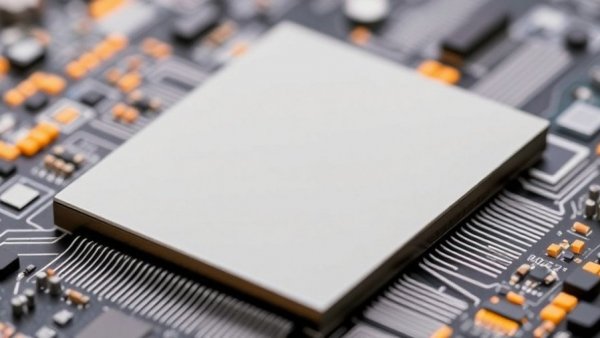
The Semiconductor Revolution: Why Chips Are the New Oil
In today's technology-driven world, semiconductor chips are often touted as the new oil. This analogy highlights their pivotal role in powering everything from smartphones to electric vehicles, underlining a critical shift in global economics and manufacturing landscapes. As the demand for chips skyrockets, manufacturers must grasp why these tiny components are foundational to modern society. With the proliferation of smart devices and the rise of the Internet of Things (IoT), it’s imperative that companies understand the implications of this transformation.
Understanding the Semiconductor Supply Chain
Manufacturers are increasingly drawn to understanding the semiconductor supply chain, which operates much like oil supply chains did decades ago. The complex array of suppliers, manufacturers, and distributors reflects a fragile network prone to disruptions. Recent shortages, caused by everything from pandemic-related delays to geopolitical tensions, have exposed vulnerabilities that can threaten entire industries. Automakers and tech companies alike have found themselves grappling with diminished production capabilities due to insufficient chip supplies. For manufacturers, recognizing these risks is essential to developing more resilient and strategic operations. By investing time into understanding the supply chain, manufacturers can better prepare for potential disruptions and devise contingency plans.
The Economic Implications
Just like oil drives economies, semiconductors now fuel growth on a global scale. The semiconductor market is projected to reach $1 trillion by the end of the decade, showcasing enormous growth potential. This projection presents manufacturers with a unique opportunity to invest strategically in technologies and skills that align with this booming market. Leveraging government initiatives and trade agreements, firms can mitigate risks from trade tariffs, which have the potential to significantly impact costs. Moreover, the rising demand for sustainable and green technologies opens additional doors for innovation, as companies explore energy-efficient semiconductor designs.
A Parallel Example: Oil's Historical Context
To further illustrate the semiconductor landscape, consider its resemblance to the oil industry in the early 20th century. Just as oil transformed transportation and industry, semiconductors are driving advancements in automation and artificial intelligence today. With industries increasingly relying on AI and machine learning, manufacturer's success hinges on their ability to integrate these technologies seamlessly into their production processes. By examining history, manufacturers can learn critical lessons about positioning themselves strategically for emerging technologies. Embracing innovation from other sectors could lead to groundbreaking advancements in manufacturing processes as well. For instance, companies that adopt semiconductor technologies can optimize factories for better productivity.
Future Insights: The Road Ahead
As we peer into the future, it’s clear that the semiconductor industry faces both challenges and opportunities. The push for increased self-sufficiency in chip production is leading several countries to invest heavily in domestic manufacturing capabilities. Countries like the United States and those in Europe are creating initiatives to boost local chip production, a move that aims to reduce reliance on foreign suppliers. Manufacturers who adapt swiftly can enhance their competitive edge by leveraging local resources while reducing dependency on global supply chains, similarly to oil producers who relied on domestic drilling. This shift not only supports local economies but also fosters innovation within the manufacturing sector.
Taking Action: Strategies for Manufacturers
The influx of new technologies and increasing demand for chips necessitates that manufacturers become proactive not just in securing supply but in investing in innovation. This might mean forging new partnerships with semiconductor developers or investing in research and development. It can also involve diversifying supply sources to avoid reliance on a single supplier, thereby increasing resilience. By prioritizing long-term strategies that embrace these changes, manufacturers can ensure they remain relevant in a fast-evolving market. Engaging with industry experts and participating in training programs can equip teams with the necessary skills to navigate this complex landscape.
Conclusion: Embracing Tomorrow's Challenges
As we move forward, the message is clear: manufacturers must embrace the unique challenges presented by the semiconductor landscape. By understanding the nuances of this supply chain and capitalizing on growth opportunities, they can navigate the complexities of global finance and trade tariffs more adeptly. Investing in knowledge and technology today will empower manufacturers to ensure sustained success in a future dominated by semiconductor innovation. Ultimately, the journey towards adaptation and resilience will define the leaders in the manufacturing space for years to come.








Write A Comment