








Global Trade News
Global Trade News
  • Manufacturing Insights 
  • Categories
    • Policy Pulse
    • Compliance Corner
    • Market Movers
    • Supply Chain
    • Export Essentials
    • Manufacturing Technology
    • Regulatory Roundup
    • Market Intelligence
    • Industry Voices
    • More Videos
November 25.2026
1 Minute Read

Section 232 Steel and Aluminum: Who’s Paying, Who’s Winning, and What’s Next in 2027

Imagine walking onto a bustling factory floor, sparks flying from welding torches, as American workers grapple not only with steel and aluminum, but with unpredictable policies that ripple through global markets. The debate around section 232 steel and aluminum has become increasingly complex, shaping supply chains, altering costs, and rewriting the rulebook for international trade. In this opinion editorial, we’ll break down who has paid the price, who has reaped the benefits, and how 2027 could reshape the future of metals and manufacturing.

  • What You’ll Learn

    • Key provisions and changes within Section 232 steel and aluminum

    • Insights on US steel and aluminum trade policy and industry responses

    • Expert opinions on winners, losers, and shifting dynamics through 2027
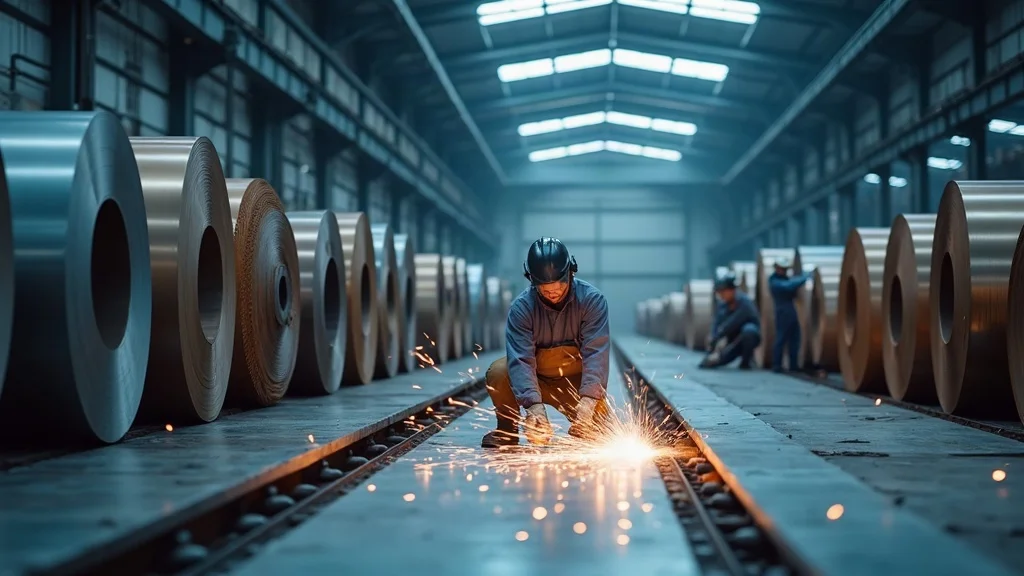
Dynamic manufacturing floor with rows of steel coils and aluminum sheets. Focused, determined faces, workers operating heavy machinery in a modern industrial warehouse. High ceilings, safety lighting, crisp metal textures, sparks from welding, forklifts in motion, rendered with cool blues and metallic greys, under skylights.

“Section 232 steel and aluminum measures have sparked a complex debate about national security and international trade.”

Observing the Impact: Section 232 Steel and Aluminum at a Glance

The section 232 steel and aluminum debate is more than just a matter of policy—it's a story of everyday impact, affecting manufacturers, consumers, and international partners. When the United States introduced these measures, it cited national security concerns, arguing that unrestricted imports could threaten America’s ability to produce critical resources domestically. However, the practical consequences have reverberated through supply chains, from industrial equipment to agricultural equipment, impacting price structures, job opportunities, and regional economies.

Over the years, the administration of Section 232 has witnessed shifting tariff rates, disputes over exemptions, and a whirlwind of negotiations. As US producers receive protection from a flood of cheaper imports, downstream companies using steel and aluminum for equipment and machinery grapple with higher input costs and supply uncertainty. Meanwhile, partner perspectives—especially from major trading allies—range from grudging acceptance to outright retaliation. As we approach 2027, the direction of these policies remains at the heart of both national security and economic strategy, giving all stakeholders a reason to watch and wait.

Section 232 Steel and Aluminum: The United States’ Rationale and Global Response

Understanding Section 232 National Security Investigation

Professional government setting with trade policy officials. Thoughtful expressions, officials discussing documents over a conference table with US and international flags, piles of policy documents, digital tablets, ultra-high clarity and neutral colors.
  • Legal framework for Section 232 steel tariffs and aluminum import restrictions

  • Section 232 and US steel and aluminum industry concerns

  • Partner perspectives on national security and trade policy

At its core, Section 232 is a provision in US trade law that allows the Secretary of Commerce to investigate whether certain imports threaten American security. When the Trump administration issued these tariffs, it leaned on findings that relying too much on foreign steel and aluminum could hinder the United States' ability to produce defense and critical industrial equipment and machinery. The measures imposed new tariffs on certain products, adjusting tariff rates and requiring careful administration by official government agencies. According to government websites and published partner perspectives, these moves were meant to safeguard US capabilities in times of conflict or uncertainty.

While Section 232 aims to address legitimate national security concerns, it’s also set against a backdrop of international skepticism. Many partner countries—represented in numerous partner perspectives video series and international forums—see the policy as protectionist, conflicting with global trade agreements and raising questions about long-term strategy. The implementation of this June (referring to previous rate changes) sparked fresh tensions, shaping the ongoing debate about the real beneficiaries of these measures and who ultimately bears the cost.

Section 232 Tariff Exemptions and Import Quotas: Challenges and Controversies

  • Overview of Section 232 tariff exemptions

  • Impact of Section 232 import quotas on global and US producers

  • Section 232 trade disputes: international trade relations and disputes

One of the most hotly contested aspects of section 232 steel and aluminum policy is the system of exemptions and quotas. Certain countries and companies can request relief from tariffs and import quotas if they can prove limited harm to US interests, sometimes referencing specific HTSUS subheadings to determine whether their articles qualify. However, the process is far from straightforward. Downstream users argue that exemptions are not applied evenly, creating uncertainty and delays in production of related materials—including vital industrial or agricultural equipment.

Internationally, these policies have led to high-profile trade disputes. In many cases, US trading partners have responded with their own retaliatory tariffs, often targeting unrelated sectors as leverage in negotiations. These tensions have made official government engagement increasingly vital, requiring nuanced diplomacy. As the climate disclosure conversation grows more important, partner perspectives suggest that future changes to Section 232 policies will need to address not just security, but sustainability, transparency, and the evolving trade landscape.

Who’s Paying and Who’s Winning? Effects of Section 232 Steel and Aluminum Policies

Impact of Section 232 Steel Industry on the United States and Global Markets

  • Section 232 aluminum tariffs effects on downstream industries

  • US steel and aluminum trade policy shifts

  • Winners and losers: multinational manufacturers, American consumers, and partner countries

Global trade concept visually split: businesspeople on either side of a steel beam and aluminum ingot, in a modern port with containers, globe overlay, ships, cranes; steel blue, warm grey, and red tones, late afternoon sunlight.

The effects of Section 232 steel and aluminum tariffs are felt most deeply in the trenches of industry. US producers have seen some benefits: increased demand, reduced foreign competition, and opportunities to invest in new technology. However, many downstream manufacturers—especially those producing industrial equipment and machinery—report that input costs have risen, squeezing margins and in some cases prompting job cuts or delays. Multinational companies must juggle these dynamics, sometimes shifting production abroad or lobbying for exemptions as their global strategies adapt to an ever-changing regulatory environment.

While the US government aims to protect domestic production, American consumers and international partners have faced retaliation and rising prices. Parts of the agricultural, construction, and automobile industries—reliant on imported metals—feel the brunt of these changes. Partner perspectives highlight how retaliatory tariffs, imposed by affected trading partners, have complicated everything from supply logistics to pricing. As the administration of modified tariff rates continues to evolve, the balance of winners and losers remains unsettled, with many voices—especially American consumers—arguing that current policies could hurt more than help in the long run.

Section 232 Steel and Aluminum: Winners and Losers

Stakeholder

Wins

Losses

US Producers

Import protections

Higher input costs

Downstream Manufacturers

-

Supply constraints

Trade Partners

-

Retaliatory tariffs

“US steel and aluminum producers have found short-term relief, but downstream users argue the costs are mounting.”

What’s Next for Section 232 Steel and Aluminum in 2027?

Forward-looking policy meeting with mixed nationalities. Analytical faces, industry experts in a high-rise boardroom, pointing at charts and digital forecast screens, cityscape outside; blue and white palette, bright morning light.

Section 232 in 2027: Anticipating Policy Adjustments and Global Negotiations

  • Forecasting changes in Section 232 tariffs for 2026–2027

  • US policy shifts and the potential for Section 232 steel tariffs revision

  • International trade relations: evolving strategies and partner perspectives

With 2027 on the horizon, both optimism and uncertainty shape the conversation around section 232 steel and aluminum. Analysts predict that the combination of mounting supply chain pressures, updated climate disclosure requirements, and shifting geopolitical alliances may force US policymakers to review—if not fundamentally revise—the tariff regime. Policy experts point to signals from Washington indicating a willingness to negotiate, especially as partner perspectives and retaliation threaten broader economic goals. The possibility of modified tariff rates—or selective exemptions—remains a hot topic, with the administration of the Section 232 program under scrutiny by lawmakers and affected industries alike.

As new priorities emerge—ranging from clean energy to digital infrastructure—trade law must keep pace. The global community will keep watch on whether the US doubles down on protection, pivots toward greater cooperation, or develops a hybrid model. No matter the outcome, official government sources and industry voices expect 2027 to mark a pivotal year for Section 232 steel and aluminum, with trade partners and American stakeholders alike hoping for greater clarity on what lies ahead.

“Section 232 steel and aluminum measures may pivot as policymakers respond to shifting domestic and global priorities.”

Watch:Animated explainer shows the journey of steel and aluminum from supply chains to US factories, featuring live-action clips of mills, ports, and international negotiations. Visual transitions highlight historic changes (2018-2027). No narration—contextual music and graphical overlays enhance the timeline.

People Also Ask: Navigating Section 232 Steel and Aluminum

Which products are subject to Section 232 tariffs?

Diverse range of steel and aluminum products on warehouse shelving. Systematic expressions, workers with barcode scanners, stacks of pipes, sheets, and finished components in a bright industrial space; cool grey and silver color highlights.

Section 232 tariffs apply to a wide range of steel and aluminum products that fall within the listed HTSUS subheadings determined by the official government agencies. These typically include raw materials such as steel coils, bars, rods, and aluminum billets, but also extend to certain semi-finished products and industrial equipment, depending on the precise trade law definitions. Companies should carefully check the most up-to-date guidances to determine whether their articles are affected. Additional exemptions or modifications—often referenced in partner perspectives—are enacted as the policy landscape evolves.

Are there currently tariffs on steel and aluminum?

Yes, as of now, tariffs on steel and aluminum imported into the United States remain in effect for most countries. The tariff rates and policies have changed several times through the administration of the Section 232 program, particularly after the Trump issued original measures. Some countries have negotiated quotas or alternative arrangements, but for many importers, modified tariff rates continue to influence both supply and cost structures across related products and downstream industries.

What products are under Section 232?

Products under Section 232 include a broad spectrum—from basic steel and aluminum forms to more specialized industrial equipment and machinery. Not all items are impacted equally: the official government lists frequently update definitions based on partner perspectives, production of related items, and industry input. Manufacturers of agricultural equipment or other machinery that relies on these metals should regularly consult government websites and legal advisories to ensure compliance and consider seeking exemptions if warranted.

What are the changes in Section 232 tariffs for 2026?

While no official changes to Section 232 tariffs for 2026 have been published yet, ongoing debates and international negotiations will likely lead to potential revisions. Trade law experts anticipate that as climate disclosure and global trade agreements evolve, the Secretary of Commerce could recommend temporarily modifying tariff rates or adjusting the list of related products that fall within the scope of Section 232 protection. Stakeholders should watch for policy signals and official government updates as 2026–2027 approaches.

FAQs: Section 232 Steel and Aluminum Explained

  • What is the primary objective of Section 232 steel and aluminum tariffs?
    The main aim is to protect US national security by ensuring stable domestic production of critical materials necessary for defense and infrastructure. This justification is key in trade law and is the foundation of the policy.

  • How do Section 232 trade disputes affect US international relations?
    Trade disputes arising from Section 232 measures have led to strained partner perspectives, retaliation by trade partners, and ongoing international negotiations affecting broader diplomatic and economic relationships.

  • What are the most recent exemptions under Section 232 import quotas?
    The most recent exemptions have focused on strategic allied countries and specific industries—most notably those related to critical manufacturing and climate disclosure initiatives. Details can be found on official government websites, which offer comprehensive lists and advisories.

Key Takeaways from the Section 232 Steel and Aluminum Debate

Summary infographic: group of professionals, transparent overlay of trade, security, and manufacturing icons, light-filled conference room, navy, white, and steel grey palette.
  • Section 232 steel and aluminum policies remain pivotal to US trade strategy

  • Stakeholder outcomes are mixed, with ongoing debates over winners and losers

  • Clarity around 2027 changes is critical for global trade actors

Join the Conversation on Section 232 Steel and Aluminum

  • Have industry insights or news tips? Reach out and join our network of global trade professionals today! Schedule your interview with Global Trade News.

Conclusion: As Section 232 steel and aluminum policies evolve, staying informed and engaged on both local and global levels has never been more important. 2027 will be a year to watch—and to act.

Policy Pulse

1 Views

Write A Comment

*
*
Please complete the captcha to submit your comment.
Related Posts All Posts
11.24.2026

What Manufacturers Need to Know About Higher Interest Rates and Inflation

Update Shaping the Future of Monetary Policy New York Federal Reserve President John Williams recently addressed the pressing issue of inflation and monetary policy in a speech at the University of Mount Saint Vincent. His remarks reiterated something many manufacturers and business leaders have been watching closely: the importance of a stable inflation rate, particularly in the current economic climate. The Road to 2% Inflation: A Step-by-Step Approach Williams highlighted the need for careful and deliberate action to guide inflation back to the Federal Reserve's 2% target by 2027. This point is critical for manufacturers who depend on stable pricing to plan their production costs and pricing strategies. Williams stated that achieving this goal is not just necessary but is "100% essential," reflecting the urgency of the situation. The Fed’s balanced approach, which encourages gradual increases in interest rates rather than hasty jumps, signifies an understanding of current economic conditions that, while growing, still face inflationary pressures from various sectors, including those impacted by trade tariffs and disruptions. Understanding the Inflationary Pressures Many sectors of the economy have reported rising costs, often attributed to geopolitical factors, such as conflicts in the Middle East. For manufacturers, the rising prices reflected in their supply costs can be both a challenge and an opportunity. Understanding the dynamics behind these pressures—such as the costs associated with goods linked to artificial intelligence advancements—allows manufacturers to adjust their strategies accordingly. Williams remarked that although AI is affecting prices, it is not currently a dominant force in persistent inflation, which is a relief for stakeholders worried about long-term cost increases. What Businesses Should Prepare For With the Federal Open Market Committee set to meet on December 8-9, now is the time for manufacturers to consider how potential interest rate increases might impact their operations. The consensus appears to be a quarter percentage point increase from the current 3.75%-4% target range. Businesses should prepare by putting strategies in place to manage their cash flow and adjust investments as needed. Williams emphasized that data accumulation will inform future monetary policy, indicating that manufacturers will benefit greatly from proactive financial planning amid these developments. Trade Tariffs: A Factor in the Inflation Equation Concurrency in economic policies has seen manufacturers bearing the brunt of tariffs that remain in effect. Williams pointed out that while the effects of tariffs have "largely abated," lingering consequences still influence costs. For manufacturers heavily reliant on imported materials, understanding these changes is vital. It is essential to monitor trade policies and global finance trends to adapt strategies that mitigate potential losses from new tariffs or increased costs. Key Takeaways for Manufacturers Be Informed: Stay updated on Fed announcements and data trends that signal monetary policy shifts. Financial Planning: Create flexibility in budgeting to adapt to fluctuating interest rates and inflation rates. Optimize Supply Chains: Consider sourcing closer to home to reduce vulnerabilities to international trade tariffs. Scenario Planning: Regularly review potential economic scenarios to prepare for varying inflation and interest rate environments. Manufacturers that remain vigilant about these trends can leverage their insights into economic shifts as a competitive advantage. As Williams noted, monetary policy can’t fix all supply chain issues, yet it plays a crucial role in providing some semblance of stability in an unpredictable environment. Now is the perfect time for manufacturers to reflect on their current practices and adopt a proactive approach to navigating the financial landscape shaped by the Fed's policies. Don’t wait for changes to happen—take charge of your financial strategies today!

11.23.2026

Struggling with laser cutting quality issues? Fix Them Fast

Are laser cutting quality issues slowing down your manufacturing line? From persistent burrs along the edge to unexpected flatness problems and thermal distortion, even high-speed laser cutters can leave you with unwanted rework. This expert guide dives deep into diagnosing and resolving the most stubborn laser cutting defects—helping you troubleshoot swiftly and restore top-tier production quality.What You'll Learn about Laser Cutting Quality IssuesHow to identify and address typical laser cutting quality issuesKey causes behind laser cutting defects and reworkEffective strategies for improving laser cutting precision and edge qualityPractical solutions for thermal distortion in laser cutting operationsExpert viewpoints on minimizing surface flaws and optimizing process parameters Understanding Laser Cutting Quality Issues and Their Persistent ImpactLaser cutting quality issues remain a pressing concern for manufacturers despite major advances in machine speed and automation. Factors like inconsistent edge conditions and part flatness continue to disrupt productivity and lead to costly rework, especially in high-precision industries. These quality problems not only impact final product usability, but they also create added stress on downstream processes such as assembly, welding, or coating. Persistent flaws like burrs and warping often go undetected until later, amplifying manufacturing risks and overhead.Recognizing these obstacles is the first step toward remediation. Common challenges broadly affect a range of materials—each susceptible to defects depending on factors like laser power, setup, and raw material variability. It's essential that manufacturing teams regularly assess both machine parameters and process controls. This helps ensure precision, repeatability, and finish quality in every cut. Addressing these issues early is vital to reducing rework cycles and building a more robust laser cutting operation.Why Flatness and Edge Condition Remain Challenges after High-Speed Laser CuttingInterview excerpt: “Despite advances in high-speed laser technology, maintaining flatness and controlling burrs continues to be a significant operational hurdle. These factors influence both quality and downstream process efficiency.”Even as laser cutting machines achieve ever-greater speeds and finer control, the underlying challenges of flatness and burr formation linger. Flatness issues typically arise from excessive thermal input, rapid cooling, or uneven support during the cutting process. Meanwhile, the presence of burrs—those sharp, unfinished particles clinging to an edge—reflects the intricate interplay of speed, power, gas flow, and material thickness. When these conditions aren’t finely tuned, even top-tier lasers can leave behind imperfections that impede further fabrication.These recurring issues have knock-on effects. Parts that aren’t perfectly flat can cause assembly misalignments, and unmanaged burrs can damage downstream equipment or cause safety hazards. The drive for ever-faster cycle times should not overshadow the continuous need for quality monitoring and parameter optimization. Only a proactive approach to process review will keep rework and downtime at bay.For a deeper dive into how global manufacturing operations are adapting their quality control processes to address these persistent challenges, you may find it useful to explore the latest insights on trade regulations and industrial standards that directly impact laser cutting practices worldwide.Investigating Common Laser Cutting Defects: Causes and Diagnostic MethodsLaser cutting quality issues often manifest as visible and tactile defects on finished parts. The most typical signs include material burn marks, stubborn dross adhering to the underside, and incomplete cuts that require additional manual intervention. Diagnosing the source of these problems is crucial for restoring clean, consistent results—especially in environments that prize both throughput and precision.The first step in any investigation is to systematically inspect affected workpieces for patterns in defects. This can point quickly to errors in setup, material selection, or equipment maintenance. By applying a structured diagnostic checklist, operators can pinpoint whether laser misalignment, power discrepancies, or contamination are behind the issues. Addressing these factors not only resolves current defects but also arms the team with prevention methods for future batches.Laser Cutting Defects: Material Burn Marks, Dross, and Incomplete Cuts Material burn marks, accompanied by brown or blue discolorations, commonly indicate that the laser’s heat output was too concentrated or the cutting speed too slow, causing overheating. Dross—the unsightly clumping of molten metal on the cut’s underside—suggests incorrect assist gas use or inadequate laser power for the material’s thickness. Incomplete cuts occur when the laser fails to fully penetrate the metal sheet, often due to rapid movement, uneven focus, or dirty optics.Spotting these defects early allows for faster troubleshooting, minimizing waste. Burn marks not only lessen visual appeal but may also compromise protective coatings. Meanwhile, dross can interfere with assembly, requiring extra deburring. Recognizing and interpreting such signs is essential for controlling process variables in real time and avoiding expensive post-processing.Diagnostic Checklist: Assessing Laser Beam Calibration and Power SettingsLaser beam focus misalignmentIncorrect laser power settingsIssues with nozzle cleanlinessMaterial inconsistencies affecting thermal distortionA methodical diagnostic approach is key. First, check the alignment and sharpness of the laser beam’s focus—an out-of-focus beam drastically reduces cutting accuracy. Next, review the actual power output against the material type and thickness; underpowered settings often lead to incomplete cuts, while excessive power increases burn risk. Nozzle cleanliness is another sometimes-overlooked factor: accumulated spatter or debris can distort the gas flow, leading to erratic cuts and unwanted surface flaws.Finally, always verify the consistency of supplied materials. Differences in alloy composition, surface coatings, or sheet thickness can alter thermal response—even between batches. By running through this checklist, teams can rapidly narrow down root causes and minimize costly, time-consuming guesswork.Factors Affecting Laser Cutting Precision and Surface FinishThere are several interacting factors that critically affect both the precision of a laser cut and the resulting surface finish. Chief among these are cutting speed, laser power, material characteristics, and gas assist configurations. Fine-tuning these elements is an ongoing process—equipment upgrades or smarter CNC controls alone won’t solve every quality problem unless paired with vigilant calibration and skilled operation.Operators must account for the reality that different metals (or even batches of the same material) respond uniquely to laser energy. A change in sheet thickness, for instance, can transform a clean edge into a ragged one if speeds and outputs aren’t simultaneously adjusted. Gaining control of these variables is the real key to minimizing rework and ensuring reliable quality in laser-based fabrication environments.Optimizing Cutting Speed and Laser Power for Improved Edge QualityBalancing cutting speed and laser power is arguably the most decisive factor in achieving both clean edge quality and minimal thermal damage. Higher speeds reduce the amount of heat transferred to the workpiece, lowering the risk of burn marks or part distortion. However, moving too quickly with insufficient power may result in incomplete cuts or excessive dross.A methodical approach starts with referencing manufacturer-recommended settings for each material and adjusting incrementally while conducting sample cuts and close inspections. Continuous monitoring with test pieces allows operators to locate the “sweet spot”—the precise combination of power and speed for optimal edge smoothness. It’s equally important to consider the effect of assist gas pressure and type (like oxygen for steels or nitrogen for stainless) since this can further influence cut clarity and post-process requirements.Material Type, Thickness, and Their Impact on Cutting Edge QualityMaterial selection deeply governs the kind of quality issues encountered during laser cutting. Stainless steel, for instance, is prized for its crisp edges but may still develop minor burrs if overpowered. Aluminum, being highly reflective and thermally conductive, often challenges edge consistency and demands stricter parameter control. Mild steel offers forgiving handling but is susceptible to more visible dross if assist gases and speeds are not well-matched.Increasing the material thickness magnifies the importance of tailored settings. Thicker sheets demand slower speeds and more laser power, increasing the risk of heat-related warping or slag. Material coatings, like zinc on galvanized steel, can also vaporize unpredictably, leaving streaks or unevenness along the cut. Understanding these responses enables manufacturers to anticipate and adjust for material-driven quality pitfalls.Comparing Laser Cutting Quality Issues Across MaterialsMaterialEdge QualityBurr/Dross TendencyFlatness RiskProcess NotesStainless SteelExcellent with correct settingsLow, but sensitive to overheatingModerateUse nitrogen assist; monitor for fine burrsAluminumGood, sometimes unevenVariable; thermal management crucialHighReduce power, optimize speed; use fast gas flowMild SteelConsistent but prone to drossMedium to highLow to moderateBalance oxygen assist and slower speed Thermal Distortion in Laser Cutting: Risks and Prevention StrategiesThermal distortion is a silent adversary in laser cutting operations. When the intense, localized heat from a laser beam abruptly expands and contracts metal, it can cause sheets to warp, bow, or lose uniform flatness. These distortions often require expensive flattening processes or even lead to scrapped parts. The risk escalates with thicker materials, complex part geometries, and higher energy densities used for faster throughput.To reduce the risk of thermal distortion, it’s vital to proactively manage both process settings and workpiece fixturing. Consistent cooling, pre-cut stress relief, and the use of thermal modeling tools can help maintain part flatness. Operators should be trained to recognize early signs of warping and adjust the cutting sequence or pause between cuts accordingly. By doing so, they not only preserve product integrity but also prevent downstream quality headaches.Techniques for Minimizing Thermal Effects and Maintaining Part Flatness Several proven techniques help combat thermal distortion. One approach involves adjusting cutting paths—e. g. , starting from the inside of a part and moving outwards, balancing heat distribution across the sheet. Cooling pauses or staggered cuts in larger pieces let residual heat dissipate before more heat is applied. Using supportive fixturing can also hold parts in place, minimizing movement during heating and cooling cycles.Advanced CNC systems may offer built-in distortion compensation algorithms, automatically altering toolpaths to preempt shape changes. Temperature sensors and real-time feedback loops can further fine-tune laser parameters on the fly, responding instantly to shifting heat signatures. Integrating these methods improves yield and delivers flatter, dimensionally stable components without expensive secondary processing.Surface Finish in Laser Cutting: Analysis and Enhancement MethodsAchieving a smooth, burr-free surface finish after laser cutting adds value for both form and function. Poor surface finish—marked by gouging, rough textures, or visible oxidation—can result from improper process calibration or fluctuating material quality. Ensuring consistently high-quality surfaces requires both precise equipment setup and careful choice of materials, all while keeping operator habits in check.Routine inspections with both visual and tactile checks reveal whether further process tweaks are needed. These checks also flag when machines may need cleaning or recalibration. Keeping surface flaws at bay not only improves the immediate appearance but also reduces the need for subsequent finishing operations such as grinding or sanding.Process Adjustments for Achieving Clean, Smooth Edges Process enhancements can significantly improve edge smoothness. Focusing the laser spot as tightly as possible, and maintaining a consistent standoff distance between nozzle and workpiece, is first priority. Next, optimize power and speed to the narrow range where complete cut-through occurs with minimal residue. Regularly clean and calibrate optics to ensure a sharp, undistorted beam profile.Switching assist gases—like using nitrogen instead of oxygen for stainless steel—often prevents oxidation and yields mirror-bright edges. Periodic spot checks with calibrated gauges or roughness testers further validate surface quality, giving operators feedback to quickly tweak settings as necessary. Collectively, these steps help manufacturers produce visibly flawless and functionally robust laser cut parts.Troubleshooting Guide: Rapid Solutions for Resolving Laser Cutting Quality IssuesAdjusting focal length and beam alignmentCalibrating laser power and speed parametersEvaluating assist gas selection and flow ratesRoutine maintenance to prevent laser cutting defectsResolving laser cutting quality issues quickly relies on disciplined troubleshooting. Start by double-checking the laser's focal length—misalignment here leads to blurry, uneven edges. Next, recalibrate both power and speed, referencing standard settings for your material and making targeted adjustments as you observe cut results. Don't overlook the importance of assist gas: ensure the right type and flow are set to avoid unintended dross or surface discoloration.Finally, consistent preventive maintenance is non-negotiable. Cleaning lenses, checking nozzle apertures, and performing scheduled system calibrations catch creeping problems before they escalate into major defects. Empowering operators to recognize and swiftly correct out-of-spec symptoms is the fastest path back to high-quality production.People Also Ask: Key Questions on Laser Cutting Quality IssuesWhat are the most common laser cutting quality issues manufacturers face?Manufacturers frequently encounter laser cutting quality issues such as burr formation, edge roughness, thermal distortion, material discoloration, and incomplete cuts. These problems often stem from improper machine calibration, incorrect process parameters, or inconsistent material properties. Identifying these defects early is critical to avoid costly rework and to maintain high production standards.How can laser cutting precision be improved to prevent rework?Improving laser cutting precision starts with rigorous machine calibration and careful alignment of the laser beam. Consistent material quality, proper power and speed settings, and optimal use of assist gases all play a part in producing tight tolerances. Regular operator training and continual process monitoring also help prevent deviations that lead to rework.How does cutting speed optimization affect cutting edge quality?Cutting speed directly impacts edge quality during laser cutting. Speeds that are too high can cause incomplete cuts and ragged edges, while speeds that are too low increase the risk of excessive heat, resulting in burn marks or warping. Finding and maintaining the optimal cutting speed ensures cleaner edges with fewer finishing requirements.What role does laser beam calibration play in avoiding laser cutting defects?Laser beam calibration is essential for minimizing defects. A properly calibrated beam delivers consistent power and focus, ensuring clean penetration through the material and reducing issues like dross buildup, edge roughness, and burn marks. Routine calibration as part of maintenance helps maintain laser efficiency and overall cut quality.FAQs: Addressing Frequent Concerns about Laser Cutting Quality IssuesWhy do burrs and thermal distortion persist even with advanced lasers?Despite improved laser systems, burrs and thermal distortion can still arise from imprecise parameter settings, worn machine components, or inconsistent materials. Manufacturers must continually monitor and fine-tune their processes and machinery to mitigate these persistent challenges.Can changing materials reduce surface finish problems in laser cutting?Switching to higher-quality or more consistent materials can reduce surface finish issues. Uniform material thickness, well-controlled coatings, and proper selection for the intended laser-cutting process often produce smoother finishes and fewer post-processing steps.What maintenance practices help avoid recurring laser cutting quality issues?Best practices for preventing recurring quality issues include scheduled cleaning of optics and nozzles, regular calibration of laser output and focus, and routine checks of assist gas systems. Proactive equipment inspections and operator training are also vital to catch and correct problems before they impact production.Key Insights: Expert Solutions for Preventing Laser Cutting Quality IssuesImplement real-time process monitoring for early defect detectionRefine operator training to minimize human errorUtilize data-driven optimization of laser cutting parametersRegularly review and upgrade equipment to meet production demandsPreventing laser cutting quality issues hinges on building a culture of process vigilance and technical agility. Real-time monitoring tools allow for immediate detection and correction of defects, while ongoing operator education tackles human error. Leveraging production data for parameter tuning and keeping equipment current ensures you’re always ahead of the quality curve.Takeaway for Manufacturers: Improving Outcomes by Tackling Laser Cutting Quality IssuesExpert insight: "Proactively addressing flatness and burr challenges is critical for operational success and minimizing costly rework."By making quality control a core operational priority, manufacturers can dramatically cut rework rates and boost process reliability. Focusing on flatness, burr reduction, and preventive maintenance pays dividends in time and cost savings.Connect with Global Trade News for More Strategies on Managing Laser Cutting Quality IssuesHave industry insights or news tips? Reach out and join our network of global trade professionals today! Schedule your interview with Global Trade News.If you’re ready to take your manufacturing quality to the next level, consider broadening your perspective with the latest updates on global trade, regulatory shifts, and market trends. Staying informed about international standards and evolving best practices can give your operation a competitive edge and help you anticipate future challenges. For a comprehensive overview of how these factors shape the manufacturing landscape, explore the expert resources and in-depth analysis available at Global Trade News. Discover actionable strategies and industry intelligence to optimize every aspect of your production process.

11.23.2026

Foundation Future Industries Faces Crisis: Employees Lose Health Benefits Amid Financial Struggles

Update The Troubling Financial Landscape of Foundation Future Industries Employees at Foundation Future Industries, a humanoid robot startup backed by Eric Trump, are facing a grim situation as the company enters a deeper financial crisis. Recently, workers were informed through a memo that their health benefits via administrator Rippling had been terminated retroactively due to unpaid premiums. This decision, which has left many employees anxious about their futures, adds to a growing list of financial red flags for the startup. With the last payroll running in October, many staff members are now wondering how they will cover medical expenses during a particularly troubling time. Why Are Health Benefits Critical During Uncertain Times? For employees, losing health coverage can lead to immediate financial strains, especially for those with ongoing medical treatments. The company has stated that it will offer coverage through COBRA, allowing workers to temporarily keep their insurance but at a steep cost—they will need to pay the full premium out of pocket. For many, this is just not feasible, especially as they are already feeling the pinch from not being paid since mid-October. Employee Frustration and Distrust: A Deepening Divide As the situation continues to deteriorate, many employees have expressed growing frustration with co-founder Sankaet Pathak’s leadership. Reports indicate that a substantial loan Pathak took from his own company has only fueled distrust among workers. Some employees are left questioning whether the company will even fulfill its promise to reimburse COBRA premiums—or if it will be able to regain its footing financially at all. Prospects for Recovery: Can the Company Secure Funding? Foundation Future Industries is currently seeking a bridge loan to stabilize its finances until a more significant $150 million investment from South Korean conglomerate Base Group, which has ties to the Trump Organization, is finalized. These negotiations bring mixed feelings among the workforce, as they ponder the implications of such a financial relationship and whether it addresses their immediate needs. The Broader Implications for the Manufacturing Sector The turmoil at Foundation Future Industries reflects broader issues facing many startups within the manufacturing realm. In an environment complicated by trade tariffs and fluctuating global finance, companies are must tread carefully. The uncertainty surrounding funding arrangements and the capability to deliver on employee benefits can impact morale and productivity heavily. Such challenges underscore the importance of transparent leadership and solid financial planning in the industry. Toward a Secure Future: What Can Manufacturers Learn? For manufacturing companies, the situation at Foundation Future Industries serves as a cautionary tale. It emphasizes the necessity for established financial practices and robust risk management strategies. Adapting to economic pressures, being proactive in communication with employees, and ensuring that budget allocations include health benefits can significantly impact employee retention and company reputation. In light of these challenges, manufacturers must also remain vigilant in navigating potential trade tariffs and financial regulations that could affect their operational capabilities. Embracing innovative practices, discussing openly with workers about financial strategy, and fostering a collaborative work environment can lead not only to surviving downturns but thriving through them. As employees and employers alike face uncertainty, knowing how to adapt can make all the difference. Checking in on industry news, the latest financial trends, and the state of regulations can provide manufacturers with the insights needed to make informed decisions moving forward.

Global Trade News


An educational, content-centric platform that delivers unbiased, comprehensive, and real-time regulatory news and analysis, empowering stakeholders to make informed decisions in a complex global trade environment.


Global Trade News is a subsidiary of RP Design Web Services.

COMPANY

  • Privacy Policy
  • Terms of Use
  • Advertise
  • Contact Us
  • Menu 5
  • Menu 6

AVAILABLE FROM 8AM - 5PM

City, State

Cheshire, CT

ABOUT US

A media channel that delivers the latest insights on trade regulations, import/export compliance, policy shifts, and global market trends.  Present both US and international perspectives to provide companies with a holistic view of the evolving trade landscape.

© 2026 Global Trade News All Rights Reserved. PO Box 1189 , Cheshire, CT 06410 . Contact Us . Terms of Service . Privacy Policy

eyJjb21wYW55IjoiR2xvYmFsIFRyYWRlIE5ld3MiLCJhZGRyZXNzIjoiUE8gQm94IDExODkgIiwiY2l0eSI6IkNoZXNoaXJlIiwic3RhdGUiOiJDVCIsInppcCI6IjA2NDEwIiwiZW1haWwiOiJzYWxlc0BycGRlc2lnbi5jb20iLCJ0b3MiOiJQSEErUEhOMGNtOXVaejQ4WlcwK1YyaGxiaUI1YjNVZ2MybG5iaTFwYmlCM2FYUm9JSFZ6TENCNWIzVWdZWEpsSUdkcGRtbHVaeVp1WW5Od095QjViM1Z5SUhCbGNtMXBjM05wYjI0Z1lXNWtJR052Ym5ObGJuUWdkRzhnYzJWdVpDQjViM1VnWlcxaGFXd2dZVzVrTDI5eUlGTk5VeUIwWlhoMElHMWxjM05oWjJWekxpQkNlU0JqYUdWamEybHVaeUIwYUdVZ1ZHVnliWE1nWVc1a0lFTnZibVJwZEdsdmJuTWdZbTk0SUdGdVpDQmllU0J6YVdkdWFXNW5JR2x1SUhsdmRTQmhkWFJ2YldGMGFXTmhiR3g1SUdOdmJtWnBjbTBnZEdoaGRDQjViM1VnWVdOalpYQjBJR0ZzYkNCMFpYSnRjeUJwYmlCMGFHbHpJR0ZuY21WbGJXVnVkQzQ4TDJWdFBqd3ZjM1J5YjI1blBqd3ZjRDRLQ2p4d1BqeGhJR2h5WldZOUltaDBkSEE2THk5M2QzY3VaMjl2WjJ4bExtTnZiU0krYUhSMGNEb3ZMM2QzZHk1bmIyOW5iR1V1WTI5dFBDOWhQand2Y0Q0S0NqeHdQaVp1WW5Od096d3ZjRDRLQ2p4d1BqeHpkSEp2Ym1jK1UwVlNWa2xEUlR3dmMzUnliMjVuUGp3dmNENEtDanh3UGxkbElIQnliM1pwWkdVZ1lTQnpaWEoyYVdObElIUm9ZWFFnWTNWeWNtVnVkR3g1SUdGc2JHOTNjeUI1YjNVZ2RHOGdjbVZqWldsMlpTQnlaWEYxWlhOMGN5Qm1iM0lnWm1WbFpHSmhZMnNzSUdOdmJYQmhibmtnYVc1bWIzSnRZWFJwYjI0c0lIQnliMjF2ZEdsdmJtRnNJR2x1Wm05eWJXRjBhVzl1TENCamIyMXdZVzU1SUdGc1pYSjBjeXdnWTI5MWNHOXVjeXdnWkdselkyOTFiblJ6SUdGdVpDQnZkR2hsY2lCdWIzUnBabWxqWVhScGIyNXpJSFJ2SUhsdmRYSWdaVzFoYVd3Z1lXUmtjbVZ6Y3lCaGJtUXZiM0lnWTJWc2JIVnNZWElnY0dodmJtVWdiM0lnWkdWMmFXTmxMaUJaYjNVZ2RXNWtaWEp6ZEdGdVpDQmhibVFnWVdkeVpXVWdkR2hoZENCMGFHVWdVMlZ5ZG1salpTQnBjeUJ3Y205MmFXUmxaQ0FtY1hWdmREdEJVeTFKVXlaeGRXOTBPeUJoYm1RZ2RHaGhkQ0IzWlNCaGMzTjFiV1VnYm04Z2NtVnpjRzl1YzJsaWFXeHBkSGtnWm05eUlIUm9aU0IwYVcxbGJHbHVaWE56TENCa1pXeGxkR2x2Yml3Z2JXbHpMV1JsYkdsMlpYSjVJRzl5SUdaaGFXeDFjbVVnZEc4Z2MzUnZjbVVnWVc1NUlIVnpaWElnWTI5dGJYVnVhV05oZEdsdmJuTWdiM0lnY0dWeWMyOXVZV3hwZW1GMGFXOXVJSE5sZEhScGJtZHpMand2Y0Q0S0NqeHdQbGx2ZFNCaGNtVWdjbVZ6Y0c5dWMybGliR1VnWm05eUlHOWlkR0ZwYm1sdVp5QmhZMk5sYzNNZ2RHOGdkR2hsSUZObGNuWnBZMlVnWVc1a0lIUm9ZWFFnWVdOalpYTnpJRzFoZVNCcGJuWnZiSFpsSUhSb2FYSmtJSEJoY25SNUlHWmxaWE1nS0hOMVkyZ2dZWE1nVTAxVElIUmxlSFFnYldWemMyRm5aWE1zSUVsdWRHVnlibVYwSUhObGNuWnBZMlVnY0hKdmRtbGtaWElnYjNJZ1kyVnNiSFZzWVhJZ1lXbHlkR2x0WlNCamFHRnlaMlZ6S1M0Z1dXOTFJR0Z5WlNCeVpYTndiMjV6YVdKc1pTQm1iM0lnZEdodmMyVWdabVZsY3l3Z2FXNWpiSFZrYVc1bklIUm9iM05sSUdabFpYTWdZWE56YjJOcFlYUmxaQ0IzYVhSb0lIUm9aU0JrYVhOd2JHRjVJRzl5SUdSbGJHbDJaWEo1SUc5bUlHVmhZMmdnVTAxVElIUmxlSFFnYldWemMyRm5aU0J6Wlc1MElIUnZJSGx2ZFNCaWVTQjFjeTRnU1c0Z1lXUmthWFJwYjI0c0lIbHZkU0J0ZFhOMElIQnliM1pwWkdVZ1lXNWtJR0Z5WlNCeVpYTndiMjV6YVdKc1pTQm1iM0lnWVd4c0lHVnhkV2x3YldWdWRDQnVaV05sYzNOaGNua2dkRzhnWVdOalpYTnpJSFJvWlNCVFpYSjJhV05sSUdGdVpDQnlaV05sYVhabElIUm9aU0JUVFZNZ2RHVjRkQ0J0WlhOellXZGxjeTRnVjJVZ1pHOGdibTkwSUdOb1lYSm5aU0JoYm5rZ1ptVmxjeUJtYjNJZ1pHVnNhWFpsY25rZ2IyWWdaVzFoYVd3Z2IzSWdVMDFUTGlCVWFHbHpJR2x6SUdFZ1puSmxaU0J6WlhKMmFXTmxJSEJ5YjNacFpHVmtJR0o1SUhWekxpQkliM2RsZG1WeUxDQndiR1ZoYzJVZ1kyaGxZMnNnZDJsMGFDQjViM1Z5SUdsdWRHVnlibVYwSUhObGNuWnBZMlVnY0hKdmRtbGtaWElnWVc1a0lHTmxiR3gxYkdGeUlHTmhjbkpwWlhJZ1ptOXlJR0Z1ZVNCamFHRnlaMlZ6SUhSb1lYUWdiV0Y1SUdsdVkzVnlJR0Z6SUdFZ2NtVnpkV3gwSUdaeWIyMGdjbVZqWldsMmFXNW5JR1Z0WVdsc0lHRnVaQ0JUVFZNZ2RHVjRkQ0J0WlhOellXZGxjeUIwYUdGMElIZGxJR1JsYkdsMlpYSWdkWEJ2YmlCNWIzVnlJRzl3ZEMxcGJpQmhibVFnY21WbmFYTjBjbUYwYVc5dUlIZHBkR2dnYjNWeUlHVnRZV2xzSUdGdVpDQlRUVk1nYzJWeWRtbGpaWE11SUZsdmRTQmpZVzRnWTJGdVkyVnNJR0YwSUdGdWVTQjBhVzFsTGlCS2RYTjBJSFJsZUhRZ0puRjFiM1E3VTFSUFVDWnhkVzkwT3lCMGJ5QThhR2xuYUd4cFoyaDBJR05zWVhOelBTSmpiMjF3WVc1NVVHaHZibVZWY0dSaGRHVWlQaXN4TWpBek1qY3hOems1TVR3dmFHbG5hR3hwWjJoMFBpNGdRV1owWlhJZ2VXOTFJSE5sYm1RZ2RHaGxJRk5OVXlCdFpYTnpZV2RsSUNaeGRXOTBPMU5VVDFBbWNYVnZkRHNnZEc4Z2RYTXNJSGRsSUhkcGJHd2djMlZ1WkNCNWIzVWdZVzRnVTAxVElHMWxjM05oWjJVZ2RHOGdZMjl1Wm1seWJTQjBhR0YwSUhsdmRTQm9ZWFpsSUdKbFpXNGdkVzV6ZFdKelkzSnBZbVZrTGlCQlpuUmxjaUIwYUdsekxDQjViM1VnZDJsc2JDQnVieUJzYjI1blpYSWdjbVZqWldsMlpTQlRUVk1nYldWemMyRm5aWE1nWm5KdmJTQjFjeTQ4TDNBK0NnbzhjRDQ4YzNSeWIyNW5QbGxQVlZJZ1VrVkhTVk5VVWtGVVNVOU9JRTlDVEVsSFFWUkpUMDVUUEM5emRISnZibWMrUEM5d1Bnb0tQSEErU1c0Z1kyOXVjMmxrWlhKaGRHbHZiaUJ2WmlCNWIzVnlJSFZ6WlNCdlppQjBhR1VnVTJWeWRtbGpaU3dnZVc5MUlHRm5jbVZsSUhSdk9qd3ZjRDRLQ2p4dmJENEtDVHhzYVQ1d2NtOTJhV1JsSUhSeWRXVXNJR0ZqWTNWeVlYUmxMQ0JqZFhKeVpXNTBJR0Z1WkNCamIyMXdiR1YwWlNCcGJtWnZjbTFoZEdsdmJpQmhZbTkxZENCNWIzVnljMlZzWmlCaGN5QndjbTl0Y0hSbFpDQmllU0IwYUdVZ1UyVnlkbWxqWlNZak16azdjeUJ5WldkcGMzUnlZWFJwYjI0Z1ptOXliU0FvYzNWamFDQnBibVp2Y20xaGRHbHZiaUJpWldsdVp5QjBhR1VnSm5GMWIzUTdVbVZuYVhOMGNtRjBhVzl1SUVSaGRHRW1jWFZ2ZERzcElHRnVaRHd2YkdrK0NnazhiR2srYldGcGJuUmhhVzRnWVc1a0lIQnliMjF3ZEd4NUlIVndaR0YwWlNCMGFHVWdVbVZuYVhOMGNtRjBhVzl1SUVSaGRHRWdkRzhnYTJWbGNDQnBkQ0IwY25WbExDQmhZMk4xY21GMFpTd2dZM1Z5Y21WdWRDQmhibVFnWTI5dGNHeGxkR1V1SUVsbUlIbHZkU0J3Y205MmFXUmxJR0Z1ZVNCcGJtWnZjbTFoZEdsdmJpQjBhR0YwSUdseklIVnVkSEoxWlN3Z2FXNWhZMk4xY21GMFpTd2dibTkwSUdOMWNuSmxiblFnYjNJZ2FXNWpiMjF3YkdWMFpTd2diM0lnZDJVZ2FHRjJaU0J5WldGemIyNWhZbXhsSUdkeWIzVnVaSE1nZEc4Z2MzVnpjR1ZqZENCMGFHRjBJSE4xWTJnZ2FXNW1iM0p0WVhScGIyNGdhWE1nZFc1MGNuVmxMQ0JwYm1GalkzVnlZWFJsTENCdWIzUWdZM1Z5Y21WdWRDQnZjaUJwYm1OdmJYQnNaWFJsTENCM1pTQm9ZWFpsSUhSb1pTQnlhV2RvZENCMGJ5QnpkWE53Wlc1a0lHOXlJRHh6ZEhKdmJtYytQSE53WVc0Z2MzUjViR1U5SW1OdmJHOXlPaU5HUmpBd01EQTdJajUwWlhKdGFXNWhkR1VnZVc5MWNpQmhZMk52ZFc1MEwzQnliMlpwYkdVZ1lXNWtJSEpsWm5WelpTQmhibmtnWVc1a0lHRnNiQ0JqZFhKeVpXNTBJRzl5SUdaMWRIVnlaU0IxYzJVZ2IyWWdkR2hsSUZObGNuWnBZMlVnS0c5eUlHRnVlU0J3YjNKMGFXOXVJSFJvWlhKbGIyWXBMand2YzNCaGJqNDhMM04wY205dVp6NDhMMnhwUGdvOEwyOXNQZ29LUEhBK0ptNWljM0E3UEM5d1BnbzhhR2xuYUd4cFoyaDBJR05zWVhOelBTSmpiMjF3WVc1NVRtRnRaVlZ3WkdGMFpTSStSMnh2WW1Gc0lGUnlZV1JsSUU1bGQzTThMMmhwWjJoc2FXZG9kRDQ4WW5JZ0x6NEtQR2hwWjJoc2FXZG9kQ0JqYkdGemN6MGlZMjl0Y0dGdWVVRmtaSEpsYzNOVmNHUmhkR1VpUGxCUElFSnZlQ0F4TVRnNUlDd2dRMmhsYzJocGNtVXNJRU5VSURBMk5ERXdQQzlvYVdkb2JHbG5hSFErUEdKeUlDOCtDanhvYVdkb2JHbG5hSFFnWTJ4aGMzTTlJbU52YlhCaGJubFFhRzl1WlZWd1pHRjBaU0krS3pFeU1ETXlOekUzT1RreFBDOW9hV2RvYkdsbmFIUStQR0p5SUM4K0NqeG9hV2RvYkdsbmFIUWdZMnhoYzNNOUltTnZiWEJoYm5sRmJXRnBiRlZ3WkdGMFpTSStjMkZzWlhOQWNuQmtaWE5wWjI0dVkyOXRQQzlvYVdkb2JHbG5hSFErIiwicHJpdmFjeSI6IlBIQStQSE4wY205dVp6NVFVa2xXUVVOWlBDOXpkSEp2Ym1jK1BDOXdQZ29LUEhBK1BITjBjbTl1Wno1VWFHVWdhVzVtYjNKdFlYUnBiMjRnY0hKdmRtbGtaV1FnWkhWeWFXNW5JSFJvYVhNZ2NtVm5hWE4wY21GMGFXOXVJR2x6SUd0bGNIUWdjSEpwZG1GMFpTQmhibVFnWTI5dVptbGtaVzUwYVdGc0xDQmhibVFnZDJsc2JDQnVaWFpsY2lCaVpTQmthWE4wY21saWRYUmxaQ3dnWTI5d2FXVmtMQ0J6YjJ4a0xDQjBjbUZrWldRZ2IzSWdjRzl6ZEdWa0lHbHVJR0Z1ZVNCM1lYa3NJSE5vWVhCbElHOXlJR1p2Y20wdUlGUm9hWE1nYVhNZ2IzVnlJR2QxWVhKaGJuUmxaUzQ4TDNOMGNtOXVaejQ4TDNBK0NnbzhjRDQ4YzNSeWIyNW5Qa2xPUkVWTlRrbFVXVHd2YzNSeWIyNW5Qand2Y0Q0S0NqeHdQanhsYlQ1WmIzVWdZV2R5WldVZ2RHOGdhVzVrWlcxdWFXWjVJR0Z1WkNCb2IyeGtJSFZ6TEM0Z1lXNWtJR2wwY3lCemRXSnphV1JwWVhKcFpYTXNJR0ZtWm1sc2FXRjBaWE1zSUc5bVptbGpaWEp6TENCaFoyVnVkSE1zSUdOdkxXSnlZVzVrWlhKeklHOXlJRzkwYUdWeUlIQmhjblJ1WlhKekxDQmhibVFnWlcxd2JHOTVaV1Z6TENCb1lYSnRiR1Z6Y3lCbWNtOXRJR0Z1ZVNCamJHRnBiU0J2Y2lCa1pXMWhibVFzSUdsdVkyeDFaR2x1WnlCeVpXRnpiMjVoWW14bElHRjBkRzl5Ym1WNWN5WWpNems3SUdabFpYTXNJRzFoWkdVZ1lua2dZVzU1SUhSb2FYSmtJSEJoY25SNUlHUjFaU0IwYnlCdmNpQmhjbWx6YVc1bklHOTFkQ0J2WmlCRGIyNTBaVzUwSUhsdmRTQnlaV05sYVhabExDQnpkV0p0YVhRc0lISmxjR3g1TENCd2IzTjBMQ0IwY21GdWMyMXBkQ0J2Y2lCdFlXdGxJR0YyWVdsc1lXSnNaU0IwYUhKdmRXZG9JSFJvWlNCVFpYSjJhV05sTENCNWIzVnlJSFZ6WlNCdlppQjBhR1VnVTJWeWRtbGpaU3dnZVc5MWNpQmpiMjV1WldOMGFXOXVJSFJ2SUhSb1pTQlRaWEoyYVdObExDQjViM1Z5SUhacGIyeGhkR2x2YmlCdlppQjBhR1VnVkU5VExDQnZjaUI1YjNWeUlIWnBiMnhoZEdsdmJpQnZaaUJoYm5rZ2NtbG5hSFJ6SUc5bUlHRnViM1JvWlhJdVBDOWxiVDQ4TDNBK0NnbzhjRDQ4YzNSeWIyNW5Qa1JKVTBOTVFVbE5SVklnVDBZZ1YwRlNVa0ZPVkVsRlV6d3ZjM1J5YjI1blBqd3ZjRDRLQ2p4d1BqeHpkSEp2Ym1jK1dVOVZJRVZZVUZKRlUxTk1XU0JWVGtSRlVsTlVRVTVFSUVGT1JDQkJSMUpGUlNCVVNFRlVPand2YzNSeWIyNW5Qand2Y0Q0S0NqeHZiRDRLQ1R4c2FUNVpUMVZTSUZWVFJTQlBSaUJVU0VVZ1UwVlNWa2xEUlNCSlV5QkJWQ0JaVDFWU0lGTlBURVVnVWtsVFN5NGdWRWhGSUZORlVsWkpRMFVnU1ZNZ1VGSlBWa2xFUlVRZ1QwNGdRVTRnSm5GMWIzUTdRVk1nU1ZNbWNYVnZkRHNnUVU1RUlDWnhkVzkwTzBGVElFRldRVWxNUVVKTVJTWnhkVzkwT3lCQ1FWTkpVeTRnTEM0Z1FVNUVJRlZUTENCSlZDWWpNems3VXlCRFZWTlVUMDFGVWxNc0lFVllVRkpGVTFOTVdTQkVTVk5EVEVGSlRWTWdRVXhNSUZkQlVsSkJUbFJKUlZNZ1QwWWdRVTVaSUV0SlRrUXNJRmRJUlZSSVJWSWdSVmhRVWtWVFV5QlBVaUJKVFZCTVNVVkVMQ0JKVGtOTVZVUkpUa2NzSUVKVlZDQk9UMVFnVEVsTlNWUkZSQ0JVVHlCVVNFVWdTVTFRVEVsRlJDQlhRVkpTUVU1VVNVVlRJRTlHSUUxRlVrTklRVTVVUVVKSlRFbFVXU3dnUmtsVVRrVlRVeUJHVDFJZ1FTQlFRVkpVU1VOVlRFRlNJRkJWVWxCUFUwVWdRVTVFSUU1UFRpMUpUa1pTU1U1SFJVMUZUbFF1UEM5c2FUNEtDVHhzYVQ1TlFVdEZVeUJPVHlCWFFWSlNRVTVVV1NCVVNFRlVJQ2hwS1NCVVNFVWdVMFZTVmtsRFJTQlhTVXhNSUUxRlJWUWdXVTlWVWlCU1JWRlZTVkpGVFVWT1ZGTXNJQ2hwYVNrZ1ZFaEZJRk5GVWxaSlEwVWdWMGxNVENCQ1JTQlZUa2xPVkVWU1VsVlFWRVZFTENCVVNVMUZURmtzSUZORlExVlNSU3dnVDFJZ1JWSlNUMUl0UmxKRlJTd2dLR2xwYVNrZ1ZFaEZJRkpGVTFWTVZGTWdWRWhCVkNCTlFWa2dRa1VnVDBKVVFVbE9SVVFnUmxKUFRTQlVTRVVnVlZORklFOUdJRlJJUlNCVFJWSldTVU5GSUZkSlRFd2dRa1VnUVVORFZWSkJWRVVnVDFJZ1VrVk1TVUZDVEVVc0lFRk9SQ0FvYVhZcElFRk9XU0JGVWxKUFVsTWdTVTRnVkVoRklGTlBSbFJYUVZKRklGZEpURXdnUWtVZ1EwOVNVa1ZEVkVWRUxqd3ZiR2srQ2drOGJHaytRVTVaSUUxQlZFVlNTVUZNSUVSUFYwNU1UMEZFUlVRZ1QxSWdUMVJJUlZKWFNWTkZJRTlDVkVGSlRrVkVJRlJJVWs5VlIwZ2dWRWhGSUZWVFJTQlBSaUJVU0VVZ1UwVlNWa2xEUlNCSlV5QkVUMDVGSUVGVUlGbFBWVklnVDFkT0lFUkpVME5TUlZSSlQwNGdRVTVFSUZKSlUwc2dRVTVFSUZSSVFWUWdXVTlWSUZkSlRFd2dRa1VnVTA5TVJVeFpJRkpGVTFCUFRsTkpRa3hGSUVaUFVpQkJUbGtnUkVGTlFVZEZJRlJQSUZsUFZWSWdRMDlOVUZWVVJWSWdVMWxUVkVWTklFOVNJRXhQVTFNZ1QwWWdSRUZVUVNCVVNFRlVJRkpGVTFWTVZGTWdSbEpQVFNCVVNFVWdSRTlYVGt4UFFVUWdUMFlnUVU1WklGTlZRMGdnVFVGVVJWSkpRVXd1UEM5c2FUNEtDVHhzYVQ1T1R5QkJSRlpKUTBVZ1QxSWdTVTVHVDFKTlFWUkpUMDRzSUZkSVJWUklSVklnVDFKQlRDQlBVaUJYVWtsVVZFVk9MQ0JQUWxSQlNVNUZSQ0JDV1NCWlQxVWdSbEpQVFNCUFVpQlVTRkpQVlVkSUlFOVNJRVpTVDAwZ1ZFaEZJRk5GVWxaSlEwVWdVMGhCVEV3Z1ExSkZRVlJGSUVGT1dTQlhRVkpTUVU1VVdTQk9UMVFnUlZoUVVrVlRVMHhaSUZOVVFWUkZSQ0JKVGlCVVNFVWdWRTlUTGp3dmJHaytDand2YjJ3K0NnbzhjRDQ4YzNSeWIyNW5Qa3hKVFVsVVFWUkpUMDRnVDBZZ1RFbEJRa2xNU1ZSWlBDOXpkSEp2Ym1jK1BDOXdQZ29LUEhBK1dVOVZJRVZZVUZKRlUxTk1XU0JWVGtSRlVsTlVRVTVFSUVGT1JDQkJSMUpGUlNCVVNFRlVJRUZPUkNCVFNFRk1UQ0JPVDFRZ1FrVWdURWxCUWt4RklFWlBVaUJCVGxrZ1JFbFNSVU5VTENCSlRrUkpVa1ZEVkN3Z1NVNURTVVJGVGxSQlRDd2dVMUJGUTBsQlRDd2dRMDlPVTBWUlZVVk9WRWxCVENCUFVpQkZXRVZOVUV4QlVsa2dSRUZOUVVkRlV5d2dTVTVEVEZWRVNVNUhJRUpWVkNCT1QxUWdURWxOU1ZSRlJDQlVUeXdnUkVGTlFVZEZVeUJHVDFJZ1RFOVRVeUJQUmlCUVVrOUdTVlJUTENCSFQwOUVWMGxNVEN3Z1ZWTkZMQ0JFUVZSQklFOVNJRTlVU0VWU0lFbE9WRUZPUjBsQ1RFVWdURTlUVTBWVElDaEZWa1ZPSUVsR0lFaEJVeUJDUlVWT0lFRkVWa2xUUlVRZ1QwWWdWRWhGSUZCUFUxTkpRa2xNU1ZSWklFOUdJRk5WUTBnZ1JFRk5RVWRGVXlrc0lGSkZVMVZNVkVsT1J5QkdVazlOT2p3dmNENEtDanh2YkQ0S0NUeHNhVDVVU0VVZ1ZWTkZJRTlTSUZSSVJTQkpUa0ZDU1V4SlZGa2dWRThnVlZORklGUklSU0JUUlZKV1NVTkZPend2YkdrK0NnazhiR2srVkVoRklFTlBVMVFnVDBZZ1VGSlBRMVZTUlUxRlRsUWdUMFlnVTFWQ1UxUkpWRlZVUlNCSFQwOUVVeUJCVGtRZ1UwVlNWa2xEUlZNZ1VrVlRWVXhVU1U1SElFWlNUMDBnUVU1WklFZFBUMFJUTENCRVFWUkJMQ0JKVGtaUFVrMUJWRWxQVGlCUFVpQlRSVkpXU1VORlV5QlFWVkpEU0VGVFJVUWdUMUlnVDBKVVFVbE9SVVFnVDFJZ1RVVlRVMEZIUlZNZ1VrVkRSVWxXUlVRZ1QxSWdWRkpCVGxOQlExUkpUMDVUSUVWT1ZFVlNSVVFnU1U1VVR5QlVTRkpQVlVkSUlFOVNJRVpTVDAwZ1ZFaEZJRk5GVWxaSlEwVTdQQzlzYVQ0S0NUeHNhVDVWVGtGVlZFaFBVa2xhUlVRZ1FVTkRSVk5USUZSUElFOVNJRUZNVkVWU1FWUkpUMDRnVDBZZ1dVOVZVaUJVVWtGT1UwMUpVMU5KVDA1VElFOVNJRVJCVkVFN1BDOXNhVDRLQ1R4c2FUNVRWRUZVUlUxRlRsUlRJRTlTSUVOUFRrUlZRMVFnVDBZZ1FVNVpJRlJJU1ZKRUlGQkJVbFJaSUU5T0lGUklSU0JUUlZKV1NVTkZPeUJQVWp3dmJHaytDZ2s4YkdrK1FVNVpJRTlVU0VWU0lFMUJWRlJGVWlCU1JVeEJWRWxPUnlCVVR5QlVTRVVnVTBWU1ZrbERSUzQ4TDJ4cFBnbzhMMjlzUGdvS1BIQStQSFUrUW5rZ2NtVm5hWE4wWlhKcGJtY2dZVzVrSUhOMVluTmpjbWxpYVc1bklIUnZJRzkxY2lCbGJXRnBiQ0JoYm1RZ1UwMVRJSE5sY25acFkyVXNJR0o1SUc5d2RDMXBiaXdnYjI1c2FXNWxJSEpsWjJsemRISmhkR2x2YmlCdmNpQmllU0JtYVd4c2FXNW5JRzkxZENCaElHTmhjbVFzSUNaeGRXOTBPM2x2ZFNCaFozSmxaU0IwYnlCMGFHVnpaU0JVUlZKTlV5QlBSaUJUUlZKV1NVTkZKbkYxYjNRN0lHRnVaQ0I1YjNVZ1lXTnJibTkzYkdWa1oyVWdZVzVrSUhWdVpHVnljM1JoYm1RZ2RHaGxJR0ZpYjNabElIUmxjbTF6SUc5bUlITmxjblpwWTJVZ2IzVjBiR2x1WldRZ1lXNWtJR1JsZEdGcGJHVmtJR1p2Y2lCNWIzVWdkRzlrWVhrdVBDOTFQand2Y0Q0S0NqeHdQaVp1WW5Od096d3ZjRDRLUEdocFoyaHNhV2RvZENCamJHRnpjejBpWTI5dGNHRnVlVTVoYldWVmNHUmhkR1VpUGtkc2IySmhiQ0JVY21Ga1pTQk9aWGR6UEM5b2FXZG9iR2xuYUhRK1BHSnlJQzgrQ2p4b2FXZG9iR2xuYUhRZ1kyeGhjM005SW1OdmJYQmhibmxCWkdSeVpYTnpWWEJrWVhSbElqNVFUeUJDYjNnZ01URTRPU0FzSUVOb1pYTm9hWEpsTENCRFZDQXdOalF4TUR3dmFHbG5hR3hwWjJoMFBqeGljaUF2UGdvOGFHbG5hR3hwWjJoMElHTnNZWE56UFNKamIyMXdZVzU1VUdodmJtVlZjR1JoZEdVaVBpc3hNakF6TWpjeE56azVNVHd2YUdsbmFHeHBaMmgwUGp4aWNpQXZQZ284YUdsbmFHeHBaMmgwSUdOc1lYTnpQU0pqYjIxd1lXNTVSVzFoYVd4VmNHUmhkR1VpUG5OaGJHVnpRSEp3WkdWemFXZHVMbU52YlR3dmFHbG5hR3hwWjJoMFBnPT0ifQ==

Terms of Service

Privacy Policy

Core Modal Title

Sorry, no results found

You Might Find These Articles Interesting

T
Please Check Your Email
We Will Be Following Up Shortly
*
*
*