








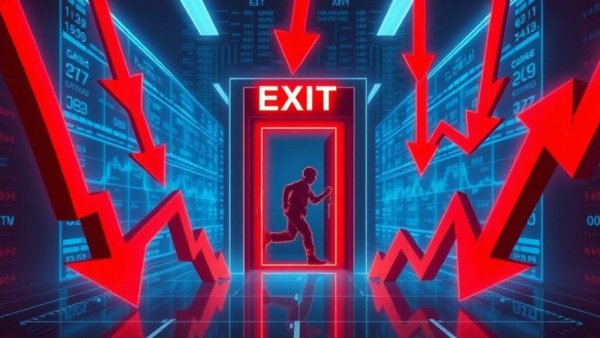
Understanding the Current Market Dynamics: A Dire Warning
In recent discussions within the investment community, Ulf Lindahl, a seasoned market veteran with over 40 years of experience, paints a stark picture of what lies ahead for investors. With a looming prediction of a 40% stock market crash coupled with skyrocketing oil prices potentially reaching $500, Lindahl’s assertions demand attention from import-export companies and other sectors reliant on stable economic conditions. Market volatility can create an environment fraught with uncertainty, especially for those whose livelihoods depend on favorable trading conditions.
Why Should Import-Export Companies Care?
For businesses engaged in international trade, appreciation of market trends is critical. A falling stock market coupled with high oil prices can ripple throughout the economy, leading to increased tariffs and unpredictable trade regulations. As oil prices soar, transportation costs inevitably rise, which could severely affect profit margins for import-export manufacturers. Understanding these dynamics can help business leaders make informed decisions, positioning themselves advantageously. Additionally, the potential for rising interest rates as a response to inflation could further complicate financing options, making it essential for companies to stay ahead of the curve.
The Potential Consequences of $500 Oil
Imagine the pipeline of goods flowing through global markets getting hampered by excessive transportation costs. The surge in oil prices impacts everything from shipping costs to consumer goods pricing, creating a domino effect on trade relationships. Higher oil prices can lead to a direct hike in the costs of shipping and freight, forcing businesses to reconsider their shipping routes and methods. Companies relying on oil for transportation may find themselves grappling with reduced profitability or having to pass on costs to consumers, which can result in decreased demand.
Historical Context: The 2008 Financial Crisis
Reflecting on the historical market crashes can provide valuable insight. The 2008 financial crisis serves as a prominent example where a confluence of rising oil prices and declining markets resulted in a global economic downturn. Investors lost confidence, leading to a contraction in trade that resonated for years. Import-export companies that heeded warnings and adjusted accordingly fared significantly better compared to those who remained oblivious. Learning from past market shifts can empower businesses to make proactive changes today, potentially protecting them from similar fates in the future.
How Should Businesses Prepare?
Preparation is key. Companies might consider diversifying their supply chains to mitigate risks associated with sudden economic downturns. Establishing relationships with multiple suppliers can buffer against the volatility of oil prices. Moreover, investing in research and development to explore alternative transportation methods or energy sources could lessen reliance on oil, thus safeguarding against high energy costs. In addition, firms could explore digital solutions such as improving logistics tracking and adopting energy-efficient practices to lessen their environmental and financial footprint.
Inspiring Perspectives: Embracing Change as Opportunity
While the prospect of a market crash seems daunting, it also touches on the spirit of entrepreneurship. Challenges often spur innovation, and this scenario could lead to the emergence of new solutions in logistics, energy use, and overall business practices. The shift towards sustainable practices could give rise to a new generation of entrepreneurs focused on eco-friendly transportation solutions. Thoughtful engagement with new ideas can empower import-export companies to not only survive but thrive in changing environments. Companies might enhance their resilience by adapting their business models to be more sustainable, thereby appealing to a growing market of environmentally-conscious consumers.
Final Thoughts: Navigating the Coming Storm
As businesses brace themselves for potential market volatility, recognizing early signs of change becomes essential. Engaging in proactive measures, such as expanding trade networks and exploring new technologies, can sow the seeds for a resilient future. Joining industry associations for knowledge sharing, investing in staff training to enhance adaptability, and keeping an eye on global trends can help companies remain competitive. Prepare today to meet tomorrow's challenges with confidence, ensuring that when the storm hits, your business is ready to weather it successfully.





Write A Comment