








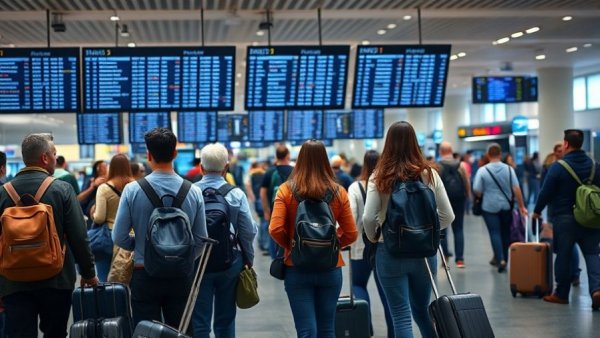
The Recent Flight Ground Stop: What Happened?
In a rare move, the FAA implemented a nationwide ground stop for flights, leaving many travelers stranded and uncertain about their plans. This decision was notably different from typical weather-related delays, with Homeland Security Secretary Mullin assuring the public that there was no evidence of a cyberattack. Instead, the issues were rooted in the ongoing challenges of recovery amid a surge in fuel costs, which have drastically impacted air travel. Fuel rates have seen an uptick, and this directly affects airline operations across the board, making it crucial for logistics and travel coordinators to track these shifts closely. Given these challenges, flight rebookings may take longer for passengers looking to continue their journeys.
Impact on Import Export Companies: What to Expect
Import export businesses, in particular, should pay close attention to this disruption. With planes grounded, the transport of goods will be delayed, complicating supply chains. The ripple effects of these air travel disruptions can be severe, impacting many businesses that depend on quick and reliable shipment channels. For manufacturers and exporters who operate under strict deadlines and contracts, these delays can lead to financial repercussions, including potential penalties for unmet obligations. Understanding how these flights being grounded will influence trade logistics is crucial for any business engaged in importing and exporting. It’s critical to analyze supply chains and prepare for alternative methods of transportation, especially during peak shipping periods.
Weathering the Storm: Strategies for Recovery
As air travel begins its slow recovery, businesses can take proactive steps. Connecting with reliable logistics partners and considering alternative transport options, such as road or rail, can mitigate disruptions during crises like this. Some businesses might explore partnerships with freight companies that specialize in ground transport or intermodal shipping. Additionally, tracking fuel prices and adjusting shipping schedules accordingly can help adapt to the fluctuating costs associated with transportation. By being proactive about potential delays, businesses can communicate strategies to clients or partners that help alleviate concerns. Also, preparing for increased tariffs and adjusting contracts can safeguard against sudden market changes, ensuring companies are better positioned to withstand challenges.
Keeping Customers Informed: A Key Component
For businesses in the import export arena, communication is key. Customers typically expect timely shipment updates. Transparent communication regarding any potential delays caused by the current air travel situation will strengthen relationships. Consider updating customers on status changes and what measures are being taken to resolve delays. Providing clear delivery expectations enhances customer trust, even amid uncertainty. Sharing updates via email or business newsletters can be effective in conveying the current situation. Offering insights into alternative routes or shipping options could also serve to retain customer confidence during challenging times.
Looking Ahead: Predictions for the Future of Air Travel
While the immediate aftermath of this nationwide ground stop has created challenges, it also raises questions about the future of air travel. Will technological advancements, such as improved tracking systems or aircraft efficiency, ensure such situations become less likely? Or will economic pressures continue to influence air cargo conditions? Import export companies must stay informed on trends and governmental regulations that may affect tariffs and trade potential. Investments in technology to monitor freight logistics and staying up-to-date with FAA regulations can be beneficial. Understanding emerging market trends will enable companies to better anticipate shifts and prepare effectively.
Conclusion: Take Action in Light of Current Events
In an unpredictable climate, it’s essential for businesses to remain resilient. Understanding how national disruptions affect global trade will enable companies to navigate these challenges effectively. Utilize the resources available, such as consulting logistics experts and investing in strong customer service practices, to thrive in a complicated environment. As we adapt to the increasingly complex landscape of international trade, staying proactive will allow you to seize opportunities amid obstacles. The ability to pivot quickly and re-strategize could make a significant difference moving forward, ensuring that businesses can continue to grow and thrive despite new challenges.





Write A Comment