Global Trade News
Global Trade News
  • Manufacturing Insights 
  • Categories
    • Policy Pulse
    • Compliance Corner
    • Market Movers
    • Supply Chain
    • Export Essentials
    • Manufacturing Technology
    • Regulatory Roundup
    • Market Intelligence
    • Industry Voices
    • More Videos
November 06.2026
3 Minutes Read

Wall Street Steadying After Tech Rout: Insights for Import/Export Companies

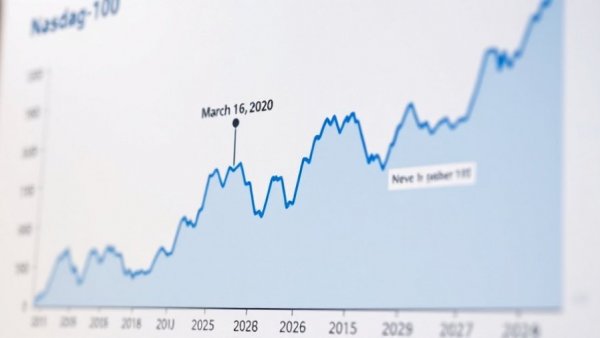
Financial graph showcasing Nasdaq-100 returns 2020-2026.

Wall Street Pauses for Breath After a Turbulent Tech Week

After a turbulent week marked by significant fluctuations, Wall Street is poised to stabilize, particularly following the notable downturn in technology stocks. This temporary calm provides a moment for reflection and strategy adjustment, especially for companies engaged in import and export. With the unpredictable nature of the market, key players need to stay informed on shifts that could impact trade. The volatility we've seen underscores the importance of a proactive approach, enabling businesses to anticipate changes rather than react to them.

The Tech Sector's Impact on Trade

The past week has illustrated how vulnerable even the tech giants are to market swings. For businesses reliant on technology—whether through tools for efficient trade or platforms for manufacturing—understanding these fluctuations is crucial. Import and export companies can learn from this experience by developing strategies to mitigate risks associated with high volatility in tech stocks. As the tech sector often leads broader market trends, a rebound could ignite renewed confidence in other sectors, including manufacturing and export activities. The interconnectedness of these industries means that recovery in tech can help restore balance across the whole supply chain, ultimately benefiting global trade dynamics.

What Lies Ahead? Future Trends in Financial Markets

Looking ahead, analysts are predicting a potential rebound in technology stocks driven by innovative advancements and consumer demand. Import/export businesses should remain vigilant for signs of recovery as this could fuel opportunities in trade and manufacturing sectors. An uptick in tech valuations might uplift related industries, leading to a broader economic resurgence that positively impacts supply chains. Moreover, rising consumer interest in cutting-edge technology products could drive companies to bolster their inventories and shipping capacities, which is essential for importers and exporters alike.

Understanding the Economic Landscape: Trade and Manufacturing

The recent fluctuations in Wall Street represent more than just numbers; they reveal the broader economic landscape affecting import and export activities. As companies navigate this terrain, they should focus on diversifying their product lines and exploring new markets. Engaging with financial insights can help businesses understand trends and capitalize on emerging opportunities in trade. In a landscape shaped by uncertainty, the ability to pivot and adjust business models is a key asset. For instance, firms might consider partnerships or joint ventures to expand their reach and share resources, enhancing their resilience against market shocks.

Practical Steps to Take in Times of Market Uncertainty

Amidst the current market conditions, there are proactive steps that import and export companies can implement. Firstly, strengthening relationships with suppliers ensures that businesses remain competitive, even when tech stocks drive market volatility. Building strong networks can provide companies with leverage when negotiating terms or sourcing materials. Secondly, investing in technology to streamline operations can provide a buffer against unexpected financial turbulence. Automation and digital tools not only improve efficiency but also help businesses respond more swiftly to changing market conditions. Lastly, staying informed about regulatory changes can enable firms to adapt swiftly to new challenges, securing their bottom line. Compliance is not just a legal obligation; it can also be a competitive advantage as companies navigate the complexities of international trade regulations.

The Role of Financial Insights in Shaping Strategy

Accurate financial insights can empower import/export companies to make strategic, data-driven decisions. By evaluating market trends and consumer behavior analytics, businesses can align their strategies to better navigate market fluctuations. Furthermore, involving financial experts in the decision-making process ensures a comprehensive understanding of risks versus rewards in potential investments and operational enhancements. It's critical to monitor not just the local market conditions but also global economic indicators that may pave the way for new trade opportunities or emerging threats.

Call to Action: Adapt and Thrive

Now is the time for import and export companies to assess their strategies in light of recent market changes. This critical period offers you an opportunity to reevaluate your operational processes, refine your market approach, and incorporate innovative technologies. Let's embrace these challenges as chances for growth and stability in the dynamic world of trade. Stay engaged, keep innovating, and use this time to not just weather the storm but to emerge stronger, ready to capitalize on the next wave of opportunities that the market presents.

Supply Chain

6 Views

Write A Comment

*
*
Please complete the captcha to submit your comment.
Related Posts All Posts
11.07.2026

The Impact of China's Fertilizer Export Restrictions on American Agriculture: What Farmers Need to Know

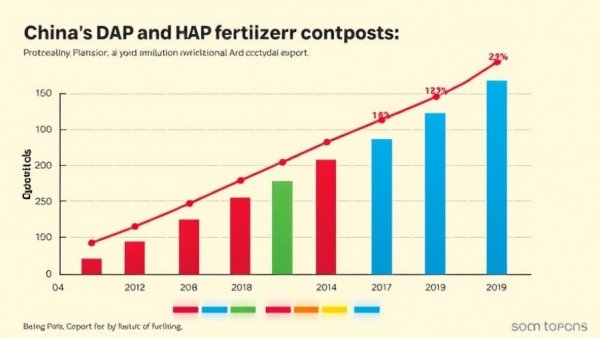
Update The Fertilizer Puzzle: Understanding China's Export Restrictions As farmers across the United States face the challenge of securing fertilizers, the implications of China's ongoing export restrictions on these crucial agricultural inputs continue to wreak havoc. With the global agriculture sector in turmoil, it becomes vital to understand the realities behind these restrictions and their effects on American farming, which are not just economic but also social. Current Trade Dynamics: A One-Sided Story Current trade dynamics paint a bleak picture for American farmers. While sulfur exports from the U.S. have surged—up by 57 percent from January to July 2026—farmers find that the import prices for the raw materials they require for fertilizer production have skyrocketed. Despite the increased American exports of sulfur, U.S. farmers face skyrocketing costs due to China’s self-imposed restrictions on phosphate fertilizers such as DAP (Diammonium Phosphate) and MAP (Monoammonium Phosphate). A Closer Look at Prices As of late October 2026, retail prices for crucial fertilizers have soared, with DAP pricing hitting $939 per short ton and MAP at $983. This steep increase—up 12 percent from the previous year—adds significant strain on American agricultural operations. It's not just a shift in numbers; it's a matter of survival for many farming families who depend on these fertilizers to secure their harvests and economic futures. Why China is Holding Firm The Chinese government has made it clear: prioritizing domestic supply constraints means limiting exports of essential fertilizers to other countries, including the U.S. This one-sided approach raises doubts among American farmers who once relied on China's crucial phosphate exports but are now left in the lurch. The challenge for U.S. policymakers lies in navigating this complex trade landscape to ensure an abundant and stable supply of fertilizers for domestic agriculture. Looking Ahead: What Must Be Done? To address these challenges, U.S. agricultural leaders are urging swift actions. Suggestions include securing domestic sulfur access, advocating for an investigation into fertilizer trade practices, and pushing for newly expanded production capacities. The key question remains: what can the U.S. government do to mitigate these rising costs and guarantee a steady supply of fertilizers in the face of ongoing competition and restrictions from China? Future Implications for American Agriculture Farmers and agricultural stakeholders must understand the implications of these trade restrictions not just for today but also for the future. The forecast of a potential phosphate fertilizer export resumption in mid-2027, as suggested by Argus, offers a glimmer of hope. However, it also emphasizes the urgent need for the U.S. to diversify its sources of fertilizer inputs and increase local production. By doing so, American farmers can better insulate themselves from foreign market fluctuations and ensure the sustainability of their agricultural practices. Conclusion: Facing the Challenges Together As we navigate these complex international trade issues, it’s crucial for American farmers, policymakers, and industry leaders to come together. Finding solutions isn’t just about numbers on a page—it affects farmers’ lives and food security across the nation. Addressing these fertilizer shortages through strategic planning can build resilience in our agricultural economy, ensuring a more secure and prosperous future for all.

11.04.2026

Political Changes Prompt Import-Export Companies to Shift Strategies

Update Understanding the Political Landscape: A Shift to Blue In a remarkable turn of events, the recent elections have seen a significant shift in the political landscape of the United States, with a blue wave that challenges the long-standing dominance of the Republican Party. This shift reflects not only a changing political mood but also carries substantial implications for various sectors, including international trade and financial insights relevant to import-export companies. The enthusiasm of voters for change is evident, signaling a desire for new approaches to pressing issues like climate change, economic inequality, and international relations. The Impact on Trade and Manufacturing As import-export businesses navigate a new political environment, the potential for changes in trade policies cannot be overlooked. Democratic leadership has a history of emphasizing strong trade regulations and environmental controls. Import-export companies, particularly in manufacturing, must prepare for new compliance standards that may come with a shift in power. With different priorities under a blue administration, focus could shift towards fair labor practices and sustainable manufacturing processes, which aim to foster more ethical relationships with suppliers and enhance corporate responsibility in the global market. Moreover, with the increasing scrutiny over tariffs and trade agreements, companies need to be ready to adapt their strategies. The blue wave may lead to reforms in existing trade deals, which could either benefit or challenge businesses depending on their current operations and international partnerships. Understanding how these policy shifts affect global market dynamics will be crucial for staying competitive. Financial Insights: Preparing for Change In light of these political changes, financial insights are more crucial than ever. Companies operating in the import-export sector should reassess their financial strategies. Investments in technology and sustainable practices may not only comply with new regulations but also position businesses advantageously as global trends lean towards ethical manufacturing. Investors should consider how these policies could affect supply chains and pricing structures across various commodities, especially in manufacturing. Additionally, the importance of financial forecasting grows in a politically unstable climate. companies should explore contingency plans that account for potential volatility in currency exchange rates, supply chain delays, and new tariffs. Creating a flexible financial plan is essential, as it will help businesses respond swiftly to changing conditions. Future Predictions: Navigating Uncertainties Looking forward, import-export companies must be proactive in anticipating changes. While the blue wave signifies a possible shift to progressive policies, it also raises questions about international relationships and agreements. The evolution of these relationships could either enhance trade opportunities or introduce more barriers, depending on the newly proposed legislation. For instance, a focus on reducing carbon emissions could lead to new trade agreements that favor eco-friendly products, benefiting companies that are quick to adapt. Contrarily, a protectionist approach might limit access to international markets. Taking a forward-thinking approach, businesses can position themselves for success by aligning their operations with the expected regulatory landscape. Taking Action: Strategies for Businesses With impending changes, laying down actionable insights is vital. Companies should consider diversifying their markets and supply chains to minimize potential disruptions. For example, exploring new geographic markets could not only spread risk but also open doors to fresh opportunities. Additionally, staying informed about regulatory changes will be essential. Engaging with trade organizations and participating in discussions can provide further insights and strategies to successfully navigate the upcoming landscape. Networking with other businesses can also foster collaborations that might provide mutual benefits in an evolving environment. Conclusion: Embracing Change in Business Practices The recent political shift serves as a reminder of the fluid nature of the business landscape. Import-export companies have a unique opportunity to adapt and thrive amidst these changes. By focusing on sustainable practices and proactive financial strategies, businesses can not only survive but flourish in a transitioning economic environment. Embracing change may seem challenging, but it often leads to innovation and growth. Take charge of your business journey today and consider how these developments can be transformed into opportunities. By staying informed and remaining flexible, import-export companies can navigate the future with confidence and resilience.

11.03.2026

Nvidia's Directive: What Import-Export Companies Need to Know About China Exposure

Update Nvidia's Strategic Move in the Global Market Nvidia has taken a bold step by advising its data center clients to scale back their exposure to China. This comes as the tech giant aims to mitigate risks amid escalating geopolitical tensions and increased scrutiny surrounding technology exports. The call to action reflects a broader trend in the tech industry, where companies are reassessing their dependencies on the Chinese market. These developments are critical as they point towards a new landscape in global trade, especially for businesses that heavily rely on technology and data centers to drive their operations. The Rationale Behind Nvidia's Directive This shift is rooted in concerns over national security and trade regulations. Nvidia’s decision suggests a recognition of the changing dynamics in international business, particularly for tech manufacturers whose products are often sensitive in nature. By limiting exposure to certain markets, companies can shield themselves from potential fallout from sudden regulatory changes, ensuring they remain compliant and can continue to operate without interruption. The move mirrors strategies being adopted by various tech firms that are increasingly aware of the vulnerabilities tied to geopolitical instability. The Impact on Import-Export Companies For import-export companies, this development could signal significant changes in trade flows and market opportunities. As Nvidia's directives ripple through the industry, businesses must adapt to navigate a landscape that is becoming increasingly complex. Diversifying supply chains and seeking new partnerships outside of China may become a strategic priority for companies looking to stay competitive. This call to action was echoed by industry analysts who suggest that adaptability will be crucial in the coming years. Market Trends and Future Predictions Historically, reliance on Chinese manufacturing and supply chains has been a dominant paradigm. However, as companies like Nvidia alter their strategies, it's likely that we will see a shift towards increased manufacturing in regions deemed more stable and less politically risky. Countries in Southeast Asia and Latin America may stand to benefit from this trend as companies reconsider their footprint and potentially relocate facilities. For example, nations such as Vietnam and Mexico are already emerging as alternative hubs for manufacturing, offering businesses lower costs and less regulatory complexity. What This Means for Trade Relationships The potential reconfiguration of trade relationships stemming from Nvidia’s directive highlights an urgent need for businesses to understand the implications for their operations. Companies may need to reevaluate their sourcing strategies and consider the operational impacts of changes in their trade networks. This provides an opportunity to explore emerging markets that may offer competitive advantages. Trade policies and tariffs could play a significant role in guiding these decisions, emphasizing the importance of staying informed about international trade agreements and national policies. Opportunities Amidst Challenges While some may view Nvidia's directive as cautionary, it presents an opening for businesses willing to innovate and adapt. Exploring alternative manufacturing locations and expanding into markets that align with the shifting trade landscape can yield new business opportunities. For entrepreneurs, this is a call to assess existing operations and pivot towards agility in their supply chains, thereby fostering growth. Moreover, businesses that proactively search for creative solutions to streamline their operations are likely to emerge stronger in a rapidly changing environment. Actionable Insights for Businesses Import-export companies should act by conducting thorough market research to identify potential partners and supply chain alternatives in regions that may lessen their reliance on China. This strategic foresight could safeguard their operations against unforeseen disruptions. Additionally, investing in technology that enhances visibility and control over supply chains can help businesses respond swiftly to market changes. Using data analytics can provide insights that guide decisions and optimize logistics, making operations more efficient and responsive. In closing, Nvidia's recent directive serves as a powerful reminder of the interconnectedness of global trade and the necessity for businesses to remain agile and informed. By embracing change and seeking opportunities in emerging markets, companies can not only survive but thrive in an evolving landscape. As we witness shifts in geopolitical tides, the companies that adapt quickly and strategically are the ones that will position themselves favorably for future growth. With proactive planning and a willingness to innovate, the potential for success remains vast amidst challenges.

Global Trade News


An educational, content-centric platform that delivers unbiased, comprehensive, and real-time regulatory news and analysis, empowering stakeholders to make informed decisions in a complex global trade environment.


Global Trade News is a subsidiary of RP Design Web Services.

COMPANY

  • Privacy Policy
  • Terms of Use
  • Advertise
  • Contact Us
  • Menu 5
  • Menu 6

AVAILABLE FROM 8AM - 5PM

City, State

Cheshire, CT

ABOUT US

A media channel that delivers the latest insights on trade regulations, import/export compliance, policy shifts, and global market trends.  Present both US and international perspectives to provide companies with a holistic view of the evolving trade landscape.

© 2026 Global Trade News All Rights Reserved. PO Box 1189 , Cheshire, CT 06410 . Contact Us . Terms of Service . Privacy Policy

eyJjb21wYW55IjoiR2xvYmFsIFRyYWRlIE5ld3MiLCJhZGRyZXNzIjoiUE8gQm94IDExODkgIiwiY2l0eSI6IkNoZXNoaXJlIiwic3RhdGUiOiJDVCIsInppcCI6IjA2NDEwIiwiZW1haWwiOiJzYWxlc0BycGRlc2lnbi5jb20iLCJ0b3MiOiJQSEErUEhOMGNtOXVaejQ4WlcwK1YyaGxiaUI1YjNVZ2MybG5iaTFwYmlCM2FYUm9JSFZ6TENCNWIzVWdZWEpsSUdkcGRtbHVaeVp1WW5Od095QjViM1Z5SUhCbGNtMXBjM05wYjI0Z1lXNWtJR052Ym5ObGJuUWdkRzhnYzJWdVpDQjViM1VnWlcxaGFXd2dZVzVrTDI5eUlGTk5VeUIwWlhoMElHMWxjM05oWjJWekxpQkNlU0JqYUdWamEybHVaeUIwYUdVZ1ZHVnliWE1nWVc1a0lFTnZibVJwZEdsdmJuTWdZbTk0SUdGdVpDQmllU0J6YVdkdWFXNW5JR2x1SUhsdmRTQmhkWFJ2YldGMGFXTmhiR3g1SUdOdmJtWnBjbTBnZEdoaGRDQjViM1VnWVdOalpYQjBJR0ZzYkNCMFpYSnRjeUJwYmlCMGFHbHpJR0ZuY21WbGJXVnVkQzQ4TDJWdFBqd3ZjM1J5YjI1blBqd3ZjRDRLQ2p4d1BqeGhJR2h5WldZOUltaDBkSEE2THk5M2QzY3VaMjl2WjJ4bExtTnZiU0krYUhSMGNEb3ZMM2QzZHk1bmIyOW5iR1V1WTI5dFBDOWhQand2Y0Q0S0NqeHdQaVp1WW5Od096d3ZjRDRLQ2p4d1BqeHpkSEp2Ym1jK1UwVlNWa2xEUlR3dmMzUnliMjVuUGp3dmNENEtDanh3UGxkbElIQnliM1pwWkdVZ1lTQnpaWEoyYVdObElIUm9ZWFFnWTNWeWNtVnVkR3g1SUdGc2JHOTNjeUI1YjNVZ2RHOGdjbVZqWldsMlpTQnlaWEYxWlhOMGN5Qm1iM0lnWm1WbFpHSmhZMnNzSUdOdmJYQmhibmtnYVc1bWIzSnRZWFJwYjI0c0lIQnliMjF2ZEdsdmJtRnNJR2x1Wm05eWJXRjBhVzl1TENCamIyMXdZVzU1SUdGc1pYSjBjeXdnWTI5MWNHOXVjeXdnWkdselkyOTFiblJ6SUdGdVpDQnZkR2hsY2lCdWIzUnBabWxqWVhScGIyNXpJSFJ2SUhsdmRYSWdaVzFoYVd3Z1lXUmtjbVZ6Y3lCaGJtUXZiM0lnWTJWc2JIVnNZWElnY0dodmJtVWdiM0lnWkdWMmFXTmxMaUJaYjNVZ2RXNWtaWEp6ZEdGdVpDQmhibVFnWVdkeVpXVWdkR2hoZENCMGFHVWdVMlZ5ZG1salpTQnBjeUJ3Y205MmFXUmxaQ0FtY1hWdmREdEJVeTFKVXlaeGRXOTBPeUJoYm1RZ2RHaGhkQ0IzWlNCaGMzTjFiV1VnYm04Z2NtVnpjRzl1YzJsaWFXeHBkSGtnWm05eUlIUm9aU0IwYVcxbGJHbHVaWE56TENCa1pXeGxkR2x2Yml3Z2JXbHpMV1JsYkdsMlpYSjVJRzl5SUdaaGFXeDFjbVVnZEc4Z2MzUnZjbVVnWVc1NUlIVnpaWElnWTI5dGJYVnVhV05oZEdsdmJuTWdiM0lnY0dWeWMyOXVZV3hwZW1GMGFXOXVJSE5sZEhScGJtZHpMand2Y0Q0S0NqeHdQbGx2ZFNCaGNtVWdjbVZ6Y0c5dWMybGliR1VnWm05eUlHOWlkR0ZwYm1sdVp5QmhZMk5sYzNNZ2RHOGdkR2hsSUZObGNuWnBZMlVnWVc1a0lIUm9ZWFFnWVdOalpYTnpJRzFoZVNCcGJuWnZiSFpsSUhSb2FYSmtJSEJoY25SNUlHWmxaWE1nS0hOMVkyZ2dZWE1nVTAxVElIUmxlSFFnYldWemMyRm5aWE1zSUVsdWRHVnlibVYwSUhObGNuWnBZMlVnY0hKdmRtbGtaWElnYjNJZ1kyVnNiSFZzWVhJZ1lXbHlkR2x0WlNCamFHRnlaMlZ6S1M0Z1dXOTFJR0Z5WlNCeVpYTndiMjV6YVdKc1pTQm1iM0lnZEdodmMyVWdabVZsY3l3Z2FXNWpiSFZrYVc1bklIUm9iM05sSUdabFpYTWdZWE56YjJOcFlYUmxaQ0IzYVhSb0lIUm9aU0JrYVhOd2JHRjVJRzl5SUdSbGJHbDJaWEo1SUc5bUlHVmhZMmdnVTAxVElIUmxlSFFnYldWemMyRm5aU0J6Wlc1MElIUnZJSGx2ZFNCaWVTQjFjeTRnU1c0Z1lXUmthWFJwYjI0c0lIbHZkU0J0ZFhOMElIQnliM1pwWkdVZ1lXNWtJR0Z5WlNCeVpYTndiMjV6YVdKc1pTQm1iM0lnWVd4c0lHVnhkV2x3YldWdWRDQnVaV05sYzNOaGNua2dkRzhnWVdOalpYTnpJSFJvWlNCVFpYSjJhV05sSUdGdVpDQnlaV05sYVhabElIUm9aU0JUVFZNZ2RHVjRkQ0J0WlhOellXZGxjeTRnVjJVZ1pHOGdibTkwSUdOb1lYSm5aU0JoYm5rZ1ptVmxjeUJtYjNJZ1pHVnNhWFpsY25rZ2IyWWdaVzFoYVd3Z2IzSWdVMDFUTGlCVWFHbHpJR2x6SUdFZ1puSmxaU0J6WlhKMmFXTmxJSEJ5YjNacFpHVmtJR0o1SUhWekxpQkliM2RsZG1WeUxDQndiR1ZoYzJVZ1kyaGxZMnNnZDJsMGFDQjViM1Z5SUdsdWRHVnlibVYwSUhObGNuWnBZMlVnY0hKdmRtbGtaWElnWVc1a0lHTmxiR3gxYkdGeUlHTmhjbkpwWlhJZ1ptOXlJR0Z1ZVNCamFHRnlaMlZ6SUhSb1lYUWdiV0Y1SUdsdVkzVnlJR0Z6SUdFZ2NtVnpkV3gwSUdaeWIyMGdjbVZqWldsMmFXNW5JR1Z0WVdsc0lHRnVaQ0JUVFZNZ2RHVjRkQ0J0WlhOellXZGxjeUIwYUdGMElIZGxJR1JsYkdsMlpYSWdkWEJ2YmlCNWIzVnlJRzl3ZEMxcGJpQmhibVFnY21WbmFYTjBjbUYwYVc5dUlIZHBkR2dnYjNWeUlHVnRZV2xzSUdGdVpDQlRUVk1nYzJWeWRtbGpaWE11SUZsdmRTQmpZVzRnWTJGdVkyVnNJR0YwSUdGdWVTQjBhVzFsTGlCS2RYTjBJSFJsZUhRZ0puRjFiM1E3VTFSUFVDWnhkVzkwT3lCMGJ5QThhR2xuYUd4cFoyaDBJR05zWVhOelBTSmpiMjF3WVc1NVVHaHZibVZWY0dSaGRHVWlQaXN4TWpBek1qY3hOems1TVR3dmFHbG5hR3hwWjJoMFBpNGdRV1owWlhJZ2VXOTFJSE5sYm1RZ2RHaGxJRk5OVXlCdFpYTnpZV2RsSUNaeGRXOTBPMU5VVDFBbWNYVnZkRHNnZEc4Z2RYTXNJSGRsSUhkcGJHd2djMlZ1WkNCNWIzVWdZVzRnVTAxVElHMWxjM05oWjJVZ2RHOGdZMjl1Wm1seWJTQjBhR0YwSUhsdmRTQm9ZWFpsSUdKbFpXNGdkVzV6ZFdKelkzSnBZbVZrTGlCQlpuUmxjaUIwYUdsekxDQjViM1VnZDJsc2JDQnVieUJzYjI1blpYSWdjbVZqWldsMlpTQlRUVk1nYldWemMyRm5aWE1nWm5KdmJTQjFjeTQ4TDNBK0NnbzhjRDQ4YzNSeWIyNW5QbGxQVlZJZ1VrVkhTVk5VVWtGVVNVOU9JRTlDVEVsSFFWUkpUMDVUUEM5emRISnZibWMrUEM5d1Bnb0tQSEErU1c0Z1kyOXVjMmxrWlhKaGRHbHZiaUJ2WmlCNWIzVnlJSFZ6WlNCdlppQjBhR1VnVTJWeWRtbGpaU3dnZVc5MUlHRm5jbVZsSUhSdk9qd3ZjRDRLQ2p4dmJENEtDVHhzYVQ1d2NtOTJhV1JsSUhSeWRXVXNJR0ZqWTNWeVlYUmxMQ0JqZFhKeVpXNTBJR0Z1WkNCamIyMXdiR1YwWlNCcGJtWnZjbTFoZEdsdmJpQmhZbTkxZENCNWIzVnljMlZzWmlCaGN5QndjbTl0Y0hSbFpDQmllU0IwYUdVZ1UyVnlkbWxqWlNZak16azdjeUJ5WldkcGMzUnlZWFJwYjI0Z1ptOXliU0FvYzNWamFDQnBibVp2Y20xaGRHbHZiaUJpWldsdVp5QjBhR1VnSm5GMWIzUTdVbVZuYVhOMGNtRjBhVzl1SUVSaGRHRW1jWFZ2ZERzcElHRnVaRHd2YkdrK0NnazhiR2srYldGcGJuUmhhVzRnWVc1a0lIQnliMjF3ZEd4NUlIVndaR0YwWlNCMGFHVWdVbVZuYVhOMGNtRjBhVzl1SUVSaGRHRWdkRzhnYTJWbGNDQnBkQ0IwY25WbExDQmhZMk4xY21GMFpTd2dZM1Z5Y21WdWRDQmhibVFnWTI5dGNHeGxkR1V1SUVsbUlIbHZkU0J3Y205MmFXUmxJR0Z1ZVNCcGJtWnZjbTFoZEdsdmJpQjBhR0YwSUdseklIVnVkSEoxWlN3Z2FXNWhZMk4xY21GMFpTd2dibTkwSUdOMWNuSmxiblFnYjNJZ2FXNWpiMjF3YkdWMFpTd2diM0lnZDJVZ2FHRjJaU0J5WldGemIyNWhZbXhsSUdkeWIzVnVaSE1nZEc4Z2MzVnpjR1ZqZENCMGFHRjBJSE4xWTJnZ2FXNW1iM0p0WVhScGIyNGdhWE1nZFc1MGNuVmxMQ0JwYm1GalkzVnlZWFJsTENCdWIzUWdZM1Z5Y21WdWRDQnZjaUJwYm1OdmJYQnNaWFJsTENCM1pTQm9ZWFpsSUhSb1pTQnlhV2RvZENCMGJ5QnpkWE53Wlc1a0lHOXlJRHh6ZEhKdmJtYytQSE53WVc0Z2MzUjViR1U5SW1OdmJHOXlPaU5HUmpBd01EQTdJajUwWlhKdGFXNWhkR1VnZVc5MWNpQmhZMk52ZFc1MEwzQnliMlpwYkdVZ1lXNWtJSEpsWm5WelpTQmhibmtnWVc1a0lHRnNiQ0JqZFhKeVpXNTBJRzl5SUdaMWRIVnlaU0IxYzJVZ2IyWWdkR2hsSUZObGNuWnBZMlVnS0c5eUlHRnVlU0J3YjNKMGFXOXVJSFJvWlhKbGIyWXBMand2YzNCaGJqNDhMM04wY205dVp6NDhMMnhwUGdvOEwyOXNQZ29LUEhBK0ptNWljM0E3UEM5d1BnbzhhR2xuYUd4cFoyaDBJR05zWVhOelBTSmpiMjF3WVc1NVRtRnRaVlZ3WkdGMFpTSStSMnh2WW1Gc0lGUnlZV1JsSUU1bGQzTThMMmhwWjJoc2FXZG9kRDQ4WW5JZ0x6NEtQR2hwWjJoc2FXZG9kQ0JqYkdGemN6MGlZMjl0Y0dGdWVVRmtaSEpsYzNOVmNHUmhkR1VpUGxCUElFSnZlQ0F4TVRnNUlDd2dRMmhsYzJocGNtVXNJRU5VSURBMk5ERXdQQzlvYVdkb2JHbG5hSFErUEdKeUlDOCtDanhvYVdkb2JHbG5hSFFnWTJ4aGMzTTlJbU52YlhCaGJubFFhRzl1WlZWd1pHRjBaU0krS3pFeU1ETXlOekUzT1RreFBDOW9hV2RvYkdsbmFIUStQR0p5SUM4K0NqeG9hV2RvYkdsbmFIUWdZMnhoYzNNOUltTnZiWEJoYm5sRmJXRnBiRlZ3WkdGMFpTSStjMkZzWlhOQWNuQmtaWE5wWjI0dVkyOXRQQzlvYVdkb2JHbG5hSFErIiwicHJpdmFjeSI6IlBIQStQSE4wY205dVp6NVFVa2xXUVVOWlBDOXpkSEp2Ym1jK1BDOXdQZ29LUEhBK1BITjBjbTl1Wno1VWFHVWdhVzVtYjNKdFlYUnBiMjRnY0hKdmRtbGtaV1FnWkhWeWFXNW5JSFJvYVhNZ2NtVm5hWE4wY21GMGFXOXVJR2x6SUd0bGNIUWdjSEpwZG1GMFpTQmhibVFnWTI5dVptbGtaVzUwYVdGc0xDQmhibVFnZDJsc2JDQnVaWFpsY2lCaVpTQmthWE4wY21saWRYUmxaQ3dnWTI5d2FXVmtMQ0J6YjJ4a0xDQjBjbUZrWldRZ2IzSWdjRzl6ZEdWa0lHbHVJR0Z1ZVNCM1lYa3NJSE5vWVhCbElHOXlJR1p2Y20wdUlGUm9hWE1nYVhNZ2IzVnlJR2QxWVhKaGJuUmxaUzQ4TDNOMGNtOXVaejQ4TDNBK0NnbzhjRDQ4YzNSeWIyNW5Qa2xPUkVWTlRrbFVXVHd2YzNSeWIyNW5Qand2Y0Q0S0NqeHdQanhsYlQ1WmIzVWdZV2R5WldVZ2RHOGdhVzVrWlcxdWFXWjVJR0Z1WkNCb2IyeGtJSFZ6TEM0Z1lXNWtJR2wwY3lCemRXSnphV1JwWVhKcFpYTXNJR0ZtWm1sc2FXRjBaWE1zSUc5bVptbGpaWEp6TENCaFoyVnVkSE1zSUdOdkxXSnlZVzVrWlhKeklHOXlJRzkwYUdWeUlIQmhjblJ1WlhKekxDQmhibVFnWlcxd2JHOTVaV1Z6TENCb1lYSnRiR1Z6Y3lCbWNtOXRJR0Z1ZVNCamJHRnBiU0J2Y2lCa1pXMWhibVFzSUdsdVkyeDFaR2x1WnlCeVpXRnpiMjVoWW14bElHRjBkRzl5Ym1WNWN5WWpNems3SUdabFpYTXNJRzFoWkdVZ1lua2dZVzU1SUhSb2FYSmtJSEJoY25SNUlHUjFaU0IwYnlCdmNpQmhjbWx6YVc1bklHOTFkQ0J2WmlCRGIyNTBaVzUwSUhsdmRTQnlaV05sYVhabExDQnpkV0p0YVhRc0lISmxjR3g1TENCd2IzTjBMQ0IwY21GdWMyMXBkQ0J2Y2lCdFlXdGxJR0YyWVdsc1lXSnNaU0IwYUhKdmRXZG9JSFJvWlNCVFpYSjJhV05sTENCNWIzVnlJSFZ6WlNCdlppQjBhR1VnVTJWeWRtbGpaU3dnZVc5MWNpQmpiMjV1WldOMGFXOXVJSFJ2SUhSb1pTQlRaWEoyYVdObExDQjViM1Z5SUhacGIyeGhkR2x2YmlCdlppQjBhR1VnVkU5VExDQnZjaUI1YjNWeUlIWnBiMnhoZEdsdmJpQnZaaUJoYm5rZ2NtbG5hSFJ6SUc5bUlHRnViM1JvWlhJdVBDOWxiVDQ4TDNBK0NnbzhjRDQ4YzNSeWIyNW5Qa1JKVTBOTVFVbE5SVklnVDBZZ1YwRlNVa0ZPVkVsRlV6d3ZjM1J5YjI1blBqd3ZjRDRLQ2p4d1BqeHpkSEp2Ym1jK1dVOVZJRVZZVUZKRlUxTk1XU0JWVGtSRlVsTlVRVTVFSUVGT1JDQkJSMUpGUlNCVVNFRlVPand2YzNSeWIyNW5Qand2Y0Q0S0NqeHZiRDRLQ1R4c2FUNVpUMVZTSUZWVFJTQlBSaUJVU0VVZ1UwVlNWa2xEUlNCSlV5QkJWQ0JaVDFWU0lGTlBURVVnVWtsVFN5NGdWRWhGSUZORlVsWkpRMFVnU1ZNZ1VGSlBWa2xFUlVRZ1QwNGdRVTRnSm5GMWIzUTdRVk1nU1ZNbWNYVnZkRHNnUVU1RUlDWnhkVzkwTzBGVElFRldRVWxNUVVKTVJTWnhkVzkwT3lCQ1FWTkpVeTRnTEM0Z1FVNUVJRlZUTENCSlZDWWpNems3VXlCRFZWTlVUMDFGVWxNc0lFVllVRkpGVTFOTVdTQkVTVk5EVEVGSlRWTWdRVXhNSUZkQlVsSkJUbFJKUlZNZ1QwWWdRVTVaSUV0SlRrUXNJRmRJUlZSSVJWSWdSVmhRVWtWVFV5QlBVaUJKVFZCTVNVVkVMQ0JKVGtOTVZVUkpUa2NzSUVKVlZDQk9UMVFnVEVsTlNWUkZSQ0JVVHlCVVNFVWdTVTFRVEVsRlJDQlhRVkpTUVU1VVNVVlRJRTlHSUUxRlVrTklRVTVVUVVKSlRFbFVXU3dnUmtsVVRrVlRVeUJHVDFJZ1FTQlFRVkpVU1VOVlRFRlNJRkJWVWxCUFUwVWdRVTVFSUU1UFRpMUpUa1pTU1U1SFJVMUZUbFF1UEM5c2FUNEtDVHhzYVQ1TlFVdEZVeUJPVHlCWFFWSlNRVTVVV1NCVVNFRlVJQ2hwS1NCVVNFVWdVMFZTVmtsRFJTQlhTVXhNSUUxRlJWUWdXVTlWVWlCU1JWRlZTVkpGVFVWT1ZGTXNJQ2hwYVNrZ1ZFaEZJRk5GVWxaSlEwVWdWMGxNVENCQ1JTQlZUa2xPVkVWU1VsVlFWRVZFTENCVVNVMUZURmtzSUZORlExVlNSU3dnVDFJZ1JWSlNUMUl0UmxKRlJTd2dLR2xwYVNrZ1ZFaEZJRkpGVTFWTVZGTWdWRWhCVkNCTlFWa2dRa1VnVDBKVVFVbE9SVVFnUmxKUFRTQlVTRVVnVlZORklFOUdJRlJJUlNCVFJWSldTVU5GSUZkSlRFd2dRa1VnUVVORFZWSkJWRVVnVDFJZ1VrVk1TVUZDVEVVc0lFRk9SQ0FvYVhZcElFRk9XU0JGVWxKUFVsTWdTVTRnVkVoRklGTlBSbFJYUVZKRklGZEpURXdnUWtVZ1EwOVNVa1ZEVkVWRUxqd3ZiR2srQ2drOGJHaytRVTVaSUUxQlZFVlNTVUZNSUVSUFYwNU1UMEZFUlVRZ1QxSWdUMVJJUlZKWFNWTkZJRTlDVkVGSlRrVkVJRlJJVWs5VlIwZ2dWRWhGSUZWVFJTQlBSaUJVU0VVZ1UwVlNWa2xEUlNCSlV5QkVUMDVGSUVGVUlGbFBWVklnVDFkT0lFUkpVME5TUlZSSlQwNGdRVTVFSUZKSlUwc2dRVTVFSUZSSVFWUWdXVTlWSUZkSlRFd2dRa1VnVTA5TVJVeFpJRkpGVTFCUFRsTkpRa3hGSUVaUFVpQkJUbGtnUkVGTlFVZEZJRlJQSUZsUFZWSWdRMDlOVUZWVVJWSWdVMWxUVkVWTklFOVNJRXhQVTFNZ1QwWWdSRUZVUVNCVVNFRlVJRkpGVTFWTVZGTWdSbEpQVFNCVVNFVWdSRTlYVGt4UFFVUWdUMFlnUVU1WklGTlZRMGdnVFVGVVJWSkpRVXd1UEM5c2FUNEtDVHhzYVQ1T1R5QkJSRlpKUTBVZ1QxSWdTVTVHVDFKTlFWUkpUMDRzSUZkSVJWUklSVklnVDFKQlRDQlBVaUJYVWtsVVZFVk9MQ0JQUWxSQlNVNUZSQ0JDV1NCWlQxVWdSbEpQVFNCUFVpQlVTRkpQVlVkSUlFOVNJRVpTVDAwZ1ZFaEZJRk5GVWxaSlEwVWdVMGhCVEV3Z1ExSkZRVlJGSUVGT1dTQlhRVkpTUVU1VVdTQk9UMVFnUlZoUVVrVlRVMHhaSUZOVVFWUkZSQ0JKVGlCVVNFVWdWRTlUTGp3dmJHaytDand2YjJ3K0NnbzhjRDQ4YzNSeWIyNW5Qa3hKVFVsVVFWUkpUMDRnVDBZZ1RFbEJRa2xNU1ZSWlBDOXpkSEp2Ym1jK1BDOXdQZ29LUEhBK1dVOVZJRVZZVUZKRlUxTk1XU0JWVGtSRlVsTlVRVTVFSUVGT1JDQkJSMUpGUlNCVVNFRlVJRUZPUkNCVFNFRk1UQ0JPVDFRZ1FrVWdURWxCUWt4RklFWlBVaUJCVGxrZ1JFbFNSVU5VTENCSlRrUkpVa1ZEVkN3Z1NVNURTVVJGVGxSQlRDd2dVMUJGUTBsQlRDd2dRMDlPVTBWUlZVVk9WRWxCVENCUFVpQkZXRVZOVUV4QlVsa2dSRUZOUVVkRlV5d2dTVTVEVEZWRVNVNUhJRUpWVkNCT1QxUWdURWxOU1ZSRlJDQlVUeXdnUkVGTlFVZEZVeUJHVDFJZ1RFOVRVeUJQUmlCUVVrOUdTVlJUTENCSFQwOUVWMGxNVEN3Z1ZWTkZMQ0JFUVZSQklFOVNJRTlVU0VWU0lFbE9WRUZPUjBsQ1RFVWdURTlUVTBWVElDaEZWa1ZPSUVsR0lFaEJVeUJDUlVWT0lFRkVWa2xUUlVRZ1QwWWdWRWhGSUZCUFUxTkpRa2xNU1ZSWklFOUdJRk5WUTBnZ1JFRk5RVWRGVXlrc0lGSkZVMVZNVkVsT1J5QkdVazlOT2p3dmNENEtDanh2YkQ0S0NUeHNhVDVVU0VVZ1ZWTkZJRTlTSUZSSVJTQkpUa0ZDU1V4SlZGa2dWRThnVlZORklGUklSU0JUUlZKV1NVTkZPend2YkdrK0NnazhiR2srVkVoRklFTlBVMVFnVDBZZ1VGSlBRMVZTUlUxRlRsUWdUMFlnVTFWQ1UxUkpWRlZVUlNCSFQwOUVVeUJCVGtRZ1UwVlNWa2xEUlZNZ1VrVlRWVXhVU1U1SElFWlNUMDBnUVU1WklFZFBUMFJUTENCRVFWUkJMQ0JKVGtaUFVrMUJWRWxQVGlCUFVpQlRSVkpXU1VORlV5QlFWVkpEU0VGVFJVUWdUMUlnVDBKVVFVbE9SVVFnVDFJZ1RVVlRVMEZIUlZNZ1VrVkRSVWxXUlVRZ1QxSWdWRkpCVGxOQlExUkpUMDVUSUVWT1ZFVlNSVVFnU1U1VVR5QlVTRkpQVlVkSUlFOVNJRVpTVDAwZ1ZFaEZJRk5GVWxaSlEwVTdQQzlzYVQ0S0NUeHNhVDVWVGtGVlZFaFBVa2xhUlVRZ1FVTkRSVk5USUZSUElFOVNJRUZNVkVWU1FWUkpUMDRnVDBZZ1dVOVZVaUJVVWtGT1UwMUpVMU5KVDA1VElFOVNJRVJCVkVFN1BDOXNhVDRLQ1R4c2FUNVRWRUZVUlUxRlRsUlRJRTlTSUVOUFRrUlZRMVFnVDBZZ1FVNVpJRlJJU1ZKRUlGQkJVbFJaSUU5T0lGUklSU0JUUlZKV1NVTkZPeUJQVWp3dmJHaytDZ2s4YkdrK1FVNVpJRTlVU0VWU0lFMUJWRlJGVWlCU1JVeEJWRWxPUnlCVVR5QlVTRVVnVTBWU1ZrbERSUzQ4TDJ4cFBnbzhMMjlzUGdvS1BIQStQSFUrUW5rZ2NtVm5hWE4wWlhKcGJtY2dZVzVrSUhOMVluTmpjbWxpYVc1bklIUnZJRzkxY2lCbGJXRnBiQ0JoYm1RZ1UwMVRJSE5sY25acFkyVXNJR0o1SUc5d2RDMXBiaXdnYjI1c2FXNWxJSEpsWjJsemRISmhkR2x2YmlCdmNpQmllU0JtYVd4c2FXNW5JRzkxZENCaElHTmhjbVFzSUNaeGRXOTBPM2x2ZFNCaFozSmxaU0IwYnlCMGFHVnpaU0JVUlZKTlV5QlBSaUJUUlZKV1NVTkZKbkYxYjNRN0lHRnVaQ0I1YjNVZ1lXTnJibTkzYkdWa1oyVWdZVzVrSUhWdVpHVnljM1JoYm1RZ2RHaGxJR0ZpYjNabElIUmxjbTF6SUc5bUlITmxjblpwWTJVZ2IzVjBiR2x1WldRZ1lXNWtJR1JsZEdGcGJHVmtJR1p2Y2lCNWIzVWdkRzlrWVhrdVBDOTFQand2Y0Q0S0NqeHdQaVp1WW5Od096d3ZjRDRLUEdocFoyaHNhV2RvZENCamJHRnpjejBpWTI5dGNHRnVlVTVoYldWVmNHUmhkR1VpUGtkc2IySmhiQ0JVY21Ga1pTQk9aWGR6UEM5b2FXZG9iR2xuYUhRK1BHSnlJQzgrQ2p4b2FXZG9iR2xuYUhRZ1kyeGhjM005SW1OdmJYQmhibmxCWkdSeVpYTnpWWEJrWVhSbElqNVFUeUJDYjNnZ01URTRPU0FzSUVOb1pYTm9hWEpsTENCRFZDQXdOalF4TUR3dmFHbG5hR3hwWjJoMFBqeGljaUF2UGdvOGFHbG5hR3hwWjJoMElHTnNZWE56UFNKamIyMXdZVzU1VUdodmJtVlZjR1JoZEdVaVBpc3hNakF6TWpjeE56azVNVHd2YUdsbmFHeHBaMmgwUGp4aWNpQXZQZ284YUdsbmFHeHBaMmgwSUdOc1lYTnpQU0pqYjIxd1lXNTVSVzFoYVd4VmNHUmhkR1VpUG5OaGJHVnpRSEp3WkdWemFXZHVMbU52YlR3dmFHbG5hR3hwWjJoMFBnPT0ifQ==

Terms of Service

Privacy Policy

Core Modal Title

Sorry, no results found

You Might Find These Articles Interesting

T
Please Check Your Email
We Will Be Following Up Shortly
*
*
*