








The Fertilizer Puzzle: Understanding China's Export Restrictions
As farmers across the United States face the challenge of securing fertilizers, the implications of China's ongoing export restrictions on these crucial agricultural inputs continue to wreak havoc. With the global agriculture sector in turmoil, it becomes vital to understand the realities behind these restrictions and their effects on American farming, which are not just economic but also social.
Current Trade Dynamics: A One-Sided Story
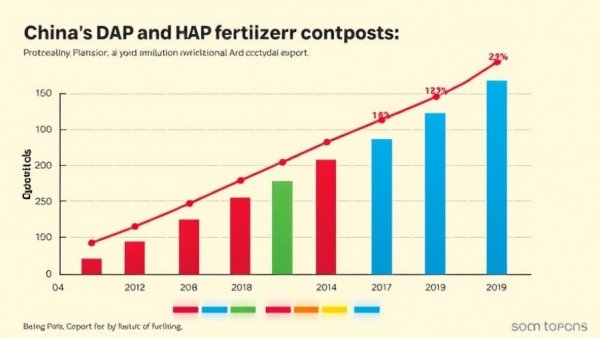
Current trade dynamics paint a bleak picture for American farmers. While sulfur exports from the U.S. have surged—up by 57 percent from January to July 2026—farmers find that the import prices for the raw materials they require for fertilizer production have skyrocketed. Despite the increased American exports of sulfur, U.S. farmers face skyrocketing costs due to China’s self-imposed restrictions on phosphate fertilizers such as DAP (Diammonium Phosphate) and MAP (Monoammonium Phosphate).
A Closer Look at Prices
As of late October 2026, retail prices for crucial fertilizers have soared, with DAP pricing hitting $939 per short ton and MAP at $983. This steep increase—up 12 percent from the previous year—adds significant strain on American agricultural operations. It's not just a shift in numbers; it's a matter of survival for many farming families who depend on these fertilizers to secure their harvests and economic futures.
Why China is Holding Firm
The Chinese government has made it clear: prioritizing domestic supply constraints means limiting exports of essential fertilizers to other countries, including the U.S. This one-sided approach raises doubts among American farmers who once relied on China's crucial phosphate exports but are now left in the lurch. The challenge for U.S. policymakers lies in navigating this complex trade landscape to ensure an abundant and stable supply of fertilizers for domestic agriculture.
Looking Ahead: What Must Be Done?
To address these challenges, U.S. agricultural leaders are urging swift actions. Suggestions include securing domestic sulfur access, advocating for an investigation into fertilizer trade practices, and pushing for newly expanded production capacities. The key question remains: what can the U.S. government do to mitigate these rising costs and guarantee a steady supply of fertilizers in the face of ongoing competition and restrictions from China?
Future Implications for American Agriculture
Farmers and agricultural stakeholders must understand the implications of these trade restrictions not just for today but also for the future. The forecast of a potential phosphate fertilizer export resumption in mid-2027, as suggested by Argus, offers a glimmer of hope. However, it also emphasizes the urgent need for the U.S. to diversify its sources of fertilizer inputs and increase local production. By doing so, American farmers can better insulate themselves from foreign market fluctuations and ensure the sustainability of their agricultural practices.
Conclusion: Facing the Challenges Together
As we navigate these complex international trade issues, it’s crucial for American farmers, policymakers, and industry leaders to come together. Finding solutions isn’t just about numbers on a page—it affects farmers’ lives and food security across the nation. Addressing these fertilizer shortages through strategic planning can build resilience in our agricultural economy, ensuring a more secure and prosperous future for all.








Write A Comment