








Imagine this: A critical shipment—vital to your production line—is suddenly rerouted due to geopolitical unrest, unexpected weather, or port congestion. Your team scrambles, costs spike, and delivery windows shrink. In today’s volatile world, shipping rerouting isn’t just an inconvenience; it’s the difference between meeting deadlines and facing costly standstills. But what if there was a way to gain control, minimize risk, and turn rerouting into a strategic advantage?
Confronting Shipping Rerouting Challenges: Observations from the Global Supply Chain
Shipping rerouting—the sudden, often unpredictable reallocation of cargo pathways—is now a daily reality for procurement and supply chain professionals. With the increased frequency of global disruptions, manufacturers, plant managers, and operations leaders face mounting pressure to ensure continuous flow and swift problem resolution. In these turbulent times, knowing how to respond effectively can distinguish leading enterprises from those left scrambling when delays strike.
The challenge is magnified by the growing complexity of global routes and the pressures placed on procurement and supply chain teams. Traditional logistics models, built for predictable flows, are buckling under new demands for resilience and flexibility. Those who drive growth now prioritize strategies focused on agility—turning to managed services and emerging technologies like agentic AI. These investments empower leading teams, enabling rapid responses to unforeseen crises, optimizing supply chains, and safeguarding competitiveness. Read on to discover the strategies, tools, and real-world insights that can help your company redefine supply chain success.

What You'll Learn
How shipping rerouting is impacting supply chains today
Key considerations for manufacturers and operations leaders
Strategic advantages and risks in adopting managed services
Actionable steps for leveraging agentic AI in logistics decisions
Expert insights and recent case studies in shipping rerouting
Understanding Shipping Rerouting: Definitions and Current Business Impact
To compete in today’s climate, it’s essential to understand what shipping rerouting means and how it immediately affects business operations. At its core, shipping rerouting refers to changing the pre-planned path of a shipment, whether due to disruption, security risk, or tactical advantage. This might sound simple, but in practice, such shifts can reverberate across the procurement and supply chain, impacting everything from cost controls to on-time production.
For manufacturers, the need to adapt has never been more pressing. Real-time decision-making, often aided by agentic AI orchestration, now underpins the ability to minimize risk and automate execution. Companies deploying these strategies see measurable results—reduced turnaround times, optimized costs, and more resilient flows that help drive growth. As businesses reevaluate traditional models, integrating managed services for logistics offers a new level of control, freeing procurement teams to focus on value-driving strategies rather than the heavy lifting of day-to-day crisis management.
As you consider the operational impact of rerouting, it's also important to stay informed about the latest shifts in trade regulations and market dynamics that can influence your logistics decisions. For timely updates and in-depth analysis on global trade developments, explore the resources available at Global Trade News.
What Does "To Be Routed" Mean in Shipping? (People Also Ask)
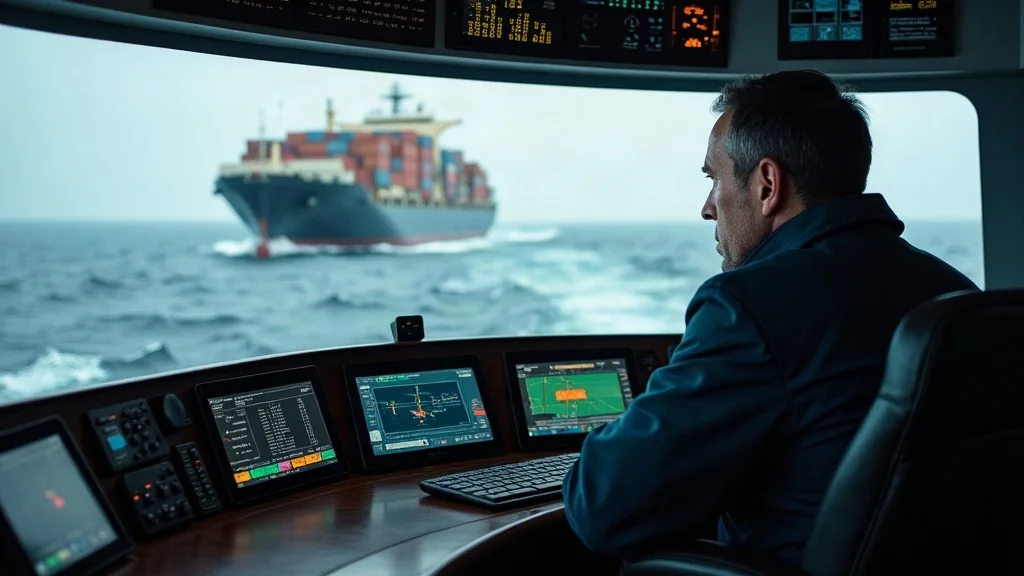
In shipping logistics, to be routed means assigning a precise route or path to a shipment, defining which ports, carriers, and channels it will transit before reaching its final destination. When disruptions strike—natural disasters, political unrest, or sudden demand spikes—these routes can be modified dynamically to maintain flow. For plant or operations leaders, understanding routing not only helps optimize logistics, but also builds critical resilience into procurement and supply chain processes.
This simple phrase hides a complex web of real-time decisions: factoring in available capacity, port delays, and risk assessments. Agentic AI excels here, providing actionable recommendations that enhance supplier performance and facilitate rapid course corrections. For forward-thinking companies, mastering routing and rerouting is the competitive edge that sustains growth and makes supply chains future-proof.
Shipping Rerouting and Supply Chain Disruption: Insights for Manufacturers
Modern supply chains are global, highly interconnected, and frequently subject to change. Shipping rerouting has moved from an exceptional fix to a routine necessity. For manufacturing and operations leaders, this shift means developing new strategies that connect your entire supply chain—leveraging both consulting and digital solutions to remain agile.
Success in this environment comes from adopting comprehensive managed services or agentic AI-driven solutions that can automate execution, prioritize shipments, and orchestrate workflows. These tools become the engine behind every workflow, enabling procurement and supply chain teams to rapidly assess options and implement reroutes with measurable business impact. Navigating today’s disruptions isn’t just about reacting faster—it’s about building lasting impact with smarter, more connected supply chain decisions.
Table: Common Shipping Rerouting Scenarios and Business Implications
Scenario |
Trigger |
Business Implication |
Recommended Solution |
|---|---|---|---|
Maritime route closure |
Geopolitical conflict (e.g., Iran war, Red Sea attacks) |
Delays, increased costs, supply chain bottlenecks |
Agentic AI for real-time rerouting; managed services to coordinate multi-modal alternatives |
Port congestion |
Weather events, labor strikes |
Missed production deadlines, strained supplier relationships |
Dynamic AI-driven route assessment, consulting and digital managed service support |
Sudden demand surge |
Market volatility, consumer trends |
Stockouts, costly rush shipments |
Automate execution of procurement and supply chain adjustments via AI |
Carrier failure or reroute |
Bankruptcies, equipment breakdowns |
Sourcing redundancy, exposure to uninsured losses |
Flexible outsourcing solutions, diversified supplier strategies |
Shipping Rerouting and the Iran War: Navigating Geopolitical Volatility (People Also Ask)
The conflict in Iran and ongoing Red Sea disruptions have thrust shipping rerouting into the global spotlight. Manufacturers and procurement and supply chain leaders must now address not just efficiency and cost but also security and resilience. The most trafficked shipping routes—such as those passing through the Suez Canal—are under unprecedented scrutiny, with many ships rerouting to avoid conflict or piracy. This forces chain leaders to rethink how they balance risk, cost, and speed, often turning to agentic AI for rapid simulation and response.
Companies with robust, flexible outsourcing or end-to-end managed services approaches are better positioned to cope. Rapid scenario assessment and real-time reallocation of resources empower organizations to respond as soon as an important announcement or threat emerges. For procurement teams, the challenge is knowing when to reroute, how to evaluate alternatives, and how to keep driving effective strategies in a world where physical and digital threats collide.
Real-World Responses: How Managed Services and Agentic AI Adapt
"Our supply chain resilience relied on rapid rerouting decisions—AI-powered insights made operational pivots seamless." – Operations Director, Global Manufacturer
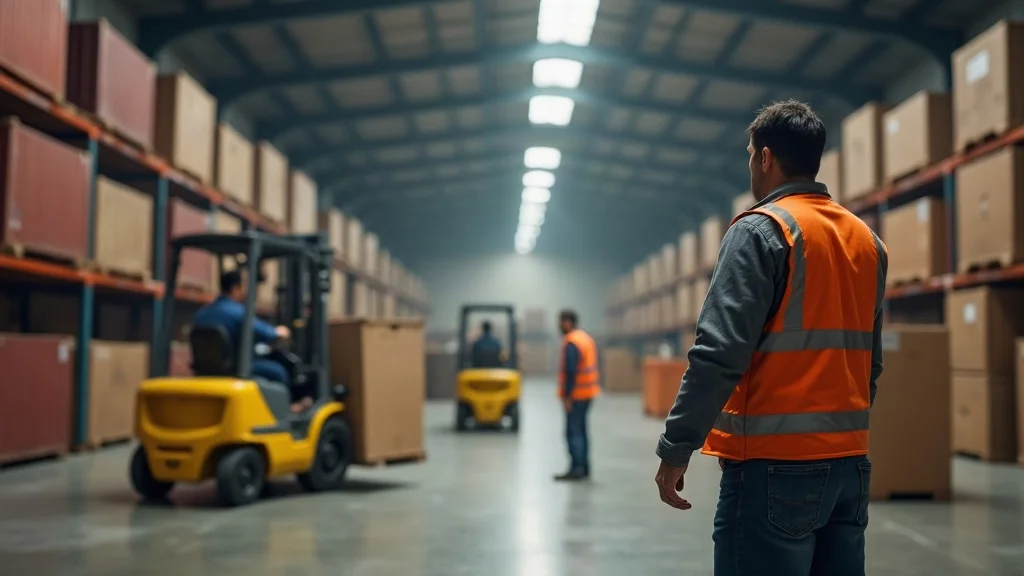
In practice, firms investing in agentic AI orchestration and comprehensive managed services see measurable results. AI does the heavy lifting: monitoring geopolitical threats, flagging emerging bottlenecks, and surfacing recommended actions for procurement and supply chain personnel. These systems automate execution, allowing teams to focus on value-driving decisions rather than getting mired in disruption triage.
Furthermore, managed services approach seamlessly integrates strategy, consulting, and digital tools—an agile toolkit for modern crises. This not only delivers a competitive edge but empowers multifaceted problem-solving, ensuring that when one route is threatened, another is ready. In today’s volatile environment, such adaptability is critical to sustaining supply chain performance and business continuity.
Logistics Evolution: Agentic AI and Managed Services in Shipping Rerouting
As global disruptions grow, the evolution of logistics is being defined by the intersection of agentic AI and managed services. Agentic AI automates tedious and complex workflows, from route optimization to risk forecasting, and quickly presents actionable alternatives. For procurement and supply chain leaders, this means not only reacting faster but strategically preparing for what’s next.
Managed services further enhance this advantage by offering full-spectrum support—from strategic recommendations to hands-on crisis execution. Enterprises to rapidly adapt when disruptions occur, ensure greater procurement and supply chain resilience, and gain a lasting competitive edge. The combination accelerates innovation and enables procurement teams can focus on driving effective strategies rather than routine firefighting.
The Role of Agentic AI in Dynamic Shipping Rerouting

Agentic AI is the driving engine behind every workflow in the most agile global supply chains today. Its orchestration capabilities allow procurement and supply chain teams to monitor real-time market signals, simulate disruptions, and implement immediate routing changes. The AI does the heavy lifting—automating tedious planning tasks, optimizing transit times, and highlighting the lowest-risk, highest-impact pathways for shipments.
Smart companies leverage these AI-driven insights to not only enhance supplier performance but to anticipate risks that might otherwise derail operations. The technology’s measurable results include more predictable ETAs, reduced demurrage, and the ability to drive growth even in uncertain times. By connecting your entire supply chain through AI-powered digital tools, companies are redefining what it means to be resilient and responsive in procurement and supply chain management.
Managed Services: Redefining Control in the Modern Supply Chain
In an era of shock events, managed services provide a critical safety net. Rather than rely solely on in-house resources, organizations are opting for comprehensive managed services to ensure uninterrupted procurement and supply chain performance. This approach frees key personnel to focus on long-term strategy and business growth, as managed service providers handle the rigorous coordination and troubleshooting during disruptions.
These services help balance cost and efficiency with business continuity. Consulting and digital expertise combine to offer not just technical muscle, but also valuable industry insights and benchmarking. With flexible outsourcing, leading companies see measurable results—accelerated response times, mitigated risk, and the ability to gain a competitive edge even when the market landscape is always shifting. Companies are increasingly recognizing that managed services are no longer a luxury; they’re the new standard in resilient, high-performance supply chains.
List: Mistakes to Avoid When Implementing Shipping Rerouting Solutions
Neglecting data integration: Siloed or outdated systems make real-time rerouting nearly impossible for procurement and supply chain teams.
Overlooking end-to-end visibility: Failing to connect your entire network means delays are often compounded before they’re detected.
Relying solely on manual processes: Without agentic AI orchestration, critical patterns may be missed, reducing agility and making supply chain managers reactive instead of proactive.
Inadequate training and change management: Even the best technology demands adaptation—ensure cross-team buy-in and continuous learning to drive effective supply chain strategies.
Ignoring vendor risk and compliance: Managed services should include supplier vetting, compliance checks, and disaster recovery to protect procurement and supply chain integrity.
Crucial Questions: Understanding Global Routes and Security (People Also Ask)
With shifting global politics, security has become central to shipping rerouting decisions. Supply chain leaders must not only know their options but also understand the risks and opportunities in each route. Global trade now hinges on access to reliable maritime corridors, trustworthy vendors, and real-time data-driven decision-making.
As disruptions continue, the ability to reroute quickly and minimize loss is tied to how well procurement and supply chain leaders understand the risks—whether they come from hostile waters, congested ports, or shifting regulatory requirements. This is where agentic AI and comprehensive managed services make a measurable difference, providing the insights needed to maintain a competitive edge.
What Is the Most Trafficked Shipping Route in the World?
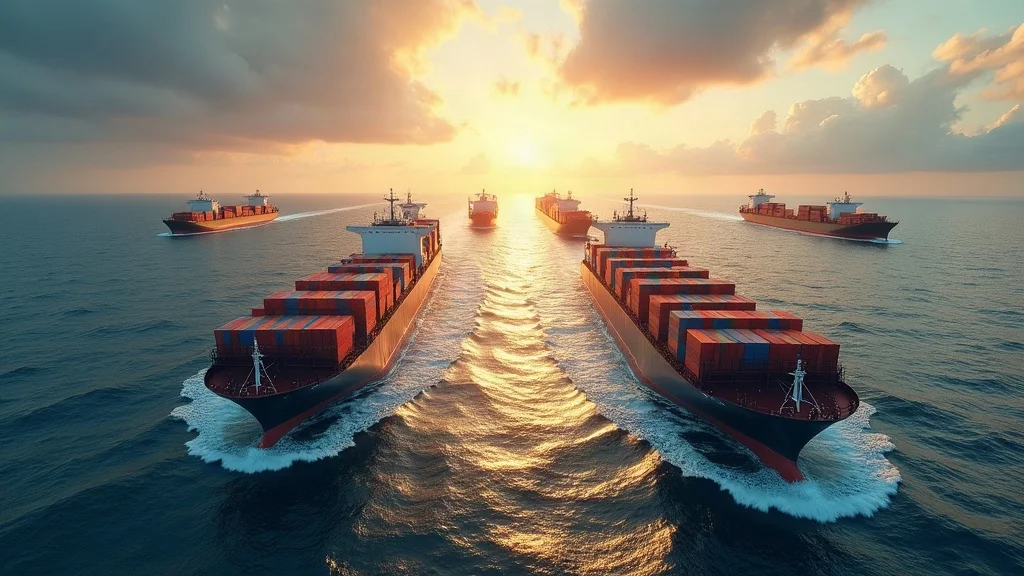
The world’s most trafficked shipping route remains the Asia-to-Europe corridor via the Suez Canal—a vital artery for global procurement and supply chain operations. This corridor sees tens of thousands of vessels every year, acting as a lifeline for goods moving between manufacturing hubs and markets in both hemispheres. Security issues and political instability in this region have pushed shipping rerouting to the forefront for many procurement and supply chain leaders. When these routes are blocked or threatened, agentic AI and managed services allow companies to reroute quickly, minimizing costly downtime and lost business opportunities.
Are Ships Still Avoiding the Red Sea?
Yes, many vessels continue to avoid the Red Sea due to ongoing risks from conflict, piracy, and insurance concerns. Maritime rerouting has become routine as ship operators and procurement and supply chain strategists weigh the pros and cons of alternative passages. Rerouting around Africa adds significant transit time and operational cost, compelling chain leaders to rely on digital solutions and managed services for up-to-date intelligence and alternative routing plans. For operations and plant managers, staying informed and adaptable is critical for safeguarding both product flow and profitability.
Practical Implementation: Solutions and Considerations for Shipping Rerouting
Putting theory into practice, manufacturers and supply chain leaders grapple daily with how best to implement rerouting solutions. The choice between investing in in-house technology (such as agentic AI orchestration tools) or outsourcing to comprehensive managed services providers depends on a company’s scale, digital maturity, and risk profile. The most successful strategies blend consulting and digital resources, equipping procurement and supply chain teams to act both rapidly and confidently.
Before diving in, it’s crucial to accurately assess network vulnerabilities, current supplier reliability, and the scalability of digital infrastructure. Flexible outsourcing models—especially those that pair managed services with AI-driven insight—grant manufacturers a competitive edge and lasting impact. The measurable results: faster crisis response, lower logistics costs, and sustained growth even in the face of market volatility.
Evaluating Shipping Rerouting: Benefits, Limitations, and Typical Challenges
Benefits: Real-time rerouting increases supply chain resilience, reduces exposure to disruptions, and keeps procurement teams focused on value creation. Agentic AI orchestration helps automate execution, uncovering optimal shipping alternatives and saving valuable hours—and dollars—when it matters most.
Limitations and Challenges: Technology requires strong foundational data and integration with supplier networks. Without the right consulting and digital expertise, companies risk compounding errors or missing emerging risks. Additionally, new processes demand buy-in across procurement and supply chain leaders; change management remains the linchpin for success. Cost, data compatibility, and maintaining compliance are also critical factors to consider when deploying managed services or advanced AI solutions.
FAQs on Shipping Rerouting for Plant and Operations Leaders
Q: How do agentic AI solutions support real-time shipping rerouting?
A: Agentic AI solutions analyze live data from global ports, carriers, and market events, then automate the selection and execution of optimal reroutes. This reduces manual workload, increases accuracy, and empowers procurement and supply chain leaders to respond confidently—even during time-sensitive crises.Q: What role do managed services play when disruptions occur?
A: Managed services combine consulting, digital tools, and crisis management to keep supply chains flowing smoothly. Providers handle daily logistics headaches, allowing plant and operations managers to focus on long-term planning, driving effective strategies, and measurable results.Q: What key risks should manufacturers consider in rerouting strategies?
A: Beyond simple delays, companies face increasing exposure to compliance breaches, cost escalation, and lost shipments. Flexible outsourcing, robust data analytics, and cross-functional team alignment are essential to reduce risk and secure a competitive edge in international supply chain operations.
A behind-the-scenes look at a logistics team strategically rerouting a cargo vessel using digital tools and real-time data feeds, showing the various steps, teamwork, vessel tracking maps, and fast-paced decision-making in a modern operations environment.
Key Takeaways for Shipping Rerouting in the Evolving Supply Chain

Modern shipping rerouting is a strategic necessity—embrace it to gain a competitive edge.
Agentic AI and managed services are redefining supply chain resilience and visibility.
Invest in integration, real-time data, and strong team training to avoid costly mistakes.
Partner with proven consulting and digital providers for measurable results and lasting impact.
Ready to Stay Ahead? Join the Conversation with Global Trade Experts
Are you ready to connect your entire supply chain and empower your team to make smarter, faster decisions? Have industry insights or news tips? Reach out and join our network of global trade professionals today! Schedule your interview with Global Trade News—and help shape the future of supply chain innovation.
If you’re looking to deepen your understanding of how global trade trends and regulatory shifts are shaping the future of logistics, there’s a wealth of expert commentary and actionable intelligence waiting for you. By staying engaged with comprehensive industry coverage, you can anticipate disruptions, adapt your strategies, and unlock new opportunities for growth. Discover the latest insights and advanced perspectives on international markets by visiting Global Trade News—your next breakthrough in supply chain strategy could be just a click away.









Write A Comment