








Imagine stepping onto a factory floor where machines “think,” robots collaborate with humans, and cutting-edge materials reshape everything you know about production. That’s not tomorrow—it’s happening now. Whether you make, distribute, import, or export products, understanding AI, automation, and the next generation of manufacturing productivity is essential. This article offers an inside look at how these breakthroughs will change how you work—forever.
What You’ll Learn About AI, Automation, and the Next Generation of Manufacturing Productivity
- Discover how AI is transforming productivity across all sectors of manufacturing
- Understand the role of automation in reshaping production lines and workflows
- Learn about the latest technology and material innovations driving efficiency
- Explore how international trade shapes the adoption of AI and automation in manufacturing

The Transformative Impact of AI and Automation on Manufacturing Productivity
The impacts of AI, automation, and the next generation of manufacturing productivity go far beyond faster assembly lines. Businesses now harness powerful AI to optimize every step of production, from raw material sourcing to delivery. This real-time processing of big data allows for quicker decision-making, minimizes downtime, and improves product quality. Factories leverage predictive analytics to detect patterns before problems arise, preventing disruptions that once caused major delays. For global manufacturing and trade, this means goods move with fewer hiccups, and companies compete on a sharper, higher-tech playing field.
Automation is not just about robots replacing repetitive tasks—it's about creating truly smart factories. Today, manufacturing lines are filled with collaborative robots (“cobots”) working side by side with engineers. These machines handle hazardous or monotonous work while humans focus on oversight and innovation. Automation also open doors for small and medium manufacturers, giving them access to tools and analytics that, until recently, only the biggest companies could wield. Whether you're exporting car parts or running a local food processing plant, these advancements can make you more agile, more efficient, and globally competitive.
AI in Modern Manufacturing: Evolving Capabilities and Competitive Advantage
AI's expanding capabilities mean factories can adapt to change almost instantly. Machine learning algorithms analyze past projects, supply chain disruptions, and output variability to suggest the most efficient ways forward. Businesses that control and analyze their data stay ahead of the competition, customizing products faster and delivering them worldwide. Not only does this boost productivity—it also lets manufacturers move from mass production to highly personalized goods. For distributors and importers, AI-powered demand forecasting streamlines inventory management, reducing stockouts and overstock problems, making the entire supply chain smarter from start to finish.
As digital transformation accelerates globally, having AI at the core of your manufacturing process is not just beneficial, it’s essential. It enables predictive maintenance, reduces waste, and even improves worker safety. Companies that adopt AI early gain a competitive edge, delivering better products at faster rates and with less risk. Keeping up with these evolutions is key for manufacturers—no matter their size or industry focus—to thrive in modern markets.
Automation and Robotics: Revamping the Factory Floor
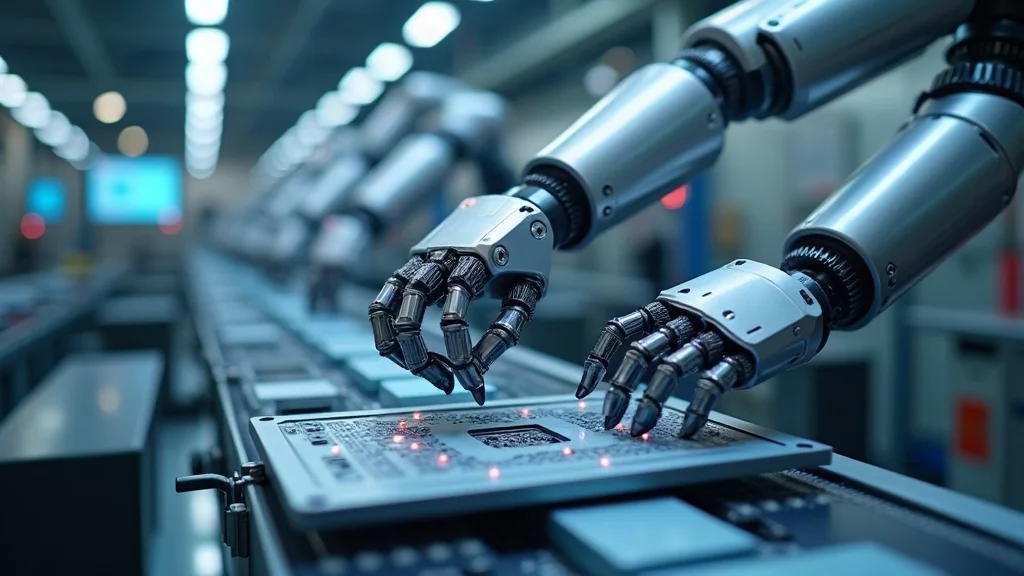
Walk into a state-of-the-art manufacturing facility today, and you’ll witness a remarkable shift. Automation and robotics have changed traditional workflows, boosting efficiency, consistency, and safety. Automated guided vehicles (AGVs) transport materials without human intervention, while robotic arms execute complex assembly tasks with pinpoint accuracy—far surpassing the capabilities of the human hand. These technologies free up employees to tackle higher-value work, such as equipment programming, maintenance, and process improvement, driving overall productivity.
Factories now use interconnected robots programmed for skills ranging from welding to package sorting. These machines interact with sensors and AI software to detect even minute flaws, ensuring products meet strict quality standards. As automation expands, businesses must train their workforce for new roles, creating opportunities for machine operators to become automation specialists and data analysts. The result? Safer, more fulfilling jobs that push the industry—and every worker—into the future.
Real-World Examples: Case Studies of AI-Driven Productivity Gains
Across industries, the adoption of AI and automation has yielded dramatic results. Automotive manufacturers use AI-powered vision systems to inspect tens of thousands of parts per hour, reducing error rates and recall events. Electronics factories employ predictive maintenance, where AI identifies failing components long before breakdowns occur, slashing downtime and repair costs. In global trade, major logistics providers leverage automation to streamline customs clearance, accelerating the international movement of goods.
Even small-scale manufacturers report productivity booms after introducing robotics and AI-driven systems. For instance, a regional textile producer reduced fabric waste by integrating AI-driven quality checks, saving money and natural resources. Companies in food and beverage utilize smart sensors and automated mixing to ensure every batch matches customer expectations, opening the door to greater exports and global market access. The message is clear: real, measurable gains are within reach for businesses large and small.
Recent Developments in Manufacturing Technology and Materials
Advances in technology and materials are rapidly enhancing manufacturing productivity. AI algorithms are now deeply integrated in predictive maintenance systems, reducing equipment failures and extending machine life. At the same time, smart materials—substances that respond to environmental changes—build the foundation for more flexible, adaptive production environments. By combining these materials with automated technology, manufacturers deliver products with improved longevity and custom features that were once impossible.
Connected devices, powered by the Internet of Things (IoT), now communicate seamlessly across the factory floor. Sensors embedded in machines collect real-time data, enabling instant feedback and adjustment. This level of integration supports a new form of manufacturing agility, letting businesses pivot quickly in response to shifts in international demand, material shortages, or import/export challenges.
Cutting-Edge AI Algorithms for Predictive Maintenance
Predictive maintenance, powered by advanced AI, is transforming how factories manage their equipment. Sensors monitor machines 24/7, feeding data into AI algorithms that learn to identify early warning signs of malfunction. Instead of waiting for a breakdown, maintenance teams receive alerts when components are likely to fail, enabling them to act proactively. This approach removes guesswork, reducing costs and keeping production running with minimal interruptions.
For global businesses, predictive maintenance means shipments aren’t delayed due to unexpected factory shutdowns, making it easier to meet export deadlines. As these tools become more widespread, even small and mid-sized manufacturers can maintain world-class reliability and compete on an international scale.
Smart Materials and Their Role in Automation
The rise of smart materials is changing the landscape of manufacturing. Examples include shape-memory alloys that return to their original form under heat, or polymers that respond to electric currents. These materials enable the creation of new, automated production processes—like self-healing machine parts or adaptive packaging. By integrating AI, manufacturers unlock real-time control over how these materials behave, opening up fresh avenues for product design and custom manufacturing.
Smart materials are vital in areas where conditions change rapidly, such as aerospace, automotive, and consumer electronics. Their use, combined with automation, offers unmatched flexibility and resilience—qualities increasingly demanded by today’s international markets.

The Integration of IoT and AI in Connected Manufacturing Environments
As manufacturing becomes more connected, integrating AI with IoT marks a new era of productivity. IoT sensors gather data from every machine, workstation, and warehouse shelf. AI then analyzes this data in real time, optimizing workflows, monitoring inventory, and even forecasting demand across borders. The result is a fully digitized supply chain—one that provides transparency for both manufacturers and their global partners.
For companies engaged in trade, these systems ensure traceability at every step. Whether tracking parts assembled in multiple countries or ensuring compliance with import/export regulations, the seamless fusion of AI and IoT makes cross-border business operations smarter and more reliable.
International Trade and Its Influence on AI, Automation, and the Next Generation of Manufacturing Productivity
International trade not only connects markets, it also accelerates the global spread of next-generation manufacturing technology. Competitive pressures push companies to adopt AI and automation quickly or risk falling behind. As emerging economies invest in smart factories to boost exports, traditional manufacturers must adopt these innovations to remain relevant.
Trade agreements, tariffs, and regulations can either speed up or slow down these changes. Manufacturers who keep up with shifting trade landscapes—by investing in new tech and building global partnerships—gain an edge in exporting their products and sustaining long-term growth.
Global Competition: How Trade Shapes Adoption of Manufacturing Technology
The rush to remain globally competitive means embracing AI, automation, and the next generation of manufacturing productivity is not optional. Countries and companies alike race to update production capabilities, as falling behind means losing out on lucrative markets. Trade partners demand accurate, rapid deliveries with flexible product specs—requirements best met with AI-powered equipment and automated workflows.
As new players in Asia, Eastern Europe, and South America ramp up tech investment, established manufacturers must adapt or risk being outpaced in cost, speed, and quality. Staying aware of international developments, and collaborating with trade partners who set industry standards, ensures a place at the table in the future of global commerce.
Import, Export, and Regulatory Challenges in AI-Powered Production
Global manufacturers face an ever-evolving set of regulatory challenges. As governments implement new rules around data privacy, cybersecurity, and technical standards, businesses must adapt their AI and automation strategies to comply. Some countries fast-track approvals for innovative tech, while others impose strict export controls or limit foreign investment in automation projects. Navigating these hurdles is critical for anyone distributing, importing, or exporting finished goods.
Proactive companies engage with regulatory agencies, join industry standards groups, and invest in compliance-friendly systems. This not only avoids costly delays but also builds trust with international clients and suppliers.
Strategic Partnerships: Leveraging International Expertise
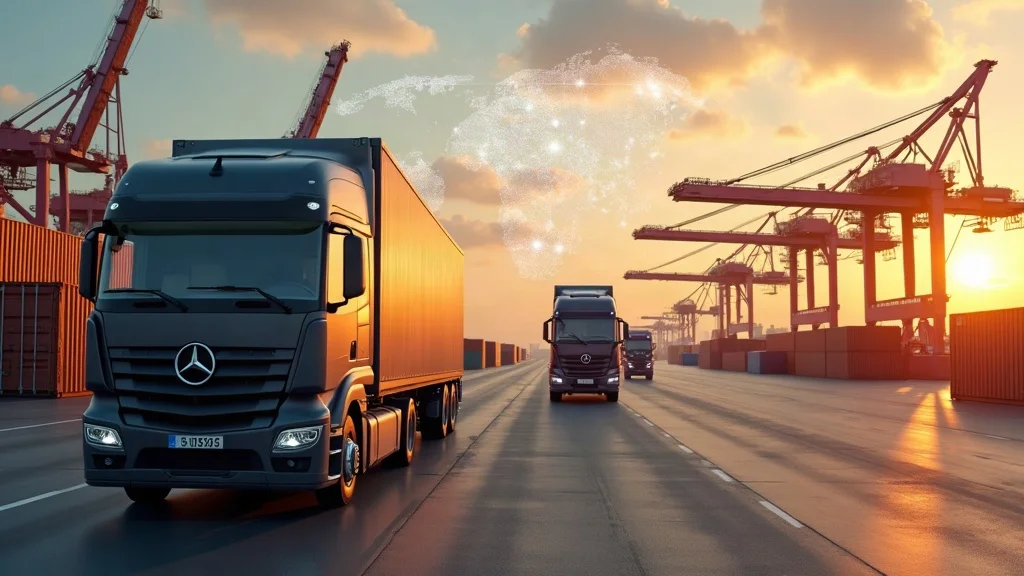
Strategic partnerships have become essential for companies looking to master AI-driven manufacturing. Cross-border alliances let manufacturers share expertise, co-develop specialized solutions, and gain access to new supply chains. Whether collaborating with global AI software firms or working with industry consortia, these partnerships enhance productivity and spark innovation.
For businesses focused on imports or exports, building alliances with logistics specialists, tech providers, or research institutions can smooth the integration of automation and maintain a competitive edge in rapidly shifting international markets.
Lists: Benefits and Challenges of AI, Automation, and the Next Generation of Manufacturing Productivity
- Increased efficiency and throughput
- Enhanced product quality and customization
- Complexity in workforce training and transition
- Technology investment and integration hurdles
Table: Comparing Traditional vs. AI-Driven Manufacturing Productivity
| Feature | Traditional Manufacturing | AI-Driven Manufacturing |
|---|---|---|
| Output | Fixed, limited customization | Agile, highly customizable production |
| Efficiency | Manual monitoring, more downtime | Real-time optimization, less downtime |
| Adaptability | Slow response to market shifts | Rapid adaptation to global demand |
| Challenges | Labor-intensive, error-prone, slower scale | Integration costs, skill transition required |
Quotes: Expert Insights on AI, Automation, and Manufacturing Productivity
"The convergence of AI and automation is not just optimizing processes—it’s redefining the very nature of what’s possible in manufacturing." — Industry Analyst
"Global trade dynamics are accelerating the pace at which advanced manufacturing unfolds worldwide." — Trade Economist
People Also Ask: AI, Automation, and the Next Generation of Manufacturing Productivity
How is AI changing the way factories operate?
AI revolutionizes factories by enabling real-time monitoring, predictive analysis, and process automation. Machines adjust production based on sensor feedback, while AI-guided robots collaborate with humans on complex tasks. This leads to greater efficiency, fewer errors, and safer work environments—making factories more productive and responsive to change.
What are the top challenges in implementing automation in manufacturing?
The main challenges include high upfront investment, workforce training for new technologies, and integration with legacy systems. Businesses must also manage concerns around job displacement and ensure that automation does not create cybersecurity vulnerabilities. Overcoming these hurdles is essential for unlocking the full potential of automation.
How does international trade impact AI innovation in manufacturing?
International trade both drives and challenges the adoption of AI in manufacturing. Competitive markets push manufacturers to innovate quickly, while trade regulations and cross-border collaboration encourage the sharing of new ideas and technologies. However, differing rules and export controls can slow down the spread of next-generation solutions.
What is the future outlook for productivity in the manufacturing sector with AI?
The future is bright for manufacturing productivity as AI technology matures. Manufacturers will benefit from increased agility, customization, and global reach, while workers move into more strategic roles. Companies that invest in AI and automation now will shape tomorrow’s industry standards.
FAQs about AI, Automation, and the Next Generation of Manufacturing Productivity
- What types of manufacturing jobs are most affected by automation? Jobs requiring repetitive tasks, such as assembly line work and routine inspection, are most impacted. However, automation also creates new roles focused on programming, system oversight, and maintenance.
- Can small manufacturers compete with large, AI-empowered competitors? Yes, by leveraging scalable AI and automation tools, small businesses can increase efficiency and offer tailored products, competing successfully in niche and local markets.
- What cybersecurity concerns come with increased automation? As factories connect more devices, they become more vulnerable to cyberattacks. Addressing this requires robust security protocols, regular system updates, and employee training in digital safety best practices.
Watch: the journey of a product in a next-gen smart factory—from AI-driven design to real-time global logistics.
Key Takeaways: AI, Automation, and the Next Generation of Manufacturing Productivity
- AI and automation are rapidly evolving and set to define the next era of manufacturing productivity.
- Embracing new materials and connected technologies is critical for maintaining competitiveness.
- Global trade both accelerates and complicates the adoption of next-generation manufacturing solutions.
Conclusion: Embracing AI, Automation, and the Next Generation of Manufacturing Productivity
The future of manufacturing belongs to those who embrace AI, automation, and innovative materials. By staying ahead of these trends, businesses of every size can unlock higher productivity, global reach, and long-term success.








Write A Comment