









Imagine you’ve just landed your first major international order, but instead of celebrating, you find yourself swamped by confusing paperwork, regulatory hurdles, and delays. For many manufacturers, export procedures can feel like an obstacle course that stands between them and the rewarding growth of global markets. This article cuts through the complexity—offering you clear steps to streamline export operations and transform exporting from a challenge into an achievable and profitable goal.
Are Export Procedures Slowing Down Your Manufacturing Growth?
“Many manufacturers find that complex export procedures create unexpected barriers, but streamlining these steps can dramatically accelerate market expansion.”

- Reduce administrative headaches
- Improve shipment speed
- Enhance compliance
- Help your business expand faster
When aiming to export products or services, manufacturers often confront a maze of forms, regulations, and logistical concerns. The process can be complex and challenging, especially for businesses new to global trade. These hurdles can make the journey toward a rewarding growth strategy seem far from guaranteed. However, with careful deliberation and a focus on the most efficient processes, manufacturers can transform export procedures into a strategic advantage—accelerating timelines and opening new revenue streams.
Rather than letting export procedures slow you down, understanding and optimizing each step will help your business export products more quickly, compliantly, and confidently. From managing third-party partners to choosing collection of tools and resources, this article will outline how improved procedures can support you along your exporting journey and contribute to a sustainable growth strategy for any business.
What You'll Learn: Master Export Procedures for Smoother Trade
- Key components of export procedures
- Ways to streamline export operations
- Common challenges and solutions
- Answers to top export-related questions
By the end of this guide, you’ll have a practical roadmap to simplify your company’s export procedures. These insights are designed specifically for manufacturers seeking global expansion and looking to remove barriers in their exporting journey.
We’ll break down not only what the steps are, but also why each one matters and how embracing smarter processes can deliver a competitive edge. This approach is essential whether you’re exporting products, parts, or finished goods—offering guidance for both seasoned exporters and those just starting out.
Understanding Export Procedures: A Formal Overview
What are the export procedures?
- Step-by-step explanation of export procedures
- How these procedures impact manufacturers

Export procedures are the formal steps that a business follows to send products or services to markets outside their own country. These include everything from preparing products for shipment, generating accurate paperwork, securing export licenses (if required), to coordinating logistics with third-party carriers and customs agents. Each stage must be completed correctly to ensure products reach their destination compliantly and on time.
For manufacturers, the stakes are high. Mistakes in documentation or the omission of a required step can delay shipments, increase costs, or even result in regulatory penalties. That’s why a process that is approached with careful deliberation—supported by the right collection of tools and resources—can be a game-changer. A well-structured export process ensures that your business can export products or services efficiently, minimizing disruptions and maximizing opportunities for rewarding growth in global markets.
Core Elements of the Export Process for Manufacturers
What are the 5 essential elements of the export process?
| Essential Element | Common Challenge | Manufacturer Benefit |
|---|---|---|
| 1. Export Documentation | Errors or incomplete paperwork | Smooth customs clearance; reduced delays |
| 2. Regulatory Compliance | Staying up to date with changing export laws | Reduced risk of fines and shipment holds |
| 3. Logistics Planning | Complex coordination with third parties | Faster, more reliable transit times |
| 4. Export Licensing (where required) | Licensing delays; lack of awareness | Secure legal shipment of restricted items |
| 5. Payment Collection & Terms | International payment risks | Ensured timely, secure payment |
These five elements form the backbone of effective export procedures. By simplifying and automating these core steps using the latest tools and resources, manufacturers build a robust foundation for their exporting journey, reducing risk and supporting business growth.
Approaching each element with careful deliberation—especially when working with multiple third parties—is crucial. This minimizes challenges and ensures your business can export products or services smoothly and efficiently. Success is far more likely when procedures are clear, responsibilities are defined, and everyone is aligned.
Simplifying the 17 Steps: Export Procedures Made Easy
What are the 17 steps of the export procedure?
- Product classification
- Identify target market requirements
- Obtain necessary export licenses
- Negotiate sales contract
- Arrange export financing
- Prepare commercial invoice
- Pack and label goods
- Book cargo space with carrier
- Arrange insurance
- Prepare shipping documents (bill of lading, airway bill, etc.)
- Submit export declaration
- Clear customs (origin country)
- Ship goods
- Monitor transit & manage tracking
- Clear customs (destination country)
- Process payment collection
- Post-shipment support and documentation
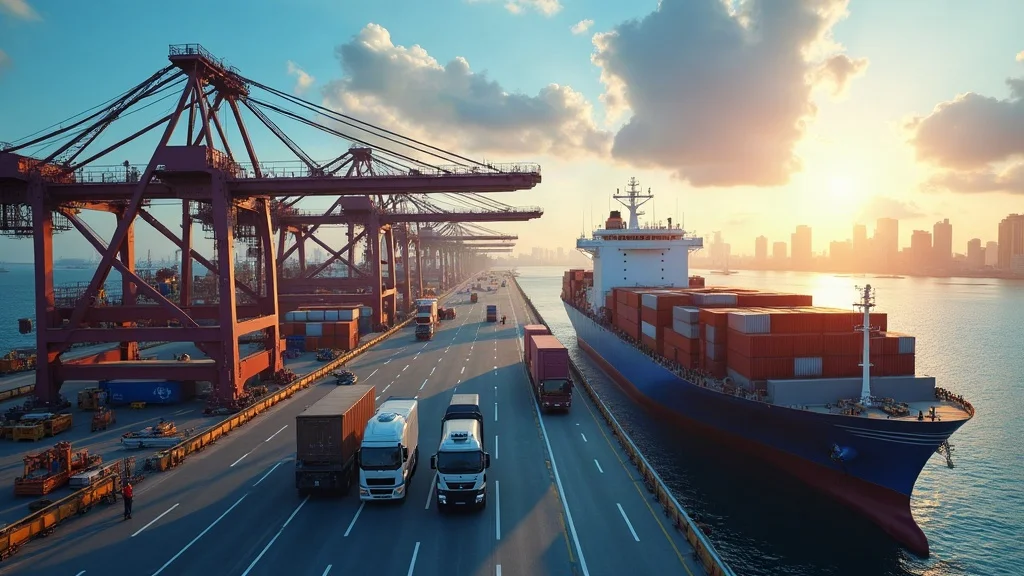
While this list may appear overwhelming, each step serves a critical function in ensuring safe, legal, and prompt delivery of your products or services. Streamlining this process requires leveraging a collection of tools and resources such as export management software, reputable freight forwarders, and experienced third parties. These partners assist you along each point of your exporting journey, helping you overcome obstacles that often make the process complex and challenging.
The success is far from guaranteed without an organized approach, but implementing automation, delegating to trusted logistics experts, and staying proactive about documentation will improve shipment speed, reduce errors, and protect your bottom line.
Watch: Visual guide to streamlining export procedures for manufacturersTypes of Export: What Every Manufacturer Should Know
What are the four main types of export?
- Direct export
- Indirect export
- Intra-company export
- Cooperative export
- Key manufacturer considerations for each type

Exporting products or services takes different forms, each with unique advantages and risks. Direct export means the manufacturer sells directly to the foreign customer—giving the most control, but also more responsibility. Indirect export uses intermediaries like export agents or trading companies, simplifying logistics but reducing your direct connection to the market.
For multinational companies, intra-company export allows products to move between divisions in different countries, facilitating centralized control and streamlined management. Cooperative export involves joining with other organizations for market access or distribution, spreading both opportunities and risks among partners. Your choice impacts which tools and resources are best for your business and should be approached with careful deliberation. The process can be complex and challenging, but evaluating your options helps ensure that your export strategy for any business is aligned with your growth objectives and resources.
Expert Insights: Tips to Streamline Your Export Procedures
“By automating documentation and working with experienced logistics partners, manufacturers can cut their export procedures time by half.”
- Invest in export management software to automate repetitive tasks
- Choose trusted third parties for logistics and compliance support
- Maintain up-to-date templates for all export documentation
- Regularly review regulatory changes impacting your target markets
- Communicate proactively with all parties to prevent missteps

Automation is one of the most effective ways to conquer paperwork headaches. By digitizing your process, your business can export products or services more reliably and with fewer errors. Trusted logistics partners act as an extension of your team—handling specialized tasks, adapting to regulatory changes, and ensuring smoother transit across borders.
Embrace a collection of tools and resources designed for export. This includes both smart software and relationships with experts. Together, they streamline the most complex steps, offering you more control over compliance, speed, and the overall exporting journey. When export procedures are simplified, your company is positioned for sustained, rewarding growth in the global market.
FAQs: Navigating Common Export Procedures Challenges

The timeframe depends on the products or services involved and the complexity of destination country regulations. With efficient preparation and reliable tools, most routine export procedures can be completed within days. However, licensing or special documentation may extend the process. Working with third parties with expertise in your field can significantly speed up timelines.
What paperwork is required?Common export documentation includes the commercial invoice, packing list, bill of lading, certificate of origin, export licenses (if needed), and insurance certificates. Requirements may differ by product and destination—so it’s vital to use up-to-date forms and consult with experienced resources to ensure all paperwork is complete and accurate.
Do all products require export licenses?Not all exports need a license; most common goods can be shipped without special permissions. However, items classified as strategic, high-tech, or dual-use often require strict regulatory oversight. Always research your products and destination country before shipping to determine if an export license is necessary—failure to comply can halt shipments and incur penalties.
Key Takeaways for Efficient Export Procedures
- Invest in process automation
- Stay informed on export regulations
- Partner with trusted service providers
Applying these key strategies will help your business conquer the challenges that make export procedures complex, supporting steady and secure global growth.
Ready to Simplify Your Export Procedures?
“Improve your manufacturing bottom line by simplifying export procedures—unlock growth and global possibilities today.”
Act now: Leverage expert guidance, modern technology, and reliable partners to transform your exporting journey. Whether you are already navigating international trade or just preparing to export products or services, making smarter choices today will streamline your procedures and position your business for a future of rewarding growth.





Write A Comment