









Imagine standing on a factory floor, production lines humming with life, only to receive an alert that a shipment of critical raw materials has been delayed—again. For manufacturers, disruptions in the critical raw materials / minerals supply chain can mean lost revenue, halted innovation, and uncertain futures. In today’s fast-changing global landscape, understanding and safeguarding these supply chains isn’t just a competitive advantage—it’s an urgent necessity. This article explores what's at stake, why it matters now, and the strategic steps manufacturers must take to thrive.
Understanding the Critical Raw Materials / Minerals Supply Chain: Why It Matters for Manufacturers
The critical raw materials / minerals supply chain serves as the backbone of modern manufacturing, underpinning everything from electric vehicle batteries and smartphones to advanced wind turbines and aerospace components. Manufacturers depend on a reliable flow of these critical and strategic raw materials to deliver top-quality products and stay ahead in an increasingly competitive market. When raw material supply risks arise—due to political shifts, natural disasters, or sudden shifts in policy—entire industries may face production slowdowns or even stoppages, illustrating just how vital a secure supply chain is.
In recent years, growing demand for rare earth elements and other strategic raw materials has amplified the challenges facing manufacturers. These resources are extracted from far-flung corners of the world, often concentrated among a few key suppliers or regions. Any disruption, whether from geopolitics or environmental regulation, can ripple across global supply chains. For any business reliant on high-tech materials, understanding these vulnerabilities and actively strengthening the supply chain can help reduce costs, ensure stability, and drive innovation—all essential for long-term success in the manufacturing sector.

What You'll Learn in This Analysis of the Critical Raw Materials / Minerals Supply Chain
- Insights into supply chain vulnerabilities in critical raw materials / minerals
- Key risks facing manufacturers in securing raw materials
- Strategies to mitigate supply chain interruptions
- Current landscape for strategic raw materials and rare earths
Current State of Raw Material and Critical Raw Materials Supply Chain
The global supply chain for critical raw materials is under more strain now than ever before. Industrial growth, the relentless push for greener technologies, and rapid urbanization are spiking demand while exposing vulnerabilities and dependencies within global supply networks. For manufacturers, these trends highlight a need for agile procurement strategies and ongoing risk assessment. Recent shifts in trade policy, environmental legislation, and ongoing geopolitical uncertainties have added new layers of complexity, making the management of raw materials and minerals supply chains more challenging.
Manufacturers today not only contend with tighter supplies—which could mean production delays or increased costs—but must also respond to regulatory and environmental pressures tied to responsible sourcing. A wide range of sectors, including automotive, consumer electronics, and renewable energy, rely on a stable input of rare earths and strategic raw materials. As these critical resources become battlegrounds for national and corporate interests, companies must be proactive, evaluating the structure of their supply chains and anticipating the next potential disruption to remain competitive.
Recent Developments Impacting Raw Materials Supply Chain Security
The past few years have seen volatile shifts in the critical raw materials / minerals supply chain. Trade tensions, export bans, sanctions, and even pandemics have disrupted regular flows and exposed just how interconnected—and fragile—the system can be. Increasingly, manufacturers are being forced to revisit their supplier relationships and diversify sourcing to avoid placing all bets on a single region or supplier. For instance, global port congestion and logistic challenges have highlighted how easily a bottleneck in one sector can cascade through the entire supply chain, impacting availability and quality of critical and strategic raw materials.
Moreover, mounting regulatory scrutiny concerning ethical sourcing—such as responsible mining practices and traceability—demands that manufacturers maintain greater transparency throughout their raw materials procurement processes. Institutions and bodies, both governmental and industry-led, are setting stricter guidelines, which means that staying ahead of compliance not only ensures supply but also builds trust and resilience in the market. Adapting to these recent developments with smarter, more integrated supply chain management is becoming a mark of leadership in the manufacturing sector.
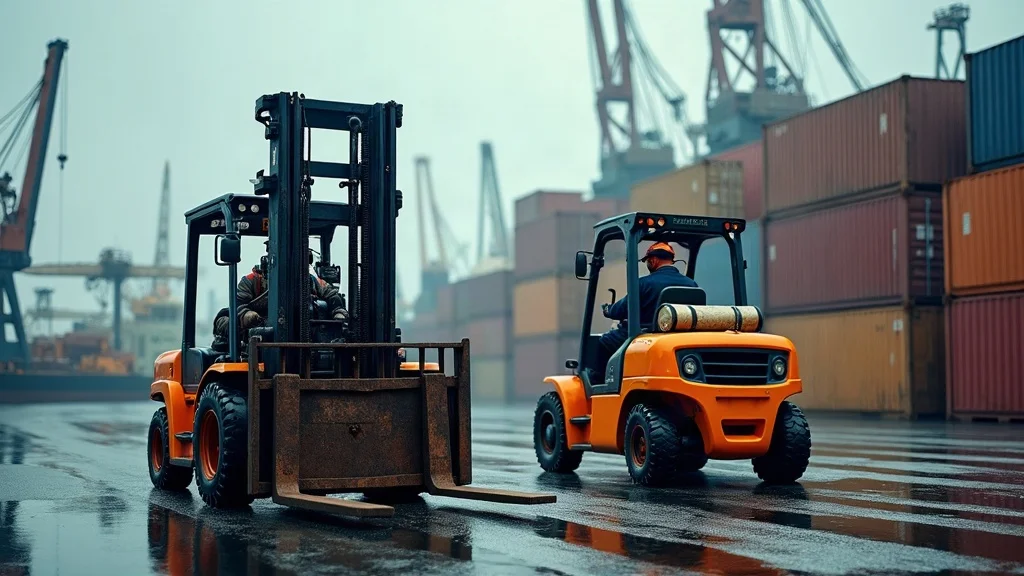
Observations on Critical Raw Materials and Supply Risk in Global Markets
"Manufacturers today face unprecedented uncertainty in securing critical raw materials, making supply chain resilience a top priority. "
Observers worldwide agree that today's global markets for critical raw materials are defined by unpredictability. With a wide range of critical and strategic materials concentrated in politically sensitive or resource-scarce regions, supply risks have intensified. Manufacturers are increasingly required to balance short-term supply demands with long-term strategic planning involving inventory buffers and alternative sourcing. The growing complexity of global supply chains has brought new actors into the mix—from logistics firms to technology providers—further complicating risk assessment and mitigation. What’s clear is that only those prepared to pivot quickly can stay ahead in such a dynamic climate.
Identifying Critical Raw Materials: What Constitutes a Critical and Strategic Raw Material?
Not all raw materials are created equal. In the eyes of policymakers, manufacturers, and industry experts, critical raw materials are those essential for high-tech applications but most at risk of supply disruption. These include rare earth elements, platinum group metals, lithium, and others deemed vital for economies and national security. Strategic raw materials, on the other hand, refer to those required for defense, energy, and infrastructure sectors. The definitions are constantly being refined as the industrial landscape evolves, but one principle remains: the scarcer and more irreplaceable the material, the more critical its role in the supply chain.
Identifying which materials are critical (and why) requires systematic monitoring of usage trends, dependency on imports, ease of substitution, and the impact of supply failure on downstream industries. For manufacturers, understanding these criteria is crucial to managing procurement risks. Regularly updating internal lists and working with institutions and bodies for official guidance help companies remain compliant and resilient against future supply shocks. This ongoing evaluation ensures that the supply chain remains robust even as technologies and geopolitical contexts change.
Strategic Raw Materials and the Criteria for Criticality
The classification of a raw material as critical or strategic is based on three main criteria: economic importance, supply risk, and lack of viable substitutes. Materials occupying a sweet spot—high demand but limited supply—find themselves at the center of supply chain strategies. For manufacturers, this means continuous analysis of which materials underpin their high-tech production processes and which are most exposed to potential disruption. Strategic raw materials, such as cobalt or rare earths, become focus points for alternative sourcing or recycling initiatives to minimize vulnerabilities.
Official bodies and institutions frequently revise their lists in response to industrial trends. For example, the European Union and the U. S. Department of the Interior update their lists of critical raw materials to reflect evolving supply chains. Manufacturers can't afford to be complacent—they must actively follow these updates and adjust procurement strategies in line with market realities and policy developments affecting critical and strategic raw materials.
Supply Risk and its Impact on Manufacturers
Supply risk touches every stage of the critical raw materials / minerals supply chain. From exploration and mining to processing and logistics, any bottleneck can have serious consequences for manufacturers. Unforeseen disruptions—like export bans, trade disputes, or sudden environmental regulations—could mean delayed shipments, increased costs, or quality issues for finished products. These risks also impact end-product pricing and the ability to innovate quickly.
The manufacturing sector is now more attuned than ever to tracking potential supply chain interruptions. For many, creating a resilient supply chain includes scenario planning, building relationships with multiple suppliers, and investing in real-time monitoring technology. By understanding where vulnerabilities exist and the role of strategic raw materials in their operations, manufacturers can take decisive action to safeguard continued production and growth.
| Raw Material | Supply Risk Factor | Main Industrial Uses |
|---|---|---|
| Cobalt | Limited suppliers; geopolitical issues | EV batteries, aerospace alloys |
| Rare Earth Elements | Highly concentrated in specific countries | Magnets, electronics, wind turbines |
| Lithium | Growing demand; resource-intensive extraction | Batteries, energy storage |
| Platinum Group Metals | Price volatility; mining limitations | Catalysts, electronics, jewelry |
| Graphite | Raw supply restrictions, export controls | Batteries, lubricants, steel industry |

Challenges in the Critical Raw Materials Supply Chain for Manufacturers
Manufacturers operating in high-tech, automotive, and renewable sectors are increasingly exposed to supply chain vulnerabilities and risks in critical raw materials. With many of these minerals sourced from politically sensitive or environmentally fragile regions, a wide range of obstacles can threaten steady production. These include quality and purity fluctuations, surging transportation costs, and the risk of sudden regulatory changes. Dependence on a handful of suppliers or regions can also lead to bottlenecks—one stuck container at a distant port could mean significant delays for entire product lines.
Furthermore, environmental regulations and consumer expectations for ethical sourcing are adding pressures. Manufacturers must comply with strict standards without raising costs or compromising on innovation. Balancing these challenges while ensuring business continuity demands a strategic, forward-looking approach to supply chain management—one that integrates risk assessment and digital monitoring at every step.
Major Supply Chain Vulnerabilities and Risks in Raw Materials
- Dependency on limited suppliers or regions
- Geopolitical instability
- Quality and purity fluctuations
- Regulatory and environmental pressures
Each of these risk factors amplifies the challenges manufacturers face. Relying too heavily on a specific supplier could mean disaster in the event of a political dispute or environmental disaster. Instabilities like trade disputes or policy changes can rapidly alter the landscape, affecting not only the price and availability of materials but also the viability of entire production lines. Regulatory pressures—from climate change laws to resource extraction rules—demand that manufacturers monitor supply chains and adapt quickly to new compliance requirements.
Case Examples: How Manufacturers Are Addressing Critical Raw Material Risks
Leading manufacturers are adopting new strategies to buffer themselves against supply risk. For example, some have formed alliances for group purchasing, increasing bargaining power and spreading risk. Others are investing in advanced tracking solutions to gain real-time visibility into shipments, so they can act quickly if issues arise. Large technology companies are also exploring closed-loop recycling systems to recover rare earths and strategic raw materials from old devices—reducing dependence on new extraction and mitigating environmental impact.
Collaborations with governments and policy-makers on critical and strategic raw materials initiatives are also gaining momentum. By proactively engaging with official institutions and bodies, manufacturers help shape regulations that are both practical and supportive of innovation. These examples show the power of creative supply chain management in building resilience and sustaining competitive advantage.

People Also Ask: Common Questions about Critical Raw Materials / Minerals Supply Chain
Is CRML a real company?
Analysis and Insights on CRML and Its Role in the Critical Raw Materials Sector
Although the acronym "CRML" sometimes appears in discussions about critical raw materials supply chains, it is not commonly recognized as a major player or well-known company in the sector. Instead, attention tends to focus on established mining companies, commodity traders, and processors who manage strategic raw and critical raw materials flows. Manufacturers evaluating partners for securing their supply chains should always check official website addresses, review company history, and ensure transparency in sourcing arrangements.
What are the 34 critical raw materials?
Overview: List of Critical Raw Materials and Their Industrial Importance
Both the European Union and the United States publish lists of critical raw materials, typically including 30–40 elements deemed vital for industrial use with significant supply risks. These include lithium, graphite, cobalt, manganese, nickel, rare earths, tungsten, and platinum group metals, among others. The criteria for inclusion are based on economic importance and potential supply disruption. Industries such as electronics, battery manufacturing, renewable energy, and aerospace rely heavily on such materials to drive innovation and ensure continuity.
What is the best rare earth stock to buy?
Expert Perspectives on Investing in Critical Raw and Strategic Raw Materials
Investing in rare earth stocks requires careful analysis, considering market volatility, geopolitical influences, and long-term demand from sectors like batteries, electronics, and renewable energy. It's important to remember that the best rare earth stock can change as global supply chains shift. Prospective investors should review companies’ financial stability, mining reserves, and their ability to adapt to evolving regulations and supply risks. Conduct independent research and seek expert financial advice when considering investment in this high-stakes arena.
What minerals are listed as critical minerals in 2026?
Future Trends: Projected Critical Raw Materials List and Implications for Supply Chains
As technology advances and energy transitions intensify, future lists of critical minerals will likely expand. By 2026, experts predict increased emphasis on lithium, cobalt, nickel, rare earths, and advanced materials for batteries and renewable energy. This evolution underscores the need for manufacturers to stay agile, update internal supply chain strategies regularly, and anticipate new compliance requirements as the definition of critical minerals continues to adapt to global trends and climate change imperatives.
Strategies for Securing the Critical Raw Materials / Minerals Supply Chain
Steps Manufacturers Can Take to Protect Their Raw Materials Supply Chain
- Diversifying supplier base
- Investing in recycling and circular economy initiatives
- Collaborating with governments on critical and strategic raw materials policy
- Implementing advanced supply chain monitoring technologies
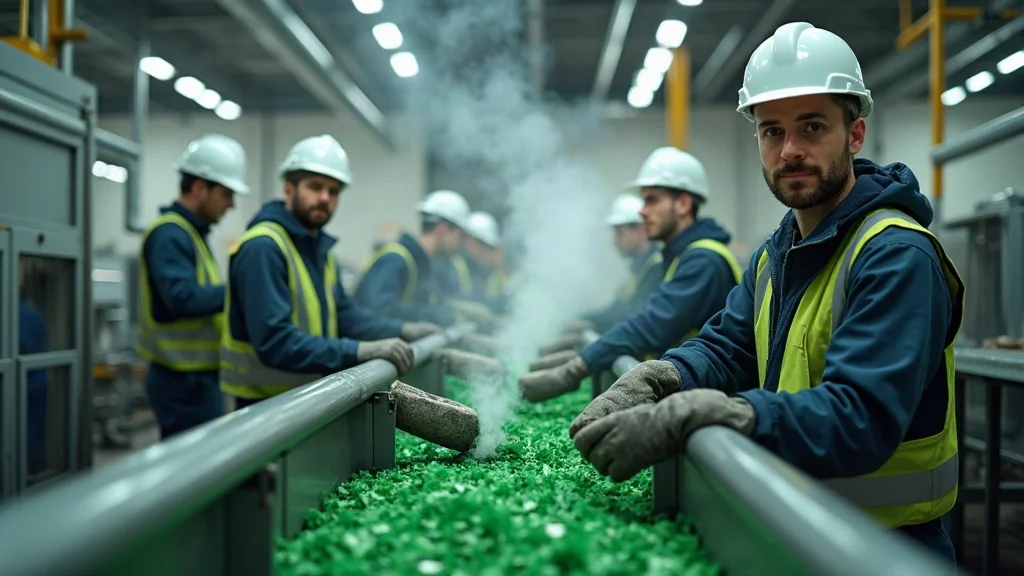
Manufacturers that proactively strengthen their supply chains by applying these measures can reduce exposure to sudden shocks, lower costs, and foster sustainability. For instance, investing in recycling and circular economy initiatives can help us recover value from existing materials and mitigate external supply risk factors. Collaboration with policymakers ensures that regulations reflect industry needs while supporting the development of responsible and ethical sourcing solutions. Embracing digital monitoring tools provides real-time data, enabling faster response to disruptions in the supply chain and supporting business continuity in the face of supply risks.
FAQs on Critical Raw Materials / Minerals Supply Chain
-
How do manufacturers identify critical raw materials?
Manufacturers use a combination of official government lists, import dependency analysis, and internal audits to identify which raw materials are most critical for their operations. By tracking usage, supply sources, and availability of substitutes, businesses can develop tailored risk management strategies to protect their supply chains. -
What role do strategic raw materials play in technology development?
Strategic raw materials such as rare earths, lithium, and platinum group metals are essential for next-generation technologies, including electric vehicles, energy storage systems, and advanced electronics. Their reliable supply underpins innovation and economic growth in key industries. -
Are recycling and substitution viable solutions for supply risk?
Yes, recycling and substitution are increasingly considered viable strategies. Recycling helps reduce dependency on new extraction and conserves resources, while substitution allows manufacturers to switch to more abundant or less vulnerable materials when possible. -
How does the critical raw material supply chain impact end-product costs?
Disruptions or increases in the cost of critical raw materials can directly affect overall production expenses, leading to higher prices for end products. Efficient supply chain management is crucial in managing these costs and maintaining competitive pricing.
Key Takeaways for Manufacturers on Critical Raw Materials / Minerals Supply Chain Risks
- Critical raw materials are foundational to modern manufacturing
- Supply chain risks are increasing due to global instability
- Proactive strategies can enhance resilience and reduce supply risk
- Ongoing monitoring is essential for maintaining a robust critical raw materials supply chain
Expert Opinion: The Way Forward for Maintaining a Stable Critical Raw Materials / Minerals Supply Chain
"Manufacturers who actively address their critical raw materials supply chain vulnerabilities will be best positioned to thrive in a rapidly evolving global economy. "
Focusing on building adaptive supply chains, investing in recycling and monitoring technologies, and collaborating across the industry and with policymakers will help manufacturers secure their competitive future in the face of rising supply risks.

Explore Supply Chain Solutions for Your Manufacturing Operations
Today’s manufacturers must take ownership of their supply chain resilience. Evaluate current risks, diversify suppliers, and invest in future-proofing strategies—from recycling to digital monitoring—to ensure secure access to critical raw materials. Taking action now will prepare your business for tomorrow’s challenges and provide a lasting competitive edge.





Write A Comment