








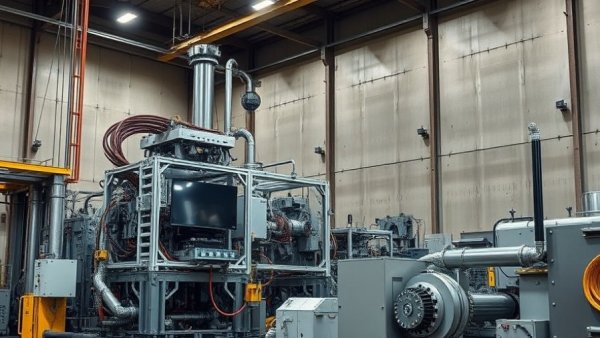
Revolutionizing Drone Manufacturing
The future of military technology is on the move, quite literally! The Department of War’s recent selection of Machina to develop low-cost unmanned aircraft signals a significant shift in how drones will be produced. With Machina’s containerized micro factories, known as Edge Factories, the production of drone components will now happen much closer to where they are needed—on the battlefield. This innovative strategy not only enhances operational efficiency but also showcases how modern manufacturing techniques can meet the demands of today’s fast-paced conflict environment.
Understanding Containerized Micro Factories
These mobile factories are designed to manufacture airframes using advanced robots, which represent a bold move away from traditional manufacturing methods. Instead of overseeing lengthy production timelines typical of centralized factories, Machina’s Edge Factories offer a more agile, cost-effective solution. Each factory is equipped to create various drone designs quickly, based on rapid changes in mission objectives. This adaptability is crucial when military needs evolve swiftly during operations.
What Makes This Mobile Solution Unique?
What sets these micro factories apart? Machina uses its proprietary RoboForming technology, allowing for direct manufacturing from digital designs without the need for specialized tools. This capability drastically cuts down production time—from months to mere days! By leveraging digital geometry and an integrated manufacturing system, Machina can efficiently produce needed components, which enhances military readiness when every second counts.
Real-World Applications: Lessons from the Field
The urgency for rapid drone production has been illustrated in various military conflicts, where traditional supply chains have proven too slow. In contrast, Machina’s approach allows for immediate responses to new challenges. For example, imagine a scenario where a quick adaptation in a drone design is needed for specific reconnaissance tasks. Instead of waiting for static factories to adjust, the production can pivot instantly with Edge Factories in play, ensuring troops have the best possible technology at their fingertips.
Challenges and Considerations
While the benefits of containerized micro factories are clear, challenges remain. Transitioning to a model that relies less on centralized manufacturing means companies will need to invest in training and maintenance for these new technologies. Cybersecurity also becomes a significant concern, as increased connectivity may open new vulnerabilities. Manufacturers must think ahead to ensure that these cutting-edge systems can resist external threats while providing robust outputs.
The Path Forward: Embracing Change in Manufacturing
This innovative approach to manufacturing drones not only has implications for military applications but could also benefit commercial industries. As drone technology evolves, looking towards adaptable, quick production capabilities could redefine how we manufacture in other sectors. The adaptability seen in Machina’s Edge Factories could inspire future factories to utilize similar principles—moving towards localized production that meets specific needs with agility and precision.
Why This Matters to Manufacturers
For manufacturers, understanding and adopting these technologies could lead to a significant competitive advantage. With demands for faster production in many industries—from aerospace to consumer electronics—investing in rapid, flexible manufacturing systems might indeed be the key to future success. Embracing these changes can position manufacturers not only as leaders in their fields but also as innovators shaping tomorrow’s technology landscape.





Write A Comment