Global Trade News
Global Trade News
  • Manufacturing Insights 
  • Categories
    • Policy Pulse
    • Compliance Corner
    • Market Movers
    • Supply Chain
    • Export Essentials
    • Manufacturing Technology
    • Regulatory Roundup
    • Market Intelligence
    • Industry Voices
    • More Videos
November 12.2026
3 Minutes Read

GM’s $14 Million Commitment to Workforce Development for Veterans

Confident veteran in a modern office highlighting workforce development for veterans.

General Motors’ Commitment to Veterans in the Workforce

In a significant move that highlights its dedication to supporting veterans and active-duty military personnel, General Motors (GM) has announced a commitment of $14 million towards workforce development for veterans and their families. This initiative includes strategic corporate contributions and partnerships with nonprofit organizations aimed at enhancing employment opportunities in the automotive industry.

Focus on Training and Job Placement

Of this substantial investment, $3 million will directly support seven nonprofit organizations dedicated to facilitating job placements, offering industry-recognized credentials, and fostering partnerships with employers. Such initiatives not only help veterans transition into civilian life but also address the growing skills gap in manufacturing and production sectors! With the automotive industry constantly evolving, ensuring that veterans are equipped with the necessary skills is crucial for their integration into the workforce.

Partnership with Hiring Our Heroes

As part of this commitment, GM has allocated $1 million to Hiring Our Heroes, which is expanding its skills-based fellowship program. This program aims to create a Skilled Trades Academy specifically designed for veterans and military-connected families seeking careers in the automotive field. The first group of participants began their training in October, underscoring GM's proactive approach to addressing unemployment within this demographic.

Veterans: Skilled Assets in the Workforce

Salvatore Giunta, a U.S. Army Veteran and Medal of Honor recipient, emphasized the value veterans bring to various career fields, stating, "Veterans possess strong skills that translate to automotive careers." This notion not only validates the potential of veterans as formidable assets in manufacturing and production roles but also reveals the wider societal benefits of investing in their skill development. When veterans receive comprehensive workforce development services, it fosters positive effects not just for the individuals but for their families and communities as well.

Significant Support for Nonprofit Partners

In conjunction with its workforce initiatives, GM has raised $6 million for the Tunnel to Towers Foundation and an additional $1.5 million for the Medal of Honor Foundation through GM Defense. These funds will help provide ongoing support to veterans in various capacities, further bolstering GM’s commitment to the military community. Supporting nonprofits in this manner demonstrates GM’s understanding that successful integration into the workforce often requires a holistic approach, touching on education, resources, and community support.

Success Through Existing Programs

GM also runs the Shifting Gears Automotive Technician Training Program, which has successfully transitioned over 1,000 veterans into automotive service careers. These initiatives reinforce the idea that bridging the gap between military service and civilian employment can be achieved through tailored training programs that recognize and enhance the existing skills of veterans.

Future of Workforce Development in Manufacturing

This investment by GM is part of a broader trend in the manufacturing sector, where there is an increasing recognition of the importance of veteran participation. As manufacturers rave about workforce shortages, programs tailored for veterans could offer sustainable pathways to fill these gaps. Companies following GM's lead could address skills deficits while also showing their commitment to social responsibility.

Making the Most of GM's Initiatives

Manufacturers interested in similar programs should take inspiration from GM's initiative. Creating partnerships with nonprofit organizations focusing on veterans' workforce training can help bridge the supply and demand in skilled labor markets. Organizations can advocate for or establish their veteran programs, promoting a workforce that is not only skilled but also diverse.

In conclusion, GM's $14 million commitment reflects a lasting recognition of the sacrifices made by veterans and their families, creating a template for other corporations to follow. Through strategic investments in training and community-focused initiatives, businesses can not only create job opportunities but also contribute positively to society’s fabric. It's time for more manufacturers to consider how they can contribute to this important cause.


Market Intelligence

0 Views

Write A Comment

*
*
Please complete the captcha to submit your comment.
Related Posts All Posts
11.11.2026

How Honda's $3 Billion Ohio Plant Will Transform Vehicle Production

Update The Future of Hybrid Vehicle Production in America Honda's significant investment of $3 billion to build a new assembly plant in central Ohio marks a pivotal moment for the automotive industry in the United States. This advanced facility, which will create over 2,000 manufacturing jobs, will be pivotal in the transition toward hybrid and electric vehicles. Scheduled to begin production in 2029, this plant is expected to boost Honda's U.S. auto production capacity to approximately 1.3 million vehicles a year, underscoring the company's commitment to meeting growing consumer demand for eco-friendly vehicles. Why Ohio Was Chosen for the New Plant The selection of Ohio as the location for this high-tech assembly plant was no coincidence. Honda benefits from a highly skilled workforce, proximity to its existing operations, and an established supply chain. With ongoing projects like the Honda Development & Manufacturing of America and the North American Automotive Development Center nearby, the new plant is poised to leverage these resources effectively. As Bob Nelson, executive vice president of American Honda Motor Co., stated, these investments enhance Honda's future and strengthen the auto industry's footprint in America. Impacts of Automation and Technology This new factory will incorporate cutting-edge automation and data-driven technologies, allowing for a production system capable of handling gas-powered, hybrid, and battery-electric vehicles. Such flexibility is critical as consumer preferences shift and regulatory requirements change. The adoption of innovative technologies will not only streamline production but also increase efficiency, ultimately lowering costs and reducing the environmental impact of manufacturing. Broader Industry Trends and Predictions The automotive landscape is rapidly evolving as manufacturers transition towards hybrid and electric vehicles. Honda has pledged to introduce 15 new hybrid models globally by 2030, with North America expected to play a pivotal role in this strategy. This shift not only highlights Honda's commitment to sustainability but also reflects broader market trends; consumers are increasingly demanding cleaner and more fuel-efficient vehicles. As more companies follow suit, Ohio could become a hub for green vehicle manufacturing. Challenges in Manufacturing and Supply Chains While Honda's investment appears promising, challenges remain. The ongoing discussions around tariffs and trade agreements, particularly the USMCA, are significant factors that could impact production costs and operational decisions. Automakers must navigate these waters carefully to maintain competitiveness while fostering growth in their manufacturing capabilities. The reliance on a robust supply chain is crucial as automakers face disruptions due to global events, emphasizing the need for localized production strategies. Key Takeaways for Manufacturers This new assembly plant represents not only a major investment in American job creation but also an essential step towards a sustainable automotive future. Manufacturers, especially in the North American market, should pay attention to Honda's advancements as a model for transforming operations to meet evolving demands. By embracing new technologies and adapting to market trends, companies can secure their position in an increasingly competitive landscape. Your Role in the Evolving Automotive Landscape As a manufacturer, staying informed about industry innovations and changes can empower you to make strategic decisions for your business. Whether by embracing automation or exploring the production of hybrid vehicles, there are many ways for manufacturers to adapt in a changing landscape. By collaborating with organizations and staying connected to the automotive community, you can position yourself and your business for success. With Honda leading the way in Ohio, keep an eye on this developing story as it unfolds and shapes the future of automotive manufacturing in the U.S.

11.12.2026

Exploring 3D Printing Breakthroughs for Modern Manufacturers

Update The Rise of 3D Printing in Manufacturing 3D printing is revolutionizing the manufacturing world, opening doors to new opportunities and efficiencies. From custom components like cranks for bicycles to same-day dental crowns, this technology is changing how products are made. Many manufacturers are recognizing that adopting 3D printing not only helps in cutting down production time but also enhances the overall creativity in designing intricate and complex objects.In 3D Printing’s Breakthroughs: From Custom Cranks to Same Day Crowns, the video highlights how advanced printing technologies are transforming the manufacturing landscape, prompting deeper insights into what this means for the industry. Customization at Its Best One of the standout features of 3D printing is its ability to create customized products quickly and at a lower cost. Manufactured goods can now be tailored to the individual needs and preferences, providing significant advantages in industries such as healthcare and sporting goods. For example, athletes can benefit from personalized equipment that is designed to fit their unique performance metrics, helping them perform at their best. In healthcare, custom prosthetics and implants can be manufactured to perfectly match a patient's anatomy, enhancing comfort and functionality. How 3D Printing Works For those who may be unfamiliar, 3D printing builds objects layer by layer, using materials like plastics and metals. This method reduces waste significantly and can lead to lower production costs. With the right machinery, manufacturers can produce intricate items that would be challenging to create using traditional methods. The process starts with a digital model, which is sliced into layers and then printed successively. As technology advances, materials are continually improving, making 3D printed products not only functional but also stronger and more durable than ever before. The Impact on Supply Chains 3D printing can also streamline supply chains. Manufacturers using this technology can quickly produce components on demand, minimizing the need for warehousing and reducing delays in product availability. Imagine a world where you could receive spare parts the very same day you ordered them; that’s the promise of 3D printing! This on-demand capability can lead to significant cost savings through optimized inventory management. For businesses, this means reduced overhead costs and better resource allocation. Real-World Applications In addition to bicycles and dental crowns, 3D printing has found applications in various industries. For instance, automotive manufacturers are using it to create prototypical parts for testing, allowing for rapid iteration and innovation. Similarly, in the aerospace sector, companies are investing in 3D printing to produce lightweight components that can improve fuel efficiency. The ability to produce lightweight yet strong parts is redefining engineering limits and enabling more sustainable practices. Current Trends and Future Predictions Looking ahead, the trends in tariffs and global trade will inevitably affect how 3D printing is adopted worldwide. As tariffs rise, manufacturers may find themselves exploring domestic production more vigorously, reducing their reliance on international sources. With advancements in 3D printing technology, this could align perfectly with rising domestic demand for rapid and customized production. Moreover, as consumer expectations shift towards instant gratification, the market for quick and customized solutions will expand further. Challenges on the Horizon Despite its many advantages, 3D printing faces challenges, including material costs and technology access. As innovative materials are developed, ensuring affordability and availability will be crucial for widespread adoption. Additionally, manufacturers must invest in training and education, preparing their workforce to not just operate new machines but also harness the creative potential of 3D printing. Developing a knowledgeable workforce can ultimately drive more businesses to adopt this technology successfully. Conclusion: The Future is Bright As 3D printing continues to evolve, manufacturers must stay informed about the latest trends and technologies. Understanding how to leverage these advancements can lead to new business opportunities and greater operational efficiencies. The infrastructure supporting 3D printing is also developing, making it easier for manufacturers to integrate it into their processes. If you’re a manufacturer looking to learn more about how 3D printing can revolutionize your production process and keep your business ahead of the curve, now is the time to explore these innovations. Embracing these changes could unlock new avenues for growth and competitiveness, ensuring that your business is not just keeping up but leading the way in the manufacturing landscape of tomorrow.

11.10.2026

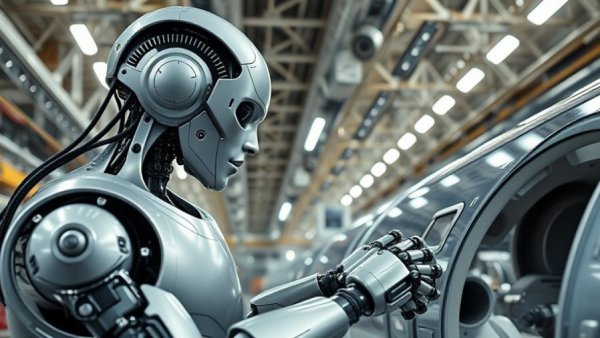
Humanoid Robots Revolutionizing Aircraft Assembly: Meet AEON

Update Revolutionizing Aircraft Assembly: The Rise of Humanoid Robots Pilatus Aircraft Ltd., a leading name in the aviation manufacturing industry, is embarking on an innovative journey by integrating a humanoid robot into its assembly line. This robot, named AEON, manufactured by Hexagon Robotics, is designed to enhance efficiency and quality in production—an essential factor in aircraft manufacturing. Meet AEON: The Humanoid Hero AEON stands out due to its advanced capabilities, which allow it to perceive the environment and perform multiple tasks. From manipulating objects to inspecting parts and even recording digital data, AEON brings a new level of automation to the assembly process. According to Roman Emmenegger, vice president of manufacturing at Pilatus, the goal is to bolster quality checks without replacing human workers. Instead, AEON acts as a supportive tool to improve quality in operations. Why Humanoid Robots Matter in Manufacturing The advent of humanoid robots like AEON is not merely about replacing jobs but enhancing the work environment for human laborers. Manufacturing jobs can involve repetitive or physically demanding tasks that lead to fatigue and errors. As Pilatus envisions the future, AEON—and others like it—will assist workers, helping ensure safety and efficiency in the manufacturing process. A Stronger Focus on Quality Control Quality control is paramount in fields where precision is critical, such as aircraft manufacturing. AEON’s deployment for quality checks on the PC-24 business jet reflects Pilatus's commitment to excellence. The integration of robotic inspection is anticipated to yield tighter quality inspections, resulting in a better product. This push for improved quality aligns with industry trends that emphasize technological advancements in manufacturing processes. Future Predictions: The Automation Revolution Looking forward, the role of humanoid robots in manufacturing is expected to expand considerably. With increasing capabilities, robots will take on more complex tasks, aiding human employees further. As manufacturers adopt AI and robotics technologies more widely, they can expect significant advancements in productivity and efficiency across various sectors. Connecting with Technology: Educational Insights Understanding the impact of humanoid robots on assembly lines can inspire new generations interested in manufacturing and technology. Educators and parents should seize this opportunity to engage kids and young adults in discussions about robots in everyday life and the future of work. Discussions can revolve around how machines can enhance our abilities rather than replace them, making STEM fields more attractive to students. Actionable Insights for Manufacturers As manufacturers consider the integration of robots into production, it’s crucial to evaluate current workflows and determine where automation can elevate operations. Businesses should focus on training their workforce to adapt to new technologies and encourage a culture of continuous improvement. This proactive approach can lead to refining production processes and resisting the pressure of tariffs, which may affect manufacturing costs and competitiveness. With the blend of humanoid technology and human talent, a safer and more efficient manufacturing environment is on the horizon, setting the stage for future advancements. For more insights on how technology is transforming manufacturing, consider visiting our resources or engage with experts in our forums.

Global Trade News


An educational, content-centric platform that delivers unbiased, comprehensive, and real-time regulatory news and analysis, empowering stakeholders to make informed decisions in a complex global trade environment.


Global Trade News is a subsidiary of RP Design Web Services.

COMPANY

  • Privacy Policy
  • Terms of Use
  • Advertise
  • Contact Us
  • Menu 5
  • Menu 6

AVAILABLE FROM 8AM - 5PM

City, State

Cheshire, CT

ABOUT US

A media channel that delivers the latest insights on trade regulations, import/export compliance, policy shifts, and global market trends.  Present both US and international perspectives to provide companies with a holistic view of the evolving trade landscape.

© 2026 Global Trade News All Rights Reserved. PO Box 1189 , Cheshire, CT 06410 . Contact Us . Terms of Service . Privacy Policy

eyJjb21wYW55IjoiR2xvYmFsIFRyYWRlIE5ld3MiLCJhZGRyZXNzIjoiUE8gQm94IDExODkgIiwiY2l0eSI6IkNoZXNoaXJlIiwic3RhdGUiOiJDVCIsInppcCI6IjA2NDEwIiwiZW1haWwiOiJzYWxlc0BycGRlc2lnbi5jb20iLCJ0b3MiOiJQSEErUEhOMGNtOXVaejQ4WlcwK1YyaGxiaUI1YjNVZ2MybG5iaTFwYmlCM2FYUm9JSFZ6TENCNWIzVWdZWEpsSUdkcGRtbHVaeVp1WW5Od095QjViM1Z5SUhCbGNtMXBjM05wYjI0Z1lXNWtJR052Ym5ObGJuUWdkRzhnYzJWdVpDQjViM1VnWlcxaGFXd2dZVzVrTDI5eUlGTk5VeUIwWlhoMElHMWxjM05oWjJWekxpQkNlU0JqYUdWamEybHVaeUIwYUdVZ1ZHVnliWE1nWVc1a0lFTnZibVJwZEdsdmJuTWdZbTk0SUdGdVpDQmllU0J6YVdkdWFXNW5JR2x1SUhsdmRTQmhkWFJ2YldGMGFXTmhiR3g1SUdOdmJtWnBjbTBnZEdoaGRDQjViM1VnWVdOalpYQjBJR0ZzYkNCMFpYSnRjeUJwYmlCMGFHbHpJR0ZuY21WbGJXVnVkQzQ4TDJWdFBqd3ZjM1J5YjI1blBqd3ZjRDRLQ2p4d1BqeGhJR2h5WldZOUltaDBkSEE2THk5M2QzY3VaMjl2WjJ4bExtTnZiU0krYUhSMGNEb3ZMM2QzZHk1bmIyOW5iR1V1WTI5dFBDOWhQand2Y0Q0S0NqeHdQaVp1WW5Od096d3ZjRDRLQ2p4d1BqeHpkSEp2Ym1jK1UwVlNWa2xEUlR3dmMzUnliMjVuUGp3dmNENEtDanh3UGxkbElIQnliM1pwWkdVZ1lTQnpaWEoyYVdObElIUm9ZWFFnWTNWeWNtVnVkR3g1SUdGc2JHOTNjeUI1YjNVZ2RHOGdjbVZqWldsMlpTQnlaWEYxWlhOMGN5Qm1iM0lnWm1WbFpHSmhZMnNzSUdOdmJYQmhibmtnYVc1bWIzSnRZWFJwYjI0c0lIQnliMjF2ZEdsdmJtRnNJR2x1Wm05eWJXRjBhVzl1TENCamIyMXdZVzU1SUdGc1pYSjBjeXdnWTI5MWNHOXVjeXdnWkdselkyOTFiblJ6SUdGdVpDQnZkR2hsY2lCdWIzUnBabWxqWVhScGIyNXpJSFJ2SUhsdmRYSWdaVzFoYVd3Z1lXUmtjbVZ6Y3lCaGJtUXZiM0lnWTJWc2JIVnNZWElnY0dodmJtVWdiM0lnWkdWMmFXTmxMaUJaYjNVZ2RXNWtaWEp6ZEdGdVpDQmhibVFnWVdkeVpXVWdkR2hoZENCMGFHVWdVMlZ5ZG1salpTQnBjeUJ3Y205MmFXUmxaQ0FtY1hWdmREdEJVeTFKVXlaeGRXOTBPeUJoYm1RZ2RHaGhkQ0IzWlNCaGMzTjFiV1VnYm04Z2NtVnpjRzl1YzJsaWFXeHBkSGtnWm05eUlIUm9aU0IwYVcxbGJHbHVaWE56TENCa1pXeGxkR2x2Yml3Z2JXbHpMV1JsYkdsMlpYSjVJRzl5SUdaaGFXeDFjbVVnZEc4Z2MzUnZjbVVnWVc1NUlIVnpaWElnWTI5dGJYVnVhV05oZEdsdmJuTWdiM0lnY0dWeWMyOXVZV3hwZW1GMGFXOXVJSE5sZEhScGJtZHpMand2Y0Q0S0NqeHdQbGx2ZFNCaGNtVWdjbVZ6Y0c5dWMybGliR1VnWm05eUlHOWlkR0ZwYm1sdVp5QmhZMk5sYzNNZ2RHOGdkR2hsSUZObGNuWnBZMlVnWVc1a0lIUm9ZWFFnWVdOalpYTnpJRzFoZVNCcGJuWnZiSFpsSUhSb2FYSmtJSEJoY25SNUlHWmxaWE1nS0hOMVkyZ2dZWE1nVTAxVElIUmxlSFFnYldWemMyRm5aWE1zSUVsdWRHVnlibVYwSUhObGNuWnBZMlVnY0hKdmRtbGtaWElnYjNJZ1kyVnNiSFZzWVhJZ1lXbHlkR2x0WlNCamFHRnlaMlZ6S1M0Z1dXOTFJR0Z5WlNCeVpYTndiMjV6YVdKc1pTQm1iM0lnZEdodmMyVWdabVZsY3l3Z2FXNWpiSFZrYVc1bklIUm9iM05sSUdabFpYTWdZWE56YjJOcFlYUmxaQ0IzYVhSb0lIUm9aU0JrYVhOd2JHRjVJRzl5SUdSbGJHbDJaWEo1SUc5bUlHVmhZMmdnVTAxVElIUmxlSFFnYldWemMyRm5aU0J6Wlc1MElIUnZJSGx2ZFNCaWVTQjFjeTRnU1c0Z1lXUmthWFJwYjI0c0lIbHZkU0J0ZFhOMElIQnliM1pwWkdVZ1lXNWtJR0Z5WlNCeVpYTndiMjV6YVdKc1pTQm1iM0lnWVd4c0lHVnhkV2x3YldWdWRDQnVaV05sYzNOaGNua2dkRzhnWVdOalpYTnpJSFJvWlNCVFpYSjJhV05sSUdGdVpDQnlaV05sYVhabElIUm9aU0JUVFZNZ2RHVjRkQ0J0WlhOellXZGxjeTRnVjJVZ1pHOGdibTkwSUdOb1lYSm5aU0JoYm5rZ1ptVmxjeUJtYjNJZ1pHVnNhWFpsY25rZ2IyWWdaVzFoYVd3Z2IzSWdVMDFUTGlCVWFHbHpJR2x6SUdFZ1puSmxaU0J6WlhKMmFXTmxJSEJ5YjNacFpHVmtJR0o1SUhWekxpQkliM2RsZG1WeUxDQndiR1ZoYzJVZ1kyaGxZMnNnZDJsMGFDQjViM1Z5SUdsdWRHVnlibVYwSUhObGNuWnBZMlVnY0hKdmRtbGtaWElnWVc1a0lHTmxiR3gxYkdGeUlHTmhjbkpwWlhJZ1ptOXlJR0Z1ZVNCamFHRnlaMlZ6SUhSb1lYUWdiV0Y1SUdsdVkzVnlJR0Z6SUdFZ2NtVnpkV3gwSUdaeWIyMGdjbVZqWldsMmFXNW5JR1Z0WVdsc0lHRnVaQ0JUVFZNZ2RHVjRkQ0J0WlhOellXZGxjeUIwYUdGMElIZGxJR1JsYkdsMlpYSWdkWEJ2YmlCNWIzVnlJRzl3ZEMxcGJpQmhibVFnY21WbmFYTjBjbUYwYVc5dUlIZHBkR2dnYjNWeUlHVnRZV2xzSUdGdVpDQlRUVk1nYzJWeWRtbGpaWE11SUZsdmRTQmpZVzRnWTJGdVkyVnNJR0YwSUdGdWVTQjBhVzFsTGlCS2RYTjBJSFJsZUhRZ0puRjFiM1E3VTFSUFVDWnhkVzkwT3lCMGJ5QThhR2xuYUd4cFoyaDBJR05zWVhOelBTSmpiMjF3WVc1NVVHaHZibVZWY0dSaGRHVWlQaXN4TWpBek1qY3hOems1TVR3dmFHbG5hR3hwWjJoMFBpNGdRV1owWlhJZ2VXOTFJSE5sYm1RZ2RHaGxJRk5OVXlCdFpYTnpZV2RsSUNaeGRXOTBPMU5VVDFBbWNYVnZkRHNnZEc4Z2RYTXNJSGRsSUhkcGJHd2djMlZ1WkNCNWIzVWdZVzRnVTAxVElHMWxjM05oWjJVZ2RHOGdZMjl1Wm1seWJTQjBhR0YwSUhsdmRTQm9ZWFpsSUdKbFpXNGdkVzV6ZFdKelkzSnBZbVZrTGlCQlpuUmxjaUIwYUdsekxDQjViM1VnZDJsc2JDQnVieUJzYjI1blpYSWdjbVZqWldsMlpTQlRUVk1nYldWemMyRm5aWE1nWm5KdmJTQjFjeTQ4TDNBK0NnbzhjRDQ4YzNSeWIyNW5QbGxQVlZJZ1VrVkhTVk5VVWtGVVNVOU9JRTlDVEVsSFFWUkpUMDVUUEM5emRISnZibWMrUEM5d1Bnb0tQSEErU1c0Z1kyOXVjMmxrWlhKaGRHbHZiaUJ2WmlCNWIzVnlJSFZ6WlNCdlppQjBhR1VnVTJWeWRtbGpaU3dnZVc5MUlHRm5jbVZsSUhSdk9qd3ZjRDRLQ2p4dmJENEtDVHhzYVQ1d2NtOTJhV1JsSUhSeWRXVXNJR0ZqWTNWeVlYUmxMQ0JqZFhKeVpXNTBJR0Z1WkNCamIyMXdiR1YwWlNCcGJtWnZjbTFoZEdsdmJpQmhZbTkxZENCNWIzVnljMlZzWmlCaGN5QndjbTl0Y0hSbFpDQmllU0IwYUdVZ1UyVnlkbWxqWlNZak16azdjeUJ5WldkcGMzUnlZWFJwYjI0Z1ptOXliU0FvYzNWamFDQnBibVp2Y20xaGRHbHZiaUJpWldsdVp5QjBhR1VnSm5GMWIzUTdVbVZuYVhOMGNtRjBhVzl1SUVSaGRHRW1jWFZ2ZERzcElHRnVaRHd2YkdrK0NnazhiR2srYldGcGJuUmhhVzRnWVc1a0lIQnliMjF3ZEd4NUlIVndaR0YwWlNCMGFHVWdVbVZuYVhOMGNtRjBhVzl1SUVSaGRHRWdkRzhnYTJWbGNDQnBkQ0IwY25WbExDQmhZMk4xY21GMFpTd2dZM1Z5Y21WdWRDQmhibVFnWTI5dGNHeGxkR1V1SUVsbUlIbHZkU0J3Y205MmFXUmxJR0Z1ZVNCcGJtWnZjbTFoZEdsdmJpQjBhR0YwSUdseklIVnVkSEoxWlN3Z2FXNWhZMk4xY21GMFpTd2dibTkwSUdOMWNuSmxiblFnYjNJZ2FXNWpiMjF3YkdWMFpTd2diM0lnZDJVZ2FHRjJaU0J5WldGemIyNWhZbXhsSUdkeWIzVnVaSE1nZEc4Z2MzVnpjR1ZqZENCMGFHRjBJSE4xWTJnZ2FXNW1iM0p0WVhScGIyNGdhWE1nZFc1MGNuVmxMQ0JwYm1GalkzVnlZWFJsTENCdWIzUWdZM1Z5Y21WdWRDQnZjaUJwYm1OdmJYQnNaWFJsTENCM1pTQm9ZWFpsSUhSb1pTQnlhV2RvZENCMGJ5QnpkWE53Wlc1a0lHOXlJRHh6ZEhKdmJtYytQSE53WVc0Z2MzUjViR1U5SW1OdmJHOXlPaU5HUmpBd01EQTdJajUwWlhKdGFXNWhkR1VnZVc5MWNpQmhZMk52ZFc1MEwzQnliMlpwYkdVZ1lXNWtJSEpsWm5WelpTQmhibmtnWVc1a0lHRnNiQ0JqZFhKeVpXNTBJRzl5SUdaMWRIVnlaU0IxYzJVZ2IyWWdkR2hsSUZObGNuWnBZMlVnS0c5eUlHRnVlU0J3YjNKMGFXOXVJSFJvWlhKbGIyWXBMand2YzNCaGJqNDhMM04wY205dVp6NDhMMnhwUGdvOEwyOXNQZ29LUEhBK0ptNWljM0E3UEM5d1BnbzhhR2xuYUd4cFoyaDBJR05zWVhOelBTSmpiMjF3WVc1NVRtRnRaVlZ3WkdGMFpTSStSMnh2WW1Gc0lGUnlZV1JsSUU1bGQzTThMMmhwWjJoc2FXZG9kRDQ4WW5JZ0x6NEtQR2hwWjJoc2FXZG9kQ0JqYkdGemN6MGlZMjl0Y0dGdWVVRmtaSEpsYzNOVmNHUmhkR1VpUGxCUElFSnZlQ0F4TVRnNUlDd2dRMmhsYzJocGNtVXNJRU5VSURBMk5ERXdQQzlvYVdkb2JHbG5hSFErUEdKeUlDOCtDanhvYVdkb2JHbG5hSFFnWTJ4aGMzTTlJbU52YlhCaGJubFFhRzl1WlZWd1pHRjBaU0krS3pFeU1ETXlOekUzT1RreFBDOW9hV2RvYkdsbmFIUStQR0p5SUM4K0NqeG9hV2RvYkdsbmFIUWdZMnhoYzNNOUltTnZiWEJoYm5sRmJXRnBiRlZ3WkdGMFpTSStjMkZzWlhOQWNuQmtaWE5wWjI0dVkyOXRQQzlvYVdkb2JHbG5hSFErIiwicHJpdmFjeSI6IlBIQStQSE4wY205dVp6NVFVa2xXUVVOWlBDOXpkSEp2Ym1jK1BDOXdQZ29LUEhBK1BITjBjbTl1Wno1VWFHVWdhVzVtYjNKdFlYUnBiMjRnY0hKdmRtbGtaV1FnWkhWeWFXNW5JSFJvYVhNZ2NtVm5hWE4wY21GMGFXOXVJR2x6SUd0bGNIUWdjSEpwZG1GMFpTQmhibVFnWTI5dVptbGtaVzUwYVdGc0xDQmhibVFnZDJsc2JDQnVaWFpsY2lCaVpTQmthWE4wY21saWRYUmxaQ3dnWTI5d2FXVmtMQ0J6YjJ4a0xDQjBjbUZrWldRZ2IzSWdjRzl6ZEdWa0lHbHVJR0Z1ZVNCM1lYa3NJSE5vWVhCbElHOXlJR1p2Y20wdUlGUm9hWE1nYVhNZ2IzVnlJR2QxWVhKaGJuUmxaUzQ4TDNOMGNtOXVaejQ4TDNBK0NnbzhjRDQ4YzNSeWIyNW5Qa2xPUkVWTlRrbFVXVHd2YzNSeWIyNW5Qand2Y0Q0S0NqeHdQanhsYlQ1WmIzVWdZV2R5WldVZ2RHOGdhVzVrWlcxdWFXWjVJR0Z1WkNCb2IyeGtJSFZ6TEM0Z1lXNWtJR2wwY3lCemRXSnphV1JwWVhKcFpYTXNJR0ZtWm1sc2FXRjBaWE1zSUc5bVptbGpaWEp6TENCaFoyVnVkSE1zSUdOdkxXSnlZVzVrWlhKeklHOXlJRzkwYUdWeUlIQmhjblJ1WlhKekxDQmhibVFnWlcxd2JHOTVaV1Z6TENCb1lYSnRiR1Z6Y3lCbWNtOXRJR0Z1ZVNCamJHRnBiU0J2Y2lCa1pXMWhibVFzSUdsdVkyeDFaR2x1WnlCeVpXRnpiMjVoWW14bElHRjBkRzl5Ym1WNWN5WWpNems3SUdabFpYTXNJRzFoWkdVZ1lua2dZVzU1SUhSb2FYSmtJSEJoY25SNUlHUjFaU0IwYnlCdmNpQmhjbWx6YVc1bklHOTFkQ0J2WmlCRGIyNTBaVzUwSUhsdmRTQnlaV05sYVhabExDQnpkV0p0YVhRc0lISmxjR3g1TENCd2IzTjBMQ0IwY21GdWMyMXBkQ0J2Y2lCdFlXdGxJR0YyWVdsc1lXSnNaU0IwYUhKdmRXZG9JSFJvWlNCVFpYSjJhV05sTENCNWIzVnlJSFZ6WlNCdlppQjBhR1VnVTJWeWRtbGpaU3dnZVc5MWNpQmpiMjV1WldOMGFXOXVJSFJ2SUhSb1pTQlRaWEoyYVdObExDQjViM1Z5SUhacGIyeGhkR2x2YmlCdlppQjBhR1VnVkU5VExDQnZjaUI1YjNWeUlIWnBiMnhoZEdsdmJpQnZaaUJoYm5rZ2NtbG5hSFJ6SUc5bUlHRnViM1JvWlhJdVBDOWxiVDQ4TDNBK0NnbzhjRDQ4YzNSeWIyNW5Qa1JKVTBOTVFVbE5SVklnVDBZZ1YwRlNVa0ZPVkVsRlV6d3ZjM1J5YjI1blBqd3ZjRDRLQ2p4d1BqeHpkSEp2Ym1jK1dVOVZJRVZZVUZKRlUxTk1XU0JWVGtSRlVsTlVRVTVFSUVGT1JDQkJSMUpGUlNCVVNFRlVPand2YzNSeWIyNW5Qand2Y0Q0S0NqeHZiRDRLQ1R4c2FUNVpUMVZTSUZWVFJTQlBSaUJVU0VVZ1UwVlNWa2xEUlNCSlV5QkJWQ0JaVDFWU0lGTlBURVVnVWtsVFN5NGdWRWhGSUZORlVsWkpRMFVnU1ZNZ1VGSlBWa2xFUlVRZ1QwNGdRVTRnSm5GMWIzUTdRVk1nU1ZNbWNYVnZkRHNnUVU1RUlDWnhkVzkwTzBGVElFRldRVWxNUVVKTVJTWnhkVzkwT3lCQ1FWTkpVeTRnTEM0Z1FVNUVJRlZUTENCSlZDWWpNems3VXlCRFZWTlVUMDFGVWxNc0lFVllVRkpGVTFOTVdTQkVTVk5EVEVGSlRWTWdRVXhNSUZkQlVsSkJUbFJKUlZNZ1QwWWdRVTVaSUV0SlRrUXNJRmRJUlZSSVJWSWdSVmhRVWtWVFV5QlBVaUJKVFZCTVNVVkVMQ0JKVGtOTVZVUkpUa2NzSUVKVlZDQk9UMVFnVEVsTlNWUkZSQ0JVVHlCVVNFVWdTVTFRVEVsRlJDQlhRVkpTUVU1VVNVVlRJRTlHSUUxRlVrTklRVTVVUVVKSlRFbFVXU3dnUmtsVVRrVlRVeUJHVDFJZ1FTQlFRVkpVU1VOVlRFRlNJRkJWVWxCUFUwVWdRVTVFSUU1UFRpMUpUa1pTU1U1SFJVMUZUbFF1UEM5c2FUNEtDVHhzYVQ1TlFVdEZVeUJPVHlCWFFWSlNRVTVVV1NCVVNFRlVJQ2hwS1NCVVNFVWdVMFZTVmtsRFJTQlhTVXhNSUUxRlJWUWdXVTlWVWlCU1JWRlZTVkpGVFVWT1ZGTXNJQ2hwYVNrZ1ZFaEZJRk5GVWxaSlEwVWdWMGxNVENCQ1JTQlZUa2xPVkVWU1VsVlFWRVZFTENCVVNVMUZURmtzSUZORlExVlNSU3dnVDFJZ1JWSlNUMUl0UmxKRlJTd2dLR2xwYVNrZ1ZFaEZJRkpGVTFWTVZGTWdWRWhCVkNCTlFWa2dRa1VnVDBKVVFVbE9SVVFnUmxKUFRTQlVTRVVnVlZORklFOUdJRlJJUlNCVFJWSldTVU5GSUZkSlRFd2dRa1VnUVVORFZWSkJWRVVnVDFJZ1VrVk1TVUZDVEVVc0lFRk9SQ0FvYVhZcElFRk9XU0JGVWxKUFVsTWdTVTRnVkVoRklGTlBSbFJYUVZKRklGZEpURXdnUWtVZ1EwOVNVa1ZEVkVWRUxqd3ZiR2srQ2drOGJHaytRVTVaSUUxQlZFVlNTVUZNSUVSUFYwNU1UMEZFUlVRZ1QxSWdUMVJJUlZKWFNWTkZJRTlDVkVGSlRrVkVJRlJJVWs5VlIwZ2dWRWhGSUZWVFJTQlBSaUJVU0VVZ1UwVlNWa2xEUlNCSlV5QkVUMDVGSUVGVUlGbFBWVklnVDFkT0lFUkpVME5TUlZSSlQwNGdRVTVFSUZKSlUwc2dRVTVFSUZSSVFWUWdXVTlWSUZkSlRFd2dRa1VnVTA5TVJVeFpJRkpGVTFCUFRsTkpRa3hGSUVaUFVpQkJUbGtnUkVGTlFVZEZJRlJQSUZsUFZWSWdRMDlOVUZWVVJWSWdVMWxUVkVWTklFOVNJRXhQVTFNZ1QwWWdSRUZVUVNCVVNFRlVJRkpGVTFWTVZGTWdSbEpQVFNCVVNFVWdSRTlYVGt4UFFVUWdUMFlnUVU1WklGTlZRMGdnVFVGVVJWSkpRVXd1UEM5c2FUNEtDVHhzYVQ1T1R5QkJSRlpKUTBVZ1QxSWdTVTVHVDFKTlFWUkpUMDRzSUZkSVJWUklSVklnVDFKQlRDQlBVaUJYVWtsVVZFVk9MQ0JQUWxSQlNVNUZSQ0JDV1NCWlQxVWdSbEpQVFNCUFVpQlVTRkpQVlVkSUlFOVNJRVpTVDAwZ1ZFaEZJRk5GVWxaSlEwVWdVMGhCVEV3Z1ExSkZRVlJGSUVGT1dTQlhRVkpTUVU1VVdTQk9UMVFnUlZoUVVrVlRVMHhaSUZOVVFWUkZSQ0JKVGlCVVNFVWdWRTlUTGp3dmJHaytDand2YjJ3K0NnbzhjRDQ4YzNSeWIyNW5Qa3hKVFVsVVFWUkpUMDRnVDBZZ1RFbEJRa2xNU1ZSWlBDOXpkSEp2Ym1jK1BDOXdQZ29LUEhBK1dVOVZJRVZZVUZKRlUxTk1XU0JWVGtSRlVsTlVRVTVFSUVGT1JDQkJSMUpGUlNCVVNFRlVJRUZPUkNCVFNFRk1UQ0JPVDFRZ1FrVWdURWxCUWt4RklFWlBVaUJCVGxrZ1JFbFNSVU5VTENCSlRrUkpVa1ZEVkN3Z1NVNURTVVJGVGxSQlRDd2dVMUJGUTBsQlRDd2dRMDlPVTBWUlZVVk9WRWxCVENCUFVpQkZXRVZOVUV4QlVsa2dSRUZOUVVkRlV5d2dTVTVEVEZWRVNVNUhJRUpWVkNCT1QxUWdURWxOU1ZSRlJDQlVUeXdnUkVGTlFVZEZVeUJHVDFJZ1RFOVRVeUJQUmlCUVVrOUdTVlJUTENCSFQwOUVWMGxNVEN3Z1ZWTkZMQ0JFUVZSQklFOVNJRTlVU0VWU0lFbE9WRUZPUjBsQ1RFVWdURTlUVTBWVElDaEZWa1ZPSUVsR0lFaEJVeUJDUlVWT0lFRkVWa2xUUlVRZ1QwWWdWRWhGSUZCUFUxTkpRa2xNU1ZSWklFOUdJRk5WUTBnZ1JFRk5RVWRGVXlrc0lGSkZVMVZNVkVsT1J5QkdVazlOT2p3dmNENEtDanh2YkQ0S0NUeHNhVDVVU0VVZ1ZWTkZJRTlTSUZSSVJTQkpUa0ZDU1V4SlZGa2dWRThnVlZORklGUklSU0JUUlZKV1NVTkZPend2YkdrK0NnazhiR2srVkVoRklFTlBVMVFnVDBZZ1VGSlBRMVZTUlUxRlRsUWdUMFlnVTFWQ1UxUkpWRlZVUlNCSFQwOUVVeUJCVGtRZ1UwVlNWa2xEUlZNZ1VrVlRWVXhVU1U1SElFWlNUMDBnUVU1WklFZFBUMFJUTENCRVFWUkJMQ0JKVGtaUFVrMUJWRWxQVGlCUFVpQlRSVkpXU1VORlV5QlFWVkpEU0VGVFJVUWdUMUlnVDBKVVFVbE9SVVFnVDFJZ1RVVlRVMEZIUlZNZ1VrVkRSVWxXUlVRZ1QxSWdWRkpCVGxOQlExUkpUMDVUSUVWT1ZFVlNSVVFnU1U1VVR5QlVTRkpQVlVkSUlFOVNJRVpTVDAwZ1ZFaEZJRk5GVWxaSlEwVTdQQzlzYVQ0S0NUeHNhVDVWVGtGVlZFaFBVa2xhUlVRZ1FVTkRSVk5USUZSUElFOVNJRUZNVkVWU1FWUkpUMDRnVDBZZ1dVOVZVaUJVVWtGT1UwMUpVMU5KVDA1VElFOVNJRVJCVkVFN1BDOXNhVDRLQ1R4c2FUNVRWRUZVUlUxRlRsUlRJRTlTSUVOUFRrUlZRMVFnVDBZZ1FVNVpJRlJJU1ZKRUlGQkJVbFJaSUU5T0lGUklSU0JUUlZKV1NVTkZPeUJQVWp3dmJHaytDZ2s4YkdrK1FVNVpJRTlVU0VWU0lFMUJWRlJGVWlCU1JVeEJWRWxPUnlCVVR5QlVTRVVnVTBWU1ZrbERSUzQ4TDJ4cFBnbzhMMjlzUGdvS1BIQStQSFUrUW5rZ2NtVm5hWE4wWlhKcGJtY2dZVzVrSUhOMVluTmpjbWxpYVc1bklIUnZJRzkxY2lCbGJXRnBiQ0JoYm1RZ1UwMVRJSE5sY25acFkyVXNJR0o1SUc5d2RDMXBiaXdnYjI1c2FXNWxJSEpsWjJsemRISmhkR2x2YmlCdmNpQmllU0JtYVd4c2FXNW5JRzkxZENCaElHTmhjbVFzSUNaeGRXOTBPM2x2ZFNCaFozSmxaU0IwYnlCMGFHVnpaU0JVUlZKTlV5QlBSaUJUUlZKV1NVTkZKbkYxYjNRN0lHRnVaQ0I1YjNVZ1lXTnJibTkzYkdWa1oyVWdZVzVrSUhWdVpHVnljM1JoYm1RZ2RHaGxJR0ZpYjNabElIUmxjbTF6SUc5bUlITmxjblpwWTJVZ2IzVjBiR2x1WldRZ1lXNWtJR1JsZEdGcGJHVmtJR1p2Y2lCNWIzVWdkRzlrWVhrdVBDOTFQand2Y0Q0S0NqeHdQaVp1WW5Od096d3ZjRDRLUEdocFoyaHNhV2RvZENCamJHRnpjejBpWTI5dGNHRnVlVTVoYldWVmNHUmhkR1VpUGtkc2IySmhiQ0JVY21Ga1pTQk9aWGR6UEM5b2FXZG9iR2xuYUhRK1BHSnlJQzgrQ2p4b2FXZG9iR2xuYUhRZ1kyeGhjM005SW1OdmJYQmhibmxCWkdSeVpYTnpWWEJrWVhSbElqNVFUeUJDYjNnZ01URTRPU0FzSUVOb1pYTm9hWEpsTENCRFZDQXdOalF4TUR3dmFHbG5hR3hwWjJoMFBqeGljaUF2UGdvOGFHbG5hR3hwWjJoMElHTnNZWE56UFNKamIyMXdZVzU1VUdodmJtVlZjR1JoZEdVaVBpc3hNakF6TWpjeE56azVNVHd2YUdsbmFHeHBaMmgwUGp4aWNpQXZQZ284YUdsbmFHeHBaMmgwSUdOc1lYTnpQU0pqYjIxd1lXNTVSVzFoYVd4VmNHUmhkR1VpUG5OaGJHVnpRSEp3WkdWemFXZHVMbU52YlR3dmFHbG5hR3hwWjJoMFBnPT0ifQ==

Terms of Service

Privacy Policy

Core Modal Title

Sorry, no results found

You Might Find These Articles Interesting

T
Please Check Your Email
We Will Be Following Up Shortly
*
*
*