








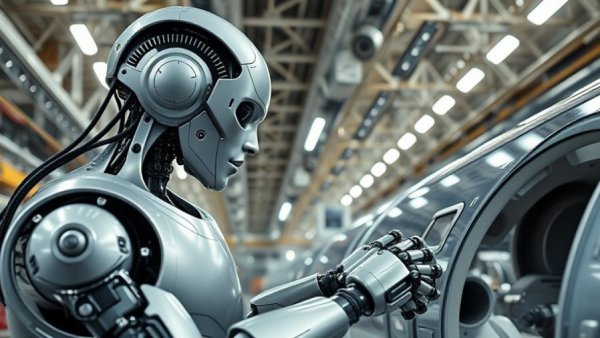
Revolutionizing Aircraft Assembly: The Rise of Humanoid Robots
Pilatus Aircraft Ltd., a leading name in the aviation manufacturing industry, is embarking on an innovative journey by integrating a humanoid robot into its assembly line. This robot, named AEON, manufactured by Hexagon Robotics, is designed to enhance efficiency and quality in production—an essential factor in aircraft manufacturing.
Meet AEON: The Humanoid Hero
AEON stands out due to its advanced capabilities, which allow it to perceive the environment and perform multiple tasks. From manipulating objects to inspecting parts and even recording digital data, AEON brings a new level of automation to the assembly process. According to Roman Emmenegger, vice president of manufacturing at Pilatus, the goal is to bolster quality checks without replacing human workers. Instead, AEON acts as a supportive tool to improve quality in operations.
Why Humanoid Robots Matter in Manufacturing
The advent of humanoid robots like AEON is not merely about replacing jobs but enhancing the work environment for human laborers. Manufacturing jobs can involve repetitive or physically demanding tasks that lead to fatigue and errors. As Pilatus envisions the future, AEON—and others like it—will assist workers, helping ensure safety and efficiency in the manufacturing process.
A Stronger Focus on Quality Control
Quality control is paramount in fields where precision is critical, such as aircraft manufacturing. AEON’s deployment for quality checks on the PC-24 business jet reflects Pilatus's commitment to excellence. The integration of robotic inspection is anticipated to yield tighter quality inspections, resulting in a better product. This push for improved quality aligns with industry trends that emphasize technological advancements in manufacturing processes.
Future Predictions: The Automation Revolution
Looking forward, the role of humanoid robots in manufacturing is expected to expand considerably. With increasing capabilities, robots will take on more complex tasks, aiding human employees further. As manufacturers adopt AI and robotics technologies more widely, they can expect significant advancements in productivity and efficiency across various sectors.
Connecting with Technology: Educational Insights
Understanding the impact of humanoid robots on assembly lines can inspire new generations interested in manufacturing and technology. Educators and parents should seize this opportunity to engage kids and young adults in discussions about robots in everyday life and the future of work. Discussions can revolve around how machines can enhance our abilities rather than replace them, making STEM fields more attractive to students.
Actionable Insights for Manufacturers
As manufacturers consider the integration of robots into production, it’s crucial to evaluate current workflows and determine where automation can elevate operations. Businesses should focus on training their workforce to adapt to new technologies and encourage a culture of continuous improvement. This proactive approach can lead to refining production processes and resisting the pressure of tariffs, which may affect manufacturing costs and competitiveness.
With the blend of humanoid technology and human talent, a safer and more efficient manufacturing environment is on the horizon, setting the stage for future advancements.
For more insights on how technology is transforming manufacturing, consider visiting our resources or engage with experts in our forums.




Write A Comment