







Add Row
Add Element
Global Trade News
update
Global Trade News
update
Add Element
SCHEDULE YOUR INTERVIEW 
  • Home
  • Categories
    • Policy Pulse
    • Compliance Corner
    • Market Movers
    • Trade Trends
    • Export Essentials
    • Import Insights
    • Regulatory Roundup
    • Global Trade News Blog
    • More Spotlights
    • More Videos
  • update
  • update
  • update
  • update
  • update
  • update
  • update
May 26.2025
2 Minutes Read

Xiaomi's YU7 SUV Aims to Outshine Tesla Model Y in China Market

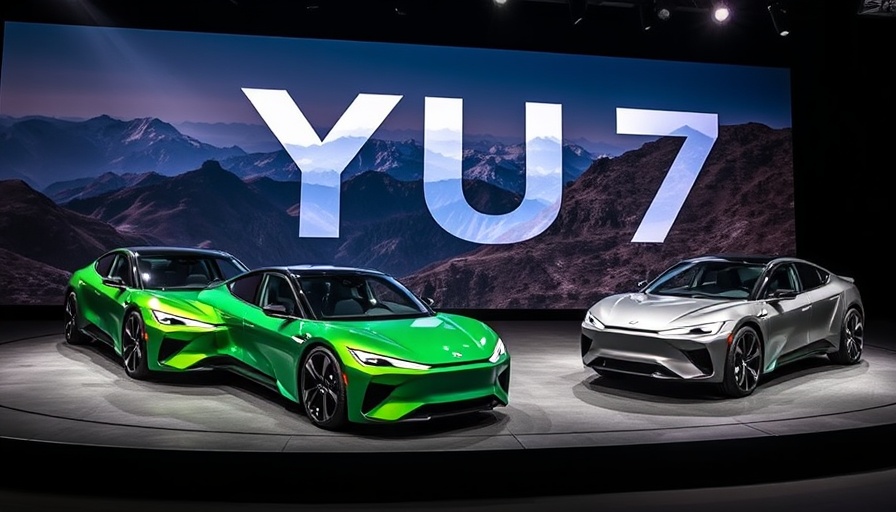
Xiaomi YU7 electric cars presentation with mountainous backdrop.

Xiaomi Targets Tesla's Dominance in the EV Market

In a move that could shake the automotive landscape in China, Xiaomi, a tech giant known for its smartphones, is stepping into the electric vehicle (EV) arena with its new YU7 SUV. This model is poised not only as a competitor but potentially as a formidable opponent to Tesla’s bestselling Model Y, setting the stage for what could be a dramatic showdown in the EV sales market.

The YU7: A Game-Changer in EV Range

Revealed on May 22, 2025, in Beijing, the YU7 comes equipped with a remarkable driving range of at least 760 kilometers (472 miles) on a single charge. This feature places it just ahead of Tesla's Model Y, which has an advertised range of 719 kilometers. For many consumers, range anxiety—fear of running out of battery charge—has been a major concern when shopping for electric vehicles. Xiaomi’s focus on providing a longer range could be a game-changer, appealing to a wider customer base who prioritize distance over convenience.

Market Positioning and Price Competitiveness

Positioned as a luxury SUV, the YU7 will be priced competitively between 250,000 to 320,000 yuan (approximately $34,700 to $44,420), placing it directly in the crosshairs of Tesla's pricing strategy, as the Model Y starts at 263,500 yuan in China. This price point could make the YU7 an attractive alternative for consumers on the fence between the two brands, especially considering Xiaomi’s established reputation for affordable technology that doesn't compromise on quality.

Expert Insights on Potential Sales

Market analysts are optimistic about the YU7's potential to disrupt Tesla’s market share in China. Citi analyst Jeff Chung suggests that the YU7 could significantly erode the Model Y's presence, anticipating monthly sales reaching around 30,000 units. If these projections hold true, annual sales could soar between 300,000 and 360,000 units.

What This Means for Consumers

The introduction of the YU7 not only intensifies competition in the EV sector but also signifies broader implications for consumers. With companies like Xiaomi and Tesla fighting for market dominance, consumers can expect improved features, better pricing, and enhanced technology in electric vehicles. As more brands enter the fray, the push for innovation will likely lead to a better driving experience for all.

Looking Ahead: The Future of EVs in China

With Xiaomi’s YU7 set for an official launch in July, the EV market in China is about to get even more interesting. As this competition unfolds, it’s essential for consumers and industry watchers to keep an eye on evolving trends, pricing strategies, and technological advancements that will shape the future landscape of electric vehicles.

In conclusion, the clash between Xiaomi and Tesla could herald a new era in the automotive industry, especially in the booming Chinese market for electric vehicles. As both brands strive for superiority, it’s consumers who stand to benefit from this innovative spirit.

Market Movers

70 Views

0 Comments

Write A Comment

*
*
Related Posts All Posts
01.18.2026

Manufacturers Navigate Shifting Economic Conditions: Insights for November 2025

Manufacturers' outlook for economic activity remains steady, despite a dip in shipping levels. Explore detailed insights and trends impacting the metal forming industry.

01.16.2026

Goldman Sachs CEO Explores Future of Prediction Markets: What It Means for Investors

Update The Shift Toward Prediction Markets: A New Frontier for Goldman Sachs In a significant move reflecting the evolving landscape of finance, Goldman Sachs CEO David Solomon recently announced that the investment bank is exploring opportunities in prediction markets. This engagement with prediction markets signifies a growing institutional interest in financial avenues that have historically been relegated to the fringes. Over the last few weeks, Solomon has met with leaders from two prominent prediction market companies, demonstrating the bank's proactive approach to potential new revenue streams. What Are Prediction Markets and Why Are They Gaining Traction? Prediction markets are platforms where participants can buy and sell contracts based on the outcomes of future events, like elections or market trends. Companies like Kalshi and Polymarket are at the forefront of this financial innovation, allowing traders to speculate on events that extend beyond conventional market predictions. This form of trading has garnered increased attention due to its unique approach to aggregating information and forecasting outcomes, often more accurately than traditional polling methods. Institutional Interest: Goldman’s Calculated Exploration The strategic interest from Goldman Sachs isn’t just about entering prediction markets; it illustrates how these markets may increasingly resemble traditional financial instruments. Solomon noted that some prediction contracts operate under the oversight of the Commodity Futures Trading Commission (CFTC), likening them to derivative contracts familiar to Wall Street investors. In context, both the growth of prediction markets and the backing of regulatory bodies such as the CFTC point to a more significant acceptance of these platforms within mainstream finance. The Regulatory Landscape: Opportunities and Challenges As Goldman Sachs delves deeper into prediction markets, they are also acutely aware of the regulatory landscape. The ongoing discussions in Washington around the Digital Asset Market Clarity Act highlight how banks and cryptocurrency entities are navigating complex and often conflicting regulatory environments. Solomon’s discussions with policymakers underscore the bank’s commitment to doing due diligence in assessing how prediction markets can align with existing regulations. What Does This Mean for Investors? For individual investors and traders, Goldman Sachs’ foray into prediction markets may indicate an impending shift in how investment strategies are developed and employed. This move could lead to more robust offerings that integrate traditional asset classes with innovative financial products like prediction contracts. While Solomon cautioned that widespread adoption may take time, the implications for investors are clear: as institutional interest grows, so too does the potential for innovation in how markets operate. A Future to Watch: Key Takeaways Goldman Sachs’ exploration of prediction markets is reflective of broader trends in global finance that prioritize innovative methodologies for trading and investing. If successful, Goldman’s entrée into this space may encourage other financial institutions to follow suit, potentially reshaping the investing landscape for retail and institutional investors alike. As these developments unfold, staying informed about prediction markets will become increasingly important for investors keen to capitalize on emerging trends.

01.16.2026

It’s Time to Bet on Tesla: Why Investors Should Rethink Their Strategy

Update Why Bet on Tesla Now? A Shift in Perspective For years, many investors have expressed skepticism about Tesla, viewing it as a high-risk gamble. However, recent developments indicate that it might be time for hesitant investors to reconsider their positions. Elon Musk's innovative strategies and ambitious projects position Tesla not just as a car manufacturer, but as a significant player in a variety of cutting-edge technological sectors. Diversifying Beyond Electric Vehicles Historically, Tesla has been primarily viewed through the lens of electric vehicle (EV) production. However, analysts argue that the company’s true value lies in its endeavors beyond just cars. With the increasing focus on autonomous driving technology and AI—areas that Musk has been urging his teams to pioneer—Tesla is well-poised to capitalize on the burgeoning demand for these technologies. According to industry observers, the development of robotaxis and humanoid robots could unlock immense value for the company, projecting a potential market cap increase driven by advancements in AI and autonomy. The Competitive Landscape: Will Tesla Regain Its Throne? While Tesla faced a decline in global vehicle deliveries, yielding its title as the world’s top EV seller to BYD, it's essential to view this within a broader context. The market, characterized by lasting competition and emerging players, demands agility and innovation. Despite recent challenges, Tesla's shareholders remain optimistic, betting heavily on the company's ability to adapt and thrive amidst intensifying rival pressure. With promising products like the Cybercab on the horizon and significant investments in AI, investors could find ample reason to jump aboard now. Understanding Market Dynamics: What Investors Should Consider Investors gravitate toward certain stocks based on their fundamental valuation versus market predictions. Tesla has often traded at a premium relative to peers, heavily pricing in future growth. However, the current economic climate—marked by a shift towards sustainability and high-tech solutions—has created an environment conducive to companies that are not just traditional automotive manufacturers but technology pioneers. Actionable Insights for Trade and Investment For import-export companies eyeing potential investments in tech or energy, the lessons from Tesla are invaluable. Diversifying investments across industries—especially those with synergy, such as energy solutions and automotive technology—can mitigate risks significantly while reaping the rewards of an expanding market. Learning from Tesla’s trajectory could inspire informed decisions, especially regarding collaborations within sectors that exhibit rapid growth. Final Thoughts: The Potential in Investing in Tesla As the landscape for EVs and tech evolves rapidly, investors should continuously reassess both their portfolios and market prospects. With Tesla leading in innovation beyond vehicles, now could be the time to embrace the opportunities presented by Elon Musk's ventures. Given the intricate connections among his companies, forming strategic partnerships or investments could lead to lucrative openings in the years to come. Don’t miss out on the wealth of opportunities within the dynamic tech and automotive industries. Now is the time to explore investment options that align with tomorrow's innovations!

Terms of Service

Privacy Policy

Core Modal Title

Sorry, no results found

You Might Find These Articles Interesting

T
Please Check Your Email
We Will Be Following Up Shortly
*
*
*