








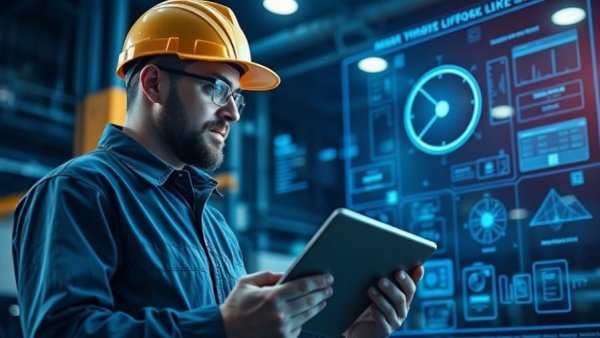
The Rise of AI in Manufacturing
As manufacturing companies globally embrace advancements in artificial intelligence (AI), automation, and digital technology, many face a significant challenge that goes beyond just implementing new tools: it’s about effectively leading people through the resulting changes. Daniel Stewart, president of Stewart Leadership, articulates that successful AI deployment hinges less on the machines themselves and more on fostering communication, trust, and outstanding frontline leadership.
Understanding the Human Element
Executives often misinterpret AI as a shortcut for labor, focusing primarily on the technology to enhance productivity. Stewart warns that this mentality is misleading. According to him, AI's true potential is realized when leaders prioritize interpersonal connections. "A desk is a dangerous place from which to lead," Stewart emphasizes, highlighting the importance of engaging directly with employees on the plant floor.
Involving Employees in the Transition
One common pitfall leaders face is implementing new technologies without adequately involving the employees who will interact with them. Stewart recounts a case where a manufacturing plant decided to independently adopt a new operational process, resulting in employees continuing their own methods because they felt disconnected from the change. This illustrates that when workers aren't included in the decision-making process, shadow processes can emerge—practices that diverge from intended protocols.
Leaders Need to Listen
As companies quickly adopt AI, it’s critical to acknowledge the natural human response to change—questions and skepticism stemming from a lack of understanding and comfort with new systems. Stewart advocates for leaders to become listeners. He insists that absorbing employee feedback and allowing time for adjustment is essential for a smooth transition. A leader's willingness to walk the floor, engage in conversations, and provide reassurance can make a world of difference.
AI as an Enabler, Not a Replacement
Stewart insists that AI should augment human leadership capabilities, not replace them. People-centered leadership, where human factors are honored while leveraging AI's capabilities, is crucial in today’s manufacturing landscape. Enlightened leaders understand that technology can enhance their effectiveness but should not dilute the fundamental human connections important for team cohesion and morale.
Future Predictions: AI’s Role in Manufacturing Leadership
As AI technology continues to evolve, the role of frontline leadership will undoubtedly become even more critical. Organizations that prioritize developing leaders who are proficient in both technological and human aspects are more likely to foster environments that thrive amidst change. A culture built on trust and transparency will engage employees more effectively, leading to a smoother transition into AI-enhanced operations.
Final Thoughts: Bridging the Gap Between Technology and Human Leadership
The intersection of artificial intelligence and human leadership is an evolving landscape in manufacturing. By prioritizing communication, trust, and employee involvement, manufacturers can navigate the complexities of AI integration more smoothly. As Daniel Stewart aptly puts it, the strength of a manufacturing organization lies not solely in its technologies but in the leaders who advocate for and nurture the people who use them.
To learn more about effective leadership strategies in the age of AI, be sure to listen to the latest episodes of The Leadership Growth Podcast, featuring insights directly from Daniel Stewart himself.







Write A Comment