









Imagine standing on a spotless, bustling manufacturing floor, workers collaborating with unwavering focus, every step meticulously documented. In today’s complex supply chain, selecting a contract manufacturing partner isn’t just about price or speed—it's about reliable quality management, traceability, and the confidence that your final product will meet or exceed expectations. As industry regulations tighten and recall risks remain top of mind, there’s never been a more strategic time to seek out an ISO 9001 contract manufacturing supplier. In this article, we dive deep into what makes these suppliers different, why certification isn’t just a formality, and how choosing the right partner directly impacts your business outcomes.
Understanding the Role of an ISO 9001 Contract Manufacturing Supplier
When evaluating a contract manufacturer, the gold standard for assurance is ISO 9001 certification. This globally recognized quality management system standard, developed by the International Organization for Standardization, sets the blueprint for organizational consistency, robust process control, and continual improvement. An ISO 9001 contract manufacturing supplier doesn’t just check boxes—they implement a management system that touches every aspect of the manufacturing process: from materials sourcing and production to final product inspection. For quality-conscious buyers, this means clearer risk mitigation and enhanced customer satisfaction. More than anything, ISO 9001 certification signals a proactive commitment to developing, monitoring, and continually improving products and services—not just today, but into the future. This proactive approach can make or break your position in regulated industries, where flawless compliance and consistent quality are non-negotiables.
Defining ISO 9001 in Contract Manufacturing
ISO 9001 is a cornerstone in the world of contract manufacturing. As a universally accepted quality management benchmark, ISO 9001 certification attests that a manufacturer rigorously follows guidelines for quality control, documentation, and ongoing improvement. Unlike basic compliance frameworks, ISO 9001 incorporates process-based thinking, risk assessment, and customer-centricity. In practice, this means your manufacturing partner implements verified procedures at every stage, making sure each product batch is traceable and meets all quality standards. For industries such as medical devices or aerospace, working with a certified provider is more than just a preference—it’s often necessary to achieve regulatory approval and maintain peace of mind throughout the supply chain.

Why Certification Matters: Practical Impacts on Buyers and Partners
Far from being a static wall plaque, ISO certification delivers tangible benefits for buyers and partners, making a real difference where it matters most: risk reduction, product reliability, and traceability. By choosing an ISO 9001 contract manufacturing supplier, you’re selecting a partner with a proven, independently verified track record of operating systematic processes—integrating quality control routines, documenting every adjustment, and quickly identifying and fixing deviations before they escalate. For buyers, this means confidence that the final product will meet or exceed requirements, reduce costly rework, and streamline compliance audits. In regulated sectors, this discipline dramatically lowers exposure to supply disruptions and recalls, giving your business a stronger foundation for long-term growth and reputation management.
For organizations seeking to further strengthen their supplier relationships, understanding the nuances of quality management systems can be invaluable. You can explore more about how robust supplier evaluation processes contribute to risk mitigation and operational excellence in our detailed guide on supplier evaluation best practices.
What You'll Learn from This Article
How ISO 9001 contract manufacturing suppliers embed quality management in every step
The daily realities and benefits of working with a certified contract manufacturer
What makes a manufacturing partner stand out in regulated and high-reliability sectors
How documentation, traceability, and continuous improvement set these suppliers apart
Observations from the Manufacturing Floor: Living ISO 9001 Every Day
Stepping into an ISO 9001 certified facility, there’s a tangible difference in how work is organized, tracked, and optimized. Here, quality management isn’t just a set of abstract rules; it’s part of daily life. Teams move with purpose, every workstation is equipped with up-to-date documentation, and corrective actions aren’t just filed—they’re reviewed and acted upon in real time. This operational discipline sets certified contract manufacturers apart from their peers, directly impacting product quality, delivery timelines, and customer satisfaction. From the initial raw material inspection through to shipping the final product, the ISO 9001 ethos of “say what you do, do what you say, and prove it” is plainly visible. It’s proof that a robust management system isn’t just for audits—it’s what gets products safely, consistently, and efficiently through the supply chain.
Quality Management as a Lived Discipline, Not Just Certification
At the heart of an ISO 9001 operation is a culture that sees quality management as a guiding principle. Employees at all levels are trained to identify and escalate opportunities for improvement, making the quality system resilient and adaptable. Instead of reactive fixes, there’s proactive management of every process to ensure that deviations are rare—and, when they occur, swiftly investigated and documented. This degree of involvement creates a “right-first-time” atmosphere, reducing waste, driving down costs, and reinforcing customer satisfaction.
“ISO 9001 isn’t a piece of paper to us—it’s an operating philosophy that shapes every action on our shop floor.” — Featured Supplier

Daily Best Practices: Documentation and Traceability
One of the cornerstones of ISO 9001 is its demand for rigorous documentation and full product traceability. In certified environments, every step in the manufacturing process—from receiving raw materials to assembly and final testing—is tracked and logged. These detailed records empower teams to quickly identify where variations occurred and correct them, supporting robust quality control. Customers and auditors alike gain peace of mind knowing that every component’s history can be traced without delay. For buyers, this approach goes far beyond compliance: it means transparent operations, predictable quality, and greatly reduced risk of defects making it past production undetected.
Key Elements of Quality Control and Continuous Improvement
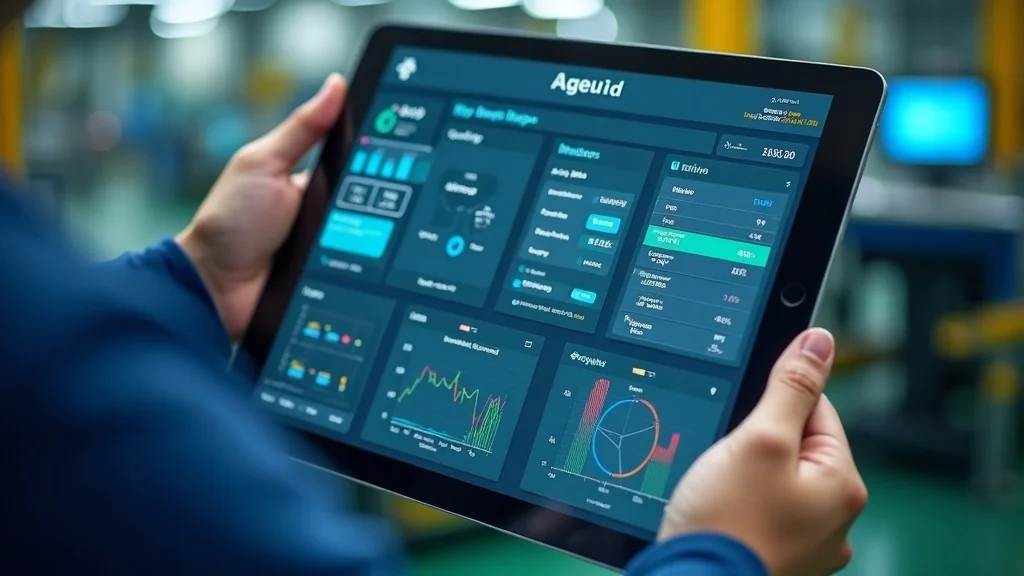
What separates a manufacturer with strong quality credentials from average peers isn't just adherence to requirements—but a living, breathing commitment to continuous improvement and operational excellence. ISO 9001 certified shops build systematic quality control into each phase of production. Team members benefit from regular training; internal audits are frequent; and performance metrics drive transparency and accountability. These ongoing loops of feedback and refinement mean that contract manufacturing partners can catch inconsistencies early, reduce human error, and deliver higher and more consistent product quality to their clients.
Implementing Quality Management Across Teams
ISO 9001 pushes organizations to decentralize responsibility for quality management. It’s not just the quality department’s concern—everyone from procurement to line operators participates in upholding and improving the management systems. Clear communication channels, regular cross-team evaluations, and shared feedback sessions are the norm. Suppliers who operationalize these principles ensure that every employee is invested in outcome-driven quality control, leading to fewer errors, improved morale, and a robust organizational resilience against supply chain disruption.
Continuous Improvement: Real Benefits for Customer Satisfaction
Continuous improvement is a key ISO 9001 tenet—and a direct driver of customer satisfaction. Certified contract manufacturers routinely analyze data, seeking trends and initiating corrective and preventive actions. This proactive stance allows suppliers to continually improve processes, meet changing customer needs, and even anticipate issues before they escalate. Over time, this focus on incremental gains produces tangible results: reliable delivery, lower defect rates, and—most importantly—the lasting confidence of clients who trust that both today’s and tomorrow’s challenges will be met with the same rigor and adaptability.
How an ISO 9001 Contract Manufacturing Supplier Reduces Buyer Risk
Entrusting your products to an ISO 9001 contract manufacturing supplier is a strategic move for risk-averse buyers, especially in high-stakes industries. Certification brings rigor to every aspect of the process, enabling seamless consistency, fast access to documentation, and robust plans for business continuity. These suppliers actively mitigate risk by ensuring each batch of goods can be precisely traced, every process change is documented, and disruptions are anticipated and managed swiftly. For sectors like medical devices or aerospace, where national standards and regulatory scrutiny are intense, this discipline gives your organization—and your clients—unmatched peace of mind.
Consistency, Documentation, and Business Continuity in Contract Manufacturing
Consistency is the core promise of ISO 9001: every order, every unit, every time. Suppliers maintain robust logs, backing up business continuity with disaster recovery plans and regular system audits. When difficulties arise—be it a raw material shortage or a process deviation—an ISO 9001 certified manufacturer has protocols ready to protect both product quality and delivery timelines. For buyers, this equates to reliable outcomes, easier compliance audits, and confidence that their investment is protected from avoidable disruptions.
Comparing ISO 9001 Contract Manufacturing Suppliers vs. Non-Certified Peers
Aspect |
ISO 9001 Contract Manufacturing Supplier |
Non-Certified Supplier |
|---|---|---|
Process Control |
Documented, standardized, and audited regularly |
Procedures may be informal or inconsistently applied |
Traceability |
Full traceability from raw materials through final product |
Limited or no documented traceability for components |
Risk Mitigation |
Proactive risk assessment and preventive actions |
Reactive fixes, increased risk of oversight |
Continuous Improvement |
Systematic, data-driven approach across teams |
Improvement initiatives are ad hoc if present |
Regulatory Readiness |
Designed to meet or exceed international/national standards |
Risk of non-compliance with critical industry standards |
Impact on Regulated and High-Reliability Sectors
For industries like aerospace, pharmaceuticals, or medical devices, the value of an ISO 9001 contract manufacturing supplier multiplies. In these environments, a single quality lapse can have severe consequences, from regulatory penalties to product recalls or even risks to end-user safety. Certified suppliers deliver built-in compliance readiness, deeply documented processes, and rapid, structured responses to incidents. This not only helps meet the stringent requirements of agencies and certification bodies but also sends a strong message to partners and customers: your manufacturing partner understands and lives the discipline needed to thrive in high-reliability arenas.

People Also Ask: Key Buyer Questions About ISO 9001 Contract Manufacturers
What is ISO 9001 certification in manufacturing?
ISO 9001 certification in manufacturing demonstrates that a company’s quality management system meets the standards set by the International Organization for Standardization. This means all processes—planning, production, and delivery—must be thoroughly documented, standardized, continually monitored, and continuously improved. For buyers, this assures that the manufacturer is committed to producing reliable, high-quality products that meet both customer requirements and any applicable regulatory standards.
How does ISO 9001 benefit customers of contract manufacturers?
Customers gain several advantages when working with ISO 9001 certified contract manufacturers. First and foremost, they enjoy consistent quality and predictability with every order. Second, traceability across the entire supply chain is guaranteed, making it easier to identify and resolve any issues. Finally, the culture of continuous improvement within certified firms means ongoing advances in efficiency, product performance, and customer satisfaction—adding measurable value to every partnership.
Is ISO 9001 certification necessary for regulated industries?
In highly regulated sectors—like medical devices, aerospace, and pharmaceuticals—ISO 9001 certification is often necessary or strongly expected by clients and regulatory agencies alike. The standard’s focus on traceability, documentation, and process control helps companies comply with stricter national standards and international regulations. Without certification, manufacturers may find it much harder to win contracts or successfully pass compliance audits.
How do ISO 9001 contract manufacturers ensure consistent quality?
ISO 9001 contract manufacturers maintain consistent quality by embedding detailed quality control systems at every level of production. This includes frequent audits, comprehensive documentation, ongoing training, and regular process reviews. Issues are systematically logged, root causes are identified, and corrective actions are taken promptly—creating a virtuous cycle of reliability and continual improvement.
Overview of facility best practices
Employee insights on quality culture

Lists: Traits of a Reliable ISO 9001 Contract Manufacturing Supplier
Documented processes at every production stage
Proven track record in customer satisfaction
Systematic corrective and preventive actions
Dedicated continuous improvement teams
Full traceability from raw material to finished product
FAQs: Choosing an ISO 9001 Contract Manufacturing Supplier
How do I verify an ISO 9001 contract manufacturer’s credentials? Check the supplier’s certification directly with the accrediting body, request to see up-to-date certificates, or review audit summaries. Many certified contract manufacturers will share this information proactively, especially for regulated sectors.
What differentiates a certified manufacturing partner from a non-certified one? Certified partners follow structured management systems, with documented routines, transparent traceability, and formal processes for improvement, ensuring fewer errors and higher reliability than uncertified peers.
Are there ongoing requirements for maintaining ISO certification? Yes. Recertification audits and annual surveillance audits verify a supplier’s continuing compliance, requiring ongoing staff training, process reviews, and continual improvement initiatives to retain ISO 9001 certification.
Key Takeaways: Why Now is the Time for an ISO 9001 Contract Manufacturing Supplier

Today’s industry demands unmistakable reliability, traceability, and a proactive approach to quality. Choosing an ISO 9001 contract manufacturing supplier means mitigating risk, ensuring consistent quality, and confidently meeting the highest standards—especially when precision, compliance, and customer reputation are at stake.
If you’re looking to deepen your understanding of how global standards and evolving trade regulations shape the manufacturing landscape, our main resource hub at Global Trade News offers a wealth of up-to-date insights. Discover how industry leaders are adapting to new compliance requirements, leveraging quality certifications, and building resilient supply chains in a rapidly changing world. Whether you’re a procurement professional, supply chain manager, or business leader, exploring these broader trends can help you make more informed decisions and stay ahead of the curve in contract manufacturing and beyond.
Looking for Industry Insights or a Trusted Manufacturing Partner?
Have industry insights or news tips? Reach out and join our network of global trade professionals today! Schedule your interview with Global Trade News.


Write A Comment