








Hook: Did you know a single overlooked export control violation can halt international shipments and trigger penalties that cripple an entire manufacturing supply chain? With Export Controls and Restrictions for Manufacturers under unprecedented scrutiny, it’s no longer an issue reserved for large corporations or defense contractors—every manufacturer is now under the microscope. This article delivers a practical, step-by-step guide to navigating today’s regulatory maze, keeping your company protected and competitive.
A Surprising Shift: Why Export Controls and Restrictions for Manufacturers Are Facing Unprecedented Scrutiny
The global manufacturing landscape is undergoing rapid transformation, with export controls and restrictions for manufacturers now taking center stage. Escalating geopolitical tensions, emerging technologies, and tighter national security demands have forced governments—especially the United States—to enforce trade controls with heightened rigor. Manufacturers exporting even seemingly routine items, such as software, electronics, or machine parts, can instantly fall within the complex web of export control laws if they fail to perform adequate due diligence.
Increasingly, trade restrictions are no longer limited to military goods or defense trade. Everyday consumer goods, dual-use technologies, or manufacturing knowledge may now require an export license or compliance protocol before leaving the country. This shift isn’t just regulatory red tape—it directly affects operational efficiency, business continuity, and your reputation in global supply chains. Failing to adapt can mean blocked shipments, massive fines, or worse: bans from trading partners and governments. Today, every manufacturer—regardless of size—must be prepared, proactive, and informed.

"Manufacturers who underestimate the complexity of export controls risk not just fines, but serious operational setbacks." — Industry Compliance Attorney
What You’ll Learn About Export Controls and Restrictions for Manufacturers
- Key components of export control regulations and laws
- The role of the United States government and international compliance
- How export administration regulations and de minimis rules affect manufacturers
- Best practices for managing export controls and restrictions in a shifting global landscape
Understanding Export Controls and Restrictions for Manufacturers: Definitions and Core Concepts
What Are Export Controls?
Export controls are legal measures that regulate the shipment, transfer, or transmission of certain goods, technology, software, and data to foreign nations, companies, or citizens. Their main goal is to protect national security, foreign policy interests, and economic competitiveness by restricting sensitive or strategically important items. For manufacturers, this means any item labeled as a controlled item—whether it's hardware, software, or even technical know-how—may be subject to export control laws, even if they seem unrelated to defense trade or weapons. Compliance is vital: failing to observe these rules could mean violating national security protocols, facing hefty fines, or losing access to crucial markets. In today’s climate, companies must also factor in de minimis thresholds (minimum content rules) and the complex status of foreign persons in their compliance programs.

Why Are Export Control Regulations and Control Laws Essential for Manufacturers?
Export control regulations and related control laws are not just bureaucratic hurdles—they are central to manufacturing operations. They protect against the unauthorized transfer of technologies or materials that could be used for military, terrorist, or competitive economic purposes. For manufacturers, adherence to these regulations ensures business continuity, supports due diligence efforts, and builds trust with global partners and governments. Whether your company deals in machine parts, electronics, or defense-related items (international traffic in arms or items on the munitions list), compliance with export control regulations means avoiding operational disruptions and maintaining a competitive edge. Ignoring these laws can lead to penalties, lost revenue, and damaged industry reputations.
Key Differences: Export Controls vs Export Administration Regulations
While “export controls” is an umbrella term, manufacturers must understand the unique features and applications of export administration regulations (EAR) compared to laws covering the international traffic in arms regulations (ITAR), control regulations, and de minimis rules. EAR, for example, focuses on dual-use and commercial goods, has its own license requirements, and is enforced by agencies like the Bureau of Industry and Security (BIS). Understanding these differences ensures manufacturers properly assess which set of regulations applies to their goods or technology, especially when navigating global supply chains, third-party involvement, and foreign person access.
As manufacturers adapt to evolving export control frameworks, it's also important to recognize how emerging technologies are reshaping compliance requirements. For example, the integration of artificial intelligence into manufacturing processes introduces new regulatory considerations and opportunities, as explored in AI’s rising influence in manufacturing: opportunities and challenges for manufacturers.
| Framework | Main Focus | Enforcement Agency | Relevant to De Minimis? |
|---|---|---|---|
| Export Administration Regulations (EAR) | Dual-use, commercial technologies | Bureau of Industry and Security (BIS) | Yes |
| Export Control Regulations (ECR), including ITAR | Defense trade, munitions, national security items | Department of State – Directorate of Defense Trade Controls (DDTC) | No (primarily ITAR focuses on defense items where de minimis does not usually apply) |
| De Minimis Rules | Content threshold for foreign-made items incorporating US content | BIS (for EAR-covered items) | Yes |
United States Export Controls and Restrictions for Manufacturers
Overview of U.S. Export Control Regulations: Key Agencies and Laws
The United States boasts one of the most comprehensive systems of export control regulations globally. The two main agencies—Bureau of Industry and Security (BIS) and the Department of State-Directorate of Defense Trade Controls (DDTC)—manage two pillars: the Export Administration Regulations (EAR) and the International Traffic in Arms Regulations (ITAR). These control laws are enforced to meet both national security and foreign policy objectives. For manufacturers, navigating U. S. control regulations means understanding which items are subject to export controls, securing the right export license, and documenting every step in compliance. Even products not designed for military use may fall under U. S. EAR if they include controlled U. S. technology or components, making up-to-date compliance checks and robust documentation a non-negotiable necessity.

Role of the Bureau of Industry and Security (BIS) and Export Administration
The BIS plays a pivotal role for manufacturers by administering and enforcing the EAR. Its jurisdiction covers “dual-use” goods—items with both civilian and military applications—which are often entwined with modern manufacturing sectors such as electronics, advanced materials, and information technology. For manufacturers, the BIS offers official guidance, maintains the “Commerce Control List,” and determines what products require an export license. Understanding the requirements set by the BIS means regular checks against evolving publication lists, end-use restrictions, and new controls reflecting global geopolitical developments. Manufacturers that overlook BIS rules risk noncompliance, operational bottlenecks, or even criminal liability, so developing strong partnerships with legal counsel and compliance experts is recommended.
Understanding United States Control Laws on Foreign Person Access
One of the lesser-known yet critical areas of U. S. export control law for manufacturers is the restriction on foreign person access, often termed the “deemed export” rule. Under EAR and ITAR, a “foreign person” is anyone who isn’t a U. S. citizen, lawful permanent resident, or specific protected individuals. Sharing controlled technology or manufacturing data—digitally or physically—with a foreign national, whether on U. S. soil or abroad, is considered an export. This can trigger the need for an export license even if no products physically cross the border. Manufacturers must monitor who has access to controlled items in design, production, and maintenance processes, using strict controls, segmented data access, and ongoing compliance training to safeguard sensitive information.
Does De Minimis Apply? Navigating De Minimis and Foreign Person Rules in Export Controls
Applying De Minimis Rules in Export Control Regulations
The de minimis rule is a vital consideration for global manufacturers. In simple terms, it determines whether foreign-made products that incorporate U. S. -controlled content (hardware, software, or technology) are subject to U. S. export controls. If the U. S. -origin content in a foreign item stays below a specific percentage, the product may not be subject to export control regulations. This is a key differentiation: even if items are constructed or finished overseas, the mere inclusion of regulated U. S. components can trigger licensing and compliance obligations under EAR. Manufacturers need to evaluate, document, and regularly reassess the U. S. content within any given product and keep up to date with changing de minimis thresholds as published by U. S. authorities.

Managing Risks With Third-Party and Foreign Person Access
With supply chains increasingly global, manufacturers face heightened risks when involving third-party suppliers and foreign persons. Each step, from sourcing materials to collaborating with international designers, must be analyzed for potential export control violations. De minimis calculations are especially critical when manufacturers outsource processes or source components globally. Documenting the proportion of U. S. -origin content in all shipped items, mapping supply chains to track controlled items, and rigorously vetting foreign person involvement are essential best practices. Ultimately, effective management requires a layered compliance approach, combining technology, human oversight, and ongoing staff education to prevent violations of export control laws.
- Assessing de minimis content within your products
- Risks in supply chains involving foreign persons
- Documentation and regulatory best practices
Global Landscape: Export Controls and Restrictions for Manufacturers Beyond U.S. Borders
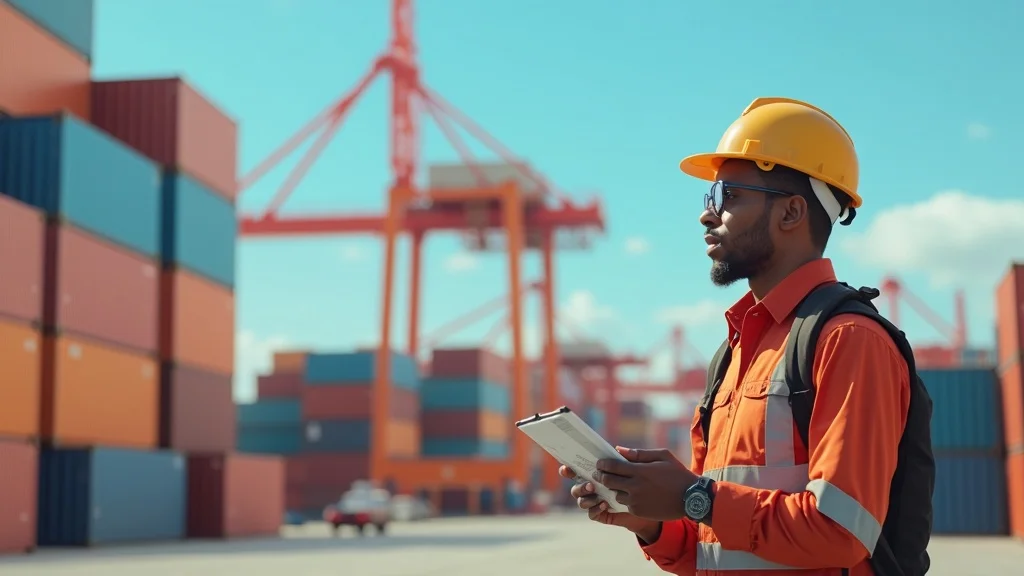
Key Differences in Export Control Regulations Globally
Export control laws are not standardized worldwide—what’s legal in one country can be prohibited in another. The European Union, United Kingdom, China, and other major economies each have their own export control regimes, covering everything from dual-use goods to advanced defense technologies. For manufacturers operating internationally, this patchwork creates challenges in remaining compliant across jurisdictions. Failure to spot conflicting or overlapping requirements may expose companies to enforcement actions, blocked shipments, or even criminal charges. Therefore, robust due diligence and constant monitoring of each country’s control laws—especially evolving lists of controlled items and technologies—is necessary for seamless and lawful international trade.
Strategic Compliance: Navigating Multiple Jurisdictions
To thrive against today’s complex backdrop, manufacturers must develop strategies that accommodate varying export control regulations across multiple countries. This often involves customizing compliance programs for each market, coordinating closely with foreign legal counsel, and leveraging global compliance technology. Data-driven dashboards—tracking real-time regulation updates by region—and cross-border legal advice are vital for mitigating compliance risks. Smart manufacturers don’t rely on checklists alone; they actively collaborate with international trade organizations, stay engaged with national authorities, and foster a proactive compliance culture to spot and resolve problems before they become costly obstacles.

"Compliance in one country does not guarantee compliance everywhere. Export control laws change rapidly." — Cross-border Trade Specialist
Best Practices for Manufacturers to Ensure Export Controls and Restrictions Compliance
Building an Internal Compliance Program
Establishing a strong internal compliance program lies at the heart of a robust export controls and restrictions strategy. Manufacturers should start with a comprehensive risk assessment to identify which goods, software, or technologies might be subject to export administration regulations or other export control laws. From there, creating and maintaining transparent internal policies, conducting regular compliance audits, and ensuring all employees—especially those with export-related responsibilities—receive targeted, ongoing training is essential. Assigning a dedicated compliance manager, utilizing automated screening tools, and maintaining open channels for employees to report potential violations can further help manufacturers stay ahead of regulatory trends and mitigate risks of non-compliance.
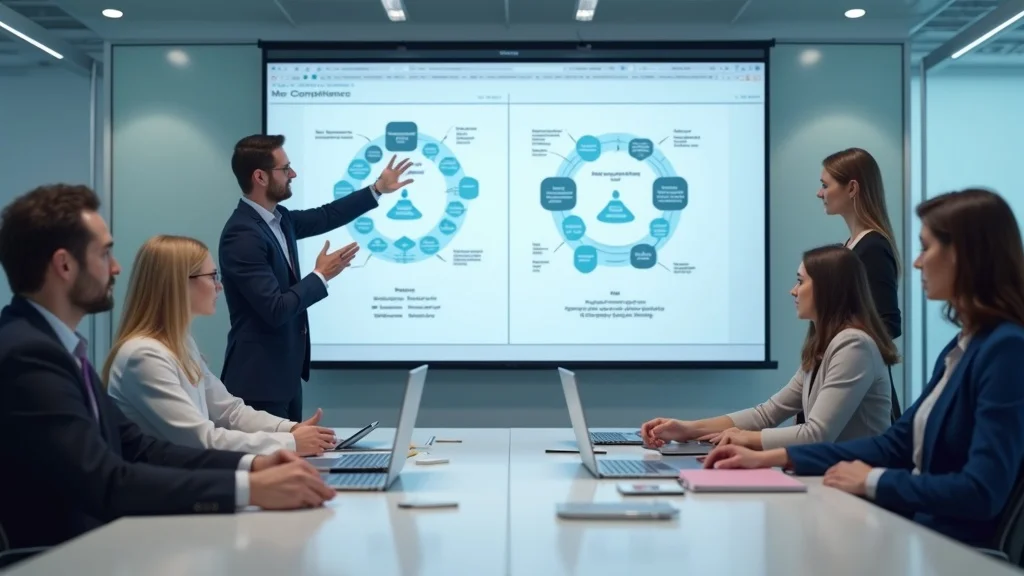
Leveraging Technology for Export Control Regulations Automation
Technology is quickly becoming the backbone of effective export controls and restrictions compliance. Automated solutions can screen transactions against restricted party lists, flag red-flag indicators in real time, manage complex documentation trails, and ensure timely updates as global regulations shift. Leading manufacturers are integrating advanced compliance management platforms and data analytics to automate export license determination, “deemed export” monitoring, and de minimis content calculations. This digital transformation not only streamlines compliance but reduces human error, increases efficiency, and provides scalable solutions as manufacturing operations expand globally. Combining software automation with expert legal oversight empowers manufacturers to confidently navigate today’s high-stakes regulatory environment.
- Regular staff training
- Automated screening software
- Comprehensive recordkeeping
- Cooperation with legal counsel
People Also Ask
What are export controls and restrictions for manufacturers?
Export controls and restrictions for manufacturers are government-imposed rules that regulate the export, transfer, or sharing of certain goods, technologies, or software, mainly to protect national security and fulfill foreign policy objectives. These controls require manufacturers to ensure that their products—or even knowledge and technical data—are not sent to prohibited destinations, foreign persons, or for prohibited uses. Manufacturers must review whether any controlled items, technologies, or software involved in their operations are subject to export control regulations, and if so, secure proper licensing and document compliance activities thoroughly.
Which U.S. agencies regulate export control for manufacturers?
The primary agencies overseeing export controls for manufacturers in the United States are the Bureau of Industry and Security (BIS) within the Department of Commerce, which handles most dual-use and commercial goods under the Export Administration Regulations (EAR), and the Directorate of Defense Trade Controls (DDTC) within the Department of State, which supervises defense items under the International Traffic in Arms Regulations (ITAR). Additional oversight is provided by the Department of the Treasury’s Office of Foreign Assets Control (OFAC) for embargoes and sanctions.
How do de minimis rules impact export controls and restrictions for manufacturers?
The de minimis rule helps determine if products made abroad are still subject to U. S. export controls due to the inclusion of a certain amount of U. S. -origin content. If the U. S. -controlled content stays under a specified threshold (measured as a percentage of the completed item’s value), the product may be exempt from licensing requirements. Manufacturers must calculate and track U. S. content in each product, especially when collaborating with foreign suppliers, to avoid inadvertently triggering regulatory obligations.
What is the difference between export control laws and export administration regulations?
Export control laws are the broader legal frameworks that encompass all regulations and statutes governing exports of goods, services, technology, or information. Export administration regulations (EAR) are a specific set of rules—administered by the BIS—focused mainly on dual-use and certain commercial goods. While all EAR are export control laws, not all export control laws fall under EAR; for instance, defense items are governed by the International Traffic in Arms Regulations (ITAR) instead.
Frequently Asked Questions About Export Controls and Restrictions for Manufacturers
- What products typically require export licenses?
- How can manufacturers identify if their goods are subject to export control laws?
- What penalties do manufacturers face for noncompliance?
- Do export controls apply to intangible exports like technology transfers?
Key Takeaways for Managing Export Controls and Restrictions for Manufacturers
- Constantly monitor regulatory updates
- Maintain robust compliance documentation
- Engage with authorities and trade organizations
Next Steps for Manufacturers: Stay Ahead of Export Controls and Restrictions
"Proactive training and early detection systems are manufacturers’ best assets against evolving global export controls." — Compliance Consultant
Get your views heard. Schedule an expert interview with Global Trade News. Call 203-271-7991 today.
Conclusion: Continuous education, routine compliance reviews, and collaborative global strategies are essential for manufacturers to navigate export controls and restrictions confidently—protecting business and securing long-term growth.
As you continue to strengthen your export compliance strategy, consider how broader technological trends are shaping the future of manufacturing. Exploring the intersection of artificial intelligence and manufacturing not only reveals new growth opportunities but also highlights additional regulatory and operational challenges. For a deeper dive into how AI is transforming the industry and what it means for compliance, innovation, and competitiveness, visit AI’s rising influence in manufacturing: challenges and opportunities for growth. Staying informed on these advancements will help your organization remain agile and ahead of the curve in a rapidly evolving global market.








Write A Comment