








Understanding the Imperative for Carbon Finance in Developing Nations
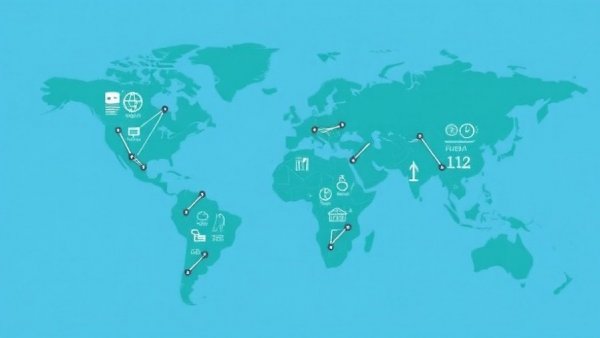
Climate change is not just a pressing global issue; it is a palpable threat to economic stability, especially in developing countries that are often the hardest hit by its effects. At COP31, an innovative global carbon finance network emerged to address these disparities. This initiative aims to enhance climate funding for developing economies while creating a more cohesive carbon market.
Shaping a Unified Carbon Market
The recent launch at COP31 represents a pivotal moment in the conversation about climate finance. With nearly 30% of global greenhouse gas emissions covered by various carbon pricing schemes, the potential for market-driven solutions is enormous. Yet, the carbon market remains fragmented, with divergent standards that hinder collaboration and investment in developing countries. By working with regulators and standardizing emissions cut measurements, the network promises to create an environment conducive to greater climate investments.
The Urgent Need for Climate Funding
According to a recent report, achieving net-zero targets by 2030 requires approximately $7.4 trillion in annual climate investment—a staggering figure that dwarfs the current mobilized funds of about $1.5 trillion. Developing countries particularly suffer as they are often left unable to secure necessary funding, meaning that a robust and integrated carbon financing network isn't just beneficial—it’s essential for survival.
The Role of Voluntary Carbon Markets
Further complicating the landscape of carbon finance is the existence of decentralized voluntary carbon markets (VCMs). These markets enable private entities to buy and sell carbon credits, contributing to a compelling financial incentive for emissions reduction projects in the Global South. With projections indicating a growth from $2.77 billion in 2025 to a staggering $45.18 billion by 2034, investors and import-export businesses have a unique opportunity to participate in a rapidly expanding sector that also meets corporate social responsibility goals.
Challenges Within Carbon Pricing Mechanisms
Given that different countries and regions implement various standards and mechanisms (notably the ETS and carbon tax models), this new carbon finance network aims to harmonize these practices. For companies engaged in import-export activities, understanding these regulatory frameworks is crucial, as tariffs could be influenced by a country’s compliance with carbon pricing.
Insights for Import Export Manufacturers
As this international network stabilizes and unifies standards, import-export companies must remain vigilant to adapt quickly. Understanding the evolving landscape of carbon finance will not only guide compliance with emerging regulations but can also unlock new market opportunities. Investing in carbon credits could bolster your brand's value and market presence, especially in environmentally conscious consumer markets.
Looking Forward: The Future of Carbon Finance
In light of the catastrophic impacts of climate change, a shift towards a comprehensive carbon finance landscape is not merely a choice—it is a necessity. The implications of these developments extend beyond regulatory frameworks; they have far-reaching consequences on global trade dynamics, influencing everything from tariffs to consumer behavior.
Conclusion: Action Required
The launch of the global carbon finance network at COP31 brings hope for developing economies and highlights a pathway toward a more equitable climate funding model. Market players need to engage holistically, adopting proactive measures in compliance and investment. The journey towards a unified carbon market will require collaborative efforts, but the benefits are poised to be long-lasting and substantial for both the environment and the economy. Explore what this evolution means for your import-export strategies, as tomorrow’s market rewards those who are prepared today.





Write A Comment