







Add Row
Add Element
Global Trade News
update
Global Trade News
update
Add Element
SCHEDULE YOUR INTERVIEW 
  • Home
  • Categories
    • Policy Pulse
    • Compliance Corner
    • Market Movers
    • Trade Trends
    • Export Essentials
    • Import Insights
    • Regulatory Roundup
    • Global Trade News Blog
    • More Spotlights
    • More Videos
  • update
  • update
  • update
  • update
  • update
  • update
  • update
May 04.2025
2 Minutes Read

Warren Buffett's Retirement: What It Means for Import-Export Companies

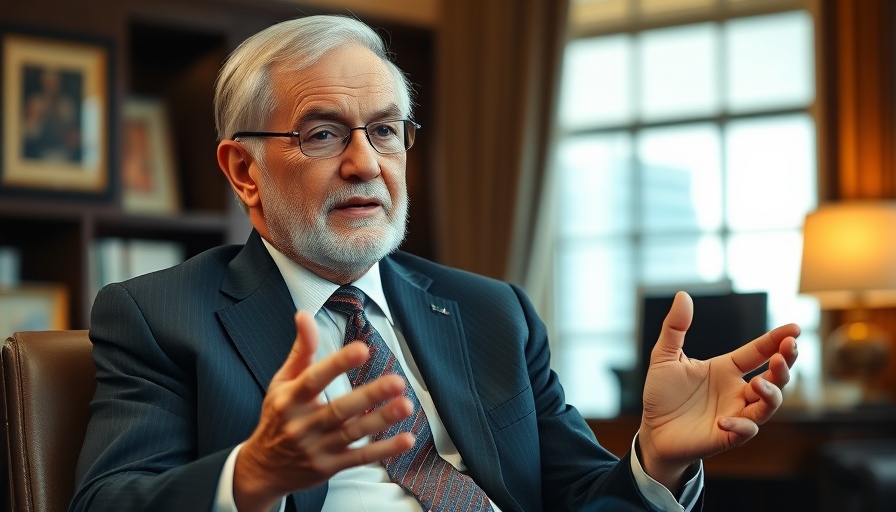
Elderly man discussing in office setting, Warren Buffett Retirement

Warren Buffett's Decision: A Milestone for Berkshire Hathaway

Warren Buffett, the legendary investor and long-time CEO of Berkshire Hathaway, has announced his decision to step down after an impressive sixty-year career leading the conglomerate. This announcement marks a significant transition not just for the company, but also for the many investors and markets that have been directly influenced by his unique investment acumen.

Understanding the Impact on Import-Export Businesses

For import-export companies, Buffett's departure from Berkshire Hathaway carries important implications. Berkshire's investment strategies often reflected broader market trends, providing valuable insights into economic conditions that influence trade dynamics. Companies in the global trade sector could benefit from analyzing the shifts in investment patterns and governance that may arise after his retirement.

What This Means for Investment Strategies Going Forward

Buffett's legacy is characterized by a focus on long-term value and thoughtful investment in well-managed companies. With his exit, stakeholders must consider how new leadership will approach investment decisions. Import-export entities should remain agile, adapting their strategies to align with the evolving philosophies of the new management while continuing to keep an eye on emerging sectors that may lead to future opportunities.

The Legacy of a Unique Investment Philosophy

Warren Buffett is known for his straightforward approach and seasoned wisdom when it comes to financial markets—qualities that have shaped Berkshire Hathaway into the powerhouse it is today. His principles can serve as a guide for import-export businesses that wish to foster resilience in a competitive landscape.

Future of Berkshire Hathaway and Beyond

As we look forward, many wonder who will take the reins of Berkshire Hathaway and how they will steer the company in the years ahead. This change ushers in a discussion about potential new strategies that could emerge under new leadership. Import-export companies would do well to stay informed about any shifts in Berkshire's portfolio, as these could offer advantages and insights into future market movements.

Embracing Change: An Empowering Transition

Comprehending the depth of this transition involves recognizing the ocean of opportunities that come with change. Import-export businesses are perfectly positioned to adapt, and engaging with the philosophies of successful entrepreneurs like Buffett could provide the motivation needed to navigate uncertainties effectively. The lessons learned from his career can offer insight into adapting to the inevitable changes that come with leadership transitions.

In conclusion, as Warren Buffett steps down, it serves as a reminder to all businesses, particularly within the import-export sector, to remain flexible and consider innovative practices that can enhance their strategies. The future holds new challenges as well as new possibilities, and with the right approach, companies can position themselves for success in the evolving market landscape.

Market Movers

62 Views

Write A Comment

*
*
Related Posts All Posts
01.21.2026

Metalformers Report Decline in Shipments but Optimism for 2026

Explore the latest insights from metalformers as they report declining shipments, yet anticipate improved economic conditions, highlighting the impact of tariffs and workforce trends.

01.18.2026

Manufacturers Navigate Shifting Economic Conditions: Insights for November 2025

Manufacturers' outlook for economic activity remains steady, despite a dip in shipping levels. Explore detailed insights and trends impacting the metal forming industry.

01.16.2026

Goldman Sachs CEO Explores Future of Prediction Markets: What It Means for Investors

Update The Shift Toward Prediction Markets: A New Frontier for Goldman Sachs In a significant move reflecting the evolving landscape of finance, Goldman Sachs CEO David Solomon recently announced that the investment bank is exploring opportunities in prediction markets. This engagement with prediction markets signifies a growing institutional interest in financial avenues that have historically been relegated to the fringes. Over the last few weeks, Solomon has met with leaders from two prominent prediction market companies, demonstrating the bank's proactive approach to potential new revenue streams. What Are Prediction Markets and Why Are They Gaining Traction? Prediction markets are platforms where participants can buy and sell contracts based on the outcomes of future events, like elections or market trends. Companies like Kalshi and Polymarket are at the forefront of this financial innovation, allowing traders to speculate on events that extend beyond conventional market predictions. This form of trading has garnered increased attention due to its unique approach to aggregating information and forecasting outcomes, often more accurately than traditional polling methods. Institutional Interest: Goldman’s Calculated Exploration The strategic interest from Goldman Sachs isn’t just about entering prediction markets; it illustrates how these markets may increasingly resemble traditional financial instruments. Solomon noted that some prediction contracts operate under the oversight of the Commodity Futures Trading Commission (CFTC), likening them to derivative contracts familiar to Wall Street investors. In context, both the growth of prediction markets and the backing of regulatory bodies such as the CFTC point to a more significant acceptance of these platforms within mainstream finance. The Regulatory Landscape: Opportunities and Challenges As Goldman Sachs delves deeper into prediction markets, they are also acutely aware of the regulatory landscape. The ongoing discussions in Washington around the Digital Asset Market Clarity Act highlight how banks and cryptocurrency entities are navigating complex and often conflicting regulatory environments. Solomon’s discussions with policymakers underscore the bank’s commitment to doing due diligence in assessing how prediction markets can align with existing regulations. What Does This Mean for Investors? For individual investors and traders, Goldman Sachs’ foray into prediction markets may indicate an impending shift in how investment strategies are developed and employed. This move could lead to more robust offerings that integrate traditional asset classes with innovative financial products like prediction contracts. While Solomon cautioned that widespread adoption may take time, the implications for investors are clear: as institutional interest grows, so too does the potential for innovation in how markets operate. A Future to Watch: Key Takeaways Goldman Sachs’ exploration of prediction markets is reflective of broader trends in global finance that prioritize innovative methodologies for trading and investing. If successful, Goldman’s entrée into this space may encourage other financial institutions to follow suit, potentially reshaping the investing landscape for retail and institutional investors alike. As these developments unfold, staying informed about prediction markets will become increasingly important for investors keen to capitalize on emerging trends.

Terms of Service

Privacy Policy

Core Modal Title

Sorry, no results found

You Might Find These Articles Interesting

T
Please Check Your Email
We Will Be Following Up Shortly
*
*
*