








Global Trade News
Global Trade News
  • Manufacturing Insights 
  • Categories
    • Policy Pulse
    • Compliance Corner
    • Market Movers
    • Supply Chain
    • Export Essentials
    • Manufacturing Technology
    • Regulatory Roundup
    • Market Intelligence
    • Industry Voices
    • More Videos
April 25.2026
3 Minutes Read

US Stocks Surge Ahead of Europe: Opportunities for Import Export Companies

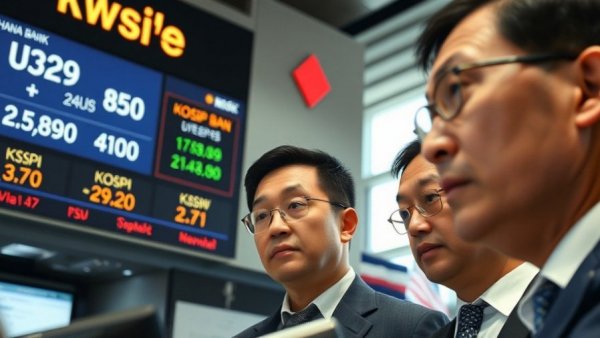
Business professional analyzing data on stock exchange floor, Import Export Companies Opportunities.

US Markets Ready for Takeoff Amidst Global Uncertainties

This week, U.S. stocks have shown impressive resilience, racing ahead of European counterparts as investors appear unfazed by energy shocks affecting global markets. As the energy crisis unfolds, many wonder how this will impact businesses that rely heavily on imports and exports. These trends serve as a critical reflection on the fluid landscape of global trade and economic strategies.

The Impacts on International Trade

For import and export companies, understanding the intricacies of the current stock market dynamics is essential. While U.S. stocks thrive, European markets are experiencing significant pressure, primarily due to rising gas prices and supply chain disruptions. This duality showcases a unique opportunity for American businesses that can effectively navigate these challenges. Companies focused on international trade are advised to reassess their strategies, focusing on markets that remain buoyant despite the circumstances.

Understanding Energy Pricing Trends

The rising energy prices across Europe serve as a case study in market volatility. Investors and business owners alike need to recognize how fluctuating prices impact consumer behavior and operational costs. This is particularly pertinent for firms dealing in manufacturing; cost fluctuations could dictate pricing strategies and ultimately influence profitability. Staying informed about energy trends is imperative as businesses prepare for potential supply chain issues.

Future Predictions: Opportunities in Uncertainty

Despite the general unrest in Europe, innovative businesses may find that times of uncertainty often yield exciting opportunities. Companies that are agile, adaptable, and able to pivot will likely thrive. By exploring new markets and optimizing current operations, businesses can increase their competitiveness. Strategic investments in technology and logistics can provide the leverage required to remain successful in such a fluctuating environment.

Decisions Importers and Exporters Can Make Now

For those involved in international trade, proactive decision-making becomes crucial. Diversification of supply chains and the search for alternative markets can mitigate risks associated with heavy dependence on a single region, especially during crises. By analyzing market demands and consumer behavior, companies can adjust their offerings to better align with current trends. Implementing cost-saving measures and operational efficiencies will also be paramount in sustaining growth.

Empowering Your Business in a Shifting Economy

The energy shock affecting European economies may seem daunting, but it also serves as a wake-up call for U.S. businesses to evaluate their positions and potential in the global marketplace. By fostering relationships with partners in unaffected regions and exploring new trade agreements, companies can unlock growth potential. Seizing these moments of turbulence to innovate will enable businesses to redefine their futures in a post-energy crisis world.

In conclusion, while the stock market continues to experience flux, the path forward for companies engaged in import and export is rich with potential. Opportunities exist for those who are willing to recalibrate and innovate based on current market insights.

As we look forward to the future, stay informed and agile. If you'd like to learn how to position your business for growth amidst these changes, consider reaching out for tailored insights and strategies. The time to act is now!

Supply Chain

16 Views

Write A Comment

*
*
Please complete the captcha to submit your comment.
Related Posts All Posts
11.24.2026

Understanding the Power Play Behind Jensen Huang’s Lobbying Efforts for AI

Update The New Wave of AI Lobbying: Why It Matters for Trade In an unexpected twist, Silicon Valley's key players mobilized to influence President Trump into intervening for Jensen Huang, the CEO of Nvidia, whose role is seen as pivotal in shaping the future of the AI industry. This dramatic lobbying effort underscores the intense intersection of technology, politics, and commerce—a dynamic that import-export companies need to understand as we navigate the complexities of global trade. Who is Jensen Huang and Why is He Important? Jensen Huang, with his remarkable vision, has propelled Nvidia to the forefront of AI technology. The company’s graphics processing units (GPUs) are considered essential for training AI models effectively. As firms increasingly rely on advanced AI solutions, Huang's leadership is critical; his success not only influences technology sectors but also impacts manufacturing and trade systems globally, linking directly to the import-export landscape. The Role of Government in Technology and Trade Huang's lobbying effort signals how intertwined technology leadership and government policy have become. During times of geopolitical tension and trade disputes, having influential industry leaders potentially sway governmental decisions could mean the difference between thriving businesses and faltering markets. For import-export companies, understanding these relationships can provide insights into aligning trade strategies with emerging opportunities. Predicting Trends in Trade and AI As AI technology continues to evolve, many predict that we will see an increase in the automation of trade processes. By incorporating AI, companies could improve efficiency, reduce costs, and enhance supply chain logistics. For import-export firms, adopting these technologies could open up new markets and streamline operations, making it essential to stay on the cutting edge of innovations. The Emotional Cost: Impacts on Labor While the advancements in AI present numerous opportunities, they also raise concerns about job displacement in the manufacturing sector. As companies shift towards AI-driven operations, there’s an emotional weight associated with potential job losses. Import-export companies must navigate this landscape carefully, ensuring that they balance innovation with the compassion needed for their workforce. Engaging employees in this transition can foster loyalty and resilience, ultimately leading to a more robust business culture. Decisions Import-Export Companies Need to Make Understanding the dynamics at play in these industry shifts can empower import-export companies to make informed, strategic decisions. Investing in training programs that upskill workers in AI literacy could create a competitive advantage. Moreover, aligning their strategies with government policies surrounding technology can enhance their positioning within the global market. Taking Action: Emphasizing AI's Benefits For enterprises focused on import and export, seizing the current momentum around AI is key. By learning about technological developments and becoming early adopters, these businesses can establish themselves in new markets, ensuring they remain relevant in an unpredictable economy. As players like Jensen Huang influence the landscape, the opportunities will abound for those prepared to act. In conclusion, import-export companies are urged to stay informed about technological advances and policy changes in AI, transforming potential risks into avenues for growth. By viewing challenges through the lens of opportunity, businesses can empower their teams and strategize effectively for a competitive future.

11.23.2026

The 25% Heavy Truck Tariff: Ripple Effects for Fleets, Distributors and Parts Suppliers.

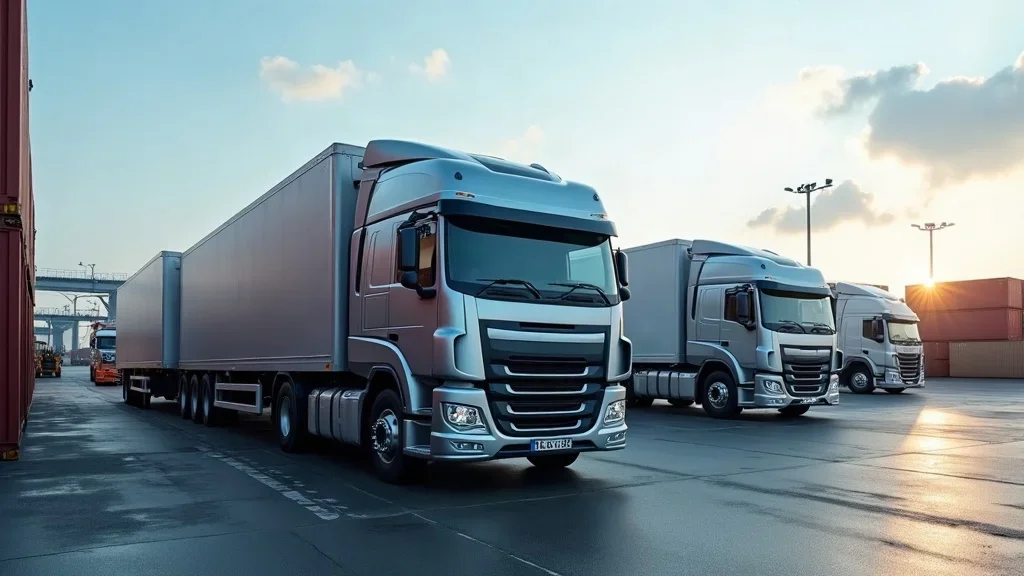
Imagine a bustling logistics hub: gleaming heavy trucks lined up, workers weaving between rows of containers, and the hum of commerce in the air. Now, add a 25% layer of cost to every import of these workhorses—this is the reality facing today's fleets, distributors, and parts suppliers in America. The 25% heavy truck tariff was set with the intention of protecting domestic manufacturing, but its true influence ripples through every link in the supply chain, shaping how fleets operate and how distributors and suppliers stay competitive. In this article, we'll dig deep into the origins, reach, and practical realities of the tariff—and offer clear insights for industry stakeholders navigating these turbulent trade waters.Understanding the 25% Heavy Truck Tariff and Its OriginsDefining the 25% heavy truck tariff: The 25% heavy truck tariff refers to an import duty imposed by the US government on certain heavy-duty trucks and truck parts entering the country. The main keyword emerges not only in regulations but resonates in real-world impacts as fleets and carrier services strive to absorb rising costs and adjust procurement strategies.A brief history of heavy truck import duties in the US: Historically, truck import duties began as protections for American automakers and carrier connection providers, with policies evolving through trade tensions and negotiations. The so-called "Chicken Tax" laid the foundation decades ago, paving the way for what would eventually become the 25% heavy truck tariff. Filed under carrier connection and international policy, the origin of these duties shows how the US sought to control the influx of foreign vehicles and maintain domestic manufacturing strength.How the US heavy truck tariffs were designed to shape international truck trade barriers: US heavy truck tariffs didn't just emerge in a vacuum. These were responses to changing global commerce states, economic frameworks, and the desire to manage import and export flows. Over time, tariffs matured into strategic trade barriers, influencing negotiations with countries like Mexico and Canada and shaping a region and creating a distinctive trade landscape.Major policies and heavy truck tariff policy evolution: From the early days of basic import duties to today's comprehensive restrictions targeting million pounds of heavy truck imports, tariff policy has grown complex. Trade lawyers and consultants—often providing comprehensive services to clients—track annual shifts and lobby for reforms, noting that recent changes, particularly around the USMCA, have modified but not eliminated the 25% rule. The policy evolution remains a key point for those posted September through October, especially in filings under carrier connection and the ongoing trade policy landscape.What You'll Learn about the 25% Heavy Truck TariffEconomic impact of truck tariffs on trucking industry stakeholdersHow trade tariffs on trucks affect fleets, parts suppliers, and distributorsChallenges posed by heavy vehicle import tax for international playersPractical insights into USMCA qualification and tariff exemptionsRipple Effects of the 25% Heavy Truck Tariff on US Fleets, Distributors, and Parts Suppliers"While the 25% heavy truck tariff was intended to protect domestic manufacturers, it has created ripple effects that extend deep into supply chains and alter cost structures for fleets, distributors, and parts suppliers."Freight cost increases as a result of heavy truck import duties: The immediate effect for US fleets and carrier services is higher up-front costs when purchasing foreign-made trucks or parts. Distributors must pass these increases down the line, raising the cost of doing business for everyone from regional trucking companies to small local carriers. When factoring in routine expenses like fuel (including dyed diesel) and maintenance, these compounding costs impact everyone—from dispatcher to truck driver—ultimately squeezing profit margins.Parts and supply chain disruption linked to US heavy truck tariffs: Supply chain interruptions intensify as import duties disrupt established sourcing channels. Distributors and parts suppliers, already vigilant against risks like cargo theft and freight crime, are finding that delayed or more expensive shipments challenge their ability to maintain inventory. This volatility is especially difficult for small operators who rely on just-in-time stocking rather than stockpiling, and for carrier connection networks who must keep their fleets rolling.Impact of truck tariffs on small versus large fleets: The economic burden of the 25% heavy truck tariff is not distributed equally. Smaller fleets often lack the purchasing power to negotiate better deals or absorb sudden cost hikes, making them more vulnerable compared to large, multi-regional carriers that can diversify their supplier base. Filed under carrier connection and economic framework assessments, these disparities also filter through the labor pipeline: truck driver availability, fleet expansion, and maintenance schedules are all impacted.Strategies distributors use to mitigate trade tariffs on trucks: To counteract the heavy vehicle import tax, distributors are expanding domestic sourcing, forming long-term partnerships, and leveraging technology to enhance supply chain visibility. Some take proactive steps—such as collaborating with trade lawyers and consultants for tariff exemptions and compliance guidance—while others explore alternative markets in search of lower duties or better carrier services.The role of the heavy vehicle import tax in driving long-term industry trends: Beyond daily disruptions, the tariff shapes industry trends. Companies invested in innovation—from aeb mandate adoption to sustainable tech—must factor the 25% cost into ROI calculations. Analysts note that such trade barriers push more carriers to seek local manufacturing options, fueling supply chain localization and accelerating a shift toward regional custom solutions.For a deeper dive into how evolving trade regulations are impacting logistics and supply chain strategies, you may find the latest updates and tactical guidance on Global Trade News especially useful. Their coverage often highlights practical steps for adapting to shifting tariff landscapes and maintaining operational resilience.Exploring Trade Barriers: USMCA Protections and Policy GapsHow the USMCA influences heavy truck tariff policy: The United States-Mexico-Canada Agreement (USMCA) offers selective relief from the 25% heavy truck tariff for qualified vehicles and components. By meeting specific origin criteria, importers can benefit from reduced duties, giving fleets and distributors a crucial lifeline. However, the complexities of compliance require close attention and ongoing cooperation with trade lawyers and consultants adept at interpreting evolving policies.Limitations and protections under USMCA qualification: Not all trucks or parts automatically qualify under USMCA. Policy gaps persist, particularly around imported heavy vehicles that fail to meet detailed requirements. Even with the agreement, industry players must invest in proper documentation and origin tracking—tasks often filed under carrier connection compliance. This means that while some shelter exists, many in the import and export ecosystem still face the full force of the tariff.Examples of trade compliance and navigating international truck trade barriers: Real-world examples abound: parts suppliers who redesign sourcing processes to maximize USMCA eligibility, and fleets choosing US-made trucks even at higher initial costs to avoid procedural delays. Still, navigating these trade barriers demands ongoing awareness, as compliance missteps can trigger unexpected liabilities and disrupt service to clients.People Also Ask: Insights on the 25% Heavy Truck TariffWhat are the truck weight limits in the USA?Truck weight limits in the USA are regulated at both the federal and state levels, directly impacting which vehicles qualify for the 25% heavy truck tariff and how fleets approach compliance. Federal law sets the maximum gross vehicle weight at 80,000 pounds, but some states allow higher limits with special permits. These restrictions shape how truck driver operations are structured and how carrier services plan routes to avoid overweight penalties or tariff issues—an essential detail for anyone managing import and export logistics.Is US customs still charging tariffs?Yes, US customs continues to enforce tariffs, including the 25% heavy truck tariff, affecting imported heavy vehicles and their parts. Every shipment entering the commerce state is scrutinized for compliance—meaning carrier connection networks and distributors must stay vigilant. Ongoing import and export flows maintain this extra cost pressure, often requiring additional details and trade lawyers and consultants' input to minimize risk.What did Trump do for the trucking industry?The Trump administration focused on expanding trade tariffs, including strengthening the 25% heavy truck tariff as part of a broader effort to support US manufacturing and address trade imbalances. Policy adjustments posted October under carrier connection aimed to create a more favorable environment for domestic fleets, forging new negotiating rounds and reshaping the region and creating long-term effects for trucking innovation and carrier services.What are the current tariff rates in the US?Current tariff rates in the US vary by product category, but the 25% heavy truck tariff specifically targets certain imported heavy vehicles, shaping the economic impact of truck tariffs nationwide. While some rates fluctuate based on trade agreements and ongoing negotiating rounds, the truck industry consistently faces this notable import duty—a driving force behind many supply chain changes seen across fleets, parts suppliers, and distributors.Comparative Table: Impact of 25% Heavy Truck Tariff on Industry SegmentsIndustry SegmentDirect ImpactsCommon MitigationsExample StakeholdersFleet OperatorsIncreased costs, supply volatilityDiversifying suppliers, long-term contractsRegional trucking companiesDistributorsLowered competitiveness, inventory challengesExpanding domestic sourcingImport/export parts distributorsParts SuppliersPrice instability, access delaysStockpiling, just-in-time ordersAftermarket parts manufacturersExpert Opinions: The 25% Heavy Truck Tariff and Its Future on Trade"The persistence of the 25% heavy truck tariff means that adaptation isn’t optional — it’s essential for survival in today’s complex international market."Industry leaders on the long-term effects of the heavy vehicle import tax: Many executives agree that the industry’s future depends on its ability to innovate around trade barriers. The 25% heavy truck tariff, once seen as a temporary measure, is transforming business plans—forcing companies to reevaluate supply chains, invest in regional manufacturing, and reconsider global strategies in order to stay resilient.Analysts dissecting the impact of truck tariffs on trucking industry innovation: Analysts highlight that persistent tariffs are pressuring fleets and distributors to balance cost-saving measures with investments in technology like the aeb mandate, all while mitigating risks such as cargo theft and freight crime. These realities shape the daily choices posted October by stakeholders working to secure a future-proof supply chain.Future outlook on US heavy truck tariffs and possible reform: While tariffs endure, ongoing negotiating rounds and global economic shifts could pave the way for adjustments. Seasoned trade lawyers and consultants urge stakeholders to remain agile, emphasizing the importance of compliance, adaptability, and proactive engagement with evolving regulations.FAQs: Addressing Your Questions on the 25% Heavy Truck TariffWhich vehicles are impacted by the 25% heavy truck tariff? Imported heavy-duty trucks and qualifying parts sourced from non-exempt regions are subject to the 25% tariff. Carriers purchasing these vehicles or components should carefully verify origin and compliance to understand total landed cost.How do USMCA qualifications affect my compliance with heavy truck import duties? If your imported trucks or parts meet USMCA origin requirements, you may be eligible for tariff exemptions or reduced rates. Proper documentation and regular consultation with trade experts is essential to ensure compliance and avoid costly errors.Can distributors bypass trade tariffs on trucks via alternate sourcing strategies? Some distributors work to minimize exposure to tariffs by seeking parts from domestic suppliers or importing from USMCA-partner countries. Strategic sourcing and risk management are key for those striving to stay competitive while avoiding the highest import duties—especially against a backdrop of shifting regulations and market demand.Key Takeaways from the 25% Heavy Truck Tariff's Ripple EffectsThe 25% heavy truck tariff reshapes cost structures and sourcing strategies across the US trucking industry.USMCA offers some shelter but gaps remain, particularly for international truck trade barriers.Stakeholders must remain agile and adaptable to shifting heavy truck tariff policy.Explore Industry Insights and Stay InformedHave industry insights or news tips? Reach out and join our network of global trade professionals today! Schedule your interview with Global Trade News.If you’re interested in expanding your understanding of global trade dynamics and how regulatory shifts can impact your business strategy, the comprehensive resources at Global Trade News offer valuable perspectives. Explore their in-depth analyses to stay ahead of market changes, discover advanced compliance techniques, and gain actionable insights for navigating the evolving landscape of international trade.

11.23.2026

Wall Street's AI Stock Sell-Off: What It Means for Import Export Companies

Update AI Stock Sell-Off: A Temporary SetbackThe recent sell-off in AI stocks has captured the attention of investors and industry experts alike. Wall Street's volatility often influences broader market sentiments, particularly regarding sectors that have seen significant growth in recent years. After a wave of uncertainty, many are asking: is now the time to invest, or are we facing a prolonged downturn in tech stocks?Understanding Market FluctuationsInvestors frequently experience highs and lows, especially in emerging sectors like AI. Following the sell-off, analysts speculate that the rebound could lead to lucrative opportunities, emphasizing the need to understand market dynamics and adapt accordingly. For import and export companies, this means being attuned to these fluctuations, which can affect supply chains and international trade agreements. By anticipating shifts, businesses can position themselves strategically to respond to changes in demand.Why This Matters to Import and Export CompaniesThe recent shifts in the market have unique implications for import and export companies. As AI technology continues to reshape industries, firms that adapt swiftly are likely to thrive. Innovations in manufacturing and logistics powered by AI can streamline operations, ultimately reducing costs. Companies that leverage these advancements could gain a competitive edge in the global market. Having the ability to manage these technologies not only enhances productivity but also allows companies to offer better services and more reliable delivery times.Insights from Recent Market TrendsDiving deeper into the core of the recent sell-off reveals that fears around inflation and interest rates had a significant impact. Inflation can reduce consumer purchasing power, subsequently affecting manufacturing outputs and trade volumes alike. Understanding these broader economic trends will equip import-export firms with the foresight necessary to adjust their strategies accordingly. For instance, companies might consider securing contracts or raising prices in anticipation of tighter economic conditions, or they may choose to focus on markets that are less sensitive to such fluctuations.Potential for Future GrowthThe current climate also presents opportunities, especially for those willing to stay ahead of the curve. Analysts predict a robust recovery in sectors heavily reliant on AI within the next few quarters. For import and export businesses, this could translate into an increase in demand for AI-enhanced products and services, ranging from smart logistics software to automated production lines. By positioning themselves in the right markets and understanding global dynamics, companies can achieve sustainable growth.Moreover, while the short-term volatility may seem alarming, history has shown that markets often rebound, and innovations typically emerge stronger and more refined after tough periods. For businesses in the import and export sector, recognizing these patterns and adjusting their strategies to invest in trending technologies can lead to significant advantages.Actionable Steps for BusinessesTo navigate this fluctuating environment, import and export companies should consider these strategic actions:Diversification: Expanding into new markets can mitigate risks associated with sector-specific downturns. This could involve exploring emerging markets or diversifying product offerings.Investment in Technology: Embracing AI and other innovative technologies can streamline operations and enhance productivity. Investing in tools that offer real-time analytics can help companies respond faster to market changes.Market Research: Staying informed about market trends and consumer behavior can guide strategic decisions in uncertain times. Regularly engaging with industry reports and trend analyses can provide invaluable insights.Building Resilience: Developing a robust contingency plan can help safeguard against sudden market changes. This includes having flexible supply chains that can adapt to disruptions.Conclusion: Seize the OpportunityRebounding markets after sell-offs can signify not just recovery, but also potential for innovation and growth. Import and export companies that learn to pivot and adapt to the evolving market landscape will likely not only survive but flourish in this dynamic environment. By approaching these challenges with a mindset geared towards opportunity, businesses can position themselves effectively for a bright future in the expanding global marketplace.

Global Trade News


An educational, content-centric platform that delivers unbiased, comprehensive, and real-time regulatory news and analysis, empowering stakeholders to make informed decisions in a complex global trade environment.


Global Trade News is a subsidiary of RP Design Web Services.

COMPANY

  • Privacy Policy
  • Terms of Use
  • Advertise
  • Contact Us
  • Menu 5
  • Menu 6

AVAILABLE FROM 8AM - 5PM

City, State

Cheshire, CT

ABOUT US

A media channel that delivers the latest insights on trade regulations, import/export compliance, policy shifts, and global market trends.  Present both US and international perspectives to provide companies with a holistic view of the evolving trade landscape.

© 2026 Global Trade News All Rights Reserved. PO Box 1189 , Cheshire, CT 06410 . Contact Us . Terms of Service . Privacy Policy

eyJjb21wYW55IjoiR2xvYmFsIFRyYWRlIE5ld3MiLCJhZGRyZXNzIjoiUE8gQm94IDExODkgIiwiY2l0eSI6IkNoZXNoaXJlIiwic3RhdGUiOiJDVCIsInppcCI6IjA2NDEwIiwiZW1haWwiOiJzYWxlc0BycGRlc2lnbi5jb20iLCJ0b3MiOiJQSEErUEhOMGNtOXVaejQ4WlcwK1YyaGxiaUI1YjNVZ2MybG5iaTFwYmlCM2FYUm9JSFZ6TENCNWIzVWdZWEpsSUdkcGRtbHVaeVp1WW5Od095QjViM1Z5SUhCbGNtMXBjM05wYjI0Z1lXNWtJR052Ym5ObGJuUWdkRzhnYzJWdVpDQjViM1VnWlcxaGFXd2dZVzVrTDI5eUlGTk5VeUIwWlhoMElHMWxjM05oWjJWekxpQkNlU0JqYUdWamEybHVaeUIwYUdVZ1ZHVnliWE1nWVc1a0lFTnZibVJwZEdsdmJuTWdZbTk0SUdGdVpDQmllU0J6YVdkdWFXNW5JR2x1SUhsdmRTQmhkWFJ2YldGMGFXTmhiR3g1SUdOdmJtWnBjbTBnZEdoaGRDQjViM1VnWVdOalpYQjBJR0ZzYkNCMFpYSnRjeUJwYmlCMGFHbHpJR0ZuY21WbGJXVnVkQzQ4TDJWdFBqd3ZjM1J5YjI1blBqd3ZjRDRLQ2p4d1BqeGhJR2h5WldZOUltaDBkSEE2THk5M2QzY3VaMjl2WjJ4bExtTnZiU0krYUhSMGNEb3ZMM2QzZHk1bmIyOW5iR1V1WTI5dFBDOWhQand2Y0Q0S0NqeHdQaVp1WW5Od096d3ZjRDRLQ2p4d1BqeHpkSEp2Ym1jK1UwVlNWa2xEUlR3dmMzUnliMjVuUGp3dmNENEtDanh3UGxkbElIQnliM1pwWkdVZ1lTQnpaWEoyYVdObElIUm9ZWFFnWTNWeWNtVnVkR3g1SUdGc2JHOTNjeUI1YjNVZ2RHOGdjbVZqWldsMlpTQnlaWEYxWlhOMGN5Qm1iM0lnWm1WbFpHSmhZMnNzSUdOdmJYQmhibmtnYVc1bWIzSnRZWFJwYjI0c0lIQnliMjF2ZEdsdmJtRnNJR2x1Wm05eWJXRjBhVzl1TENCamIyMXdZVzU1SUdGc1pYSjBjeXdnWTI5MWNHOXVjeXdnWkdselkyOTFiblJ6SUdGdVpDQnZkR2hsY2lCdWIzUnBabWxqWVhScGIyNXpJSFJ2SUhsdmRYSWdaVzFoYVd3Z1lXUmtjbVZ6Y3lCaGJtUXZiM0lnWTJWc2JIVnNZWElnY0dodmJtVWdiM0lnWkdWMmFXTmxMaUJaYjNVZ2RXNWtaWEp6ZEdGdVpDQmhibVFnWVdkeVpXVWdkR2hoZENCMGFHVWdVMlZ5ZG1salpTQnBjeUJ3Y205MmFXUmxaQ0FtY1hWdmREdEJVeTFKVXlaeGRXOTBPeUJoYm1RZ2RHaGhkQ0IzWlNCaGMzTjFiV1VnYm04Z2NtVnpjRzl1YzJsaWFXeHBkSGtnWm05eUlIUm9aU0IwYVcxbGJHbHVaWE56TENCa1pXeGxkR2x2Yml3Z2JXbHpMV1JsYkdsMlpYSjVJRzl5SUdaaGFXeDFjbVVnZEc4Z2MzUnZjbVVnWVc1NUlIVnpaWElnWTI5dGJYVnVhV05oZEdsdmJuTWdiM0lnY0dWeWMyOXVZV3hwZW1GMGFXOXVJSE5sZEhScGJtZHpMand2Y0Q0S0NqeHdQbGx2ZFNCaGNtVWdjbVZ6Y0c5dWMybGliR1VnWm05eUlHOWlkR0ZwYm1sdVp5QmhZMk5sYzNNZ2RHOGdkR2hsSUZObGNuWnBZMlVnWVc1a0lIUm9ZWFFnWVdOalpYTnpJRzFoZVNCcGJuWnZiSFpsSUhSb2FYSmtJSEJoY25SNUlHWmxaWE1nS0hOMVkyZ2dZWE1nVTAxVElIUmxlSFFnYldWemMyRm5aWE1zSUVsdWRHVnlibVYwSUhObGNuWnBZMlVnY0hKdmRtbGtaWElnYjNJZ1kyVnNiSFZzWVhJZ1lXbHlkR2x0WlNCamFHRnlaMlZ6S1M0Z1dXOTFJR0Z5WlNCeVpYTndiMjV6YVdKc1pTQm1iM0lnZEdodmMyVWdabVZsY3l3Z2FXNWpiSFZrYVc1bklIUm9iM05sSUdabFpYTWdZWE56YjJOcFlYUmxaQ0IzYVhSb0lIUm9aU0JrYVhOd2JHRjVJRzl5SUdSbGJHbDJaWEo1SUc5bUlHVmhZMmdnVTAxVElIUmxlSFFnYldWemMyRm5aU0J6Wlc1MElIUnZJSGx2ZFNCaWVTQjFjeTRnU1c0Z1lXUmthWFJwYjI0c0lIbHZkU0J0ZFhOMElIQnliM1pwWkdVZ1lXNWtJR0Z5WlNCeVpYTndiMjV6YVdKc1pTQm1iM0lnWVd4c0lHVnhkV2x3YldWdWRDQnVaV05sYzNOaGNua2dkRzhnWVdOalpYTnpJSFJvWlNCVFpYSjJhV05sSUdGdVpDQnlaV05sYVhabElIUm9aU0JUVFZNZ2RHVjRkQ0J0WlhOellXZGxjeTRnVjJVZ1pHOGdibTkwSUdOb1lYSm5aU0JoYm5rZ1ptVmxjeUJtYjNJZ1pHVnNhWFpsY25rZ2IyWWdaVzFoYVd3Z2IzSWdVMDFUTGlCVWFHbHpJR2x6SUdFZ1puSmxaU0J6WlhKMmFXTmxJSEJ5YjNacFpHVmtJR0o1SUhWekxpQkliM2RsZG1WeUxDQndiR1ZoYzJVZ1kyaGxZMnNnZDJsMGFDQjViM1Z5SUdsdWRHVnlibVYwSUhObGNuWnBZMlVnY0hKdmRtbGtaWElnWVc1a0lHTmxiR3gxYkdGeUlHTmhjbkpwWlhJZ1ptOXlJR0Z1ZVNCamFHRnlaMlZ6SUhSb1lYUWdiV0Y1SUdsdVkzVnlJR0Z6SUdFZ2NtVnpkV3gwSUdaeWIyMGdjbVZqWldsMmFXNW5JR1Z0WVdsc0lHRnVaQ0JUVFZNZ2RHVjRkQ0J0WlhOellXZGxjeUIwYUdGMElIZGxJR1JsYkdsMlpYSWdkWEJ2YmlCNWIzVnlJRzl3ZEMxcGJpQmhibVFnY21WbmFYTjBjbUYwYVc5dUlIZHBkR2dnYjNWeUlHVnRZV2xzSUdGdVpDQlRUVk1nYzJWeWRtbGpaWE11SUZsdmRTQmpZVzRnWTJGdVkyVnNJR0YwSUdGdWVTQjBhVzFsTGlCS2RYTjBJSFJsZUhRZ0puRjFiM1E3VTFSUFVDWnhkVzkwT3lCMGJ5QThhR2xuYUd4cFoyaDBJR05zWVhOelBTSmpiMjF3WVc1NVVHaHZibVZWY0dSaGRHVWlQaXN4TWpBek1qY3hOems1TVR3dmFHbG5hR3hwWjJoMFBpNGdRV1owWlhJZ2VXOTFJSE5sYm1RZ2RHaGxJRk5OVXlCdFpYTnpZV2RsSUNaeGRXOTBPMU5VVDFBbWNYVnZkRHNnZEc4Z2RYTXNJSGRsSUhkcGJHd2djMlZ1WkNCNWIzVWdZVzRnVTAxVElHMWxjM05oWjJVZ2RHOGdZMjl1Wm1seWJTQjBhR0YwSUhsdmRTQm9ZWFpsSUdKbFpXNGdkVzV6ZFdKelkzSnBZbVZrTGlCQlpuUmxjaUIwYUdsekxDQjViM1VnZDJsc2JDQnVieUJzYjI1blpYSWdjbVZqWldsMlpTQlRUVk1nYldWemMyRm5aWE1nWm5KdmJTQjFjeTQ4TDNBK0NnbzhjRDQ4YzNSeWIyNW5QbGxQVlZJZ1VrVkhTVk5VVWtGVVNVOU9JRTlDVEVsSFFWUkpUMDVUUEM5emRISnZibWMrUEM5d1Bnb0tQSEErU1c0Z1kyOXVjMmxrWlhKaGRHbHZiaUJ2WmlCNWIzVnlJSFZ6WlNCdlppQjBhR1VnVTJWeWRtbGpaU3dnZVc5MUlHRm5jbVZsSUhSdk9qd3ZjRDRLQ2p4dmJENEtDVHhzYVQ1d2NtOTJhV1JsSUhSeWRXVXNJR0ZqWTNWeVlYUmxMQ0JqZFhKeVpXNTBJR0Z1WkNCamIyMXdiR1YwWlNCcGJtWnZjbTFoZEdsdmJpQmhZbTkxZENCNWIzVnljMlZzWmlCaGN5QndjbTl0Y0hSbFpDQmllU0IwYUdVZ1UyVnlkbWxqWlNZak16azdjeUJ5WldkcGMzUnlZWFJwYjI0Z1ptOXliU0FvYzNWamFDQnBibVp2Y20xaGRHbHZiaUJpWldsdVp5QjBhR1VnSm5GMWIzUTdVbVZuYVhOMGNtRjBhVzl1SUVSaGRHRW1jWFZ2ZERzcElHRnVaRHd2YkdrK0NnazhiR2srYldGcGJuUmhhVzRnWVc1a0lIQnliMjF3ZEd4NUlIVndaR0YwWlNCMGFHVWdVbVZuYVhOMGNtRjBhVzl1SUVSaGRHRWdkRzhnYTJWbGNDQnBkQ0IwY25WbExDQmhZMk4xY21GMFpTd2dZM1Z5Y21WdWRDQmhibVFnWTI5dGNHeGxkR1V1SUVsbUlIbHZkU0J3Y205MmFXUmxJR0Z1ZVNCcGJtWnZjbTFoZEdsdmJpQjBhR0YwSUdseklIVnVkSEoxWlN3Z2FXNWhZMk4xY21GMFpTd2dibTkwSUdOMWNuSmxiblFnYjNJZ2FXNWpiMjF3YkdWMFpTd2diM0lnZDJVZ2FHRjJaU0J5WldGemIyNWhZbXhsSUdkeWIzVnVaSE1nZEc4Z2MzVnpjR1ZqZENCMGFHRjBJSE4xWTJnZ2FXNW1iM0p0WVhScGIyNGdhWE1nZFc1MGNuVmxMQ0JwYm1GalkzVnlZWFJsTENCdWIzUWdZM1Z5Y21WdWRDQnZjaUJwYm1OdmJYQnNaWFJsTENCM1pTQm9ZWFpsSUhSb1pTQnlhV2RvZENCMGJ5QnpkWE53Wlc1a0lHOXlJRHh6ZEhKdmJtYytQSE53WVc0Z2MzUjViR1U5SW1OdmJHOXlPaU5HUmpBd01EQTdJajUwWlhKdGFXNWhkR1VnZVc5MWNpQmhZMk52ZFc1MEwzQnliMlpwYkdVZ1lXNWtJSEpsWm5WelpTQmhibmtnWVc1a0lHRnNiQ0JqZFhKeVpXNTBJRzl5SUdaMWRIVnlaU0IxYzJVZ2IyWWdkR2hsSUZObGNuWnBZMlVnS0c5eUlHRnVlU0J3YjNKMGFXOXVJSFJvWlhKbGIyWXBMand2YzNCaGJqNDhMM04wY205dVp6NDhMMnhwUGdvOEwyOXNQZ29LUEhBK0ptNWljM0E3UEM5d1BnbzhhR2xuYUd4cFoyaDBJR05zWVhOelBTSmpiMjF3WVc1NVRtRnRaVlZ3WkdGMFpTSStSMnh2WW1Gc0lGUnlZV1JsSUU1bGQzTThMMmhwWjJoc2FXZG9kRDQ4WW5JZ0x6NEtQR2hwWjJoc2FXZG9kQ0JqYkdGemN6MGlZMjl0Y0dGdWVVRmtaSEpsYzNOVmNHUmhkR1VpUGxCUElFSnZlQ0F4TVRnNUlDd2dRMmhsYzJocGNtVXNJRU5VSURBMk5ERXdQQzlvYVdkb2JHbG5hSFErUEdKeUlDOCtDanhvYVdkb2JHbG5hSFFnWTJ4aGMzTTlJbU52YlhCaGJubFFhRzl1WlZWd1pHRjBaU0krS3pFeU1ETXlOekUzT1RreFBDOW9hV2RvYkdsbmFIUStQR0p5SUM4K0NqeG9hV2RvYkdsbmFIUWdZMnhoYzNNOUltTnZiWEJoYm5sRmJXRnBiRlZ3WkdGMFpTSStjMkZzWlhOQWNuQmtaWE5wWjI0dVkyOXRQQzlvYVdkb2JHbG5hSFErIiwicHJpdmFjeSI6IlBIQStQSE4wY205dVp6NVFVa2xXUVVOWlBDOXpkSEp2Ym1jK1BDOXdQZ29LUEhBK1BITjBjbTl1Wno1VWFHVWdhVzVtYjNKdFlYUnBiMjRnY0hKdmRtbGtaV1FnWkhWeWFXNW5JSFJvYVhNZ2NtVm5hWE4wY21GMGFXOXVJR2x6SUd0bGNIUWdjSEpwZG1GMFpTQmhibVFnWTI5dVptbGtaVzUwYVdGc0xDQmhibVFnZDJsc2JDQnVaWFpsY2lCaVpTQmthWE4wY21saWRYUmxaQ3dnWTI5d2FXVmtMQ0J6YjJ4a0xDQjBjbUZrWldRZ2IzSWdjRzl6ZEdWa0lHbHVJR0Z1ZVNCM1lYa3NJSE5vWVhCbElHOXlJR1p2Y20wdUlGUm9hWE1nYVhNZ2IzVnlJR2QxWVhKaGJuUmxaUzQ4TDNOMGNtOXVaejQ4TDNBK0NnbzhjRDQ4YzNSeWIyNW5Qa2xPUkVWTlRrbFVXVHd2YzNSeWIyNW5Qand2Y0Q0S0NqeHdQanhsYlQ1WmIzVWdZV2R5WldVZ2RHOGdhVzVrWlcxdWFXWjVJR0Z1WkNCb2IyeGtJSFZ6TEM0Z1lXNWtJR2wwY3lCemRXSnphV1JwWVhKcFpYTXNJR0ZtWm1sc2FXRjBaWE1zSUc5bVptbGpaWEp6TENCaFoyVnVkSE1zSUdOdkxXSnlZVzVrWlhKeklHOXlJRzkwYUdWeUlIQmhjblJ1WlhKekxDQmhibVFnWlcxd2JHOTVaV1Z6TENCb1lYSnRiR1Z6Y3lCbWNtOXRJR0Z1ZVNCamJHRnBiU0J2Y2lCa1pXMWhibVFzSUdsdVkyeDFaR2x1WnlCeVpXRnpiMjVoWW14bElHRjBkRzl5Ym1WNWN5WWpNems3SUdabFpYTXNJRzFoWkdVZ1lua2dZVzU1SUhSb2FYSmtJSEJoY25SNUlHUjFaU0IwYnlCdmNpQmhjbWx6YVc1bklHOTFkQ0J2WmlCRGIyNTBaVzUwSUhsdmRTQnlaV05sYVhabExDQnpkV0p0YVhRc0lISmxjR3g1TENCd2IzTjBMQ0IwY21GdWMyMXBkQ0J2Y2lCdFlXdGxJR0YyWVdsc1lXSnNaU0IwYUhKdmRXZG9JSFJvWlNCVFpYSjJhV05sTENCNWIzVnlJSFZ6WlNCdlppQjBhR1VnVTJWeWRtbGpaU3dnZVc5MWNpQmpiMjV1WldOMGFXOXVJSFJ2SUhSb1pTQlRaWEoyYVdObExDQjViM1Z5SUhacGIyeGhkR2x2YmlCdlppQjBhR1VnVkU5VExDQnZjaUI1YjNWeUlIWnBiMnhoZEdsdmJpQnZaaUJoYm5rZ2NtbG5hSFJ6SUc5bUlHRnViM1JvWlhJdVBDOWxiVDQ4TDNBK0NnbzhjRDQ4YzNSeWIyNW5Qa1JKVTBOTVFVbE5SVklnVDBZZ1YwRlNVa0ZPVkVsRlV6d3ZjM1J5YjI1blBqd3ZjRDRLQ2p4d1BqeHpkSEp2Ym1jK1dVOVZJRVZZVUZKRlUxTk1XU0JWVGtSRlVsTlVRVTVFSUVGT1JDQkJSMUpGUlNCVVNFRlVPand2YzNSeWIyNW5Qand2Y0Q0S0NqeHZiRDRLQ1R4c2FUNVpUMVZTSUZWVFJTQlBSaUJVU0VVZ1UwVlNWa2xEUlNCSlV5QkJWQ0JaVDFWU0lGTlBURVVnVWtsVFN5NGdWRWhGSUZORlVsWkpRMFVnU1ZNZ1VGSlBWa2xFUlVRZ1QwNGdRVTRnSm5GMWIzUTdRVk1nU1ZNbWNYVnZkRHNnUVU1RUlDWnhkVzkwTzBGVElFRldRVWxNUVVKTVJTWnhkVzkwT3lCQ1FWTkpVeTRnTEM0Z1FVNUVJRlZUTENCSlZDWWpNems3VXlCRFZWTlVUMDFGVWxNc0lFVllVRkpGVTFOTVdTQkVTVk5EVEVGSlRWTWdRVXhNSUZkQlVsSkJUbFJKUlZNZ1QwWWdRVTVaSUV0SlRrUXNJRmRJUlZSSVJWSWdSVmhRVWtWVFV5QlBVaUJKVFZCTVNVVkVMQ0JKVGtOTVZVUkpUa2NzSUVKVlZDQk9UMVFnVEVsTlNWUkZSQ0JVVHlCVVNFVWdTVTFRVEVsRlJDQlhRVkpTUVU1VVNVVlRJRTlHSUUxRlVrTklRVTVVUVVKSlRFbFVXU3dnUmtsVVRrVlRVeUJHVDFJZ1FTQlFRVkpVU1VOVlRFRlNJRkJWVWxCUFUwVWdRVTVFSUU1UFRpMUpUa1pTU1U1SFJVMUZUbFF1UEM5c2FUNEtDVHhzYVQ1TlFVdEZVeUJPVHlCWFFWSlNRVTVVV1NCVVNFRlVJQ2hwS1NCVVNFVWdVMFZTVmtsRFJTQlhTVXhNSUUxRlJWUWdXVTlWVWlCU1JWRlZTVkpGVFVWT1ZGTXNJQ2hwYVNrZ1ZFaEZJRk5GVWxaSlEwVWdWMGxNVENCQ1JTQlZUa2xPVkVWU1VsVlFWRVZFTENCVVNVMUZURmtzSUZORlExVlNSU3dnVDFJZ1JWSlNUMUl0UmxKRlJTd2dLR2xwYVNrZ1ZFaEZJRkpGVTFWTVZGTWdWRWhCVkNCTlFWa2dRa1VnVDBKVVFVbE9SVVFnUmxKUFRTQlVTRVVnVlZORklFOUdJRlJJUlNCVFJWSldTVU5GSUZkSlRFd2dRa1VnUVVORFZWSkJWRVVnVDFJZ1VrVk1TVUZDVEVVc0lFRk9SQ0FvYVhZcElFRk9XU0JGVWxKUFVsTWdTVTRnVkVoRklGTlBSbFJYUVZKRklGZEpURXdnUWtVZ1EwOVNVa1ZEVkVWRUxqd3ZiR2srQ2drOGJHaytRVTVaSUUxQlZFVlNTVUZNSUVSUFYwNU1UMEZFUlVRZ1QxSWdUMVJJUlZKWFNWTkZJRTlDVkVGSlRrVkVJRlJJVWs5VlIwZ2dWRWhGSUZWVFJTQlBSaUJVU0VVZ1UwVlNWa2xEUlNCSlV5QkVUMDVGSUVGVUlGbFBWVklnVDFkT0lFUkpVME5TUlZSSlQwNGdRVTVFSUZKSlUwc2dRVTVFSUZSSVFWUWdXVTlWSUZkSlRFd2dRa1VnVTA5TVJVeFpJRkpGVTFCUFRsTkpRa3hGSUVaUFVpQkJUbGtnUkVGTlFVZEZJRlJQSUZsUFZWSWdRMDlOVUZWVVJWSWdVMWxUVkVWTklFOVNJRXhQVTFNZ1QwWWdSRUZVUVNCVVNFRlVJRkpGVTFWTVZGTWdSbEpQVFNCVVNFVWdSRTlYVGt4UFFVUWdUMFlnUVU1WklGTlZRMGdnVFVGVVJWSkpRVXd1UEM5c2FUNEtDVHhzYVQ1T1R5QkJSRlpKUTBVZ1QxSWdTVTVHVDFKTlFWUkpUMDRzSUZkSVJWUklSVklnVDFKQlRDQlBVaUJYVWtsVVZFVk9MQ0JQUWxSQlNVNUZSQ0JDV1NCWlQxVWdSbEpQVFNCUFVpQlVTRkpQVlVkSUlFOVNJRVpTVDAwZ1ZFaEZJRk5GVWxaSlEwVWdVMGhCVEV3Z1ExSkZRVlJGSUVGT1dTQlhRVkpTUVU1VVdTQk9UMVFnUlZoUVVrVlRVMHhaSUZOVVFWUkZSQ0JKVGlCVVNFVWdWRTlUTGp3dmJHaytDand2YjJ3K0NnbzhjRDQ4YzNSeWIyNW5Qa3hKVFVsVVFWUkpUMDRnVDBZZ1RFbEJRa2xNU1ZSWlBDOXpkSEp2Ym1jK1BDOXdQZ29LUEhBK1dVOVZJRVZZVUZKRlUxTk1XU0JWVGtSRlVsTlVRVTVFSUVGT1JDQkJSMUpGUlNCVVNFRlVJRUZPUkNCVFNFRk1UQ0JPVDFRZ1FrVWdURWxCUWt4RklFWlBVaUJCVGxrZ1JFbFNSVU5VTENCSlRrUkpVa1ZEVkN3Z1NVNURTVVJGVGxSQlRDd2dVMUJGUTBsQlRDd2dRMDlPVTBWUlZVVk9WRWxCVENCUFVpQkZXRVZOVUV4QlVsa2dSRUZOUVVkRlV5d2dTVTVEVEZWRVNVNUhJRUpWVkNCT1QxUWdURWxOU1ZSRlJDQlVUeXdnUkVGTlFVZEZVeUJHVDFJZ1RFOVRVeUJQUmlCUVVrOUdTVlJUTENCSFQwOUVWMGxNVEN3Z1ZWTkZMQ0JFUVZSQklFOVNJRTlVU0VWU0lFbE9WRUZPUjBsQ1RFVWdURTlUVTBWVElDaEZWa1ZPSUVsR0lFaEJVeUJDUlVWT0lFRkVWa2xUUlVRZ1QwWWdWRWhGSUZCUFUxTkpRa2xNU1ZSWklFOUdJRk5WUTBnZ1JFRk5RVWRGVXlrc0lGSkZVMVZNVkVsT1J5QkdVazlOT2p3dmNENEtDanh2YkQ0S0NUeHNhVDVVU0VVZ1ZWTkZJRTlTSUZSSVJTQkpUa0ZDU1V4SlZGa2dWRThnVlZORklGUklSU0JUUlZKV1NVTkZPend2YkdrK0NnazhiR2srVkVoRklFTlBVMVFnVDBZZ1VGSlBRMVZTUlUxRlRsUWdUMFlnVTFWQ1UxUkpWRlZVUlNCSFQwOUVVeUJCVGtRZ1UwVlNWa2xEUlZNZ1VrVlRWVXhVU1U1SElFWlNUMDBnUVU1WklFZFBUMFJUTENCRVFWUkJMQ0JKVGtaUFVrMUJWRWxQVGlCUFVpQlRSVkpXU1VORlV5QlFWVkpEU0VGVFJVUWdUMUlnVDBKVVFVbE9SVVFnVDFJZ1RVVlRVMEZIUlZNZ1VrVkRSVWxXUlVRZ1QxSWdWRkpCVGxOQlExUkpUMDVUSUVWT1ZFVlNSVVFnU1U1VVR5QlVTRkpQVlVkSUlFOVNJRVpTVDAwZ1ZFaEZJRk5GVWxaSlEwVTdQQzlzYVQ0S0NUeHNhVDVWVGtGVlZFaFBVa2xhUlVRZ1FVTkRSVk5USUZSUElFOVNJRUZNVkVWU1FWUkpUMDRnVDBZZ1dVOVZVaUJVVWtGT1UwMUpVMU5KVDA1VElFOVNJRVJCVkVFN1BDOXNhVDRLQ1R4c2FUNVRWRUZVUlUxRlRsUlRJRTlTSUVOUFRrUlZRMVFnVDBZZ1FVNVpJRlJJU1ZKRUlGQkJVbFJaSUU5T0lGUklSU0JUUlZKV1NVTkZPeUJQVWp3dmJHaytDZ2s4YkdrK1FVNVpJRTlVU0VWU0lFMUJWRlJGVWlCU1JVeEJWRWxPUnlCVVR5QlVTRVVnVTBWU1ZrbERSUzQ4TDJ4cFBnbzhMMjlzUGdvS1BIQStQSFUrUW5rZ2NtVm5hWE4wWlhKcGJtY2dZVzVrSUhOMVluTmpjbWxpYVc1bklIUnZJRzkxY2lCbGJXRnBiQ0JoYm1RZ1UwMVRJSE5sY25acFkyVXNJR0o1SUc5d2RDMXBiaXdnYjI1c2FXNWxJSEpsWjJsemRISmhkR2x2YmlCdmNpQmllU0JtYVd4c2FXNW5JRzkxZENCaElHTmhjbVFzSUNaeGRXOTBPM2x2ZFNCaFozSmxaU0IwYnlCMGFHVnpaU0JVUlZKTlV5QlBSaUJUUlZKV1NVTkZKbkYxYjNRN0lHRnVaQ0I1YjNVZ1lXTnJibTkzYkdWa1oyVWdZVzVrSUhWdVpHVnljM1JoYm1RZ2RHaGxJR0ZpYjNabElIUmxjbTF6SUc5bUlITmxjblpwWTJVZ2IzVjBiR2x1WldRZ1lXNWtJR1JsZEdGcGJHVmtJR1p2Y2lCNWIzVWdkRzlrWVhrdVBDOTFQand2Y0Q0S0NqeHdQaVp1WW5Od096d3ZjRDRLUEdocFoyaHNhV2RvZENCamJHRnpjejBpWTI5dGNHRnVlVTVoYldWVmNHUmhkR1VpUGtkc2IySmhiQ0JVY21Ga1pTQk9aWGR6UEM5b2FXZG9iR2xuYUhRK1BHSnlJQzgrQ2p4b2FXZG9iR2xuYUhRZ1kyeGhjM005SW1OdmJYQmhibmxCWkdSeVpYTnpWWEJrWVhSbElqNVFUeUJDYjNnZ01URTRPU0FzSUVOb1pYTm9hWEpsTENCRFZDQXdOalF4TUR3dmFHbG5hR3hwWjJoMFBqeGljaUF2UGdvOGFHbG5hR3hwWjJoMElHTnNZWE56UFNKamIyMXdZVzU1VUdodmJtVlZjR1JoZEdVaVBpc3hNakF6TWpjeE56azVNVHd2YUdsbmFHeHBaMmgwUGp4aWNpQXZQZ284YUdsbmFHeHBaMmgwSUdOc1lYTnpQU0pqYjIxd1lXNTVSVzFoYVd4VmNHUmhkR1VpUG5OaGJHVnpRSEp3WkdWemFXZHVMbU52YlR3dmFHbG5hR3hwWjJoMFBnPT0ifQ==

Terms of Service

Privacy Policy

Core Modal Title

Sorry, no results found

You Might Find These Articles Interesting

T
Please Check Your Email
We Will Be Following Up Shortly
*
*
*