




Add Row
Add Element
Global Trade News
update
Global Trade News
update
Add Element
SCHEDULE YOUR INTERVIEW 
  • Home
  • Categories
    • Policy Pulse
    • Compliance Corner
    • Market Movers
    • Trade Trends
    • Export Essentials
    • Import Insights
    • Regulatory Roundup
    • Global Trade News Blog
    • More Spotlights
    • More Videos
  • update
  • update
  • update
  • update
  • update
  • update
  • update
March 03.2025
3 Minutes Read

Unlocking Lean Manufacturing: Key Strategies for Importer Exporters

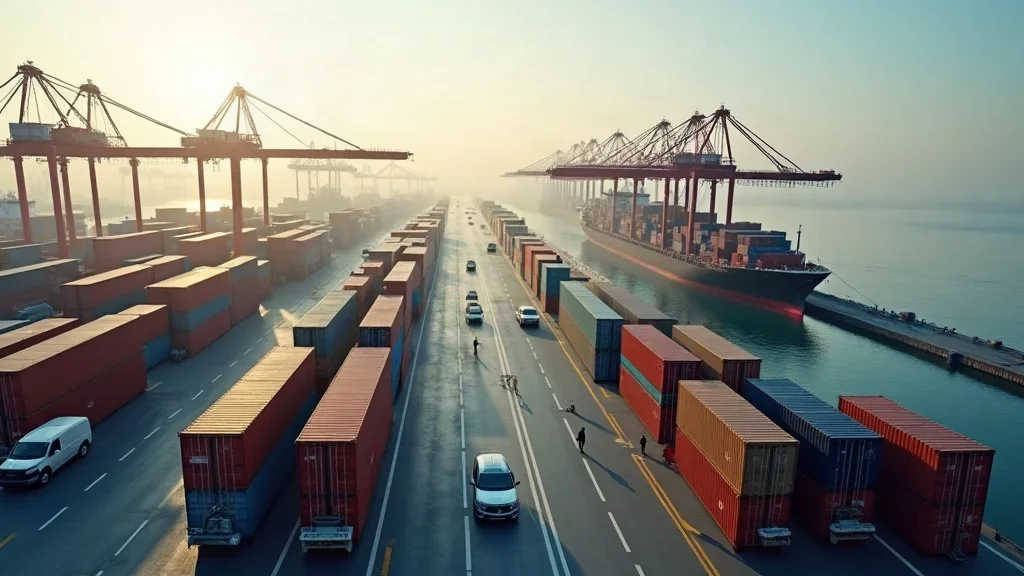
Lean Manufacturing interface showing process improvements.

Unlocking Lean Manufacturing: A Guide for Importers and Exporters

In today's competitive marketplace, businesses must continuously seek ways to enhance efficiency, reduce waste, and improve customer satisfaction. Lean Manufacturing is a proven methodology that offers significant benefits, especially for importers and exporters looking to streamline their processes. This article explores key strategies and advantages of adopting Lean principles in various sectors, from manufacturing to services.

What is Lean Manufacturing?

Lean Manufacturing is a systematic approach aimed at eliminating waste and optimizing processes for greater efficiency and higher quality. Originating from the Toyota Production System in the 1950s, this methodology focuses on what adds value from the customer's perspective. Its principles have evolved to apply across numerous industries, making it relevant for businesses like yours. By adopting Lean practices, organizations can reduce costs while meeting customer needs more effectively.

5 Key Strategies of Lean Manufacturing

Implementing Lean Manufacturing involves embracing five core principles:

  1. Identify Value: Clearly define what your customers value the most. This understanding allows you to eliminate processes that do not enhance customer satisfaction, effectively minimizing waste.
  2. Value Stream Mapping: This involves visualizing and analyzing the flow of materials and information. By identifying underperforming areas within your processes, you can target inefficiencies and optimize workflows.
  3. Continuous Improvement: Engage all employees in the journey toward eliminating waste, fostering an environment of ongoing enhancement and empowerment.
  4. Create a Pull System: Produce or deliver goods based on actual demand rather than forecasts, which can lead to overproduction and excess inventory.
  5. Create a Continuous Workflow: Strive for a seamless process where operations flow smoothly without interruptions, which can significantly increase productivity and reduce lead times.

The Advantages of Lean Manufacturing

The implementation of Lean principles yields several advantages:

  • Cost Reduction: By eliminating wasteful activities and optimizing resource allocation, Lean Manufacturing helps lower operational costs.
  • Improved Quality: Continuous improvement leads to higher product quality and customer satisfaction, enhancing brand loyalty.
  • Enhanced Productivity: Streamlining processes foster a culture of efficiency, ultimately leading to faster service and production times.
  • Agility in Operations: Lean strategies enable businesses to adapt quickly to market changes, an essential factor for importers and exporters.

Tailoring Lean Practices to Your Business

For importers and exporters, the application of Lean principles can streamline supply chains, helping to reduce delays and costs associated with logistics. By using techniques such as value stream mapping, companies can identify bottlenecks in their shipping processes and enhance their overall efficiency.

As highlighted by other industries adopting Lean strategies, success boils down to fostering a culture of continuous improvement and ensuring that every team member is actively involved in the process. The integration of digital tools, such as IoT sensors and predictive analytics, can provide real-time insights that significantly enhance decision-making and operational performance.

Common Misconceptions About Lean Manufacturing

Many believe that Lean Manufacturing is only applicable to manufacturing industries. However, Lean principles can be successfully implemented across multiple sectors, including healthcare, finance, and services. The focus is on creating value through process optimization, which universally applies regardless of the industry.

Don't let misconceptions hinder your growth potential. Adopting Lean practices can lead to improved market competitiveness, higher gross margins, and sustained growth for your business.

Take Action Today

If you're ready to boost your efficiency and customer satisfaction while minimizing waste, consider adopting Lean Manufacturing principles into your operations. The benefits are clear, and the time to act is now. Streamlining your processes not only enhances your bottom line but also positions your business for future success.
Trade Trends

41 Views

Write A Comment

*
*
Related Posts All Posts
03.07.2026

Trump Claims Iran Has Surrendered: What This Means for Global Trade

Update Trump’s Bold Claim: Has Iran Surrendered? Recently, former President Donald Trump stirred controversy with his statement that Iran has "surrendered" to its neighbors following the country’s public apology for recent attacks. This assertion has critical implications, especially for import and export companies continually navigating the unpredictable waters of global trade. The Context of Iran’s Apology In light of escalating tensions in the Middle East, Iran's acknowledgment of its aggressions signifies a potential shift in its diplomatic stance. By expressing remorse, Tehran seems to be proactively addressing its relationship with neighboring countries, particularly those most affected by its previous actions. Understanding this shift is essential for businesses engaged in import-export activities, as geopolitical stability directly influences market dynamics. Why Businesses Should Care For import and export companies, the geopolitical landscape can make or break market strategies. In a region as crucial as the Middle East, political upheavals may disrupt trade routes, impact regulatory policies, and alter tariffs. Companies that remain informed about such developments can better anticipate changes, helping them adjust their supply chains more effectively. Future Predictions: A Turning Point for Trade? Should Iran continue down this path of conciliation, we might see enhanced regional cooperation and trade agreements. Several industry experts suggest that improved relations could pave the way for stabilized markets and increased economic interchange. However, the extent of this potential remains contingent upon the reaction of other Middle Eastern nations and existing global powers. Companies must monitor these dynamics closely to capitalize on emerging opportunities. Risk Factors: Trade in a Volatile Environment While there are favorable prospects, it’s essential to consider the inherent risks. Trade associations highlight that, although Iran's apology signals a possible thaw in relations, the situation remains fluid. Companies should be wary of sanctions or other regulatory challenges that may arise as international perspectives evolve. Actionable Insights for Import-Export Companies Businesses in the import-export sector can take a proactive approach by enhancing their market research initiatives. Understanding regional trends, potential regulatory changes, and competitor movements can provide a marketing edge. Additionally, building strong networks with local partners can mitigate risks and foster adaptability in response to geopolitical changes. The Emotional Toll of Geopolitical Decisions For entrepreneurs, geopolitical uncertainties often bring stress and hesitation. The emotional aspect of navigating complex international relations can be daunting. However, learning to view these challenges as opportunities can help reduce anxiety and foster resilience. By actively engaging with the changing landscape, businesses can not only survive but thrive. Conclusion: The Path Forward As former President Trump makes bold claims about Iran's current geopolitical status, it raises essential discussions regarding the future of trade in the region. The evolving narrative presents a dual-edge sword: While there are prospects for increased trade and collaboration, companies must remain vigilant and adaptable to the looming uncertainties. Keeping informed and prepared is key in this ever-shifting landscape. Is your business ready to seize the opportunities that may arise?

03.06.2026

Gulf States Reassess Overseas Investments Amid Iran War: What Importers Need to Know

Update The Gulf’s Financial Circuits Under PressureThe ongoing conflict involving Iran has sent shockwaves through the financial landscapes of the Gulf states. With a significant stake in global trade, Gulf Cooperation Council (GCC) nations like Saudi Arabia, the UAE, and Qatar are reevaluating their overseas investments as they seek to manage financial strains and maintain stability in uncertain times. Geopolitical tensions are not just abstract international relations—they have tangible effects on the bottom line for companies engaged in import and export.Understanding the Investors’ DilemmaAs tensions escalate, financial institutions are reconsidering their strategies. Major banks such as Goldman Sachs have implemented remote working protocols, highlighting the gravity of the situation. This trepidation could resonate throughout the import-export sectors, emphasizing the need for businesses to anticipate changes in the financial landscape. In a region that has long prided itself on its resilience, the current challenges could demand a fresh approach to risk management and investment strategy for trade-oriented enterprises.Trade Vulnerabilities Amid Rising TensionsThe Strait of Hormuz, a crucial artery for global oil and gas, has been under threat due to recent military activity. With approximately 20% of global oil and LNG transport dependent on this passageway, disruptions can wreak havoc on supply chains, influencing prices and investment flows. In a time when inflation and production costs are already high, any disruption could exacerbate vulnerabilities faced by import-export companies navigating these turbulent waters.Insights from the Financial SectorFinancial analysts note that the prospect of elevated oil prices can ripple through domestic markets, causing shifts in purchasing power and altering consumer behavior. For import-export companies, this means recalibrating pricing strategies to maintain profitability in the face of rising expenses. Furthermore, the conflict's implications stretch beyond immediate price increases; they could fundamentally shift investment priorities in the Gulf, as companies may shift focus away from certain regions deemed riskier.What Lies Ahead for Investors?Looking ahead, the potential for a prolonged conflict raises the specter of a new economic paradigm in the Gulf region. Some experts suggest that an immediate peak in tensions could lead to a more substantial wave of investment reallocation—one that may shift from traditional sectors to emerging areas well-positioned to thrive amidst instability. Firms involved in technology, logistics, and supply chain management may find themselves at the forefront of this change.Emphasizing Preparedness in Fluid EnvironmentsTo foster resilience, it is crucial for businesses, especially those in the trade sector, to have proactive contingency plans. Keeping abreast of geopolitical developments while also diversifying investment portfolios can help mitigate risks. Engagement with regional financial institutions and forming strategic partnerships could provide additional layers of security against abrupt market shifts.Conclusion: Taking Action Amid UncertaintyIn light of the ongoing situation, businesses in the import-export sector must stay vigilant, adopting strategies that prepare them for rapid changes in the Gulf’s investment landscape. We encourage companies to pursue transparent communication with their stakeholders and adjust their operations in response to changing dynamics. Through adaptability and innovation, there lies an opportunity to not only withstand the current waves of uncertainty but to also emerge stronger. For more insights and strategies tailored to navigating this complex environment, stay connected with updated market analyses and expert guidance.

03.05.2026

Israel Braces for Extended Conflict with Iran: What Import-Export Companies Need to Know

Update Israel's Anticipation of a Prolonged Conflict with Iran The escalating tensions between Israel and Iran have led to a significant shift in military dynamics in the Middle East. Israeli officials now project a complex and extended military campaign against Iran, amid concerns over Tehran's nuclear ambitions and its support for anti-Israel militant groups. As both nations prepare for a potentially prolonged confrontation, understanding the implications for global trade, particularly for import-export companies, is critical. The Economic Ramifications of War With Israel engaging in military operations against Iran, the ensuing conflict will have substantial economic repercussions. Transportation routes through vital regions such as the Strait of Hormuz, a major shipping lane for global oil, could become jeopardized. Import-export companies, particularly those dealing with oil products and regional trade, must anticipate disruptions that could result from increased hostilities.Recent geopolitical tensions have already shaken markets, causing fluctuating oil prices. Import-export companies could face heightened transportation costs due to shipping delays and increased insurance premiums. Forecasting Potential Outcomes: Financial Insights The future of U.S. and Israeli military strategies against Iran remains uncertain. Statements from leaders like Israeli Prime Minister Benjamin Netanyahu suggest a rapid approach, while U.S. officials offer a more cautious perspective. Each potential outcome of this conflict carries financial implications. If a prolonged conflict indeed materializes, there's a possibility of a financial downturn in the regions directly affected by the conflict, impacting trade agreements and economic stability in not just Israel and Iran but also in allied nations.Investors and companies should build resilience strategies that involve diversifying supply chains and exploring alternative markets away from the affected areas. Historical Context: The Roots of Conflict This crisis did not emerge overnight. For decades, Israel and Iran have been at odds, significantly since the Islamic Revolution in 1979. The perceived threat from Iran's nuclear program exacerbates these tensions, forcing Israel to reconsider its military posture. Recently, the ongoing conflict with Hamas has led to increased Israeli military action, portraying a decisive shift in their historical approach toward Iran.Import-export companies should closely monitor how historical animosities inform current military strategies, as these relationships could shape market responses and trade flows. Emotional and Human Interest Perspectives Beyond geopolitics, the emotional toll of these conflicts weighs heavily on ordinary citizens. Families across Israel and Iran face uncertainty and fear as military actions intensify. The human cost is often eclipsed by economic analysis, yet understanding personal narratives can provide a fuller picture of war's consequences.Import-export businesses should engage in corporate social responsibility initiatives to support affected communities, which can foster goodwill and stability in regions grappling with conflict. Preparing for Shifting Trade Conditions The business landscape will evolve as the situation unfolds. Companies engaged in the import and export sectors must prepare for shifting trade conditions, which include potential sanctions, logistical challenges, and evolving market demands. Strategic planning will be crucial for businesses aiming to maintain operations amid volatility.Investors should consider diversifying into sectors less vulnerable to geopolitical unrest instead of concentrating their resources solely in tradable markets tied to the affected regions. In conclusion, the ongoing conflict between Israel and Iran compels import-export companies to remain vigilant about military, economic, and human factors. Understanding the critical interplay between these elements can aid businesses in navigating this uncertain landscape effectively. As this situation evolves, keeping abreast of developments will empower companies to adapt strategically. To gain further insights into how international conflicts impact global markets and learn about strategies to safeguard your business interests, engage with our resources designed for import-export professionals.

Terms of Service

Privacy Policy

Core Modal Title

Sorry, no results found

You Might Find These Articles Interesting

T
Please Check Your Email
We Will Be Following Up Shortly
*
*
*



