








Are you searching for the key to building a thriving manufacturing workforce? Discover how strategic partnerships between industry and education are not only solving the talent shortage but also driving the next evolution in manufacturing innovation. In this article, we reveal the practical steps, programs, and trends that are shaping the future of manufacturing workforce development—giving you an actionable blueprint for success.
What You'll Learn About Manufacturing Workforce Development
The importance of industry and education partnerships in manufacturing workforce development
Key strategies manufacturers employ to attract new talent
Examples of successful manufacturing workforce development programs
How R&D influences future workforce skills
Current trends in US manufacturing jobs
Introduction: Bridging Industry and Education for Manufacturing Workforce Development
The Growing Need for Manufacturing Workforce Development
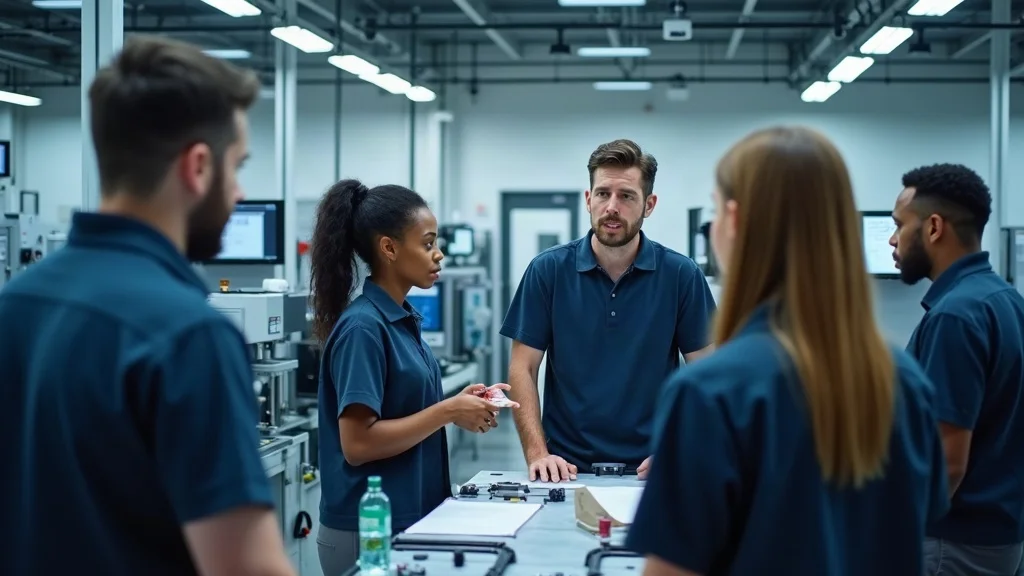
The manufacturing sector in the United States is moving through a transformative era, powered equally by technology and human creativity. Manufacturing workforce development is now at the heart of sustaining growth and competitiveness. The need for a skilled workforce stems not only from technological advancement but also from a generational shift as experienced workers retire. This gap has prompted both industry leaders and educators to collaborate more closely than ever before, with the shared goal of equipping the next generation with in-demand skills.
As organizations face increasing pressure to fill complex technical roles, the value of workforce development becomes even more apparent. Industry-education partnerships form the backbone of this initiative, creating pathways from classrooms to factory floors. These alliances foster an innovative environment where students gain hands-on experience while manufacturers get access to a pipeline of talent tailored to current and future production demands. This growing synergy is helping manufacturing move beyond its old stereotypes to become a hub of innovation and opportunity.
"The future of manufacturing hinges not just on technology, but on the skilled individuals who bring innovation into reality."
How Strategic Partnerships Are Shaping Manufacturing Workforce Development
Role of Industry-Education Collaborations
Effective manufacturing workforce development doesn’t happen in isolation. Partnerships between manufacturers and educational institutions are essential to closing the skills gap and preparing the workforce for advanced manufacturing roles. When community colleges, trade schools, and local manufacturers design curricula together, students benefit from training that’s directly aligned with industry needs. This collaboration ensures graduates possess both technical skills and the adaptability crucial for modern production environments.
These partnerships extend far beyond the classroom. Many companies offer internships, co-op programs, and even dual-enrollment opportunities, allowing students to gain real-world exposure before entering the job market. By providing resources, updated labs, and state-of-the-art equipment, businesses invest directly in their future employees. In turn, education leaders keep instruction relevant, foster continuous learning, and make manufacturing careers more appealing to young talent.

For organizations looking to deepen their understanding of how global trends and regulatory shifts impact workforce strategies, exploring the latest insights on trade regulations and markets can provide valuable context. The Global Trade News platform offers up-to-date analysis that can inform both educational partnerships and talent development initiatives.
Case Studies: Successful Manufacturing Workforce Development Initiatives
Real-world examples highlight how successful partnerships can transform communities and industries. For instance, some regions have pioneered dual enrollment technical education initiatives, where high school students simultaneously earn industry certifications and college credits while gaining hands-on training in local manufacturing businesses. This head start not only provides skills but also ensures students engage with potential employers early in their education.
Other success stories include manufacturer-sponsored scholarship and internship programs that remove financial barriers and guarantee immediate job placement upon graduation. Community colleges and trade schools often collaborate with leading manufacturers to develop specialized pathways for robotics, automation, and precision machining. By embracing project-based, work-integrated learning, these programs deliver highly qualified employees who possess both modern technical knowledge and essential “soft skills” like problem-solving and teamwork.
Key Strategies for Attracting and Preparing Next-Generation Manufacturing Talent
Upskilling, Apprenticeships, and Mentorship Programs
The competition for skilled manufacturing talent is fierce, making upskilling and apprenticeship programs crucial components of workforce development. Upskilling involves continual learning—offering existing or future workers opportunities to learn new production processes, digital tools, and automation technology. Apprenticeships blend classroom instruction with paid on-the-job training, giving participants a direct route to meaningful and sustainable careers.
Mentorship is another powerful tool in manufacturing workforce development. By pairing seasoned industry professionals with newcomers, companies foster a culture of learning and knowledge transfer that helps bridge generational gaps. These programs don’t just teach technical skills—they instill confidence and cultivate leadership abilities. Through structured guidance, mentees are more likely to overcome entry barriers and thrive in increasingly technology-driven manufacturing settings.
Integrating R&D into Manufacturing Workforce Development
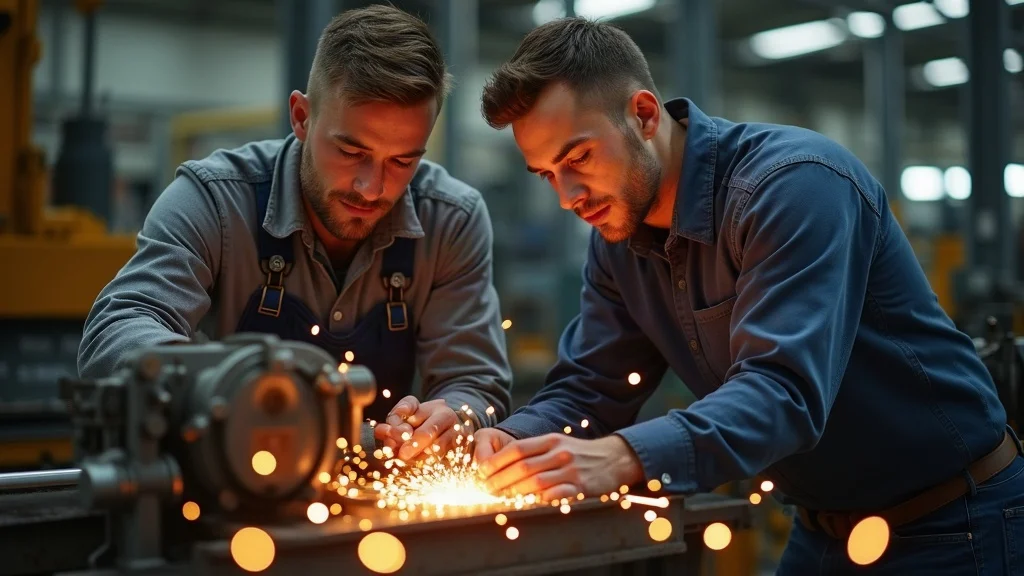
Research and development (R&D) is central to manufacturing innovation and workforce development. When educational partners and manufacturers align R&D efforts, they create unique opportunities for students and workers to tackle real-world challenges such as process optimization, new material applications, and digital transformation. R&D involvement fosters curiosity, analytical skills, and a forward-thinking mindset—all of which are critical for future success in the industry.
By participating in actual R&D projects, trainees learn to problem-solve, experiment, and adapt alongside professional engineers. This exposure not only elevates individual technical competencies but also supports a culture of lifelong learning and adaptability across the workforce. Integrating R&D with education ensures the next generation is prepared to keep US manufacturing competitive on a global stage, especially as technology evolves at a rapid pace.
Trends in US Manufacturing Workforce Development
Emerging Skills and Highest Paying Jobs in Manufacturing
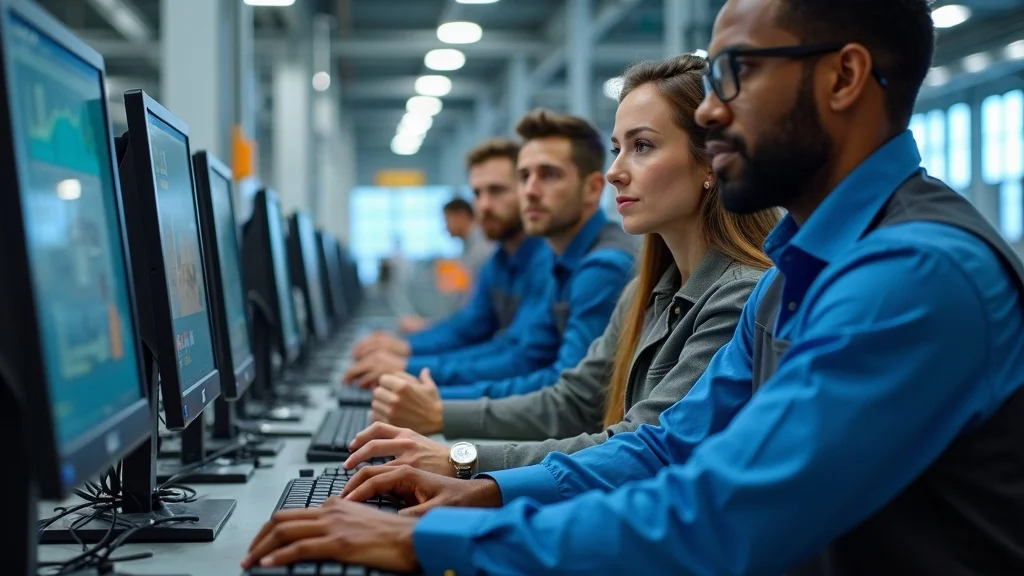
The manufacturing field is becoming more reliant on digital technology, robotics, and advanced analytics. In response, in-demand skills are shifting from traditional assembly to automation programming, data-driven quality control, and advanced materials handling. Employers now prioritize candidates who demonstrate proficiency in digital literacy, programming, data analytics, and robotics, as well as strong communication and problem-solving skills.
This skills evolution is also reflected in salaries. Job seekers equipped with expertise in industrial automation, precision equipment maintenance, and R&D roles consistently find themselves in positions that offer the highest earning potential within the sector. The table below showcases some of the top-paying manufacturing careers, along with skills that employers seek.
Job Title |
Key Skills Required |
|---|---|
Industrial Production Manager |
Operations management, team leadership, Lean/Six Sigma, process improvement |
R&D Engineer |
Research, innovation, prototyping, data analysis, CAD software |
Plant Manager |
Strategic oversight, human resources, workflow optimization, compliance |
Automation Technician |
Robotics, PLC programming, systems integration, troubleshooting |
Quality Control Supervisor |
Quality systems, inspection, analytical thinking, technical documentation |
Is US Manufacturing Going Up or Down? Current Outlook and Future Challenges
US manufacturing is undergoing a transformation as traditional roles in assembly and production become automated, while new opportunities emerge in areas like robotics engineering, AI-driven process design, and sustainable materials. Although some legacy positions are declining, the industry’s overall trajectory is upward in high-tech and skilled specialties. These changes demand adaptable talent and a continuous commitment to professional development.
The main challenge for manufacturers is not just filling roles, but ensuring that their workforce can adapt to rapidly evolving technologies and processes. Reskilling and partnering with educational institutions are vital for navigating this transition. Investment in progressive training, R&D integration, and technology-oriented learning is crucial to maintaining a strong, competitive manufacturing sector in the decades ahead.
Lists of Innovative Manufacturing Workforce Development Programs
Dual enrollment technical education initiatives
Manufacturer-sponsored scholarship and internship programs
Community college and trade school collaborations
Work-based learning immersions
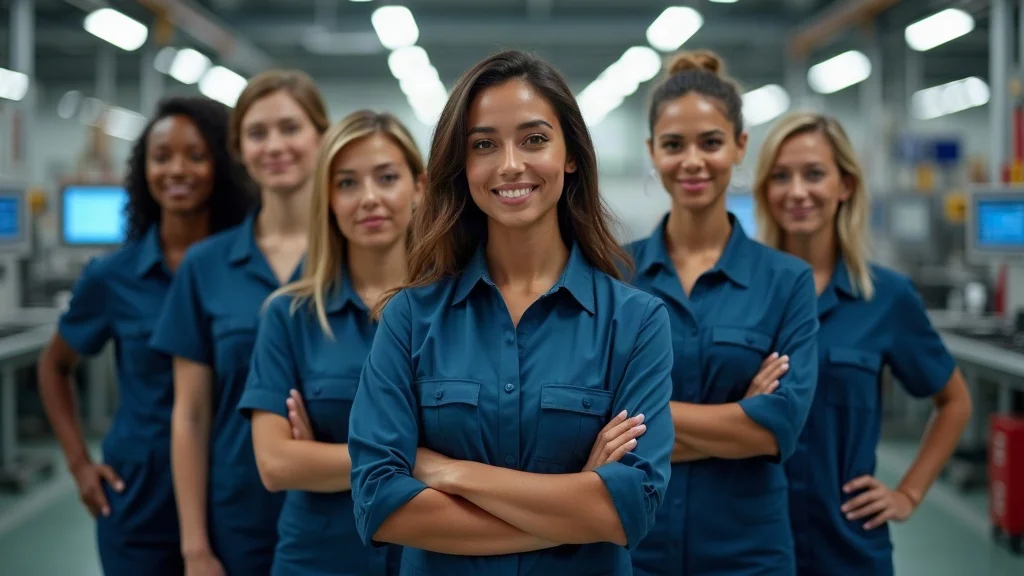
Women and minorities in manufacturing empowerment projects
People Also Ask: Manufacturing Workforce Development FAQs
What are some examples of workforce development?
Common manufacturing workforce development examples include apprenticeship programs, CTE (career and technical education), on-the-job training, and partnerships with local educational institutions.
Dynamic animated overview: Manufacturing workforce development pathway showing classroom, workshop, factory, and boardroom transitions.
What is the highest paying job in manufacturing?
Roles such as industrial production managers, R&D engineers, and plant managers often rank as the highest paying positions in manufacturing.
Is US manufacturing going up or down?
The US manufacturing sector is evolving with advanced technology, leading to pockets of growth in high-tech and skilled sectors, though traditional roles may decline.
What is R&D in manufacturing?
R&D in manufacturing refers to research and development activities that drive process innovation, product improvement, and the creation of new workforce competencies.
Key Takeaways on Manufacturing Workforce Development
Collaborative partnerships are crucial for workforce preparedness.
Emphasizing lifelong learning ensures manufacturing innovation.
R&D investment directly supports talent pipeline growth.
Modern manufacturing demands evolving skills and adaptability.

FAQs: More Answers to Your Manufacturing Workforce Development Questions
What future skills will be most in-demand in manufacturing?
Skills in automation, robotics, digital literacy, data analytics, and process optimization will shape the next generation of manufacturing workforce development.
How can education programs adapt to industry needs?
By actively engaging with local manufacturers, updating curriculum, and offering hands-on experiences aligned with real-world challenges.
Conclusion: The Future of Manufacturing Workforce Development
Manufacturing workforce development thrives on collaboration, innovation, and a focus on future-ready skills. Partnerships between industry and education leaders are essential to build a workforce prepared to navigate and shape the changing landscape of manufacturing.
"Partnerships between industry and education aren’t just a strategy—they’re essential to preparing the manufacturing workforce for tomorrow’s challenges."
If you’re eager to stay ahead of the curve in manufacturing workforce development, consider broadening your perspective with a deeper dive into the global forces shaping the industry. From evolving trade regulations to shifting market dynamics, understanding the bigger picture can help you anticipate challenges and seize new opportunities. Explore the comprehensive resources and expert commentary available at Global Trade News to gain actionable insights that complement your workforce strategies. By connecting industry trends with talent development, you’ll be better equipped to lead your organization into the future of manufacturing.





Write A Comment