




Global Trade News
Global Trade News
  • Manufacturing Insights 
  • Categories
    • Policy Pulse
    • Compliance Corner
    • Market Movers
    • Supply Chain
    • Export Essentials
    • Manufacturing Technology
    • Regulatory Roundup
    • Market Intelligence
    • Industry Voices
    • More Videos
November 26.2026
1 Minute Read

Unlock the Secret of Global Trade for Manufacturers Success

Imagine your manufacturing business supplying parts or products to customers in every corner of the globe—raw materials flow in from multiple continents, while finished goods leave your facility, destined for factories, retail shelves, and consumers in cities worldwide. This scenario isn’t just a dream; it’s the reality of global trade for manufacturers today. In an age where supply chains stretch across international borders, unlocking the secrets behind successful global trade is crucial for manufacturers seeking resilience, growth, and market leadership.

Introduction to Global Trade for Manufacturers
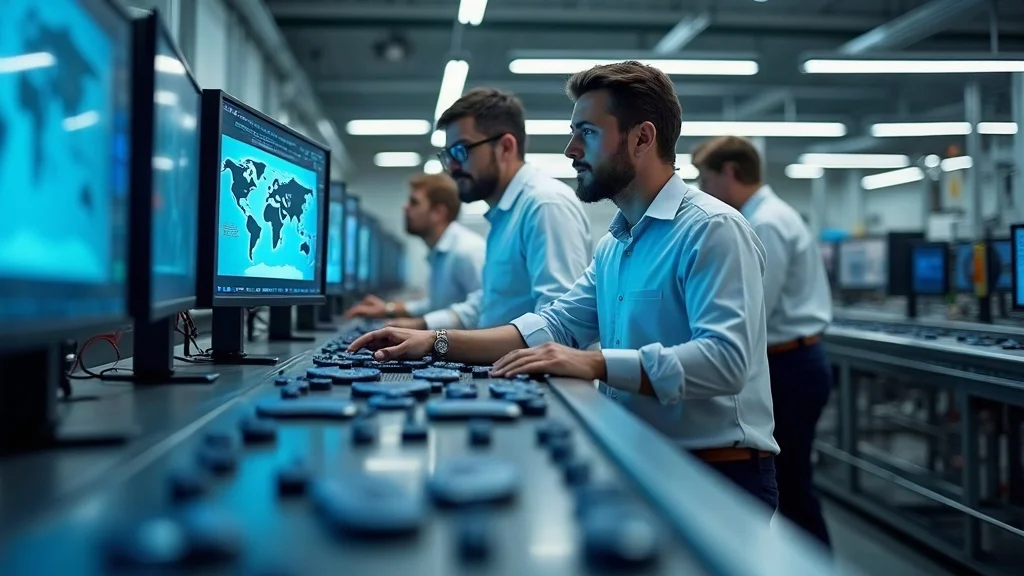
Dynamic manufacturing team collaborating in modern factory, discussing global trade for manufacturers, with production lines and digital shipment maps.

Global trade for manufacturers connects suppliers, producers, and customers across continents, forming the backbone of modern industry. By embracing global trade, manufacturers can access diverse markets, leverage cost efficiencies, and respond more agilely to changing demand. The process, however, requires navigating complex regulations, shifting tariffs, and constantly evolving international standards. For many production managers and engineers, understanding this landscape is a pivotal step toward ensuring their company’s long-term competitiveness and sustainability.

Whether you manufacture electronics, automotive parts, textiles, or specialized machinery, expanding beyond domestic borders opens new possibilities for sourcing, selling, and scaling operations. Yet, the benefits of global trade for manufacturers are matched by its challenges—such as compliance with international trade agreements, supply chain risks, and competition from global players. This article unpacks these components, offering a roadmap to help manufacturers unlock greater success in international markets.

Understanding the Landscape of Global Trade for Manufacturers

The landscape of global trade for manufacturers is shaped by evolving consumer tastes, rapid technological advancements, and policy changes that alter the way goods move between countries. Manufacturers compete in a marketplace where access to the right materials and end markets is determined by trade agreements, global infrastructure, and digital innovation. This interconnectivity means that shifts in one region—the introduction of new tariffs, for example—can reverberate worldwide, affecting prices, availability, and supply chain continuity.

Understanding how global trade shapes manufacturing starts with learning the language: terms like “Incoterms,” duties, export controls, and digital logistics are vital. Manufacturers must also grasp the impact of international standards and regulations, which help maintain product quality but may require costly process changes. The success of manufacturing businesses increasingly relies on their ability to anticipate global market shifts, adapt to regulatory environments, and strategically select suppliers and partners.

Why Global Trade for Manufacturers is Essential in Today's Economy

In today’s economy, global trade for manufacturers is more than a matter of opportunity—it’s a necessity for survival and growth. The interconnected nature of supply chains and the global demand for high-quality goods mean that manufacturers who restrict themselves to domestic markets risk stagnation. Expanding internationally allows businesses to diversify their customer base, reduce exposure to local market downturns, and gain access to specialized materials and components at competitive prices.

Moreover, globalization incentivizes innovation. Exposure to international competition pushes manufacturers to enhance product quality, increase production efficiency, and adopt cutting-edge technologies. Companies that successfully engage in global trade often report improved resilience, as they can pivot operations across markets in response to disruptions. As the global economy continues to evolve, manufacturers that embrace international trade gain a distinct strategic advantage—standing out as adaptable leaders in their field.

What You'll Learn about Global Trade for Manufacturers

Modern cargo ship navigating busy international waters, illustrating global trade for manufacturers connecting markets worldwide.
  • Key principles and terminology in global trade for manufacturers
  • Critical trends and risks facing manufacturers in international markets
  • How global trade for manufacturers affects supply chain strategy and growth
  • Expert perspectives on compliance and opportunity in global trade

Core Components of Global Trade for Manufacturers

Essential Regulations and International Standards

Trade compliance officer reviewing export documents and digital checklists: essential to global trade for manufacturers.

Regulatory compliance is central to the success of global trade for manufacturers. For every product entering or exiting a country, manufacturers must comply with a web of national and international standards, including quality certifications, safety regulations, and environment protection guidelines. Navigating these rules requires vigilance and up-to-date knowledge, as non-compliance can result in costly delays, fines, and reputational damage.

International standards—such as those set by ISO, IEC, and other global organizations—ensure products meet universal benchmarks for quality, safety, and interoperability. For manufacturers, these standards are both entry tickets to lucrative markets and assurance of trust for buyers worldwide. Investing in robust compliance programs, collaborating with trade compliance officers, and utilizing digital compliance tracking tools can streamline processes and reduce regulatory challenges.

Trade Agreements and Global Market Access

Trade agreements play a pivotal role in shaping global trade for manufacturers. Agreements like NAFTA (now USMCA), the European Union customs union, and various Asia-Pacific free trade pacts remove or reduce tariffs, simplify customs processes, and open new markets for manufacturers. Access to these markets can mean the difference between slow growth and rapid expansion.

Understanding the specific terms within these agreements—such as tariff schedules, preferential rules of origin, and intellectual property protections—helps manufacturers make informed decisions about where and how to do business. For international trade professionals, staying updated on new or renegotiated agreements is crucial for leveraging cost savings and maintaining competitive positioning in the global marketplace.

Competition and Innovation in Global Trade for Manufacturers
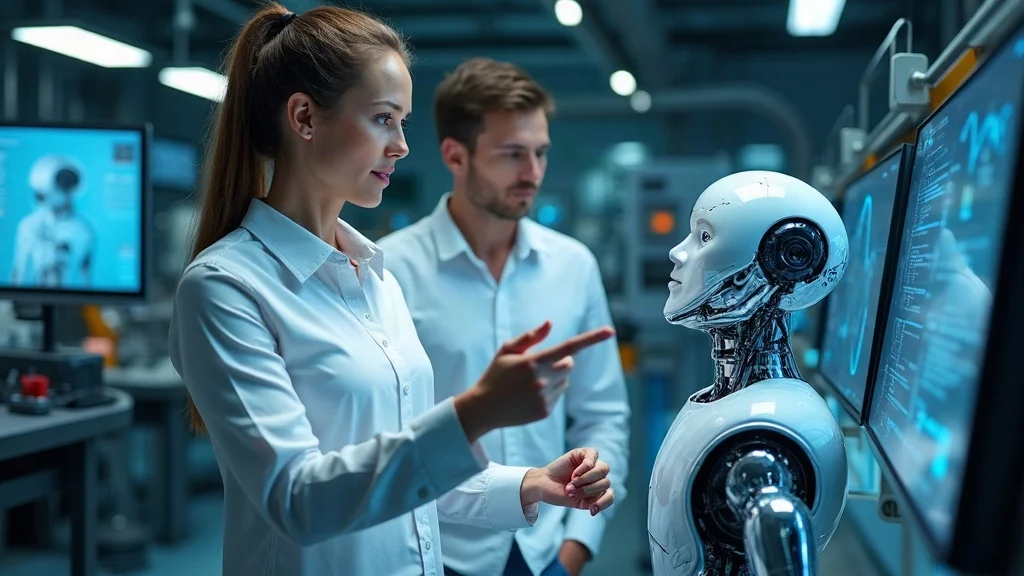
Innovative engineers and futuristic machines driving innovation in global trade for manufacturers, inside a high-tech laboratory.

The fiercely competitive global market compels manufacturers to prioritize agility and continuous innovation. Competing with industry leaders from other countries requires more than matching price or capacity; it demands investment in technology, talent, and process improvements. This drive to innovate is visible in the rapid adoption of robotics, artificial intelligence, and advanced process automation within manufacturing plants worldwide.

Alongside technological innovation, global trade for manufacturers often sparks collaboration between R&D teams across countries. Partnerships with foreign firms can open pathways to new technologies and creative solutions, helping manufacturers stay ahead of emerging trends and shifting consumer expectations. Maintaining an edge in this fast-moving environment requires a blend of operational excellence, strategic foresight, and the willingness to evolve in response to market forces.

Emerging Trends in Global Trade for Manufacturers

Technology and Automation Transforming Global Trade
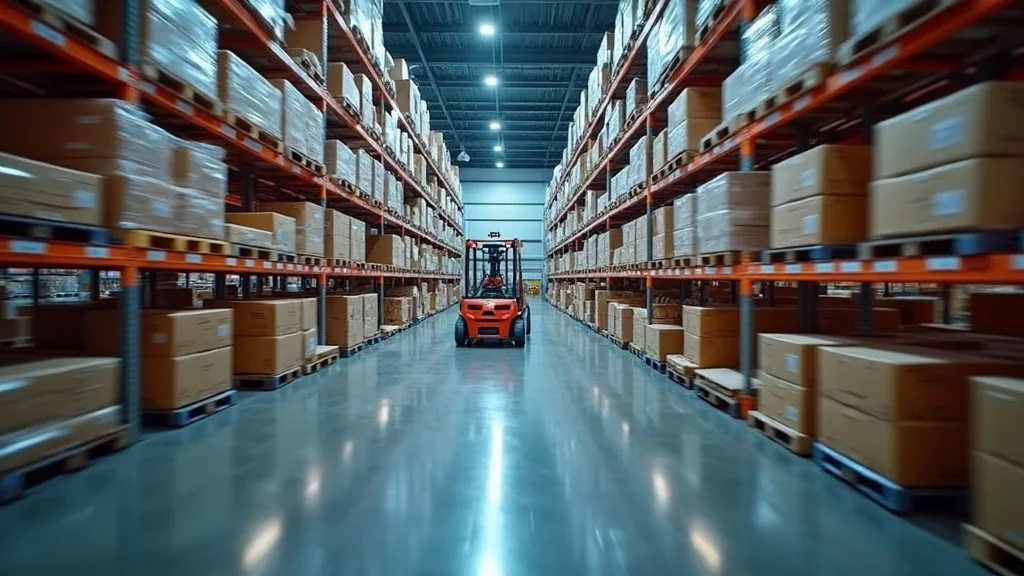
Automated smart warehouse with robotics transforming global trade for manufacturers.

The integration of technology and automation is revolutionizing global trade for manufacturers. Automated warehouses, advanced robotics, and AI-driven supply chain management systems reduce costs and increase the speed and accuracy of global logistics. For instance, automated sorting and inventory tracking allow manufacturers to respond more flexibly to demand changes and minimize errors that delay international shipments.

Technologies like blockchain improve supply chain transparency, enabling manufacturers to verify the authenticity and compliance of goods as they travel across borders. The Internet of Things (IoT) is also making it possible to track shipments in real time, ensuring greater visibility and control. By embracing these tools, manufacturers gain a critical edge in global trade—boosting resilience, strengthening risk management, and reinforcing customer trust.

Sustainable Practices in Global Trade for Manufacturers

Eco-friendly manufacturing facility with solar panels and green spaces showcasing sustainable global trade for manufacturers.

Sustainability is a growing force in global trade for manufacturers. As environmental regulations tighten and consumer awareness grows, manufacturers are pressured to reduce carbon emissions, adopt energy-efficient processes, and implement circular supply chains. This shift not only safeguards the environment but also opens new market opportunities for those able to demonstrate green credentials.

Manufacturers are integrating renewable energy sources, adopting cleaner production technologies, and engaging in transparent environmental reporting—all of which are becoming prerequisites for entering markets with strict sustainability standards. Sustainable practices can also foster cost savings, improve brand reputation, and create long-term value for stakeholders involved in global trade.

Comparison of Key Markets in Global Trade for Manufacturers
Region Key Strengths Main Challenges Notable Trends
Asia-Pacific Large supplier base, innovation hubs Regulatory complexity, logistical delays Tech adoption, green manufacturing
North America Advanced technology, stable policy Labor costs, trade disputes Nearshoring, automation
Europe High quality standards, skilled workforce Strict sustainability rules Digital compliance, circular economy

Challenges and Risks in Global Trade for Manufacturers

Tariffs, Duties, and Regulatory Barriers

Business professionals in boardroom discussing tariffs, duties, and regulatory barriers in global trade for manufacturers.

Tariffs, duties, and regulatory barriers regularly disrupt global trade for manufacturers. Trade policies shift with political and economic tides, potentially raising costs or restricting market access overnight. For manufacturers, evolving tariffs can lead to sudden changes in the landed cost of materials or finished products, requiring quick recalibration of pricing and supplier strategies.

Navigating regulatory barriers often demands specialized expertise and constant monitoring of international legislation. Manufacturers may face unique customs requirements, localized product standards, and varying interpretations of compliance rules. Developing contingency plans, such as alternative sourcing strategies or diversified distribution channels, helps mitigate these risks and maintain operational stability in volatile trade environments.

Resilience and Risk Management for Manufacturers

Building resilience is essential for manufacturers engaged in global trade. Effective risk management strategies include diversified supply chains, robust inventory management, and investment in digital technologies to monitor risks in real time. Manufacturers should establish protocols to quickly respond to disruptions—whether caused by natural disasters, geopolitical shifts, or health crises—as these events can ripple through global supply chains.

In the world of global trade for manufacturers, those who anticipate potential threats and proactively manage risks are best positioned for long-term success. This involves regular risk assessments, collaboration with international partners, and participation in industry networks that facilitate rapid knowledge-sharing and support.

Expert Perspectives: Quotes on Global Trade for Manufacturers

Experienced manufacturing executive reflecting on global trade for manufacturers in an international office setting.
“Global trade for manufacturers requires both vision and agility in an evolving global marketplace.”
“Those who adapt to the complexities of global trade for manufacturers gain a significant strategic advantage.”

Global Trade for Manufacturers: Best Practices for Success

Collaborative international conference call discussing best practices for global trade for manufacturers.
  • Stay updated on international policy changes
  • Foster partnerships with reliable logistics and suppliers
  • Ensure robust compliance protocols are in place
  • Invest in digital solutions for trade visibility

People Also Ask: Global Trade for Manufacturers

Can the world trade without the USA?

While the USA is a major player in global trade for manufacturers, international business would adjust and adapt in its absence. Supply chains and trade volumes would shift as global networks rebalance, with other major economies stepping in to fill gaps. Still, significant disruptions would be likely due to the interconnectedness of U. S. and global manufacturing supply chains.

What are the statistics on globalization?

Global trade for manufacturers has grown steadily, marked by increasing cross-border investments and a widening network of suppliers worldwide. The volume, value, and reach of manufacturer exports continue to expand, underscoring the central role of globalized supply chains. For current, detailed statistics, consult authoritative sources like the World Bank or WTO.

Who is the biggest trade in the world?

China has emerged as the world’s largest trading nation, particularly in manufacturing exports. It is followed closely by the United States and Germany, both of which hold significant shares in global manufacturing trade. These countries shape supply chain flows and set benchmarks for the industry globally.

Global trade map highlighting China, US, and Germany—the largest manufacturers in global trade—with major cargo routes and energetic design.

What organization promotes international trade?

The World Trade Organization (WTO) is the principal international body overseeing and promoting global trade for manufacturers and all sectors. The WTO provides frameworks for resolving disputes, negotiating trade agreements, and ensuring that rules are followed worldwide.

FAQs about Global Trade for Manufacturers

  • How do manufacturers identify new international markets?
    Manufacturers often utilize export data, trade shows, market research, and government trade resources to analyze potential demand, competitor presence, and regulatory environments in prospective foreign markets.
  • What is the role of compliance in global trade for manufacturers?
    Compliance ensures legal and smooth transaction of goods across borders by adhering to regulations, customs requirements, and international standards, thus minimizing risk of penalties and shipment delays.
  • Which shipping terms and Incoterms are most relevant?
    Commonly used Incoterms include FOB (Free On Board), CIF (Cost, Insurance, and Freight), and DDP (Delivered Duty Paid); choosing the right term clarifies responsibilities and risks for buyers and sellers in global transactions.
  • What digital tools assist with global trade operations?
    Tools such as export documentation software, compliance tracking platforms, real-time shipment monitoring systems, and supply chain management platforms streamline operations and provide visibility across complex trade networks.

Key Takeaways: Maximizing Manufacturer Success in Global Trade

  • Proactive adaptation is critical for manufacturers in global markets
  • Leveraging technology enhances trade agility and compliance
  • Informed strategies secure sustained growth worldwide

Next Steps for Manufacturers in Global Trade

Read GlobalTradeNews.us for the latest industry insights, emerging trends, and expert perspectives shaping manufacturing and global trade.

Stay informed. Stay competitive. Stay ahead.
Discover the latest industry insights, emerging trends, and expert perspectives shaping manufacturing and global trade.
Read GlobalTradeNews.us.

Market Intelligence

0 Views

Write A Comment

*
*
Please complete the captcha to submit your comment.
Related Posts All Posts
11.26.2026

The Impact of the Robot Training Loop: Revolutionizing Manufacturing Efficiency

Update Revolutionizing Robotics: A Leap in Training EfficiencyIn an era where speed and adaptability are crucial, a groundbreaking closed-loop training system has emerged, significantly reducing the time required for robots to learn from their mistakes. Developed in collaboration with Sereact, NVIDIA, Nebius, CEVA Logistics, and Zalando, this innovative system has the potential to reshape manufacturing by cutting update times from weeks to mere days. With the increasing need for efficiency in manufacturing processes, this advancement could not have come at a better time.How the Closed-Loop Training Loop WorksThe initial implementation takes place in Zalando’s returns handling at selected CEVA Logistics fulfillment centers. Robots operating in this environment face a distinct challenge: they must manage various product conditions, packaging differences, and orientations that are often unpredictable. The closed-loop system effectively captures video and kinematic data during operations, simulating thousands of variations to enhance learning. This method allows for rapid retraining and testing of robot policies, ensuring the updated robots meet performance thresholds before returning to work. This speed and efficiency mean that manufacturers can respond to changes in production demands with unprecedented agility.Transforming Failures into Learning OpportunitiesOne of the most remarkable features of this system is its ability to turn production failures into specific training scenarios. When a robot encounters a failure, it triggers targeted additional training aimed at addressing that particular issue. This iterative learning process is pivotal for manufacturers who deal with diverse products and fluctuating conditions. By integrating real-world variations into training simulations, robots become more adept at adapting to the myriad of challenges they face on assembly lines. This could lead to significant reductions in errors and mishaps during operations, which ultimately saves both time and money.The Broad Implications for the Manufacturing SectorNot only does this advancement promise faster training and updates for robots, but it also signals a shift in the manufacturing landscape. Companies no longer need to manually program every possible exception; instead, they can capitalize on the closed-loop pipeline to streamline operations. This innovation could lead to reduced downtime, improved productivity, and ultimately, more efficient manufacturing processes. Such efficiency not only benefits the manufacturers but also enhances the overall quality of products delivered to customers.Global Perspectives: Robotics in ManufacturingThis technological leap isn't just relevant to specific companies like Zalando and CEVA; its implications extend worldwide. As manufacturers grapple with challenges brought about by shifting production landscapes and increased demand for customization, tools like the closed-loop training system position them to remain competitive. Countries emphasizing advanced manufacturing techniques benefit significantly from such innovations, which enhance efficiency and reduce operational costs. For example, industries in regions known for their Technology Hubs could see expedited returns on investment, unlocking new opportunities in the realm of global trade.The Future of Robotics TrainingAs robotics technology continues to evolve, the potential for closed-loop training systems to transform various industries becomes apparent. Future developments might see even more sophisticated algorithms that enable robots to learn autonomously, identifying and overcoming challenges without human intervention. Such advancements could revolutionize not just manufacturing, but also logistics, agriculture, and even healthcare. Imagine robots in agriculture learning to identify pests or inefficiencies and responding in real-time to optimize crop yields, or robots in healthcare managing patient care seamlessly.Data-Driven Decisions for ManufacturersFor manufacturers, understanding this new approach provides actionable insights into refining their operations. By embracing closed-loop training systems, companies can make informed decisions about technology investments and workforce training. This not only encompasses immediate operational efficiency but also considers long-term strategic growth. Manufacturers must evaluate the incorporation of such systems in their production environments to stay relevant and competitive.The integration of advanced robotics into everyday operations highlights the importance of staying informed about evolving technologies. As developments continue, staying ahead of the curve will be critical for manufacturers who aspire to excel in today's fast-paced commercial landscape. Utilizing these innovations could also lead to more sustainable manufacturing practices, as robots that adapt quickly can help reduce waste and improve resource management.

11.25.2026

Mercedes-Benz's $4 Billion Investment: A Game Changer for U.S. Manufacturing

Update Mercedes-Benz's Major Investment: A Boost for Alabama In a significant move, Mercedes-Benz has announced a monumental investment of $4 billion in its Alabama assembly plant, underscoring the pivotal role of U.S. manufacturing in the automotive sector. This investment, planned over the next four years, is part of a larger strategy to invest over $7 billion company-wide in the United States. Such a commitment not only highlights the importance of domestic production but also aims to enhance the assembly of popular models such as the GLE, GLS, GLE Coupe, and the electrifying all-electric EQE and EQS SUVs. The Tuscaloosa Plant: A Beacon of Efficiency and Growth The Tuscaloosa plant, operational since 1995, has evolved into a critical hub for Mercedes-Benz's global production network, with a workforce of approximately 5,800 employees. This facility has made its mark by being the assembly site for over five million SUVs, with about 60% of these vehicles being exported, establishing it as one of the largest automobile exporters in the country. The combination of advanced automation, including hundreds of robots and the use of Internet of Things (IoT) technology, reflects the industry's move towards smarter manufacturing processes, aligning well with modern production demands. The Shift to Electric: Responding to Market Needs As the automotive landscape shifts towards electric vehicles, Mercedes-Benz is positioning its Tuscaloosa plant to meet this demand better by adding the production of the GLC, a significant model in the company’s lineup. This strategic expansion not only showcases Mercedes-Benz’s commitment to sustainability but also points to a growing trend in the industry as manufacturers adapt to changing consumer attitudes and regulatory environments concerning electric vehicles. What This Means For Manufacturers and the Economy Mercedes-Benz's investment is not just a corporate initiative; it represents a significant opportunity for local and national economies. As manufacturers face challenges with tariffs and competition from overseas, the push towards more robust domestic production strategies becomes ever more critical. The investment promises to create jobs, bolster local supply chains, and ultimately enhance the competitiveness of U.S. manufacturing on a global scale. Consumer Confidence and Economic Implications The sustained investments in manufacturing infrastructure by automotive giants like Mercedes-Benz can enhance consumer confidence in U.S.-made products. As more consumers lean towards brands committed to American production, the ripple effect could foster innovation and further economic growth within the sector. This trend goes hand in hand with better training and cultivation of local talent, which is essential as manufacturers seek skilled workers capable of handling sophisticated production technologies. Final Thoughts: Embracing Change and Opportunity Mercedes-Benz’s significant investment in Alabama exemplifies the fruitful intersection of technology and manufacturing. By prioritizing advanced production methods and embracing electrification, the company not only strengthens its market presence but also sets a precedent for other manufacturers. The future of automotive assembly is bright, backed by innovation and a strong production foundation. If you're intrigued by how such large-scale investments shape not only the automotive industry but also the broader economic landscape, keep an eye on similar developments in the manufacturing sector. Engaging with these changes now means being a part of the evolution ahead!

11.26.2026

Pallet Recycling Robots: Transforming Manufacturing Safety and Efficiency

Update Automation in Manufacturing: A Game Changer In today's fast-paced manufacturing world, safety is paramount. Have you ever thought about how technology can help make our workplaces safer? The recent surge in pallet recycling robots is a fantastic example of automation improving operations. These robots not only streamline processes but also help reduce the risk of injury among workers, ensuring a safer and more productive environment for everyone involved.In 'Pallet Recycling Robots: How Automation Makes Work Safer,' the discussion dives into the importance of technology in manufacturing safety, exploring key insights that sparked deeper analysis on our end. How Do Pallet Recycling Robots Work? Pallet recycling robots are designed to handle materials more efficiently, taking on heavy lifting tasks that could otherwise lead to back injuries or accidents. Imagine a busy factory floor where workers are manually moving stacks of heavy pallets. With robots performing these tasks, workers can redirect their focus to more complex responsibilities that require human judgment and creativity. This shift does more than guard against physical injuries; it enhances overall productivity as key personnel can devote their time to improving processes, innovating products, or providing customer support. The Benefits of Automation The use of pallet recycling robots brings multiple advantages to manufacturers. First and foremost, they significantly lower the risk of injuries, which can be painful and costly. According to recent trends in manufacturing safety, incorporating these robots demonstrates a commitment to worker health and well-being. This investment can reduce workers' compensation claims and potential litigation, saving manufacturers significant money over time. Furthermore, automating repetitive tasks can lead to greater consistency in output quality, ensuring that production meets consumer demands more effectively. As product quality improves, customer satisfaction often follows, contributing to stronger brand loyalty. Trends in Tariffs Impact on Manufacturing Automation In understanding the broader impact of manufacturing trends, recent tariffs have affected the cost of raw materials and imported machinery. Consequently, manufacturers are looking for cost-saving solutions to stay competitive. Automation, particularly through robotics, can be a way to offset these costs. By investing in technology like pallet recycling robots, manufacturers set themselves up for long-term savings despite tariff challenges. Not only do these robots reduce labor costs over time, but they also improve efficiency, allowing factories to manufacture more products quickly, thereby balancing the financial scales amid rising material costs. Real-World Applications and Success Stories Many manufacturers have already adopted pallet recycling robots with remarkable success. One company, for instance, reported a significant decrease in work-related injuries after implementing robotic systems. This not only saved them from potential insurance claims but also boosted employee morale, as workers felt more secure in their environment. Sharing anecdotes like these can inspire others in the industry to consider similar advancements. A factory in Ohio noted that with the addition of recycling robots, they improved their turnover rate; employees were more likely to remain with a company that values their safety and well-being. Looking Forward: The Future of Automation in Manufacturing As technology continues to advance, what does the future hold for automation in manufacturing? Experts predict that the robot market will expand significantly, leading to even more innovative solutions tailored to enhance worker safety and operational efficiency. Manufacturers who adapt early will likely gain a competitive edge, setting new standards in workplace safety and productivity. Additionally, as labor shortages become a more pressing concern across the industry, automation will play a crucial role in maintaining production levels without compromising quality. In today's manufacturing landscape, the question isn’t whether to automate but rather how soon it should be done. As businesses consider the implications of tariffs and the ongoing need for workplace safety, pallet recycling robots represent a crucial step forward. Implementing such automation not only improves your factory's output but also fortifies its most crucial asset: its people. By investing in technology that prioritizes safety and efficiency, manufacturers can build a sustainable future. To learn more about how you can implement pallet recycling robots in your manufacturing process, don’t hesitate to contact leading manufacturers in automation technology today!

Global Trade News


An educational, content-centric platform that delivers unbiased, comprehensive, and real-time regulatory news and analysis, empowering stakeholders to make informed decisions in a complex global trade environment.


Global Trade News is a subsidiary of RP Design Web Services.

COMPANY

  • Privacy Policy
  • Terms of Use
  • Advertise
  • Contact Us
  • Menu 5
  • Menu 6

AVAILABLE FROM 8AM - 5PM

City, State

Cheshire, CT

ABOUT US

A media channel that delivers the latest insights on trade regulations, import/export compliance, policy shifts, and global market trends.  Present both US and international perspectives to provide companies with a holistic view of the evolving trade landscape.

© 2026 Global Trade News All Rights Reserved. PO Box 1189 , Cheshire, CT 06410 . Contact Us . Terms of Service . Privacy Policy

eyJjb21wYW55IjoiR2xvYmFsIFRyYWRlIE5ld3MiLCJhZGRyZXNzIjoiUE8gQm94IDExODkgIiwiY2l0eSI6IkNoZXNoaXJlIiwic3RhdGUiOiJDVCIsInppcCI6IjA2NDEwIiwiZW1haWwiOiJzYWxlc0BycGRlc2lnbi5jb20iLCJ0b3MiOiJQSEErUEhOMGNtOXVaejQ4WlcwK1YyaGxiaUI1YjNVZ2MybG5iaTFwYmlCM2FYUm9JSFZ6TENCNWIzVWdZWEpsSUdkcGRtbHVaeVp1WW5Od095QjViM1Z5SUhCbGNtMXBjM05wYjI0Z1lXNWtJR052Ym5ObGJuUWdkRzhnYzJWdVpDQjViM1VnWlcxaGFXd2dZVzVrTDI5eUlGTk5VeUIwWlhoMElHMWxjM05oWjJWekxpQkNlU0JqYUdWamEybHVaeUIwYUdVZ1ZHVnliWE1nWVc1a0lFTnZibVJwZEdsdmJuTWdZbTk0SUdGdVpDQmllU0J6YVdkdWFXNW5JR2x1SUhsdmRTQmhkWFJ2YldGMGFXTmhiR3g1SUdOdmJtWnBjbTBnZEdoaGRDQjViM1VnWVdOalpYQjBJR0ZzYkNCMFpYSnRjeUJwYmlCMGFHbHpJR0ZuY21WbGJXVnVkQzQ4TDJWdFBqd3ZjM1J5YjI1blBqd3ZjRDRLQ2p4d1BqeGhJR2h5WldZOUltaDBkSEE2THk5M2QzY3VaMjl2WjJ4bExtTnZiU0krYUhSMGNEb3ZMM2QzZHk1bmIyOW5iR1V1WTI5dFBDOWhQand2Y0Q0S0NqeHdQaVp1WW5Od096d3ZjRDRLQ2p4d1BqeHpkSEp2Ym1jK1UwVlNWa2xEUlR3dmMzUnliMjVuUGp3dmNENEtDanh3UGxkbElIQnliM1pwWkdVZ1lTQnpaWEoyYVdObElIUm9ZWFFnWTNWeWNtVnVkR3g1SUdGc2JHOTNjeUI1YjNVZ2RHOGdjbVZqWldsMlpTQnlaWEYxWlhOMGN5Qm1iM0lnWm1WbFpHSmhZMnNzSUdOdmJYQmhibmtnYVc1bWIzSnRZWFJwYjI0c0lIQnliMjF2ZEdsdmJtRnNJR2x1Wm05eWJXRjBhVzl1TENCamIyMXdZVzU1SUdGc1pYSjBjeXdnWTI5MWNHOXVjeXdnWkdselkyOTFiblJ6SUdGdVpDQnZkR2hsY2lCdWIzUnBabWxqWVhScGIyNXpJSFJ2SUhsdmRYSWdaVzFoYVd3Z1lXUmtjbVZ6Y3lCaGJtUXZiM0lnWTJWc2JIVnNZWElnY0dodmJtVWdiM0lnWkdWMmFXTmxMaUJaYjNVZ2RXNWtaWEp6ZEdGdVpDQmhibVFnWVdkeVpXVWdkR2hoZENCMGFHVWdVMlZ5ZG1salpTQnBjeUJ3Y205MmFXUmxaQ0FtY1hWdmREdEJVeTFKVXlaeGRXOTBPeUJoYm1RZ2RHaGhkQ0IzWlNCaGMzTjFiV1VnYm04Z2NtVnpjRzl1YzJsaWFXeHBkSGtnWm05eUlIUm9aU0IwYVcxbGJHbHVaWE56TENCa1pXeGxkR2x2Yml3Z2JXbHpMV1JsYkdsMlpYSjVJRzl5SUdaaGFXeDFjbVVnZEc4Z2MzUnZjbVVnWVc1NUlIVnpaWElnWTI5dGJYVnVhV05oZEdsdmJuTWdiM0lnY0dWeWMyOXVZV3hwZW1GMGFXOXVJSE5sZEhScGJtZHpMand2Y0Q0S0NqeHdQbGx2ZFNCaGNtVWdjbVZ6Y0c5dWMybGliR1VnWm05eUlHOWlkR0ZwYm1sdVp5QmhZMk5sYzNNZ2RHOGdkR2hsSUZObGNuWnBZMlVnWVc1a0lIUm9ZWFFnWVdOalpYTnpJRzFoZVNCcGJuWnZiSFpsSUhSb2FYSmtJSEJoY25SNUlHWmxaWE1nS0hOMVkyZ2dZWE1nVTAxVElIUmxlSFFnYldWemMyRm5aWE1zSUVsdWRHVnlibVYwSUhObGNuWnBZMlVnY0hKdmRtbGtaWElnYjNJZ1kyVnNiSFZzWVhJZ1lXbHlkR2x0WlNCamFHRnlaMlZ6S1M0Z1dXOTFJR0Z5WlNCeVpYTndiMjV6YVdKc1pTQm1iM0lnZEdodmMyVWdabVZsY3l3Z2FXNWpiSFZrYVc1bklIUm9iM05sSUdabFpYTWdZWE56YjJOcFlYUmxaQ0IzYVhSb0lIUm9aU0JrYVhOd2JHRjVJRzl5SUdSbGJHbDJaWEo1SUc5bUlHVmhZMmdnVTAxVElIUmxlSFFnYldWemMyRm5aU0J6Wlc1MElIUnZJSGx2ZFNCaWVTQjFjeTRnU1c0Z1lXUmthWFJwYjI0c0lIbHZkU0J0ZFhOMElIQnliM1pwWkdVZ1lXNWtJR0Z5WlNCeVpYTndiMjV6YVdKc1pTQm1iM0lnWVd4c0lHVnhkV2x3YldWdWRDQnVaV05sYzNOaGNua2dkRzhnWVdOalpYTnpJSFJvWlNCVFpYSjJhV05sSUdGdVpDQnlaV05sYVhabElIUm9aU0JUVFZNZ2RHVjRkQ0J0WlhOellXZGxjeTRnVjJVZ1pHOGdibTkwSUdOb1lYSm5aU0JoYm5rZ1ptVmxjeUJtYjNJZ1pHVnNhWFpsY25rZ2IyWWdaVzFoYVd3Z2IzSWdVMDFUTGlCVWFHbHpJR2x6SUdFZ1puSmxaU0J6WlhKMmFXTmxJSEJ5YjNacFpHVmtJR0o1SUhWekxpQkliM2RsZG1WeUxDQndiR1ZoYzJVZ1kyaGxZMnNnZDJsMGFDQjViM1Z5SUdsdWRHVnlibVYwSUhObGNuWnBZMlVnY0hKdmRtbGtaWElnWVc1a0lHTmxiR3gxYkdGeUlHTmhjbkpwWlhJZ1ptOXlJR0Z1ZVNCamFHRnlaMlZ6SUhSb1lYUWdiV0Y1SUdsdVkzVnlJR0Z6SUdFZ2NtVnpkV3gwSUdaeWIyMGdjbVZqWldsMmFXNW5JR1Z0WVdsc0lHRnVaQ0JUVFZNZ2RHVjRkQ0J0WlhOellXZGxjeUIwYUdGMElIZGxJR1JsYkdsMlpYSWdkWEJ2YmlCNWIzVnlJRzl3ZEMxcGJpQmhibVFnY21WbmFYTjBjbUYwYVc5dUlIZHBkR2dnYjNWeUlHVnRZV2xzSUdGdVpDQlRUVk1nYzJWeWRtbGpaWE11SUZsdmRTQmpZVzRnWTJGdVkyVnNJR0YwSUdGdWVTQjBhVzFsTGlCS2RYTjBJSFJsZUhRZ0puRjFiM1E3VTFSUFVDWnhkVzkwT3lCMGJ5QThhR2xuYUd4cFoyaDBJR05zWVhOelBTSmpiMjF3WVc1NVVHaHZibVZWY0dSaGRHVWlQaXN4TWpBek1qY3hOems1TVR3dmFHbG5hR3hwWjJoMFBpNGdRV1owWlhJZ2VXOTFJSE5sYm1RZ2RHaGxJRk5OVXlCdFpYTnpZV2RsSUNaeGRXOTBPMU5VVDFBbWNYVnZkRHNnZEc4Z2RYTXNJSGRsSUhkcGJHd2djMlZ1WkNCNWIzVWdZVzRnVTAxVElHMWxjM05oWjJVZ2RHOGdZMjl1Wm1seWJTQjBhR0YwSUhsdmRTQm9ZWFpsSUdKbFpXNGdkVzV6ZFdKelkzSnBZbVZrTGlCQlpuUmxjaUIwYUdsekxDQjViM1VnZDJsc2JDQnVieUJzYjI1blpYSWdjbVZqWldsMlpTQlRUVk1nYldWemMyRm5aWE1nWm5KdmJTQjFjeTQ4TDNBK0NnbzhjRDQ4YzNSeWIyNW5QbGxQVlZJZ1VrVkhTVk5VVWtGVVNVOU9JRTlDVEVsSFFWUkpUMDVUUEM5emRISnZibWMrUEM5d1Bnb0tQSEErU1c0Z1kyOXVjMmxrWlhKaGRHbHZiaUJ2WmlCNWIzVnlJSFZ6WlNCdlppQjBhR1VnVTJWeWRtbGpaU3dnZVc5MUlHRm5jbVZsSUhSdk9qd3ZjRDRLQ2p4dmJENEtDVHhzYVQ1d2NtOTJhV1JsSUhSeWRXVXNJR0ZqWTNWeVlYUmxMQ0JqZFhKeVpXNTBJR0Z1WkNCamIyMXdiR1YwWlNCcGJtWnZjbTFoZEdsdmJpQmhZbTkxZENCNWIzVnljMlZzWmlCaGN5QndjbTl0Y0hSbFpDQmllU0IwYUdVZ1UyVnlkbWxqWlNZak16azdjeUJ5WldkcGMzUnlZWFJwYjI0Z1ptOXliU0FvYzNWamFDQnBibVp2Y20xaGRHbHZiaUJpWldsdVp5QjBhR1VnSm5GMWIzUTdVbVZuYVhOMGNtRjBhVzl1SUVSaGRHRW1jWFZ2ZERzcElHRnVaRHd2YkdrK0NnazhiR2srYldGcGJuUmhhVzRnWVc1a0lIQnliMjF3ZEd4NUlIVndaR0YwWlNCMGFHVWdVbVZuYVhOMGNtRjBhVzl1SUVSaGRHRWdkRzhnYTJWbGNDQnBkQ0IwY25WbExDQmhZMk4xY21GMFpTd2dZM1Z5Y21WdWRDQmhibVFnWTI5dGNHeGxkR1V1SUVsbUlIbHZkU0J3Y205MmFXUmxJR0Z1ZVNCcGJtWnZjbTFoZEdsdmJpQjBhR0YwSUdseklIVnVkSEoxWlN3Z2FXNWhZMk4xY21GMFpTd2dibTkwSUdOMWNuSmxiblFnYjNJZ2FXNWpiMjF3YkdWMFpTd2diM0lnZDJVZ2FHRjJaU0J5WldGemIyNWhZbXhsSUdkeWIzVnVaSE1nZEc4Z2MzVnpjR1ZqZENCMGFHRjBJSE4xWTJnZ2FXNW1iM0p0WVhScGIyNGdhWE1nZFc1MGNuVmxMQ0JwYm1GalkzVnlZWFJsTENCdWIzUWdZM1Z5Y21WdWRDQnZjaUJwYm1OdmJYQnNaWFJsTENCM1pTQm9ZWFpsSUhSb1pTQnlhV2RvZENCMGJ5QnpkWE53Wlc1a0lHOXlJRHh6ZEhKdmJtYytQSE53WVc0Z2MzUjViR1U5SW1OdmJHOXlPaU5HUmpBd01EQTdJajUwWlhKdGFXNWhkR1VnZVc5MWNpQmhZMk52ZFc1MEwzQnliMlpwYkdVZ1lXNWtJSEpsWm5WelpTQmhibmtnWVc1a0lHRnNiQ0JqZFhKeVpXNTBJRzl5SUdaMWRIVnlaU0IxYzJVZ2IyWWdkR2hsSUZObGNuWnBZMlVnS0c5eUlHRnVlU0J3YjNKMGFXOXVJSFJvWlhKbGIyWXBMand2YzNCaGJqNDhMM04wY205dVp6NDhMMnhwUGdvOEwyOXNQZ29LUEhBK0ptNWljM0E3UEM5d1BnbzhhR2xuYUd4cFoyaDBJR05zWVhOelBTSmpiMjF3WVc1NVRtRnRaVlZ3WkdGMFpTSStSMnh2WW1Gc0lGUnlZV1JsSUU1bGQzTThMMmhwWjJoc2FXZG9kRDQ4WW5JZ0x6NEtQR2hwWjJoc2FXZG9kQ0JqYkdGemN6MGlZMjl0Y0dGdWVVRmtaSEpsYzNOVmNHUmhkR1VpUGxCUElFSnZlQ0F4TVRnNUlDd2dRMmhsYzJocGNtVXNJRU5VSURBMk5ERXdQQzlvYVdkb2JHbG5hSFErUEdKeUlDOCtDanhvYVdkb2JHbG5hSFFnWTJ4aGMzTTlJbU52YlhCaGJubFFhRzl1WlZWd1pHRjBaU0krS3pFeU1ETXlOekUzT1RreFBDOW9hV2RvYkdsbmFIUStQR0p5SUM4K0NqeG9hV2RvYkdsbmFIUWdZMnhoYzNNOUltTnZiWEJoYm5sRmJXRnBiRlZ3WkdGMFpTSStjMkZzWlhOQWNuQmtaWE5wWjI0dVkyOXRQQzlvYVdkb2JHbG5hSFErIiwicHJpdmFjeSI6IlBIQStQSE4wY205dVp6NVFVa2xXUVVOWlBDOXpkSEp2Ym1jK1BDOXdQZ29LUEhBK1BITjBjbTl1Wno1VWFHVWdhVzVtYjNKdFlYUnBiMjRnY0hKdmRtbGtaV1FnWkhWeWFXNW5JSFJvYVhNZ2NtVm5hWE4wY21GMGFXOXVJR2x6SUd0bGNIUWdjSEpwZG1GMFpTQmhibVFnWTI5dVptbGtaVzUwYVdGc0xDQmhibVFnZDJsc2JDQnVaWFpsY2lCaVpTQmthWE4wY21saWRYUmxaQ3dnWTI5d2FXVmtMQ0J6YjJ4a0xDQjBjbUZrWldRZ2IzSWdjRzl6ZEdWa0lHbHVJR0Z1ZVNCM1lYa3NJSE5vWVhCbElHOXlJR1p2Y20wdUlGUm9hWE1nYVhNZ2IzVnlJR2QxWVhKaGJuUmxaUzQ4TDNOMGNtOXVaejQ4TDNBK0NnbzhjRDQ4YzNSeWIyNW5Qa2xPUkVWTlRrbFVXVHd2YzNSeWIyNW5Qand2Y0Q0S0NqeHdQanhsYlQ1WmIzVWdZV2R5WldVZ2RHOGdhVzVrWlcxdWFXWjVJR0Z1WkNCb2IyeGtJSFZ6TEM0Z1lXNWtJR2wwY3lCemRXSnphV1JwWVhKcFpYTXNJR0ZtWm1sc2FXRjBaWE1zSUc5bVptbGpaWEp6TENCaFoyVnVkSE1zSUdOdkxXSnlZVzVrWlhKeklHOXlJRzkwYUdWeUlIQmhjblJ1WlhKekxDQmhibVFnWlcxd2JHOTVaV1Z6TENCb1lYSnRiR1Z6Y3lCbWNtOXRJR0Z1ZVNCamJHRnBiU0J2Y2lCa1pXMWhibVFzSUdsdVkyeDFaR2x1WnlCeVpXRnpiMjVoWW14bElHRjBkRzl5Ym1WNWN5WWpNems3SUdabFpYTXNJRzFoWkdVZ1lua2dZVzU1SUhSb2FYSmtJSEJoY25SNUlHUjFaU0IwYnlCdmNpQmhjbWx6YVc1bklHOTFkQ0J2WmlCRGIyNTBaVzUwSUhsdmRTQnlaV05sYVhabExDQnpkV0p0YVhRc0lISmxjR3g1TENCd2IzTjBMQ0IwY21GdWMyMXBkQ0J2Y2lCdFlXdGxJR0YyWVdsc1lXSnNaU0IwYUhKdmRXZG9JSFJvWlNCVFpYSjJhV05sTENCNWIzVnlJSFZ6WlNCdlppQjBhR1VnVTJWeWRtbGpaU3dnZVc5MWNpQmpiMjV1WldOMGFXOXVJSFJ2SUhSb1pTQlRaWEoyYVdObExDQjViM1Z5SUhacGIyeGhkR2x2YmlCdlppQjBhR1VnVkU5VExDQnZjaUI1YjNWeUlIWnBiMnhoZEdsdmJpQnZaaUJoYm5rZ2NtbG5hSFJ6SUc5bUlHRnViM1JvWlhJdVBDOWxiVDQ4TDNBK0NnbzhjRDQ4YzNSeWIyNW5Qa1JKVTBOTVFVbE5SVklnVDBZZ1YwRlNVa0ZPVkVsRlV6d3ZjM1J5YjI1blBqd3ZjRDRLQ2p4d1BqeHpkSEp2Ym1jK1dVOVZJRVZZVUZKRlUxTk1XU0JWVGtSRlVsTlVRVTVFSUVGT1JDQkJSMUpGUlNCVVNFRlVPand2YzNSeWIyNW5Qand2Y0Q0S0NqeHZiRDRLQ1R4c2FUNVpUMVZTSUZWVFJTQlBSaUJVU0VVZ1UwVlNWa2xEUlNCSlV5QkJWQ0JaVDFWU0lGTlBURVVnVWtsVFN5NGdWRWhGSUZORlVsWkpRMFVnU1ZNZ1VGSlBWa2xFUlVRZ1QwNGdRVTRnSm5GMWIzUTdRVk1nU1ZNbWNYVnZkRHNnUVU1RUlDWnhkVzkwTzBGVElFRldRVWxNUVVKTVJTWnhkVzkwT3lCQ1FWTkpVeTRnTEM0Z1FVNUVJRlZUTENCSlZDWWpNems3VXlCRFZWTlVUMDFGVWxNc0lFVllVRkpGVTFOTVdTQkVTVk5EVEVGSlRWTWdRVXhNSUZkQlVsSkJUbFJKUlZNZ1QwWWdRVTVaSUV0SlRrUXNJRmRJUlZSSVJWSWdSVmhRVWtWVFV5QlBVaUJKVFZCTVNVVkVMQ0JKVGtOTVZVUkpUa2NzSUVKVlZDQk9UMVFnVEVsTlNWUkZSQ0JVVHlCVVNFVWdTVTFRVEVsRlJDQlhRVkpTUVU1VVNVVlRJRTlHSUUxRlVrTklRVTVVUVVKSlRFbFVXU3dnUmtsVVRrVlRVeUJHVDFJZ1FTQlFRVkpVU1VOVlRFRlNJRkJWVWxCUFUwVWdRVTVFSUU1UFRpMUpUa1pTU1U1SFJVMUZUbFF1UEM5c2FUNEtDVHhzYVQ1TlFVdEZVeUJPVHlCWFFWSlNRVTVVV1NCVVNFRlVJQ2hwS1NCVVNFVWdVMFZTVmtsRFJTQlhTVXhNSUUxRlJWUWdXVTlWVWlCU1JWRlZTVkpGVFVWT1ZGTXNJQ2hwYVNrZ1ZFaEZJRk5GVWxaSlEwVWdWMGxNVENCQ1JTQlZUa2xPVkVWU1VsVlFWRVZFTENCVVNVMUZURmtzSUZORlExVlNSU3dnVDFJZ1JWSlNUMUl0UmxKRlJTd2dLR2xwYVNrZ1ZFaEZJRkpGVTFWTVZGTWdWRWhCVkNCTlFWa2dRa1VnVDBKVVFVbE9SVVFnUmxKUFRTQlVTRVVnVlZORklFOUdJRlJJUlNCVFJWSldTVU5GSUZkSlRFd2dRa1VnUVVORFZWSkJWRVVnVDFJZ1VrVk1TVUZDVEVVc0lFRk9SQ0FvYVhZcElFRk9XU0JGVWxKUFVsTWdTVTRnVkVoRklGTlBSbFJYUVZKRklGZEpURXdnUWtVZ1EwOVNVa1ZEVkVWRUxqd3ZiR2srQ2drOGJHaytRVTVaSUUxQlZFVlNTVUZNSUVSUFYwNU1UMEZFUlVRZ1QxSWdUMVJJUlZKWFNWTkZJRTlDVkVGSlRrVkVJRlJJVWs5VlIwZ2dWRWhGSUZWVFJTQlBSaUJVU0VVZ1UwVlNWa2xEUlNCSlV5QkVUMDVGSUVGVUlGbFBWVklnVDFkT0lFUkpVME5TUlZSSlQwNGdRVTVFSUZKSlUwc2dRVTVFSUZSSVFWUWdXVTlWSUZkSlRFd2dRa1VnVTA5TVJVeFpJRkpGVTFCUFRsTkpRa3hGSUVaUFVpQkJUbGtnUkVGTlFVZEZJRlJQSUZsUFZWSWdRMDlOVUZWVVJWSWdVMWxUVkVWTklFOVNJRXhQVTFNZ1QwWWdSRUZVUVNCVVNFRlVJRkpGVTFWTVZGTWdSbEpQVFNCVVNFVWdSRTlYVGt4UFFVUWdUMFlnUVU1WklGTlZRMGdnVFVGVVJWSkpRVXd1UEM5c2FUNEtDVHhzYVQ1T1R5QkJSRlpKUTBVZ1QxSWdTVTVHVDFKTlFWUkpUMDRzSUZkSVJWUklSVklnVDFKQlRDQlBVaUJYVWtsVVZFVk9MQ0JQUWxSQlNVNUZSQ0JDV1NCWlQxVWdSbEpQVFNCUFVpQlVTRkpQVlVkSUlFOVNJRVpTVDAwZ1ZFaEZJRk5GVWxaSlEwVWdVMGhCVEV3Z1ExSkZRVlJGSUVGT1dTQlhRVkpTUVU1VVdTQk9UMVFnUlZoUVVrVlRVMHhaSUZOVVFWUkZSQ0JKVGlCVVNFVWdWRTlUTGp3dmJHaytDand2YjJ3K0NnbzhjRDQ4YzNSeWIyNW5Qa3hKVFVsVVFWUkpUMDRnVDBZZ1RFbEJRa2xNU1ZSWlBDOXpkSEp2Ym1jK1BDOXdQZ29LUEhBK1dVOVZJRVZZVUZKRlUxTk1XU0JWVGtSRlVsTlVRVTVFSUVGT1JDQkJSMUpGUlNCVVNFRlVJRUZPUkNCVFNFRk1UQ0JPVDFRZ1FrVWdURWxCUWt4RklFWlBVaUJCVGxrZ1JFbFNSVU5VTENCSlRrUkpVa1ZEVkN3Z1NVNURTVVJGVGxSQlRDd2dVMUJGUTBsQlRDd2dRMDlPVTBWUlZVVk9WRWxCVENCUFVpQkZXRVZOVUV4QlVsa2dSRUZOUVVkRlV5d2dTVTVEVEZWRVNVNUhJRUpWVkNCT1QxUWdURWxOU1ZSRlJDQlVUeXdnUkVGTlFVZEZVeUJHVDFJZ1RFOVRVeUJQUmlCUVVrOUdTVlJUTENCSFQwOUVWMGxNVEN3Z1ZWTkZMQ0JFUVZSQklFOVNJRTlVU0VWU0lFbE9WRUZPUjBsQ1RFVWdURTlUVTBWVElDaEZWa1ZPSUVsR0lFaEJVeUJDUlVWT0lFRkVWa2xUUlVRZ1QwWWdWRWhGSUZCUFUxTkpRa2xNU1ZSWklFOUdJRk5WUTBnZ1JFRk5RVWRGVXlrc0lGSkZVMVZNVkVsT1J5QkdVazlOT2p3dmNENEtDanh2YkQ0S0NUeHNhVDVVU0VVZ1ZWTkZJRTlTSUZSSVJTQkpUa0ZDU1V4SlZGa2dWRThnVlZORklGUklSU0JUUlZKV1NVTkZPend2YkdrK0NnazhiR2srVkVoRklFTlBVMVFnVDBZZ1VGSlBRMVZTUlUxRlRsUWdUMFlnVTFWQ1UxUkpWRlZVUlNCSFQwOUVVeUJCVGtRZ1UwVlNWa2xEUlZNZ1VrVlRWVXhVU1U1SElFWlNUMDBnUVU1WklFZFBUMFJUTENCRVFWUkJMQ0JKVGtaUFVrMUJWRWxQVGlCUFVpQlRSVkpXU1VORlV5QlFWVkpEU0VGVFJVUWdUMUlnVDBKVVFVbE9SVVFnVDFJZ1RVVlRVMEZIUlZNZ1VrVkRSVWxXUlVRZ1QxSWdWRkpCVGxOQlExUkpUMDVUSUVWT1ZFVlNSVVFnU1U1VVR5QlVTRkpQVlVkSUlFOVNJRVpTVDAwZ1ZFaEZJRk5GVWxaSlEwVTdQQzlzYVQ0S0NUeHNhVDVWVGtGVlZFaFBVa2xhUlVRZ1FVTkRSVk5USUZSUElFOVNJRUZNVkVWU1FWUkpUMDRnVDBZZ1dVOVZVaUJVVWtGT1UwMUpVMU5KVDA1VElFOVNJRVJCVkVFN1BDOXNhVDRLQ1R4c2FUNVRWRUZVUlUxRlRsUlRJRTlTSUVOUFRrUlZRMVFnVDBZZ1FVNVpJRlJJU1ZKRUlGQkJVbFJaSUU5T0lGUklSU0JUUlZKV1NVTkZPeUJQVWp3dmJHaytDZ2s4YkdrK1FVNVpJRTlVU0VWU0lFMUJWRlJGVWlCU1JVeEJWRWxPUnlCVVR5QlVTRVVnVTBWU1ZrbERSUzQ4TDJ4cFBnbzhMMjlzUGdvS1BIQStQSFUrUW5rZ2NtVm5hWE4wWlhKcGJtY2dZVzVrSUhOMVluTmpjbWxpYVc1bklIUnZJRzkxY2lCbGJXRnBiQ0JoYm1RZ1UwMVRJSE5sY25acFkyVXNJR0o1SUc5d2RDMXBiaXdnYjI1c2FXNWxJSEpsWjJsemRISmhkR2x2YmlCdmNpQmllU0JtYVd4c2FXNW5JRzkxZENCaElHTmhjbVFzSUNaeGRXOTBPM2x2ZFNCaFozSmxaU0IwYnlCMGFHVnpaU0JVUlZKTlV5QlBSaUJUUlZKV1NVTkZKbkYxYjNRN0lHRnVaQ0I1YjNVZ1lXTnJibTkzYkdWa1oyVWdZVzVrSUhWdVpHVnljM1JoYm1RZ2RHaGxJR0ZpYjNabElIUmxjbTF6SUc5bUlITmxjblpwWTJVZ2IzVjBiR2x1WldRZ1lXNWtJR1JsZEdGcGJHVmtJR1p2Y2lCNWIzVWdkRzlrWVhrdVBDOTFQand2Y0Q0S0NqeHdQaVp1WW5Od096d3ZjRDRLUEdocFoyaHNhV2RvZENCamJHRnpjejBpWTI5dGNHRnVlVTVoYldWVmNHUmhkR1VpUGtkc2IySmhiQ0JVY21Ga1pTQk9aWGR6UEM5b2FXZG9iR2xuYUhRK1BHSnlJQzgrQ2p4b2FXZG9iR2xuYUhRZ1kyeGhjM005SW1OdmJYQmhibmxCWkdSeVpYTnpWWEJrWVhSbElqNVFUeUJDYjNnZ01URTRPU0FzSUVOb1pYTm9hWEpsTENCRFZDQXdOalF4TUR3dmFHbG5hR3hwWjJoMFBqeGljaUF2UGdvOGFHbG5hR3hwWjJoMElHTnNZWE56UFNKamIyMXdZVzU1VUdodmJtVlZjR1JoZEdVaVBpc3hNakF6TWpjeE56azVNVHd2YUdsbmFHeHBaMmgwUGp4aWNpQXZQZ284YUdsbmFHeHBaMmgwSUdOc1lYTnpQU0pqYjIxd1lXNTVSVzFoYVd4VmNHUmhkR1VpUG5OaGJHVnpRSEp3WkdWemFXZHVMbU52YlR3dmFHbG5hR3hwWjJoMFBnPT0ifQ==

Terms of Service

Privacy Policy

Core Modal Title

Sorry, no results found

You Might Find These Articles Interesting

T
Please Check Your Email
We Will Be Following Up Shortly
*
*
*