







Add Row
Add Element
Global Trade News
update
Global Trade News
update
Add Element
SCHEDULE YOUR INTERVIEW 
  • Home
  • Categories
    • Policy Pulse
    • Compliance Corner
    • Market Movers
    • Trade Trends
    • Export Essentials
    • Import Insights
    • Regulatory Roundup
    • Global Trade News Blog
    • More Spotlights
    • More Videos
  • update
  • update
  • update
  • update
  • update
  • update
  • update
March 04.2025
3 Minutes Read

Understanding Tanker Rates Surge in China: Insights for Import Export

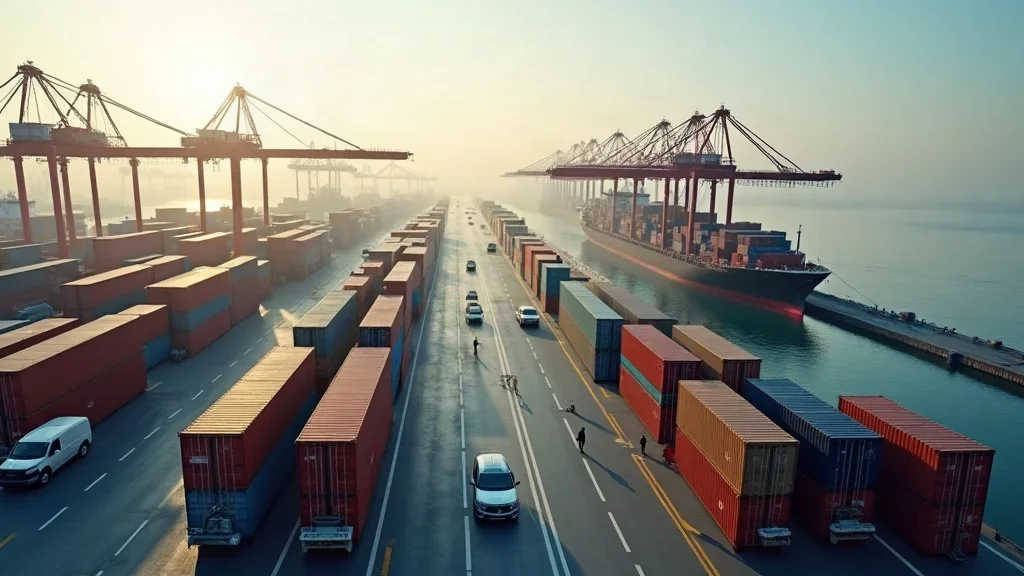
Large cargo tanker navigating blue waters, tanker rates surge on China routes.

The Surge of Tanker Rates Amid Geopolitical Shifts

In recent weeks, the global shipping market has witnessed a notable uptick in tanker rates, particularly for those shipping oil to China. The catalyst for this rise can be linked directly to the United States' sanctions on Russia, significantly impacting the availability of oil from that region. According to analysis from Bloomberg, the cost of booking very-large crude carriers (VLCCs) on the Middle East to China route surged by a staggering 112%, reaching an average of $57,589. This rapid increase also spans other major trading routes, affecting vessels moving from the U.S. Gulf and West Africa to China, which saw rate spikes of 102% and 90% respectively.

As Chinese refiners grapple with Russian oil supply shortages, they are pivoting towards sourcing crude oil from alternative markets, such as the Middle East, Africa, and even the Americas. For instance, a VLCC moving from the U.S. Gulf to China was recently chartered for $9.5 million, significantly higher than the prior pricing of low-$7 million that had been typical just months earlier. This surge in demand, combined with a tightening fleet due to sanctions on Russian tankers, paints a complex picture of the current shipping landscape.

Implications for Global Trade

The implications of these rising tanker rates extend beyond just shipping costs. They reflect larger trends in global trade dynamics influenced by increasing geopolitical tensions. For example, Junjie Ting, a shipping analyst, warns that rates may continue to stabilize at elevated levels if U.S. President-elect Donald Trump intensifies pressure on Iranian oil shipments. This scenario could lead to sustained high costs, not only for supertankers but also for smaller vessels such as Suezmax tankers, which typically carry around one million barrels.

Furthermore, these escalating shipping costs ripple throughout global supply chains, affecting the prices consumers might ultimately see. With tanker freight rates climbing across various routes due to heightened demand and limited supply, Asian refiners are beginning to feel the pinch. Refining margins are already showing signs of stress, as indicated by data from Singapore, where margins recently decreased from $4.69 to $1.17 a barrel.

Future Trends and Market Adaptations

As we inspect the broader picture, it's essential to contemplate potential future trends in the shipping sector. If pressure on Middle Eastern oil shipments continues, we could witness further shifts in shipping patterns. Analysts project that companies might explore alternative routes or reconsider their logistics strategies to mitigate the elevated costs. This might involve a deeper reliance on alternative sources, including codeshare agreements or shifting freight to even larger tankers capable of carrying more oil per voyage.

Similarly, the increase in tanker leasing rates may push shipping companies to adapt operational strategies, including fleet expansions, seeking efficiencies, or engaging in charter renegotiations to navigate the changing economic landscape. With ongoing challenges such as sanctions and fluctuating oil demands, adaptability may be the key to success in these turbulent times.

How to Navigate These Changes as an Importer or Exporter

For importers and exporters, understanding the shifting dynamics within the global shipping market can provide critical insights for strategic planning. Here are a few actionable steps to consider:

  • Monitor Trends: Stay updated on global geopolitical events that could impact shipping routes and costs. Regularly consult industry reports and analyses to align your shipping strategies with market conditions.
  • Diversify Shipping Partners: Evaluate and diversify your shipping contracts to include multiple carriers, which can help mitigate risks associated with rising rates or capacity shortages.
  • Evaluate Logistics Strategies: Consider whether long-term contracts or spot market purchases will serve you better in the current environment. A mixed approach may help balance cost and availability.

Take Action to Stay Informed

The shipping landscape is evolving rapidly, and staying informed is crucial for any business involved in international trade. As the situation unfolds, keeping abreast of market trends, understanding how geopolitical actions affect supply chains, and adapting logistics strategies will allow businesses to remain competitive.

For a deeper dive into how to navigate these changing waters, and for the latest updates on market trends, consider subscribing to industry reports and newsletters tailored for the import/export community.
Trade Trends

74 Views

Write A Comment

*
*
Related Posts All Posts
03.05.2026

Israel Braces for Extended Conflict with Iran: What Import-Export Companies Need to Know

Update Israel's Anticipation of a Prolonged Conflict with Iran The escalating tensions between Israel and Iran have led to a significant shift in military dynamics in the Middle East. Israeli officials now project a complex and extended military campaign against Iran, amid concerns over Tehran's nuclear ambitions and its support for anti-Israel militant groups. As both nations prepare for a potentially prolonged confrontation, understanding the implications for global trade, particularly for import-export companies, is critical. The Economic Ramifications of War With Israel engaging in military operations against Iran, the ensuing conflict will have substantial economic repercussions. Transportation routes through vital regions such as the Strait of Hormuz, a major shipping lane for global oil, could become jeopardized. Import-export companies, particularly those dealing with oil products and regional trade, must anticipate disruptions that could result from increased hostilities.Recent geopolitical tensions have already shaken markets, causing fluctuating oil prices. Import-export companies could face heightened transportation costs due to shipping delays and increased insurance premiums. Forecasting Potential Outcomes: Financial Insights The future of U.S. and Israeli military strategies against Iran remains uncertain. Statements from leaders like Israeli Prime Minister Benjamin Netanyahu suggest a rapid approach, while U.S. officials offer a more cautious perspective. Each potential outcome of this conflict carries financial implications. If a prolonged conflict indeed materializes, there's a possibility of a financial downturn in the regions directly affected by the conflict, impacting trade agreements and economic stability in not just Israel and Iran but also in allied nations.Investors and companies should build resilience strategies that involve diversifying supply chains and exploring alternative markets away from the affected areas. Historical Context: The Roots of Conflict This crisis did not emerge overnight. For decades, Israel and Iran have been at odds, significantly since the Islamic Revolution in 1979. The perceived threat from Iran's nuclear program exacerbates these tensions, forcing Israel to reconsider its military posture. Recently, the ongoing conflict with Hamas has led to increased Israeli military action, portraying a decisive shift in their historical approach toward Iran.Import-export companies should closely monitor how historical animosities inform current military strategies, as these relationships could shape market responses and trade flows. Emotional and Human Interest Perspectives Beyond geopolitics, the emotional toll of these conflicts weighs heavily on ordinary citizens. Families across Israel and Iran face uncertainty and fear as military actions intensify. The human cost is often eclipsed by economic analysis, yet understanding personal narratives can provide a fuller picture of war's consequences.Import-export businesses should engage in corporate social responsibility initiatives to support affected communities, which can foster goodwill and stability in regions grappling with conflict. Preparing for Shifting Trade Conditions The business landscape will evolve as the situation unfolds. Companies engaged in the import and export sectors must prepare for shifting trade conditions, which include potential sanctions, logistical challenges, and evolving market demands. Strategic planning will be crucial for businesses aiming to maintain operations amid volatility.Investors should consider diversifying into sectors less vulnerable to geopolitical unrest instead of concentrating their resources solely in tradable markets tied to the affected regions. In conclusion, the ongoing conflict between Israel and Iran compels import-export companies to remain vigilant about military, economic, and human factors. Understanding the critical interplay between these elements can aid businesses in navigating this uncertain landscape effectively. As this situation evolves, keeping abreast of developments will empower companies to adapt strategically. To gain further insights into how international conflicts impact global markets and learn about strategies to safeguard your business interests, engage with our resources designed for import-export professionals.

03.03.2026

Navigating the Economic Impact of Middle East Conflict on Global Trade Markets

Update Understanding Market Volatility Amid Middle East Turbulence The global market landscape is reeling as military escalations in the Middle East send ripples through financial markets. With the recent U.S. and Israeli strikes on Iran, stock prices are in decline, while energy prices, particularly oil and gas, are seeing dramatic spikes. For import-export companies, these developments are more than just fleeting headlines; they represent a significant shift in the trading environment. Market Reactions and Key Impacts on Trade European markets fell between 2-3% shortly after the news broke, as uncertainty dominated trading floors. The FTSE 100 dropped by 1%, highlighting the nervousness present in equities. This scenario is compounded by varying performances across sectors; energy and defence stocks are witnessing gains, yet sectors such as hospitality and airlines are struggling. Ultimately, this creates a complex backdrop for businesses engaged in international trade. Supply Chain Disruptions and Import-Export Dynamics As tensions persist, the Strait of Hormuz—a critical chokepoint for global oil and liquefied natural gas (LNG)—has become a focal point for market observers. Analysts are closely monitoring the situation, considering that approximately 20% of global oil consumption and 25% of LNG trade flows through this narrow waterway. Disruptions here could lead to supply constraints, impacting pricing dynamics globally. Future Outlook: Strategies for Businesses Amid this volatility, companies in the import-export sector must adopt adaptive strategies. Market analysts suggest that diversification across supply sources and enhanced risk management practices will be crucial in navigating the upcoming months. While historical trends might suggest that such conflicts often lead to temporary price spikes, sustained disruptions could signal longer-term inflationary pressures. Financial Insights: Opportunities Amid Uncertainty Despite the challenges posed by geopolitical tensions, businesses should remain aware of emerging opportunities. For instance, sectors that focus on energy independence or alternative supplies might experience growth, providing a more stable foundation in turbulent times. Establishing connections with diverse suppliers could buffer against sudden fluctuations and keep operations resilient. Conclusion: Navigating a Complex Landscape For import-export companies, the current geopolitical climate underscores the importance of robust contingency planning and staying informed about market changes. By embracing adaptability, businesses can not only weather the storm but potentially capitalize on new avenues created by the shifting dynamics of global trade. As markets respond to these developments, it becomes increasingly vital to foster a strategy that can pivot in accordance with escalating political tensions. Stay updated on market trends and refine your strategies for navigating these unpredictable times. Understanding the landscape is essential for excelling in global trade.

03.02.2026

The Surge of Oil Prices: Insights for Import-Export Companies Amidst Tension

Update Oil Prices Spike Amidst Geopolitical TensionsIn a dramatic twist in global energy markets, oil prices surged sharply following escalating conflicts in the Middle East, particularly after U.S. and Israeli military actions against Iran. This has resulted in a significant impact on the supply of oil—an essential commodity for most import-export companies navigating the volatile waters of international trade.As traders reacted to the uncertainty, the price of Brent crude, the international benchmark, rose by 13% to exceed $82 per barrel, while the U.S. West Texas Intermediate (WTI) climbed nearly 10% to surpass $70 per barrel. With these prices marking their highest levels since early 2025, the implications for global markets and trade dynamics could be profound.The Chokepoint of Global Oil Trade: Strait of HormuzThe Strait of Hormuz remains a critical corridor for oil transportation, where approximately 15 million barrels per day—a staggering one-fifth of the world's oil supply—are transported. Recent missile strikes have targeted oil tankers in this narrow shipping lane, raising alarm bells among energy market participants. This region's geopolitical stability is crucial for uninterrupted oil flow; any disruption here is likely to inflate prices and sanction supply chains profoundly, affecting many industries globally.The Ripple Effect on Import-Export CompaniesFor import-export companies, these developments signal not just rising costs but also potential disruptions in logistics. Companies relying on oil-based products, from traditional fuels to the raw materials for manufacturing, must now navigate new price landscapes and consider the risks associated with shipping routes. As energy prices increase, retailers may need to pass these costs down the line, affecting everything from fuel prices at the pump to the costs of goods on supermarket shelves.Potential Long-Term Trends and OpportunitiesIn light of these recent conflicts, industry analysts suggest import-export companies should prepare for a long-term increase in energy costs alongside supply chain re-evaluations. The rising price of oil presents both challenges and opportunities. Companies might consider optimizing their supply chains, exploring alternative logistics solutions, or investing in energy-efficient technologies to absorb some of the volatility created by external geopolitical factors.Market Insights: Preparing for Future UncertaintyWhile immediate price hikes are evident, the broader market implications remain uncertain. Historically, significant geopolitical events have prompted fluctuations not just in oil prices but also in related sectors, including manufacturing and agriculture. The next few weeks will likely reveal more about how these current tensions will reshape trade patterns and influence global markets.In keeping with this uncertainty, many businesses are advised to actively monitor developments and adapt strategies which allow them to remain agile amidst rapidly changing conditions. Secure contracts with established suppliers and diversifying energy sources can become critical levers for maintaining competitiveness as we navigate these uncharted waters.Taking Action: Navigating the Shifting LandscapeImport-export companies must take proactive steps to navigate the complex landscape that today's oil and energy prices present. Monitoring global political climates and economic forecasts, while adjusting procurement strategies and reevaluating shipping policies, can better position businesses to mitigate risks.It is essential for decision-makers to stay informed about geopolitical developments and their ramifications on market prices, thereby enhancing their ability to make strategic operational adjustments in real-time. This proactive approach will not only safeguard bottom lines but also empower companies to seize potential opportunities in an unpredictable environment.

Terms of Service

Privacy Policy

Core Modal Title

Sorry, no results found

You Might Find These Articles Interesting

T
Please Check Your Email
We Will Be Following Up Shortly
*
*
*