








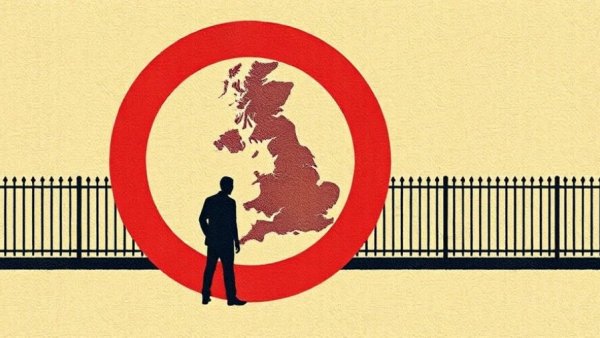
Revolutionizing Payment Practices in the UK’s Domestic Market
The UK Commercial Payments Bill is on the verge of enacting crucial reforms aimed at stabilizing domestic payment practices. Set to introduce a 60-day cap on business payment terms and enforce statutory interest on late payments, the Bill is heralded as the most significant legislative change in UK's payment practices in over 25 years. With late payments currently costing the UK economy a staggering £11 billion annually, the government's objective is to ensure fairer trading conditions for businesses. This not only benefits suppliers owed for their services but also aims to decrease the number of business closures—around 14,000 per year—attributed to cash flow issues arising from delayed payments.
As the Bill transitions to the House of Commons, it is clear that the focus so far has been firmly on enhancing domestic business transactions. While the provisions for UK-to-UK exchanges are vital, the failure to address cross-border transactions poses a significant gap in the proposed legislation.
Ignoring Cross-Border Transactions Leaves Risks Unaddressed
One of the central issues under-discussed is that the Commercial Payments Bill does not extend its protective measures to international trade. This omission leaves UK exporters and importers vulnerable to a myriad of risks associated with delayed payments, currency fluctuations, and additional expenses linked to logistics. Consequently, a British manufacturer planning to export goods to Germany is not afforded the same security as domestic counterparts, thus potentially placing them at a disadvantage in a globally competitive market.
Research from Bibby Financial Services has illustrated that a concerning 70% of UK trading businesses report deteriorating cash flow, primarily due to escalating shipping and logistics costs. This dramatic cash flow crisis is further exacerbated by the increasing demand for upfront payments from international partners, which flips the traditional payment model on its head. The financial repercussions of currency swings alone have cost these firms over £70,000 on average in the previous year.
What This Bill Means for Import-Export Companies
While the UK government rightly prioritizes domestic payment practices, it should not overlook the changing landscape of international trade. The anxiety among UK exporters, compounded by erratic transaction timelines and uncertain payment agreements, is valid. Even though the government aims to simplify payment processes on the home front, businesses venturing abroad must adapt to increasingly rigid payment expectations.
The imposed cap on domestic transactions could inadvertently further complicate international deals. Many UK companies find themselves navigating payment processes that lack transparency and standardization when it comes to expediency across borders. Ensuring efficient payment timelines despite crossing international borders requires innovative solutions that blend traditional financial practices with current digital capabilities.
The Path Forward for UK Exporters
In the interim period, businesses heavily involved in international trade should not perceive the Commercial Payments Bill as a panacea for their financial woes. Instead, they must proactively seek alternative strategies to manage cash flow effectively and mitigate risks. Tools such as supply chain finance, dynamic discounting, and trade credit insurance come into play here. By implementing proactive credit control measures and leveraging available technology, firms can significantly improve their overseas receivables processes.
Moreover, the Bill introduces significant changes in domestic sectors that can be emulated in international dealings. Just as large domestic buyers will be obligated to provide visibility regarding payment timelines to UK suppliers, exporters should adopt transparent communication practices with their overseas clients. Voluntarily sharing payment schedules can build trust and foster more resilient business relationships.
The Need for a Comprehensive Approach to Cross-Border Payment Terms
The UK’s approach to reforming payments stands on a precipice: it can either choose to expand its legislative framework to encapsulate cross-border transactions or risk leaving a critical component of international trade exposed to financial uncertainties. The complexity involved in adapting payment terms to suit international logistics should not deter the government from filling this significant gap. Instead, policymakers must pursue a balanced strategy to ensure that both domestic and international dealings operate under protective measures that promote business growth and economic stability.
As UK businesses continue to grapple with the realities of increased shipping costs and fluctuating currencies, it becomes even more essential for the government to look beyond its borders when reforming payment practices. Creating a cohesive framework that addresses both domestic efficiencies and international complexities is key to supporting the future of trade for import-export manufacturers.
In conclusion, as businesses navigate the uncertain waters of international trade compounded by the constraints of the upcoming Commercial Payments Bill, robust strategies are more crucial than ever. Firms must proactively seek avenues for risk management and cash flow stability to remain competitive in a swiftly evolving market. Start advocating for comprehensive reforms that extend beyond borders and into the intricate world of global trade.









Write A Comment