









Did you know tariffs on import goods can quietly add hundreds of dollars to your annual purchasing costs? While the headlines often focus on international trade wars, the hidden reality is that these government-imposed levies ripple through supply chains, influencing everything from grocery prices to car costs. In this article, you’ll uncover the real-world impact of tariffs, understand the forces shaping U.S. trade policy, and see how market reactions play out in your wallet. Whether you’re a business owner, consumer, or global trade enthusiast, these insights will empower your decisions in today’s changing economy.
Unveiling the Hidden Impact: Tariffs on Import Goods and Cost Spikes
"Did you know that U.S. tariffs on steel and aluminum imports have raised manufacturing costs by over $5 billion annually?"

Tariffs on import goods act as a silent force shaping prices and market access. When a government imposes tariffs—essentially a tax—on goods coming into the country, the immediate effect is an increase in the total landed cost of those goods. This policy not only raises expenses for importers but also causes higher prices for everyday consumers . Imagine international companies absorbing a 10% ad valorem duty on electronics; they often pass this cost onto you, the market’s end user. These extra expenses trickle down the supply chain, compounding with every logistical handoff, ultimately spiking the price tag on store shelves.
The hidden influence of tariffs goes beyond your grocery bills. Tariffs may alter global trade flows, market share for producers, and the overall health of the U.S. and global economies. Trade barriers, such as higher tariff rates or import caps, can sometimes be used to protect domestic industries. However, this approach invites retaliation from trading partners like the European Union or China, leading to a trade war cycle that further increases costs and disrupts the supply chain for everyone involved.
Understanding Tariffs on Import Goods as Trade Barriers
- Definition of tariffs on import goods: Government-imposed taxes specifically applied to foreign products entering a nation's borders. These can be charged as a fixed fee (specific tariff) or a percentage of value (ad valorem tariff).
- How tariffs work in international trade: When imposed, tariffs serve as a trade barrier, making imported goods more expensive than those produced locally. This may give domestic industries a competitive edge, but often leads to higher prices for consumers and possible trade retaliation from trading partners.
- Examples of increase in consumer prices: When tariffs hit products like washing machines and steel, the price increases don’t stop at the factory—they reach your local appliance store and automotive dealership, frequently adding hundreds to thousands of dollars to the cost of these goods.

The United States and Tariffs on Import Goods
The United States has a long and dynamic relationship with tariffs on import goods. In earlier centuries, tariffs were a major source of government revenue, but over time, focus shifted toward using trade agreements to promote free trade and support economic growth. Today’s tariff policy is shaped by both economic strategy and political priorities, especially concerns about domestic industries and national security.
Historically, the U.S. has oscillated between low and high tariff rates . Prior to recent trade tensions, the average U.S. rate on imported goods was a modest 1.6%, reflecting a period of widespread free trade backed by deals with Canada, Mexico, and the European Union. However, new tariffs—especially during the Trump and Biden administrations—targeted specific sectors like steel and aluminum, reigniting debates about market share, supply chain security, and the risk of trade deficits.
Historical Application of Tariff Rate in the United States
Tariffs have been central to American trade policy since the nation’s founding. Early governments levied high tariffs to raise revenue and protect fledgling industries. But the 20th century saw a shift toward slashing trade barriers through trade agreements, prioritizing global cooperation and economic growth. By the 2010s, the average tariff rate was historically low—around 1.6%—helping the U.S. maintain robust supply chains and a prominent role in global trade.
That trend reversed as recent administrations cited concerns over trade deficits , declining domestic production, and national security . New tariffs on steel, aluminum, washing machines, and solar panels were imposed, drawing both praise and criticism. The argument for higher tariffs cited the need to revive U.S. industrial output, while critics warned of increased costs for manufacturers and disrupted trade flows with key partners like Canada and Mexico.
Policy Shifts: From Free Trade Agreements to Protecting Domestic Industries
Formerly, the United States led efforts to lower trade barriers via free trade agreements like NAFTA (now USMCA) and deals with the European Union and Pacific nations. These arrangements fostered tighter trade links, international supply chains, and lower prices for consumers. However, growing economic anxieties and shifting political winds have steered U.S. policy toward protecting certain domestic industries.
For example, in response to a perceived erosion of domestic manufacturing and a rising trade deficit, presidential administrations opted for higher tariffs. The move sparked immediate pushback from trading partners—many responded with retaliatory tariffs on U.S. goods. This tit-for-tat cycle complicated global supply chains, added costs, and introduced uncertainty for both importers and exporters.
"In the United States, the average import tariff rate was just 1.6% before recent trade tensions escalated."
Customs Duties Explained: What Importers Must Know
| Year | Tariff Rate (%) | Trade Deficit (USD Billions) |
|---|---|---|
| 2016 | 1.6 | 502 |
| 2018 | 2.5 | 621 |
| 2020 | 2.9 | 616 |

Customs duties are not just regulatory formalities—they are direct, often significant costs for importers. Each good entering the U.S. is classified, and its tariff is determined under the Harmonized Tariff Schedule. Importers must pay these duties based on value (ad valorem) or quantity (specific duties). These costs increase with each rise in the tariff rate and are a crucial component of the final price you see as a consumer. For businesses, navigating customs duties often requires expert compliance to avoid costly mistakes and supply chain delays.
As tariffs on important goods like steel, aluminum, and consumer electronics have increased, so too have the headaches for U.S. businesses. Importers must carefully calculate landed costs, factor in shifting regulations, and monitor frequent trade policy changes from the U.S. Trade Representative or Customs and Border Protection.
Tariffs on Import Goods and Their Effect on Trade Deficit
One of the most debated effects of tariffs on import goods is their impact on the U.S. trade deficit . In theory, raising tariffs should make imported goods more expensive, reduce imports, and help shrink the gap between what the U.S. exports and imports. However, the relationship is rarely so straightforward. Other factors—such as domestic consumption habits, exchange rates, and retaliatory measures from trading partners—play a pivotal role.
For instance, when the United States imposed tariffs on steel and aluminum, many believed these barriers would reduce the trade deficit. Instead, the data suggests the deficit remained stubbornly high, even as U.S. manufacturers faced higher costs and retaliatory tariffs from foreign governments. In some cases, higher import costs encouraged American companies to source goods from different countries rather than produce domestically, creating complex supply chain challenges and eroding hoped-for gains.
Correlation Between Tariffs on Import Goods and U.S. Trade Deficits
The connection between tariffs and the trade deficit is complex. Tariffs may initially reduce certain imports, but they also frequently raise input costs for American manufacturers reliant on global supply chains. If these higher costs make U.S. goods less competitive both at home and abroad, exports may drop, trade balances may not improve, and the overall economic growth can suffer.
Economic research reveals that, following several rounds of tariff increases, the expected decrease in the U.S. trade deficit failed to materialize. In many cases, consumer spending habits persisted, and buyers simply shifted to alternative foreign sources not subject to tariffs or to higher-priced domestic options. Although trade policies aim for deficit reduction, the reality is that both global market dynamics and retaliatory tariffs from the European Union, China, and other trading partners often neutralize gains.
Can Increasing Tariff Rate Actually Shrink Trade Deficits?
- Case study: Impact of steel and aluminum tariffs on the U.S. trade deficit: In 2018, the U.S. imposed tariffs on steel and aluminum imports, aiming to cut the deficit and support jobs. Instead, data showed increased input costs and minimal improvement in the trade balance, as retaliatory tariffs penalized U.S. exporters in other industries.
- Insights from economic research and trade data: Many economists agree that using tariffs alone to address trade deficits is ineffective. Supply chains adapt, consumers and businesses absorb price hikes, and global partners often respond in kind, reducing the intended impact of higher tariffs.

Global Reactions: Retaliatory Tariffs and Their Ripple Effects
No tariff action exists in a vacuum—retaliation is the norm. In response to higher U.S. tariffs on import goods, major trade partners have levied their own retaliatory tariffs on U.S. exports. This back-and-forth elevates trade tensions and disrupts the stability of global supply chains , raising costs and uncertainty across markets.
The European Union, China, Canada, and others have targeted iconic American industries, from agriculture and alcohol to automobiles and machinery. These retaliatory tariffs not only aim to pressure U.S. policymakers but also create collateral damage for American farmers, manufacturers, and consumers—all of whom are caught in the crossfire of trade wars and shifting trade policies.
Retaliatory Tariffs: Responses from the European Union and Other Key Partners
When nations like the European Union and China face U.S. tariff hikes, they often respond by pinpointing politically sensitive American exports. For example, the EU imposed tariffs on motor vehicles and agriculture worth $12 billion, while China targeted soybeans and pork valued at over $14 billion. These measures are carefully chosen to exert maximum economic and political pressure, often impacting communities and regions dependent on global trade.
Canada, a close trading partner, followed suit by targeting U.S. whiskey and steel exports, with an estimated $5 billion loss for American exporters. The message: trade wars escalate quickly and bring broad consequences, impacting job security, market access, and overall economic growth in the United States and abroad.
The Global Supply Chain and Tariffs on Import Goods
| Country/Region | Retaliatory Tariffs Enacted | Impacted U.S. Exports |
|---|---|---|
| European Union | Motor vehicles, agriculture | $12B |
| China | Soybeans, pork | $14B |
| Canada | Whiskey, steel | $5B |
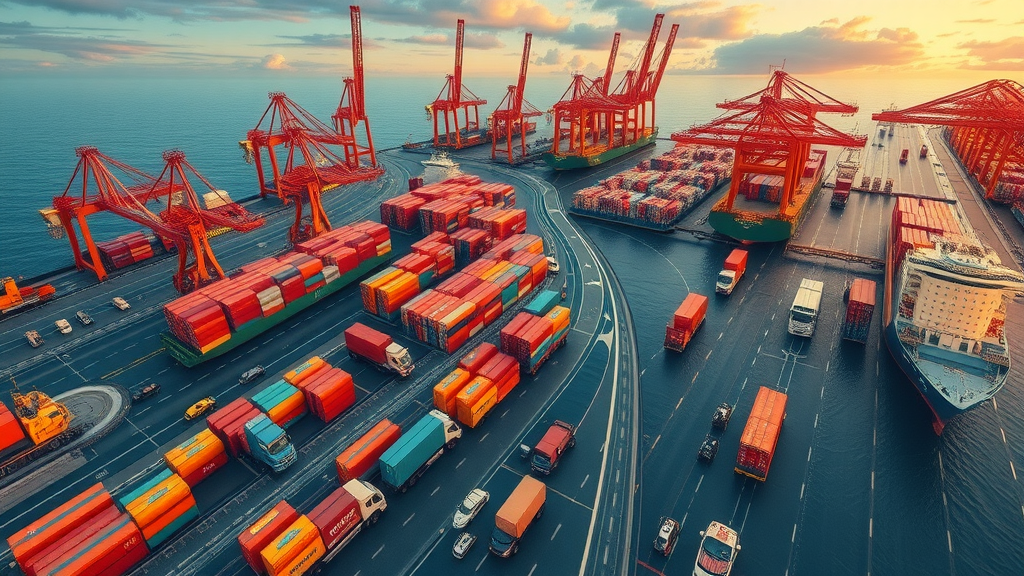
Such actions deeply affect intricate supply chains , from raw materials to finished goods. Factories may struggle to source parts affordably, logistics costs rise due to uncertainty, and U.S. exporters often lose valuable market share abroad. As countries implement and counter tariffs, the global economy faces volatility that can be painful and protracted.
How Tariffs on Import Goods Affect Economic Growth
The ongoing debate: do tariffs deliver economic benefit or hinder long-term growth ? While some sectors (like steel or solar panels) may enjoy short-term protection from import competition, most research finds that broad tariff hikes, over time, increase costs, limit choice, and stifle productivity growth. The higher prices resulting from tariffs weigh on both businesses and consumers, muting overall economic momentum.
When the U.S. imposes tariffs, domestic manufacturers may receive a temporary boost. But along the supply chain , companies facing higher costs often pass those increases onto consumers. At the same time, trading partners may shift business to alternative global suppliers, eroding U.S. competitiveness and threatening market share for American firms in the long run.
Short-term Gains vs. Long-term Economic Growth
Policymakers may use tariffs to trigger quick turnarounds in certain industries—especially those deemed vital to national security or experiencing economic distress. For some, the immediate impact is positive: more business for domestic producers and a bump in employment within the affected sector.
However, these short-term gains often fade as input prices stay elevated and retaliatory tariffs take their toll. The impact of losing export access to major markets can outweigh any boost from protectionism. Over several years, higher tariffs and trade barriers are closely associated with slower economic growth, lower productivity, and increased inflation.
Market Reactions: Steel and Aluminum Industries Under Tariffs
"Tariffs may offer temporary relief to certain sectors, but over time, they often stifle competition and slow economic growth."

The U.S. steel and aluminum sectors offer a telling example. Tariffs on import goods provided some short-term relief to domestic producers, temporarily preserving jobs that might have otherwise gone overseas. But as steel-consuming industries faced higher costs, demand dropped, and overall competitiveness declined. Additionally, trading partners imposed countermeasures that cut into U.S. exports, reducing market share for sectors beyond metals themselves.
The end result? Consumers paid more for goods ranging from cars to canned food, while global supply chains shifted to avoid U.S. tariffs—ultimately reducing the U.S.'s long-term economic edge and highlighting the complexity of using tariffs as a tool for economic policy.
Understanding the Current Tariff Rate Structure
The current tariff rate structure in the United States is a patchwork of ad valorem and specific tariffs, applied according to product, origin country, and relevant trade agreements. For most importers, understanding and calculating customs duties is an essential step toward effective cost management and compliance.
Tariff rates can change quickly based on international negotiations, policy shifts, or even national emergencies. For example, the U.S. may lower rates as part of a trade agreement with a key trading partner or raise them during a trade dispute for certain items under Section 301 or 232 investigations. As such, businesses and consumers alike must pay close attention to the shifting trade policy landscape.
Breakdown of the Current U.S. Tariff Rate on Import Goods
The average U.S. tariff rate remains relatively low across most categories—typically between 1.5% and 2.9%, depending on the year and product involved. However, select industries face much higher tariffs, particularly if the product is deemed sensitive to national security or if there are ongoing international disputes.
For example, tariffs on steel and aluminum products can exceed 25% in response to perceived threats or unfair trade practices. At the same time, consumer goods such as electronics or apparel often see lower rates—unless targeted in a specific trade action. The varying tariff rates create a complex landscape that businesses must navigate as they manage costs and supply chain logistics.
How to Calculate Customs Duties for Imported Goods
- Steps to determine applicable tariff rate: Identify the product’s classification under the Harmonized Tariff Schedule (HTS), then cross-reference the country of origin and any relevant trade agreement exemptions or penalties.
- Key factors influencing duties: Product type, country of manufacture, and the existence of preferential or punitive trade agreements all play a role in the tariff owed.

Consulting with your logistics provider and regularly checking U.S. Customs and Border Protection’s updates are crucial. This diligence helps avoid unexpected costs, penalties, or customs delays that could otherwise hurt your profit margins or the reliability of your supply chain.
Navigating Taxes: Do You Have to Pay on Imported Goods?
"Any business or consumer importing goods above the de minimis threshold must pay the required customs duties and taxes."
Yes, individuals and companies importing goods that exceed the de minimis threshold (usually $800) are required to pay customs duties and, in many cases, other taxes like sales or excise taxes. The rules can vary widely depending on the type of product, the amount imported, and any special exemption status. If you’re in the business of regular importing, it’s essential to understand these thresholds to avoid costly surprises at customs.
Governments often provide exceptions or reduced rates for goods below specific values or under certain agreements, making it wise to research if your imports qualify for such exemptions. Those bringing in higher volumes or high-value items must factor in these taxes or duties when calculating landed costs and setting pricing for domestic markets.
When Taxes Apply: Thresholds, Exemptions, and Special Cases

Thresholds: The U.S. Customs and Border Protection agency’s de minimis threshold exempts goods valued under $800 from customs duties and taxes—an incentive designed for smaller shipments and e-commerce transactions.
Exemptions and special cases: Certain goods, like some agricultural products, personal effects, or samples, may qualify for partial or full exemption, depending on the origin country and the latest trade agreements. It is always advisable to review up-to-date information from customs authorities and consult with a customs broker or legal advisor for large-scale or specialized imports.
Who Opposes Tariffs on Import Goods: Historical and Current Perspectives
Not everyone welcomes tariffs as an answer to trade imbalances or industrial decline. Industries dependent on global export markets—like agriculture, manufacturing, and high-tech—are often the first to suffer when higher tariffs trigger trade partner retaliation. Similarly, most economists argue that tariffs create inefficiencies, raise costs for consumers, and hinder economic growth over time.
Farmers, in particular, have voiced persistent concern, with their products frequently targeted in retaliatory tariffs by countries like China and the EU. Domestic manufacturers employing imported components also call for restraint, arguing that tariffs make their goods less competitive, reducing export opportunities and harming long-term job growth.
Industries and Economists Against Tariffs on Import Goods
American farmers, auto manufacturers, and technology companies have historically lobbied against steep tariffs, especially when export markets are at risk. These groups, often represented by industry advocates and trade associations, stress that tariffs can threat the nation’s global competitiveness and reduce overall economic opportunity.
Economists across the spectrum largely agree: while tariffs may help selected sectors in the short term, the broad costs outweigh localized benefits. The resulting supply chain disruptions, higher consumer prices, and retaliatory measures from trading partners add up to a net loss for economic growth and job creation.
Case Study: Trade Deficit and Industry Advocacy
"American farmers and manufacturers have consistently voiced concern over increasing tariffs, fearing lost export markets."

During the recent escalation of the U.S.-China trade war, soybean farmers in the Midwest saw major buyers vanish nearly overnight following China’s retaliatory tariffs. This case underscores how higher tariffs, intended to correct the trade deficit, can in practice harm key domestic sectors, spurring advocacy for alternative policies focused on competitiveness and innovation instead of restrictive trade barriers.
In response, industry leaders recommend strategies such as negotiating targeted trade agreements , streamlining the customs process, and strengthening supply chain resiliency, rather than relying on blanket import tariffs.
- Review your import products for applicable tariff classification.
- Consult U.S. Customs and Border Protection for current rates.
- Assess supply chain vulnerabilities to retaliatory tariffs.
- Monitor global trade policy updates.
Frequently Asked Questions About Tariffs on Import Goods
What is the tariff on imports?
A tariff on imports is a tax imposed by the government on goods brought into the country from abroad. It can be a set amount or a percentage (ad valorem) and is designed to raise government revenue, protect domestic industries, or put pressure on trading partners. The specific rate depends on product type, origin, and active trade agreements.
Do I have to pay tax on imported goods?
Yes, you generally must pay customs duties and, in some cases, local taxes like sales tax on imported goods above the de minimis threshold. However, there are exemptions for some low-value items, personal imports, or products covered by special trade agreements. Always check with customs authorities to determine your exact obligations.
What is the current import tariff rate?
The current average U.S. tariff rate is between 1.5% and 2.9% for most products, though some categories, like steel and aluminum, face higher tariffs of up to 25%. Tariff rates change based on trade policy shifts, international disputes, and updates to free trade agreements.
Who hated the tariffs on imported items?
Industries reliant on exports such as farmers, manufacturers, and technology companies generally oppose tariffs, as do most economists and free trade advocates. These groups argue that tariffs raise costs, provoke trade partner retaliation, and hurt U.S. competitiveness, all while failing to deliver sustained improvements in the trade balance.
Expert Insights: Key Takeaways on Tariffs and the Trade Deficit
- Tariffs on import goods directly impact consumer prices and supply chains.
- Trade deficits may not always decrease following tariff hikes.
- Retaliatory tariffs from trade partners can further disrupt markets.
- Customs duties and current tariff rates significantly affect overall costs.
Explore how escalating trade tensions and retaliatory tariffs shape policy, disrupt global supply chains, and alter the economics of everyday goods in this comprehensive instructional video.
Contribute Your Expertise on Tariffs on Import Goods
"Have insights to share on global trade? Let's talk—call us at 203-271-7991 to explore contributing an article."
Ensure your business is prepared: classify your imports, confirm current tariff rates, and stay agile in the face of changing trade policy for ongoing profitability.
Tariffs on imported goods can significantly impact consumer costs and global trade dynamics. To delve deeper into this topic, consider exploring the following resources:
- “What Is a Tariff and Why Are They Important?” ( investopedia.com )
This article provides a comprehensive overview of tariffs, explaining their purpose, types, and the economic implications they carry.
- “Import Tariffs & Fees Overview and Resources” ( trade.gov )
This resource offers detailed information on how to determine applicable tariff rates, including guidance on identifying Harmonized System (HS) codes for products.
If you’re serious about understanding how tariffs influence import costs and the broader economy, these resources will provide valuable insights.


Write A Comment