








Did you know that global average effective tariffs surged by almost 20% in 2018 during the peak of the U.S.-China trade war? Beyond headlines about “trade barriers” and iconic shipping disputes, the real mechanisms of how these tariffs impact everyday exports are often hidden from view. For exporters big and small, today’s unpredictable tariff environment doesn’t just mean higher prices at the port—it's reshaping the rules of global trade, creating obstacles that alter entire industries overnight. This deep dive explores the unseen forces shaping trade, the tactics behind major policy shifts, and how manufacturers can navigate the maze of international tariffs in this transformative age.
- The mechanisms by which tariffs act as hidden trade barriers
- The impact of tariff rate changes on key industries
- Global reactions, including the United States, to new trade barriers
- Industry-specific case studies: steel and aluminum
- The evolving role of international trade organizations
The Startling Reality: Tariff Influence on Exports in the Modern Trade War
In the fast-changing arena of world trade, the tariff influence on exports is impossible to ignore. The years following the rise of protectionist policies—particularly led by developed economies such as the United States—have seen trade barriers become pivotal levers in shaping export competitiveness. When the trump administration imposed aggressive import duties, especially on steel and aluminum, ripple effects extended beyond U.S. borders, igniting tensions and leading to retaliatory tariffs in key trading partner nations.
The growing use of tariffs as deliberate trade barriers in the modern trade war has led to a significant spike in tax revenue for some governments, but at the cost of market stability and efficient supply chains. As import tariffs climbed by several percentage points, industries heavily reliant on imported goods witnessed higher prices, squeezing profit margins and prompting many exporters to reconsider international strategies. Notably, according to the federal reserve, these measures have brought about sharp fluctuations in consumer price indices, highlighting the far-reaching reach of tariff influences.

Understanding Tariff Influence on Exports and Trade Barriers
Tariffs—the taxes countries impose on imported or exported goods—have a profound impact on the flow of world trade. Tariff influence on exports extends beyond straightforward fiscal policy to subtler, potent forms of trade barrier. These can affect the average effective tariff rate across entire economic sectors, changing the rules of the global marketplace seemingly overnight. As effective tariff rates shift, industries must adapt, often facing shifting consumer prices and reduced international competitiveness.
The mechanics of these trade barriers are complex, with both import tariffs and export tariffs altering the landscape for manufacturers and exporters. Non-tariff barriers, such as regulatory hurdles and specialized duties (notably against steel and aluminum), further compound the challenge. As these obstacles emerge, exporters have little choice but to navigate a market in constant flux, where a single tax increase can make a domestic product significantly less inviting to foreign buyers.
Defining Tariff Influence on Exports: Mechanisms and Ramifications
At its core, the tariff influence on exports describes how government-imposed charges on cross-border goods change not just the price, but the viability of international trade. Every adjustment in the effective tariff rate can lead to price increases for products overseas, forcing companies to absorb costs or pass them on to buyers—often with devastating results for export volumes. Tariffs can function as both overt and covert trade barriers, especially when they target vital goods such as steel and aluminum.
For example, when the united states raised tariffs on imports from China and specific industries, many foreign governments responded with their own reciprocal tariffs. This tit-for-tat strategy not only reduced demand for affected exports but also strained crucial supply chain relationships. Such moves can quickly redraw the world trade map, making formerly reliable trading partners both rivals and obstacles.
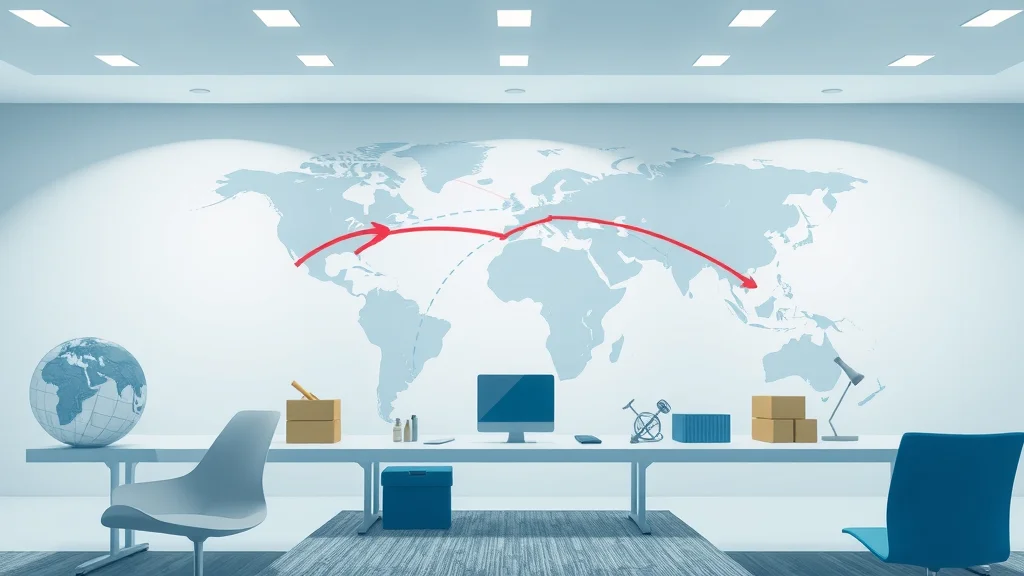
Tariff Rate and Its Impact on World Trade
"Tariffs often masquerade as simple economic tools, but their influence on exports can fundamentally redraw the global trade map."
The tariff rate—whether applied to imports or exports—shapes global supply chains in unexpected ways. A seemingly marginal change in effective tariff rate (even just a fraction of a percentage point) can significantly reorganize flows of imported goods, with corresponding effects on domestic product pricing and export strategies. Recent trends show that even industries not directly targeted by tariffs often suffer collateral damage as higher prices ripple through supplier networks.
Consider the impact of average effective tariff rate increases during key moments of the recent trade war. A two-point rise in the U.S. effective tariff rate on strategic imports, for example, triggered a similar response from China, the European Union, and other major partners. The shifting cost calculus for exporters, compounded by fluctuating tax revenue outcomes, forced firms to pivot exports to alternative markets and reevaluate their long-term expansion plans.
The United States, President Trump, and the Escalation of Trade Barriers
Few policy shifts have illustrated the profound tariff influence on exports quite like those enacted during the Trump administration. Positioning tariffs as leverage, U.S. trade authorities introduced sweeping policy changes that targeted interests well beyond imported steel and aluminum. The calculation was clear: by raising tariffs, the United States could ostensibly protect domestic industries from foreign competition—but the ensuing reaction was immediate, as global players enacted retaliatory tariffs of their own.
Industry was forced to adapt quickly, with manufacturers and exporters across the country grappling with tax increases, disrupted trade relationships, and abrupt changes in both input costs and available markets. This era marked a high point in the use of trade barriers as active policy tools, fundamentally altering the calculus of world trade strategy for years to come.

Trump Administration Strategies: Tariff Influence on Exports
The Trump administration’s approach to tariffs was distinctive both for its aggressiveness and its scope. By implementing dramatic hikes in tariffs on industries from steel and aluminum to washing machines and solar panels, the administration aimed to address perceived imbalances in world trade, notably with China, the EU, and North American partners. The logic: by increasing the tariff rate on targeted imported goods, domestic manufacturers might gain a competitive edge, protecting American jobs.
Yet the strategy came with significant side effects for exporters. For every trade barrier imposed, trading partners like Canada and Mexico enacted reciprocal tariffs of their own, hitting U.S. agricultural, consumer, and manufacturing exports. This cycle not only disrupted global supply chains but inflated consumer price indexes domestically, raising costs in everyday staples. The Trump administration’s use of tariffs demonstrates how quickly national strategies can spark unintended international consequences, fundamentally shifting the rhythm of world trade.
Key Actions: Steel and Aluminum as a Trade Barrier Case Study
One of the central flashpoints in recent trade disputes was the sharp escalation of tariffs on steel and aluminum. With U.S. tariffs rising to 25% or more on select categories, global competitors—including the EU, Canada, and China—moved swiftly to impose their own countermeasures. For American exporters, these tariffs instantly created powerful trade barriers, making U.S. steel and aluminum less attractive overseas while exposing related sectors to further competition at home.
The impact was immediate and measurable. Factories that once relied on stable export markets faced new hurdles as reciprocal tariffs and retaliatory taxes slashed their access to foreign buyers. At the same time, domestic product users such as automakers and appliance manufacturers were forced to absorb higher prices for inputs, passing costs to consumers and shifting production strategies in response. This dynamic case illustrates how a tariff rate adjustment in one sector can cascade through entire value chains, upending established norms of world trade.
Trade War and Retaliatory Tariffs: The Global Domino Effect
No discussion of tariff influence on exports is complete without an understanding of retaliatory action. In today’s interconnected markets, one country’s increase in its effective tariff rate is rarely matched by silence. More often, targeted nations impose reciprocal tariffs, escalate trade disputes, and engineer new barriers that raise the cost of doing business across borders. As a result, retaliatory tariffs have become a defining feature of the recent trade war era, creating a domino effect with profound consequences for exporters worldwide.
The role of emerging markets and the World Trade Organization in arbitrating these conflicts has never been more important, though not always swift or decisive. By analyzing how retaliatory tariffs play out during trade wars, businesses gain valuable insights into the importance of strategic market selection and rapid adaptation in uncertain times.
Retaliatory Tariffs: Reciprocal Tariff Strategies in a Trade War
The principle of reciprocal tariffs governs much of modern trade conflict: when one nation escalates duties, others respond in kind. In the latest trade war, China responded to U.S. policies by targeting agricultural exports while the European Union focused on motorcycles, whiskey, and more. The result is a web of retaliatory tariffs that not only disrupt established global supply chains but also swell overall tax revenue—a benefit for governments, but a hassle for exporters.
Not all players are equally equipped to deal with these barriers. The effective tariff rate for smaller or emerging economies can climb substantially faster, putting their domestic industries at risk and shifting trade flows even further. For American exporters, reciprocal tariffs frequently meant abrupt market losses and a scramble to rebuild relationships in unaffected regions. The lesson: in a world where trade barriers can appear overnight, flexibility is paramount.
Impact of Trade Barriers on Emerging Markets and World Trade Organization Rules
Emerging economies are often hit hardest by sweeping changes in effective tariff rates. Without the resources to absorb higher prices or sudden surges in imported goods tariffs, these countries can experience rapid drops in export volume and overall destabilization of their domestic product sectors. The World Trade Organization provides a forum for redress, but slow-moving dispute resolution can leave businesses in limbo for months or years.
WTO rules, designed to level the playing field by prohibiting arbitrary or excessive trade barriers, have been challenged by the rapid escalation seen during recent trade wars. Yet, their role as neutral arbitrators remains crucial for world trade, offering hope for a more streamlined, predictable tariff environment in the future.
- Import tariffs
- Export tariffs
- Non-tariff barriers
- Specialized steel and aluminum duties
- Temporary safeguard measures
Tariff Rate Changes and the Influence on Export Competitiveness
One of the most direct ways tariff influence on exports manifests is through swift shifts in the tariff rate. For exporters, a change of even a few percentage points in tariff costs can mean the difference between profit and loss, opportunity and withdrawal from a market. When the average effective tariff on steel, for example, surged past historic norms, U.S. mills found themselves boxed out of traditional destinations—and new entrants stepped into the vacuum.
Many industry analysts believe that sustained changes in effective tariff rates are especially impactful in sectors with slim margins and fierce international competition. The steel and aluminum story, which upended both upstream and downstream manufacturers, illustrates how a single policy lever can reorganize entire global supply chains. As a result, exporters must monitor not only foreign policy announcements but anticipated secondary, retaliatory reactions from major trading partners.
| Year | Industry | Tariff Rate Change | Export Volume Change |
|---|---|---|---|
| 2017 | Steel | +15% | -23% |
| 2018 | Aluminum | +10% | -17% |
| 2019 | Automobiles | +4% | -9% |
| 2020 | Agriculture | +6% | -15% |
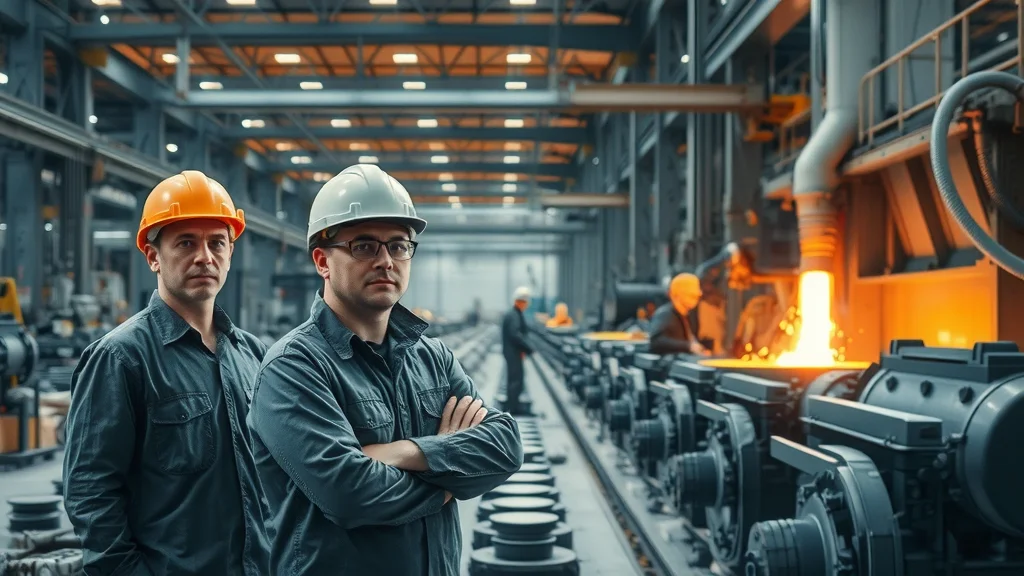
Case Study: Tariff Influence on Exports for U.S. Steel and Aluminum
"The steel and aluminum sectors epitomize the rapidly shifting sands of global trade under pressure from tariffs."
The tariff influence on exports became particularly prominent for U.S. steel and aluminum in the wake of the Trump administration’s sweeping trade actions. When tariffs climbed by double-digit percentage points, overseas buyers quickly turned to alternate suppliers in Canada, the EU, and emerging Asian markets. What had been reliable, profitable export corridors eroded within months, triggered by both direct tariffs and indirect cost increases stemming from new non-tariff barriers and supply chain rerouting.
For U.S. manufacturers, nearly every link in the supply chain—from raw material procurement to finished product export—required recalibration. Higher input costs created a competitive disadvantage even at home, while reciprocal tariffs in destination markets exacerbated downward pressure on demand. The result was a dramatic contraction in export volume, underscoring the disproportionate power that effective tariff rate changes wield in shaping world trade outcomes.
Trade Organization Oversight: Monitoring Tariff Influence on Exports
Trade organizations, and especially the World Trade Organization (WTO), remain central to policing the impact of trade barriers. As the frequency and scope of tariff disputes increase, the need for consistent, data-driven oversight rises as well. The WTO’s neutral stance and established dispute resolution frameworks provide exporters with a vital—if imperfect—mechanism for challenging unfair barriers and seeking remedies.
Yet, the reality for many exporters and manufacturers is that regulatory intervention often lags behind market changes. The pace of tariff influence on exports far outstrips the ability of trade organizations to reach consensus or enforce corrective action, highlighting a growing disconnect between global trade policy and business realities in sectors such as steel, aluminum, and high-tech manufacturing.

World Trade Organization’s Stance on Trade Barriers and Export Tariffs
As the primary international trade organization, the WTO attempts to mediate disputes and uphold the principles of open trade by discouraging arbitrary barriers, including abrupt changes in the effective tariff rate. Recent years have seen an influx of formal complaints, particularly as countries seek relief from sudden surges in specialized duties or retaliatory tariffs imposed by major economies like the United States.
However, actual enforcement remains a challenge. WTO panels require extensive documentation and time, often meaning that exporters must weather the storm for months before decisions are handed down. Nevertheless, industry actors and governments alike recognize that an empowered trade organization is more essential than ever for restoring predictability and fairness to world trade.
International Disputes: Tariff Rate Challenges under the WTO
When governments challenge effective tariff rate changes through the WTO, the stakes are high—not just for the disputing parties but for all global exporters. High-profile disputes covering steel and aluminum, solar panels, and agricultural products have forced the organization to clarify its stance on complex trade barriers, from overt duties to subtle non-tariff measures.
The WTO’s measured response process, while impartial, underscores the institutional challenges of keeping pace with fast-moving policy changes among its member states. As trade organization cases continue to pile up, it’s clear that a more dynamic approach may be needed to truly rein in the unpredictable effects of modern tariff influence on exports.
People Also Ask: Common Questions on Tariff Influence on Exports
How do tariffs affect exports?

Tariff Influence on Exports Explained: Effects on Export Volumes, Market Access, and Competitiveness.
Tariffs reduce export competitiveness by directly raising the cost of goods sold in foreign markets, which can lead to rapid decreases in export volume. These trade barriers often force exporters to find new markets or absorb higher costs, sometimes with little warning. When tariff rates climb, access to key regions is lost and strategic relationships may deteriorate, making global expansion exceptionally difficult for growing businesses.
Are Trump's tariffs in effect?
Current Status of U.S. Export Tariffs from the Trump Administration and Ongoing Debates in the United States.
Many of the tariffs implemented during the Trump administration remain active, especially those targeting steel, aluminum, and select Chinese imports. While some were relaxed for allied partners like Canada and Mexico, the central policy framework persists. Ongoing debate continues within the United States over whether to retain, expand, or rollback these measures, making it vital for exporters to stay closely updated on changes to the effective tariff rate.
What is a tariff on exports?
A Comprehensive Explanation of Export Tariffs and Their Role as a Trade Barrier.
An export tariff is a duty a government places on goods exiting the country. Unlike import tariffs, which protect domestic industries by limiting foreign competition, export tariffs are often used to secure local supply or generate additional tax revenue. These can act as a significant trade barrier by reducing the attractiveness of domestically sourced goods for international buyers, accelerating shifts in world trade flows and influencing global price increases.
Who benefits from high tariffs?
Winners and Losers: Stakeholder Analysis of High Tariff Rate Policies.
High tariffs can benefit select domestic producers who face less foreign competition, potentially safeguarding jobs and supporting certain sectors in the short term. The federal government may also see increased tax revenue. However, consumers typically pay more for finished goods, supply chains become less efficient, and exporters lose competitiveness—often resulting in higher prices and reduced growth potential in the long run.
Industry Perspectives: Navigating the Maze of Tariff Influence on Exports

For manufacturers, tariff influence on exports isn't an abstract policy matter—it's a daily operational challenge. Executives and supply chain managers must adjust not only to immediate price changes but to ongoing uncertainty over global regulations, partner nation policies, and fluctuating demand. The inability to reliably forecast costs and access can stall investment, deter hiring, and jeopardize long-term expansion, especially for medium-sized companies navigating the ever-shifting maze of international trade.
Open communication with government, rapid supply-chain adaptation, and close monitoring of trade organization activity are emerging as best practices in mitigating the damage from sudden tariff rate swings. The stories from the field reveal grit and strategic thinking as key assets for businesses determined to outlast current volatility.
Voices from the Field: Manufacturer Responses to Recent Trade Barriers
"The uncertainty of tariff influence on exports makes strategic planning nearly impossible for medium-sized manufacturers."
Recent interviews with industry leaders reveal a consistent theme: unpredictability is the new normal. Some firms have doubled down on automation or invested in local supply chains to insulate themselves from external shocks. Others are diversifying customer bases, targeting regions less prone to tariff rate volatility, or increasing product flexibility to adapt quickly to changing regulations.
Manufacturers emphasize the need for constant vigilance, agility in responding to policy changes, and proactive engagement with both government and industry trade organizations to advocate for clear, consistent rules. For many, success in today’s export market is defined by the ability to turn disruption into opportunity.
Adapting Supply Chains to Shifting Tariff Rates

Supply chain flexibility has become a top priority for exporters facing unpredictable tariff environments. This means building in redundancy, sourcing from multiple countries, and harnessing advanced logistics technology to reroute shipments at a moment’s notice. As technological innovation meets global uncertainty, exporters who invest in resilient, tech-enabled networks stand the best chance of thriving—regardless of where the next tariff increase or trade barrier may appear.
In addition to the practical steps, leading manufacturers are investing in scenario planning, real-time market intelligence, and close coordination with shipping partners to stay ahead of supply shocks. Experience from the steel and aluminum sectors shows that organizations that adapt swiftly to shifting tariff rates can even capture market share as less nimble competitors falter.
- Diversify export markets
- Leverage trade agreements
- Optimize supply chain routing
- Monitor tariff rate announcements
- Engage in government trade consultations
Key Takeaways: The Lasting Impact of Tariff Influence on Exports
- Tariffs can act as invisible trade barriers
- A shifting tariff rate significantly impacts competitiveness
- Retaliatory tariffs escalate trade war dynamics
- Trade organizations are vital but sometimes slow to act
- Proactive adaptation is essential for exporters
Frequently Asked Questions About Tariff Influence on Exports
Will exporting countries always retaliate with tariffs?

Not always. While recent trade disputes—such as the U.S.-China trade war—often led to quick reciprocal tariffs, some countries may seek alternate solutions, such as filing formal complaints through the World Trade Organization or negotiating side agreements. Still, history shows that retaliatory tariffs are a powerful, commonly used tool for protecting local industries and responding to aggressive trade barrier campaigns.
How can exporters minimize the negative impact of new trade barriers?
Exporters should diversify their market reach, invest in adaptive supply chain management, closely monitor international trade policy, and form alliances through trade organizations. Staying nimble—using real-time data and predictive analytics—can help minimize losses and identify opportunities in periods of tariff rate escalation.
What role do non-tariff barriers play compared to traditional tariffs?
Non-tariff barriers, such as licensing rules, safety regulations, or quotas, can restrict trade as much as, or more than, classic tariffs. They add new layers of compliance cost and unpredictability, requiring exporters to adapt both operational processes and administrative capacity. As tariffs fluctuate, these hidden barriers gain in importance and complexity.
Are there global efforts to standardize tariff rates?
Yes, organizations like the WTO and various multilateral trade agreements seek to limit excessive trade barriers and create more uniform tariff structures across key industries and markets. However, political and economic differences often slow progress, so rates can still differ substantially by country and product type.
Moving Forward: Informed Decisions in a Trade Barrier Landscape
"The only certainty in global trade is change—exporters must monitor tariff influence on exports and pivot fast or risk being left behind."
The global tariff influence on exports will continue to evolve, challenging exporters to remain vigilant, data-driven, and ready to adjust at a moment’s notice. Vigilance and flexibility are the best defenses in a rapidly changing world trade arena.
Strategic Insights for Manufacturers: Adapting to Tariff Influence on Exports
Manufacturers determined to remain competitive in volatile export markets must put adaptive strategies at the core of their operations. From developing resilient supply chains to investing in market intelligence and participating in policy discussions, the future belongs to organizations that actively anticipate and shape their destiny in an uncertain global landscape. The lessons of steel and aluminum trade demonstrate that those who prepare in advance can find fresh opportunities—even as old routes close.
Subscribe for Updates on Tariff Influence on Exports, Trade Barriers, and Global Trends
Manufacturer don't miss out! Stay informed on global trade shifts—tariffs, reshoring, and supply chain updates could reshape your strategy. Subscribe to Global Trade News for the latest updates. Call 203-271-7991 today.
Always stay ahead in world trade—understand the forces driving tariff influence on exports so your business can adapt and thrive.
Tariffs significantly influence export dynamics by altering the cost structures and competitiveness of goods in international markets. For instance, the U.S. Chamber of Commerce highlights that tariffs not only increase the cost of imported inputs for domestic producers but also invite retaliatory measures from trade partners, thereby reducing demand for U.S. exports. (uschamber.com) Similarly, the Council on Foreign Relations notes that while importers initially bear the cost of tariffs, these expenses are often passed on to consumers, leading to higher prices and decreased competitiveness for exporters. (cfr.org) Understanding these mechanisms is crucial for businesses aiming to navigate the complexities of global trade effectively.


Write A Comment